Review · COOKING CLASSES
Central Asian Lagman Cooking Master Class
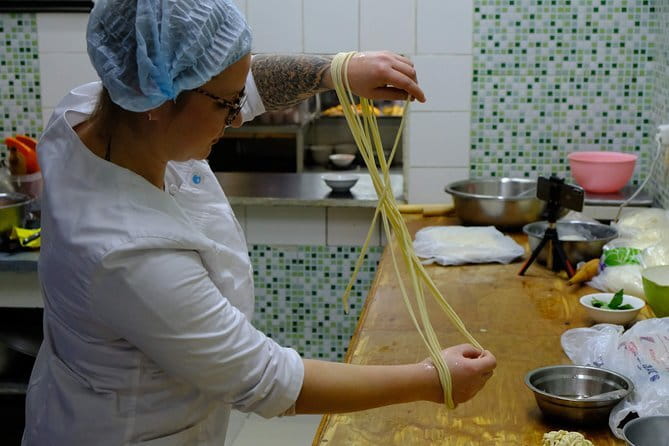
Lagman is dinner and a lesson in handwork. In this Bishkek class, you make the dough, stretch the noodles, cut vegetables, and cook the finished Central Asian dish instead of watching a chef do everything. The noodle technique is the star: you learn how to make the strands long and flexible from start to finish.
I like the hands-on format and the fact that ingredients, drinks, and dinner are included for $70. I also like the small group limit of 10, which gives you a better chance to follow the cook’s movements and ask for help. The main consideration is organization. The class can feel a little hurried or loosely managed, especially when the kitchen is busy.
Key points to know before booking
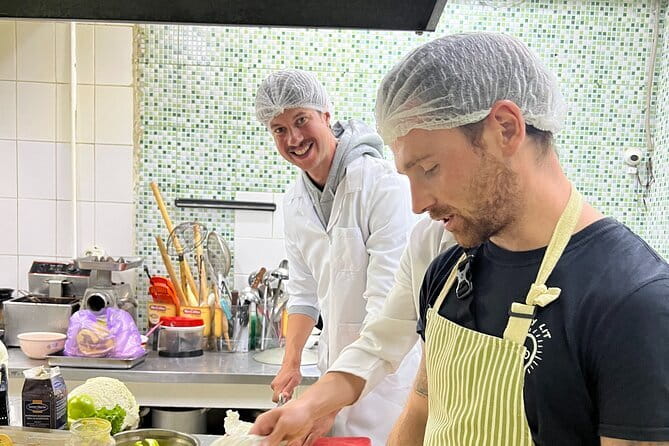
- Make the noodles yourself: You prepare and roll the dough, then learn the special method for stretching it into long, flexible strands.
- Eat what you cook: The class ends with a proper lagman dinner and refreshments, not just a sample taste.
- Small group, shared kitchen: A maximum of 10 people keeps the class fairly personal, though the kitchen may still feel active.
- English help is available: An English translator has been used to explain the steps and techniques.
- Meet at Apple Hostel Bishkek: The class begins and ends at Chymkentskaya 1B, with no private transportation included.
- Allow just over two hours: The advertised duration is about 2 hours and 5 minutes, including preparation and the shared meal.
Why lagman makes a good Bishkek cooking class
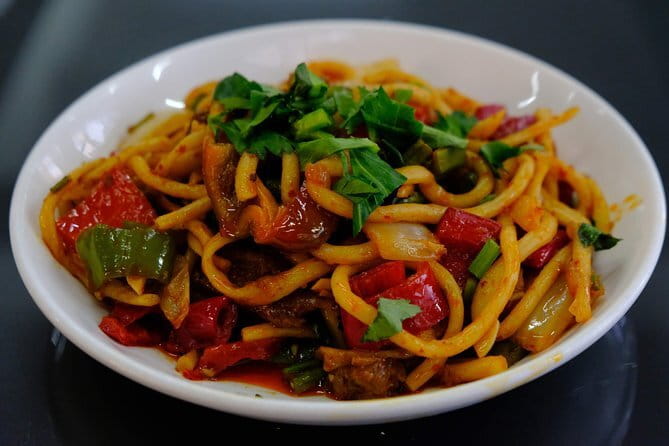
Lagman is one of Central Asia’s best-known noodle dishes, and it gives you more to do than a simple demonstration class. You work with dough, vegetables, meat, and cooking techniques, so the finished bowl reflects several parts of the region’s food culture.
The dish is often written as laghman or lagman. Here, the focus is not only on the sauce or seasoning. You learn the noodle itself, which is what makes this class more memorable than a standard meal where the food simply arrives at the table.
I like that the cooking process is tied to stories about traditional cuisine in Kyrgyzstan and the wider region. You get a little cultural background while your hands are busy. That helps explain why this meal matters locally, rather than treating it as just another recipe to copy at home.
The class also has a useful balance. You are not expected to arrive with cooking skills, and you are not left to guess what comes next. The cook guides the process, while an English translator can help explain the instructions and techniques.
More Hands-On Workshops in the world:
- Half-Day Thai Cooking Class at Organic Farm in Chiang Mai
★ 5.0 · 19,087 reviews - Florence: Pasta Cooking Class with Unlimited Wine
★ 4.9 · 10,285 reviews - 3 in 1 Cooking Class near Navona: Fettuccine, Ravioli & Tiramisu
★ 5.0 · 7,376 reviews
Starting at Apple Hostel Bishkek
The meeting point is Apple Hostel Bishkek at Chymkentskaya 1B, Bishkek 720030. The activity begins and ends there, so you do not need to arrange a separate ride between the cooking location and another part of the city.
Private transportation is not included. That matters if you are staying far from the meeting point, but the address is near public transportation. Plan your route before class, since the experience itself is built around arriving at the stated meeting point rather than being collected from your hotel.
The class uses a working kitchen rather than a polished cooking school setup. That can be part of the charm. You are closer to the food and the people preparing it, but you should not expect a silent, perfectly choreographed studio demonstration.
The group limit is 10 people. That is a sensible size for a class involving dough and hand-pulled noodles. With fewer people, you have a better chance of seeing how the dough is handled and getting correction when your strands are too thick, too short, or uneven.
Making the dough from scratch
The first practical stage is preparing the dough. You work through the basic ingredients together, then roll and handle the dough as the cook shows you what to do.
This is where the class earns much of its price. A bowl of lagman in a restaurant gives you the result, but it does not show you the work behind the noodles. Here, the dough becomes the main teaching tool. You see how a simple mixture can become long strands with the right handling.
The process is hands-on from the start. You should expect to touch the dough, roll it, and take part in shaping it rather than simply standing nearby. One useful point is that the class is designed for beginners who may have assumed a cooking class meant watching a professional. In this case, you are expected to participate.
Do not worry if your first attempt looks less than perfect. Hand-pulled noodles take practice, and uneven strands are part of learning. The value is in understanding the method well enough to repeat it later, not in producing restaurant-perfect noodles on your first try.
Stretching long, flexible noodles
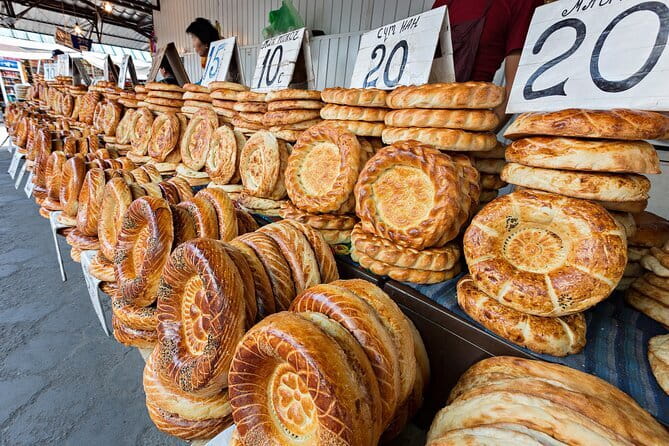
The noodle work is the most distinctive part of the experience. The cook demonstrates the special technique used to make the strands long and flexible, and you try it yourself.
This stage can be more demanding than it looks. The dough must be handled with enough care to stretch without breaking, but with enough movement to form the long strands that define the dish. You get a clear reason to pay attention to the demonstration, then test the technique with your own hands.
An English translator has helped explain the process, which is important here. Small instructions can affect the result: how to hold the dough, when to stretch, and how to keep the strands flexible. If you are not fully comfortable with the cooking language, listen closely during this part and ask for the technique to be shown again if needed.
I especially like this feature because it gives you something practical to remember after the class. You may forget a story or two, but the physical action of stretching the noodles can bring the meal back to mind. With the instructions and practice, you have a reasonable chance of attempting lagman at home.
A few more cooking classes around the world worth a look
- Florence: Pasta & Tiramisu Cooking Class with Unlimited Wine
★ 4.9 · 6,708 reviews - Florence: Pasta Cooking Class with Unlimited Wine
★ 5.0 · 6,413 reviews - Hanoi Cooking Class: Culture, Local Market & Meaning CSR Impact
★ 5.0 · 5,147 reviews - 5 Traditional Dishes Hanoi Cooking Class with Market Trip
★ 5.0 · 4,890 reviews
Preparing vegetables, meat, and the sauce
Once the noodles are underway, you help prepare the other parts of the dish. The class includes cutting vegetables and working through the ingredients before cooking the meal.
This makes the experience broader than a noodle workshop. You learn how the fresh ingredients come together with the noodles, and you see the meal develop in stages. Cutting the vegetables yourself also keeps the class active during the periods when the dough needs to rest or the cooking area needs attention.
The exact ingredient list and seasoning details are not specified, so I would not book this expecting a fixed recipe with every measurement written out in advance. The emphasis is on step-by-step instruction and proper technique. If you want to recreate the dish later, take notes or ask about quantities while you cook.
This is also the point where the pace may feel less polished. The cook is accustomed to preparing the food, while the class asks the kitchen to slow down and explain each stage. At times, the cook may seem more eager to cook the dish than to run a formal lesson. That does not remove the value, but it means you should approach the experience as a practical kitchen session, not a carefully staged demonstration.
Sitting down for the lagman dinner

After the preparation and cooking, you sit down together and eat the lagman you helped make. Refreshment drinks are included, along with the dinner itself.
That shared meal is a strong finish. You have watched the dough change, handled the noodles, prepared the vegetables, and then tasted the result while the steps are still fresh in your mind. The meal gives the class a clear purpose instead of leaving you with a plate of ingredients and a quick goodbye.
The dinner also creates time for conversation and stories about Kyrgyzstan’s food traditions. The setting is informal, and the shared table helps make the class feel social without requiring a separate cultural performance.
Do not expect a large restaurant-style feast. The stated inclusion is the lagman dinner and refreshments, so the value lies in the instruction and the meal you prepare together. For most people, that is a better fit than paying for a separate cooking class and then buying dinner elsewhere.
What $70 gets you in Bishkek
At $70, this is not the cheapest way to eat lagman in Bishkek. You can likely find a bowl of noodles for much less. The price makes more sense when you treat the class as two experiences in one: a practical cooking lesson and a hosted dinner.
You receive the ingredients, instruction, refreshments, and the finished meal. You also get access to a technique that is difficult to understand from a recipe alone, particularly the stretching of the noodles.
The small group cap improves the value. Ten people is still large enough for a lively table, but it is not a crowd of 20 or 30 standing around one cooking station. If the group is full, you may still need to wait your turn at certain stages, yet the number remains manageable.
I would consider it good value for someone who wants a food activity with real participation. It is less useful for you if your main aim is simply to eat a quick local dinner or collect a polished recipe card.
The class style and possible rough edges
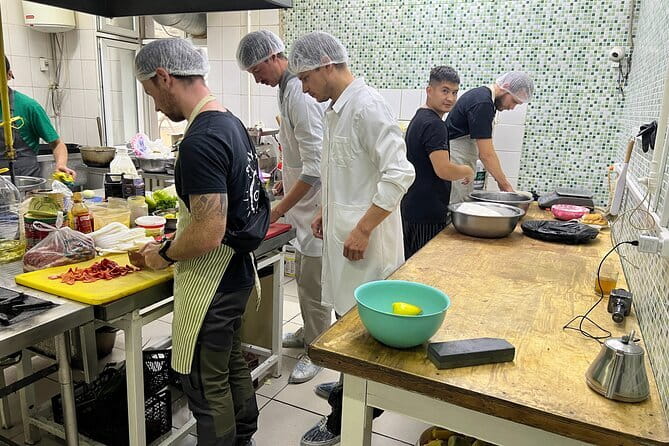
The strongest part of the class is its direct, practical nature. You make the dough, roll it, stretch it, cut vegetables, and eat the dish. The experience does not keep you at a safe distance from the kitchen.
The weaker part is the organization. When many people arrived, the person managing the class appeared surprised by the number who had signed up, and the kitchen staff seemed more comfortable cooking than teaching. That can produce a bit of confusion at the beginning.
I would allow some patience and flexibility. A family group enjoyed the activity despite the disorganization, and the overall rating is 4.6 from seven ratings, which suggests the rough edges did not outweigh the food and hands-on work for most participants.
The English translation is another useful factor. It helps bridge the gap between a busy kitchen and a class for international visitors, but the experience may still feel informal. If you need highly structured timing, exact measurements, or a professional culinary-school format, this may not be the right fit.
Who will enjoy this experience most
This class suits you if you like food activities that involve doing rather than watching. It is a good choice for couples, families, solo visitors, and small groups who want a shared meal with a clear local connection.
It is especially suitable for first-time cooking class participants. You do not need previous experience, and the steps are shown as you go. The work is active but not presented as advanced culinary training.
Families should note that the activity includes dough handling, vegetable preparation, and a shared dinner. Children may enjoy the tactile noodle-making, though the supplied information does not give an age range or specific child policy.
Food-focused visitors will get the most from the class, particularly if you want to understand how lagman is made rather than just order it. It also works well for anyone with an interest in taking a Central Asian recipe home.
You may want to skip it if you dislike group cooking, need a tightly timed schedule, or prefer a quiet meal with no participation. The kitchen style is informal, and the experience depends on everyone sharing the preparation space.
Practical details before you reserve
The activity lasts about 2 hours and 5 minutes. That is long enough for the food preparation, noodle work, cooking, and dinner, but it is not a full-day cultural program.
Your booking confirmation is received at the time of booking. The tour requires a minimum number of participants, so if that minimum is not met, you are offered another date or experience, or a full refund.
Free cancellation is available if you cancel at least 24 hours before the local start time. Cancellations within 24 hours are not refunded, and changes made within that period are not accepted.
Service animals are allowed. The meeting point is near public transportation, but private transportation is not included. Since the activity returns to Apple Hostel Bishkek, you can plan your onward route from the same location.
The experience cannot be combined with another master class. If you are building a full day of food activities, leave this one on its own rather than trying to add another class to the same booking.
Should you book the lagman master class?
Book it if you want to learn one memorable technique, eat a meal you helped prepare, and spend a couple of hours in a small Bishkek group. The long noodle-making process, English translation, included dinner, and refreshments give the $70 price a clear purpose.
Go in expecting an informal kitchen lesson, not a flawless culinary production. A little confusion may occur, and the cook may need encouragement to slow down and teach. If you can accept that, the class offers a useful, tasty introduction to lagman and a recipe skill you can try again at home.
FAQ
Where does the Central Asian Lagman Cooking Master Class begin?
It begins at Apple Hostel Bishkek, Chymkentskaya 1B, Bishkek 720030, Kyrgyzstan.
Where does the activity end?
The activity ends back at the meeting point at Apple Hostel Bishkek.
How long does the cooking class last?
The class lasts approximately 2 hours and 5 minutes.
How many people can join the class?
The workshop has a maximum of 10 participants.
Are ingredients and dinner included?
Yes. Food ingredients, refreshment drinks, and the lagman dinner are included.
Is transportation included?
No. Private transportation is not included, though the meeting point is near public transportation.
Can I cancel for a full refund?
Yes. You can receive a full refund if you cancel at least 24 hours before the experience start time. Cancellations within 24 hours are not refunded.
Just added around the world
- Korean cooking class in Haeundae, Busan★ 5.0 · 92 reviews
- Cooking, Farming and Waterfall In Vietnam Countryside★ 3.0 · 6 reviews
- Busan Tailored Korean cooking class (Vegan OK)with market tour★ 5.0 · 66 reviews
- Private Argentine Cooking Class and Tango Lesson in Buenos Aires★ 5.0 · 37 reviews
- Hungarian Home Cooking Class with Chef Marti★ 5.0 · 30 reviews
- Cooking Class with dinner/lunch in Ulcinj Montenegro★ 5.0 · 8 reviews
- BA: Empanadas and Alfajores Cooking Experience in Palermo★ 5.0 · 112 reviews
- Budapest Market Tour & Home Cooking Class with local Chef & Guide★ 5.0 · 23 reviews
Cooking Classes, compared.
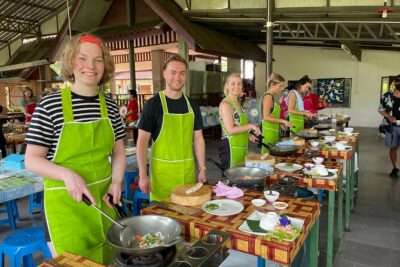
Half-Day Thai Cooking Class at Organic Farm in Chiang Mai
Read our review →
Florence: Pasta Cooking Class with Unlimited Wine
Read our review →
3 in 1 Cooking Class near Navona: Fettuccine, Ravioli & Tiramisu
Read our review →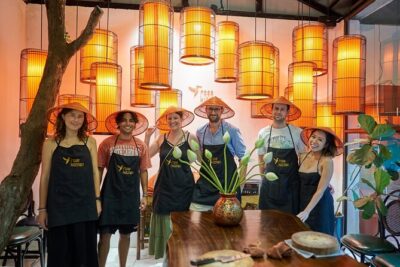
Hanoi Cooking Class: Culture, Local Market & Meaning CSR Impact
Read our review →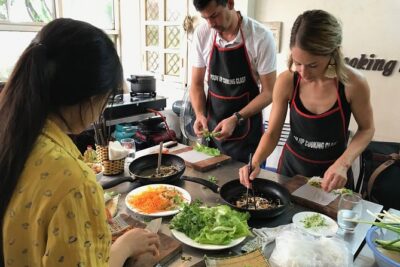
5 Traditional Dishes Hanoi Cooking Class with Market Trip
Read our review →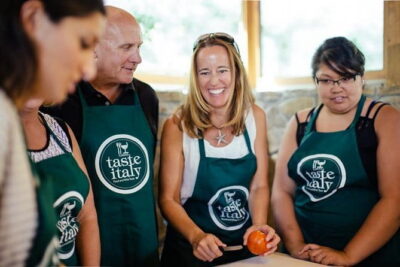
Cooking Class and Lunch at a Tuscan Farmhouse with Local Market Tour from Florence
Read our review →