
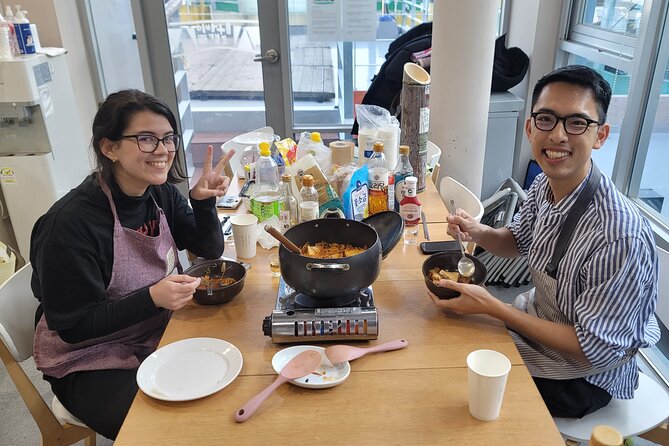
Review · KOREAN
Busan Tailored Korean cooking class (Vegan OK)with market tour
Bujeon Market is the heart of this experience. You do not simply watch a cooking demonstration, you shop for ingredients with Busan host Suyang Chang, then carry them into a home kitchen and turn them into lunch. The class is a fine way to learn the everyday Korean dishes that rarely appear on a tourist menu.
I especially like the custom menu and the market visit. You can choose three dishes, ask for vegetarian recipes, and learn useful techniques for tofu, vegetables, noodles, seafood, or Korean stews. The main consideration is the price: at $95 per person, this is not a cheap meal, and the no-refund policy means you should book only when your plans are firm.
What makes this Busan cooking class worth your time
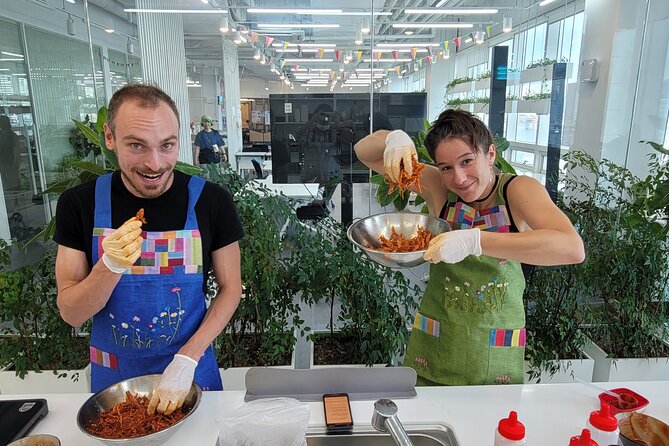
- Bujeon Market comes first: Shop for fresh ingredients with a local host rather than arriving at a kitchen with everything already prepared.
- You choose three dishes: Pick two banchan, or side dishes, plus one stew or soup from a broad menu.
- Vegan and vegetarian requests are welcome: The host has adapted dishes with plant-based ingredients and even provided gluten-free soybean paste for one class.
- You cook from scratch: The class focuses on real preparation, not just assembling food that someone else has made.
- Recipes help you continue at home: The cooking is designed around methods and ingredients you can repeat outside Korea.
- Small-group feel: The maximum is 15 people, but several classes described a personal, hands-on format with close help from Suyang.
Starting near Seomyeon and entering Bujeon Market
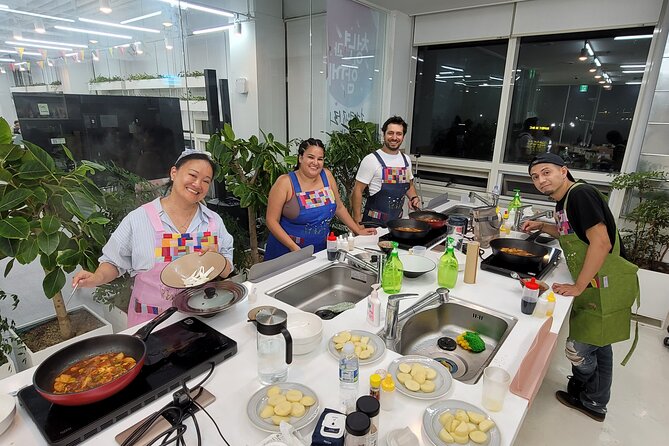
The meeting point is outside KB Kookmin Bank on Saessak-ro, in Busanjin District, near Seomyeon. The location is close to public transportation, which makes it a practical starting point if you are staying in central Busan.
From there, you head to Bujeon Market with Suyang. This is not a quick walk past a few food stalls. The market visit is meant to show you how Korean cooks shop, what ingredients look like before they reach a restaurant plate, and how a meal takes shape from what is fresh that day.
You might see unfamiliar vegetables, dried seafood, fish, roots, beans, noodles, and seasonings. Suyang can explain what you are looking at and help you select the ingredients needed for your chosen dishes. That guidance matters because Korean markets can be hard to read on your own. Labels may not be easy to understand, and many ingredients have no obvious English equivalent.
The market also gives the class a local rhythm. You are not buying a fixed basket of ingredients from a tour company. You are shopping for the meal you are about to cook. That small difference makes the food feel more connected to Busan and gives you a better sense of how Korean home cooking works.
One useful detail from the class reports is that Suyang sometimes adds local food recommendations along the way. He has directed people toward restaurants and market snacks, including tteokbokki and fried fish cakes, a Busan favorite. These extras may depend on the day and the group, so do not count on a separate snack stop, but his local advice can be valuable if you have more time in town.
More Market Tour Cooking Classes in South Korea
- Local Home Korean Cooking Class & Market Adventure in Seoul
★ 5.0 · 1,024 reviews - Seoul: Korean Cooking Class at a Local Home and Market Tour
★ 5.0 · 348 reviews - Cook 3 Authentic Korean Dishes with Local Market Tour
★ 5.0 · 231 reviews
Choosing your three Korean dishes
The standard format lets you choose two banchan and one stew or soup. This is a smart arrangement. Banchan are the small side dishes that give a Korean meal much of its variety, while the stew or soup provides the main warm dish.
The side-dish list is broad. Options include stir-fried anchovies, dried pollack with spicy sauce, black beans in soy sauce, egg in soy sauce, kimchi pancake, seafood pancake, beef pancake, bracken salad, bean sprout salad, braised radish, spicy braised tofu, steamed tofu and egg, cucumber kimchi, seasoned eggplant, and pan-fried shrimp with seaweed.
For the main dish, you might choose kimchi stew with pork, soybean paste stew, seaweed soup with clam or dried pollack, Alaska pollack soup, spicy or soy-sauce chicken, braised pollack, or braised flatfish.
This selection lets you avoid the familiar tourist short list of barbecue, bibimbap, and basic kimchi. You can learn how Korean cooks handle dried pollack, black beans, tofu, spinach, seaweed, or anchovies. These are useful dishes because they rely on repeatable techniques rather than restaurant equipment.
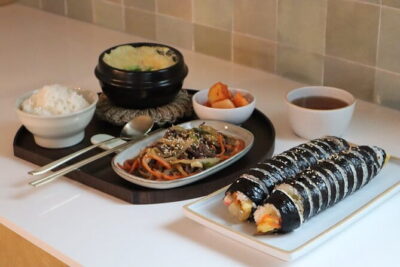
The menu can also change to suit the group. Several classes have included japchae, mini kimbap, marinated abalone, and other dishes beyond the standard menu. Ask about the current choices after booking, especially if there is one particular dish you want to make.
There is one important booking detail. If several groups join the class, the first group to reserve gets the first choice of menu. If your preferred dishes matter, reserve early and communicate your choices clearly.
Also ask about special menu formats. One class chose a braised beef short rib option, and that arrangement did not include the usual side dishes. The regular three-dish format and a special premium-style option may not offer the same amount of food or variety.
Vegan and vegetarian cooking in Busan
The title specifically allows vegan participation, and the cooking can be adjusted for vegetarian diners. This is one of the strongest reasons to consider the class if Korean food has felt difficult to navigate.
Korean cuisine uses plenty of vegetables, tofu, beans, mushrooms, seaweed, grains, and fermented seasonings. The challenge is that fish sauce, dried seafood, meat stock, and shrimp can appear in dishes that look vegetarian at first glance. A private or tailored class gives you a better way to ask what is actually in the food.
Suyang has prepared vegan menus with dishes such as braised black beans, braised tofu with spicy sauce, and spinach soybean paste soup. He has also used gluten-free soybean paste when requested. These examples show that the class can address more than a simple no-meat preference.
You should state your dietary needs when you book, then confirm them again before the market shopping begins. The supplied information supports vegetarian and vegan adaptations, but it does not promise that every dish or ingredient can suit every allergy.
Cooking from scratch in a home kitchen
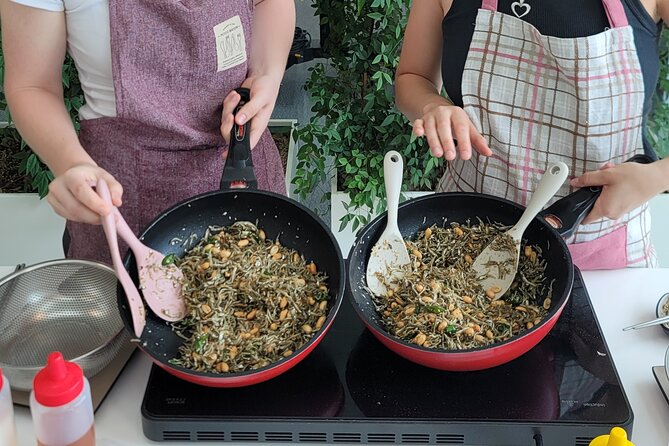
After shopping, you move to the kitchen and prepare the meal with Suyang. The class lasts about five hours, including the market visit, shopping, cooking, and eating. That gives you enough time for instruction rather than a rushed recipe demonstration.
The hands-on format is important. You chop, season, mix, fry, simmer, and adjust the food yourself. Suyang explains the key steps and helps you handle the parts that may be unfamiliar, such as balancing fermented soybean paste, using dried seafood, preparing Korean pancakes, or building flavor in a stew.
This is also where the class earns its value. A restaurant can show you what Korean food tastes like, but this teaches you how Korean food is built. You leave with more than a full stomach. You have a method for making dishes again.
The cooking is aimed at home cooks, not professional chefs. That makes the recipes more useful after you return home. Suyang has supplied recipes that can be made by people with ordinary cooking skills and ingredients available outside Korea.
The final meal is the food you prepare. Lunch foods are included, along with bottled water and barley tea, corn tea, or instant coffee. Alcohol is not included, so plan on a tea-based meal unless you arrange something separately.
Portions can be generous. One class produced enough food for six people even though only two people attended. That is good news if you enjoy tasting several dishes, but it may also mean more food than a small group can finish.
More Korean Cooking Classes in South Korea:
- Master Korean traditional cooking with a Kimchi chef
★ 5.0 · 385 reviews - Seoul: Korean Cooking at Seoul Cooking Club!
★ 5.0 · 311 reviews - Korean Cooking at Seoul Cooking Club
★ 5.0 · 220 reviews - Korean Cooking Class with Grocery Shopping at Seoul Local Market
★ 5.0 · 107 reviews
Why the host matters
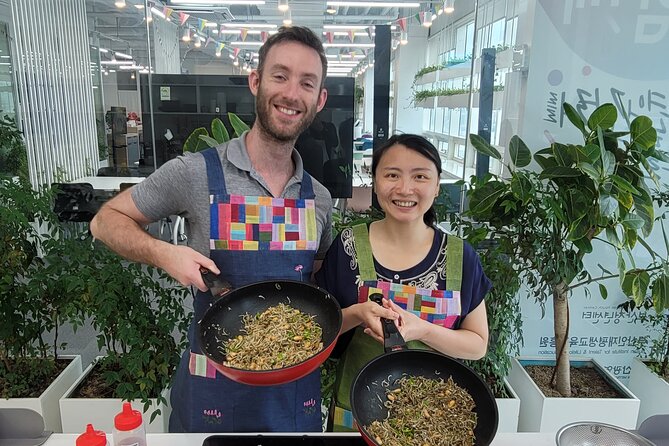
Suyang Chang, also known by the nickname Busan oppa, is central to the quality of the class. His role is not limited to showing you where the kitchen is. He explains Korean food and culture, answers questions about language, and gives suggestions for restaurants and places to visit in Busan.
The best part of his approach is the personal attention. He has adapted recipes for vegan diners, arranged different menus for families, helped cruise passengers coordinate their visit, and adjusted the pace for groups with different ages and cooking abilities.
That flexibility is useful, but it also means the exact class can vary. One group may make three ordinary dishes. Another may focus on marinated abalone. A family may make a larger meal, while a vegan pair may work with tofu, beans, and gluten-free soybean paste.
If you want a particular style of class, say so in advance. You can ask for less seafood, no meat, vegan dishes, familiar ingredients, or a challenge involving less common Korean food. The activity is designed to respond to those requests, subject to availability.
The value of five hours and $95
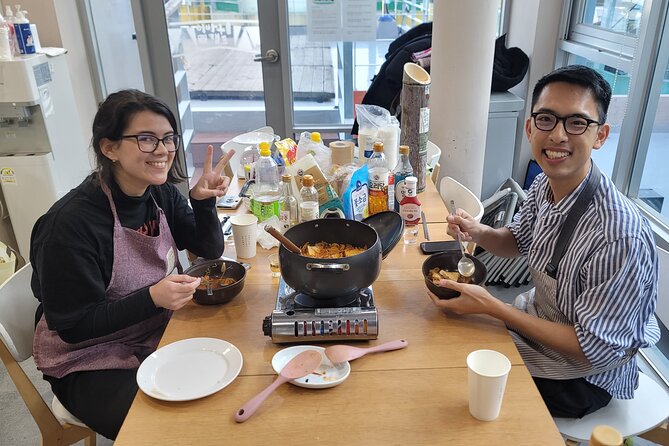
At $95 per person, the class costs more than ordering a Korean meal. You are paying for roughly five hours, market guidance, ingredients, cooking instruction, the meal, drinks, recipes, and the host’s local advice.
For a pair or small group that enjoys food and conversation, the value is strong. You get a market orientation, a cultural lesson, a meal, and practical cooking skills in one half-day. It also fills a gap in many Busan itineraries, where visitors often eat well but never learn how the food is made.
The price is harder to justify if you only want a quick lunch or prefer a formal cooking school with professional facilities. This is a personal home-kitchen format, and the focus is on connection and useful food knowledge rather than polished production.
Group discounts are available, though the exact discount is not specified. The maximum group size is 15. A larger group may feel less personal than a small booking, so ask about the expected group size if close instruction is important to you.
The activity is often booked about 45 days ahead. That suggests you should not leave it until the final day or two of your trip, especially if you want a specific menu or have dietary needs.
Practical details before you book
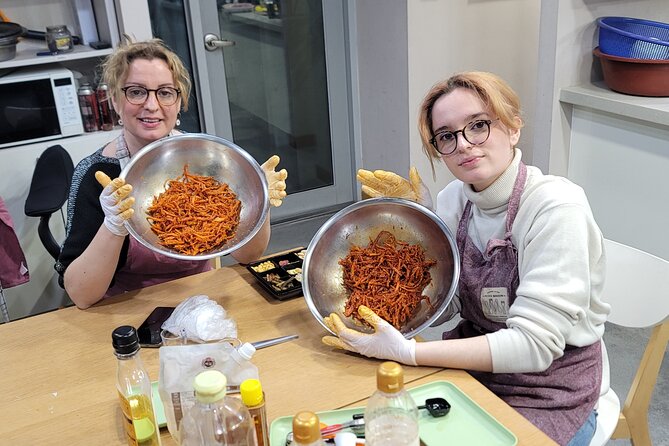
The activity begins and ends at the stated meeting point near Seomyeon. A mobile ticket is accepted, and confirmation is provided within 48 hours, subject to availability.
Wear clothes and shoes that you do not mind using in a kitchen. The supplied details do not promise hotel pickup, so plan your route to KB Kookmin Bank on Saessak-ro before the start time.
The full activity takes about five hours. That is a large block of the day, but it is also what lets the class include both the market and proper cooking. Do not schedule a tightly timed attraction immediately afterward.
The cancellation policy is strict. The booking is non-refundable and cannot be changed for any reason. I would not reserve this until your Busan plans are settled.
The class is near public transportation, and the meeting point is in a central part of Busan. Cruise passengers have also used the experience, with one arrangement beginning at the cruise terminal and continuing to the market and kitchen. That is a special arrangement, not a stated standard pickup, so contact the host before assuming it applies to your booking.
Who will enjoy this class most
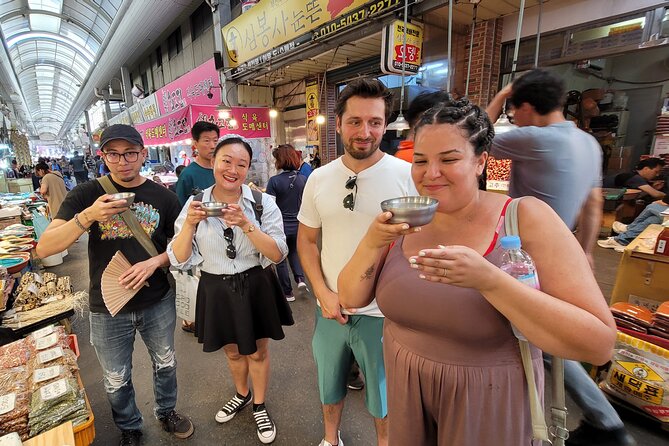
You should consider this class if you:
- Want to learn everyday Korean food beyond barbecue and bibimbap
- Enjoy markets, cooking, and conversation more than passive sightseeing
- Need vegan or vegetarian adjustments
- Want recipes you can repeat at home
- Are traveling with family or a small group
- Have enough time for a five-hour food activity
- Prefer local guidance to a formal culinary school setting
It may not suit you if you dislike seafood, want a short activity, need a guaranteed fixed menu, or prefer a fully polished cooking studio. The available dishes include fish, shellfish, pork, chicken, beef, and fermented ingredients, though the menu can be tailored.
FAQ
Where does the cooking class meet?
You meet at KB Kookmin Bank on Saessak-ro in Busanjin District, Busan. The activity ends back at the meeting point.
How long does the experience last?
The class takes about five hours, including the Bujeon Market visit, ingredient shopping, cooking, and eating.
How many dishes will I make?
The standard format allows you to choose three dishes: two banchan, or side dishes, and one stew or soup.
Can I request vegan or vegetarian food?
Yes. Vegetarian menus are available, and the host has adapted classes for vegan participants. You should state your dietary needs when booking.
What is included in the price?
The price includes the food you make for lunch, bottled water, and barley tea, corn tea, or instant coffee. Alcohol, personal expenses, and travel insurance are not included.
Can I cancel or change my booking?
No. The activity is non-refundable and cannot be changed for any reason. Confirmation arrives within 48 hours, subject to availability.
Should you book this Busan cooking class?
I would book it if you want a close look at Korean home cooking rather than another restaurant meal. The strongest features are the Bujeon Market shopping trip, the chance to choose your own dishes, and Suyang Chang’s willingness to adjust the class for vegan diners, families, and different cooking interests.
Book early if you need a particular menu, since the first group to reserve gets menu priority when several groups attend. Bring an open appetite, allow the full five hours, and treat the class as both a meal and a practical cultural lesson.
At $95, it is best value for people who will actually use the recipes afterward. If that sounds like you, this is a thoughtful, hands-on way to spend part of a Busan day.
More Food Experiences in South Korea
- Busan: Small-Group Traditional Korean Food Cooking Class
★ 4.9 · 58 reviews - Small Group Cooking Class & Market Food Tour in Florence
★ 5.0 · 1,574 reviews - Athens: Food Market Visit and Cooking Class with Wine
★ 4.9 · 1,087 reviews - Undiscovered Charleston: Half Day Food, Wine & History Tour with Cooking Class
★ 5.0 · 948 reviews
More Vegan Cooking Classes in South Korea
- Seoul: Temple Vegan Cooking Class & Oriental Medicine Tour
★ 4.6 · 32 reviews - Oaxacan Vegetarian Cooking Class
★ 5.0 · 235 reviews - Marrakech: Moroccan Cooking Class for vegetarians and vegan
★ 4.9 · 156 reviews - Hoi An: Vegetarian Cooking Class w Local Family and transfer
★ 4.9 · 145 reviews
Just added around South Korea
- Korean cooking class in Haeundae, Busan★ 5.0 · 92 reviews
- Seoul: Korean Cooking Class with Local Grocery Shopping★ 5.0 · 13 reviews
- Seoul: Korean Kimchi Cooking Class in the Heart of the City★ 5.0 · 3 reviews
- Seoul: Premium Korean Feast Cooking Class★ 5.0 · 3 reviews
- Seoul: Kimchi Dishes Cooking Class with Wine Pairing★ 4.7 · 38 reviews
- (Seoul) Korean Cooking Class with a Professional Chef★ 5.0 · 14 reviews
- Seoul: Taste of Korea, Authentic Home Style Cooking Class★ 4.9 · 166 reviews
- Seoul: Cooking Class and Tour with Michelin-Trained Chef★ 5.0 · 11 reviews
Korean Cooking Classes, compared.
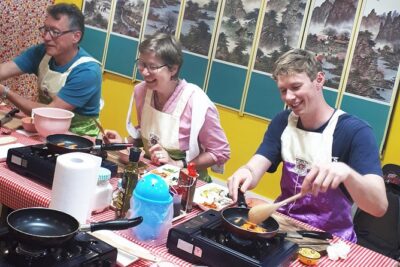
Local Home Korean Cooking Class & Market Adventure in Seoul
Read our review →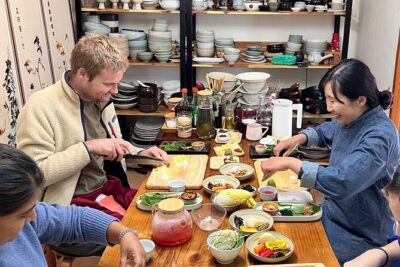
Master Korean traditional cooking with a Kimchi chef
Read our review →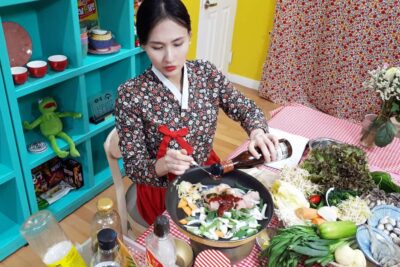
Seoul: Korean Cooking Class at a Local Home and Market Tour
Read our review →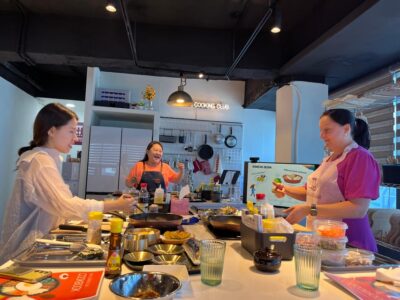
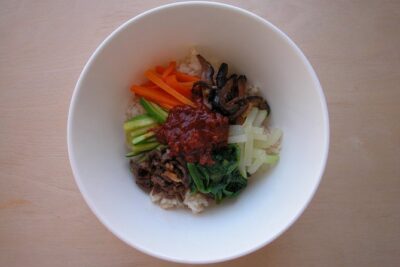
Cook 3 Authentic Korean Dishes with Local Market Tour
Read our review →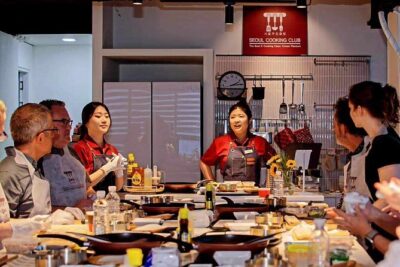
Korean Cooking Class with Grocery Shopping at Seoul Local Market
Read our review →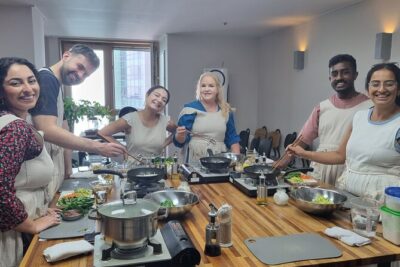
Browse the lists this tour appears in