
Review · KOREAN
Seoul: Korean Cooking at Seoul Cooking Club!
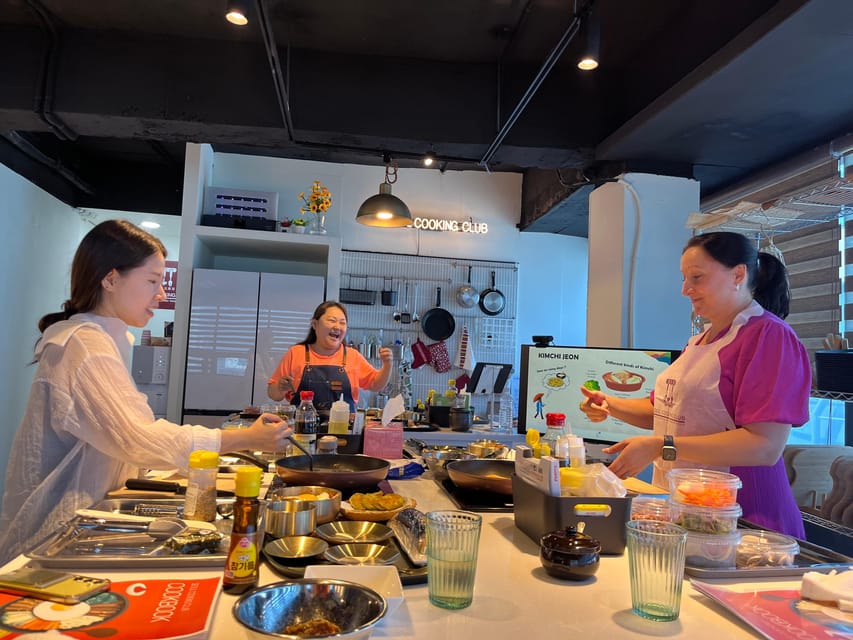
The best part of Seoul Cooking Club is the sheer amount of food you learn to make in one sitting. You prepare three or four kinds of jeon, then work on japchae, bulgogi, Jeonju bibimbap, and side dishes before sitting down to eat. It feels more useful than a quick demonstration because you leave with recipes you can try at home.
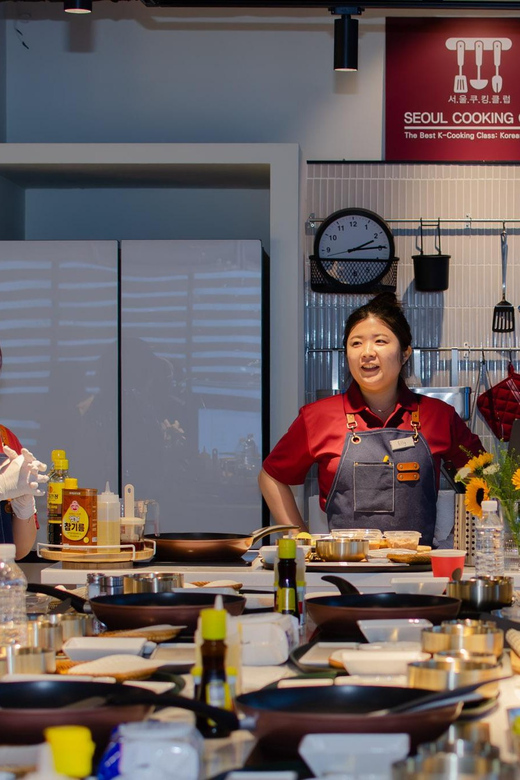
I like the clear English instruction and the well-planned workstations. Chefs including Sally, Olivia, Elly, and Grace explain each step patiently, while an assistant helps keep used tools out of the way. The class is also generous with food, and takeaway containers are available when your three-course meal proves too large for one sitting.
The main caution is the price: $109 per person is not cheap for a cooking class. You are paying for a full meal, a central location, an English-speaking chef, drinks, a recipe book, and a 150-minute activity, but budget-minded visitors may prefer a market meal or a shorter class.
Key points to know before booking
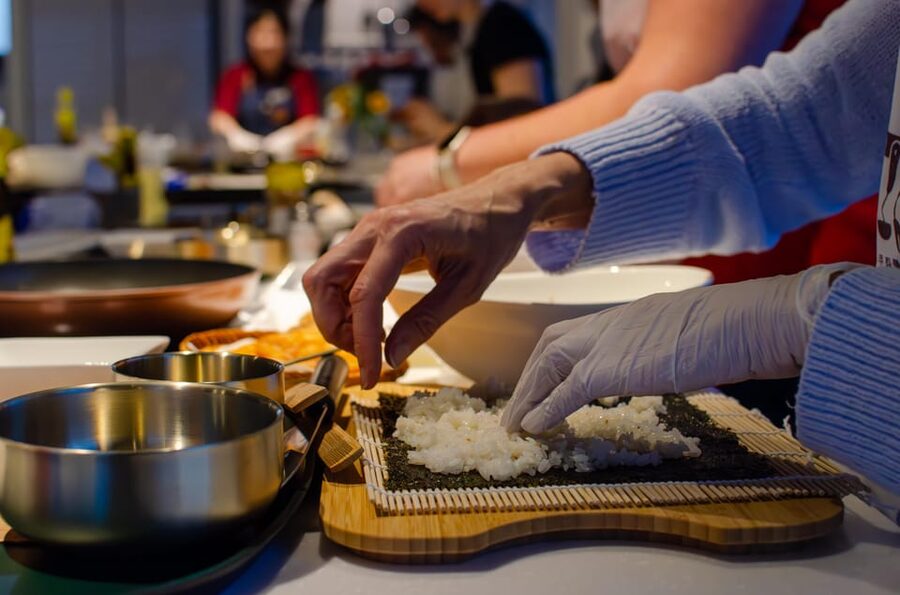
- Seven or more Korean dishes: Prepare jeon, japchae, bulgogi, Jeonju bibimbap, banchan, and a changing Korean dessert.
- Three to four jeon varieties: Depending on the session, you may make seafood, beef, tofu, pollack, sesame leaf, or battered meatball pancakes.
- A full meal, not just a lesson: The class includes about ten tastings, traditional drinks, and a sit-down feast.
- English-speaking chefs: Sally, Olivia, Elly, and Grace are among the instructors praised for clear explanations and patient guidance.
- Easy Jongno location: The cooking studio is about 15 metres from Jonggak Station, Exit 12, close to Insadong, Ikseondong, and Gwangjang Market.
- Useful take-home extras: You receive recipes, and takeaway containers or a bag may be available for leftovers.
A Korean cooking class with a full table at the end
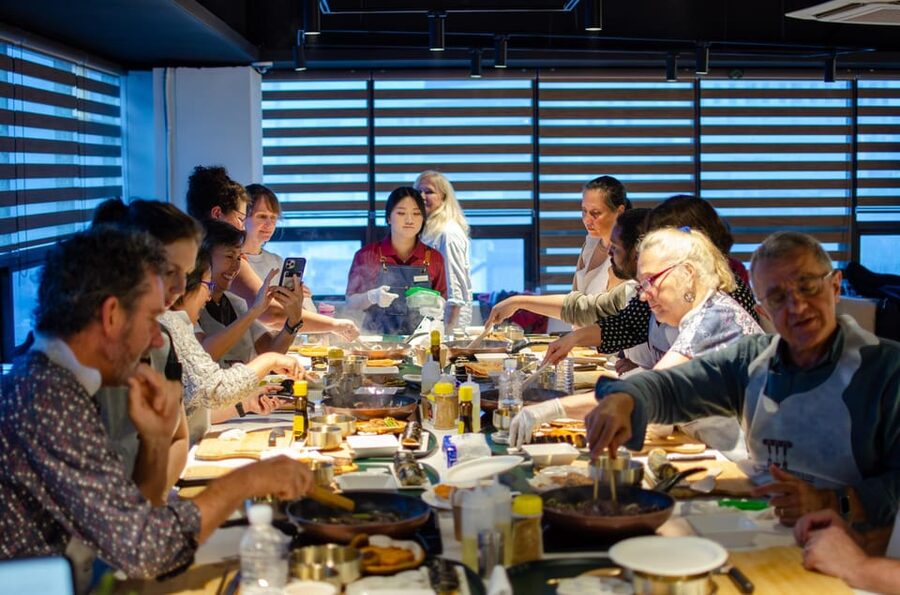
Seoul Cooking Club is designed for people who want to do more than watch someone else cook. Over 150 minutes, you chop, mix, shape, fry, season, and assemble a broad selection of Korean food. Then you sit down and eat what you helped prepare.
That structure matters. Korean food can look simple on the plate, but much of its character comes from sauces, seasoning, texture, and the balance between a main dish and small side dishes. Here, the chef explains how the food fits into Korean eating habits and tells stories about the origins of the recipes as you work.
The class is especially appealing if you like variety. You are not spending the entire session learning one elaborate dish. Instead, you get a guided introduction to pancakes, noodles, barbecue-style beef, rice, vegetables, pickles, and sweets. It is a broad first look at Korean home cooking.
You should arrive hungry. Portions are generous, and you taste food while cooking before sitting down to the main meal. Some people may have enough food left to eat later, although you should not assume that every session will provide the same amount of leftovers.
More Korean Cooking Classes in Seoul:
- Local Home Korean Cooking Class & Market Adventure in Seoul
★ 5.0 · 1,024 reviews - Master Korean traditional cooking with a Kimchi chef
★ 5.0 · 385 reviews - Seoul: Korean Cooking Class at a Local Home and Market Tour
★ 5.0 · 348 reviews
Starting with jeon, Korea’s small savory pancakes
The first section focuses on jeon, the small pan-fried dishes often served as snacks, side dishes, or part of a larger Korean meal. You make three or four varieties from a rotating selection.
Possible flavors include donggrangttaeng, a small battered meatball; pollack pancake; pajeon with seafood; beef pancake; tofu pancake; and sesame leaf pancake. This gives you a useful lesson in how one basic format changes with different fillings and ingredients.
Jeon is a good starting point because it is hands-on without being too difficult. You learn how to handle the batter, shape the portions, and cook them in a pan. It also gives you an early taste of Korean seasoning before the larger dishes are ready.
The exact selection can vary, so do not book expecting a guaranteed combination of all six. The point is the range: seafood, meat, tofu, and herbs show how flexible this style of Korean cooking can be.
Japchae, bulgogi, and bibimbap make up the main meal
The main cooking section brings together three familiar Korean dishes. Japchae combines stir-fried vegetables with glass noodles. It is mild, savory, and satisfying, with its appeal coming from the mix of textures rather than heavy spice.
Bulgogi uses sliced beef seasoned with soy sauce before being cooked in a barbecue-style preparation. This is a practical dish to learn at home because the flavor comes from a sauce and careful cooking rather than specialist equipment.
Jeonju bibimbap provides the rice-based center of the meal. Bibimbap is more than a bowl of rice with toppings. The vegetables, seasoning, and arrangement show how Korean cooking brings several small preparations together in one dish.
You work with the other people in the class on these dishes. That means the experience is social rather than entirely individual. If you prefer a quiet, private lesson, this may feel busy. If you enjoy meeting people over food, the shared work makes conversation easy.
The kitchen is prepared in advance, which keeps the class moving. Reviews of the experience repeatedly praise the organization, clear instructions, and ready-to-use ingredients. That also means this is not a professional chef exam. You can participate even if your kitchen skills are basic.
Banchan explains how Korean meals are built
The side dishes, or banchan, are one of the most useful parts of the class. You taste around ten items in total, with examples including kimchi, radish kimchi, Korean egg roll, stir-fried anchovies, seasoned soybean sprouts, seasoned spinach, and spicy cucumber.
These small dishes help explain why a Korean meal feels larger than a single main course. Each one brings a different taste or texture, and together they make rice, noodles, and meat more interesting.
For someone who mainly knows Korean food through barbecue or fried chicken, this is a helpful correction. Korean cooking is not only about heat and meat. Pickled vegetables, seasoned greens, seafood, egg, tofu, and fermented flavors all play a part.
You may also find the banchan easier to recreate at home than you expect. Several rely on a few key sauces and simple preparation. One useful lesson is that learning the sauces and basic pickling methods can take you a long way.
A few more cooking classes around Seoul worth a look
- Korean Cooking at Seoul Cooking Club
★ 5.0 · 220 reviews - Seoul: Taste of Korea, Authentic Home Style Cooking Class
★ 4.9 · 166 reviews - Korean Cooking Class with Grocery Shopping at Seoul Local Market
★ 5.0 · 107 reviews - Seoul: Royal Seoul Cooking Class in a 100-Year-Old Hanok
★ 5.0 · 96 reviews
Dessert, sikhye, and tea finish the session
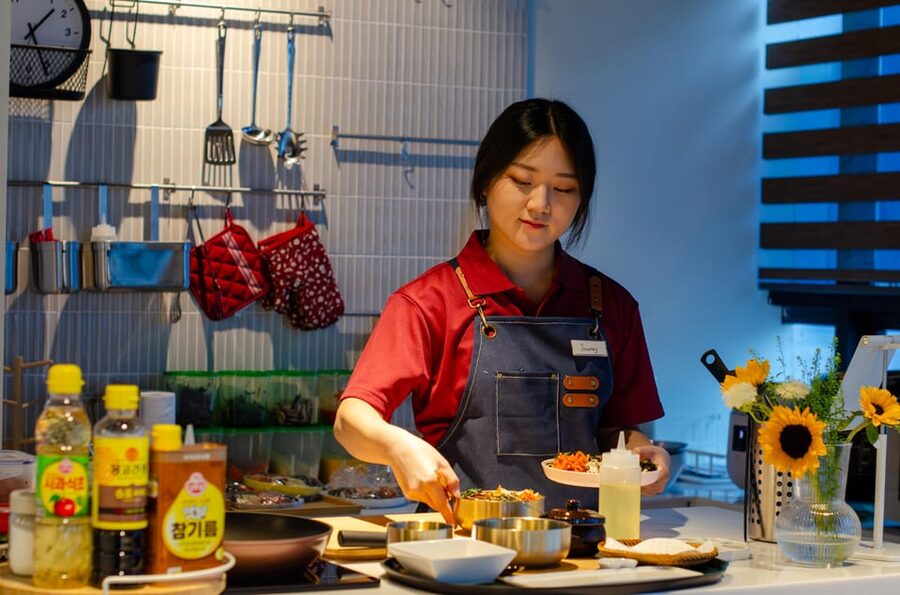
The dessert changes daily, so the sweet course has a small element of surprise. Bing-su, a popular Korean shaved-ice dessert, may be included. The class also provides water, sikhye, and Korean tea.
Sikhye is a sweet rice drink traditionally served cold or at room temperature. It is a nice addition because it introduces a Korean drink that you may not order automatically in a restaurant.
The final meal is not rushed into a few bites at the counter. After the cooking is finished, you sit down and enjoy the dishes together. That transition from work to meal is important. It lets you compare the results, ask final questions, and appreciate how the separate dishes fit together.
A small recipe book is provided, and some sessions also include a tote bag or a bag for leftovers. If you are carrying food around Seoul afterward, ask about a container before making tight plans.
What the chefs do well
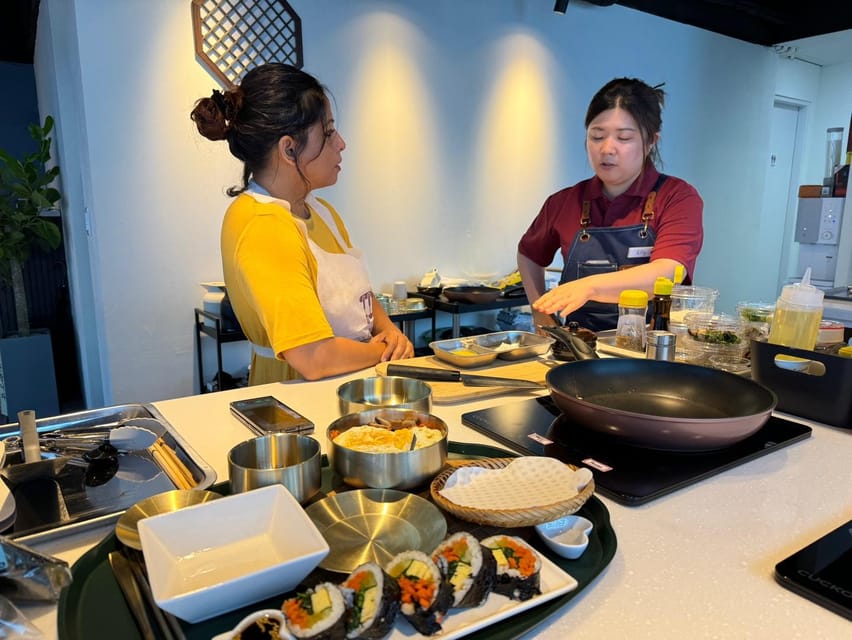
The instructors teach in English, which removes one of the main barriers in a foreign cooking class. Sally, Olivia, Elly, and Grace are all named as instructors at different sessions, and the strongest pattern is their patient, step-by-step teaching.
That does not mean the class is identical every day. The chef’s personality and the size of the group can change the feel. A small session allows more time for questions, while a fuller group may have more energy and conversation.
The chefs also explain the background of the food rather than treating each dish as a list of commands. You hear about origins, customs, and the place of certain dishes in Korean meals. That context makes the cooking more memorable and helps you understand why several small plates appear together.
Food restrictions should be discussed in advance. Gluten-free and coeliac-friendly adjustments have been handled successfully in some sessions, and instructors have worked with people who avoid particular foods. Still, the information does not promise that every dietary request can be met, so contact the provider before booking rather than relying on an adjustment on the day.
A clean, organized studio near Jonggak
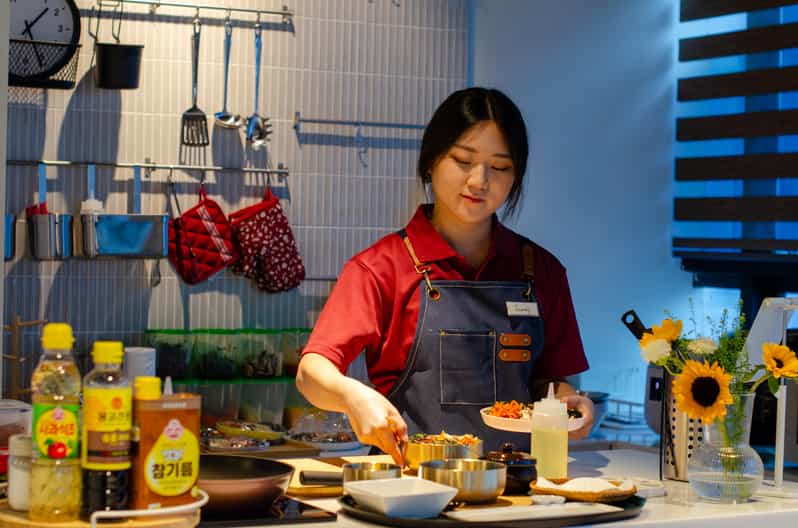
The location is one of the easiest parts of this experience. The studio is about 15 metres from Jonggak Station on Seoul Metro Line 1, Exit 12.
From the exit, walk straight, then take the first right around the corner of Pascucci. Look for the orange Good Game Zone facade in the same building. The entrance is on the seventh floor.
This is a practical choice for a busy Seoul day. Jongno puts you close to Insadong, Ikseondong, Gwangjang Market, Myeongdong, and Gyeongbokgung Palace. You can pair the class with sightseeing before or after, without spending an hour crossing the city.
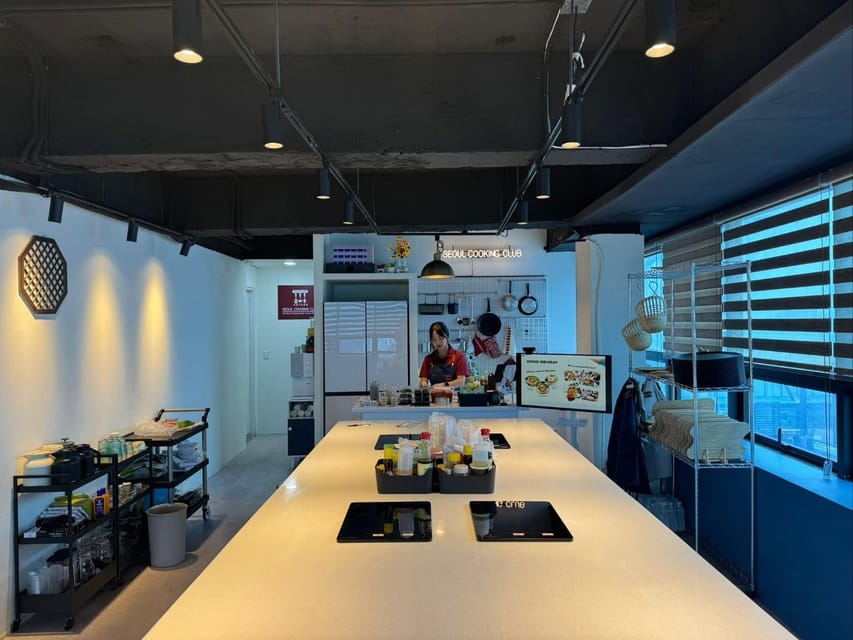
The studio itself is described as modern, clean, and well prepared. Each participant has a workstation, ingredients are laid out ahead of time, and support staff help remove used equipment. That organization keeps the kitchen from becoming cluttered while several dishes are in progress.
Wear closed-toe shoes. The class is wheelchair accessible, but you should confirm any specific access needs when booking.
Choosing brunch, lunch, or early dinner
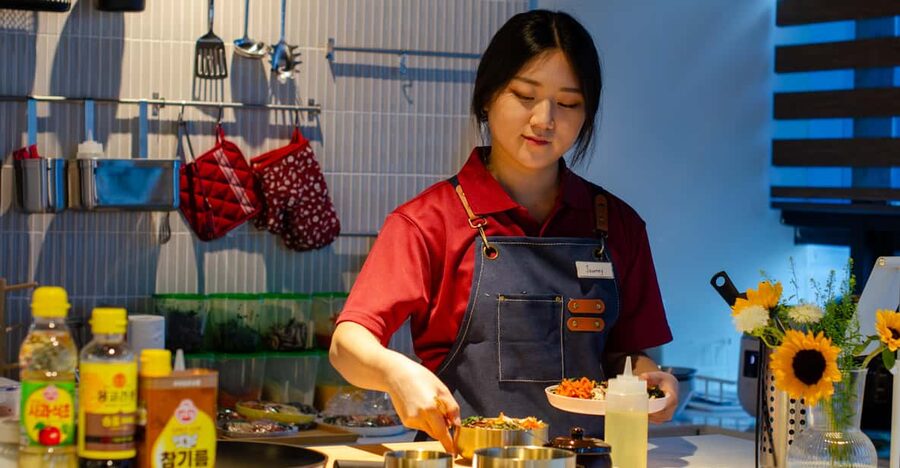
Three sessions run from Monday through Sunday, giving you a choice between brunch, lunch, and early dinner. The best time depends on how you plan to use the meal.
A brunch session leaves the afternoon open for palaces, markets, or neighborhood walks. Lunch works well as a central break in a day of sightseeing. An early dinner gives you time to cook, eat, and then explore Jongno after dark.
Because the class includes so much food, I would not schedule an expensive restaurant immediately afterward. You may be full, and some dishes may be available to take away. Give yourself time to sit and eat without watching the clock.
Children under 16 cannot join, so this is aimed at adults and older teenagers. Solo visitors can fit in well because the shared cooking format gives you a natural way to meet people. Couples, families with older children, and small friend groups also have plenty to do.
Is $109 a fair price?
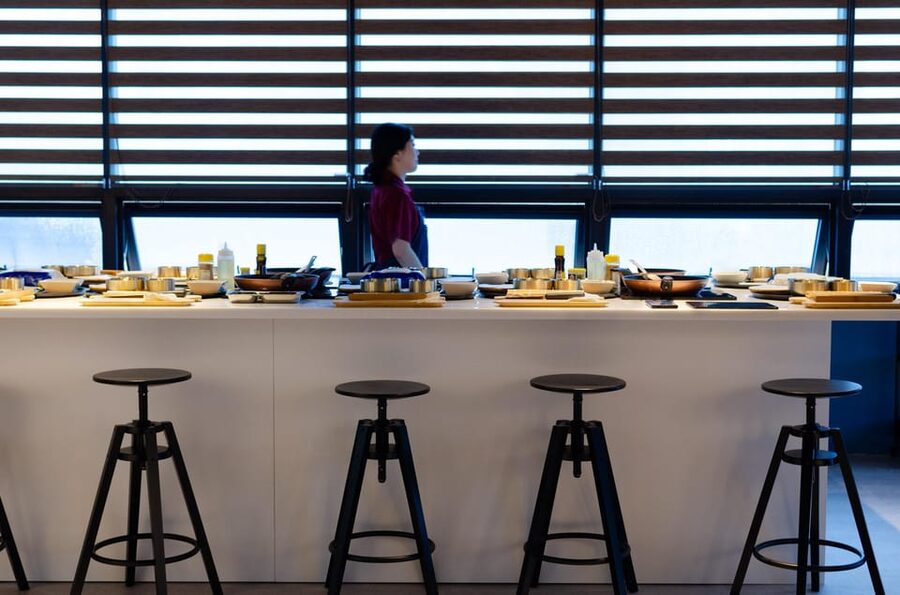
At $109, Seoul Cooking Club sits in the higher-priced range for a food activity. The value depends on whether you want a meal, a lesson, or both.
If you count only the food, the price is hard to justify. You could eat Korean dishes for far less in Seoul. But the fee also covers 150 minutes of instruction, several recipes, a large meal, about ten tastings, drinks, dessert, a central location, and an English-speaking chef.
The recipe book improves the value for anyone who plans to cook after returning home. Takeaway food adds value too, although leftovers depend on the amount prepared and how much you eat during the session.
I would book it if Korean food is a major reason for your trip, or if you want an activity that gives you a skill to take home. I would skip it if your main goal is simply to eat cheaply or if you dislike group activities.
The free cancellation option allows cancellation up to 24 hours before the activity for a full refund. You can also reserve and pay later, which helps if your Seoul schedule is still changing.
Who should book Seoul Cooking Club?
This class suits you best if you:
- Want a broad introduction to Korean food rather than one recipe
- Prefer learning by doing
- Need instruction in English
- Enjoy meeting other people around a shared meal
- Want recipes and techniques to use at home
- Like a generous meal after an organized activity
- Are staying near Jongno or planning to visit nearby sights
It is less suitable if you are under 16, want a private cooking lesson, need guaranteed dishes that are not on the standard menu, or are looking for the cheapest possible meal in Seoul.
Should you book it?
Book Seoul Cooking Club if you want your food experience to continue after the holiday. The combination of jeon, japchae, bulgogi, bibimbap, banchan, drinks, and dessert gives you a wide introduction to Korean cooking in one sitting.
The strongest reasons to choose it are the central location, clear English teaching, tidy setup, patient chefs, and useful recipe book. The main weakness is the price, especially if you are comparing it with an ordinary restaurant meal.
Come hungry, wear closed-toe shoes, and leave space in your schedule afterward. For food-focused visitors, solo visitors, and anyone who wants to bring a little Korean cooking home, this is a practical and enjoyable choice.
FAQ
How long does the Seoul Cooking Club class last?
The class lasts 150 minutes, or two and a half hours.
How much does the cooking class cost?
The listed price is $109 per person.
Where does the class meet?
It meets at Seoul Cooking Club near Jonggak Station in central Seoul. Take Line 1 to Jonggak Station and use Exit 12.
How do I find the studio from Jonggak Station?
Walk straight from Exit 12, take the first right around the corner of Pascucci, and look for the orange Good Game Zone facade. The entrance is on the seventh floor of the same building.
Is the class taught in English?
Yes. The instructor teaches in English, and English is the listed class language.
What food will I prepare?
You may prepare three or four kinds of jeon, japchae, bulgogi, Jeonju bibimbap, and Korean side dishes. The exact jeon selection can vary.
Are drinks and dessert included?
Yes. The class includes water, sikhye, Korean tea, and a Korean dessert. Bing-su may be offered, and dessert options change daily.
Can I take food home?
Takeaway containers or a bag may be provided for leftovers. The amount available depends on how much food you eat during the class.
Can children join the class?
Children under 16 are not permitted to participate.
Just added around Seoul
- Seoul: Premium Korean Feast Cooking Class★ 5.0 · 3 reviews
- Seoul: Korean Cooking Class with Local Grocery Shopping★ 5.0 · 13 reviews
- Seoul: Korean Kimchi Cooking Class in the Heart of the City★ 5.0 · 3 reviews
- (Seoul) Korean Cooking Class with a Professional Chef★ 5.0 · 14 reviews
- Seoul: Taste of Korea, Authentic Home Style Cooking Class★ 4.9 · 166 reviews
- Seoul: Kimchi Dishes Cooking Class with Wine Pairing★ 4.7 · 38 reviews
- Seoul: Cooking Class and Tour with Michelin-Trained Chef★ 5.0 · 11 reviews
- Seoul: Authentic Korean Cooking Class and Market Tour★ 5.0 · 6 reviews
Korean Cooking Classes, compared.
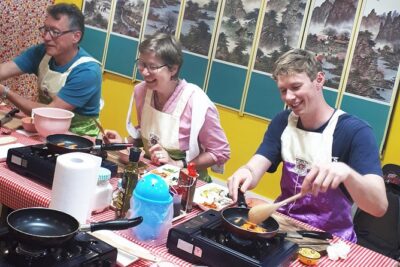
Local Home Korean Cooking Class & Market Adventure in Seoul
Read our review →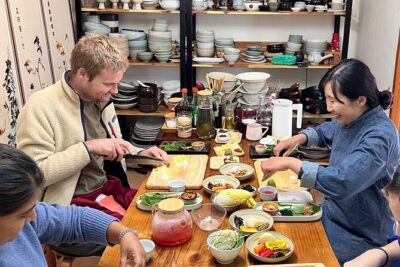
Master Korean traditional cooking with a Kimchi chef
Read our review →
Seoul: Korean Cooking Class at a Local Home and Market Tour
Read our review →
Cook 3 Authentic Korean Dishes with Local Market Tour
Read our review →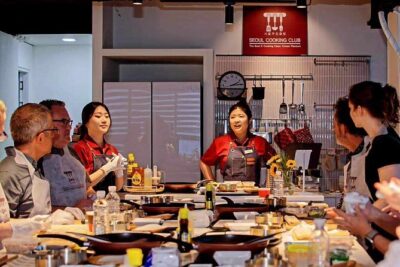
Korean Cooking Class with Grocery Shopping at Seoul Local Market
Read our review →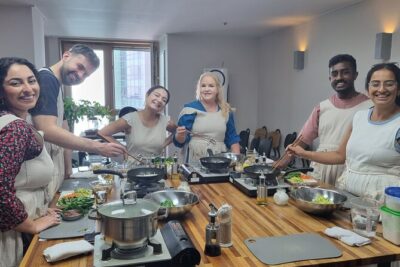
Busan Tailored Korean cooking class (Vegan OK)with market tour
Read our review →Browse the lists this tour appears in