
Review · KOREAN
Seoul: Korean Kimchi Cooking Class in the Heart of the City
The best part of this Seoul cooking class is its practical focus. You do not simply taste kimchi and hear a short explanation. You make three different dishes, from crisp kimchi-buchimgae to radish kimchi fried rice and cool white kimchi noodles. I like the small group of eight and the way the class suits both beginners and confident home cooks.
I also like the setting near Gyeongbokgung Palace, which makes it easy to pair the class with sightseeing in Jongno. The main drawback is the price, $86 per person for two hours. That can be fair if you value instruction, a full meal, drinks, and recipes you can repeat at home, but it is not a cheap lunch.
Key points at a glance
- Three different kimchi dishes: Learn how the same broad food tradition can produce pancakes, fried rice, and a noodle dish.
- A secret dish is included: The final extra preparation changes with the class and available ingredients.
- A useful lesson in Korean food culture: The chef explains fermentation, flavor balance, pairings, and where to find ingredients outside Korea.
- A convenient Jongno location: The meeting point is about 200 meters from Exit 2 of Gyeongbokgung Station.
- A relaxed class for all cooking levels: You receive English instruction in a group capped at eight people.
- A complete food experience: Makgeolli, water, the prepared dishes, and a secret dish are included.
Why this class is more than a kimchi tasting
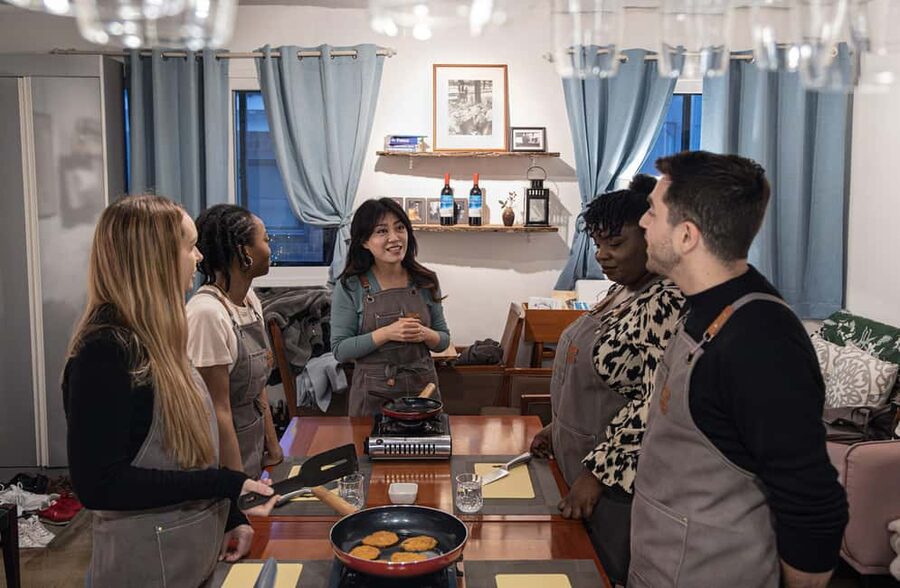
Kimchi is often treated as one item on a Korean meal table. This class shows you a broader picture. You work with cabbage kimchi, radish kimchi, and white kimchi, then use each in a different way.
That matters because the dishes have very different textures and jobs. The cabbage kimchi pancake is crisp and savory. The kkakdugi, made with radish, brings crunch and fermented flavor to fried rice. Baek-kimchi offers a milder, refreshing contrast, served with broth and noodles.
You also learn the ideas behind the food. The chef covers fermentation, the balance between bold and gentle flavors, and ways to pair kimchi with other dishes. For me, this is more useful than a class focused only on following a recipe. You leave with a better sense of how Korean meals are put together.
The English-language instruction keeps the session accessible. The group size matters, too. With no more than eight people, you should have a better chance to follow the demonstrations and ask questions than you would in a large tourist class. The experience is described as comfortable for all cooking levels, so you do not need to arrive with advanced knife skills or fermentation experience.
More Korean Cooking Classes in Seoul:
- Local Home Korean Cooking Class & Market Adventure in Seoul
★ 5.0 · 1,024 reviews - Master Korean traditional cooking with a Kimchi chef
★ 5.0 · 385 reviews - Seoul: Korean Cooking Class at a Local Home and Market Tour
★ 5.0 · 348 reviews
Finding the cooking studio near Gyeongbokgung
The class meets on the third floor at 36 Jahamun-ro 7-gil in Seoul’s Jongno District. From Exit 2 of Gyeongbokgung Station, walk straight for about 200 meters, then turn left at Woori Bank.
Continue past the well-known bar Cham. The building has Cuisine La Cle restaurant on the first floor, and the cooking class is on the third floor. This is the sort of meeting point where you should allow a few extra minutes. The class takes place in a particular building rather than at a large, obvious attraction entrance.
The location works well with a day around Gyeongbokgung Palace. You can visit the palace before the class, then walk to the meeting point without arranging a taxi or pickup. There is no hotel pickup or drop-off, so plan to reach the studio on your own.
You receive a Google Maps link with the location, which is useful in Jongno’s smaller side streets. I would still save the address and building details before leaving your hotel. A little preparation prevents a rushed arrival, especially if you are unfamiliar with Seoul’s station exits.
Starting with Korean ingredients and fermentation
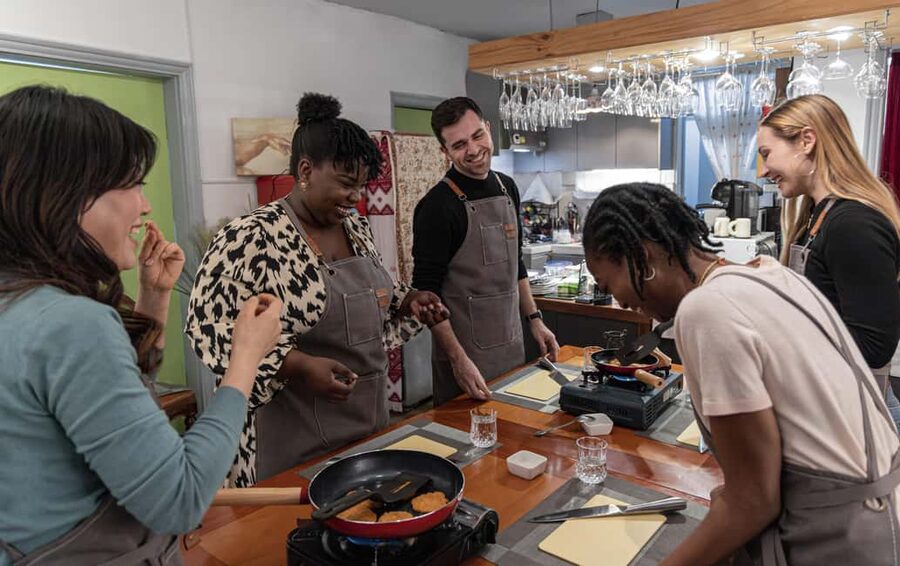
At the beginning, you meet the English-speaking chef, wash your hands, and go through the basic skills needed for the meal. The class also introduces local ingredients and explains how to find similar items in your own city.
That last part gives the experience value after your holiday ends. A cooking class can be fun for two hours, but it is more useful when you can recreate something later. Here, the aim is not just to show you a Seoul dish. You learn how to identify ingredients and think about substitutions or sources near home.
Fermentation can sound technical, but this class presents it through food you prepare and eat. You learn how kimchi develops its character and how to use that flavor in dishes that are not simply served as a side portion.
The format is hands-on. You prepare the food with guidance from the chef, rather than watching an entire demonstration from the edge of the room. That makes it a good choice if you want to practice instead of collect another passive food tour.
The menu and schedule can change with availability. Think of the three main dishes as the core plan, not a legally fixed menu. The secret dish is part of the fun, but you should expect some variation.
Kimchi-buchimgae, the crisp first course
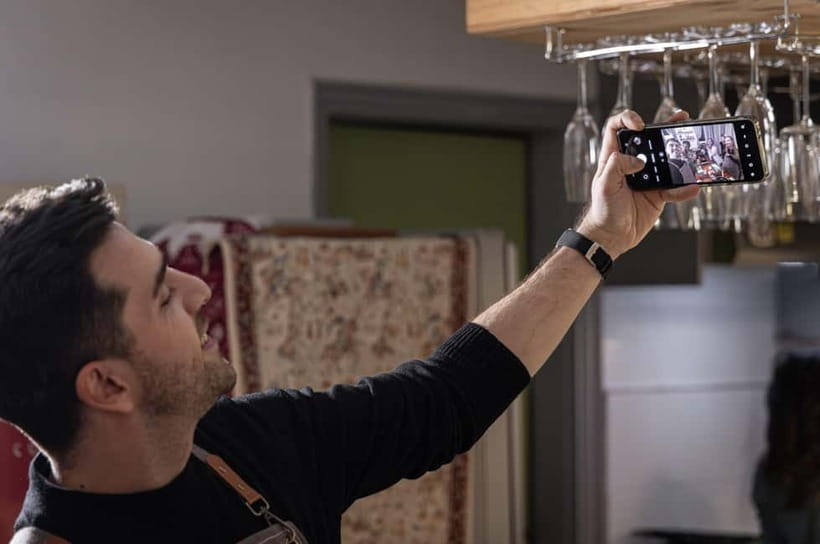
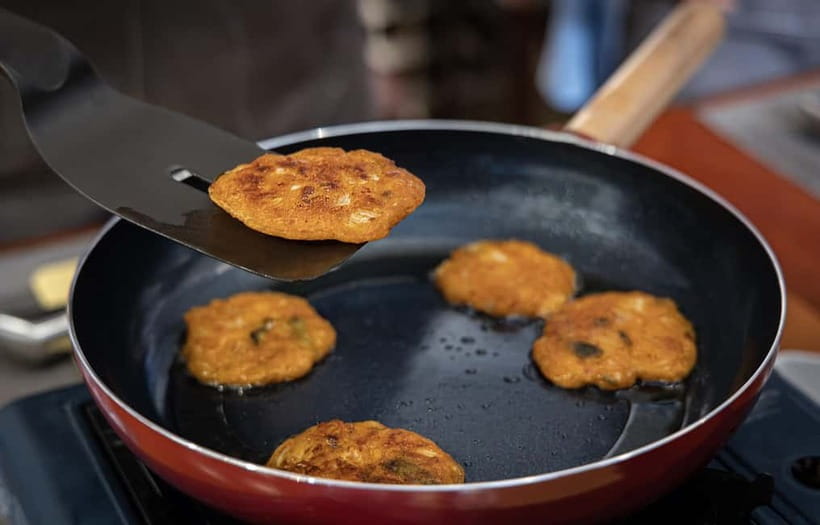
The first named dish is kimchi-buchimgae, or cabbage kimchi pancake. This is a savory pancake with fermented cabbage kimchi mixed into the batter.
The appeal is texture. The outside should become crisp while the kimchi brings salty, sour, and savory notes to the middle. It is a direct lesson in how cooking can soften and reshape a strongly flavored ingredient.
You will also see how kimchi works with a simple batter rather than being eaten alone. That pairing is central to the class. Kimchi is powerful, so the surrounding ingredients need to give it room without allowing it to dominate every bite.
For a beginner, this is a friendly opening dish. It provides a clear result and helps you get comfortable with the chef’s instructions before moving to the next preparations. If you already cook often, you may appreciate the chance to ask about texture, seasoning, and how to make the pancake crisp.
The class also includes a classic stir-fry with seasonal vegetables. The exact vegetables can change, but the dish adds another way to see how Korean food balances cooked produce with fermented ingredients. This portion helps turn the session into a proper meal rather than a single-recipe workshop.
More Hands-On Workshops in Seoul:
- Seoul: Taste of Korea, Authentic Home Style Cooking Class
★ 4.9 · 166 reviews - Korean Cooking Class with Grocery Shopping at Seoul Local Market
★ 5.0 · 107 reviews - Seoul: Royal Seoul Cooking Class in a 100-Year-Old Hanok
★ 5.0 · 96 reviews - Seoul: Kimchi Dishes Cooking Class with Wine Pairing
★ 4.7 · 38 reviews
Kkakdugi fried rice with bacon and egg
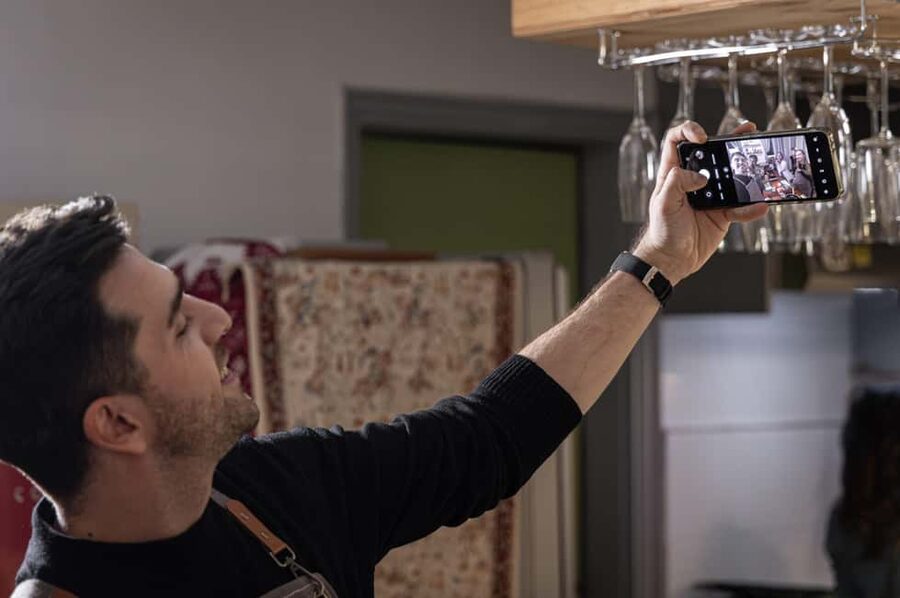
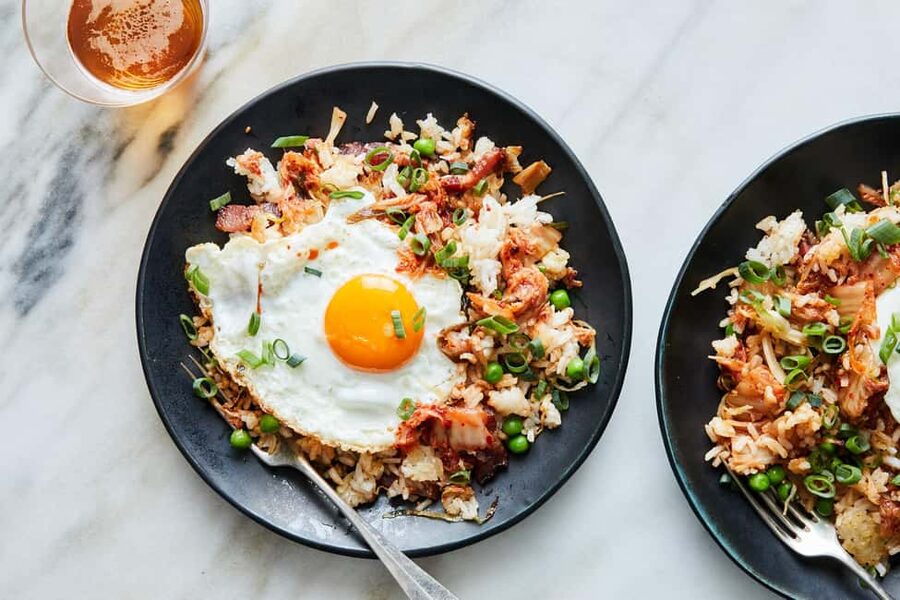
Next comes kkakdugi, the cube-cut radish kimchi. You learn to prepare this crunchy form of kimchi and then use it in a hearty stir-fried rice dish with bacon.
A golden cooked egg goes on top. It is a familiar combination, but the radish kimchi gives the rice a sharper fermented note and a bit of bite. The bacon adds richness, while the egg softens the dish and ties the flavors together.
This is probably the most immediately useful recipe for a home kitchen. Fried rice is flexible, and the lesson shows you how kimchi can turn leftovers and simple ingredients into a full meal. You are not limited to serving kimchi from a jar beside rice. You learn to make it part of the main dish.
The seasonal vegetable stir-fry also fits here as a useful comparison. You can see how Korean cooking uses vegetables in more than one role, with texture and seasoning doing as much work as the central protein.
If you do not eat bacon, contact the provider before booking. Dietary needs should be discussed in advance so the chef can decide what changes are possible. Do not wait until the class begins, since the menu depends on preparation and available ingredients.
Baek-kimchi noodles for a gentler finish
The third main preparation is baek-kimchi, or white kimchi. Unlike the hotter styles many people know, this version is non-spicy and more delicate.
It is served with a light broth and noodles. After the stronger flavors of the pancake and fried rice, this makes sense as a calmer part of the meal. The dish shows that kimchi is not always about heat. Fermentation can also bring freshness, acidity, and depth without chili taking over.
This is a particularly useful lesson if you are unsure about spicy food. You can explore Korean fermentation without assuming every dish will be hot. It also gives you a better view of the range within kimchi traditions.
The three preparations work well as a set because each highlights something different: crispness in the pancake, crunch and richness in the fried rice, and a cool, gentle character in the noodle dish. You are learning a family of techniques and flavors, not just one recipe.
The secret dish, drinks, and a full meal
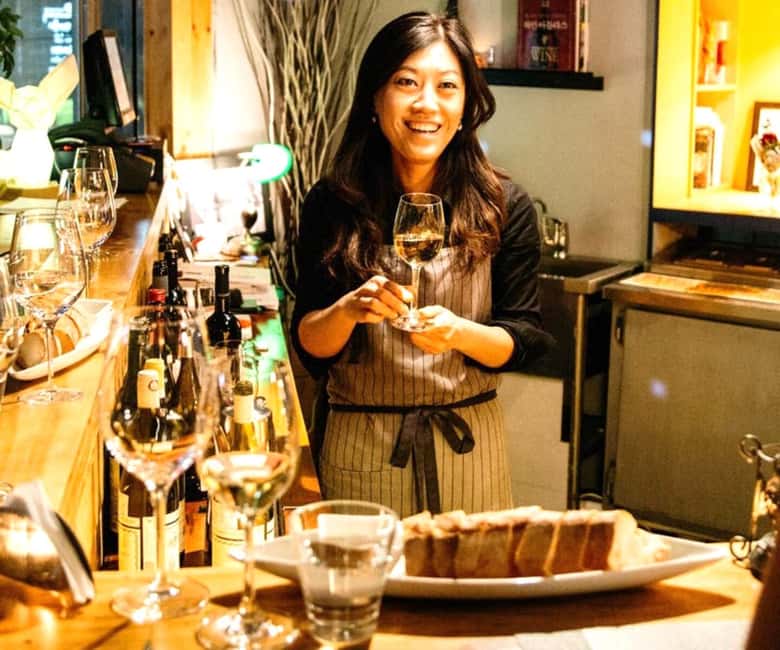
Every class includes a secret dish. Since the details are not fixed, you should treat it as an extra prepared item rather than plan your meal around a particular recipe.
That changing element can be useful. It allows the chef to work with seasonal ingredients and availability, and it keeps the menu from becoming too rigid. The trade-off is that you cannot know exactly what you will make before arriving.
Makgeolli, Korea’s traditional rice wine, is included, along with water. The drink fits the subject well, since the class is partly about fermented food and Korean eating culture. If you prefer not to drink alcohol, an alcohol-free option is available.
The legal minimum age for drinking alcohol is 18. You are not required to drink, and the nonalcoholic choice means the experience can work for mixed groups.
The advertised included food is kimchi-buchimgae, the classic seasonal-vegetable stir-fry, baek-kimchi, the secret dish, and water. The description also specifies kkakdugi fried rice with bacon and an egg as part of the cooking program. Since the menu can change, check any current details when booking if a particular ingredient matters to you.
The experience also mentions samples of cheeses, eggplant parmigiana, and lemon amaretti cookies. These items do not form the main Korean menu, so consider them an additional tasting element rather than the reason to book. They may appeal to you if you enjoy a broader food exchange alongside the Korean cooking.
Is $86 a fair price for two hours?
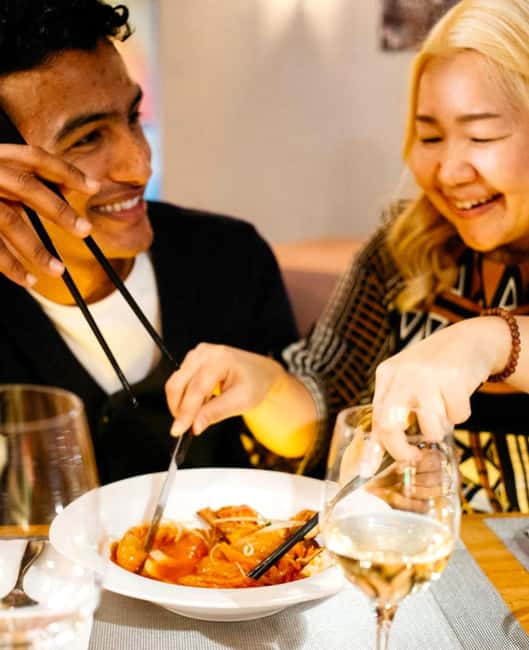
At $86 per person, this is not a bargain class. You are paying for more than ingredients. The price covers a small English-language group, chef instruction, hands-on preparation, a meal, makgeolli or a nonalcoholic drink, and the extra secret dish.
The value depends on what you want from the afternoon. If your goal is the cheapest way to eat kimchi, a market or casual restaurant will cost less. If you want to understand how kimchi is made, prepare several dishes yourself, and take home skills you can repeat, the price is easier to justify.
The eight-person limit is important in this calculation. A small group usually gives you a more personal teaching setup and makes it easier to keep up with the cooking. The class is also located near one of Seoul’s major sights, so it can fit neatly into a sightseeing day without paying for transportation to a distant cooking school.
Two hours is enough for a focused introduction, but not enough for a long fermentation project or a full study of Korean regional cuisine. You should book it for an active tasting and cooking session, not for an advanced professional course.
Who should book this experience?
I would choose this class if you enjoy food, want to cook during your Seoul visit, and prefer a small group over a large demonstration. It suits beginners because the class starts with basic preparation and guidance. It also works for experienced home cooks who want to understand kimchi in several different dishes.
It is a strong choice for couples, friends, and families with older children who can take part in a two-hour cooking session. The English instruction removes a major barrier, and the relaxed format should help people with different skill levels share the same table.
You should think twice if you dislike fermented flavors, cannot eat the possible ingredients, or want a completely fixed menu. Contacting the provider ahead of time about dietary requirements is essential.
Mobility needs require special care. The activity information includes a wheelchair-accessible note, but the detailed restrictions say the provider cannot accommodate wheelchair users or people needing special assistance and lists the experience as unsuitable for people with mobility impairments. Because those statements conflict, contact Secret Food Tours directly before booking if access is important.
Practical details before you reserve
The class lasts two hours, and starting times depend on availability. English is the listed language. You must arrange your own way to the meeting point, since pickup and drop-off are not included.
Cancellation is free up to 24 hours before the experience for a full refund. You can also reserve now and pay later, which is useful if your Seoul schedule is still changing.
Tell the provider about allergies, dietary restrictions, or alcohol preferences in advance. The menu and itinerary may change based on availability, and gratuities for the chef are appreciated.
Should you book this Seoul kimchi class?
Book it if you want a compact, hands-on food lesson that gives you three very different ways to use kimchi. The strongest reasons are the small English-speaking group, the relaxed pace, the useful ingredient guidance, and the chance to connect a major Korean food tradition with everyday cooking.
Skip it if you are mainly looking for a cheap meal or a long, technical fermentation course. At $86, the experience earns its price through personal instruction and variety, not through length.
For most food-focused visitors spending time near Gyeongbokgung Palace, this is a sensible two-hour addition to a Jongno day. You get a meal, practical skills, a little Korean food culture, and a secret dish that keeps the session from feeling like a rigid classroom exercise.
FAQ
Where does the Korean kimchi cooking class meet?
The class meets on the third floor of 36 Jahamun-ro 7-gil in Seoul’s Jongno District. From Exit 2 of Gyeongbokgung Station, walk about 200 meters to Woori Bank, turn left, pass the bar Cham, and look for the building with Cuisine La Cle restaurant on the first floor.
How long does the experience last?
The cooking class lasts two hours.
What language is used during the class?
The instructor provides the class in English.
How many people are in the group?
The group is limited to eight participants.
Which dishes do you prepare?
The planned dishes include kimchi-buchimgae, or kimchi pancake, kkakdugi, or radish kimchi, fried rice with bacon and an egg, baek-kimchi with broth and noodles, and a seasonal vegetable stir-fry. A secret dish is also included, and the menu may change.
Is a drink included?
Yes. Makgeolli and water are included, and an alcohol-free drink is available. The legal minimum age for drinking alcohol is 18.
Can dietary requirements be accommodated?
You should contact the provider in advance with any dietary requirements. The provider says the itinerary and menu are subject to change, and the activity is not suitable for wheelchair users or people with mobility impairments requiring special assistance.
Just added around Seoul
- Seoul: Premium Korean Feast Cooking Class★ 5.0 · 3 reviews
- Seoul: Korean Cooking Class with Local Grocery Shopping★ 5.0 · 13 reviews
- Seoul: Taste of Korea, Authentic Home Style Cooking Class★ 4.9 · 166 reviews
- Seoul: Kimchi Dishes Cooking Class with Wine Pairing★ 4.7 · 38 reviews
- (Seoul) Korean Cooking Class with a Professional Chef★ 5.0 · 14 reviews
- Seoul: Cooking Class and Tour with Michelin-Trained Chef★ 5.0 · 11 reviews
- Seoul: Authentic Korean Cooking Class and Market Tour★ 5.0 · 6 reviews
- Seoul: Royal Seoul Cooking Class in a 100-Year-Old Hanok★ 5.0 · 96 reviews
Korean Cooking Classes, compared.
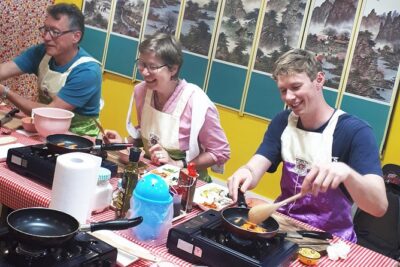
Local Home Korean Cooking Class & Market Adventure in Seoul
Read our review →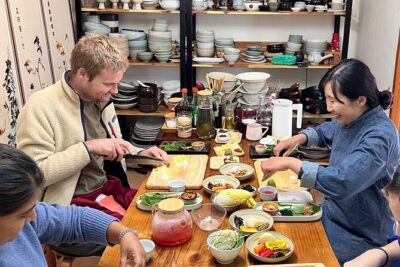
Master Korean traditional cooking with a Kimchi chef
Read our review →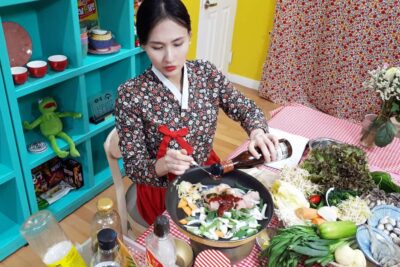
Seoul: Korean Cooking Class at a Local Home and Market Tour
Read our review →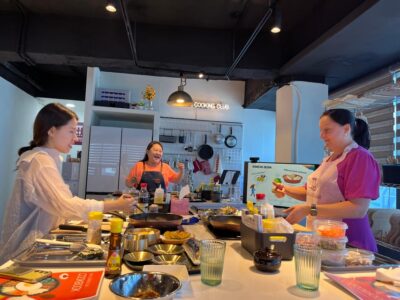
Cook 3 Authentic Korean Dishes with Local Market Tour
Read our review →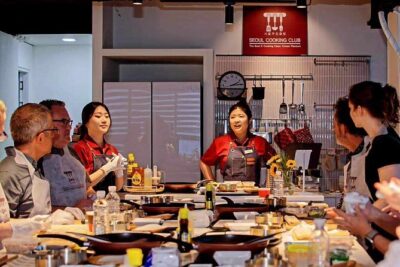
Korean Cooking Class with Grocery Shopping at Seoul Local Market
Read our review →
Busan: Small-Group Traditional Korean Food Cooking Class
Read our review →Browse the lists this tour appears in