
Review · KOREAN
Seoul: Kimchi Dishes Cooking Class with Wine Pairing
Kimchi gets far more interesting when you taste four styles side by side, then cook with it yourself. Suyeon, a former wine-bar owner and sommelier, explains the food clearly while guiding you through Korean cooking and wine pairings. I especially like the small six-person limit and the chance to make dishes you can repeat at home.
I also like the location, just five minutes from Gyeongbokgung Palace, and the generous shared meal, which includes Suyeon’s aged kimchi with braised pork belly. The main consideration is that this is an adults-only class, and your cooking choice may depend on the number of participants.
Key points at a glance
- Four kimchi styles first: Taste cabbage kimchi, white kimchi, radish kimchi, and aged kimchi before cooking.
- Three possible dishes: Choose from kimchi pancake, white kimchi noodles, or radish and bacon stir-fried rice.
- Sommelier-led pairing: Suyeon selects wine to match the spicy, sour, savory flavors of the meal.
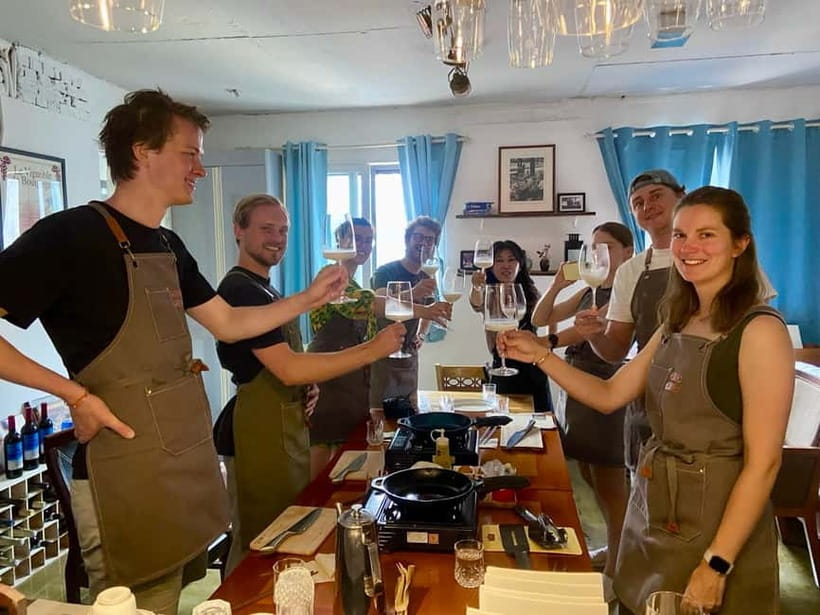
- Six people maximum: The small group keeps the class personal and makes it easier to ask questions.
- A palace-friendly location: Gyeongbokgung Station and palace are close by, making this easy to add to a sightseeing day.
- Beginner-friendly recipes: The dishes use straightforward methods and ingredients you can work with at home.
Why this kimchi class is more than a cooking lesson
Kimchi is often treated as a side dish, but here it becomes the main subject. You taste several forms, learn how fermentation changes flavor, and then use kimchi in cooked dishes. That progression makes sense: first understand the ingredient, then learn how to work with it.
The class costs $58 per person and lasts two hours. That is fair value if you want more than a quick demonstration. Your fee covers tastings, hands-on cooking, a shared meal, a special pork dish prepared by the host, and a wine pairing. You are also getting cultural context and practical recipes rather than simply eating a plate of food.
I would not book this as a cheap dinner replacement alone. The real value is the mix of food, instruction, conversation, and the chance to take useful cooking ideas home. You will likely eat enough that you do not need another full meal afterward, but the class works best for someone who wants to learn while eating.
More Korean Cooking Classes in Seoul:
- Local Home Korean Cooking Class & Market Adventure in Seoul
★ 5.0 · 1,024 reviews - Master Korean traditional cooking with a Kimchi chef
★ 5.0 · 385 reviews - Seoul: Korean Cooking Class at a Local Home and Market Tour
★ 5.0 · 348 reviews
Finding the studio near Gyeongbokgung
The meeting point is the kimchi and wine cooking studio near Gyeongbokgung Station. From Exit 2, walk straight for about 200 meters, then turn left at Woori Bank. Pass the bar Cham, and look for the building with Cuisine La Cle restaurant on the first floor. The studio is on the third floor.
This is a convenient stop after Gyeongbokgung Palace. The palace is one of the most likely first stops on a Seoul sightseeing day, and the short distance means you do not lose much time moving between activities. You can visit the palace first, then sit down for two hours of food and conversation.
The location also gives you options afterward. Suyeon has recommended the nearby Palace area and the Museum of Contemporary and Modern Art to past participants. The surrounding area has bars and restaurants, though you may not need dinner after the class.
Allow enough time to find the studio without rushing. The directions are clear, but the class takes place upstairs in a building rather than at a large, obvious attraction entrance. I would arrive a little early, especially if you are coming directly from the palace.
Tasting four kinds of kimchi
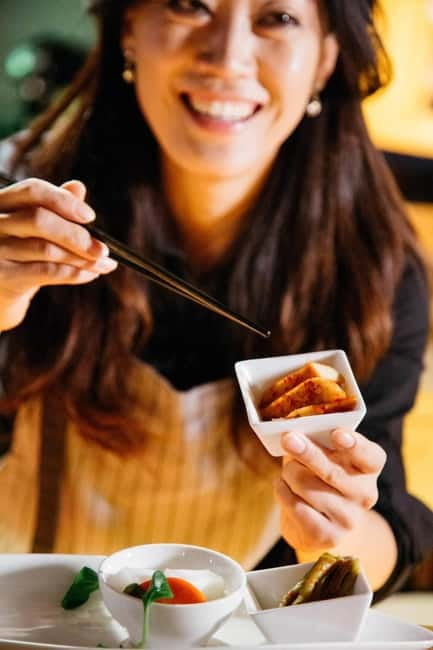
The class begins with tasting, which is the right way to start. You sample cabbage kimchi, white kimchi, radish kimchi, and aged kimchi. This lets you compare more than heat. You can notice differences in texture, acidity, freshness, and depth.
Cabbage kimchi is the familiar reference point for many people. White kimchi gives you a gentler style without the same chili-driven punch. Radish kimchi brings a different bite and texture, while aged kimchi has had more time to develop a stronger, deeper flavor.
Suyeon explains the history and process behind the food as you taste. Her background as a former wine-bar owner and sommelier adds a useful angle, since she talks about flavor matching rather than treating kimchi as something that can only be served with Korean drinks.
This tasting is especially useful if you have eaten kimchi in restaurants but have never compared types side by side. It gives you a better sense of why one kind works with noodles, another with rice, and another with rich pork.
Choosing your hands-on dish
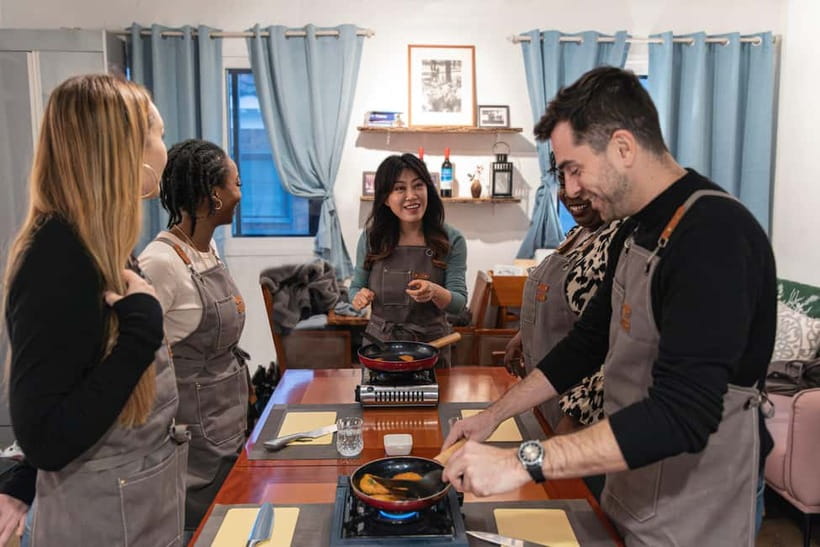
After the tasting, you choose which dish you want to make from three options:
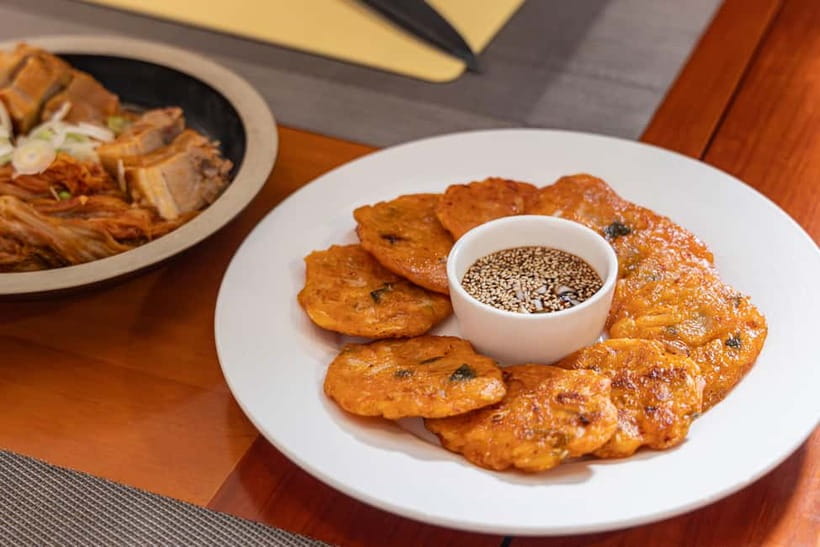
- Kimchi pancake
- White kimchi noodles
- Radish and bacon stir-fried rice
The exact setup can change a little depending on group size. That is worth knowing before you book. You may not have complete control over the menu if the group needs to share tasks or make a practical number of dishes.
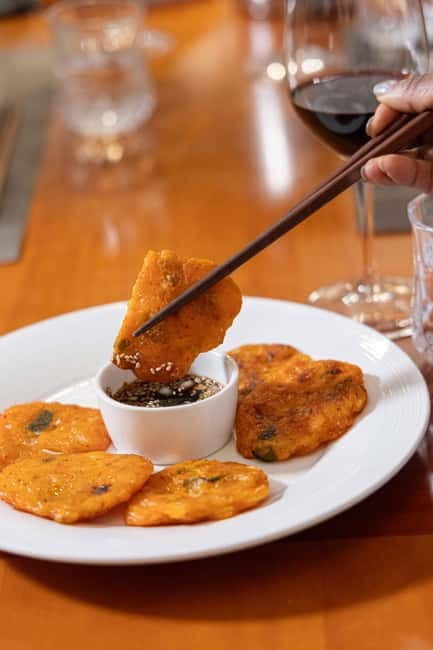
The kimchi pancake is a natural choice if you want something simple, savory, and easy to recreate. It also makes a good first cooking project because you can see how kimchi changes when it is mixed into a batter and cooked.
White kimchi noodles offer a different lesson. They show how a milder kimchi can bring flavor to a noodle dish without relying only on heat. This may appeal to you if you prefer fresher or less spicy food.
The radish and bacon stir-fried rice brings together fermented flavor, smoky richness, and the texture of radish. It is the most substantial of the three choices and may be the most useful home recipe if you often cook quick rice dishes.
The recipes are designed for beginners. You should expect guidance with preparation and cooking rather than being left to manage a complicated recipe alone. Several participants found the instructions easy enough to use at home, which is an important advantage over classes that are fun in the moment but hard to repeat.
More Cooking Classes with Wine Tasting in Seoul:
- Florence: Pasta Cooking Class with Unlimited Wine
★ 4.9 · 10,285 reviews - Florence: Pasta & Tiramisu Cooking Class with Unlimited Wine
★ 4.9 · 6,708 reviews - Florence: Pasta Cooking Class with Unlimited Wine
★ 5.0 · 6,413 reviews - Rome: Pasta Making Class with Wine, Limoncello, and Dessert
★ 4.9 · 3,177 reviews
Suyeon’s teaching style and the small group
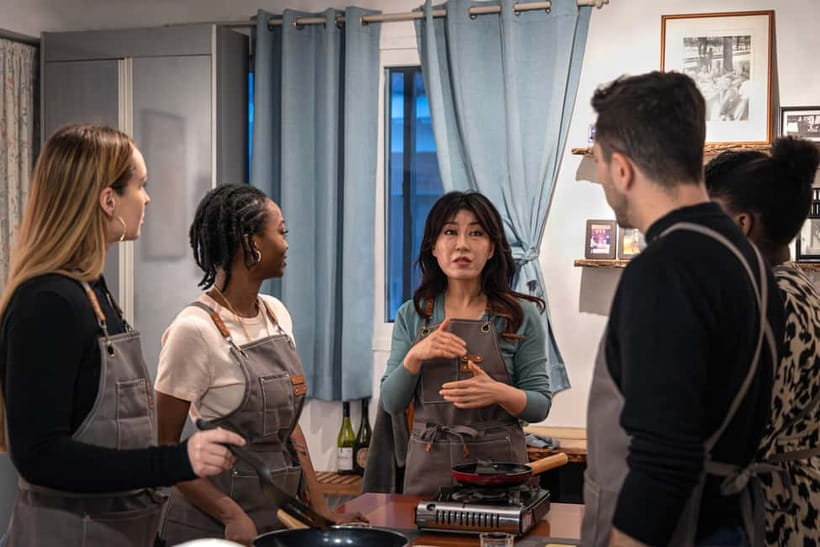
The class is limited to six people and conducted in English. That size matters. You have a better chance to ask about ingredients, fermentation, Korean food customs, or wine without waiting for a large group to move along.
Suyeon is described as patient and clear in her teaching. The class also includes conversation about Korean culture and history, so the experience is not only about following instructions. You may find the pace relaxed, with time to ask questions as the food comes together.
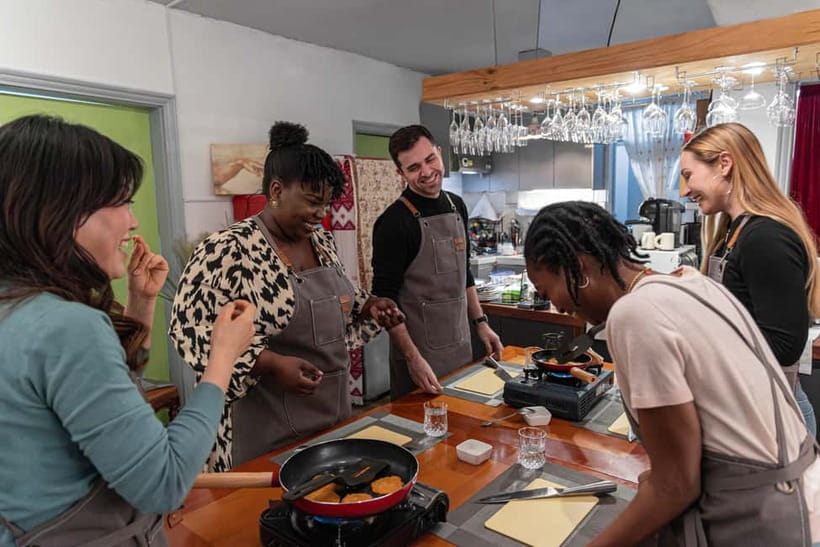
A small group can also make the meal more social. You share the dishes made by the participants, so everyone gets to taste more than the one recipe they prepared. If you enjoy meeting people around a table, this format has more appeal than a private demonstration with no group exchange.
The tradeoff is that the class is less standardized than a large cooking school. The dishes may vary slightly with attendance, and the experience depends in part on the group dynamic. That is not a serious fault, but you should book it for the personal atmosphere rather than a tightly fixed production line.
The host’s warmth seems to be part of the experience. Suyeon has helped with practical matters too, including offering umbrellas when rain started after one class. Small gestures like that can make the visit feel more like time with a helpful local host than a formal lesson.
The special dish: aged kimchi and braised pork belly
One dish is prepared in advance: aged kimchi with braised pork belly. Suyeon makes this herself because it takes longer and can be difficult for beginners.
That is a sensible choice. Braised pork needs time, and forcing a two-hour class to include every stage would leave you waiting around or rushing through the recipes you actually came to cook. Instead, you get to taste the finished dish and see what aged kimchi can do with rich meat.
This pairing also gives the meal a useful contrast. The pork belly brings fat and softness, while aged kimchi supplies sourness, spice, and fermented depth. It is the kind of combination that explains why kimchi has such an important place in Korean meals.
You should not think of the pre-made dish as a missed cooking opportunity. It is more like the host’s contribution to the table, while the participants handle the recipes suited to a short beginner class.
Wine pairing with Korean flavors
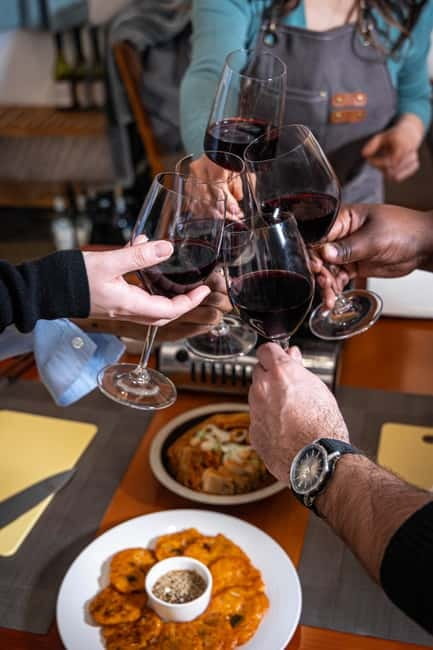
The wine pairing is the feature that sets this class apart from a standard Korean cooking lesson. Suyeon selects wine to match the dishes and guides you through the pairing as part of the meal.
Kimchi can be spicy, sour, salty, and fermented all at once. Those flavors can challenge wine, so the pairing is not just a glass added to dinner. You get an explanation of how different styles respond to the food.
The exact wine may vary. One class included an Italian white wine from Veneto, while another included yuja makgeolli. The activity is described as including a glass of wine selected by the sommelier, so you should expect a personal pairing rather than a fixed bottle list.
This is a good fit if you enjoy learning through comparison. Taste the kimchi, take a sip, and notice what changes. The wine can soften heat, refresh the palate, or bring out the savory side of a dish. If you do not drink alcohol, check the current arrangements before booking, since the advertised experience centers on wine pairing.
Sharing the food around the table

The final meal brings together the dishes made by the group, the aged kimchi and pork belly, and the selected drink. This is where the class feels like a complete experience rather than three separate cooking tasks.
Sharing matters because it lets you compare the results. You may cook one dish but taste all three, which gives you more ideas for meals at home. It also means the class feels generous for the price, especially if the group prepares several dishes.
The food is substantial enough that many people will not need dinner afterward. I would schedule this as a meal replacement, not as a snack before a restaurant reservation. If you have evening dining plans, leave plenty of time between the class and the next meal.
The social side is also important. You eat with the host and the other participants, and the conversation can move from cooking to Korean culture, travel, and local recommendations. For many people, that shared table will be as memorable as the recipes.
Who should book this experience?
I would recommend this class to you if you like food with a story and prefer active sightseeing to passive sampling. It suits first-time kimchi tasters, experienced Korean-food fans, wine lovers, and home cooks who want recipes that are manageable after returning home.
It is also a strong choice for a Seoul couple or small group of friends. The intimate setting gives you time to talk, and the two-hour length fits neatly into a day near Gyeongbokgung.
You should think twice if you dislike fermented foods, spicy flavors, shared meals, or alcohol-centered experiences. The class is not suitable for children under 18, according to the activity information. One past participant attended at age 16, but the stated rule is adults only, so confirm before booking if your party includes anyone younger than 18.
The class is conducted in English, and the host or greeter speaks English. That makes it practical for visitors who want explanations about both the food and the culture without relying on translation.
Practical booking advice
The activity allows free cancellation up to 24 hours before the start time, and you can reserve now and pay later. Check the available start times before fixing your palace visit, since the class schedule is not specified here.
Plan the day around the meal. Gyeongbokgung Palace first is the obvious pairing, followed by the studio, then perhaps the nearby museum or local bars afterward. Wear something comfortable for a hands-on cooking session, though no special clothing or equipment is listed.
The small group size is worth checking at booking. A class with two or three people may feel almost private, while a full group of six will offer more variety at the shared table. Both formats have appeal, but they produce a slightly different social experience.
Should you book the kimchi and wine class?
Book it if you want an approachable lesson, a proper meal, and a closer look at Korean food culture in one compact experience. The strongest reasons are Suyeon’s patient teaching, the four-style kimchi tasting, the recipes you can repeat at home, and the thoughtful wine pairing.
I would place it after Gyeongbokgung Palace on your Seoul schedule. At $58, the class offers good value when you count the instruction, tastings, shared dishes, special pork course, and drink. Skip it only if you need a strictly fixed menu, do not drink alcohol, or want a class designed for children.
FAQ
Where is the kimchi cooking class held?
It is held at a kimchi and wine cooking studio near Gyeongbokgung Station in Seoul. From Exit 2, walk about 200 meters, turn left at Woori Bank, pass the bar Cham, and go to the third floor of the building with Cuisine La Cle restaurant on the first floor.
How long does the experience last?
The class lasts two hours.
How much does the experience cost?
The listed price is $58 per person.
What kinds of kimchi will I taste?
You will taste cabbage kimchi, white kimchi, radish kimchi, and aged kimchi.
Which dishes can I learn to cook?
The choices are kimchi pancake, white kimchi noodles, and radish and bacon stir-fried rice.
Do I cook the aged kimchi and pork belly dish?
No. The host prepares the aged kimchi with braised pork belly in advance because it takes longer and can be difficult for beginners. You will eat it with the dishes made by the group.
Is the class taught in English?
Yes. The host or greeter speaks English, and the activity is offered in English.
How many people are in the group?
The class is limited to six participants.
Is the wine included?
Yes. The experience includes a glass of wine selected by the sommelier to pair with the meal. The exact drink can vary, and one class included yuja makgeolli.
Can children join the class?
The activity is not suitable for children under 18.
Can I cancel for a refund?
You can cancel up to 24 hours in advance for a full refund. You can also reserve now and pay later.
More Hands-On Workshops in Seoul
- Seoul: Taste of Korea, Authentic Home Style Cooking Class
★ 4.9 · 166 reviews - Korean Cooking Class with Grocery Shopping at Seoul Local Market
★ 5.0 · 107 reviews - Seoul: Royal Seoul Cooking Class in a 100-Year-Old Hanok
★ 5.0 · 96 reviews - Seoul: Temple Vegan Cooking Class & Oriental Medicine Tour
★ 4.6 · 32 reviews
Just added around Seoul
- Seoul: Premium Korean Feast Cooking Class★ 5.0 · 3 reviews
- Seoul: Korean Cooking Class with Local Grocery Shopping★ 5.0 · 13 reviews
- Seoul: Korean Kimchi Cooking Class in the Heart of the City★ 5.0 · 3 reviews
- (Seoul) Korean Cooking Class with a Professional Chef★ 5.0 · 14 reviews
- Seoul: Taste of Korea, Authentic Home Style Cooking Class★ 4.9 · 166 reviews
- Seoul: Cooking Class and Tour with Michelin-Trained Chef★ 5.0 · 11 reviews
- Seoul: Authentic Korean Cooking Class and Market Tour★ 5.0 · 6 reviews
- Seoul: Royal Seoul Cooking Class in a 100-Year-Old Hanok★ 5.0 · 96 reviews
Korean Cooking Classes, compared.
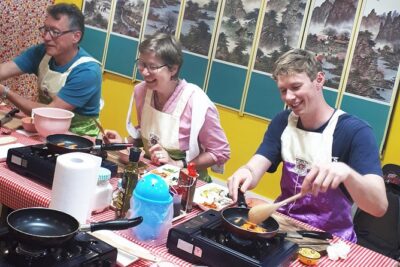
Local Home Korean Cooking Class & Market Adventure in Seoul
Read our review →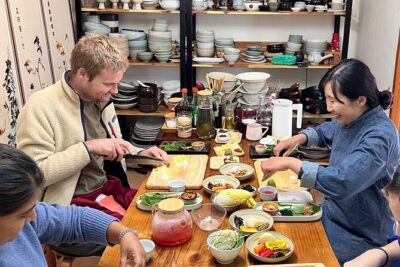
Master Korean traditional cooking with a Kimchi chef
Read our review →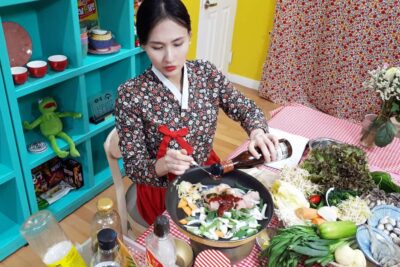
Seoul: Korean Cooking Class at a Local Home and Market Tour
Read our review →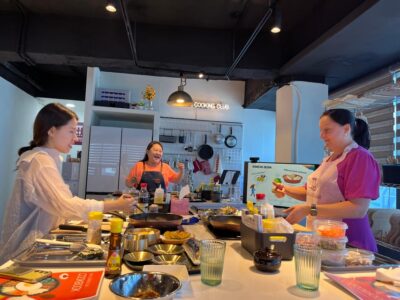
Cook 3 Authentic Korean Dishes with Local Market Tour
Read our review →
Korean Cooking Class with Grocery Shopping at Seoul Local Market
Read our review →
Busan: Small-Group Traditional Korean Food Cooking Class
Read our review →Browse the lists this tour appears in