Review · KOREAN
Seoul: Authentic Korean Cooking Class and Market Tour
Seoul’s best food lessons often begin far from a polished cooking studio. Here, you start inside a neighborhood market, choosing produce and seasonings with Ann before heading to her family home. I like the small group of four, which gives you room to ask questions, and I like that you help choose the dishes rather than follow a fixed menu. The market visit also gives the meal a useful sense of place.
The main consideration is time and location. This is a 210-minute experience beginning at Sillim Station, south of Seoul’s busiest sightseeing areas, so you need to plan the subway ride and arrive at the correct meeting spot. It is also a home-based class, not a restaurant meal or a formal culinary school, which will suit you if you value personal contact over polished production.
Key points to know
- The market comes first: Shop for seasonal produce and Korean seasonings while learning how ingredients fit into everyday cooking.
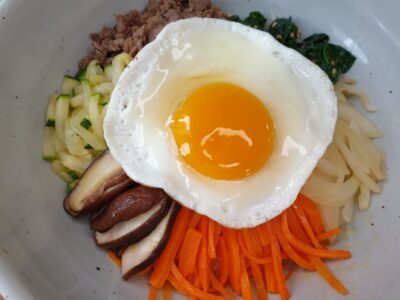
- You help choose the menu: Possible dishes include bulgogi, bibimbap, and kimchi pancakes, with the final selection shaped by your interests.
- Ann hosts in a family home: You cook in a Korean house decorated with hand-embroidered works and meet her mother.
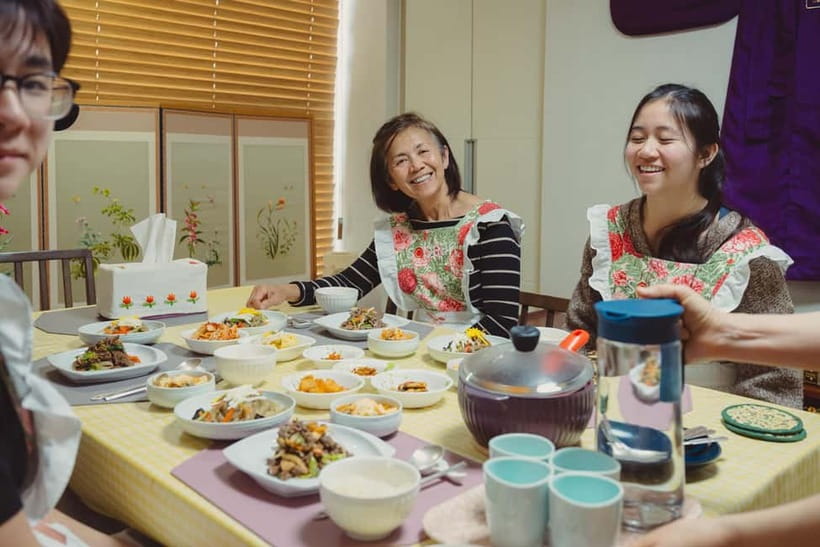
- Lunch is part of the lesson: You eat the dishes you prepare instead of taking a cooking class and leaving hungry.
- Dessert and tea slow the pace: The final course is a traditional Korean sweet followed by tea in the embroidery-filled room.
- It is genuinely small: With no more than four participants, the class should feel personal and easy to follow.
Starting with a Seoul market at Sillim Station
Your meeting point is inside Sillim Station at 10:30 a.m. Sillim is station number 230 on Seoul Subway Line 2. After passing through the ticket gates, stay inside the station and look for Cafe Mignon, a takeout cafe. You meet in front of it before going through any exit.
This detail matters. Sillim has several exits and the meeting is not outside on a street corner, so do not leave the station while searching. Look for the person holding a Sobaan cooking sign. Give yourself enough time to find the cafe, especially if you are unfamiliar with Seoul’s large subway stations.
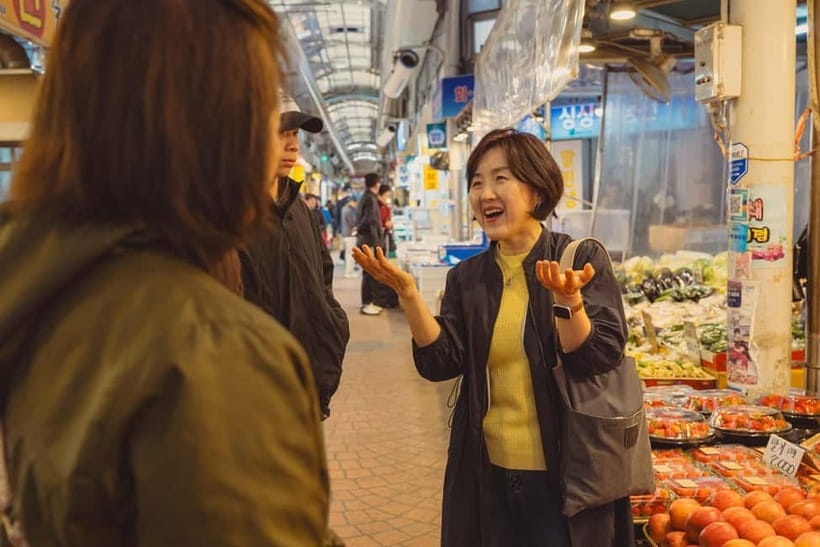
The first part is a guided walk through a traditional local market. This is more useful than simply stopping at a shop and buying ingredients. Ann explains what you are seeing, shares cultural stories connected to Korean food, and helps you pick produce and seasonings for the meal.
You might find this especially helpful if Korean cooking is new to you. A supermarket aisle can show you a bottle of sesame oil or a packet of seasoning, but it rarely explains how those items are used. At the market, the ingredients have a setting and a purpose. You get a closer look at the food culture before you sit down to cook.
The market section also keeps the class tied to the season. The ingredients are selected during the visit rather than presented as a fixed kit. That gives the meal a more ordinary Korean feel, though it also means the exact menu can depend on what you and the host choose.
More Market Tour Cooking Classes in South Korea
- Local Home Korean Cooking Class & Market Adventure in Seoul
★ 5.0 · 1,024 reviews - Seoul: Korean Cooking Class at a Local Home and Market Tour
★ 5.0 · 348 reviews - Cook 3 Authentic Korean Dishes with Local Market Tour
★ 5.0 · 231 reviews
Choosing bulgogi, bibimbap, or kimchi pancakes
After shopping, you head to a Korean house filled with traditional hand-embroidered works. The setting is a major part of the experience. You are not cooking in a generic classroom with rows of stainless-steel workstations. You are entering a family space where the meal connects with home life and craft.
Ann lets you have input on what to prepare. Bulgogi, bibimbap, and kimchi pancakes are listed as examples, but you can also ask about something else you are curious about. This flexibility is one of the strongest reasons to choose this class over a fixed menu lesson.
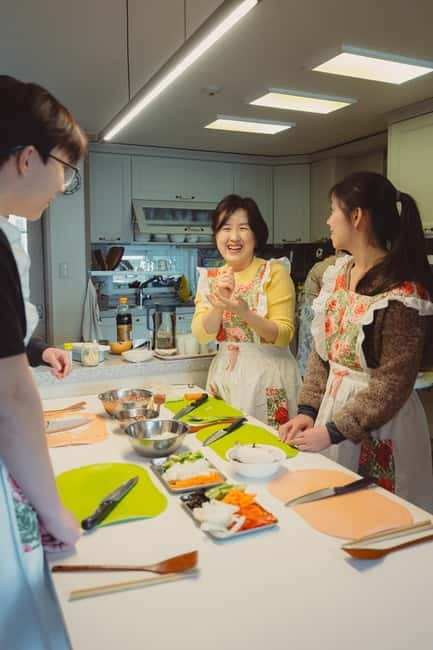
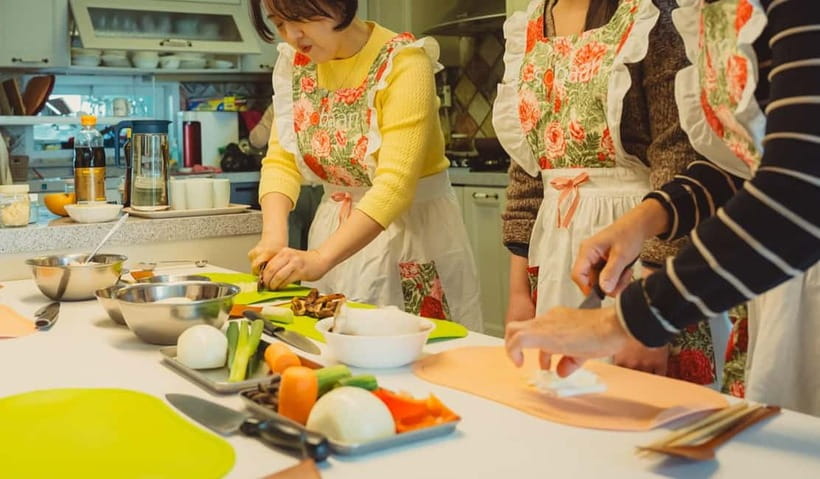
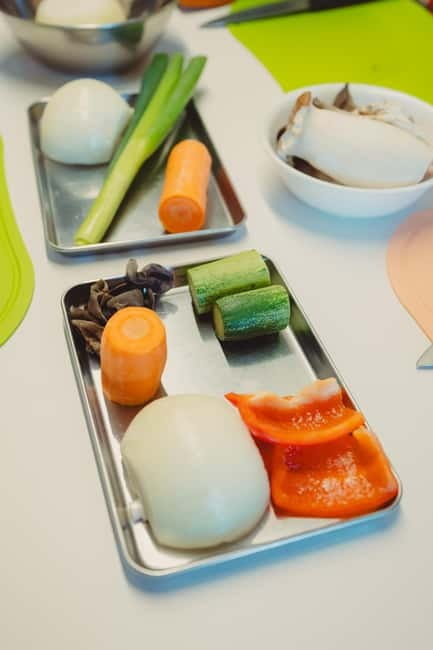
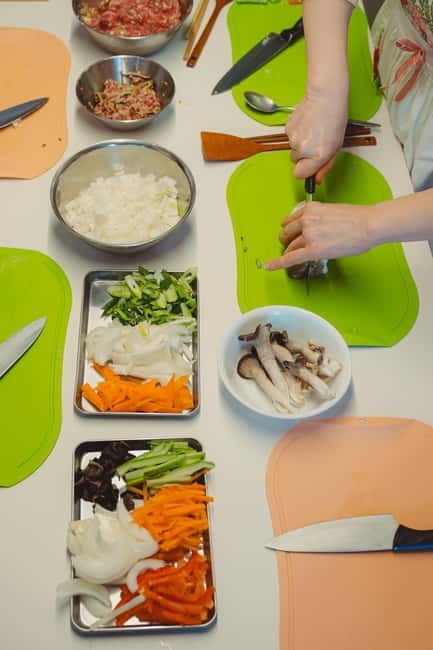
If you already know Korean food, use that freedom to ask about a favorite dish. If you are a beginner, you can let Ann guide the choice. The class is designed around participation, so you should expect to chop, mix, season, and cook rather than watch a demonstration from the side.
The small group limit of four helps here. In a larger class, menu choices usually disappear and the instructor has to move quickly from one table to another. With only a few people, you have a better chance to ask why an ingredient is used or how a dish fits into a Korean meal.
There is one practical limit: the full list of possible dishes is not given in advance. If you need a particular recipe, ask about it when arranging your plans rather than assuming it will be available. The experience promises choice, but not every dish in Korean cooking.
Eating a homemade lunch in a family home
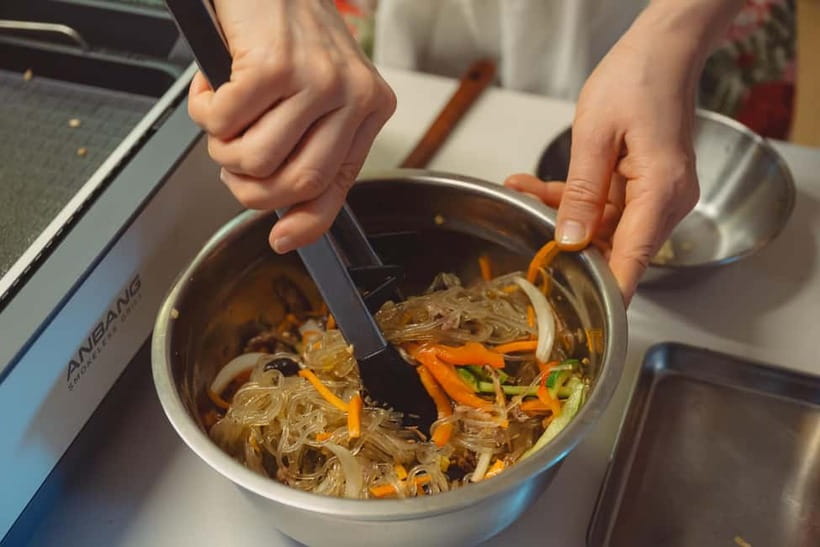
The lunch is made from the ingredients you selected and prepared together. That changes the feel of the meal. You are not just sampling a finished dish; you are eating food that carries the decisions you made during the class.
Several strong points come together here. The market gives you an introduction to ingredients, the cooking lesson shows how they are used, and lunch lets you taste the result. This makes the $69 price easier to assess. You are paying for a 210-minute visit that includes a market tour, shopping help, instruction, food, dessert, and tea, not just a single cooking demonstration.
I would not compare this directly with a cheap restaurant lunch. A restaurant may cost less and take far less time, but it will not give you the market walk, hands-on preparation, or family setting. On the other hand, if you only want to eat Korean food and have little interest in cooking, this experience may feel longer than necessary.
The home setting also brings a personal touch. Patricia’s visit included a welcome from Ann’s mother and extra insight into Korean culture. That family connection is not a staged performance. It is a chance to see how food, household space, and hospitality meet in an ordinary home environment.
You should keep your expectations sensible. This is not presented as professional chef training, and it is not a formal tour of Korean culinary technique. Its value lies in learning through a host’s guidance, sharing a meal, and seeing how the food fits into family life.
Dessert and tea in an embroidered room
After lunch, you make a traditional Korean dessert together. The exact sweet is not specified, so you should not book this expecting one particular dessert. The important point is that the final course is also hands-on, rather than a purchased item placed on the table.
The class ends with tea-time in the room decorated with hand-embroidered works. This gives the afternoon a calmer finish. The day moves from market shopping, to kitchen work, to a shared meal, and then to a quiet pause over tea. It is a good rhythm, especially if you prefer a cultural activity that does not rush from one photo stop to the next.
The embroidery adds another layer to the visit. You are not only learning recipes. You are spending time in a space shaped by Korean craft and family life. The supplied details do not identify the pieces or explain their age, so you should treat them as part of the home atmosphere rather than a formal art exhibition.
This closing tea is also where the class feels most social. The cooking gives you a task, but tea gives you time to talk. That can be useful for solo visitors and couples who want a more personal exchange with a local host.
More Korean Cooking Classes in Seoul:
- Master Korean traditional cooking with a Kimchi chef
★ 5.0 · 385 reviews - Seoul: Korean Cooking at Seoul Cooking Club!
★ 5.0 · 311 reviews - Korean Cooking at Seoul Cooking Club
★ 5.0 · 220 reviews - Korean Cooking Class with Grocery Shopping at Seoul Local Market
★ 5.0 · 107 reviews
How the timing and group size affect the day
At 210 minutes, this is a substantial half-day activity. The 10:30 a.m. start takes you through the late morning and into lunch, with dessert and tea afterward. Avoid scheduling a major attraction immediately after it. The market, shopping, cooking, eating, and tea all need their own time.
The experience is limited to four participants. That is a practical advantage for anyone who dislikes crowded classes or worries about missing instructions. It should also make it easier to shape the menu around the group, though the final dishes are still chosen with the host.
The host or greeter speaks English, and English is the listed language for the experience. That makes the class suitable for you if you want explanations about ingredients and customs without relying on translation apps.
The activity is listed as wheelchair accessible. Since the experience includes a traditional market and a private home, I would still confirm any personal access needs before booking. The supplied information confirms accessibility, but it does not describe the route, doorways, kitchen layout, or bathroom facilities.
What the $69 price really buys you
At $69 per person, the value rests on the amount of contact and food included. You receive a guided market visit, ingredient shopping, a cooking class, homemade lunch, dessert making, and tea. You also spend time in a family home rather than a commercial venue.
The price makes the most sense if you would otherwise pay separately for a market tour and a cooking lesson. It also includes the meal you prepare, so you are not paying for instruction and then buying lunch elsewhere.
The value is less clear for a person who wants a quick class, a professional kitchen, or a set menu with guaranteed dishes. You might prefer a shorter studio session if your schedule is tight. Here, the personal setting and slower pace are the main product.
The perfect five rating from six completed bookings points to a consistently positive early track record, but the sample is small. I would treat that as encouraging rather than proof that every session will be identical. A home-based activity can feel different depending on the chosen menu and the mix of people in your small group.
Free cancellation is available up to 24 hours before the start for a full refund. You can also reserve now and pay later, which helps if your Seoul plans are still changing.
Who will enjoy this Korean food experience most
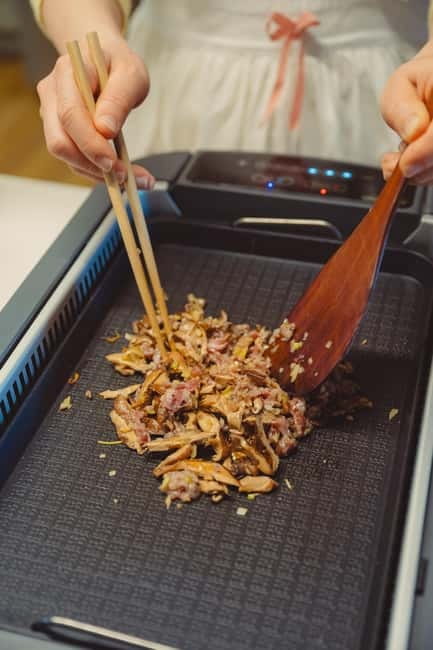
I would choose this class if you want food to be your way into Korean culture. It suits people who enjoy asking questions, trying ingredients they may not recognize, and spending several hours with a local host.
It is especially well suited to:
- Couples looking for a personal daytime activity
- Solo visitors who want a small social setting
- Families with older children interested in cooking
- Food lovers who want more than a restaurant meal
- First-time visitors who want context for Korean ingredients
- Repeat visitors who have already seen Seoul’s major sights
You may want to skip it if you need a tightly timed schedule, dislike home visits, or want a cooking class focused on advanced technique. You should also think twice if you are hoping to choose from a fully published menu. The class offers input, but the exact dishes are not fixed in the information provided.
A few practical tips before booking
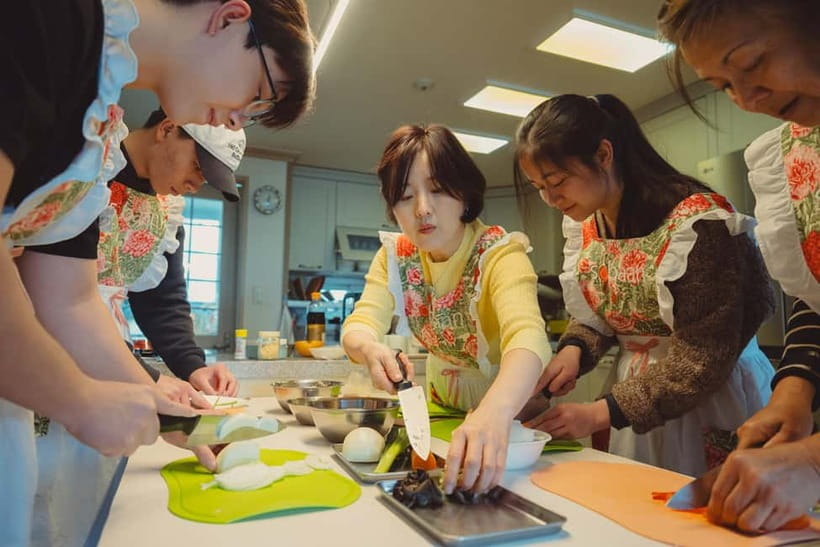
Use the subway meeting instructions exactly. Stay inside Sillim Station after the ticket gates and look for Cafe Mignon before any exit. The Sobaan cooking sign is the clearest final marker.
Wear clothing you can work comfortably in and arrive ready to participate. No special equipment or clothing is listed, but this is a hands-on class, so it is sensible to avoid anything that would make kitchen work awkward.
Think about the food you most want to learn before you arrive. You may be able to choose among dishes such as bulgogi, bibimbap, and kimchi pancakes, and having a short list of interests will help Ann shape the lesson around you.
Allow more time than the stated 210 minutes if you need to reach another part of Seoul afterward. The official duration covers the experience itself, not your subway journey to or from Sillim Station.
Should you book it?
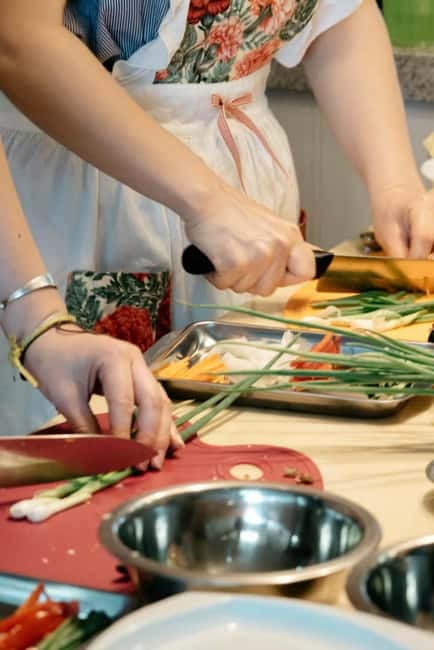
Book this experience if you want a warm, personal introduction to Korean food that connects the market, kitchen, family home, and table. The best features are the group size, the chance to help choose the dishes, the welcome from Ann and her mother, and the gentle finish with dessert and tea.
Skip it if you are looking for a fast class, a restaurant-style meal, or formal chef instruction. For the right person, $69 is fair value for three and a half hours of food, culture, and conversation in a setting you would not reach through a standard sightseeing tour.
FAQ
Where does the experience begin?
It begins inside Sillim Station, station number 230 on Seoul Subway Line 2. After passing through the ticket gates, look for Cafe Mignon before exiting the station.
What time should I meet the host?
The meeting time is 10:30 a.m.
How do I identify the host?
Look for someone holding a Sobaan cooking sign near Cafe Mignon inside the station. The host or greeter speaks English.
How long does the experience last?
The activity lasts 210 minutes.
How many people can join?
The experience is limited to four participants.
What dishes can I learn to cook?
Possible dishes include bulgogi, bibimbap, and kimchi pancakes. You choose dishes with the host, and you can ask about something else you are curious about.
Is lunch included?
Yes. You prepare and enjoy a homemade Korean lunch during the experience.
Is dessert included?
Yes. You make a traditional Korean dessert together and enjoy it during tea-time in the embroidery-filled room.
Can I cancel or pay later?
You can cancel up to 24 hours in advance for a full refund. Reserve now and pay later is also available.
More Shopping Trips in Seoul
- Seoul: Korean Cooking Class with Local Grocery Shopping
★ 5.0 · 13 reviews - Chiang Mai: Authentic Cooking Class with Market & Farm Visit
★ 4.9 · 4,546 reviews - Barcelona: Paella Cooking Experience & Boqueria Market Tour
★ 4.8 · 3,661 reviews - Cooking Class Hoi An:Local Market, Basket Boat, Fishing & Cooking
★ 5.0 · 3,660 reviews
More Market Tour Cooking Classes in Seoul
- Hanoi Cooking Class: Culture, Local Market & Meaning CSR Impact
★ 5.0 · 5,147 reviews - 5 Traditional Dishes Hanoi Cooking Class with Market Trip
★ 5.0 · 4,890 reviews - Cooking Class and Lunch at a Tuscan Farmhouse with Local Market Tour from Florence
★ 5.0 · 4,831 reviews - Chiang Mai: Cooking Class, Market & Thai Herbs Garden Tour
★ 4.9 · 4,824 reviews
Just added around Seoul
- Seoul: Premium Korean Feast Cooking Class★ 5.0 · 3 reviews
- Seoul: Korean Cooking Class with Local Grocery Shopping★ 5.0 · 13 reviews
- Seoul: Korean Kimchi Cooking Class in the Heart of the City★ 5.0 · 3 reviews
- Seoul: Taste of Korea, Authentic Home Style Cooking Class★ 4.9 · 166 reviews
- Seoul: Kimchi Dishes Cooking Class with Wine Pairing★ 4.7 · 38 reviews
- (Seoul) Korean Cooking Class with a Professional Chef★ 5.0 · 14 reviews
- Seoul: Cooking Class and Tour with Michelin-Trained Chef★ 5.0 · 11 reviews
- Seoul: Royal Seoul Cooking Class in a 100-Year-Old Hanok★ 5.0 · 96 reviews
Korean Cooking Classes, compared.
Local Home Korean Cooking Class & Market Adventure in Seoul
Read our review →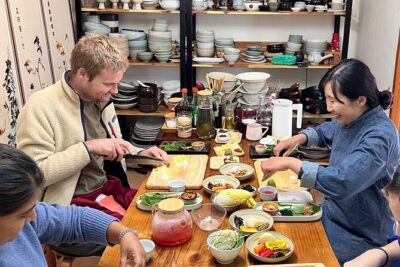
Master Korean traditional cooking with a Kimchi chef
Read our review →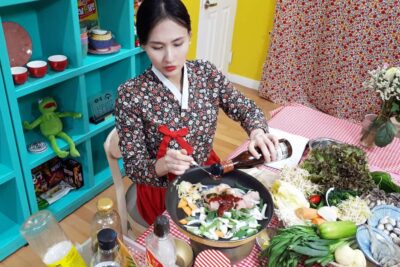
Seoul: Korean Cooking Class at a Local Home and Market Tour
Read our review →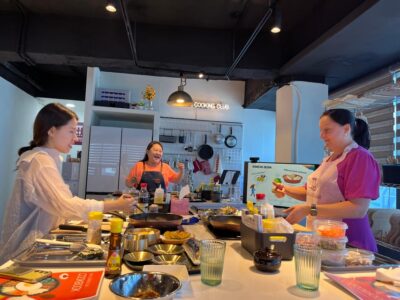
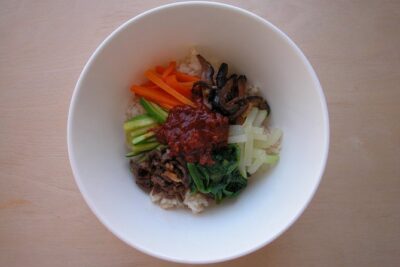
Cook 3 Authentic Korean Dishes with Local Market Tour
Read our review →
Korean Cooking Class with Grocery Shopping at Seoul Local Market
Read our review →