
Review · KOREAN
(Seoul) Korean Cooking Class with a Professional Chef
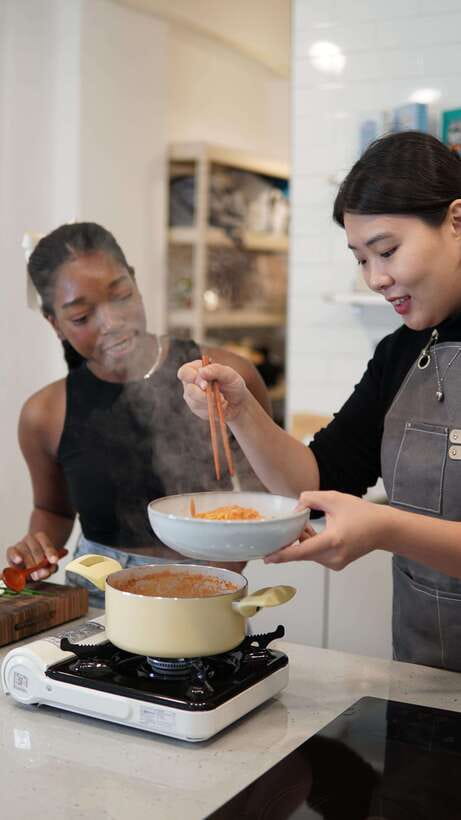
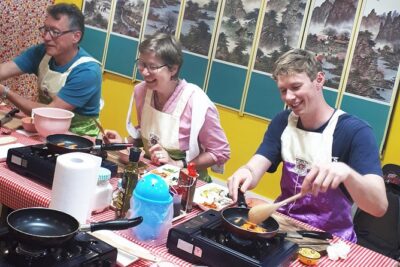
The best thing about this Korean cooking class is its tiny three-person limit. You cook at your own station with Da-ye, a chef trained in South Korea who has also worked with Korean food and vegetarian cooking in the UK. This feels more like a private lesson than a crowded demonstration.
I like the choice of menus, from bulgogi and seafood pa-jeon to tteok-bokki and vegan bibimbap. I also like that you leave with recipe cards, photos, and videos, plus enough food to make the class feel like lunch or dinner rather than a quick sampling. The main drawback is the fixed schedule: each menu runs on a particular day, and the class is for paid participants aged 18 and over only.
Key points to know
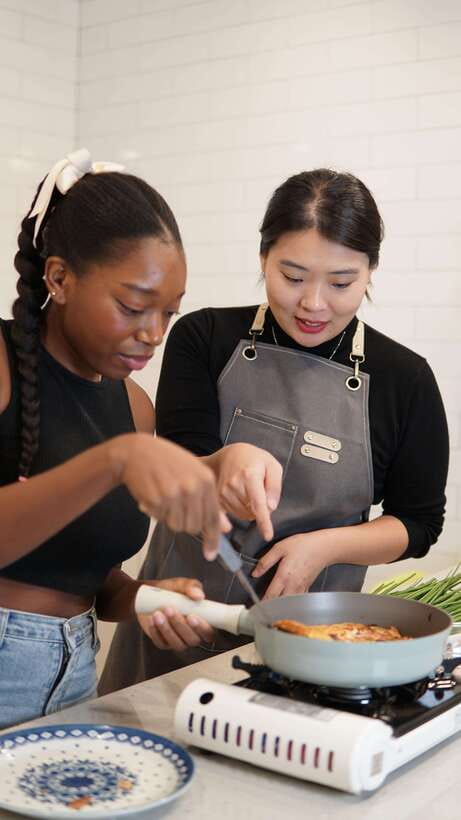
- Three people maximum: You get direct help at your own cooking station.
- Four menu choices by day: Pick Korean home cooking, street food, or a vegan Korean meal.
- Chef Da-ye teaches in English: Her background includes hotel culinary arts in South Korea, European cooking, and years of Korean cuisine instruction.
- The meal is part of the 2.5 hours: Cooking and eating are both included in the scheduled time.
- Food, drinks, recipes, and media are included: You receive rice, kimchi, a welcome drink, recipe cards, photos, and videos.
- Ages 18 and up: Friends and family who are not taking the class cannot wait inside the studio.
A small Korean kitchen with room to learn
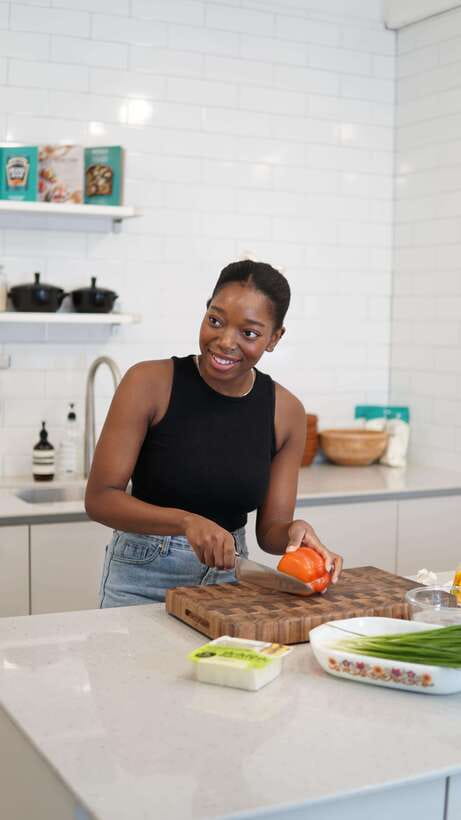
This is a hands-on class in Gyeonggi Province, marketed for visitors staying in or near Seoul. It is led by Da-ye, owner of Ricely Cooking Studio and Nosh, a British brunch cafe in Seoul. Her training began with hotel culinary arts in South Korea, followed by time in the UK exploring European food and advising restaurants interested in Korean, vegan, and vegetarian menus.
That background matters because Da-ye teaches more than a set of steps. The class includes the small habits Koreans use at home, such as practical cooking tips and ways to prepare familiar dishes in a working kitchen. You are not simply watching a chef finish a plate while you stand back.
The group limit is the heart of the experience. With no more than three people, you should have a fair chance to ask questions, get help with preparation, and work through the dishes at your own pace. A larger class might offer a livelier room, but this format is better if you want to understand what you are doing and repeat the recipes later.
The English instruction also makes the class easy to compare with a standard food tour. You do not need to rely on translation or rush to keep up with a large group. Da-ye has taught people from different countries and age groups, and her work with different dietary habits is useful if you choose the vegan class or have food preferences to discuss.
More Korean Cooking Classes in Seoul:
- Local Home Korean Cooking Class & Market Adventure in Seoul
★ 5.0 · 1,024 reviews - Master Korean traditional cooking with a Kimchi chef
★ 5.0 · 385 reviews - Seoul: Korean Cooking Class at a Local Home and Market Tour
★ 5.0 · 348 reviews
Choose your menu before you book
The class schedule is not a list of dishes you can freely mix and match. Each day has its own menu, so check the date carefully before paying.
Monday and Tuesday: three Korean home dishes
The Monday and Tuesday class focuses on familiar home-style food:
- Beef bulgogi
- Seafood pa-jeon, a spring onion pancake
- Pork kimchi jjigae
This is a good pick if you want a broad introduction to Korean cooking in one sitting. Bulgogi gives you a savory meat dish, pa-jeon adds a crisp pancake with seafood and spring onion, and kimchi jjigae brings the hot, comforting stew that many people associate with Korean home meals.
The three dishes also give the lesson a useful range of textures and cooking methods. You are not preparing three versions of the same thing. You get a main dish, a pancake, and a stew, then sit down to eat them with rice and kimchi.
Wednesday: Korean street food
Wednesday is devoted to bunsik, the Korean style of casual street food. The menu includes:
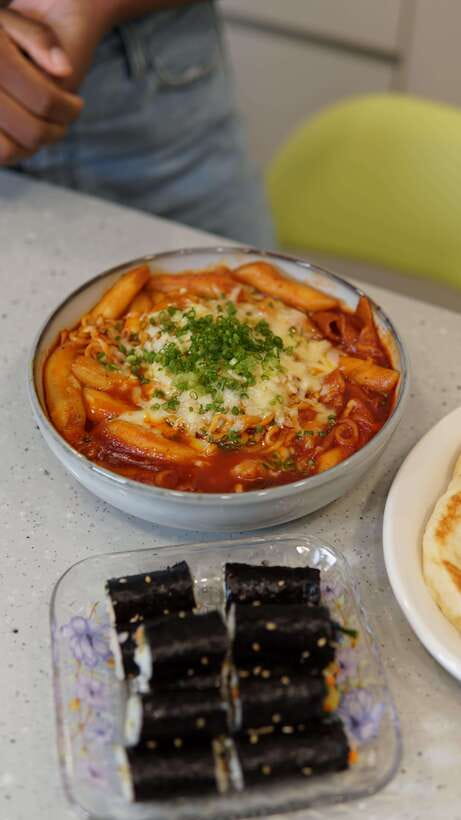
- Tteok-bokki
- Korean fried chicken, called dakgangjeong
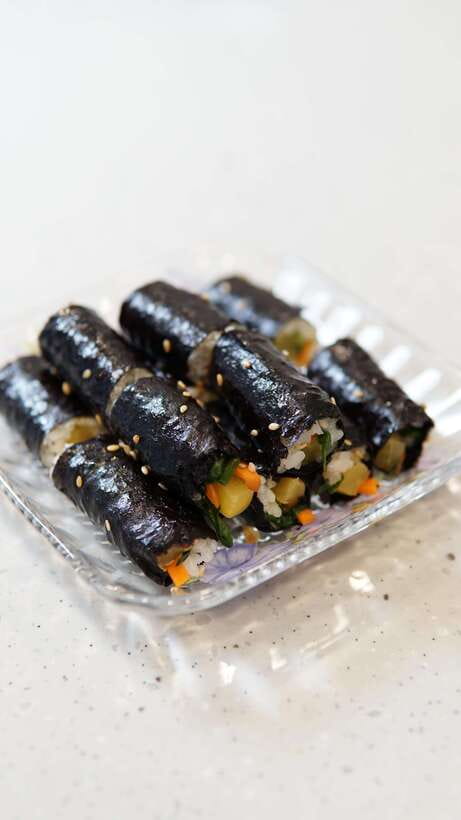
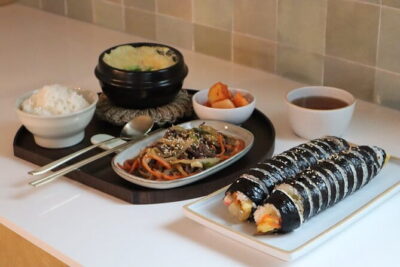
- Mini kimbap
This is likely the most playful menu of the week. Tteok-bokki brings chewy rice cakes and a familiar Korean street-food flavor, while dakgangjeong adds crisp fried chicken. Mini kimbap rounds things out with small seaweed rice rolls.
Choose this day if your interest in Korean food began with market snacks, casual restaurants, or food videos. It also offers a useful contrast to the home-cooked menus. You are still learning technique, but the meal has a more snack-like, social feel.
More Hands-On Workshops in Seoul:
- Seoul: Taste of Korea, Authentic Home Style Cooking Class
★ 4.9 · 166 reviews - Korean Cooking Class with Grocery Shopping at Seoul Local Market
★ 5.0 · 107 reviews - Seoul: Royal Seoul Cooking Class in a 100-Year-Old Hanok
★ 5.0 · 96 reviews - Seoul: Kimchi Dishes Cooking Class with Wine Pairing
★ 4.7 · 38 reviews
Thursday: another home-style menu
Thursday brings a different Korean home-cooked set:
- Dakgalbi
- Kimchi jeon
- Doenjang jjigae
Dakgalbi is a chicken dish, kimchi jeon is a savory kimchi pancake, and doenjang jjigae is a soybean paste stew. If you have already tried bulgogi or kimchi jjigae elsewhere in Seoul, this menu gives you a different group of flavors to take home.
The inclusion of both kimchi jeon and doenjang jjigae makes this a useful choice for anyone who wants to understand the role of fermented ingredients in Korean cooking. You get the tang of kimchi in pancake form and the earthy soybean-paste flavor of the stew.
Friday: vegan Korean home cooking
Friday is the vegan option, with:
- Bibimbap
- Japchae
- Doenjang jjigae
This is not a token side-dish class. You prepare three substantial Korean dishes, including the mixed rice bowl bibimbap and japchae, the familiar glass-noodle dish. Doenjang jjigae adds a hot stew to the meal.
If you eat vegan, Friday is the obvious choice. It is also worthwhile if you want to see how Korean cooking works without meat or seafood. Da-ye’s experience with vegan and vegetarian recipes makes this menu a natural part of her teaching rather than an afterthought.
What the 2.5 hours actually includes
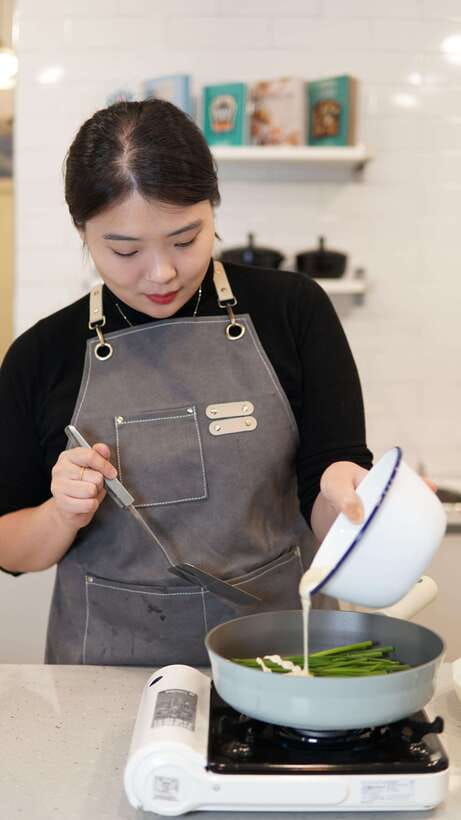
The advertised duration covers both the lesson and the meal. That point is worth keeping in mind when you compare this with a longer cooking workshop. You have 2.5 hours in total, not 2.5 hours of instruction followed by a separate dining period.
The class begins with a welcome coffee or another drink. You then work through the selected menu with Da-ye, preparing and cooking at your own station. The exact order and teaching pace are not specified, so you should expect the session to follow the needs of the dishes rather than a fixed sightseeing itinerary.
The small format should make it possible to ask about ingredients, cooking methods, and the home-style shortcuts that Da-ye uses in her teaching. I would make a note of questions before arriving, especially if you want to recreate a dish at home. With only a few people in the room, this is the right setting for practical questions that might get lost in a larger workshop.
After the cooking, you sit down and eat what you have made. Rice and kimchi are included, along with drinks. Several people have left with a full meal and a decent amount of food to take back to the hotel, though you should not treat leftovers as guaranteed. The amount will depend on what you prepare and how much you eat during the class.
The value of cooking your own Seoul meal
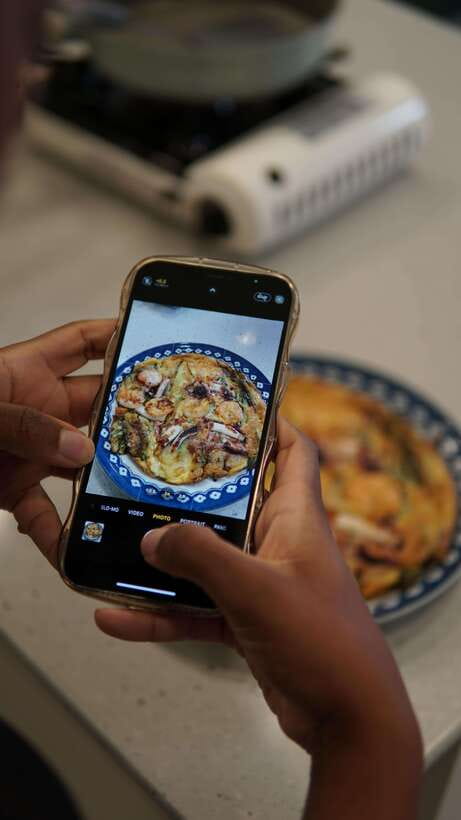
At $105 per person, this is not the cheapest way to eat Korean food. You can find a very good restaurant meal in Seoul for less. The value here comes from the instruction, the small group, the hands-on work, and the materials you take away.
You are paying for direct time with a professional chef, not just a tasting plate. The recipe cards give you a practical chance to repeat the meal at home, and the photos and videos help you remember the steps. That makes the cost easier to justify for anyone who cooks regularly or wants a food memory that lasts beyond the trip.
The value is also stronger for people with a specific menu in mind. If you book the Friday vegan class because Korean vegan cooking matters to you, the price includes a focused lesson that may be harder to find in a standard restaurant visit. The same applies to the Wednesday street-food menu if you want to learn how bunsik dishes are made instead of simply ordering them.
For a solo visitor, couple, or two friends, the maximum group size is another important part of the calculation. You are not paying for an anonymous class of twenty people. You are buying a close teaching setup, and the previous private-class experience suggests that a single participant may sometimes receive an especially personal lesson if no one else books the same time.
Da-ye’s teaching style and food background
Da-ye brings an unusual mix of experience to the studio. She studied culinary arts in South Korea, then spent time in the UK working across European cuisines and advising restaurant owners on Korean, vegan, and vegetarian menus. She has also taught Korean food for about 12 years to children and adults from many countries.
That history helps explain the class’s practical tone. You are learning Korean food from someone who understands both local cooking and the questions that visitors often have when they meet a new cuisine. The instruction is in English, so you can ask for clarification instead of guessing at a technique or ingredient.
The class also has a personal connection to Da-ye’s wider food work. She owns Nosh, a British brunch cafe in Seoul, and creates food content. One person who took a private class also received helpful suggestions for things to do around Seoul, and planned to visit Nosh nearby. You should not book this as a city tour, but the chance to ask Da-ye about food and local stops is a pleasant extra.
The teaching gets the strongest praise for being friendly, prepared, and attentive. That does not mean the class is entertainment first. You still need to take part, follow instructions, and spend time cooking. Its appeal is the mix of a relaxed host and a real lesson.
What you take home besides the meal

The practical follow-up materials are one of the best reasons to choose this class over a one-off food tasting. Recipe cards are provided after the session, along with photos and videos. Those items can help you remember both the ingredients and the process once you are back home.
A restaurant can show you what a finished dish should taste like. A cooking class can show you how to make it. The difference is important if you want to keep Korean food in your regular cooking routine rather than leave it behind in Seoul.
The food itself can also be substantial. The selected menus contain three main dishes, and rice and kimchi are included with the meal. You may have food left over, but bring your own expectations down to earth: the class is designed around eating what you make, not packing a catered dinner for the next day.
Photos and videos are useful here because cooking involves movement and timing. A recipe card can tell you what to add, but a quick visual reminder may help you recall how a pancake looked before turning or how a dish was arranged. The exact amount of media provided is not specified, so consider it a helpful extra rather than the main product.
Important practical limits

Book only if you intend to cook. The studio allows paid participants who are actively taking part in the lesson while class is in progress. Friends or family members cannot come in just to watch, and there is no waiting area for spectators.
The activity is limited to people aged 18 and over. That makes it a better fit for adult couples, solo visitors, and small groups of friends than for a family holiday with younger children.
Check the day as carefully as the start time. The available starting times can change, and the menus are tied to specific weekdays. Monday and Tuesday offer the bulgogi set, Wednesday is street food, Thursday is the second home-cooking set, and Friday is vegan cooking.
The class has a separate entrance and is described as offering skip-the-line access. Since the group is limited to three, waiting should not be the central concern, but the separate entry can make arrival simpler. Exact transport directions are not provided here, so confirm the meeting details before you set out from Seoul.
You can cancel up to 24 hours before the activity for a full refund. The reserve-now, pay-later option is useful if your schedule is still moving, since you can hold a place without paying at the time of booking.
Who should book this Korean cooking class
I would recommend it most strongly to someone who wants a skill to take home, not just a photograph of dinner. The recipe cards and small class size give you a real chance to repeat the food later.
It suits food-focused visitors, couples, solo adults, and anyone who prefers direct contact with a local instructor. The vegan Friday menu is especially useful for plant-based eaters, while Wednesday should appeal to anyone drawn to Korean street snacks.
It is less suitable if you want a broad tour of Seoul, a market walk, or a casual demonstration where you can sit back. It is also a poor fit if your schedule cannot match the menu days or if you are traveling with children under 18.
Should you book it?
Book this class if you want to cook Korean food in a small English-language setting and value personal instruction over the lowest possible meal price. Da-ye’s Korean training, international food experience, and years of teaching make the class more useful than a simple recipe handout, while the three-person limit keeps the session personal.
Choose your day for the food, not just the time. Friday is best for vegan cooking, Wednesday for street food, and Monday, Tuesday, or Thursday for a fuller home-style meal. At $105, it is a considered purchase, but the meal, teaching, recipes, photos, videos, and possible leftovers give it solid value for a serious food lover.
FAQ
Where does the Korean cooking class take place?
The class takes place in Gyeonggi Province, South Korea, at Ricely Cooking Studio.
How long does the class last?
The activity lasts 2.5 hours, including both the cooking lesson and time to eat the food you prepare.
How many people can join the class?
The class is limited to a maximum of three participants.
Is the class taught in English?
Yes. English is the listed language for instruction.
Which dishes are taught on each day?
Monday and Tuesday feature beef bulgogi, seafood pa-jeon, and pork kimchi jjigae. Wednesday features tteok-bokki, dakgangjeong, and mini kimbap. Thursday features dakgalbi, kimchi jeon, and doenjang jjigae. Friday features vegan bibimbap, japchae, and doenjang jjigae.
What is included in the price?
The class includes a welcome coffee or drink, cooking instruction with a professional chef, rice, kimchi, drinks with the meal, recipe cards, photos, and videos.
Can children or nonparticipating family members attend?
The class is not suitable for children under 18. Only paid participants who are actively taking part may be inside the cooking studio during the lesson, and there is no waiting area for spectators.
Just added around Seoul
- Seoul: Premium Korean Feast Cooking Class★ 5.0 · 3 reviews
- Seoul: Korean Cooking Class with Local Grocery Shopping★ 5.0 · 13 reviews
- Seoul: Korean Kimchi Cooking Class in the Heart of the City★ 5.0 · 3 reviews
- Seoul: Kimchi Dishes Cooking Class with Wine Pairing★ 4.7 · 38 reviews
- Seoul: Taste of Korea, Authentic Home Style Cooking Class★ 4.9 · 166 reviews
- Seoul: Cooking Class and Tour with Michelin-Trained Chef★ 5.0 · 11 reviews
- Seoul: Authentic Korean Cooking Class and Market Tour★ 5.0 · 6 reviews
- Seoul: Royal Seoul Cooking Class in a 100-Year-Old Hanok★ 5.0 · 96 reviews
Korean Cooking Classes, compared.
Local Home Korean Cooking Class & Market Adventure in Seoul
Read our review →
Master Korean traditional cooking with a Kimchi chef
Read our review →
Seoul: Korean Cooking Class at a Local Home and Market Tour
Read our review →
Cook 3 Authentic Korean Dishes with Local Market Tour
Read our review →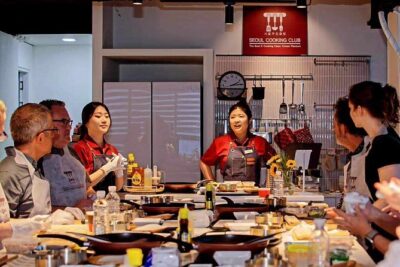
Korean Cooking Class with Grocery Shopping at Seoul Local Market
Read our review →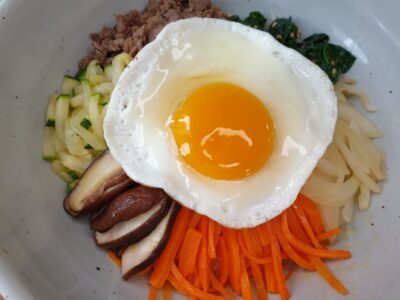
Busan: Small-Group Traditional Korean Food Cooking Class
Read our review →Browse the lists this tour appears in