Review · CASABLANCA
Old local Market visit+Moroccan cooking class with a local family
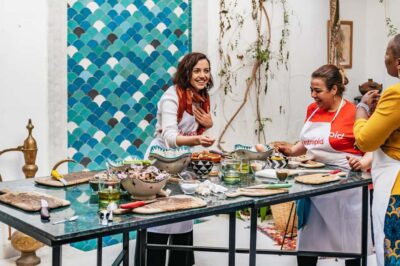
The best part of this Casablanca experience is the change of setting: you begin at a real neighborhood market, then carry your ingredients into a Moroccan family home and cook lunch or dinner together. Inas, sometimes listed as Ines, leads the class with help from her family, including her parents and brother.
I like the market-to-table format, which gives you a look at daily shopping before you sit down to eat. I also like the hands-on approach: you prepare the food yourself, learn the small tricks behind tagine and mint tea, and leave with skills you can use at home.
The main consideration is that this is a family-home visit, not a polished cooking school. That is its appeal, but the pace, space, and setup may feel informal. Also, the market is closed on Friday, so check your date before booking.
Key points to know before booking
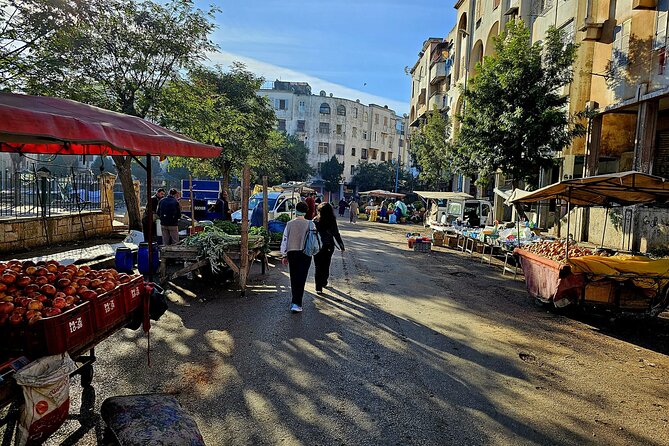
- A real neighborhood souk: Shop for the ingredients with Inas or her brother instead of starting with pre-measured food.
- Cooking in a family apartment: Meet Inas’s parents and share the kitchen and dining space used by the family.
- Your choice of Moroccan dish: Depending on the arrangement, you may prepare tagine, couscous, pastilla, salad, or another traditional dish.
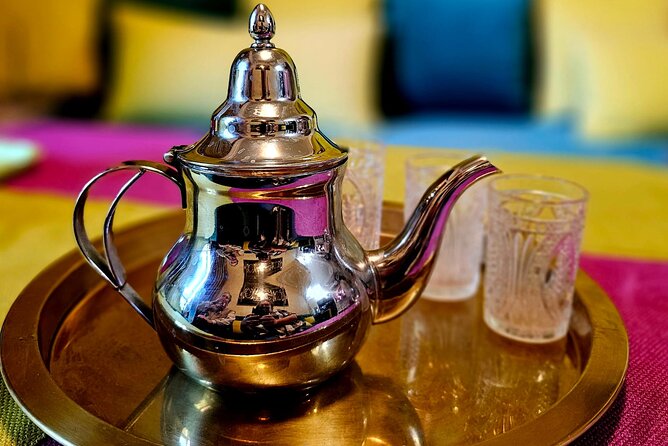
- Tea is part of the lesson: Learn the steps for Moroccan mint tea, then serve it with Moroccan sweets.
- Good for dietary needs: Vegan and vegetarian participants are welcome, and the host has adjusted dishes for food intolerances.
- Small-group setting: The stated maximum is six people, with the activity lasting about four hours and costing $59 per person.
From Casablanca market to family kitchen
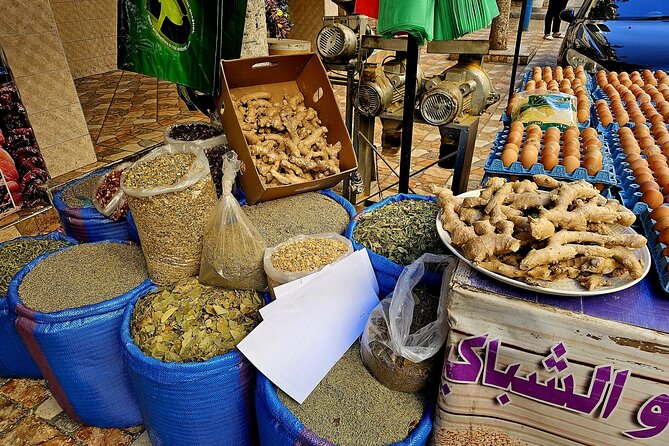
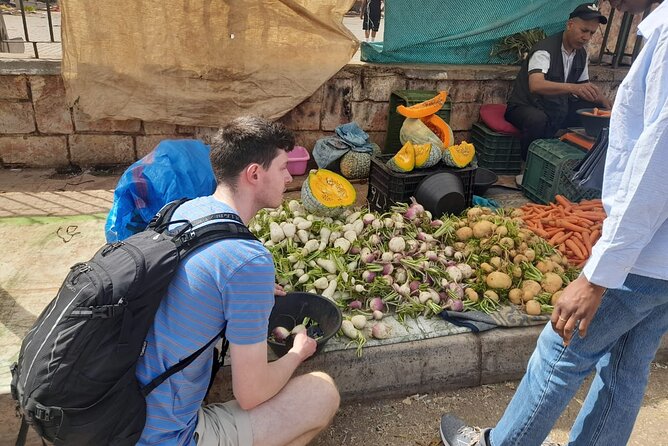
This is a four-hour Casablanca food experience built around two connected activities. First, you visit a popular local souk to buy fresh ingredients. Then you return to the family home to prepare and eat the meal.
That order matters. A market is not just a place to pick up vegetables. It shows you what people buy, how produce and spices are displayed, and how food fits into ordinary Moroccan life. You may see the ingredients in their everyday setting before they are cleaned, cut, seasoned, and turned into a dish.
Inas or her brother accompanies you to the market. The ingredients are included in the price, so you are not paying extra for the food used in class. The market closes on Friday, however, making that the one day when this part of the experience does not operate as planned. I would avoid Friday unless the host confirms an alternative.
The meeting point is listed at HFGJ+9RG in Casablanca, and the activity ends back there. Directions appear to be an important part of the arrangement, especially if you are coming from a cruise ship or relying on public transport. One account notes that the tram stopped close to the home, but you should still follow the host’s instructions carefully because the meeting point is given as a map code rather than a named landmark.
More Home Cooking Classes in Morocco
- Marrakech: Moroccan Cooking Class with a Local Family
★ 4.9 · 668 reviews - Marrakech: Moroccan Cuisine Cooking Class in Local Home
★ 4.8 · 508 reviews - Fez: Souk Tour and Traditional Home Cooking Class
★ 4.9 · 186 reviews
What the souk adds to the experience
Many cooking classes begin in a kitchen with ingredients already laid out. Here, you help choose what goes into the meal. That gives the class a more natural rhythm and lets you ask questions about Moroccan produce, spices, and shopping habits.
The market visit is also useful early in a trip. It can help you recognize the ingredients that appear on Moroccan menus for the rest of your stay. You may see the peppers, onions, herbs, vegetables, spices, and other food items that later appear in a tagine or couscous dish.
The visit is not presented as a major sightseeing tour, so do not book it expecting a long guided walk through Casablanca’s main historic areas. Its value is more modest and more personal. You get a short look at an ordinary shopping area, guided by someone who knows how the market works, then return home to cook.
I like that the host shops for the chosen meal with you. It makes the food feel connected to the place. If you have a particular dish in mind, mention it ahead of time. The class can include different choices, such as tagine, couscous, or pastilla, but the exact dish should be settled with Inas rather than assumed.
Cooking tagine, couscous, pastilla, and more
Once you return home, the class becomes hands-on. The description says that you complete all the steps yourself, using traditional methods and techniques passed down through the family. That is more useful than simply watching a host cook while you sit at the table.
Tagine is an especially practical choice for a class because the method teaches several basic ideas in Moroccan cooking: building flavor with spices, arranging ingredients, and cooking slowly until the food is tender. Couscous offers a different lesson, with more attention to preparation and texture. Pastilla is another option, though you should ask exactly what will be prepared during your session.
The host works around dietary needs. Vegetarian and vegan participants are welcome, and the class has been adjusted for food intolerances. Still, tell Inas about restrictions before the day begins. A food preference is easier to handle when the ingredients are selected at the market rather than after cooking has started.
Do not expect a formal chef demonstration with a printed syllabus or restaurant-style kitchen. This is a family setting, and the instruction appears to be conversational and practical. You learn the steps while handling the ingredients, asking questions, and working alongside the host.
That informal approach is a strong point for anyone who wants to understand how food is made at home. It may be less suitable if you want professional culinary training, exact recipes in written form, or a tightly timed lesson with advanced techniques.
Tea, sweets, music, and the meal
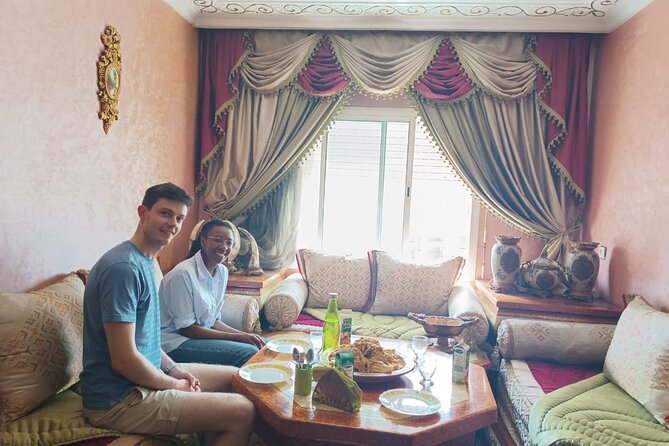
Moroccan mint tea receives its own lesson. You learn the preparation steps, then drink it with Moroccan sweets. Tea is not a minor extra here. It gives the visit a social pause and helps explain the place of hospitality in Moroccan home life.
The cooking may include waiting time, and that time is part of the visit rather than dead space. The family has used tea, conversation, and Moroccan music videos to make the pauses feel relaxed. You may hear about daily life and traditions while the food cooks.
When the meal is ready, you eat what you helped prepare in a familial setting. The food is the obvious reward, but the shared meal also ties the market and kitchen together. You have seen the ingredients, handled them, and then tasted the result.
The atmosphere can be especially meaningful for people who enjoy small cultural exchanges. Some visits have included meeting Inas’s mother and father, and one group was invited to share iftar with the family. That kind of invitation cannot be guaranteed, so I would treat it as a possibility rather than part of the advertised schedule.
The home setting also means you should bring a respectful, flexible attitude. You are entering someone’s personal space, not a commercial demonstration room. Ask before photographing people or the home, and follow the host’s lead on customs.
More Market Tour Cooking Classes in Morocco
- Marrakech: Traditional Moroccan Cooking Class & Market Visit
★ 4.8 · 1,861 reviews - Moroccan Cooking Class & Marrakech Market Visit with Chef Khmisa
★ 5.0 · 1,504 reviews - Marrakech: Moroccan Cooking Class with Market Visit and Meal
★ 4.9 · 347 reviews - Moroccan Cooking Class with Market Visit and Meal
★ 5.0 · 196 reviews
The welcome from Inas and her family
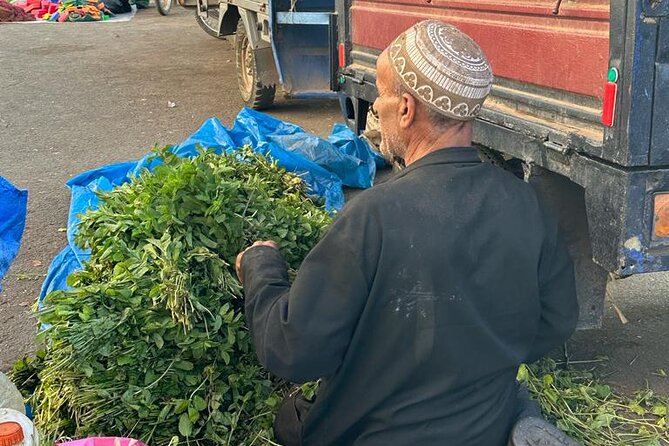
The strongest feature of this activity is the host-family connection. Inas is described as warm, flexible, and clear in her communication. Her parents and brother may also be involved, giving the visit the feel of being welcomed into a household rather than attending a standard tour.
That distinction matters in Casablanca, where a formal city tour can show you monuments and broad facts but may not reveal much about an ordinary family meal. Here, conversation happens around shopping, cooking, music, tea, and questions about daily life.
The experience can work well for solo participants, couples, families, and small groups. A maximum of six people should make it easier to get involved than in a large cooking class. One reported group was larger, so if your party has more than six people, confirm the arrangement directly instead of assuming the normal limit applies.
The host’s communication is another practical strength. Clear directions matter in Casablanca, particularly if you arrive from a cruise ship or use the tram. Send your arrival details and ask for the exact meeting instructions before the day of the activity.
Is $59 a fair price?
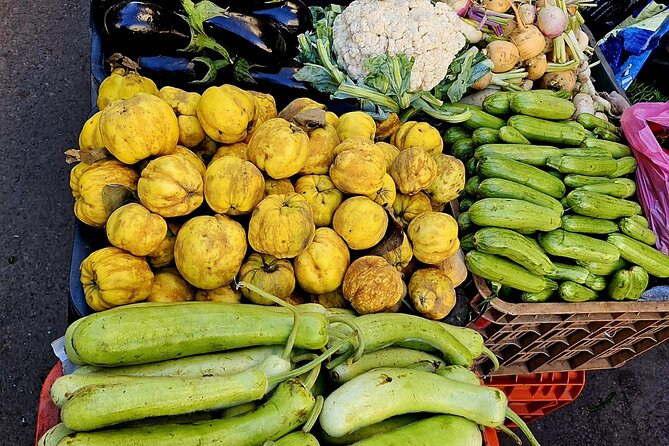
At $59 per person, the price is reasonable if you value personal contact and a meal as much as the cooking instruction. You are paying for about four hours, a market visit, ingredients, a guided cooking session, tea, sweets, and the meal you prepare.
The ingredients being included makes the cost easier to judge. You do not have to budget separately for the shopping trip, and the market visit is part of the experience rather than a quick stop on the way to the kitchen.
The value is less clear if you only want a cheap meal or a professional cooking lesson. You can find food in Casablanca for less than $59, and a restaurant meal requires no kitchen work. You are paying for access to a family setting, help choosing ingredients, instruction, and time to ask questions about Moroccan food and customs.
I would compare it with the price of a private or small-group cooking class in your home city. If the price there includes a meal but not a market visit or family host, this Casablanca activity offers a fuller cultural visit. If you prefer a polished culinary school with detailed written recipes, the value may feel lower.
Who will enjoy this Casablanca class?
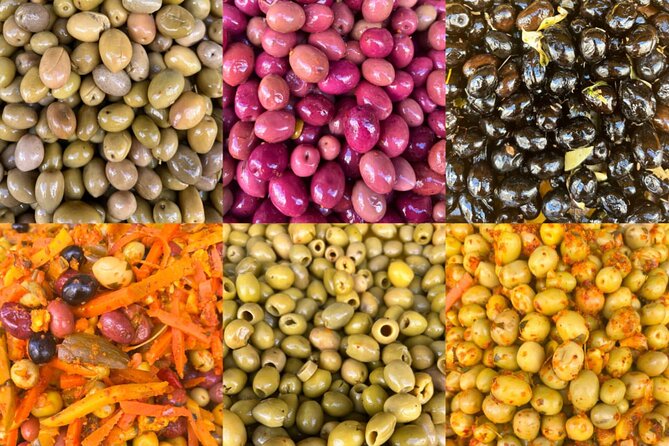
This experience suits you best if you want to understand Moroccan food through ordinary routines. It is a good choice for people who like markets, home cooking, conversation, and meals that take time.
It is also a smart early-trip activity. The market and kitchen lessons can help you recognize spices and dishes during the rest of your time in Morocco. You may return to restaurants with a better idea of how couscous, tagine, tea, and other foods fit into daily life.
Vegetarians, vegans, and people with food intolerances should find the flexible format helpful, provided they explain their needs in advance. Families may also like the practical, social nature of the class, though younger children may need help during the preparation stages.
You may want to skip it if you dislike entering private homes, prefer a busy sightseeing schedule, or need a fully predictable professional setup. The four-hour duration is substantial, and the experience is built around conversation and cooking rather than moving from one attraction to another.
Practical details that affect your day
The activity lasts approximately four hours and ends at the starting point. Build in enough time afterward, especially if you have a train, airport transfer, cruise departure, or another fixed appointment.
The stated group limit is six people. That is a useful size for hands-on work, since you should have room to participate and ask questions. If you are booking for a larger party, confirm the plan with Discover with Inas.
Mobile tickets are accepted, and confirmation is provided at booking. The meeting point is near public transportation, and service animals are allowed. Since the exact location is given as a plus code, keep the host’s directions available on your phone.
Friday is the key scheduling issue. The local market closes that day, so the market portion may not be available. Ask before booking a Friday session.
Free cancellation is available if you cancel at least 24 hours before the local start time. Cancellations or changes made later do not qualify for a refund, so keep that cutoff in mind when arranging transport.
Should you book this cooking experience?
Book it if you want more than a recipe. The best reason to choose this activity is the complete chain from market shopping to family kitchen to shared meal. Inas and her family add the personal welcome, while the hands-on preparation gives you something useful to take home.
I would especially recommend it for your first few days in Casablanca, for anyone curious about Moroccan home life, and for vegetarians or vegans who want a meal shaped around their needs. I would also choose it near the end of a Morocco trip if you want a relaxed final meal with local music, tea, and conversation.
Skip it if Friday is your only available day, if you need a formal cooking-school setting, or if you want a short activity with no kitchen work. For everyone else, $59 buys a small-group food lesson and a genuine invitation into Casablanca life, with the practical bonus of learning dishes you can make again at home.
FAQ
How long does the Moroccan cooking experience last?
The activity lasts approximately four hours.
How much does the experience cost?
The listed price is $59 per person.
Is the local market open on Friday?
No. The local market closes on Friday, so confirm availability if Friday is your preferred date.
Are ingredients included?
Yes. Fresh ingredients bought at the local souk are included in the experience price.
Which Moroccan dishes can I learn to make?
The available choices can include tagine, couscous, pastilla, and other Moroccan dishes. Confirm your preferred dish with Inas.
Are vegan and vegetarian participants welcome?
Yes. Vegan and vegetarian participants are welcome, and the host can work around dietary intolerances.
Where does the activity begin and end?
It begins at HFGJ+9RG, Casablanca 20250, Morocco, and ends back at the meeting point.
How many people can join the activity?
The stated maximum is six participants.
Can I cancel for a full refund?
Yes. You can cancel at least 24 hours before the local start time for a full refund. Cancellations or changes made less than 24 hours before the start are not accepted for a refund.
More Shopping Trips in Morocco
- Moroccan Cooking Class and Fez Market Visit and Meal
★ 5.0 · 40 reviews - Private Casablanca Market Tour and Cooking Class with Chamsi
★ 5.0 · 33 reviews - Hanoi Cooking Class: Culture, Local Market & Meaning CSR Impact
★ 5.0 · 5,147 reviews - 5 Traditional Dishes Hanoi Cooking Class with Market Trip
★ 5.0 · 4,890 reviews
More Moroccan Cooking Classes in Morocco
- Marrakech: Moroccan Cooking Class with Pickup
★ 4.6 · 1,862 reviews - Marrakesh: Moroccan Dishes Cooking Class with a Local Chef
★ 5.0 · 1,615 reviews - Marrakech: Moroccan Cooking Workshop at La Maison Arabe
★ 5.0 · 446 reviews - Marrakech: Tajine Cooking Class in a Traditional Riad
★ 4.8 · 424 reviews
Just added around Morocco
- Tangier Food Cooking Class and Private City Tour★ 5.0 · 73 reviews
- cooking class with local family from Tangier★ 5.0 · 22 reviews
- Moroccan 3 in 1 Cooking Experience★ 5.0 · 53 reviews
- Tangier Private Cooking Class With a Local Family★ 4.5 · 49 reviews
- Fez: Souk Tour and Traditional Home Cooking Class★ 4.9 · 186 reviews
- Cooking Class – Moroccan cuisine★ 5.0 · 124 reviews
- Authentic Moroccan Cooking Class in a Farm in Marrakech★ 5.0 · 64 reviews
- Moroccan Cooking Class: Farm-to-Table Tagine★ 5.0 · 50 reviews
Moroccan Cooking Classes, compared.
Marrakech: Moroccan Cooking Class with Pickup
Read our review →
Marrakech: Traditional Moroccan Cooking Class & Market Visit
Read our review →
Marrakesh: Moroccan Dishes Cooking Class with a Local Chef
Read our review →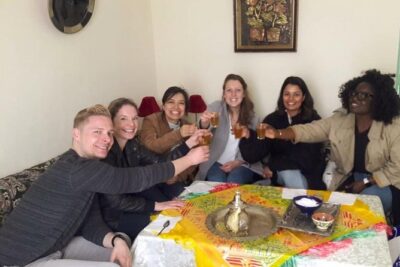
Moroccan Cooking Class & Marrakech Market Visit with Chef Khmisa
Read our review →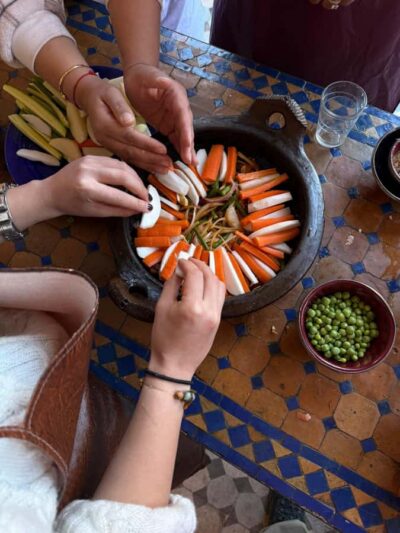
Marrakech: Moroccan Cooking Class with a Local Family
Read our review →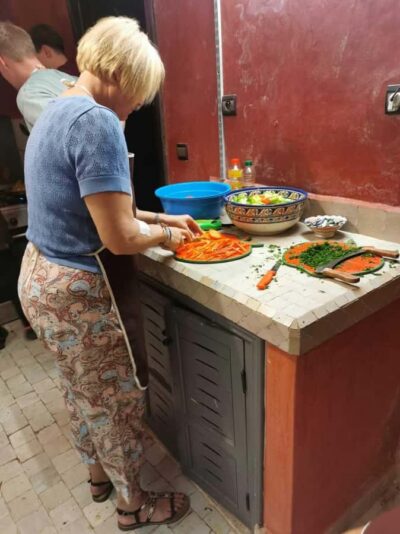
Marrakech: Moroccan Cuisine Cooking Class in Local Home
Read our review →
Marrakech: Moroccan Cooking Workshop at La Maison Arabe
Read our review →