
Review · CHENNAI
South Indian Vegetarian Cooking Class in Chennai with Meena
South Indian cooking comes alive in Meena’s home kitchen, where you roast and grind spices, prepare a family-style vegetarian meal, and eat it the traditional way on a banana leaf. The class is private, so the menu can reflect your tastes, and Meena shares recipes passed down from her grandmother.
I like the personal touch and the chance to see how ordinary local ingredients become sambar, rasam, kootu, or a coconut-based vegetable dish. I also like the optional Mylapore market visit, which adds a useful look at local food shopping. The main drawback is that this is strictly vegetarian, and the menu changes with the season, so you need to share food preferences and restrictions when booking.
Key points to know
- Meena teaches in her home in Alwarpet, giving the class a personal setting rather than a formal cooking school.
- You roast and grind fresh spice powders, then use them in a curry such as sambar or rasam.
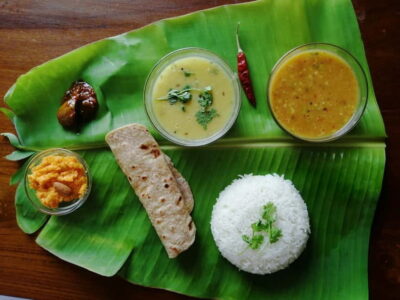
- The meal is served on a banana leaf, with rice, vegetables, curry, dessert, and filter coffee.
- The private format lets you request breakfast dishes, including dosa, idli, upma, or pongal.
- The optional Mylapore market tour adds about 2 kilometers of local sightseeing, with vegetables, fruit, flowers, and religious goods.
- The three-hour experience costs $54 per person, a fair price if you value instruction, a private meal, and local contact.
A home kitchen in Alwarpet, not a staged restaurant show
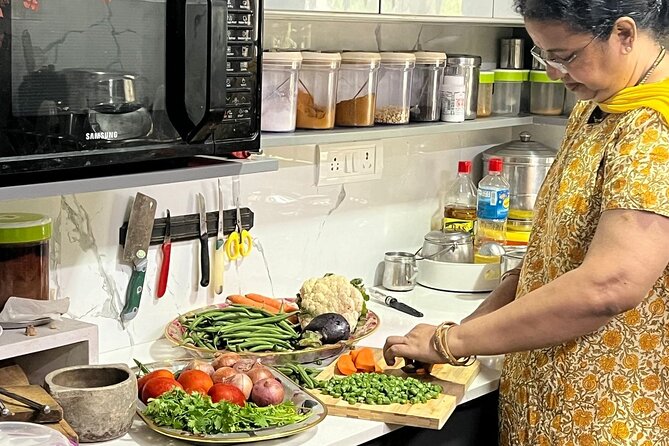
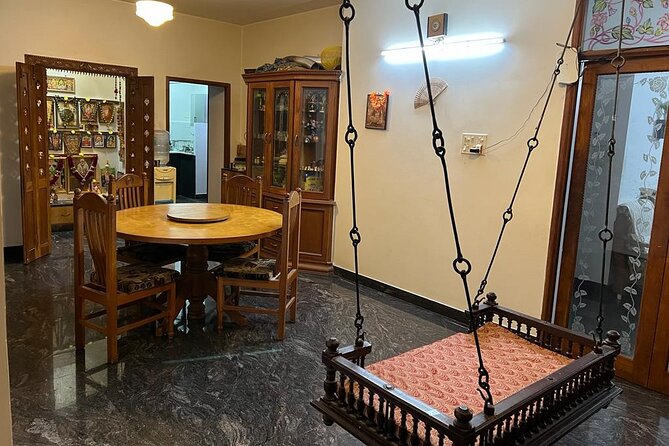
The setting is a residential neighborhood of Alwarpet, with the meeting point at The Raintree on St. Mary’s Road. From there, you meet Meena and begin a private cooking session built around vegetarian South Indian food.
That private format matters. You are not one face in a large class, waiting for a turn at a communal stove. Meena can adjust the pace, explain unfamiliar ingredients, and shape the meal around your preferences. If your group wants to focus on breakfast foods such as dosa or idli, tell her before booking.
The experience lasts about three hours, with roughly two hours devoted to hands-on cooking. The remaining time includes introductions, food preparation, and sitting down to eat what you made. This is not a quick demonstration followed by a sample plate. You take part in the work, then share a full meal.
I especially like the family connection behind the recipes. Meena learned these dishes from her grandmother, and that gives the class a clear purpose: you are learning food that belongs in a household, not just a restaurant menu. That can help you understand how South Indian cooks balance sourness, spice, coconut, lentils, vegetables, and rice.
More Vegan Cooking Classes in India
- Jaipur Market Tour & Vegetarian Rajasthani Home Cooking Class
★ 5.0 · 113 reviews - Private Vegetarian Indian Cooking Class in Mumbai
★ 5.0 · 17 reviews - Traditional Vegetarian Cooking Class in Chennai with Gayathri
★ 5.0 · 14 reviews
Roasting spices before the cooking begins
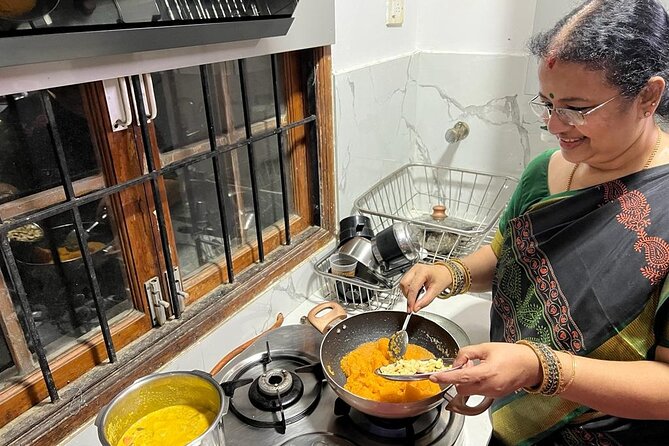
The class starts with an introduction to South Indian spices. You then roast and grind the fresh powders needed for the dishes. This step may sound small, but it is one of the most useful parts of the class.
Many South Indian dishes depend on spice blends that are prepared for a particular curry or soup. You are not simply adding a spoonful of a ready-made powder and moving on. You see how the ingredients are handled before they reach the pot, and you learn why a fresh powder can shape the smell and taste of the final dish.
The exact menu depends on the season and on what you request. A typical class may include a curry, a seasonal vegetable, rice, and dessert. Possible dishes include sambar, kootu, rasam, avial, olan, or another vegetable preparation with coconut.
You might prepare kuzhambu, a lentil-based curry, or rasam flavored with lemon, ginger, or garlic. These dishes offer different lessons. Sambar shows how lentils, vegetables, and spice powders work together. Rasam is lighter and more sharply seasoned, with a thin texture and a strong role for sour and aromatic ingredients.
Kootu, avial, and olan focus on vegetables and coconut-based cooking. They are useful choices if you want to understand how South Indian vegetarian food gets depth without meat. The class also includes rice, the natural center of the meal.
Meena’s family recipes and practical kitchen advice
Cooking with Meena is as much about method as it is about ingredients. While you work, she shares culinary traditions and practical tips for making a South Indian meal at home.
That personal instruction is where the class earns much of its value. A recipe card can list ingredients, but it cannot always explain what the mixture should smell like after roasting, how a curry should look before serving, or how to balance the flavors. Meena can answer those questions as they arise.
The class is also a good fit for people who want conversation along with cooking. Meena shares stories connected to the dishes and explains recipes learned across generations. The private setting makes it easier to ask basic questions without slowing down a larger group.
You should tell Meena about allergies, dietary restrictions, and cooking preferences when you book. The meal is vegetarian only, so meat and seafood are not part of the experience. The menu may also change with the season, which is a strength for local cooking but means you should not expect a fixed list of dishes every time.
If you are hoping for a particular meal, be specific. Breakfast dishes such as dosa, idli, upma, and pongal are available only if requested in advance. Otherwise, your meal may focus on curry, vegetables, rice, dessert, and coffee.
The optional Mylapore market visit
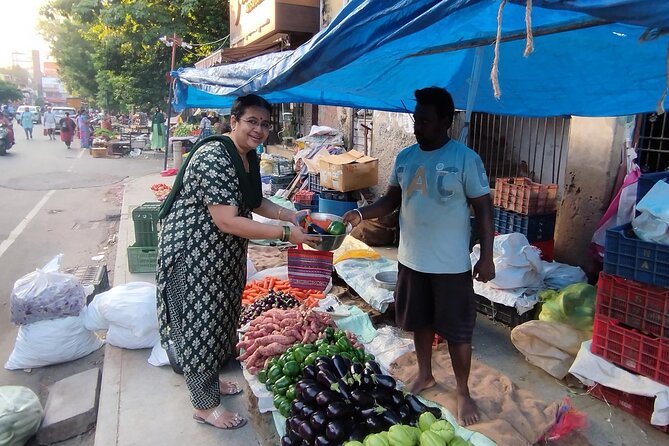
You can add a guided visit to the Mylapore vegetable and fruit market before cooking. The market is about 2 kilometers from the home and can be reached by rickshaw or taxi.
This option gives the experience a useful first chapter. Instead of beginning with prepared ingredients, you can see where some of the food comes from and shop with Meena at her favorite places. The market sells vegetables, fruit, flowers, traditional items used for pooja, and decorative goods for the home.
The visit is not only about buying cooking supplies. It gives you a look at an everyday Chennai shopping area, where food and household customs share the same streets. You might buy a few ingredients for the class before returning to cook them.
There is a practical trade-off. The market option adds local sightseeing and context, but it also makes the schedule less simple. If you are short on time or mainly want to cook, choose the class without the market visit. If you enjoy seeing food before it reaches the kitchen, the extra stop is worth considering.
Transportation to the market is included as part of the visit by rickshaw or taxi, but hotel pickup and drop-off are not included. You start and finish at the stated meeting point near The Raintree on St. Mary’s Road.
More Indian Cooking Classes in India:
- Indian Cooking Class in an Authentic Local Home – Learn 6 Dishes
★ 5.0 · 195 reviews - Authentic Indian Cooking Classes at Palolem Beach Road Goa
★ 5.0 · 132 reviews - Mumbai: Indian Cooking Class & Cultural Delights
★ 5.0 · 38 reviews - New Delhi: Traditional Indian Cooking Class & Market Visit
★ 5.0 · 32 reviews
Learning the difference between curry, rasam, and vegetable dishes
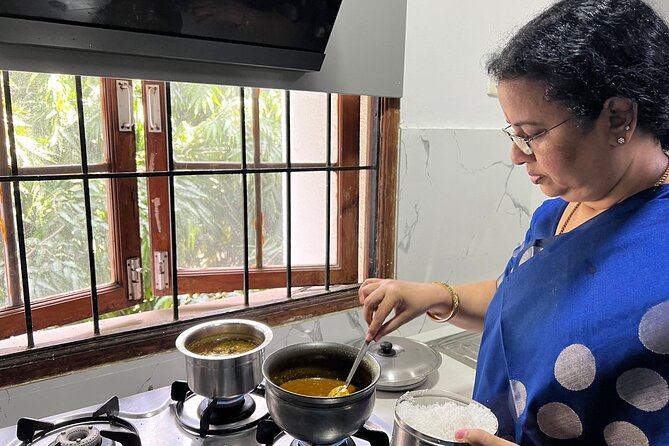
A strong feature of this class is the range of dishes it can cover. South Indian vegetarian cooking is not one single style, and these preparations show different ways of using the same basic building blocks.
A lentil curry such as sambar or kuzhambu gives you a hearty dish with a thicker texture. Rasam is more delicate and soupy, often built around spices, sourness, and a bright aromatic quality. Preparing both helps you see how small changes in liquid, lentils, and seasoning create very different results.
Kootu, avial, and olan show another side of the cuisine. Vegetables take center stage, often with coconut in the sauce or seasoning. The exact vegetables depend on the season, so the meal may not be identical from one date to another.
The class may also include dosa if you request it in advance. Dosa brings a different kind of lesson, since it is a breakfast dish rather than a rice-and-curry accompaniment. Idli, upma, and pongal are also possible breakfast choices.
You should not book this expecting a broad Indian cooking survey. The focus is specifically South Indian vegetarian food, with recipes connected to Meena’s family. That narrower focus is a benefit if you want depth in one regional tradition, but less useful if you are looking for naan, tandoori dishes, or North Indian curries.
Eating on a banana leaf
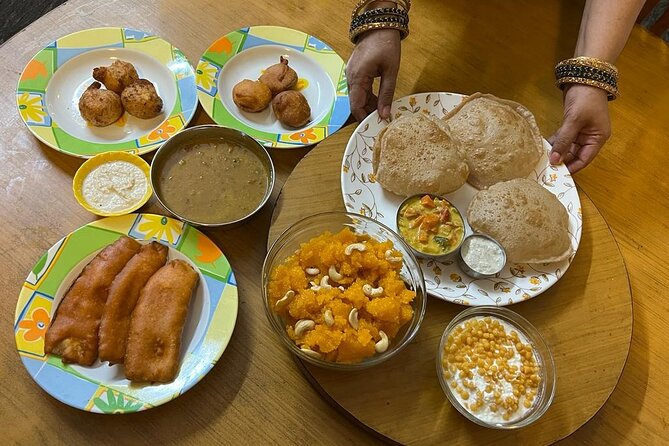
After cooking, you sit down to eat the meal you helped prepare. The food is served in the traditional style on banana leaves, with rice, vegetables, curry, and the other dishes arranged for the meal.
The banana leaf is more than a decorative detail. It changes the feel of the meal and connects the cooking class to South Indian dining customs. You get to see how several preparations work together rather than tasting each dish in isolation.
Dessert may be payasam, sakkara pongal, or kesari. Payasam is a milk pudding, sakkara pongal is made with jaggery and lentils, and kesari uses semolina. These sweets offer three different ways to finish the meal, and the choice may depend on the season and the menu.
Filter coffee completes the experience. If you enjoy coffee, save room for it. It is a fitting end to a meal built around familiar household food rather than a formal restaurant presentation.
The shared meal is also a practical test of what you learned. You can taste the effect of the spice powder you helped prepare and see how the vegetable dish fits with rice and curry. That makes the instruction easier to remember once you leave Chennai.
Is $54 a fair price?
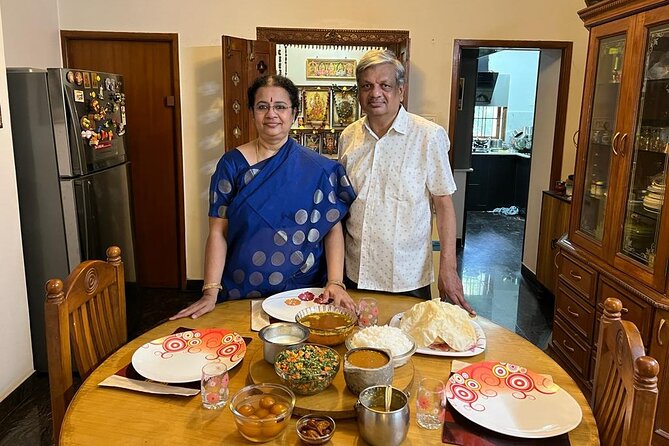
The price is $54 per person. For a private three-hour experience that includes instruction, ingredients, a home-cooked meal, taxes, fees, and gratuities, I consider that reasonable, especially for a small group that values personal attention.
You are paying for more than lunch. The price covers a private host, hands-on work, family recipes, and the chance to request certain dishes. The banana-leaf meal and filter coffee add cultural context, while the market option can provide another layer of local experience.
Value depends on what you want. A person seeking the cheapest meal in Chennai can eat for much less. A person seeking a private food lesson with a host will likely find the price easier to justify.
Group discounts are available, which may improve the value for families or friends traveling together. Since the class is private, you also avoid the uncertainty of joining a group with a very different pace or set of food interests.
Who will enjoy this Chennai cooking class?
I would recommend this experience to food-focused visitors who want to understand South Indian vegetarian cooking from the inside. It suits curious beginners, since Meena can explain the process as you go, and it also suits experienced home cooks who want new spice combinations and family methods.
It is a particularly good choice for:
- Vegetarians seeking a meal built around local dishes
- Couples, families, and small private groups
- Visitors who prefer home cooking to a restaurant meal
- People interested in spices, markets, and regional food customs
- Cooks who want recipes for sambar, rasam, kootu, dosa, or South Indian desserts
- Anyone who wants a slower, more personal activity in Chennai
It may not be right for you if you need a meat-based menu, want a large sightseeing program, or prefer a formal professional kitchen. It also may not suit someone who wants a fixed menu, since the dishes can change with the season.
The experience is near public transportation, but hotel pickup and drop-off are not included. Plan your route to The Raintree on St. Mary’s Road and allow enough time to arrive before the class begins.
Should you book it?
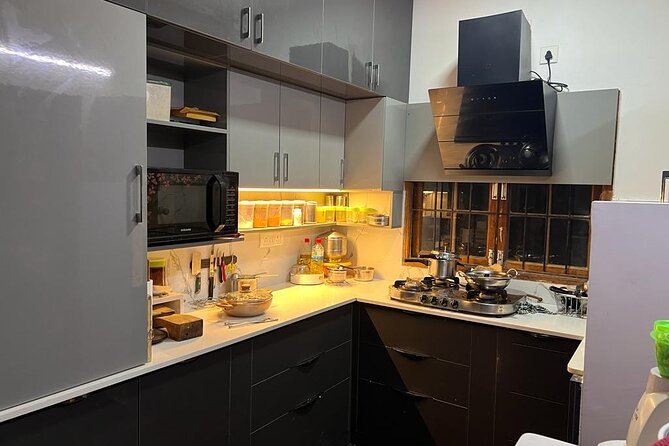
Book this class if you want a personal introduction to South Indian vegetarian food and like the idea of learning by doing. The strongest reasons are the private setting, Meena’s family recipes, the fresh spice preparation, and the banana-leaf meal at the end.
Add the Mylapore market visit if local food shopping interests you and you have time for the extra stop. Skip it if your priority is a focused cooking session.
At $54, the class is best understood as a private food experience rather than a cheap meal. For a vegetarian traveler, a home cook, or anyone who wants more than a quick taste of Chennai, it offers a well-focused way to spend three hours.
FAQ
Where does the cooking class take place?
The class takes place in a residential neighborhood of Alwarpet in Chennai. The meeting point is The Raintree, St. Mary’s Road, Austin Nagar, Alwarpet, Chennai.
How long does the experience last?
The full experience lasts approximately three hours. About two hours are spent in the hands-on cooking class, followed by the shared meal.
Is the cooking class private?
Yes. Only your group participates in the activity, making it a private and personalized experience with Meena.
Is the meal vegetarian?
Yes. Meena offers a vegetarian meal only.
What dishes might I learn to cook?
Possible dishes include sambar, kootu, rasam, dosa, kuzhambu, avial, olan, rice, and a South Indian dessert. The menu may vary with the season.
Can I request dosa or other breakfast dishes?
Yes. You can request dosa, idli, upma, or pongal, but you should tell Meena in advance when booking.
Is a market visit included?
The Mylapore vegetable and fruit market is included only if you select the optional market tour. The market is about 2 kilometers from the cooking location.
What can I see at the Mylapore market?
The market sells vegetables, fruit, flowers, traditional items for pooja, and decorative items for the home. You may also buy ingredients for the cooking class.
Are hotel transfers included?
No. Hotel pickup and drop-off are not included. The activity starts and ends at the stated meeting point.
How much does the cooking class cost?
The listed price is $54 per person. Group discounts are available, and taxes, fees, gratuities, the home-cooked meal, and the private class are included.
More Hands-On Workshops in India
- Pink City Cooking Class
★ 5.0 · 452 reviews - Five Course Cooking Class & Meal
★ 5.0 · 250 reviews - Veg and Non veg : Private Cooking Class in Delhi home (7 meal)
★ 5.0 · 226 reviews - Cooking Class in Jaipur – Family Experience with Meal & Transport
★ 5.0 · 101 reviews
Just added around India
- Small Group Authentic Mumbai Virtual Cooking Class with Dessert★ 5.0 · 15 reviews
- Private Vegetarian Indian Cooking Class in Mumbai★ 5.0 · 17 reviews
- Indian Curry 5-Hour Cooking Classes In Mumbai★ 5.0 · 22 reviews
- Mumbai: Indian Cooking Class & Cultural Delights★ 5.0 · 38 reviews
- Pondicherry: Indian Cooking Class with Market Visit★ 4.7 · 18 reviews
- New Delhi: Traditional Indian Cooking Class & Market Visit★ 5.0 · 32 reviews
- Authentic Indian Cooking Classes at Palolem Beach Road Goa★ 5.0 · 132 reviews
- Interactive Cooking Class with a Local Family in Jaipur★ 5.0 · 90 reviews
Indian Cooking Classes, compared.
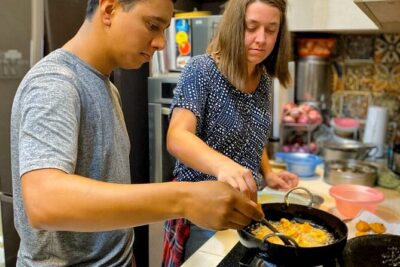
Indian Cooking Class in an Authentic Local Home – Learn 6 Dishes
Read our review →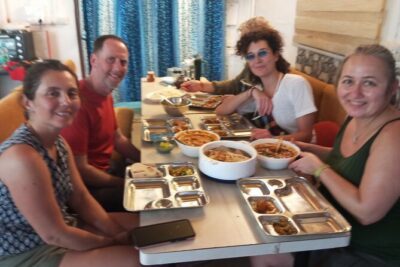
Authentic Indian Cooking Classes at Palolem Beach Road Goa
Read our review →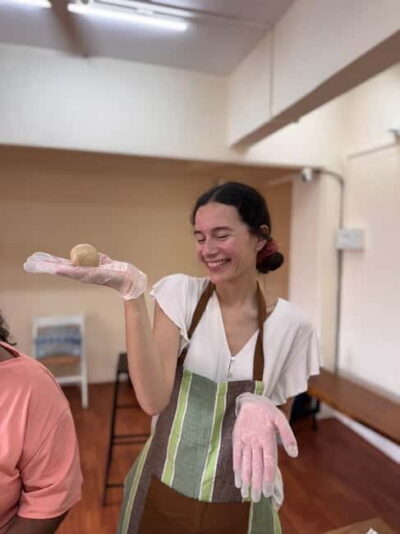
Mumbai: Indian Cooking Class & Cultural Delights
Read our review →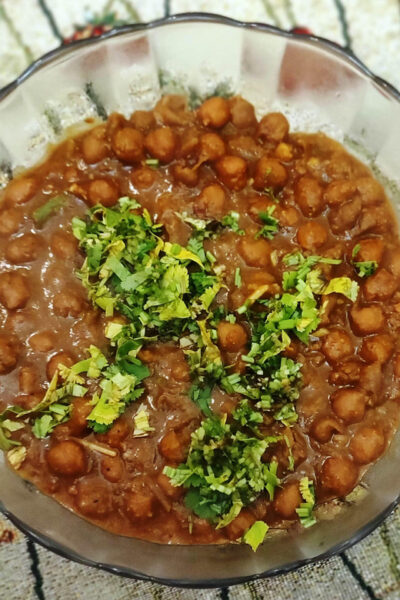
New Delhi: Traditional Indian Cooking Class & Market Visit
Read our review →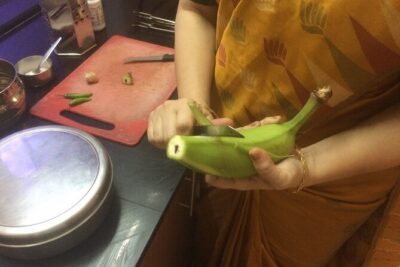
Private South Indian Tamil Cooking Class in Chennai with Srividya
Read our review →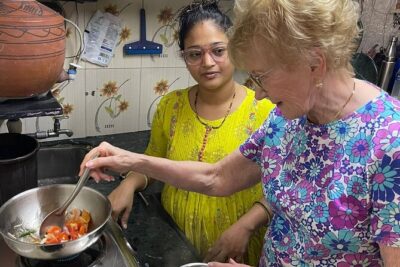
Pondicherry: Indian Cooking Class with Market Visit
Read our review →Private Vegetarian Indian Cooking Class in Mumbai
Read our review →Browse the lists this tour appears in