
Review · COLOMBO
Cooking class in Srilanka
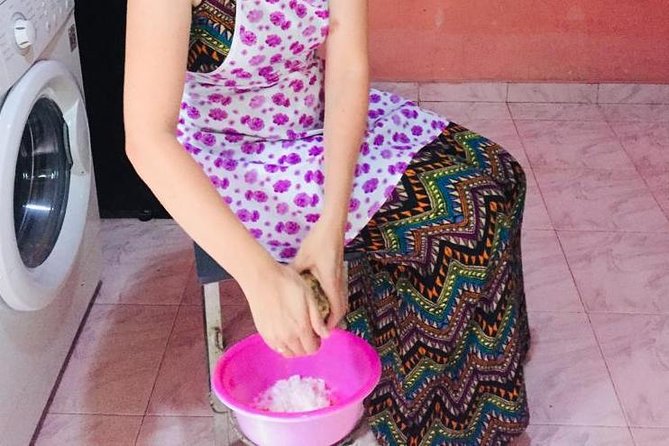
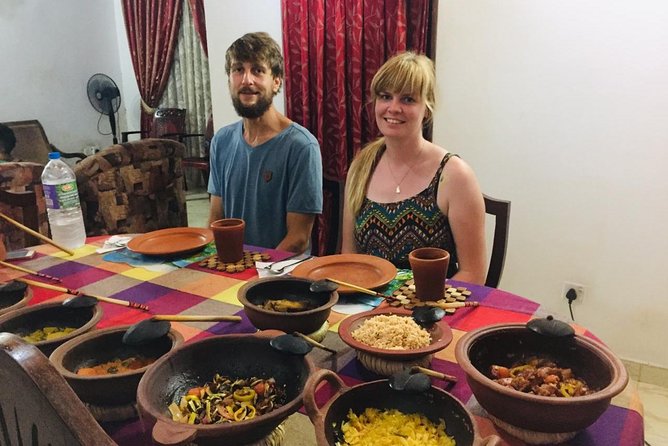
The most interesting part of this Colombo cooking class is that you do the work yourself. You are not simply watching a chef toss spices into a pan. You prepare 10 different dishes, learn how Sri Lankan cooks use spices, and work with traditional clay pots.
I like the hands-on format and the chance to cook in a real home with a family rather than in a polished restaurant kitchen. I also like that the class includes desserts and a menu, so you can follow what you are making and remember it later. The main drawback is that this is a home-style experience, not a slick, air-conditioned cooking studio, and the meeting point is in Angoda rather than central Colombo.
Key points at a glance
- Ten dishes plus dessert: You prepare a large spread rather than one simple recipe.
- Clay-pot cooking: Traditional pots are used throughout the class, giving the lesson a strong local character.
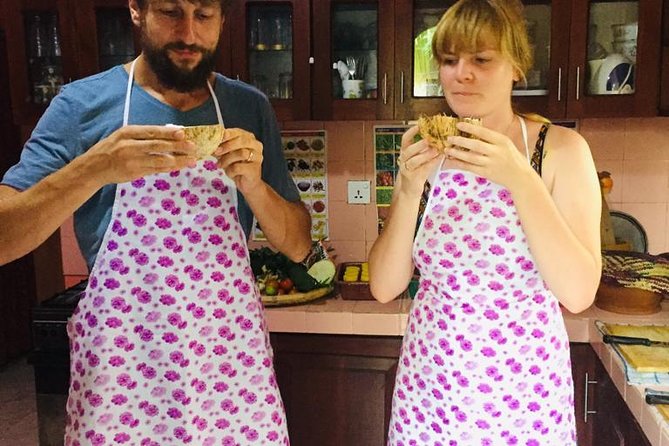
- You do the cooking: The chef explains each step while you prepare the food yourself.
- Private activity: Only your group takes part, so the pace can focus on your needs.
- Real home setting: The experience includes shared preparation and cooking with a Sri Lankan family.
- Three hours for $50: The price covers a substantial meal, instruction, and a private class.
Cooking ten dishes in a Sri Lankan home
This is the kind of cooking class that makes lunch feel like the final chapter of a longer lesson. You arrive at Colombo Cooking Class, located at No 275/1, B231, Angoda 10600, and spend about three hours preparing a full Sri Lankan meal.
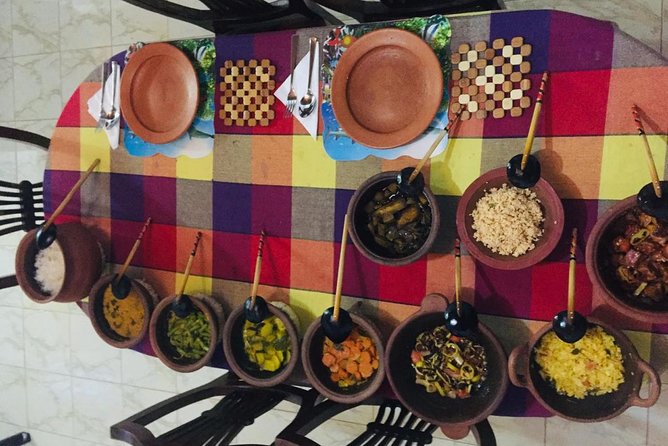
The scale matters. Many cooking classes center on one or two recipes. Here, you work through 10 dishes and traditional desserts. That gives you a much better sense of how a Sri Lankan meal comes together, with several preparations sharing spices, cooking methods, and timing.
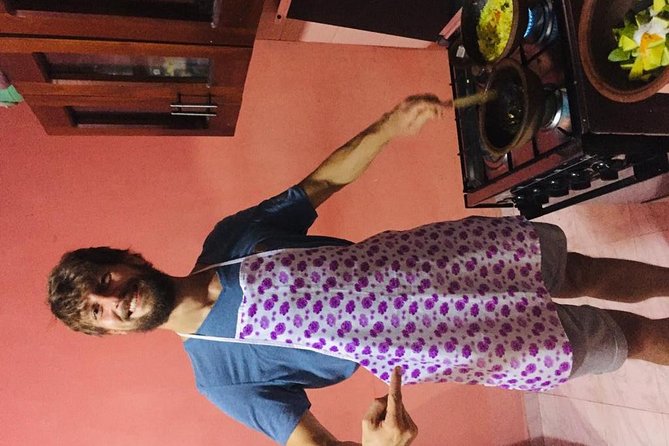
You will make the dishes yourself while the chef explains what to do. That distinction is important. If you prefer to sit back and take notes, this may feel active. If you want to understand the food well enough to try it at home, the format is a strong fit.
The class is also a private activity. Only your own group participates, which should make it easier to ask questions, slow down at a tricky step, or spend more time on a spice or method you find interesting. The supplied information does not name the chef, so you should not expect a particular instructor by name. The focus is on practical instruction rather than a celebrity cooking personality.
More Hands-On Workshops in Sri Lanka:
- Ella: Traditional Sri Lankan Cooking Class
★ 4.9 · 788 reviews - Organic cooking class sigiriya (kumara & family)
★ 5.0 · 650 reviews - Sri Lanka Cooking Class with Granny
★ 5.0 · 587 reviews
Why the clay pots matter
The use of clay pots is one of the most distinctive parts of the experience. You are not simply learning a recipe in modern cookware and calling it Sri Lankan. The pots connect the meal to an older home-cooking method and give the class a clear sense of place.
Clay-pot cooking also changes the feel of the lesson. You need to pay attention to the chef’s instructions and the way the food is handled. This is less about rushing through a recipe and more about understanding a traditional method.
The information provided does not explain the exact size or type of each pot, nor does it say which dish uses which vessel. You should treat the clay pots as an important part of the cooking approach, not as a promise that every single recipe will be cooked in a separate pot.
For me, this is where the class has more value than a standard demonstration. You get to connect ingredients, spices, heat, and cookware in one setting. That kind of lesson can stay with you longer than a quick tasting.
Learning Sri Lankan spices without a lecture
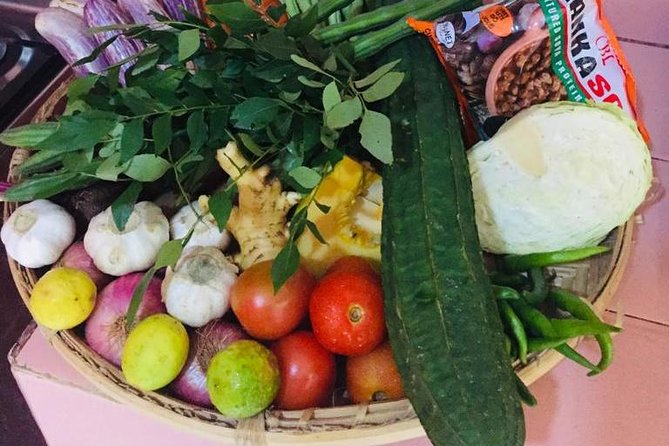
The chef explains the spices used in Sri Lankan cooking as you work. This is useful because spices are not just an ingredient list. Their order, quantity, and handling can change the final dish.
You will get to know the authentic Sri Lankan cooking style and learn about the spices while preparing the food. The wording is broad, so the experience does not promise a formal spice market visit or a separate tasting session. Instead, the spice lesson is built into the cooking itself.
That is a sensible approach. You learn the purpose of an ingredient at the moment you use it, rather than trying to remember a long speech before cooking begins. Since you are making all the dishes yourself, you can watch the process and repeat it under the chef’s direction.
A menu is provided, too. This small detail is easy to overlook, but it helps. Ten dishes are a lot to keep track of in three hours. A written menu gives you a framework for the meal and may help you remember the names and sequence of the dishes afterward.
The available information does not list the individual dishes or spices. I would not book this expecting a fixed menu of named curries. Book it for the chance to learn a broad set of Sri Lankan preparations and the cooking logic behind them.
A real home and a shared meal
The setting is part of the appeal. The experience takes place in a real home, with a family involved in the preparation and cooking. This creates a more personal atmosphere than a class held in a commercial restaurant or hotel kitchen.
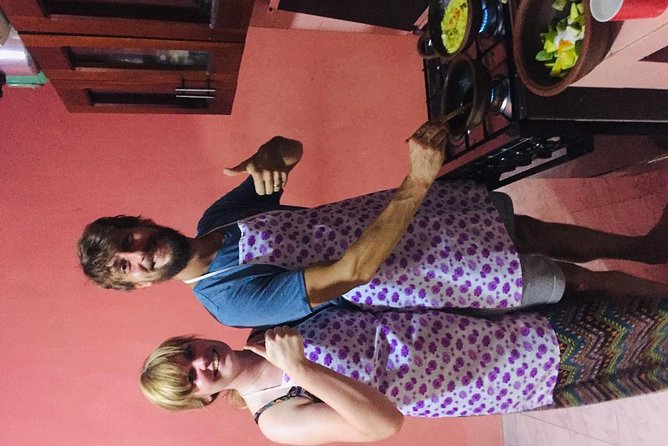
You should expect to share the work rather than watch from a distance. One account of the experience describes meeting the entire family while helping prepare and cook 10 curries. That detail gives you a useful picture of the mood: family members, shared duties, and a meal built together.
This does not mean the class is a formal cultural visit. The main activity remains cooking. Still, the home setting gives the food a human context. You see that Sri Lankan cuisine is not only a collection of recipes. It is also a way of preparing a large meal for several people.
There is a practical trade-off. A home kitchen may feel less polished than a professional cooking school. The class may not offer the cool, controlled conditions of an air-conditioned studio. If you need a highly structured setting with restaurant-style equipment, this may not be your best choice.
If you value contact with local daily life, the home setting is a major reason to choose it.
A few more cooking classes around Sri Lanka worth a look
- Kandy Village Cooking Class
★ 5.0 · 536 reviews - Sea waves sri lankan cooking class
★ 5.0 · 467 reviews - Ella: Sri Lankan Cooking Class with Neranji at Homestay
★ 5.0 · 276 reviews - Ella : Cooking class with amazing Spice Garden Tour
★ 5.0 · 239 reviews
What the three hours are likely to feel like
The class lasts approximately three hours. That is enough time for a substantial cooking session, but it is not a full-day food course. You should plan to stay engaged from start to finish.
The session begins at the Colombo Cooking Class meeting point. From there, the chef explains the cooking process and guides you as you prepare the dishes. Because you make the food yourself, the time is likely to be divided between preparation, spice work, cooking in clay pots, and assembling the final meal.
The exact order is not provided, so I would avoid expecting a detailed minute-by-minute schedule. The number of dishes suggests a busy session. Ten dishes and dessert require some organization, especially if several items need attention at once.
This is where the private format helps. Your group can ask for clarification and work at a shared pace. It also means the experience may feel more personal than a large class where the instructor must repeat every step for many people.
The activity ends back at the same meeting point. There is no separate drop-off included in the information provided, so plan your onward transport from Angoda after the class.
How much value do you get for $50?
At $50 per person, this is not the cheapest way to eat in Colombo. You could buy a meal for much less. But the price is not only paying for food. It covers about three hours of instruction, a private class, a full menu of 10 dishes, dessert, and the chance to prepare everything yourself.
The value is strongest if you care about the process. You are paying to learn how the meal is made, not simply to receive a plate of curry. The clay pots, spice explanations, family setting, and hands-on work give the class more substance than a basic restaurant meal.
The price is also easier to justify for a small group that wants a private experience. A couple, family, or group of friends can take part without sharing the class with unrelated people. The experience provider describes it as a private activity, so only your group participates.
Still, expectations matter. The information does not promise printed recipes, market shopping, hotel transport, alcoholic drinks, or a choice of menus. It also does not identify the dishes in advance. If those extras are important to you, ask before booking.
For a visitor who wants one substantial food activity in Colombo, $50 can be fair value. For someone mainly seeking a cheap meal, it is less compelling.
Getting to Angoda and planning the day
The meeting point is Colombo Cooking Class, No 275/1, B231, Angoda 10600, Sri Lanka. The class begins and ends there, so you need to arrange your own way to the location unless the provider tells you otherwise.
The area is near public transportation, which helps, but the information does not specify the best bus route, travel time, or whether a taxi is needed from your accommodation. Allow extra time to reach the address, especially if you are unfamiliar with Colombo and Angoda.
Because the class is hands-on, arriving late could matter more here than on a simple sightseeing stop. You may miss the explanation of the first dishes or the initial spice preparation. I would aim to arrive early enough to find the meeting point without rushing.
The activity requires good weather. If poor weather causes cancellation, you will be offered another date or a full refund. That condition is worth keeping in mind when arranging the class near the end of a short stay.
Confirmation is received at the time of booking, and the ticket is mobile, so you do not need to print a voucher. Those details are convenient, but they do not replace checking the exact address and start time before setting out.
Who will enjoy this class most?
I would choose this experience if you fit one or more of these descriptions:
- You want to cook rather than watch.
- You are curious about Sri Lankan spice combinations.
- You prefer a private activity to a large group class.
- You value a family home setting.
- You want to learn several dishes in one session.
- You enjoy food experiences that feel connected to everyday life.
It may be less suitable if you want a short demonstration, a luxury kitchen, or a carefully presented culinary workshop with professional equipment. The home setting is a strength for some people and a limitation for others.
Families and small groups may find the private format especially useful. Everyone can take part, and the chef can explain the process directly to your group. The information does not set a minimum age or discuss child participation, so families with young children should confirm that point before booking.
You should also consider how much cooking you want to do in a three-hour period. Making 10 dishes is more demanding than preparing one curry. The reward is a fuller understanding of Sri Lankan food, but the session will not be passive.
Booking, cancellation, and practical details
The class costs $50 per person and is usually booked about 13 days ahead. That booking pattern suggests you should reserve before your Colombo visit rather than wait until the last moment, especially if your dates are fixed.
Free cancellation is available if you cancel at least 24 hours before the local start time. Cancellations or changes made within 24 hours are not refunded or accepted. Keep the cut-off in mind when your plans depend on weather or transport.
If poor weather forces the provider to cancel, you can choose another date or receive a full refund. Since the class takes place at a home and requires suitable conditions, this policy is practical.
The experience is near public transportation, has a mobile ticket, and ends where it starts. No separate accessibility information is provided, so you should contact Colombo Cooking Class directly if you have mobility, dietary, or other specific needs.
Is this Colombo cooking class worth booking?
I would book this class if you want a personal, hands-on introduction to Sri Lankan home cooking. The strongest reasons are the private format, the use of clay pots, the chance to make 10 dishes and dessert, and the real family setting.
I would pause if you are looking for a polished cooking studio, a named chef, a detailed menu of specified recipes, or included transport. Those features are not promised.
For the right person, $50 buys more than a meal. It buys three hours of practical work, spice guidance, and a chance to understand how a Sri Lankan family prepares a large spread. If that sounds more appealing than simply eating curry in a restaurant, this is a worthwhile Colombo experience.
FAQ
Where does the Sri Lankan cooking class take place?
The class takes place at Colombo Cooking Class, No 275/1, B231, Angoda 10600, Sri Lanka.
Where does the activity end?
The activity ends back at the meeting point in Angoda.
How long does the cooking class last?
The class lasts approximately three hours.
How much does the class cost?
The listed price is $50 per person.
How many dishes will I prepare?
You will prepare 10 different dishes, along with traditional desserts.
Will I cook the food myself?
Yes. You will make all the dishes yourself while the chef explains the cooking process and methods.
Is this a private activity?
Yes. Only your group will participate.
Can I cancel for a full refund?
Yes, if you cancel at least 24 hours before the experience start time. Cancellations made less than 24 hours in advance are not refunded.
Just added around Sri Lanka
- cooking lesson★ 5.0 · 7 reviews
- Sri Lankan Cookery with Nilu★ 5.0 · 34 reviews
- Sri Lanka: Cooking Class★ 4.4 · 6 reviews
- Private Traditional Sri Lankan Cooking Class in Kandy★ 5.0 · 7 reviews
- Private cooking class – Personalized classic menu★ 5.0 · 5 reviews
- Nilaveli: Sri Lankan Cooking Class with a Local Family★ 5.0 · 16 reviews
- Mirissa: Cooking Class with Beer and Meal★ 3.3 · 4 reviews
- Kandy: Village Cooking Class 12 Dishes with Market Tour★ 5.0 · 6 reviews
Cooking Classes, compared.
Half-Day Thai Cooking Class at Organic Farm in Chiang Mai
Read our review →
Florence: Pasta Cooking Class with Unlimited Wine
Read our review →
3 in 1 Cooking Class near Navona: Fettuccine, Ravioli & Tiramisu
Read our review →
Hanoi Cooking Class: Culture, Local Market & Meaning CSR Impact
Read our review →
5 Traditional Dishes Hanoi Cooking Class with Market Trip
Read our review →
Cooking Class and Lunch at a Tuscan Farmhouse with Local Market Tour from Florence
Read our review →
Chiang Mai: Cooking Class, Market & Thai Herbs Garden Tour
Read our review →Browse the lists this tour appears in