
Review · ALBANIA
Vegetarian Cooking Class @Teta Marjeta
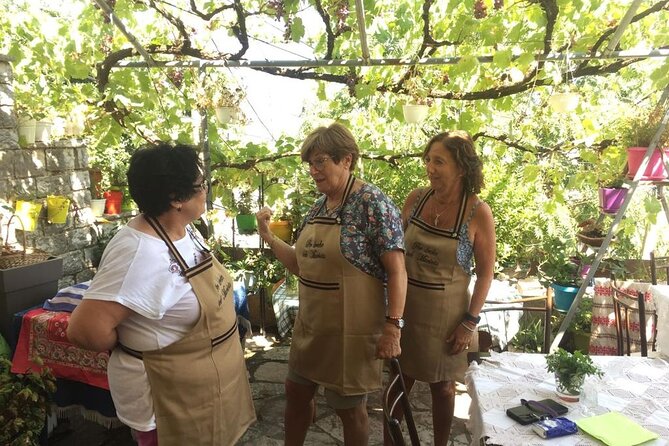
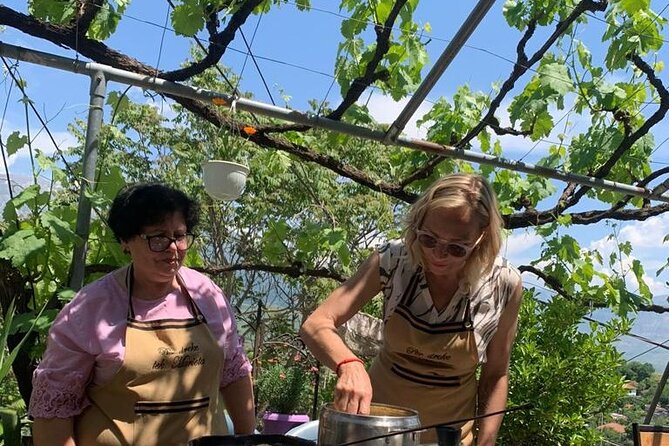
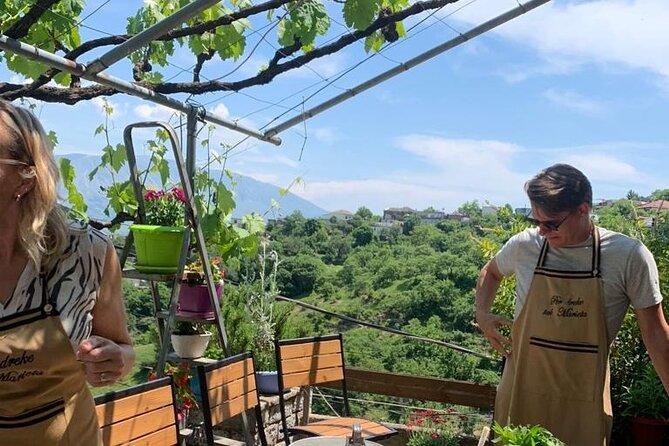
The special part of this class is that you cook inside Teta Marjeta’s home, not in a polished demonstration kitchen. You walk into the old Pazar i Vjeter neighborhood, sip raki made by her husband, and learn recipes tied closely to Gjirokaster’s food traditions.
I like the small maximum of 10 people, which leaves room for questions, and I like that an English translator helps bridge the language gap. You also take home the recipes, so the experience continues after Albania.
The main consideration is that this is a vegetarian menu built around three traditional dishes, not a broad cooking course. If you want meat, a market visit, or advanced technical instruction, this class may feel limited. The listed price is $56.59 per person, so its value depends on how much you care about the home setting and personal contact.
Key points at a glance
- Three Gjirokaster dishes: Learn Qofte bobollaqe, rice-based Qifqi, and the dessert Hasude.
- A real home setting: Teta Marjeta welcomes you into one of the oldest parts of town.
- English help included: A translator explains Marjeta’s Albanian instructions and answers questions.
- A social meal afterward: Sit down with the group and eat what you prepared, along with salad and a drink.
- Personal touches: You receive the recipes, and some sessions have included photos and leftovers.
- Short and manageable: Plan on about 2 hours 30 minutes, with a maximum of 10 participants.
Walking into Pazar i Vjeter with Teta Marjeta
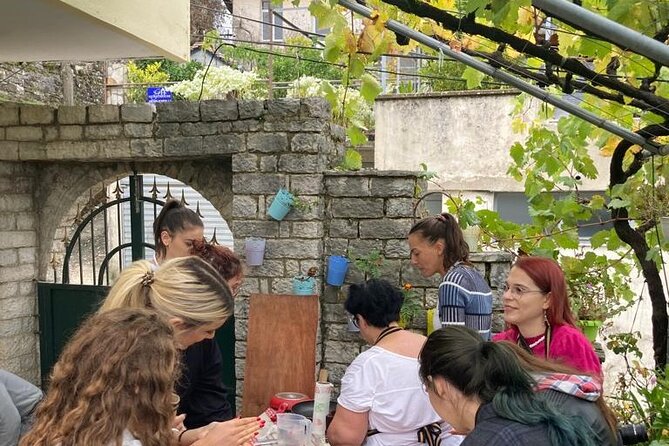
The experience begins at Cerciz Topulli Square, with the listed meeting address on Rruga Gjin Zenebisi in Gjirokaster. From there, you walk toward Pazar i Vjeter, the old bazaar quarter and one of the oldest neighborhoods in town.
That short walk matters. You are not being driven to an isolated cooking venue. The class starts by placing the meal in the setting where Gjirokaster’s old stone streets, homes, and local life make sense. The exact meeting details should be checked carefully when you book, since the experience information gives both the square and a street address.
You then enter Marjeta’s home. This is the heart of the class. The setting feels personal rather than commercial, and the food lesson comes with a human connection that is hard to reproduce in a standard school kitchen.
Marjeta is described as warm, funny, and full of personality. She does not speak English, so translation is part of the experience rather than an afterthought. A friendly English translator stays with the group, explains her instructions, and helps with questions. Klarissa has handled this role during some sessions.
The translation also gives you a useful window into Marjeta’s character. You are not simply following written instructions. You are hearing the stories, habits, and small cooking judgments that come from someone who has made these foods for years.
More Vegan Cooking Classes in Albania:
- Gjirokastër: Traditional Albanian Vegetarian Cooking Class
★ 4.4 · 17 reviews - Oaxacan Vegetarian Cooking Class
★ 5.0 · 235 reviews - Marrakech: Moroccan Cooking Class for vegetarians and vegan
★ 4.9 · 156 reviews
A welcome glass of homemade raki
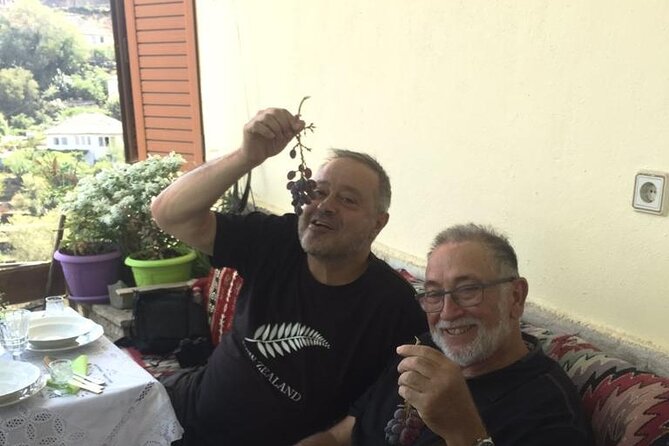
Before the cooking gets serious, you are offered a glass of raki produced by Marjeta’s husband. This is a small detail, but it sets the tone. The drink is part of the welcome and gives you a chance to settle into the home before handling ingredients.
You can also pair the meal later with wine, raki, or a soft drink. The included drink keeps the experience from feeling like a cooking lesson where every extra item costs more.
If you do not drink alcohol, the soft drink option is useful. The information does not specify the type of wine, raki, or soft drink, so you should not expect a particular brand or vintage. The point is the shared table, not a formal tasting.
Three dishes from Gjirokaster’s kitchen
The menu is vegetarian and focused. You learn three dishes, with a seasonal salad already prepared by Marjeta.
Qofte bobollaqe
The first dish is Qofte bobollaqe, described as being made mainly with yogurt. The name may suggest a familiar meatball-style dish to some readers, but here it is part of a vegetarian menu and is presented as a local specialty.
This is a good example of why the class offers more than a generic cooking lesson. You are not making international pasta or a standard tourist recipe. You are working with a dish connected to the food of Gjirokaster, guided by someone from the area.
More Hands-On Workshops in Albania:
- Tirana: Traditional Cooking Class with Wine & Raki Tasting
★ 5.0 · 284 reviews - Cooking Classes and Traditional food tasting in Tirana
★ 5.0 · 282 reviews - Traditional Albanian Cooking Class in Tirana & Raki Tasting
★ 5.0 · 266 reviews - Berat Cooking Class
★ 4.9 · 131 reviews
Qifqi
Qifqi is the most distinctive item on the menu. It is made mainly with rice and is described as a dish found only in Gjirokaster.
That local focus gives the class its strongest food value. You may find versions of familiar Balkan dishes elsewhere in Albania, but Qifqi gives you something specific to this town. Learning it in Gjirokaster, from a local cook, makes the recipe easier to remember than a dish you could encounter in any country.
The class is also a good choice if you want to understand how vegetarian food fits into Albanian cooking. The menu does not treat vegetables and rice as side dishes. They form the center of the meal.
Hasude
Dessert is Hasude, a traditional sweet that completes the menu. The supplied information does not give the exact ingredients or cooking method, so you should think of this as a chance to learn a local dessert rather than arrive with a fixed expectation about its texture or flavor.
A salad of the season accompanies the meal. Marjeta prepares it ahead of time, which keeps the class focused on the three recipes while adding something fresh to the table.
Learning in a home instead of watching a show
The class lasts about 2 hours 30 minutes. That gives you enough time to move through the recipes, ask questions, sit down to eat, and talk with Marjeta and the translator without turning the session into a full-day commitment.
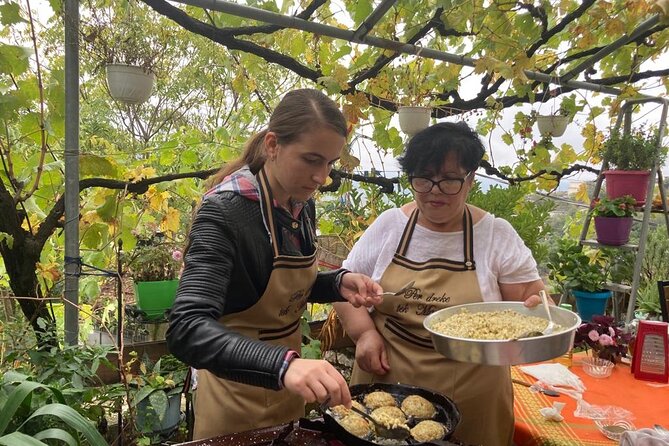
The format is hands-on. You try your hand at the recipes under Marjeta’s guidance, rather than simply watching her cook from a distance. Since the group is limited to 10 people, the class should feel more manageable than a large demonstration, although the exact amount of individual work can depend on the group size.
The small group also helps if you are traveling alone. One person who attended alone described the class as especially personal, with time to learn, eat, take photos, and leave with leftovers. That makes this a reasonable choice for solo visitors, not only couples and families.
The translator adds another layer of support. You can ask questions in English and follow Marjeta’s instructions even though she does not speak English herself. At the same time, translation can make the rhythm a little less direct than a class taught entirely in English. You are listening to the translator as well as watching the cook, so patience helps.
Sitting down to eat what you made
After the work is finished, you sit with the group, Marjeta, and your guide to eat the meal. The table includes the seasonal salad, Qofte bobollaqe, Qifqi, and Hasude.
This shared meal is a major part of the value. You get to taste the result while the instructions are still fresh in your mind. It also turns the class into a social visit, with time for conversation rather than a quick handoff of finished plates.
The setting has been described as especially attractive and thoughtfully arranged, with a pleasant view and a cute dinner setup. The details may vary, but the experience is clearly intended to feel welcoming and personal.
You may also receive additional dishes alongside what you prepare. Since these extras are not specified as a fixed part of the menu, consider them a pleasant possibility rather than something to book around.
Some participants have left with leftovers. That is another sign that the class is treated as a proper meal, not just a tasting. Still, leftovers are not listed as a formal inclusion, so I would not count on them.
What the $56.59 price really buys
At $56.59 per person, this is not the cheapest way to eat in Gjirokaster. You could spend much less on a restaurant meal, especially if you only want to sample Qifqi or other local foods.
The comparison changes when you include the full experience. The price covers lunch, the hands-on lesson, the translator, the home visit, the raki welcome, a drink with the meal, and the chance to take the recipes home. You are paying for time and contact as much as for food.
I think the price is fair for visitors who value local access and want to do something connected to Gjirokaster rather than simply order another meal. It is less compelling if your main goal is quantity, culinary technique, or a low-cost dinner.
The recipes add lasting value. You can prepare the dishes at home, and the recipe handout gives you a practical reminder after your trip. That is especially useful for anyone who likes to bring home a skill rather than only photographs.
Who will enjoy this class most
I would choose this experience if you want:
- A vegetarian food activity in Gjirokaster
- A small group with a maximum of 10 people
- Personal contact with a local cook
- A class that includes a full meal
- Traditional dishes specific to Gjirokaster
- English translation during an Albanian-language lesson
- A relaxed cultural activity lasting half a day or less
It suits couples, friends, solo visitors, and anyone planning a surprise experience. One person used it as a surprise for a friend, and the shared work gave them something to do together beyond sightseeing.
It also works well for people who are curious about food but not expert cooks. The class is informative and practical without being presented as a professional culinary course.
I would hesitate if you need a strictly timed lesson, advanced knife skills, a large number of recipes, or a menu that includes meat. The information provided does not promise dietary customization beyond the vegetarian menu, so anyone with allergies or strict dietary needs should ask before booking.
Timing, meeting details, and cancellation
The activity is offered in English through translation and takes approximately 2 hours 30 minutes. It begins at the stated meeting point near Cerciz Topulli Square and ends back there.
You receive confirmation when you book, and the experience is usually reserved several days ahead, with an average booking lead time of six days. I would reserve ahead during a short stay in Gjirokaster, especially since the group is capped at 10 people.
Mobile tickets are accepted. The experience offers free cancellation if you cancel at least 24 hours before the local start time. Cancellations or changes inside that window are not refunded or accepted, and the class requires a minimum number of participants. If that minimum is not reached, you are offered another date or experience, or a full refund.
Should you book Vegetarian Cooking Class at Teta Marjeta?
Book it if you want a personal, food-centered look at Gjirokaster and like the idea of learning in someone’s home. The strongest reasons are Marjeta’s lively personality, the English translation, the local Qifqi recipe, and the shared meal afterward.
The class is not designed for speed or culinary spectacle. Its appeal is the welcome, the conversation, and the chance to cook dishes you are unlikely to learn in a standard international class. At $56.59, I see it as a good-value cultural meal for the right person, but not as a bargain dining option.
If you are vegetarian, enjoy meeting local people, and have about half a day to spare, I would book it. If you only want a cheap meal or a technical cooking workshop, spend your budget elsewhere.
FAQ
Where does the cooking class take place?
The class takes place in Teta Marjeta’s home in Gjirokaster, in or near the old Pazar i Vjeter neighborhood.
Where do I meet the group?
The experience begins at Cerciz Topulli Square, with the listed meeting address at ATM34FR+V28, Rruga Gjin Zenebisi, Gjirokastër, Albania.
How long does the experience last?
The cooking class lasts approximately 2 hours 30 minutes.
How much does the class cost?
The listed price is $56.59 per person.
What food will I prepare?
You prepare three vegetarian dishes: Qofte bobollaqe, Qifqi, and Hasude. A seasonal salad accompanies the meal.
Is food included?
Yes. Lunch is included, and you eat the dishes you prepare with the group.
Is the class offered in English?
Yes. The activity is offered in English through an English translator who explains Marjeta’s Albanian instructions.
How many people can join?
The activity has a maximum of 10 participants.
What drinks are available?
You are offered a complimentary glass of wine, raki, or a soft drink with the meal. The welcome also includes a glass of raki produced by Marjeta’s husband.
Can I cancel for a refund?
Yes. You can cancel for a full refund up to 24 hours before the experience begins. Cancellations or changes made less than 24 hours before the start time are not accepted or refunded.
Just added around Albania
- Cooking Class: Preparing Traditional Albanian LAKROR in ksamil★ 5.0 · 9 reviews
- Cooking Class★ 4.5 · 12 reviews
- Family Mandarin Farming Tour with Traditional Cooking Lunch★ 4.5 · 9 reviews
- Gourmet Lunch Farm Tour with Cooking Class★ 4.5 · 8 reviews
- The secrets of Albanian cuisine: cooking lesson in Tirana★ 5.0 · 21 reviews
- Tirana Cooking Class – Traditional Albanian Recipes★ 5.0 · 33 reviews
- Gjirokastër: Traditional Albanian Vegetarian Cooking Class★ 4.4 · 17 reviews
- Cook Like a Local – Authentic Cooking Class in Gjirokastra★ 3.2 · 4 reviews
Vegan & Vegetarian Cooking Classes, compared.
Marrakech: Moroccan Cooking Class for vegetarians and vegan
Read our review →
Hoi An: Vegetarian Cooking Class w Local Family and transfer
Read our review →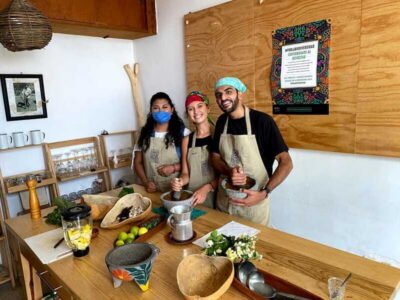
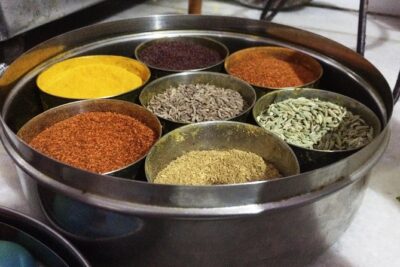
Jaipur Market Tour & Vegetarian Rajasthani Home Cooking Class
Read our review →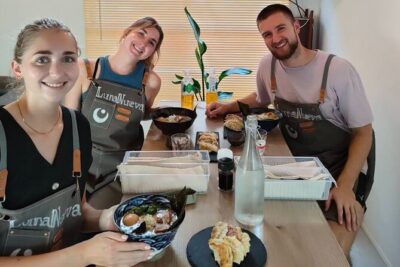
Ramen & Dumpling Cooking in Tokyo with Chef/Vegan possible
Read our review →
Hoi An/Da Nang: Vegetarian Cooking Class & Basket Boat Ride
Read our review →
Browse the lists this tour appears in