Review · KATHMANDU
Local Women Lead Nepali Cooking Class
Nepali cooking is at its best when you are doing the work yourself. At Namaste Cooking School in the heart of Thamel, women such as Sabita and Sushila guide you through a half-day meal, beginning with masala chai and ending with lunch you helped prepare from start to finish.
I like the personal welcome and the chance to choose from three menus, especially if you have allergies or dietary needs. I also like the practical format: you handle the cooking, while the team takes care of the cleaning afterward. The main consideration is that this is a group class of up to 16 people, so it may feel less private than a lesson for just you and your traveling companion.
Key points at a glance
- Begin with masala chai: The welcome drink gives the class a friendly Nepali start.
- Choose from three menus: You can select the meal that best suits your tastes and discuss allergies before cooking.
- Learn by doing: You prepare the dishes yourself with guidance rather than simply watching a demonstration.
- Explore local spices: The class explains the regional seasonings that give Nepali food its character.
- Eat the lunch you make: The meal is included, so the class doubles as a hands-on lunch.
- Take home a recipe book: You leave with a useful reminder of the dishes and techniques covered.
Why a cooking class works well in Kathmandu
Kathmandu offers plenty of temples, shrines, courtyards, and mountain-themed excursions. A cooking class gives you a different way to understand the country. Instead of looking at Nepal from the outside, you spend several hours working with the ingredients, flavors, and food customs that shape daily life.
That matters because Nepali food can be difficult to decode from a restaurant menu. You may recognize familiar dishes, but not know which spices are important or how the flavors are built. This class gives you a guided introduction, with explanations of regional spices before you start preparing the meal.
The school is in Thamel, the central district where many visitors stay. That makes the experience easy to add to a Kathmandu itinerary. You do not need to devote a full day to transport or leave the city for a rural cooking program. Pickup is offered, and the listed start point is Tribhuvan Airport, so check your booking instructions carefully to confirm exactly where your pickup or meeting arrangement applies.
The class lasts about four hours. That is long enough for a proper meal and instruction without taking over your whole day. I would plan it for an afternoon when you want a break from sightseeing, or near the start of your visit so you can use what you learn when ordering food later.
More Hands-On Workshops in the world:
- Half-Day Thai Cooking Class at Organic Farm in Chiang Mai
★ 5.0 · 19,087 reviews - Florence: Pasta Cooking Class with Unlimited Wine
★ 4.9 · 10,285 reviews - 3 in 1 Cooking Class near Navona: Fettuccine, Ravioli & Tiramisu
★ 5.0 · 7,376 reviews
A warm start with chai in Thamel
The class begins with a cup of masala chai. This is more than a quick drink before the lesson starts. In Nepal, offering tea is a familiar gesture of welcome, and it sets a relaxed tone before anyone has to pick up a knife or worry about getting a recipe right.
If you are traveling alone, this opening is useful. The class provides a natural way to meet the women leading the session and the other people in the group. A solo visitor can join without needing to arrive with a partner, and the friendly style of the class appears designed to encourage conversation.
You should not expect a formal lecture at the start. The emphasis is on making you comfortable, explaining what will happen, and getting you ready to cook. The women leading the lesson are described as upbeat, attentive, and happy to share Nepali culture as well as food.
The atmosphere may include plenty of conversation and a playful spirit. Singing, dancing, and sharing personal stories have been part of the experience for some participants. That can make the class feel more like a social gathering than a strictly technical cooking course. If you prefer quiet instruction and precise restaurant-style training, this may not be your ideal format.
Choosing one of three menus
After the welcome, you choose from three menus. The available menu details are not specified in the information provided, so you should not book this expecting a particular dish unless the school confirms it directly.
The choice is still useful. It lets you select the kind of meal that appeals to you, rather than accepting a fixed menu that may not suit your taste. Before cooking, the team asks about dietary restrictions and allergies. Give clear information at this stage, especially if you need to avoid a particular ingredient.
This is also a good moment to explain your cooking experience. The class is hands-on, but you are not expected to arrive as an expert. The instructors guide you through the preparation, and the format allows you to learn by doing. You can ask questions as you work rather than trying to remember a long demonstration.
For couples and friends, menu selection adds a small element of choice to the afternoon. For solo visitors, it offers an easy conversation starter. For people with food restrictions, it is an important practical check before the ingredients are prepared.
Understanding the spices before cooking
Nepali food gets much of its personality from its seasonings, and the class includes an introduction to regional spices. This portion helps you understand the flavors before you begin combining ingredients.
You may already know some South Asian spices, but Nepali cooking has its own balance and local habits. The value here is not simply memorizing names. It is seeing how seasonings fit into a dish and learning which flavors you might look for when cooking Nepali food at home.
The class focuses on indigenous ingredients and maintains ties with local farmers. That connection gives the lesson a stronger sense of place than a generic cooking school using ingredients chosen only for convenience. The information does not specify every farm or spice used on a given day, so think of this as an introduction to Nepali ingredients rather than a full course in Himalayan agriculture.
This section should be especially useful if you plan to shop for spices after the class. You will have a better idea of what to seek out and how those ingredients contribute to the meal. You also gain context for the food you eat in Kathmandu restaurants.
A few more cooking classes around the world worth a look
- Florence: Pasta & Tiramisu Cooking Class with Unlimited Wine
★ 4.9 · 6,708 reviews - Florence: Pasta Cooking Class with Unlimited Wine
★ 5.0 · 6,413 reviews - Hanoi Cooking Class: Culture, Local Market & Meaning CSR Impact
★ 5.0 · 5,147 reviews - 5 Traditional Dishes Hanoi Cooking Class with Market Trip
★ 5.0 · 4,890 reviews
Cooking the meal yourself
The heart of the four-hour session is hands-on preparation. You cook the dishes with guidance from the women leading the lesson, rather than standing back while someone else does all the work.
That distinction is important. A cooking demonstration can be entertaining, but it often leaves you with little confidence once you get home. Here, you chop, mix, season, and prepare the meal yourself, with help available when you need it.
The instruction is practical and social. You learn while talking, asking questions, and working alongside others. The class is taught in English, which makes it accessible to English-speaking visitors. Some participants have also used the relaxed setting to exchange a few Nepali words with the instructors, while the instructors practice English.
The pace should feel manageable, but remember that a group can include as many as 16 people. In a larger session, you may not receive constant one-to-one attention. That is the trade-off for a lower price and a more social setting. If you want close individual coaching at every step, ask about the group size for your date.
One small luxury is that you do not have to clean up afterward. The women handle the cleaning, leaving you free to enjoy the meal and the conversation. That makes a difference after several hours of preparation, especially if you are tired from sightseeing.
Eating lunch you prepared
Lunch is included, and it is the payoff for the work you have just done. The food is prepared with fresh ingredients sourced through local farmers, according to the school’s description, and the meal is meant to reflect Nepali flavors rather than offer a watered-down international version.
The exact dishes depend on the menu you select. The class materials do not name all three menus, so avoid building your expectations around a specific curry, dumpling, or side dish without checking first.
What you can count on is a meal connected to the lesson. You will understand how it was put together because you took part in the process. That makes the lunch more satisfying than a standard restaurant meal and gives you a clearer memory of the flavors.
The portions are described as generous enough that you should not leave hungry. Still, the class is not only a meal stop. You are paying for instruction, cultural exchange, ingredients, and the chance to cook with local guidance. The food is the delicious result, not the entire point.
The women who lead the class
The people are a major part of this experience. Sabita and Sushila are named in the available comments, and the class is run by local women who bring a warm, lively manner to the session.
The tone is personal rather than stiff. Conversation, laughter, dancing, and singing may all enter the afternoon. That style will appeal to you if you like meeting people and learning through informal contact. It may feel less suitable if you want a silent, highly structured lesson with professional-chef presentation.
The women also share Nepali culture along with the recipes. That gives the class value beyond the kitchen. Food becomes a way to talk about language, hospitality, local ingredients, and everyday life.
I would especially recommend this format to solo visitors. You are not left to observe from the edge, and the cooking tasks give you an easy role in the group. Couples and friends should also find it engaging, though the most memorable part may be the interaction rather than technical cooking detail.
What the $30 price includes
At $30 per person, this is a modestly priced half-day activity in central Kathmandu. The value comes from several parts: the instruction, ingredients, lunch, the cultural exchange, and the recipe book you take home.
A restaurant lunch alone would cost less in some parts of Kathmandu, but it would not teach you how to prepare the food or introduce you to the spices. A private cooking lesson could offer more personal attention, but this class has the advantage of a social setting and a lower cost.
The recipe book strengthens the value. It gives you something practical to use after Nepal, when the memory of the class is no longer fresh. Several dishes are described as manageable to recreate at home, which is important. A recipe is far more useful when it fits an ordinary kitchen rather than requiring specialist equipment.
The class is usually booked about 17 days ahead, so I would not leave it until the last afternoon of your trip. That booking pattern suggests you should reserve early if your Kathmandu dates are fixed.
Group size, transport, and timing
The maximum group size is 16 people. That is not a tiny class, but it is still small enough for a shared activity rather than a large tour-bus event. Your experience will depend partly on how full the class is on your date.
Pickup is offered, and the activity details list Tribhuvan Airport as the start point, with the experience ending back at the meeting point. Since the school is in Thamel, confirm the exact pickup and return details when you book. Do not assume airport pickup means a transfer from any Kathmandu address.
The school is near public transportation, which gives you another way to reach it. A mobile ticket is accepted, and confirmation is provided at booking.
The activity requires good weather and a minimum number of participants. If poor weather or low enrollment causes cancellation, you are offered another date or a full refund. For your own planning, avoid placing this class on the only open afternoon before an international flight.
Who should book this class?
You should book it if you want to do more than eat Nepali food. It suits you if you enjoy practical activities, meeting local people, and taking home a skill you can use later.
It is particularly good for:
- Solo visitors who want an easy social activity
- Couples looking for a shared afternoon
- People curious about Nepali spices and ingredients
- Cooks who prefer hands-on instruction
- Visitors who want a break from temples and sightseeing
- Anyone who likes food experiences with a cultural side
You may want to skip it if you dislike group activities, have very strict dietary requirements that need detailed confirmation, or want advanced chef-level training. The menu choices are helpful, but the full dishes are not specified in advance. Ask the school for current menu details before booking if that matters to you.
Should you book the Namaste Cooking School class?
Yes, if your idea of a good Kathmandu afternoon includes cooking, conversation, and a substantial meal. The combination of local women instructors, a central Thamel location, spice instruction, hands-on work, and a take-home recipe book gives the $30 price solid value.
Book it early because the class often fills well before the date. Confirm the menu, dietary arrangements, and pickup details when you reserve. If you want a polished culinary masterclass, choose something more formal. If you want to laugh, cook Nepali food yourself, meet friendly local instructors, and leave with recipes you can try at home, this is an easy choice.
FAQ
Where does the Nepali cooking class take place?
The school is located in the heart of Thamel in Kathmandu, Nepal.
How long does the experience last?
The cooking class lasts approximately four hours.
How much does the class cost?
The listed price is $30 per person.
Is lunch included?
Yes. Lunch is included in the experience.
Can I choose what to cook?
Yes. You choose from three menus at the beginning of the session.
Can I tell the school about allergies or dietary restrictions?
Yes. The team asks about dietary restrictions and allergies before cooking begins.
What language is the class offered in?
English is offered.
Is pickup available?
Yes. Pickup is offered. The listed start point is Tribhuvan Airport, and the activity ends back at the meeting point.
How many people can join the class?
The maximum group size is 16 people.
Do I receive anything to take home?
Yes. You receive a Namaste Cooking School recipe book after completing the class.
Can I cancel for a full refund?
Yes, if you cancel at least 24 hours before the start time. Cancellations made less than 24 hours before the start time are not refunded.
What happens if the class is canceled?
If poor weather or an insufficient number of participants causes cancellation, you are offered a different date or experience, or a full refund.
Just added around the world
- A Coruña: Local Market Shopping and Cooking Workshop★ 5.0 · 16 reviews
- Vegan/Vegetarian Ramen and Gyoza by Bentoya cooking★ 5.0 · 59 reviews
- Traditional Zanzibar Cooking Class including Spice Tour★ 4.5 · 14 reviews
- Verona: Pasta and Tiramisu Cooking Class with Fine Wine★ 4.8 · 633 reviews
- Hoi An Vegan Cooking School with Local Chef and Basket Boat★ 4.8 · 31 reviews
- Tbilisi: Cooking Class with a Local Family★ 5.0 · 104 reviews
- Thessaloniki: Cooking & Dining Experience with Greek Family★ 4.9 · 85 reviews
- NGO Lifted Strong – Traditional Tanzanian Cooking Class★ 5.0 · 39 reviews
Cooking Classes, compared.
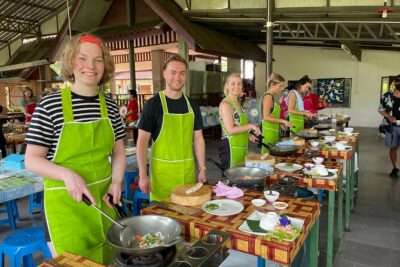
Half-Day Thai Cooking Class at Organic Farm in Chiang Mai
Read our review →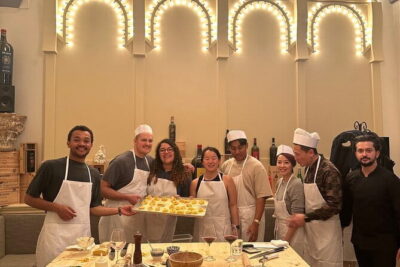
Florence: Pasta Cooking Class with Unlimited Wine
Read our review →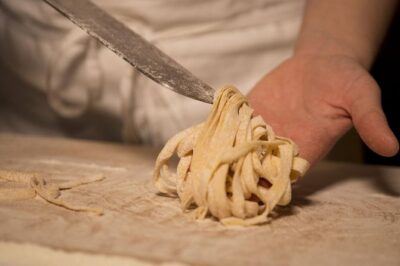
3 in 1 Cooking Class near Navona: Fettuccine, Ravioli & Tiramisu
Read our review →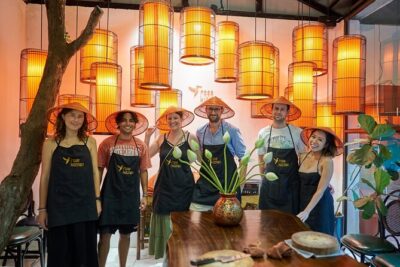
Hanoi Cooking Class: Culture, Local Market & Meaning CSR Impact
Read our review →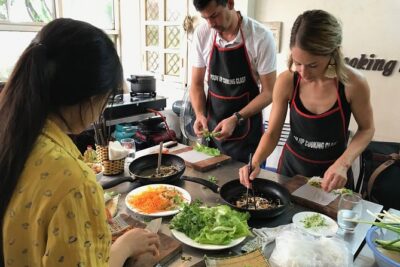
5 Traditional Dishes Hanoi Cooking Class with Market Trip
Read our review →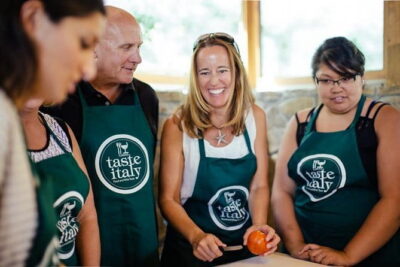
Cooking Class and Lunch at a Tuscan Farmhouse with Local Market Tour from Florence
Read our review →