
Review · ITALIAN
Handmade Pasta Cooking Class with Italian Chef in Montenegro
The best part of this Kotor experience is that you do not just sit down to eat Italian food. You make the pasta by hand, from mixing and rolling the dough to shaping ravioli or cutting tagliatelle. Chef Giuseppe guides the cooking, while Monika helps create the relaxed, friendly setting.
I like the choice between a morning ravioli class and an afternoon tagliatelle class with ragù. I also like the personal scale: this is a private activity for your own group, held at the hosts’ villa rather than in a large cooking school. The main consideration is the out-of-town meeting point in Đuraševići, so you will need to plan your arrival carefully.
Key points at a glance
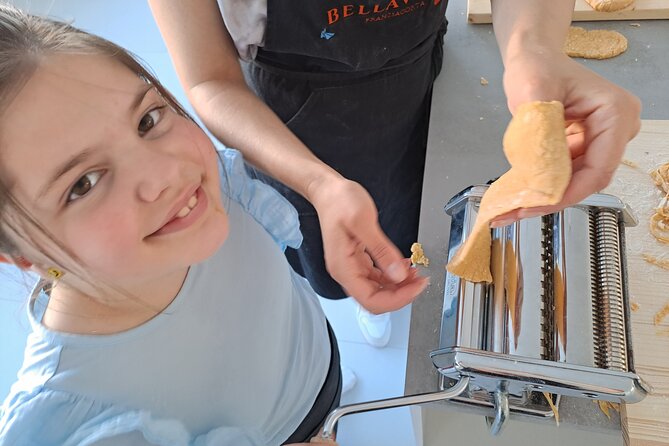
- Choose your pasta: Make spinach and ricotta ravioli in the morning, or tagliatelle with Bolognese-style ragù in the afternoon.
- Learn from Chef Giuseppe: The Italian chef leads the preparation and explains the cooking methods as you work.
- Cook and eat your own meal: The class ends with a tasting of your freshly cooked pasta and a glass of local Montenegrin wine.
- Enjoy a private format: Only your group participates, which gives the class a more personal feel.
- Take home the recipe: Each participant receives a printed recipe for making the pasta again at home.
- Allow three hours: The session includes introductions, sauce preparation, pasta making, cooking, and the final meal.
Why this pasta class feels different from a restaurant meal
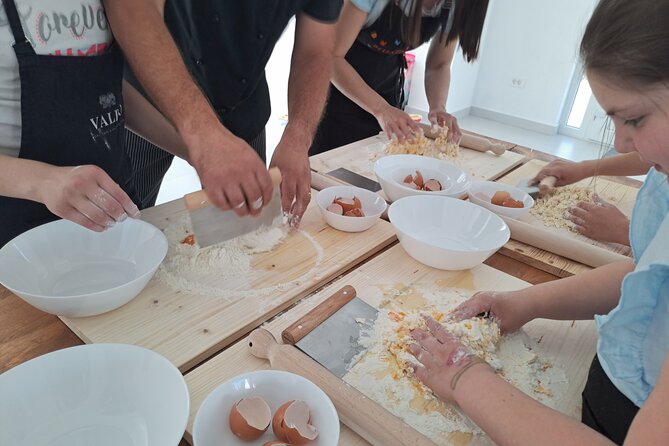
Kotor has plenty of places to eat, but a cooking class gives you a reason to slow down. Here, the meal is the end of the activity, not the whole activity. You spend the morning or afternoon learning how the food comes together, then sit down to eat something you helped prepare.
That distinction matters. A plate of pasta can be delicious, but it is quickly gone. Mixing flour, rolling dough, filling ravioli, or cutting tagliatelle gives you a skill and a memory to carry home. The printed recipe helps turn the experience into something practical rather than a one-time holiday meal.
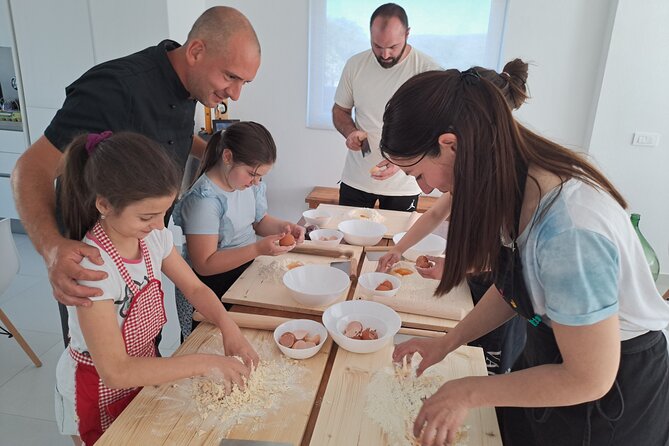
The setting is also more personal than a standard group tour. You meet Chef Giuseppe and Monika at their villa in Đuraševići, then work in a home-style kitchen with your own group. The class is private, so you are not folded into a large room with unrelated parties.
I would choose this experience for a relaxed day when you want food, conversation, and hands-on activity. It is not the right pick if you want a quick lunch or a tightly scheduled sightseeing stop in central Kotor.
More Pasta Making Classes in the world:
- Florence: Pasta Cooking Class with Unlimited Wine
★ 4.9 · 10,285 reviews - 3 in 1 Cooking Class near Navona: Fettuccine, Ravioli & Tiramisu
★ 5.0 · 7,376 reviews - Florence: Pasta & Tiramisu Cooking Class with Unlimited Wine
★ 4.9 · 6,708 reviews
Choosing between morning ravioli and afternoon tagliatelle
The morning session focuses on ravioli filled with spinach and ricotta cheese. You will prepare the filling, work with the dough, and shape the pasta before it is cooked. Ravioli gives you the most hands-on shaping work, so it suits you if you like the craft side of cooking.
The afternoon session centers on tagliatelle with ragù, the Italian meat sauce commonly associated with Bolognese cooking. You help prepare the sauce first, then mix, roll, and cut the dough into long ribbons. This option may appeal more if you want to understand how a slow-cooked sauce and fresh pasta fit together as one dish.
The choice is more than a time preference. Ravioli and tagliatelle require different kinds of work. Ravioli involves filling and sealing individual pieces. Tagliatelle calls for careful rolling and even cutting. If you are booking around other plans in Kotor, choose the session that fits your day. If you are choosing by food, pick ravioli for filled pasta or tagliatelle for a classic pasta-and-ragù pairing.
The schedule is clearly split into a morning group and an afternoon group, but the exact start times are not provided. Check the confirmed time when you book and plan your transport around the Đuraševići meeting point.
Meeting Chef Giuseppe and Monika at the villa
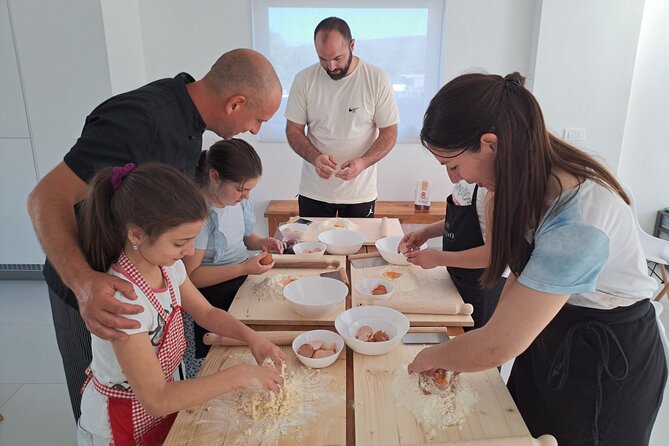
The class begins with a welcome and introductions. You meet Chef Giuseppe, the Italian chef leading the cooking, and Monika, who helps host the experience. You also meet the other people in your private group, if anyone else is included in your booking.
This opening matters because the class is built around participation. You are not watching a chef prepare a demonstration meal from a distance. The plan is for you to assist with the sauce, handle the dough, and take part in the preparation from the start.
The hosts have received especially strong praise for being kind, friendly, and patient. Those qualities are useful in a pasta class. Dough can be stubborn, filled pasta takes care, and not everyone arrives with the same level of kitchen confidence. A patient guide helps you learn without making the class feel like a test.
The villa setting adds to the home-cooking character. You are learning an Italian food tradition in a private home rather than passing through a commercial kitchen. That does mean the experience is less formal than a professional culinary school. For most people, that is part of the appeal.
Preparing the sauce before touching the dough
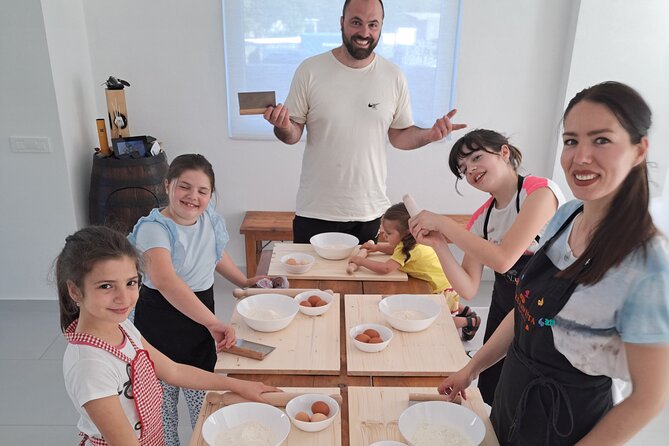
Before you make the pasta, you help prepare the sauce. Chef Giuseppe explains what is being made and guides the work as the ingredients come together.
In the afternoon tagliatelle class, the sauce is ragù. Preparing it before the pasta gives you a better sense of timing. Fresh pasta cooks quickly, so the sauce needs to be ready first. Once the tagliatelle is cut, you can move from the work surface to the pot without waiting around.
The morning ravioli session has its own filling preparation, with spinach and ricotta at the center. The filling is not just an afterthought. It determines how much goes inside each piece and how carefully the pasta must be sealed.
I like this order of activities because it connects the parts of the meal. You do not simply receive a bowl of ingredients and follow a recipe card. You see how the sauce or filling fits into the finished dish. The kitchen also fills with the smell of the food as you work, which is a small but memorable part of the experience.
More Italian Cooking Classes in the world:
- Cooking Class and Lunch at a Tuscan Farmhouse with Local Market Tour from Florence
★ 5.0 · 4,831 reviews - Tuscan Cooking Class and Dinner in Florence
★ 4.5 · 732 reviews - Tuscan Cooking Class
★ 5.0 · 584 reviews - Milan: Italian Cooking Class with Food and Wine
★ 4.7 · 509 reviews
Rolling, cutting, and shaping your pasta
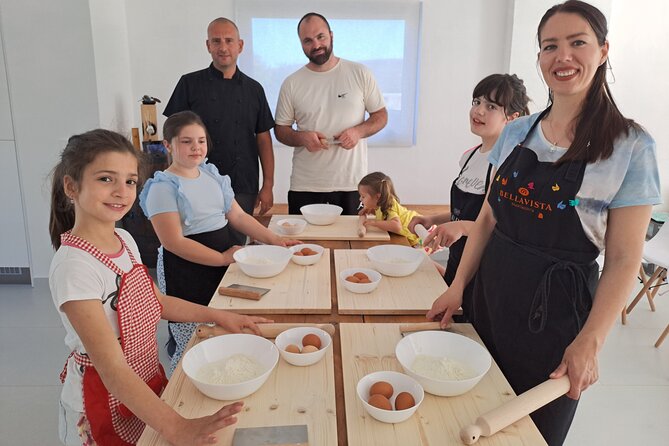
The central part of the class is the dough. You mix it, roll it, and cut or shape it with guidance from the chef. Safe food-cutting procedures are explained as you work.
For tagliatelle, the goal is a neat ribbon of pasta. Rolling the dough evenly matters, since pieces of different thickness cook at different speeds. Cutting also calls for care. The process is simple enough to follow, but it rewards patience.
For ravioli, the work is more detailed. You place the spinach and ricotta filling, fold or shape the pasta, and seal the edges. Too much filling can make the pasta difficult to close. Too little leaves you with more dough than filling. The class gives you a chance to learn those small judgments directly.
This is where the private format has real value. You can ask Chef Giuseppe to check your dough or show you a technique again without feeling lost in a crowd. The available information does not state the exact group size, but it confirms that only your group participates.
You should also expect to do real work. This is not a staged activity where the chef quietly handles the difficult parts. Your hands will be involved, and the finished pasta may not look perfectly uniform. That is normal, and it is part of the charm.
Cooking and eating what you made
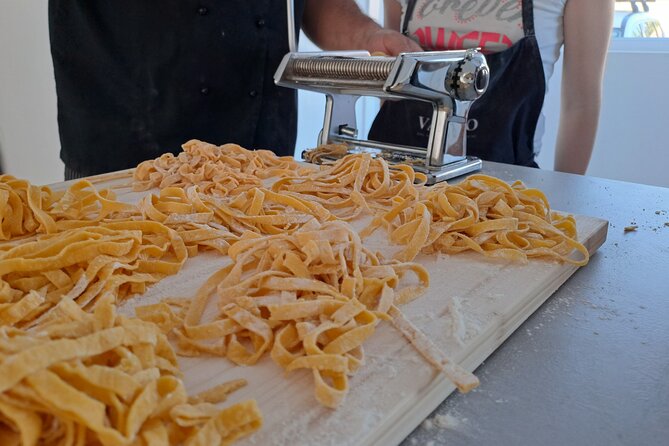
Once the pasta is shaped, it is prepared for cooking. After it is cooked, everyone sits down to taste the finished meal with a glass of local Montenegrin wine.
That final meal is a key part of the value. You are not sent away with uncooked pasta or left to imagine how it turned out. You eat the result while the process is fresh in your mind.
The wine adds a local touch to an otherwise Italian-focused meal. The class presents Italian cooking alongside Montenegro, rather than treating the two cultures as separate parts of your trip. You learn from an Italian chef, use Italian recipes, and finish with wine from Montenegro.
The meal is also a natural time to talk with the hosts. The experience has been praised for its warm conversation as much as for its food. If you prefer a quiet, private meal with no social element, you should keep in mind that this is designed as a hosted experience.
The food itself is the main reward, but the standard is also worth considering. Strong praise has focused on the pasta being exceptionally good and on the hosts’ welcome. At $51.59 per person, the price includes instruction, the hands-on meal, wine, and the printed recipe. That is a fair value if you want an activity as well as lunch or dinner. It is less attractive if you are comparing it only with the cost of a restaurant plate.
What you take home besides a full stomach
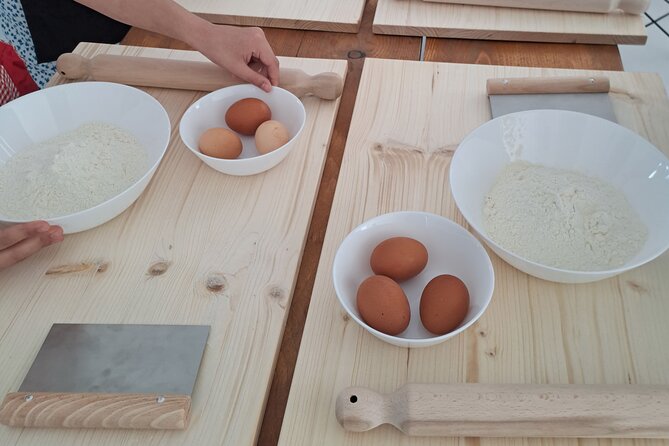
Each participant receives a printed recipe for the handmade pasta. This is a small detail, but it improves the long-term value of the class.
Many food activities end when you leave the table. Here, you can try the recipe again at home and remember the steps you practiced in the kitchen. The recipe is especially useful because fresh pasta depends on feel as well as measurements. Your notes can remind you how the dough should look and how the pasta was shaped.
The experience also gives you a practical souvenir. You do not need to buy a kitchen gadget or a packaged food product. You take home a method you can use again, provided you have the basic equipment and ingredients.
The class does not promise that you will become a pasta expert in three hours. It does offer a clear introduction to the process, with a chef present to explain and correct the work. That is enough to give you confidence for a first attempt at home.
Price, timing, and practical planning
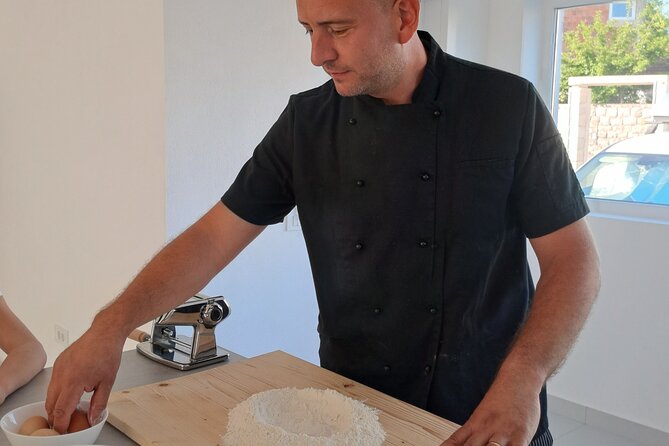
The listed price is $51.59 per person, and the experience lasts about three hours. For a private class that includes instruction, food, wine, and a printed recipe, I consider the price reasonable, especially if you value personal contact and a full meal.
The time commitment is significant. Three hours is long enough for the class to feel like a proper activity, but it also means you should not place it between two fixed appointments with little room to spare. Cooking has a natural pace, and the session includes several stages before you sit down to eat.
The meeting point is 9MWM+5XJ, Đuraševići, Montenegro. The activity ends back there. Since the meeting point is not described as being in Kotor’s old town, check your route and allow enough time to arrive. The experience includes a mobile ticket, which makes access simple once your booking is confirmed.
Bookings are often made about 16 days ahead, so I would reserve early if your dates are fixed. Free cancellation is available up to 24 hours before the start time. Canceling or changing the booking less than 24 hours before the start time is not accepted for a refund.
If you have dietary requirements or food restrictions, tell the provider when booking. The hosts state that they follow HACCP food hygiene and safety standards, certified in 2023. That is useful information, but you should still explain your needs clearly before the class so the kitchen can respond appropriately.
Who should book this experience
I would recommend the class to couples, families, and small groups who want a shared activity with a meal at the end. It also suits anyone who enjoys learning through touch and repetition rather than watching a chef give a demonstration.
The private setup makes it a good choice for a group that wants time with the hosts and freedom to ask questions. It may work particularly well for people who enjoy Italian food but have never made fresh pasta before.
The class is less suited to you if you are looking for a central Kotor food stop, a short tasting, or a fully passive experience. You will need to travel to the villa, spend roughly three hours there, and take part in the cooking.
The morning ravioli option is a good fit for a person who likes detailed shaping and a cheese-filled pasta. The afternoon tagliatelle option is better for anyone drawn to long fresh noodles and ragù. Either choice gives you a complete cooking session rather than a simple tasting.
Should you book Pasta by Beppe?
Yes, if you want a warm, hands-on food experience and have room in your Kotor schedule for three hours. Chef Giuseppe and Monika provide the personal touch, while the pasta options give you a clear choice between filled ravioli and tagliatelle with ragù.
Book it with realistic expectations. You will not be touring Kotor or sampling several restaurants. You will be working in a villa kitchen, learning a focused set of Italian techniques, eating the pasta you made, and carrying home the recipe.
For the $51.59 price, the strongest value comes from the combination of private instruction, a full meal, local wine, and time with the hosts. If that sounds better than simply ordering another plate of pasta, this is an easy experience to add to your Montenegro plans.
FAQ
Where does the pasta class take place?
The class takes place at 9MWM+5XJ in Đuraševići, Montenegro. The activity ends back at the same meeting point.
How long does the experience last?
The class lasts approximately three hours.
How much does the class cost?
The listed price is $51.59 per person.
What pasta do you make in the morning?
The morning group prepares ravioli with spinach and ricotta cheese filling.
What pasta do you make in the afternoon?
The afternoon group prepares tagliatelle with ragù, also described as Bolognese sauce.
Who teaches and hosts the class?
Italian chef Giuseppe leads the cooking, and Monika helps host the experience at the villa.
Is the class private?
Yes. Only your group participates in the activity.
Is food and wine included?
You eat the pasta you prepare at the end of the class and receive a glass of local Montenegrin wine.
Can you cancel for a full refund?
Yes. You can cancel up to 24 hours before the experience’s start time for a full refund. Changes or cancellations made less than 24 hours in advance are not accepted for a refund.
More Hands-On Workshops in the world
- Half-Day Thai Cooking Class at Organic Farm in Chiang Mai
★ 5.0 · 19,087 reviews - Florence: Pasta Cooking Class with Unlimited Wine
★ 5.0 · 6,413 reviews - Hanoi Cooking Class: Culture, Local Market & Meaning CSR Impact
★ 5.0 · 5,147 reviews - 5 Traditional Dishes Hanoi Cooking Class with Market Trip
★ 5.0 · 4,890 reviews
Just added around the world
- Hands on Half-day Cooking Class by Authentic Thai Cooking★ 5.0 · 71 reviews
- Private Mediterranean Fish Cooking Workshop with Irena★ 5.0 · 118 reviews
- Half-Day Cooking Workshop Gastronomy in Korcula★ 5.0 · 6 reviews
- Private Greek Cooking Class in Kos with Lunch★ 5.0 · 26 reviews
- Istria – Truffles: Hunting & Cooking & Tasting, Slovenia★ 5.0 · 45 reviews
- Traditional Bengali Cooking Class in Kolkata in a Local Home★ 5.0 · 8 reviews
- Cooking experience in Authentic Bengali House with Lunch/Dinner★ 5.0 · 4 reviews
- Authentic Bengali Cooking Class in a Local Kolkata Home★ 5.0 · 11 reviews
Pasta Making Classes, compared.
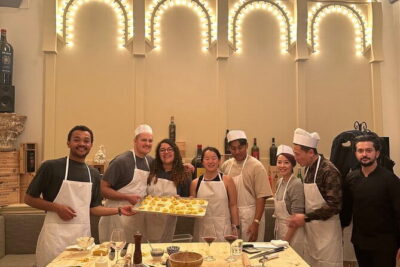
Florence: Pasta Cooking Class with Unlimited Wine
Read our review →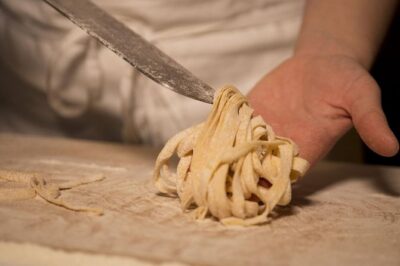
3 in 1 Cooking Class near Navona: Fettuccine, Ravioli & Tiramisu
Read our review →
Rome: Pasta Making Class with Wine, Limoncello, and Dessert
Read our review →
Rome Cooking Class: Make Pasta and 3 Spritz Cocktails
Read our review →
Rome: 3-in-1 Fettuccine, Ravioli, and Tiramisu Cooking Class
Read our review →
Rome: Fettuccine Pasta Cooking Class in Rome’s City Center
Read our review →Browse the lists this tour appears in