
Review · CHINESE
Pierogi Cooking Class: Mastering the Art of Polish Dumplings
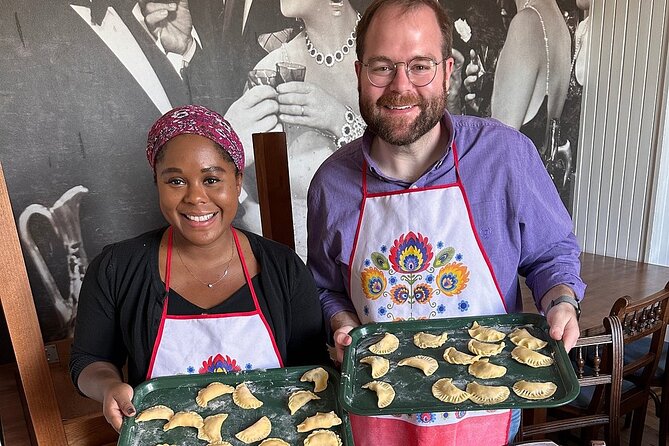
The best part of this Krakow cooking class is that you make pierogi from start to finish. You mix the dough, prepare savory and sweet fillings, shape the dumplings, boil them, then sit down to eat them with a beer or glass of wine. It is a hands-on lesson, not a cooking demonstration where you watch someone else do the work.
I like the friendly, patient teaching style reported from instructors including Olga, Magda, Maria, and Ania. I also like the useful take-home value: you learn a simple dough method, several shapes, and filling ideas you can repeat in your own kitchen. The main caution is the 24-hour cancellation rule, along with occasional scheduling and group-size problems that can matter when your Krakow itinerary is tight.
Key points to know before booking
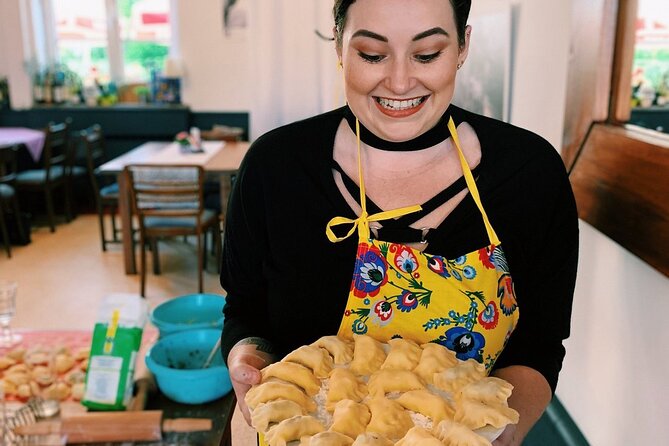
- Make both kinds of pierogi: Prepare traditional potato and twaróg cheese dumplings, plus sweet pierogi filled with available fruit.
- Beginner-friendly instruction: Olga, Magda, Maria, and Ania are praised for clear, patient help, including assistance with dough and shaping.
- A real meal, not just a lesson: Eat your homemade pierogi with one large beer or one glass of wine.
- Good family option: Children can take part, but the class normally works best with participants sharing stations in pairs.
- Two hours near central Krakow: The class begins and ends at Wavelove, Podchorążych 3, with materials and equipment supplied.
- Read the cancellation terms carefully: Free cancellation applies until 24 hours before the start time. Late changes are not accepted.
Making Polish pierogi from dough to dinner
Pierogi are one of Poland’s most useful food lessons because the method is simple enough to repeat at home. The class takes you through the full process rather than stopping after a quick sample.
You start by making dough from scratch. That matters. Dough is the part many first-time cooks find awkward, especially if they are not used to pastry or dumpling work. The instructors show you how to handle it, and the class is designed for complete beginners as well as confident home cooks.
Next comes the filling. The savory version is pierogi ruskie, sometimes called Ruthenian dumplings. It combines boiled potatoes with twaróg, a creamy, tangy Polish white cheese. This is a classic filling, mild but satisfying, and a good introduction to the type of food you will find in Polish homes and milk bars.
You also prepare sweet pierogi with fresh fruit. The exact fruit depends on what is available at the time, so this part changes with the season. Fruit pierogi are not just dessert in Poland. They can be served as a main course, particularly in summer and autumn, which makes this a useful lesson in Polish food customs as well as cooking.
The final steps are filling, sealing, shaping, and boiling. You may try several shapes, and the instructors help you avoid the usual problems: overfilling, poor seals, or dough that is too thick. Once the pierogi are cooked, you eat them at the restaurant with a choice of a large beer or a glass of wine.
More Chinese Cooking Classes in the world:
- Warsaw’s No 1 cooking class-Polish dumplings with liqueur tasting
★ 5.0 · 576 reviews - Gyoza Cooking Class in Kyoto: Traditional Japanese Dumplings
★ 5.0 · 210 reviews - Ramen & Dumpling Cooking in Tokyo with Chef/Vegan possible
★ 5.0 · 107 reviews
What makes the instructors useful
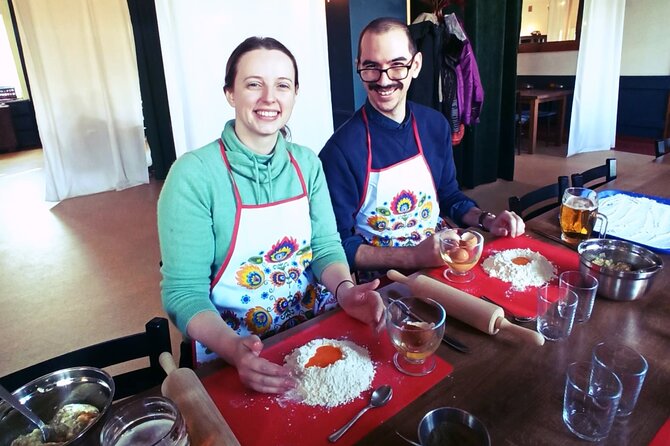
The strongest part of the class is the hands-on teaching. Olga is repeatedly praised for being patient, funny, and clear. Magda receives similar credit for careful explanations and a calm manner, while Maria is described as adjusting her instructions to suit the people at her table. Ania is also praised for simple, easy-to-follow guidance.
You should not expect one fixed celebrity chef. The instructor can vary, but the teaching pattern is consistent: explain a step, demonstrate it, then help you make your own batch. That is the right format for pierogi because the feel of the dough and the amount of filling are hard to learn from a printed recipe alone.
The family connection adds a nice Polish touch. The class draws on methods associated with the instructors’ grandmothers’ kitchens. That does not mean you are receiving a formal history lecture. Instead, you get practical kitchen advice, filling suggestions, and small pointers that help the dumplings hold together.
Several people also received a recipe afterward, although one participant did not receive the promised email. I would treat the recipe as a helpful extra, not the sole reason to book. Take notes during class, and ask before leaving how the recipe will be sent.
The menu: potato, twaróg, fruit, and one drink
The main savory dish is pierogi ruskie. Despite the name, these dumplings are a familiar Polish staple, with mashed potato and tangy twaróg inside a soft dough shell. They are filling, comforting, and easy to adapt at home.
The sweet pierogi give the class a useful contrast. The fruit filling changes according to what is available, so you learn a flexible idea rather than a recipe tied to one ingredient. If you want to recreate them later, the lesson should help you understand the principle: soft fruit, a sealed dumpling, and careful boiling.
Your meal includes one large beer or one glass of wine. Water is also available, but an additional alcoholic drink is not included. At $82.72 per person, that drink and the meal matter when judging the price. You are paying for ingredients, instruction, restaurant space, and a two-hour activity, not simply for a plate of dumplings.
I consider the price reasonable for visitors who value participation and a recipe they can use again. It is less compelling if you only want to eat inexpensive pierogi, since Krakow offers cheaper ways to try the finished dish. The class earns its cost through the teaching and the time spent making your own food.
A closer look at the two-hour schedule
The experience takes place at Delicious Poland Food & Craft Beer Tours, at the stated meeting point of Wavelove, Podchorążych 3, Kraków. It begins and ends there, and the activity is described as being near public transportation.
The class is listed as lasting about two hours. That gives enough time to prepare two fillings, work with dough, shape the pierogi, boil them, and eat. It is not a full afternoon food course, so expect a focused lesson rather than a long series of Polish dishes.
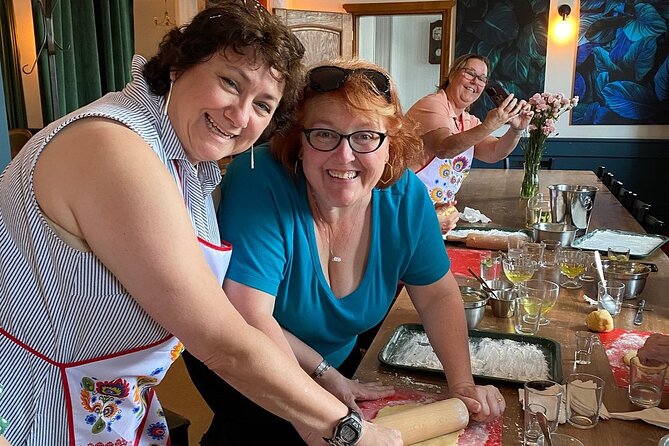
The pace seems comfortable for most people. Several accounts describe the class as unhurried, with clear instructions and enough help at the table. Still, timing can change if the group is large. The usual setup is based on pairs sharing bowls, dough, and ingredients. A bigger party may need to work together rather than have one separate station per person.
The advertised maximum is 50 people. That is a high ceiling for something described as a small-group class, so I would not assume an intimate workshop unless your booking confirmation gives a smaller number. The teaching appears most personal in a modest group, while a large group may mean more waiting and less one-to-one help.
More Hands-On Workshops in the world:
- Half-Day Thai Cooking Class at Organic Farm in Chiang Mai
★ 5.0 · 19,087 reviews - Florence: Pasta Cooking Class with Unlimited Wine
★ 4.9 · 10,285 reviews - 3 in 1 Cooking Class near Navona: Fettuccine, Ravioli & Tiramisu
★ 5.0 · 7,376 reviews - Florence: Pasta & Tiramisu Cooking Class with Unlimited Wine
★ 4.9 · 6,708 reviews
Families and children: what to expect
The class is family-friendly, but the kitchen setup deserves attention. One account involving a five-year-old described a group working in pairs, with adults expected to supervise children. The provider also noted that hot water is used in the dough preparation.
That arrangement makes sense from a safety and workflow point of view. If you are booking for a family, be ready to share a station and help your child rather than expecting each child to work alone. Tell the provider about children and any special needs at booking so the setup is clear.
The class can be a good choice for children who like shaping food with their hands. It gives them a clear task and a meal at the end. Very young children may need close adult help throughout, especially during dough preparation and boiling.
What the practical drawbacks mean for your trip
The overall rating is 4.9 from 129 ratings, with 98 percent recommending the experience. That is a strong record, and the praise is notably consistent around the instructors, the friendly setting, and the ease of the recipes.
Still, two practical problems deserve your attention. One late cancellation occurred because the venue was unavailable, with only a few hours of notice. The provider offered another food experience at a discount, but that does not replace the lost time if you have only one day in Krakow.
A separate issue involved a last-minute inability to attend after a canceled flight. The provider’s stated policy requires at least 24 hours’ notice, and a cancellation or delay that prevents you from arriving does not automatically qualify for a refund. If this class is important, do not schedule it immediately before your departure. Build in spare time, and consider travel insurance or airline reimbursement for flight problems.
The class requires smart-casual clothing. You do not need special cooking equipment, since materials and tools are supplied. Tell the provider about dietary requirements when booking. The available menu is specific, so do not assume that every substitution can be made on the day.
How authentic is the experience?
This is not a formal Polish culinary school, and it does not promise a broad survey of national cooking. Its strength is narrower and more useful: you learn one important Polish dish through family-style methods.
That focus works well. Pierogi are closely tied to home cooking, holiday meals, and everyday Polish food. Preparing them by hand gives you a better sense of the dish than ordering a plate at a restaurant. You learn why the dough must be workable, why the seal matters, and how the same basic shell can hold both savory and sweet fillings.
The class also gives you room to experiment. Instructors have suggested other filling ideas, and the different shapes make the activity more than a repetitive production line. You should leave with enough confidence to try variations at home, even if your first batch is not perfectly uniform.
Who will get the most from this class?
I would choose this experience for:
- First-time cooks who want a low-pressure introduction to dough and dumplings.
- Families willing to share stations and supervise young children.
- Couples and friends looking for an evening activity that ends with dinner.
- Food-focused visitors who want a Polish recipe they can recreate after the trip.
- People with limited time who want a two-hour activity rather than a half-day food tour.
I would think twice if you have a strict schedule, need a guaranteed small group, or want a large variety of dishes. This is a focused pierogi class, not a broad tasting tour. It also may not suit anyone who dislikes working with flour, sharing kitchen space, or following a fixed menu.
Meeting point, booking, and cancellation advice
The class starts and ends at Wavelove, Podchorążych 3, 30-084 Kraków, Poland. The meeting point is listed as being near public transportation, and the ticket is mobile, which makes arrival simple once you have the address in your phone.
The activity is offered in English. Confirmation is provided when you book. Since the experience is often reserved about 43 days ahead, booking early is sensible if you need a particular date, especially during a busy Krakow visit.
Free cancellation applies up to 24 hours before the start time. Canceling or changing the booking inside that window does not qualify for a refund. The class also requires a minimum number of participants. If the provider cancels because that minimum is not reached, you should be offered another date or experience, or a full refund.
Should you book the Krakow pierogi class?
I would book it if you want to do more than sample Polish food. The combination of scratch-made dough, potato and cheese filling, seasonal fruit pierogi, and a drink gives you a complete two-hour activity with a useful result: you can make the dish again at home.
The strongest reason to choose it is the teaching. Olga, Magda, Maria, and Ania are praised for patience, humor, clear instructions, and help at the table. The main reasons for caution are the $82.72 price, the possible range in group size, and the need to protect your plans with the 24-hour cancellation rule.
Book it early, arrive with time to spare, and confirm any dietary needs or children in your party. If you do that, this is a practical and enjoyable way to take a small piece of Polish home cooking beyond Krakow’s restaurants.
FAQ
How long does the pierogi cooking class last?
The class lasts approximately two hours. That includes making dough, preparing two fillings, shaping and boiling the pierogi, and eating them with a drink.
Where does the class start and finish?
The experience starts and ends at Wavelove, Podchorążych 3, 30-084 Kraków, Poland. The meeting point is listed as being near public transportation.
What types of pierogi will I make?
You will prepare pierogi ruskie, filled with boiled potatoes and twaróg cheese, along with sweet pierogi made with fresh fruit available at the time.
Is a drink included?
Yes. You can choose one large beer or one glass of wine to have with your homemade pierogi.
Is the class suitable for beginners and families?
Yes. The class welcomes beginners and is described as family-friendly. Children may need adult supervision, and the usual arrangement has participants working in pairs and sharing ingredients and equipment.
Is the class offered in English?
Yes. The activity is offered in English, and a local instructor guides you through each stage.
Can I cancel for a full refund?
You can cancel for a full refund if you do so at least 24 hours before the scheduled start time. Cancellations or changes made less than 24 hours in advance are not accepted for a refund.
Just added around the world
- Traditional Balinese Cooking Class with Ubud Tour★ 5.0 · 6 reviews
- Sushi – Authentic Japanese Cooking Class – the best souvenir from Kyoto!★ 5.0 · 93 reviews
- Cooking Class in Ephesus Selcuk Town★ 5.0 · 9 reviews
- Chef Bagus Balinese Indonesian Food Cooking Class★ 5.0 · 89 reviews
- Cycling and Cooking Class in Ubud★ 5.0 · 5 reviews
- Private Ephesus Tour & Cooking Class in Village★ 5.0 · 24 reviews
- Balinase Cooking Class and Private Ubud Day Tour★ 5.0 · 3 reviews
- New Malaysian Kitchen Cooking Class and Garden Tour★ 5.0 · 54 reviews
Chinese Cooking Classes, compared.

Warsaw’s No 1 cooking class-Polish dumplings with liqueur tasting
Read our review →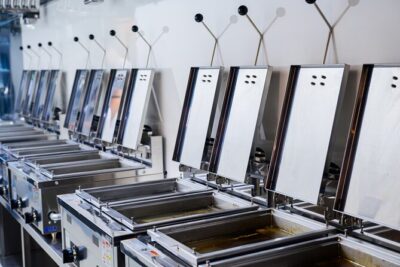
Gyoza Cooking Class in Kyoto: Traditional Japanese Dumplings
Read our review →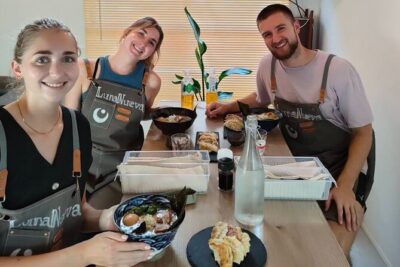
Ramen & Dumpling Cooking in Tokyo with Chef/Vegan possible
Read our review →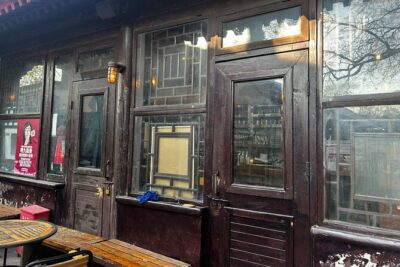
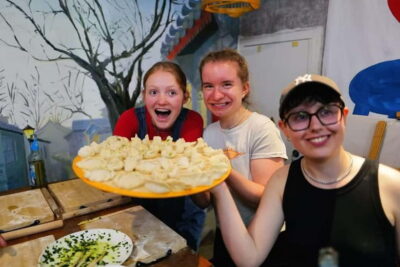
Beijing: Dumpling Making Workshop with Meal and Tea
Read our review →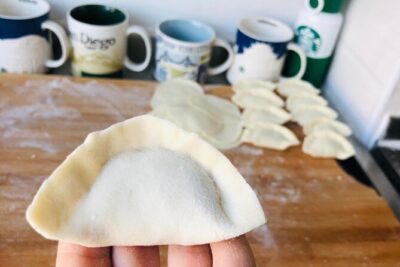
Online Cooking Class Beijing Dumplings and Cuisine by Sunflowerli Renowned Chef
Read our review →
Shanghai-Cooking Dumpling & Meal in Local Family-w/Vegan
Read our review →Private Cooking Class: Make Your Own Dim Sum In Shanghai
Read our review →Browse the lists this tour appears in