
Review · INDIAN
Malaysian Hands-On Cooking Class : Masala Medley
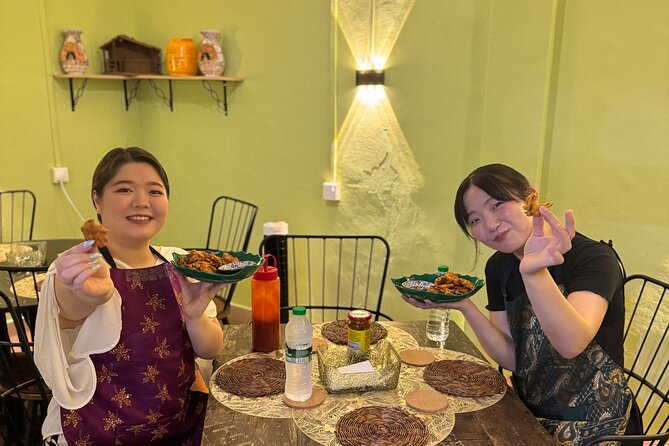
The best part of Masala Medley is simple: you actually cook the food yourself. At a studio above a local bakery on Jalan Imbi, each person gets a gas stove, counter, utensils, and a full menu to prepare, from crispy pakora and chicken curry to Kesari dessert and masala chai. I like the personal stations and the clear focus on spices, especially tempering and building a masala from scratch.
I also like the small class size, which makes it easier to ask questions, and the useful take-home recipe booklet. The main caution is timing. The session is advertised at about three hours, but one disappointed participant reported finishing in under two hours and feeling that too much had been prepared in advance. The published menu calls for four dishes, so confirm the day’s format if a full-length lesson matters to you.
Key points at a glance
- Four dishes, not a cooking demonstration: You prepare pakora, chicken curry, Kesari, and masala chai yourself.
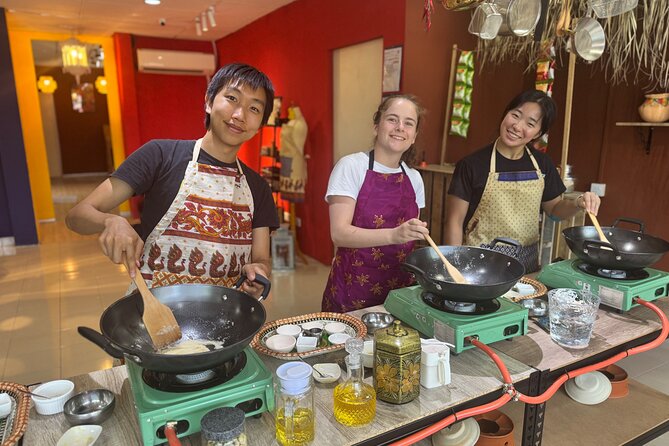
- Your own cooking station: Every person receives a gas stove, counter space, and complete cooking tools.
- A central Kuala Lumpur location: The class meets at 76A Jalan Imbi, near public transport and Bukit Bintang.
- Spice skills are the focus: You learn how aromas, tempering, and masala blends shape each dish.
- Small-group instruction: The class accepts no more than 12 people, though the exact working pace can vary.
- Useful extras: Meals, drinks, snacks, a digital recipe booklet, participation certificate, photo session, and door gift are included.
Cooking Indian-influenced Malaysian food in Jalan Imbi
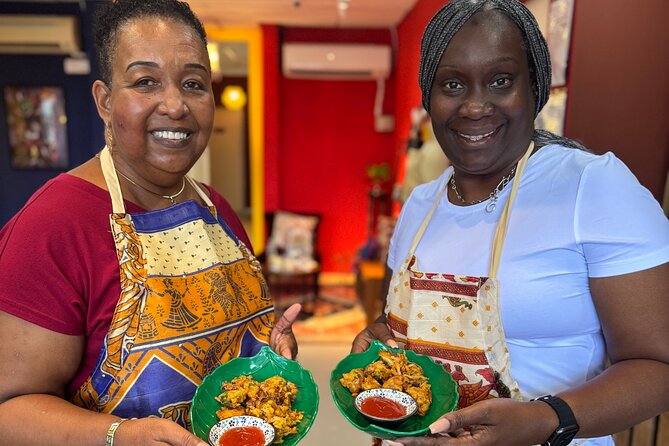
Masala Medley takes place on the first floor of 76A Jalan Imbi, in Kuala Lumpur’s Bukit Bintang area. The setting is practical rather than grand: a cooking studio above a well-liked local bakery, close to public transport and within the city center.
That location matters because you can reach the class without arranging a separate transfer. Transport before and after the session is not included, so you make your own way there and back. The activity finishes at the same address, which keeps the plan tidy if you have dinner, shopping, or another city activity afterward.
I like the sense of place here. You are not being taken to a large hotel kitchen or a polished restaurant classroom. You are working in a compact local studio where the food, spice jars, stove, and shared table are the main attractions. It is a better fit for you if you want practical food skills rather than a sightseeing stop with a cooking display attached.
The class accepts a maximum of 12 people. That is small enough to keep the lesson personal, though your experience will still depend on the group’s pace and how much time the instructor spends answering questions.
More Indian Cooking Classes in the world:
- Indian Cooking Class in an Authentic Local Home – Learn 6 Dishes
★ 5.0 · 195 reviews - Authentic Indian Cooking Classes at Palolem Beach Road Goa
★ 5.0 · 132 reviews - Indian Traditional Hands On Cooking Classes with local Family
★ 5.0 · 69 reviews
Your own stove changes the lesson
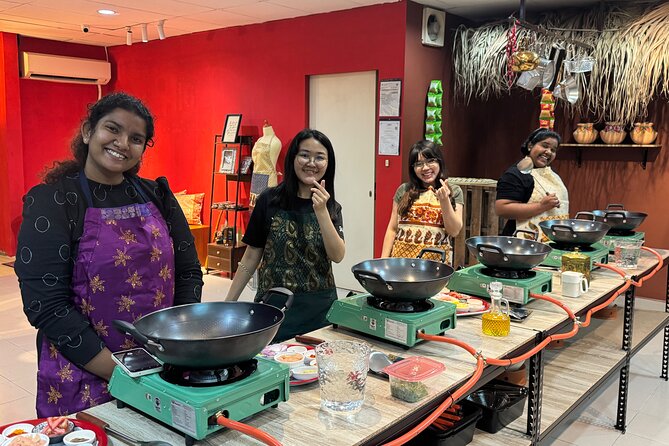
After a short orientation, you put on an apron and settle at your station. Each person has a gas stove, counter space, and a full set of cooking tools. This setup is important. You are not standing behind someone else trying to see a pan from across the room, and you are not taking turns with one communal pot.
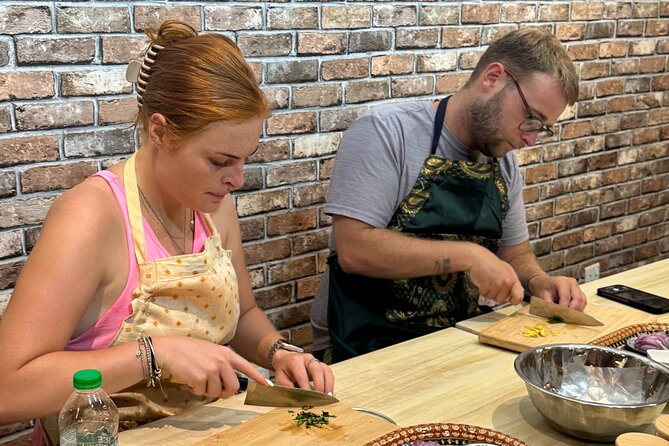
The instructor guides you through the work step by step. That makes the class suitable for beginners, including people who rarely cook Indian food at home. You get to slice, measure, stir, and adjust the cooking yourself rather than simply watching an expert move quickly through the recipe.
I especially like this format for couples or friends who want to work side by side without needing to share every task. It also suits solo participants, since the cooking station gives you a clear job from the start.
The main thing to watch is the actual amount of hands-on work during your session. The stated program includes four dishes, but one participant felt that certain side items had already been made and that the class ended early. The operator explained that the usual menu includes pakora, chicken curry from scratch, Kesari, and masala chai. If you want to practice every component, ask at the start which items you will prepare yourself.
Learning how Malaysian spice cooking works
The lesson begins with an introduction to the essential spices used in Malaysian and Indian-influenced cooking. You learn about their aromas, how they are used, and how they change a dish as they cook.
This is more useful than memorizing a recipe list. Spices can smell completely different in a packet, in hot oil, and in a finished curry. The class places attention on that change, including the technique of tempering spices and building a masala. These are the details that help you cook with judgment at home instead of following instructions blindly.
The lesson also gives you a chance to ask about spice packets and cooking methods. One participant specifically valued seeing the spice packaging and learning how the ingredients fit into Malaysian food culture. Rene was praised for explaining the food clearly and answering questions patiently.
You should not expect a professional culinary qualification from a three-hour class. You will not cover every regional style or learn a long list of recipes. What you can gain is a workable introduction to several everyday techniques, especially if you pay attention to heat, timing, and the order in which ingredients enter the pan.
Pakora gives you a quick first win
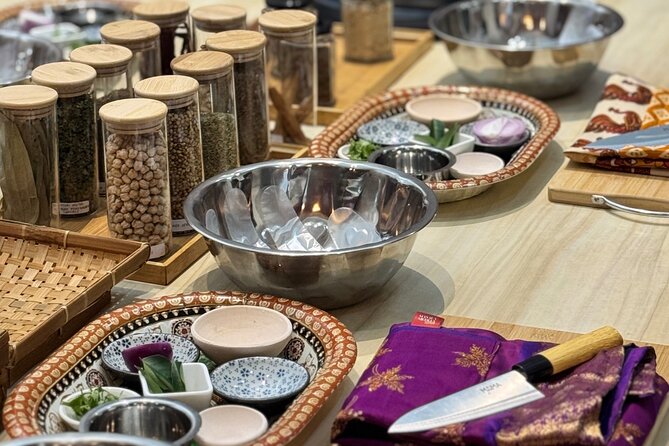
Your first dish is pakora, a crisp vegetable fritter. It is a sensible opening course because the method is direct and the finished food can be eaten soon after cooking.
You prepare the mixture, season it, and cook the fritters under guidance. The result gives you an early chance to see how spices affect a simple snack. You also get to eat what you have made before moving on, which breaks up the lesson and keeps the three-hour session from feeling like one long preparation period.
Pakora is particularly good for beginners because it shows how a few basic ingredients can become a dish with a different texture and purpose. The contrast between a seasoned mixture and a crisp fritter is part of the lesson.
The possible limitation is that pakora is a familiar daily snack in many homes, so it may not feel exotic to everyone. Its value comes from the method, not from rarity. If you already make fritters regularly, pay close attention to the seasoning and frying guidance rather than expecting a completely new type of food.
More Hands-On Workshops in the world:
- Half-Day Thai Cooking Class at Organic Farm in Chiang Mai
★ 5.0 · 19,087 reviews - Florence: Pasta Cooking Class with Unlimited Wine
★ 4.9 · 10,285 reviews - 3 in 1 Cooking Class near Navona: Fettuccine, Ravioli & Tiramisu
★ 5.0 · 7,376 reviews - Florence: Pasta & Tiramisu Cooking Class with Unlimited Wine
★ 4.9 · 6,708 reviews
Chicken curry, rice, and cucumber pachdi
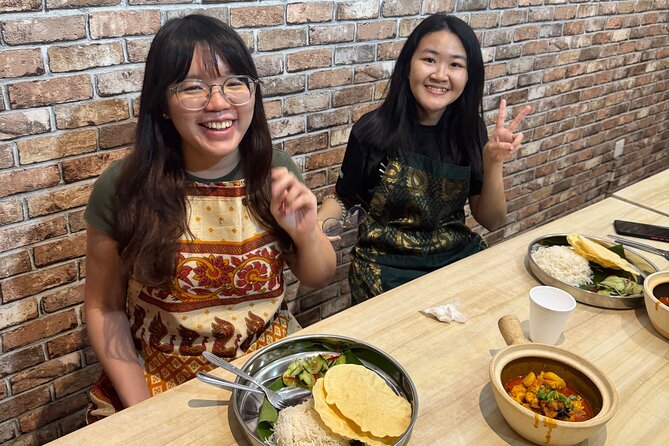
The main course is chicken curry prepared from scratch, served with fragrant basmati rice and cucumber pachdi. This is the heart of the experience, since curry gives you the clearest look at how onions, spices, aromatics, and cooking time build flavor.
You work through the stages with your own stove and pan. The class emphasizes the masala, the cooked spice base that gives the curry its character. This is where the lesson can become genuinely useful at home. A curry is not only a matter of adding powder and liquid. The order of cooking and the point at which spices are added can affect the final taste.
Basmati rice provides a straightforward partner for the curry, while cucumber pachdi brings a cool, fresh contrast. That side dish helps the meal feel balanced instead of relying only on heat and spice.
The meal is filling, which matters when you compare the price with a sightseeing activity that offers only a small tasting. You are paying for instruction, ingredients, equipment, and a complete meal rather than a snack-sized sample.
Still, the main course is where time can slip. If the group works at different speeds, the instructor may need to keep everyone moving together. Ask questions as you go, but keep an eye on the pace if you want to complete every part yourself.
Kesari and masala chai finish the menu
After the savory dishes, you prepare Kesari, a comforting Indian dessert. It gives the class a change of pace and shows how the same attention to spices and texture applies to a sweet dish.
Kesari is not simply a packaged dessert served at the end. You make it as part of the workshop, then taste it fresh. For anyone who enjoys the contrast between savory cooking and sweets, this is a worthwhile part of the menu.
The final lesson is masala chai brewed from scratch. This is one of the most enjoyable details of the program because chai is often treated as an afterthought, even though the balance of tea, milk, spices, and sweetness makes a real difference.
Making it yourself lets you see how a familiar drink is built. It also gives the session a natural ending. After handling pans and spices, you sit down with a warm cup rather than leaving immediately after the main meal.
Together, Kesari and chai make the menu feel more complete. You are not learning only one curry and stopping there. You practice a snack, main dish, side, dessert, and drink.
What the $66.99 price includes
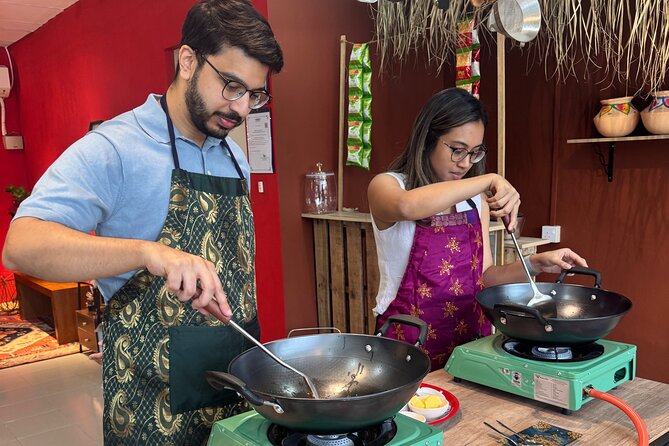
At $66.99 per person, Masala Medley is not the cheapest meal you can buy in Kuala Lumpur. You could eat pakora, curry, rice, dessert, and tea for less at a local restaurant. The value comes from the work and instruction included before you sit down to eat.
Your fee covers the cooking lesson, ingredients, meals, bottled water, coffee or tea, snacks, and use of a private cooking station with equipment. You also receive a digital recipe booklet, participation certificate, photo session, and a small door gift.
I would judge the price by how much you want to learn. If you only want to taste Malaysian food, spend the money on several restaurant meals instead. If you want to return home with recipes and the confidence to repeat them, the cost is easier to justify.
The strongest value appears when the class runs close to the advertised three hours and you prepare all four dishes. A shorter session with pre-prepared components would make the price feel less attractive. That is why confirming the menu and hands-on format at the beginning is sensible.
The activity has a 4.8 rating from 24 ratings, with 96 percent recommending it. Those figures suggest a strong overall experience, but they do not remove the need to check expectations. A cooking class can feel excellent to someone who wants a relaxed introduction and disappointing to someone seeking advanced technique or a very long kitchen session.
Who will enjoy this class most
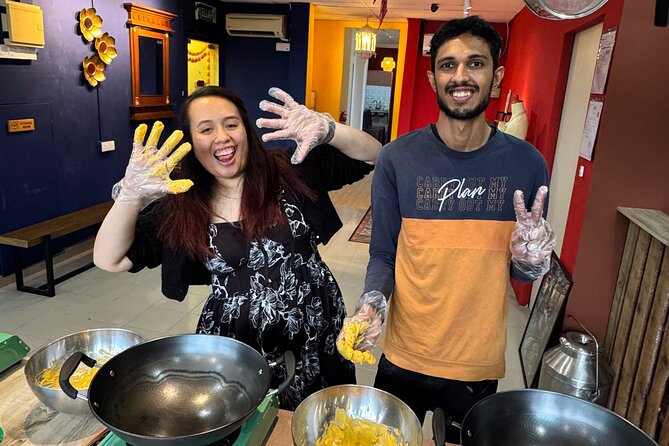
I would recommend Masala Medley most strongly to beginners, food lovers, and visitors who want a cultural activity with a practical result. You do not need advanced cooking skills, and the individual station gives you room to learn at a manageable pace.
It also suits:
- Couples who want to cook and eat together
- Solo visitors who prefer a structured activity
- Small groups looking for a shared meal
- People curious about Malaysian and Indian spice traditions
- Home cooks who want a few repeatable recipes rather than restaurant theory
You may want to choose another activity if you are looking for a broad survey of Malaysian cuisine. The menu is focused on Indian-influenced dishes, not a tour through Malay, Chinese, Indian, and Peranakan cooking.
I would also be cautious if you need a class with a strict three-hour schedule. The advertised duration is approximately three hours, and one experience was reported as lasting less than two. The operator states that the standard menu includes four dishes, but class pacing can affect how much work you personally complete.
Practical details before you book
The meeting point is Masala Medley Cooking Class, First Floor, 76A, Jalan Imbi, Bukit Bintang, Kuala Lumpur. It is near public transportation, and the session ends back at the meeting point.
You receive confirmation at the time of booking, and the ticket is mobile, so you do not need to print anything. Transport is not provided, so allow enough time to reach Jalan Imbi on your own.
The class is limited to 12 people. That limit is helpful for instruction, but you should still arrive ready to take part rather than expecting a private lesson. Wear something comfortable for cooking and be prepared to work at a stove for much of the session.
Free cancellation is available if you cancel at least 24 hours before the start time. Cancellations or changes made less than 24 hours before the start are not refunded or accepted.
Should you book Masala Medley?
Book it if you want to cook, not just watch. The individual stove, four-dish menu, spice instruction, and recipe booklet give you a useful introduction to Indian-influenced Malaysian home cooking in central Kuala Lumpur.
I would book with one small condition: confirm that the session will include hands-on preparation of pakora, chicken curry, Kesari, and masala chai. That point matters because the value depends on how much of the food you make yourself.
For a beginner or curious food lover, this is a friendly, practical choice. For an experienced cook seeking advanced lessons or a wide survey of Malaysian cuisine, it may feel too focused. At $66.99, it earns its price when the full class runs as planned and you leave with skills you can use at home.
FAQ
How long does the Masala Medley cooking class last?
The class lasts approximately three hours.
What dishes will I prepare?
The standard menu includes pakora, chicken curry, basmati rice, cucumber pachdi, Kesari, and masala chai. The operator describes the core session as four dishes, with rice and the cucumber side served alongside the curry.
Do I get my own cooking equipment?
Yes. Each person receives a gas stove, counter space, and a full set of cooking tools.
Where does the class meet?
The meeting point is First Floor, 76A, Jalan Imbi, Bukit Bintang, 55100 Kuala Lumpur, Malaysia. The activity ends at the same location.
Is transport included?
No. You arrange your own transport before and after the class. The location is near public transportation.
Can I cancel for a full refund?
Yes, if you cancel at least 24 hours before the experience starts. Cancellations or changes made less than 24 hours before the start time are not refunded or accepted.
Just added around the world
- Sushi – Authentic Japanese Cooking Class – the best souvenir from Kyoto!★ 5.0 · 93 reviews
- Traditional Balinese Cooking Class with Ubud Tour★ 5.0 · 6 reviews
- Cooking Class in Ephesus Selcuk Town★ 5.0 · 9 reviews
- Chef Bagus Balinese Indonesian Food Cooking Class★ 5.0 · 89 reviews
- Cycling and Cooking Class in Ubud★ 5.0 · 5 reviews
- Private Ephesus Tour & Cooking Class in Village★ 5.0 · 24 reviews
- Balinase Cooking Class and Private Ubud Day Tour★ 5.0 · 3 reviews
- New Malaysian Kitchen Cooking Class and Garden Tour★ 5.0 · 54 reviews
Indian Cooking Classes, compared.
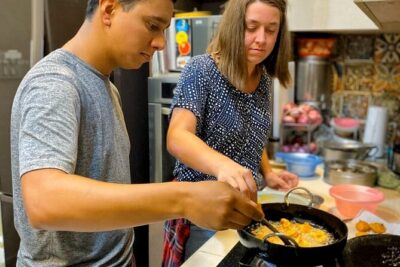
Indian Cooking Class in an Authentic Local Home – Learn 6 Dishes
Read our review →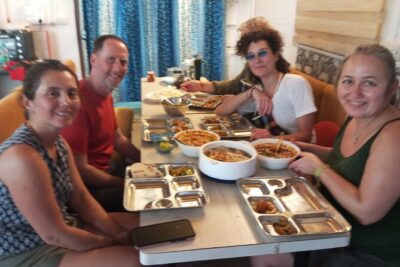
Authentic Indian Cooking Classes at Palolem Beach Road Goa
Read our review →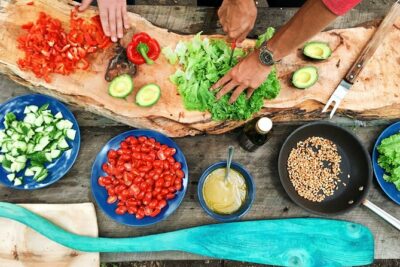
Indian Traditional Hands On Cooking Classes with local Family
Read our review →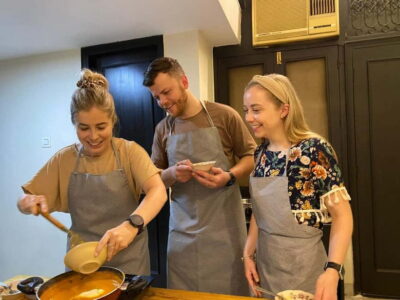
Traditional Indian Cooking Class in Goa, Anjuna [vegetarian]
Read our review →
Mumbai: Indian Cooking Class & Cultural Delights
Read our review →
Indian Cooking Class with Local Family in Jaipur
Read our review →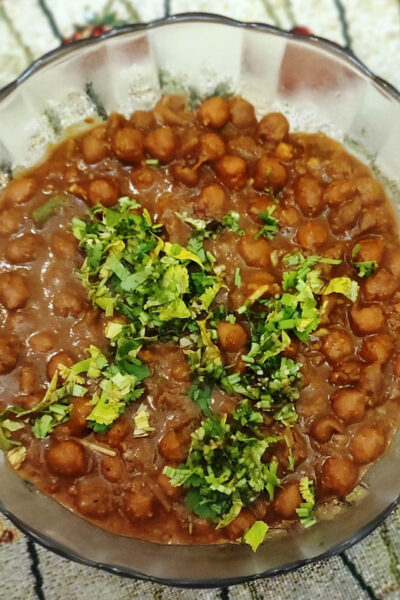
New Delhi: Traditional Indian Cooking Class & Market Visit
Read our review →Browse the lists this tour appears in