Review · COOKING CLASSES
Traditional Georgian Cooking Class in Kutaisi
Kutaisi’s best food lesson may happen not in a restaurant, but around a family kitchen table. This two-hour private class brings you into a Georgian home, where Luca and his grandparents show you how to prepare khinkali, khachapuri, eggplant rolls, and seasonal pkhali before sitting down to eat together.
I like the personal welcome and the chance to cook with local ingredients, including homemade cheese in some sessions. I also like that the meal ends with homemade wine and conversation, rather than with a quick taste and a goodbye.
The main drawback is practical: the meeting address can be difficult to find because Google Maps may place it incorrectly. Check the exact house details before setting out, and allow enough time to locate the home.
Key points to know before booking
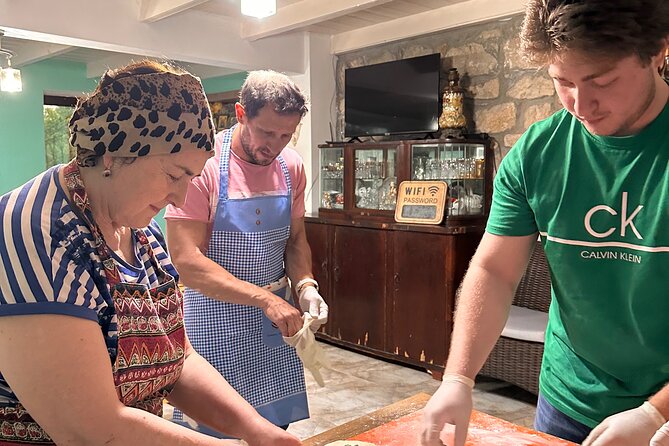
- A family kitchen in Kutaisi: You cook in a private home with Luca and his grandparents, not in a formal cooking school.
- Four classic Georgian dishes: The usual menu includes nigvziani badrijani, khinkali, khachapuri, and seasonal pkhali.
- A meal as well as a lesson: You eat what you prepare together, with homemade wine served at the family table.
- Private for your group: Only your own booking group takes part, which makes the class more personal.
- Good value at $35: The price covers a hands-on lesson, a full meal, wine, and a cultural meeting in one evening.
- Check the location carefully: The supplied meeting point is 7PGJ+46 Kutaisi, but the map may not show the house correctly.
A Georgian cooking class with a family welcome
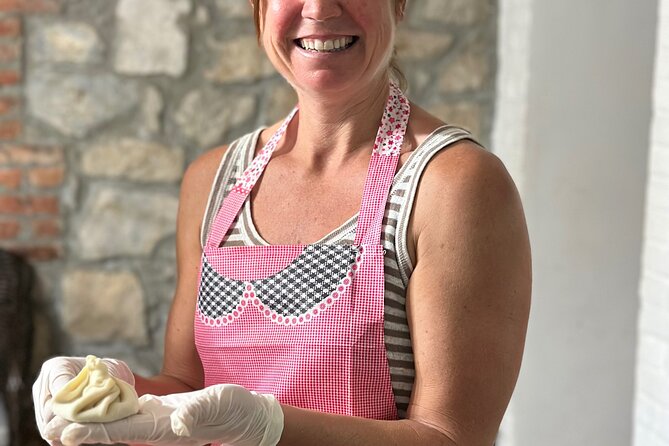
The real appeal here is the setting. You are not simply shown a plate of Georgian food and asked to taste it. You enter a family home, work in a traditional kitchen, and prepare dishes that are part of everyday Georgian food culture.
Luca and his grandparents guide the session. Their role matters because the class is built around people and conversation as much as recipes. One account of the experience describes Luca and his grandparents helping with the cooking, explaining Georgian culture, and keeping the atmosphere lively. That gives you a good sense of the tone: friendly, informal, and centered on sharing food.
The class is offered in English, and the activity is private. That is useful for couples, families, or friends who want to ask questions without keeping pace with a larger group. It also helps if you are new to Georgian cooking and want more direct help with shaping dough, folding dumplings, or preparing walnut mixtures.
You should not expect a polished demonstration kitchen or a restaurant-style performance. The appeal is precisely the home setting. The tradeoff is that the experience may feel less structured than a professional culinary school. For most people, that is part of the charm.
More Hands-On Workshops in the world:
- Half-Day Thai Cooking Class at Organic Farm in Chiang Mai
★ 5.0 · 19,087 reviews - Florence: Pasta Cooking Class with Unlimited Wine
★ 4.9 · 10,285 reviews - 3 in 1 Cooking Class near Navona: Fettuccine, Ravioli & Tiramisu
★ 5.0 · 7,376 reviews
Starting with nigvziani badrijani and walnut paste
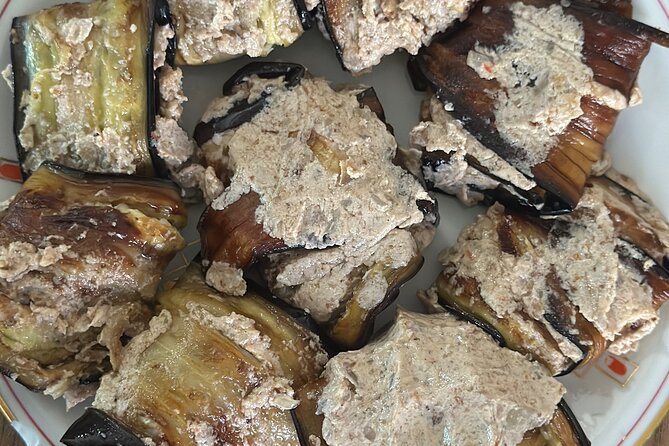
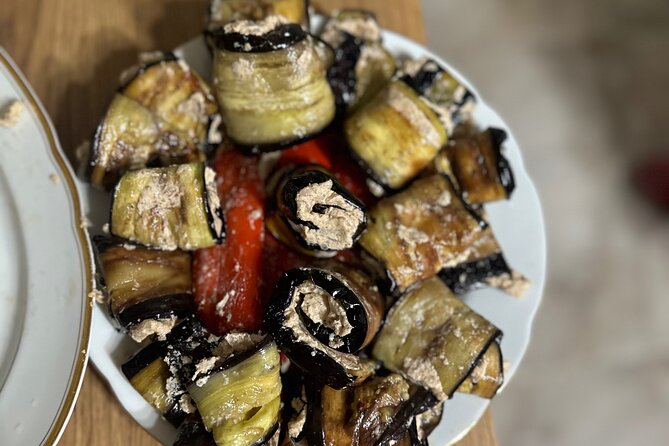
The starter is nigvziani badrijani, thin eggplant rolls filled with walnut paste. It is a good first dish for the class because it introduces two familiar Georgian ingredients: eggplant and walnuts.
You will learn how the eggplant is prepared and how the walnut mixture becomes a savory filling. The dish is simple in appearance, but it shows an important Georgian habit of turning vegetables and nuts into food with plenty of flavor and texture.
This first stage should be approachable for most people. It does not carry the pressure of making a perfect dumpling or shaping a loaf of bread. You can settle into the kitchen, watch the family’s methods, and start getting comfortable with the ingredients.
The starter is also part of the final meal, so your work has an immediate reward. You are not cooking a sample that disappears behind the scenes. You will return to the table and eat it with the rest of the food.
Folding khinkali, Georgia’s famous dumplings
Khinkali is the dish that will likely require the most hands-on attention. These Georgian dumplings are filled, folded, and cooked so that the center stays juicy.
Making them gives you a practical look at one of Georgia’s best-known foods. The shape is not just decoration. The folds hold the filling and help create the broth inside. You will need to pay attention to the technique, but that is exactly what makes this part memorable.
The experience description calls khinkali juicy Georgian dumplings, and that detail is important. These are not dry pastry parcels. The cooking lesson gives you a chance to understand why the dumpling is shaped as it is and how it is meant to be enjoyed.
If you are cooking with children, khinkali may be the most entertaining part of the session, though younger children may need help with the folding. The tour information says most people can participate, but it does not provide a separate children’s program or detail about adaptations. For a family booking, it is sensible to ask about this before reserving.
You may also find small variations in the menu. One account describes making two kinds of khachapuri, Georgian salad, and homemade cheese in addition to khinkali. The listed menu focuses on the dishes above, so treat those extra items as possible additions rather than guaranteed courses.
Making khachapuri with local cheese
Khachapuri is Georgia’s famous cheese-filled bread, and it forms one of the main parts of the meal. The dish is filling, familiar, and a natural centerpiece for a home cooking lesson.
The value of making khachapuri yourself is that you see the work behind a food that can otherwise seem simple on a restaurant menu. Bread dough, cheese, shaping, and baking all come together in one dish. You also get to eat it fresh, when the bread is warm and the cheese is at its best.
The exact style of khachapuri is not specified. One account notes two different types of khachapuri and homemade cheese, but you should not assume both versions are included in every session. The core promise is cheese-filled bread, with the rest depending on the kitchen and the choice made that day.
This is also one of the strongest reasons to choose the class instead of ordering dinner at a restaurant. A restaurant gives you the finished dish. Here, you learn how it reaches the table and spend time with the people preparing it.
A few more cooking classes around the world worth a look
- Florence: Pasta & Tiramisu Cooking Class with Unlimited Wine
★ 4.9 · 6,708 reviews - Florence: Pasta Cooking Class with Unlimited Wine
★ 5.0 · 6,413 reviews - Hanoi Cooking Class: Culture, Local Market & Meaning CSR Impact
★ 5.0 · 5,147 reviews - 5 Traditional Dishes Hanoi Cooking Class with Market Trip
★ 5.0 · 4,890 reviews
Choosing seasonal pkhali with spinach or leek
The class also includes fresh seasonal pkhali. The vegetable may be spinach or leek, based on your choice.
Pkhali is a Georgian vegetable and walnut spread. It offers a lighter contrast to khinkali and khachapuri, both of which are more substantial. The walnut mixture ties it to the eggplant starter, but the vegetable base gives the meal variety.
The seasonal choice is a small but useful detail. You are not locked into one fixed vegetable if the class offers spinach or leek. If you have a preference, make it clear when the cooking begins.
The menu information lists pkhali among the dishes taught, while the sample menu lists only the eggplant rolls, khinkali, and khachapuri. That suggests pkhali is part of the broader class offering, but the meal may be presented differently depending on the booking. Confirm the day’s exact menu if you have dietary needs or want to be certain about every course.
Sitting down with homemade wine
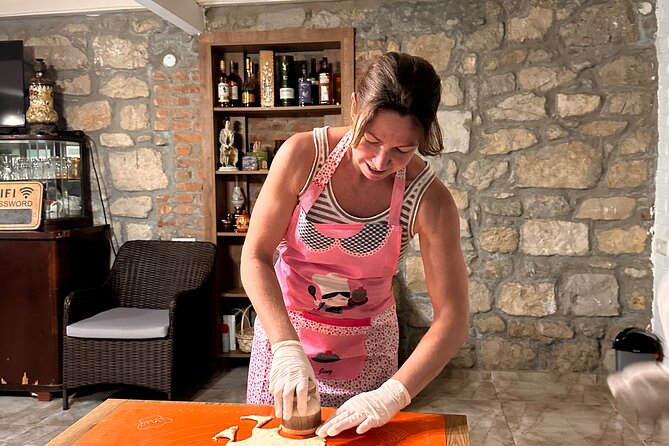
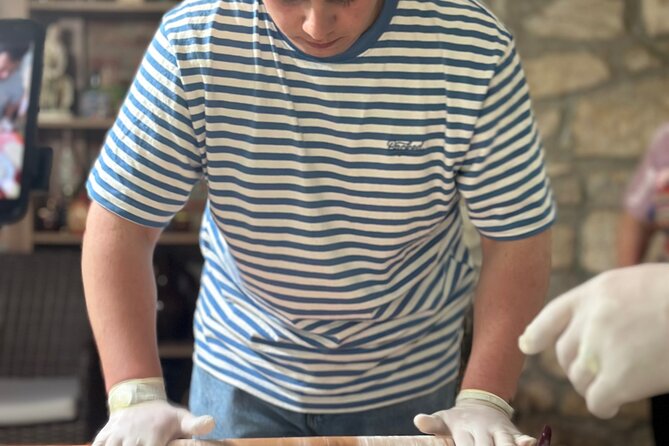
The class finishes around the table, where you eat the food you have prepared together. This shared meal is more than a convenient ending. It gives the cooking a clear purpose and lets you experience Georgian hospitality in the way the hosts intend.
Homemade wine is served with the meal. The information does not specify the wine style, alcohol content, or alternatives, so ask the hosts if you do not drink alcohol. The class is still about cooking and family contact, but the wine is part of the stated experience.
The table setting also gives the evening a social rhythm. You cook, sit down, taste the results, and talk. One family account describes the hosts serving a table and eating with the group. That is a different experience from a class where the instructor leaves once the food is plated.
Expect to leave well fed. The menu combines eggplant, walnuts, dumplings, bread, cheese, vegetables, and wine. If you prefer a small meal, this may be more food than you need. If you want a full Georgian dinner after cooking, it offers solid value.
What $35 buys you in Kutaisi
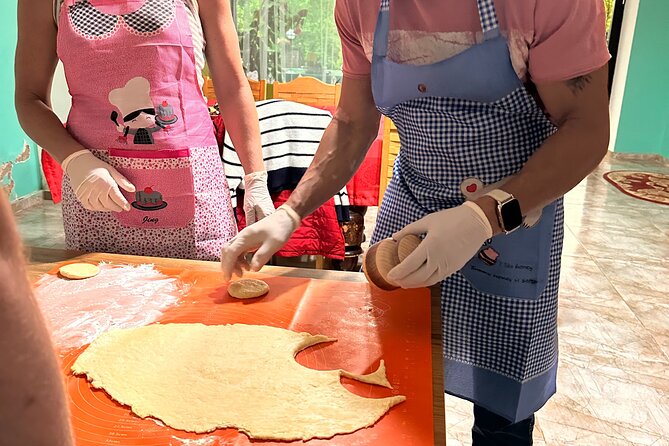
At $35 per person, this is a strong value if you want both dinner and a cultural activity. You are paying for approximately two hours of instruction, access to a private family setting, several Georgian dishes, the meal you prepare, and homemade wine.
A restaurant dinner could cover the food, but not the cooking lesson or the time with Luca and his grandparents. A formal cooking class might offer more technical instruction, but this experience adds the personal setting and shared meal.
The price becomes especially attractive for someone spending only a short time in Kutaisi. Instead of arranging a separate meal and a separate cultural visit, you combine the two in one evening. You also leave with a better idea of what the dishes on Georgian menus actually involve.
Value depends on what you want from a cooking class. If you are seeking professional kitchen equipment, printed recipes, or a tightly timed lesson, the description does not promise those things. If you want a relaxed home meal and practical contact with Georgian food, the price is easier to justify.
The activity is private, so only your group participates. That usually means more room for questions and a more natural conversation than you would get in a large class. The listing does not state the maximum group size, so ask if your party is larger than a small family or group of friends.
Finding the Kutaisi meeting point
The activity begins and ends at the meeting point in Kutaisi. The listed location is given through the Plus Code 7PGJ+46 Kutaisi, and the class returns to that same point at the end.
Pay close attention to the address. The map may not display the location correctly, and a specific house address is recommended for finding the home. This is the one logistical issue I would take seriously. Do not rely only on the general map pin if you are arriving close to the start time.
The class is near public transportation, which helps if you are moving around Kutaisi without a car. The supplied details do not name a particular bus route, taxi cost, or walking time, so you will need to check your own route from your accommodation.
The activity is offered in English. Confirmation is normally sent at booking, except for bookings made within two hours of the start time, when confirmation is sent as soon as possible and depends on availability.
Free cancellation is available up to 24 hours before the start time for a full refund. Changes or cancellations made less than 24 hours before the activity are not accepted for a refund, and the cut-off follows local time.
Who will enjoy this evening most
I would recommend this class to anyone who sees food as a way to meet people, not just a way to fill an hour. Solo visitors can join without feeling out of place, and the private format works well for couples, families, or friends.
It is also a good fit if Georgian food is new to you. You will encounter four useful building blocks of the cuisine: vegetables with walnuts, filled dumplings, cheese bread, and seasonal vegetable spreads. After the class, menus in Kutaisi should make more sense.
Families may like the relaxed home setting and the hands-on work. The information says most people can participate, but it does not give age guidance or special arrangements for children. Ask before booking if your group includes very young children or anyone with limited mobility.
Food restrictions deserve a direct conversation with the hosts. The menu includes wheat-based dough, cheese, walnuts, eggplant, vegetables, and wine. No allergy or dietary adaptations are specified, so do not assume substitutions are available.
The class is less suitable if you want a quick, polished attraction with no uncertainty. The incorrect map placement, possible menu variations, and informal home setting require a little flexibility. You are trading some predictability for a more personal evening.
A comfortable base at Four Seasons In Kutaisi
The hosts also have a family guesthouse called Four Seasons In Kutaisi. This is not part of the cooking class itself, and booking the guesthouse is optional, but it may interest you if you still need accommodation.
The useful point is convenience. You can ask about staying with the same family connected to the cooking experience, though the supplied details do not describe room types, facilities, rates, or distance from the meeting point. Check those details separately before making a reservation.
I would keep the two decisions separate. First decide if the cooking class suits your evening plans. Then compare the guesthouse with other Kutaisi options based on location, price, and facilities.
Should you book this Kutaisi cooking class?
Book it if you want a warm, food-centered evening rather than a formal lesson. The combination of a family kitchen, Luca and his grandparents, hands-on Georgian dishes, a shared meal, and homemade wine gives the experience a clear sense of place.
The strongest parts are the human contact and the amount of food included for $35. You get to make familiar Georgian dishes instead of simply ordering them, and the private format keeps the evening focused on your own group.
Go in with realistic expectations. The class may not follow a strict culinary-school format, the exact menu can vary, and the map location needs checking. Confirm the house address, ask about dietary needs, and clarify any menu questions before you go.
For solo visitors, couples, families, and small groups who want to understand Georgian cooking through a local household, I would book it. If you prefer a highly structured professional class, choose something else. For most people seeking an authentic meal with a personal welcome in Kutaisi, this is an excellent use of two hours.
FAQ
How long does the Georgian cooking class last?
The activity lasts approximately two hours.
What dishes will I prepare?
The class includes nigvziani badrijani, khinkali, khachapuri, and fresh seasonal pkhali. The pkhali may use spinach or leek based on your choice.
Is the activity private?
Yes. Only your group participates in the private cooking activity.
Is the class offered in English?
Yes. The experience is offered in English.
Where does the class start and finish?
The activity starts at 7PGJ+46 Kutaisi, Georgia, and ends back at the meeting point.
Can I cancel for a full refund?
Yes. You can cancel at least 24 hours before the local start time for a full refund. Cancellations or changes made less than 24 hours before the start time are not accepted for a refund.
Just added around the world
- Private cooking class in organic farm at La Fortuna★ 5.0 · 42 reviews
- Cooking with a Costa Rican familiy★ 5.0 · 42 reviews
- 3-Course Tropical Fusion Cooking Class★ 5.0 · 44 reviews
- Japanese food Cooking at Home★ 5.0 · 12 reviews
- Miyazaki’s local cuisine experience Let’s make cold soup and chicken Nanban! Super Local Food Cooking!★ 5.0 · 11 reviews
- Food Market Shopping and Cooking Workshop in A Coruña★ 5.0 · 89 reviews
- Private Cooking Class Udon in Kyoto Japan★ 5.0 · 23 reviews
- Private Plant-Based Japanese Cooking Class – Kyoto Edition★ 5.0 · 15 reviews
Cooking Classes, compared.
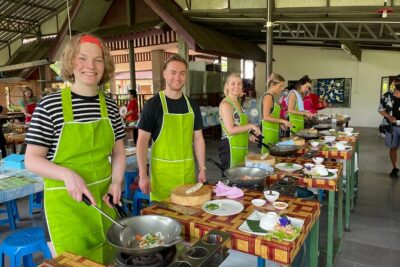
Half-Day Thai Cooking Class at Organic Farm in Chiang Mai
Read our review →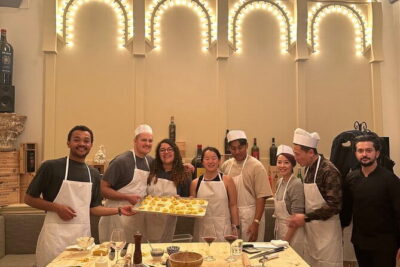
Florence: Pasta Cooking Class with Unlimited Wine
Read our review →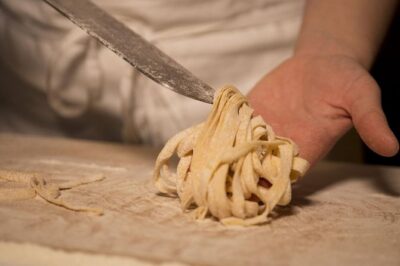
3 in 1 Cooking Class near Navona: Fettuccine, Ravioli & Tiramisu
Read our review →
Hanoi Cooking Class: Culture, Local Market & Meaning CSR Impact
Read our review →
5 Traditional Dishes Hanoi Cooking Class with Market Trip
Read our review →
Cooking Class and Lunch at a Tuscan Farmhouse with Local Market Tour from Florence
Read our review →