
Review · BALINESE & INDONESIAN
Cooking Class 3 Courses Balinese Dishes
The best part of this Bali cooking class happens before the stove is lit. You walk through the backyard organic garden, pick fresh ingredients, and learn how local herbs and spices shape Balinese food. Then chefs Dewi and Melai guide you through vegetable spring rolls, chicken curry, and Dadar Bali, a sweet Balinese dessert.
I like the personal teaching and the meal at the end. You get to practice the cooking yourself, then eat a full three-course lunch or dinner. I also like that the class includes a recipe book, so the experience does not end when you leave Bali. The main consideration is that the ingredients are already cut and prepared, which keeps the two-hour class smooth but gives you less practice with chopping and kitchen preparation.
Key points to know before booking
- A garden visit starts the class: Pick fresh herbs and ingredients from the backyard before cooking.
- Three familiar Balinese dishes: Prepare vegetable spring rolls, chicken curry, and Dadar Bali.
- Dewi and Melai teach the class: The two local chefs are patient, attentive, and happy to explain the food and culture.
- Your cooking becomes your lunch or dinner: The final meal is included, helping make the $24 price especially good value.
- Pickup is included: Wait in your hotel lobby or villa 10 minutes before the agreed pickup time.
- You leave with recipes: The printed recipe book makes it easier to repeat the dishes at home.
A garden visit before the cooking begins
The class begins at 11:00 a.m. for lunch or 5:00 p.m. for dinner. Pickup is included, so you should be ready in your hotel lobby or villa 10 minutes before the scheduled time. The exact pickup area is not specified, so confirm that detail when booking if you are staying far from the class location.
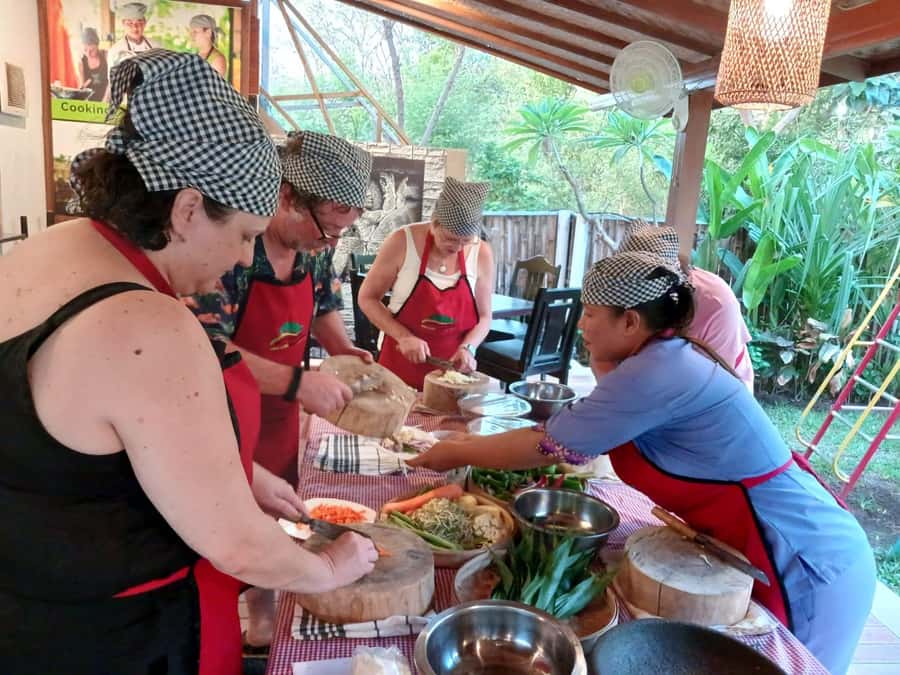
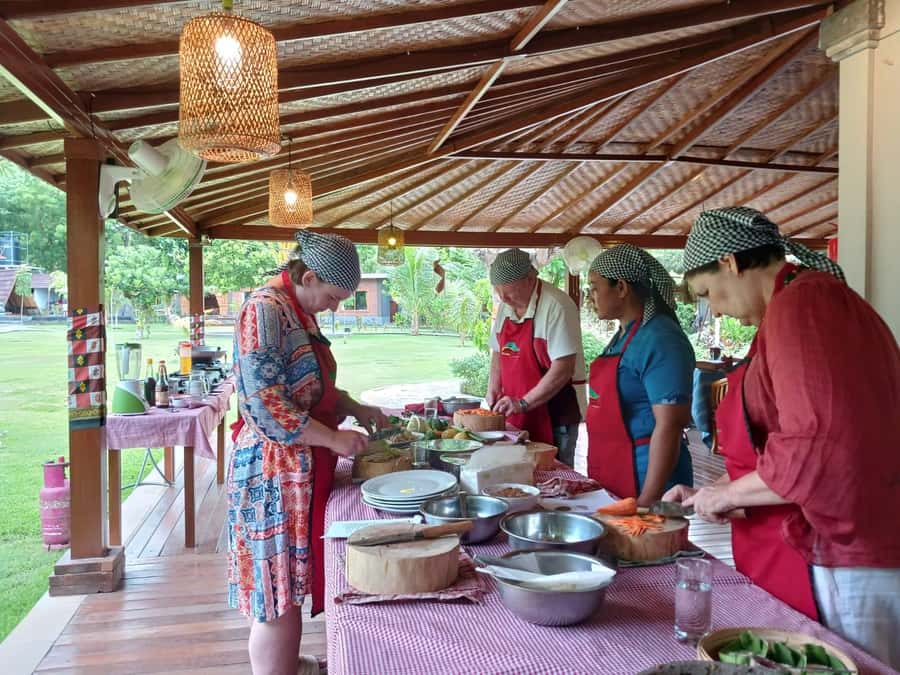
The cooking space is an outdoor kitchen beside a small hotel and its garden. This setting gives the activity a calm, open-air feel rather than the rushed mood of a busy restaurant kitchen. You start with a walk through the backyard organic farm, where you can pick some of the fresh produce used in the kitchen.
That short garden visit matters. It gives you a clearer idea of where Balinese cooking begins, and it connects the finished meal to real ingredients rather than a row of anonymous packets. You will also be introduced to the herbs and spices used in the recipes. For anyone who enjoys food for more than just its final taste, this is one of the most useful parts of the class.
The garden is also a good reason to bring your camera. You will have a more interesting set of pictures than simple shots of a cooking bench, and the setting provides a quiet start before the hands-on work begins.
More Balinese Cooking Classes in Indonesia:
- Ubud: Balinese Cooking Class at an Organic Farm
★ 5.0 · 1,786 reviews - Ubud Cooking Class Bali with Balinese Chef
★ 5.0 · 1,609 reviews - PRIVATE Authentic Balinese Cooking Class in Ubud at Putu’s Home
★ 5.0 · 644 reviews
Meeting Dewi and Melai at the outdoor kitchen
The class is taught in English by local chefs. Dewi and Melai are the two names to look for. They work together as chef and assistant, helping you move from one dish to the next and answering questions as you cook.
The teaching style is suited to people with different levels of kitchen confidence. If you are comfortable cooking, you can focus on Balinese flavors and methods. If you are not, the patient instruction gives you room to try without feeling rushed. This is helpful for families and couples who want an activity they can share, not just watch.
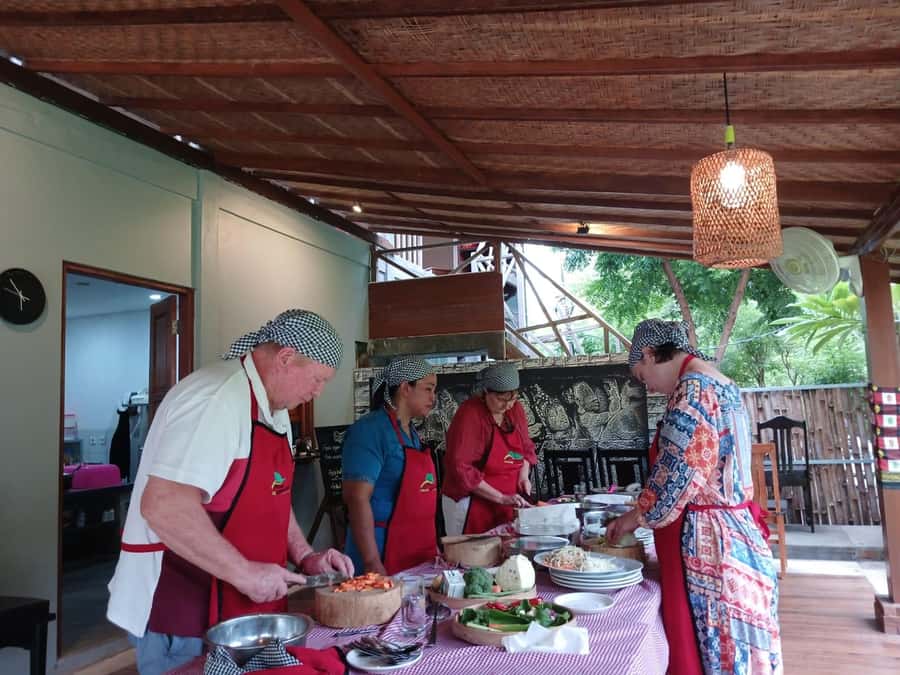
One practical detail is worth knowing: much of the food is prepared in advance, including the chopping. That is common in a short cooking class, and it lets you spend more time combining ingredients, cooking, shaping, and tasting. The trade-off is simple. You will learn less about the full preparation process, but you will have a better chance of completing three dishes in two hours.
The chefs also explain the cultural side of the food. That can be as valuable as learning the recipe itself. You are not just copying steps from a card. You are getting context for the herbs, spices, and dishes placed in front of you.
Making vegetable spring rolls first
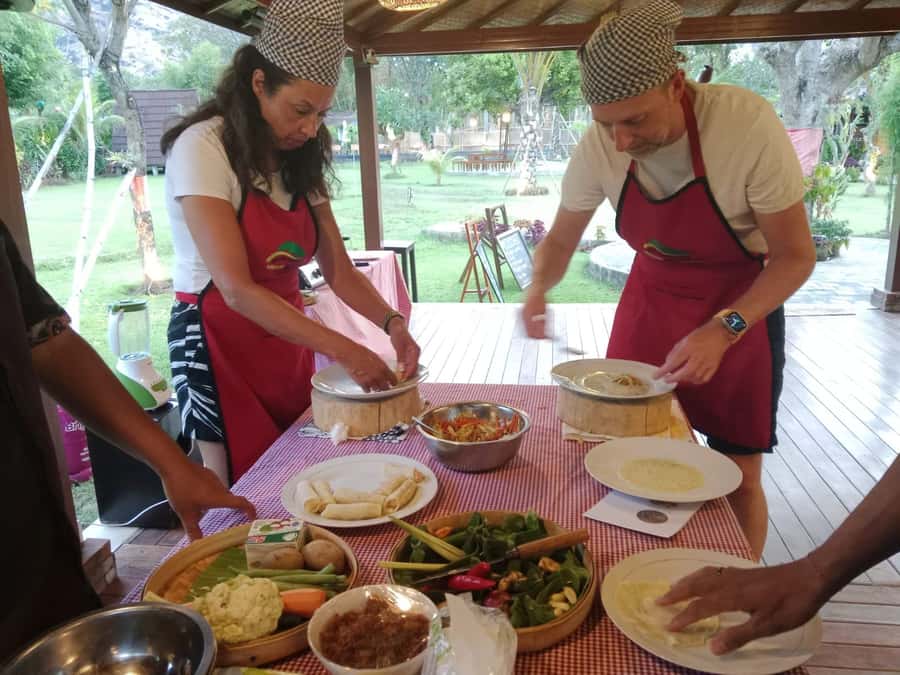
The appetizer is a vegetable spring roll. This is a sensible opening dish because it gives you a practical introduction to the cooking station and lets you start with a manageable task.
You should expect to work with the prepared vegetables and follow the chefs as they show you how to assemble the rolls. The class is designed for practice, so you are not simply watching Dewi and Melai cook. You get involved, make your own attempts, and receive help as needed.
The spring rolls also offer a useful contrast with the main course. They are lighter and more focused on texture, shaping, and vegetables. If your first rolls look a little uneven, do not worry. The class is more about learning the method and enjoying the process than producing restaurant-perfect pieces.
This is one of the places where patient instruction makes a difference. You can ask for help and try again without losing the whole class. The chefs have been praised for giving people time, including those who do not feel especially skilled in the kitchen.
Building the chicken curry
The main course is chicken curry, the centerpiece of the meal. Here you get a closer look at how herbs and spices are combined to create the base of a Balinese dish.
The garden introduction becomes more useful at this point. You have already seen some of the ingredients in their growing environment, and now you can connect them with the curry you are preparing. The class includes chicken meat, vegetables, herbs, and spices, along with the cooking equipment needed for the dishes.
Because the ingredients are measured and prepared for the class, you can concentrate on the order of the cooking and the balance of flavors. This is good for a short session. You are less likely to get bogged down in minor preparation and more likely to finish the curry within the available time.
Still, do not expect a full professional kitchen course. The class does not promise detailed instruction in every knife technique or a long lesson on spice grinding. Think of it as a friendly introduction to three Balinese dishes, with enough explanation to repeat them at home.
The curry is also where you will probably appreciate having the chefs close by. They can show you what to do next, help with timing, and make sure the food is ready for the final meal. The setting is relaxed, but the cooking remains organized.
More Hands-On Workshops in Indonesia:
- From Ubud: Authentic Cooking Class in a Local Village
★ 4.9 · 1,325 reviews - Ubud: Cooking Class with Transfers and Optional Market Visit
★ 4.9 · 824 reviews - Ubud: Balinese Cooking Class and Market Tour
★ 4.8 · 531 reviews - Seminyak: Balinese Cooking Class & Market Tour
★ 4.9 · 458 reviews
Finishing with Dadar Bali
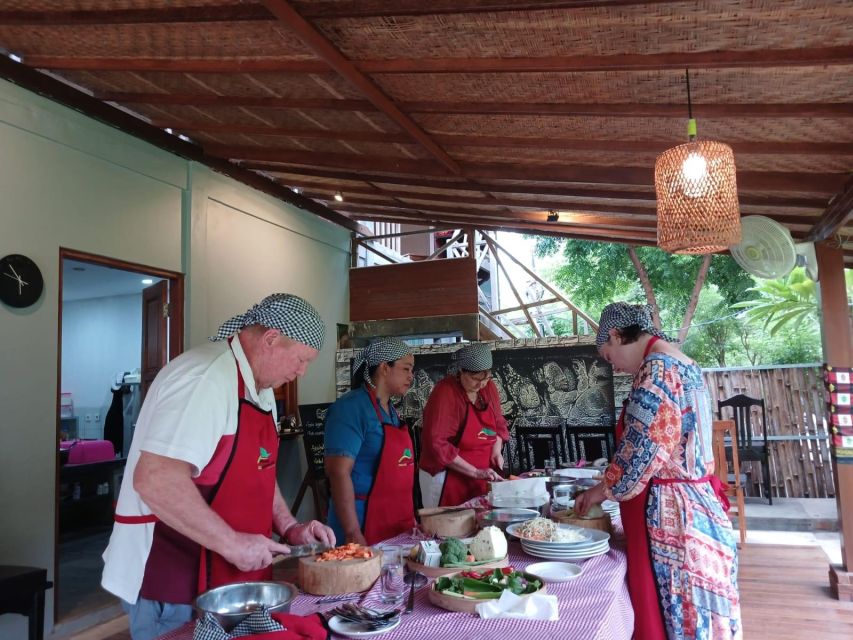
Dessert is Dadar Bali, a traditional Balinese sweet. It gives the class a clear finish and rounds out the menu with something different from the savory spring rolls and curry.
You will prepare the dessert as part of the same hands-on lesson, then bring all three dishes together for the meal. Including dessert is a small but important part of the value. You are not paying for a cooking demonstration followed by a snack. You are preparing a complete lunch or dinner.
The three-course menu is also well chosen for a first introduction to Balinese food. The spring roll gives you a vegetable appetizer, the curry brings the main spice and substance, and Dadar Bali provides a sweet local ending. You get variety without the class becoming too long or complicated.
Sitting down to eat what you cooked
At the end, you eat the food you prepared. This is the part that turns the lesson into a proper outing rather than a simple kitchen workshop.
The meal can also save you the cost of buying lunch or dinner separately. At $24 per person, that improves the value considerably, especially because the price includes ingredients, equipment, mineral water, a local English-speaking chef, and the recipe book.
I like the fact that the final meal gives you a clear reward for taking part. You can taste the choices you made, notice the spices more closely, and ask questions while the dishes are still fresh. It is also a natural time to relax in the garden setting rather than rushing straight back to your hotel.
The food is prepared in a small outdoor kitchen beside the accommodation, so the atmosphere is likely to feel intimate and informal. This is not the right choice if you want a large culinary school with a formal demonstration and a polished show. It is a better fit if you want to cook in a quiet setting with local teachers.
Why the recipe book matters
The printed recipe book is one of the most useful inclusions. Food memories can fade quickly once you leave Bali, especially when you cannot remember how much of each spice went into the dish.
The recipes give you a practical way to try the food again at home. You can use the class as a starting point, then adapt the dishes to the ingredients available in your own kitchen. The recipe book is particularly helpful if you are booking this experience because you want to bring a part of Balinese food culture home with you.
The class also supplies the basic ingredients during the lesson: chicken, vegetables, herbs, and spices. That means you do not need to buy anything extra before arriving. Bring comfortable clothes instead, since cooking in an outdoor kitchen is more enjoyable when you can move easily.
The $24 price and what you receive
At $24 per person, this is a strong-value activity. You receive a two-hour lesson, a three-course meal, cooking ingredients, equipment, mineral water, instruction in English, garden access during the introduction, and a printed recipe book.
The included meal is important when judging the price. You are not paying $24 for a short demonstration and then buying dinner elsewhere. Your own cooking becomes the meal, which helps keep your overall food costs down for the day.
Pickup is another useful benefit. It removes the need to arrange separate transport to the restaurant and accommodation. Since pickup is included, you should be in the lobby or villa 10 minutes early and make sure the pickup details are clear in advance.
The price does not include a long course or a broad menu. You prepare three specified dishes, and much of the chopping is done for you. If you want an advanced lesson focused on knife skills, complex sauces, or several regional menus, this may feel limited. If you want a relaxed introduction with food included, it is a fair deal.
Who will enjoy this Balinese cooking class
I would recommend this class to anyone who wants a hands-on food experience without giving up half a day. Two hours is long enough to cook and eat properly, but short enough to fit around other Bali plans.
It should work well for:
- Couples looking for a shared activity
- Families with older children who enjoy cooking
- First-time visitors who want local food and cultural context
- Home cooks who want recipes to use after returning home
- People who prefer a small, calm setting to a large class
The class is also suitable for beginners. You do not need to arrive with strong cooking skills. The chefs are there to guide you, and the organized preparation keeps the session moving.
Babies under one year old are not suitable for this activity. The available information does not specify other age limits, so families with older children should confirm arrangements before booking.
Timing, cancellation, and practical planning
Choose the 11:00 a.m. start if you want to prepare lunch. Choose the 5:00 p.m. start if you prefer to cook dinner. The class lasts two hours, so allow extra time around the activity for pickup and return.
Wear comfortable clothes. Bring a camera if you want pictures of the garden, cooking area, and finished dishes. Mineral water is included, so you do not need to arrange that separately.
You can cancel up to 24 hours before the activity for a full refund. You can also reserve now and pay later, which is helpful if your Bali schedule is still changing. The activity is offered in English, and the ticket line can be skipped.
Should you book it?
Book this cooking class if you want real participation, a garden setting, and a full meal at the end. The combination of fresh-picked ingredients, local chefs, three dishes, pickup, and a recipe book gives you plenty for $24.
I would be more cautious if your main goal is detailed knife training or a long, advanced culinary course. The ingredients are prepared ahead of time, and the menu is fixed. But for a friendly introduction to Balinese food, Dewi and Melai offer the right mix of guidance, patience, and local context.
The strongest reason to book is the balance. You cook enough to feel involved, learn enough to understand the dishes, and eat enough to count the class as a proper meal. That makes it a practical choice for a free morning or early evening in Bali.
FAQ
How long does the Balinese cooking class last?
The class lasts two hours.
What dishes will I prepare?
You will prepare a vegetable spring roll appetizer, chicken curry as the main course, and Dadar Bali for dessert.
What time does the class begin?
The lunch class begins at 11:00 a.m. The dinner class begins at 5:00 p.m. Availability should be checked when booking.
Is hotel pickup included?
Yes. Pickup is included, and you should wait in your hotel lobby or villa 10 minutes before the scheduled pickup time.
Is the cooking class taught in English?
Yes. The activity is conducted in English by a local chef.
Can I cancel the booking?
Yes. You can cancel up to 24 hours in advance for a full refund. You can also reserve now and pay later.
Just added around Indonesia
- Experience the Art of Cooking Authentic Balinese Cuisine★ 5.0 · 6 reviews
- Cooking Class in Lombok★ 4.8 · 7 reviews
- Balinese cooking class/Go shopping at the market, cook, eat★ 5.0 · 12 reviews
- Ubud: Balinese Cooking Class with Hotel Transfers★ 4.8 · 17 reviews
- Bali: Private Balinese Cooking Class in a Family Home★ 4.8 · 87 reviews
- Ubud: Authentic Traditional Balinese Village Cooking Class★ 5.0 · 17 reviews
- Nia Balinese Cooking Class★ 5.0 · 202 reviews
- Nia Bali Seminyak Cooking Class★ 5.0 · 127 reviews
Balinese & Indonesian Cooking Classes, compared.
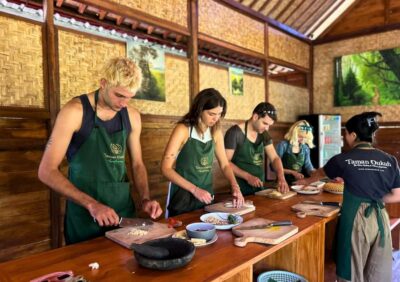
Ubud: Balinese Cooking Class at an Organic Farm
Read our review →
PRIVATE Authentic Balinese Cooking Class in Ubud at Putu’s Home
Read our review →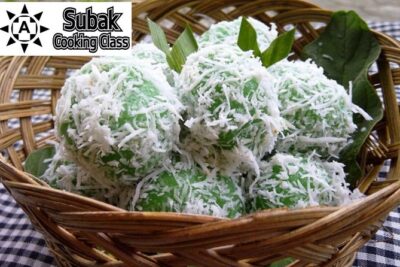
Balinese Ubud cooking school (9 Dish Cooking and Market Tour)
Read our review →


Learn to cook Indonesian food at Gili Cooking Classes Trawangan
Read our review →Browse the lists this tour appears in