
Review · UBUD
Ubud: Cooking Class with Transfers and Optional Market Visit
The most memorable part of this Ubud experience is not simply learning to cook. It is stepping into Balinese food culture through a market visit, a family-run kitchen, traditional techniques, and stories about religion, architecture, and daily life. The morning option adds a useful trip through Ubud’s local market before you start cooking.
I like the hands-on format, where you chop, grind, mix, and cook instead of watching a chef do all the work. I also like the small groups of up to 10, which give you room to ask questions and make sure everyone gets a task.
The main point to consider is timing. The market visit is offered only with the morning class, while the afternoon and evening options go straight to the cooking school. Pickup is available in Ubud Center, but extra charges apply for Sebali or Keliki.
Key points at a glance
- Morning market visit: Walk through Ubud’s food market with a guide and learn about herbs, spices, produce, and Balinese cooking.
- Around 10 dishes: The class can include curry, satay, sambal, soup, tempeh, pancakes, desserts, and other traditional preparations.
- Cultural setting: You may cook in a family home or outdoor kitchen and learn about Balinese offerings, architecture, religion, and family life.
- Small class size: Groups are limited to 10 people, with many sessions operating with fewer participants.
- Good dietary flexibility: Vegetarian alternatives and adjustments for some allergies and food restrictions are available when arranged with the class.
- Strong value: At $21 per person, you receive the class, meal, guide, and selected transfer services, with a certificate and sometimes a recipe booklet to take home.
Start with the market, if you choose the morning class
The morning option begins with hotel pickup in Ubud Center, followed by a visit to a local market. This is more than a quick stop for photographs. You walk among stalls selling vegetables, fruit, herbs, spices, tempeh, and other ingredients used in Balinese kitchens.
A guide explains what you are seeing and how the ingredients fit into local cooking. You might learn why certain spices are ground together, how local produce is selected, or which ingredients appear in everyday meals and religious offerings. This context makes the cooking lesson easier to follow later.
I consider the market visit one of the strongest reasons to choose the morning departure. You see ingredients in their original setting before they arrive premeasured at the cooking school. That small connection matters. A pile of fresh chilies or a bundle of herbs makes more sense when you later crush, chop, and cook it yourself.
The market is also a working local market, not a polished food hall. Expect activity, strong smells, unfamiliar produce, and the need to stay close to your guide. If you prefer a quiet start to the day, this part may feel busy. If you want a better feel for ordinary food shopping in Ubud, it adds real value.
The market visit is not included with the afternoon or evening option. Those sessions go directly to the cooking location, so check the departure time carefully when booking.
More Market Tour Cooking Classes in Indonesia
- Balinese Ubud cooking school (9 Dish Cooking and Market Tour)
★ 5.0 · 540 reviews - Ubud: Balinese Cooking Class and Market Tour
★ 4.8 · 531 reviews - Balinese Cooking class with traditional morning market visit
★ 5.0 · 161 reviews
A cooking class built around participation
At the cooking school, local chefs welcome you with a drink or fruit in some sessions before explaining the plan. Instructors named in the class feedback include Eri, Made, and Madi, although the person leading your class can vary.
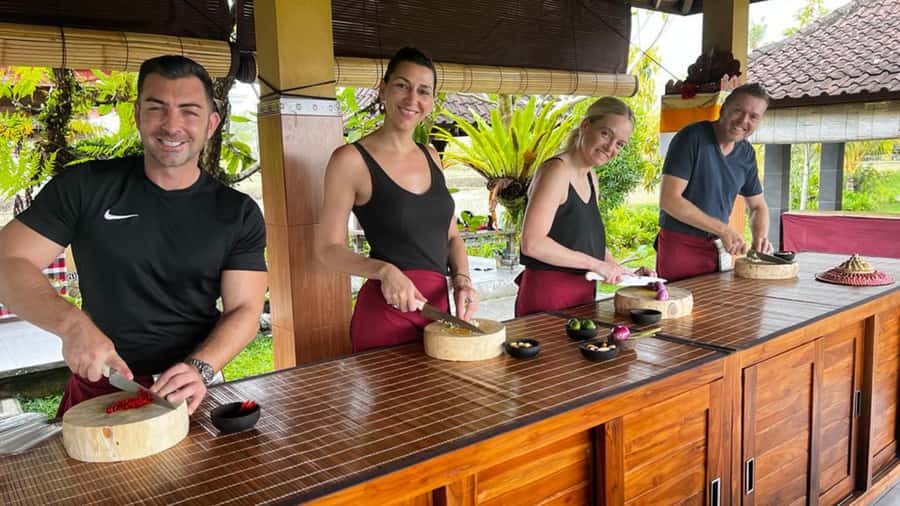
The teaching style is practical and patient. You learn by doing, with the group sharing preparation tasks. One person may chop vegetables while another grinds spices, mixes ingredients, prepares satay, or works on a dessert. The teacher explains each stage so you can understand the full recipe, even when several people are working at once.
That team approach works well for couples, families, and solo participants. You are not left standing at the edge of the kitchen while someone else cooks. Teenage children have also taken part successfully, and the group format gives everyone a job without turning the class into a race.
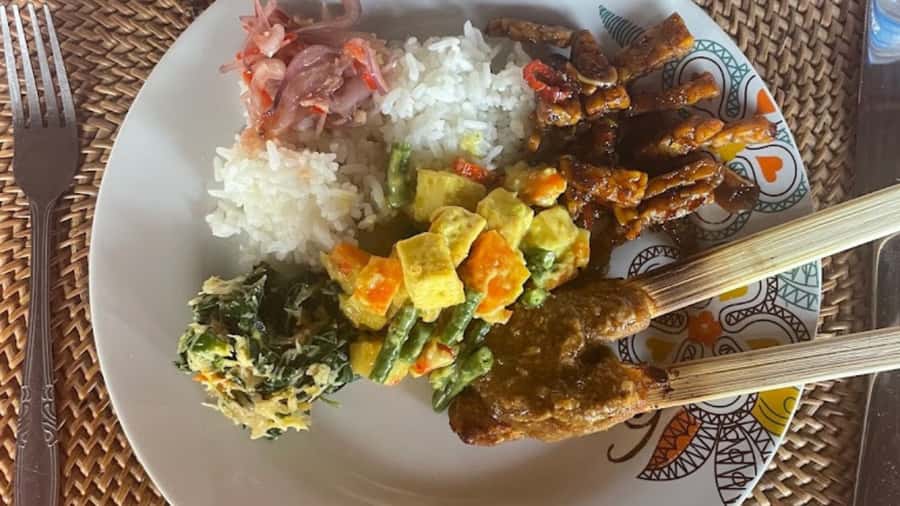
You should expect a fairly full menu rather than one recipe. Several sessions have prepared about 10 dishes, with examples including Balinese curry, satay, sambal, soup, sweet tempeh, pancakes, rice-based dishes, and desserts. The precise menu can vary, but the aim is to show how several parts of a Balinese meal fit together.
Do not expect a restaurant-style cooking demonstration with every ingredient handled individually for you. The class is collaborative. You may not personally prepare every dish from start to finish, but each step is explained and you take part in the group’s work.
Why the spice preparation matters
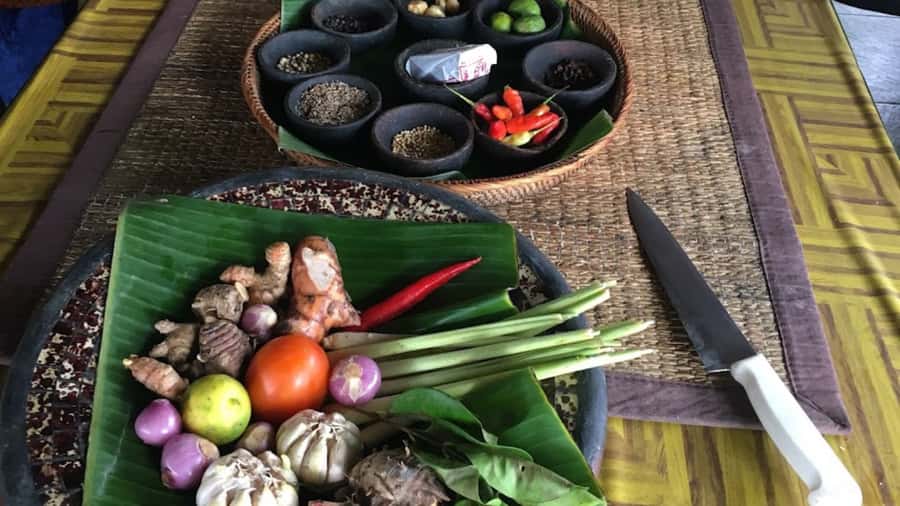
Balinese cooking depends on the balance of spice, heat, salt, sweetness, and texture. The class gives you a chance to see that balance being made rather than simply tasting the finished plate.
Grinding and mixing spices is especially useful. You can watch raw ingredients become a paste or seasoning base, then see how that mixture changes when cooked. The process also explains why Balinese food can taste layered rather than simply hot.
The class also covers basic kitchen techniques, such as chopping vegetables correctly, preparing satay, and handling ingredients for curries and soup. You do not need previous cooking experience. Instructions are given step by step, and the teachers are used to helping beginners.
I would bring a willingness to work with your hands and try unfamiliar flavors. This is not the place to sit back and wait for lunch. The more actively you take part, the more useful the class becomes when you try the recipes at home.
Cooking inside Balinese family life
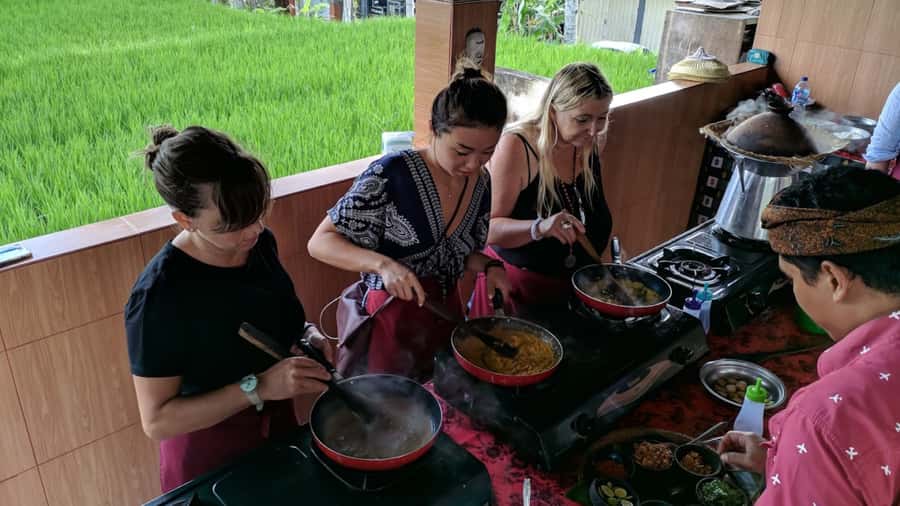
A major strength of this experience is the setting. Depending on the session, you may cook at a family compound or in an outdoor kitchen surrounded by tropical greenery and, in some cases, views toward rice fields.
The setting gives the lesson a wider purpose. Instructors explain aspects of Balinese family life, Hindu traditions, home architecture, and religious offerings. Some sessions include making a canang, a small offering arrangement, and explaining its cultural meaning.
This is valuable because Balinese food is closely tied to daily life and ceremony. You are not only learning what goes into a curry or satay. You are also learning why food preparation matters within the home and community.
The setting is less formal than a modern culinary studio. That can be part of its charm, especially if you want to meet local people and see a domestic compound. It also means the experience may feel more like a working family kitchen than a professional cooking school. Come for the local setting, not for a sleek, highly polished classroom.
Some sessions may include friendly household dogs or other signs of ordinary family life. If you prefer a controlled commercial environment, this style may not suit you. If you want a closer look at how the cooking connects with Balinese culture, it is a strong feature.
More Market Tour Cooking Classes in Ubud
- Jambangan bali cooking class with morning market tour
★ 5.0 · 35 reviews - Balinese cooking class/Go shopping at the market, cook, eat
★ 5.0 · 12 reviews
The meal is the reward at the end
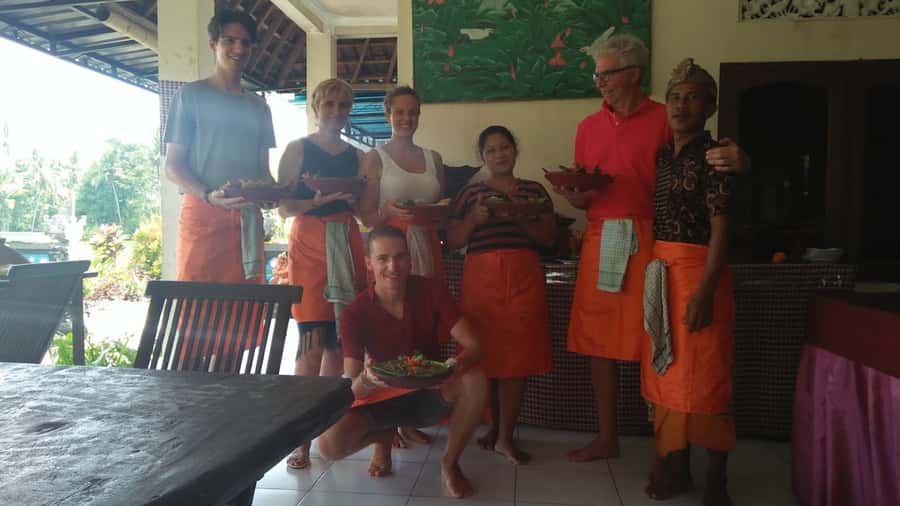
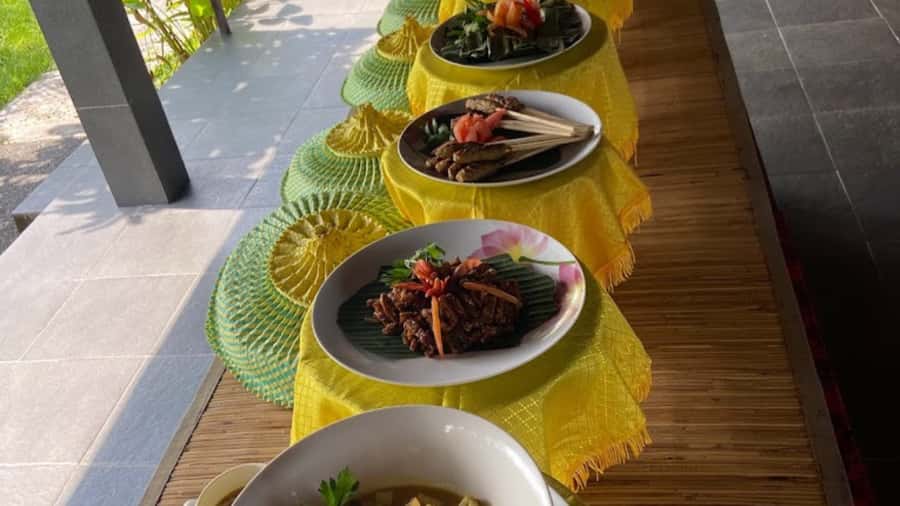
Once the cooking is finished, you sit down with the group and eat what you have prepared. The meal is generally served in a shared or buffet-style format, giving you a chance to try the full range of dishes.
This final meal is not an extra tasting added on as an afterthought. It is the point of the class. You can compare the flavors, see how the dishes work together, and ask last-minute questions while the techniques are still fresh.
The menu can be substantial. Some sessions produce enough food for a generous meal, including several savory dishes and a sweet course. Pancakes have been a favorite with children, while sweet tempeh, soup, satay, and sambal are useful dishes to remember if you plan to recreate Balinese food at home.
You also share the table with other participants. That makes the experience social without requiring a separate group activity. You cook together, eat together, and often compare how food is prepared in your own countries.
The class lasts about two to three hours. That is long enough for a real lesson and meal, but short enough to fit comfortably into a day of sightseeing. Evening sessions can work particularly well after a day around Ubud, though the market experience is reserved for the morning option.
Dietary needs and family suitability
Vegetarian alternatives are available, and the class has accommodated participants who do not eat fish. Adjustments have also been made for certain allergies and intolerances, including the use of rice flour for pancakes.
You should still tell the operator about your requirements before the class. The information provided supports some dietary changes, but it does not promise every possible substitute or guarantee a separate preparation area.
Families can make good use of this activity. Children and teenagers have taken part, and the shared work gives younger participants something concrete to do. The cooking tasks also offer a better introduction to Balinese food than simply ordering dishes from a menu.
Solo visitors should find the small-group setup comfortable. The class naturally creates conversation, and you can meet people without having to force a social situation. Couples will also find enough activity to keep the session engaging.
What the $21 price really covers
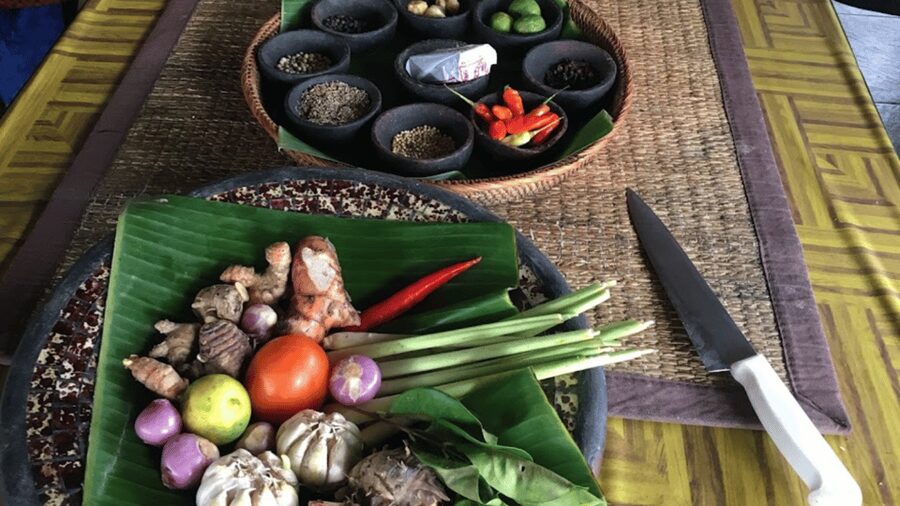
At $21 per person, this is unusually good value if you use the included meal and take part fully. The price covers the cooking class, guide, and meal. Hotel pickup and drop-off in Ubud Center are included when you select an option that provides them, and the morning class includes the market visit.
You are paying for more than a recipe lesson. The price also covers the local setting, food preparation, cultural explanation, and time spent eating with the group. If the class produces around 10 dishes, the amount of food and instruction compares well with many short cooking activities.
There are a few costs and limits to keep in mind. Personal expenses are not included. Pickup has an extra charge of 50,000 Indonesian rupiah per person for the Sebali or Keliki area. If you arrange your own transport, the cooking location has been easy to reach by scooter for some participants, with parking available.
For evening arrivals, the meeting point is a parking field because traffic can be heavy at night. If you are not using hotel pickup, allow extra time and confirm the exact meeting instructions before setting out.
The activity has free cancellation up to 24 hours before the start time, and you can reserve now and pay later. These policies help if your Ubud plans are still shifting, though you should still check the selected time and pickup area at booking.
What you take home besides a full stomach
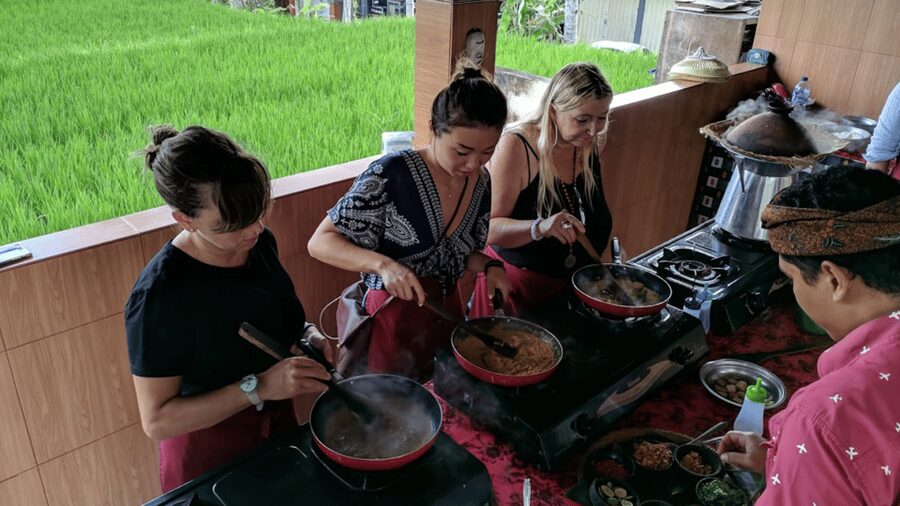
The most obvious souvenir is the food knowledge. You learn enough about the ingredients and methods to make another attempt at home, especially if you pay attention during the spice preparation.
Some sessions also provide a small recipe booklet and a certificate of completion. The booklet is particularly useful because a cooking class moves quickly, and it is hard to remember every quantity or sequence by the next morning.
The cultural details may stay with you just as strongly as the recipes. Learning about offerings, rice growing, family compounds, and local architecture gives the food a clearer setting. A cooking class that includes these subjects feels more connected to Bali than one that only teaches a menu.
I would not book this mainly for the certificate. Treat that as a pleasant extra. The real value comes from the meal, the shared work, and the chance to ask a local teacher how the dishes fit into Balinese life.
The main drawbacks to consider
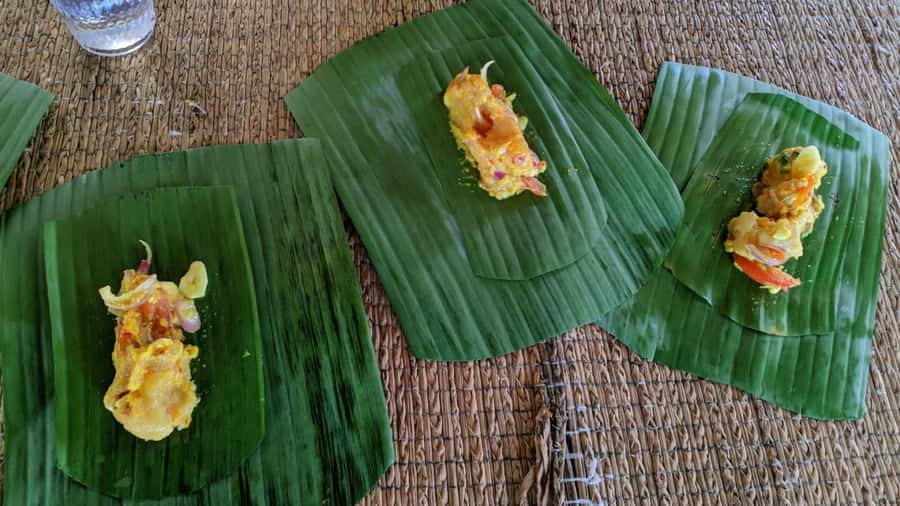
The class is not a private lesson. Even with a limit of 10 participants, you share tasks and equipment. If you want individual instruction for every dish, a private class would likely suit you better, but this experience is designed around group participation.
The morning market visit also adds time and movement. That is a benefit for many people, but it may not suit you if you want a quick cooking session or have a late night before. Afternoon and evening options offer a simpler route to the kitchen.
The exact teacher and menu can vary. Names such as Eri, Made, and Madi appear in the class experience, and the teaching quality is described as calm, clear, and patient, but you should not assume one specific instructor will lead every departure.
Finally, the class is rooted in local life rather than a staged luxury setting. Outdoor cooking, family compounds, shared preparation, and household surroundings are part of the appeal. They may also mean less uniformity than you would find in a formal culinary school.
Who should book this Ubud cooking class
I would recommend this experience to you if food is one of your main ways of understanding a place. It suits first-time cooks, families with older children, couples, solo participants, and anyone who wants a social evening with a practical result.
Choose the morning departure if you want the fullest experience. The market visit gives you a clearer link between ingredients and finished dishes. Choose afternoon or evening if you mainly want to cook, eat, and fit the activity around other Ubud plans.
At $21, the class is easy to justify for most budgets. Book it if you want active participation, a generous meal, local cultural context, and a relaxed group setting. Skip it if you dislike shared kitchens, need a private lesson, or prefer a polished demonstration where you do not have to handle the preparation.
FAQ
How long does the Ubud cooking class last?
The experience lasts about two to three hours, including the cooking session and meal.
Is the Ubud market visit included?
The market visit is included with the morning option only. Afternoon and evening classes go directly to the cooking school.
Are hotel transfers included?
Hotel pickup and drop-off in Ubud Center are included when you select an option that offers transfers. You should wait in your hotel lobby for pickup.
Is there an extra charge for Sebali or Keliki pickup?
Yes. Pickup from the Sebali or Keliki area costs an additional 50,000 Indonesian rupiah per person.
How many people are in each class?
The class is limited to 10 participants. Some sessions operate with smaller groups.
Is the class taught in English?
Yes. The live guide and audio guide are listed as English-language services.
Can the class accommodate vegetarians or food allergies?
Vegetarian alternatives are available, and the class has accommodated some allergies, intolerances, and restrictions such as avoiding fish. Tell the operator about your needs before attending.
What is included in the $21 price?
The price includes the cooking class, guide, and meal. The morning option includes the market tour, and selected options include pickup and drop-off in Ubud Center. Personal expenses are not included.
More Hands-On Workshops in Ubud
- Ubud Cooking Class Bali with Balinese Chef
★ 5.0 · 1,609 reviews - PRIVATE Authentic Balinese Cooking Class in Ubud at Putu’s Home
★ 5.0 · 644 reviews - Balinese Farm Cooking Class by Pemulan Bali
★ 5.0 · 410 reviews - Balinese Authentic Cooking Class in Ubud
★ 5.0 · 239 reviews
More Shopping Trips in Ubud
- Hanoi Cooking Class: Culture, Local Market & Meaning CSR Impact
★ 5.0 · 5,147 reviews - 5 Traditional Dishes Hanoi Cooking Class with Market Trip
★ 5.0 · 4,890 reviews - Cooking Class and Lunch at a Tuscan Farmhouse with Local Market Tour from Florence
★ 5.0 · 4,831 reviews - Chiang Mai: Cooking Class, Market & Thai Herbs Garden Tour
★ 4.9 · 4,824 reviews
Just added around Ubud
- The Authentic Balinese Cooking Experience★ 5.0 · 4 reviews
- Ubud: Organic Farm Harvest, Bali Cooking Class by Pemulan★ 4.8 · 12 reviews
- packages cooking class and romantic dinner in a local home★ 5.0 · 4 reviews
- Jambangan bali cooking class with morning market tour★ 5.0 · 35 reviews
- Balinese cooking class/Go shopping at the market, cook, eat★ 5.0 · 12 reviews
- Ubud: Balinese Cooking Class with Hotel Transfers★ 4.8 · 17 reviews
- Balinese Cooking class with traditional morning market visit★ 5.0 · 161 reviews
- Balinese Cooking Class at Organic Farm★ 5.0 · 51 reviews
Cooking Classes with a Market Tour, compared.
Hanoi Cooking Class: Culture, Local Market & Meaning CSR Impact
Read our review →
5 Traditional Dishes Hanoi Cooking Class with Market Trip
Read our review →
Cooking Class and Lunch at a Tuscan Farmhouse with Local Market Tour from Florence
Read our review →
Chiang Mai: Cooking Class, Market & Thai Herbs Garden Tour
Read our review →
Chiang Mai: Authentic Cooking Class with Market & Farm Visit
Read our review →
Barcelona: Paella Cooking Experience & Boqueria Market Tour
Read our review →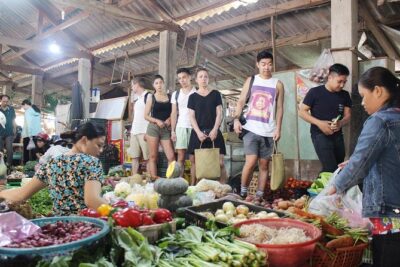
Cooking Class Hoi An:Local Market, Basket Boat, Fishing & Cooking
Read our review →
Hoi An Cooking Class(Market,BasketBoat Crabfishing&Cooking Class)
Read our review →Browse the lists this tour appears in