
Review · MUMBAI
Vegetarian Indian Cuisine Virtual Cooking Class Experience from Mumbai
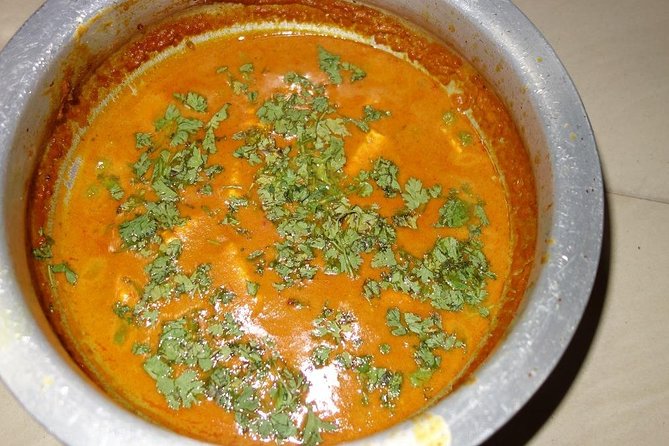
Mumbai arrives on your screen as a family kitchen, not a polished cooking studio. Kajal teaches vegetarian Indian cooking from her home, while Shailesh handles the camera, giving you a live look at the food, family, and everyday setting behind dishes such as matar paneer.
I like the advance ingredient guidance and the small maximum group of six, since both help you cook rather than simply watch. I also like that you can ask questions in real time and tell the chef if an ingredient is hard to find. The main consideration is that the video is home-produced, not professional television-quality footage.
Key points to know
- Kajal teaches family recipes: She learned these dishes from her mother and older sister in a traditional Indian family.
- Shailesh operates the camera: The session comes from the family’s home in Mumbai, including a look at their culture and daily setting.
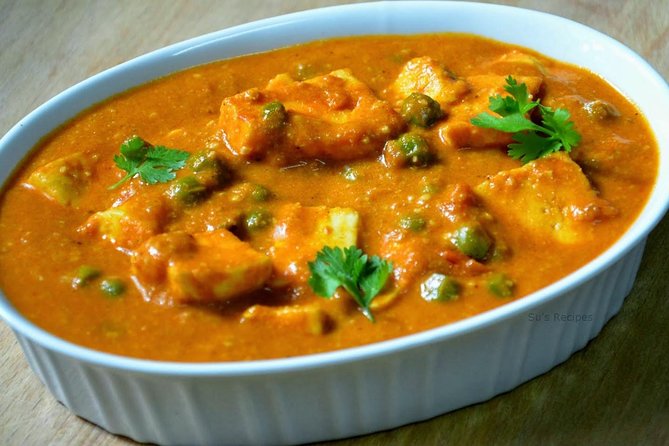
- Matar paneer is the featured favorite: The cottage cheese and pea gravy is one of India’s best-known vegetarian dishes.
- You cook in real time: Skype lets you ask questions while you work through the recipe.
- Ingredient help arrives before class: You receive recipes and an ingredient list, with a chance to report anything you cannot find.
- The group stays small: No more than six people can join, and the session lasts about 90 minutes.
A Mumbai kitchen instead of a cooking school
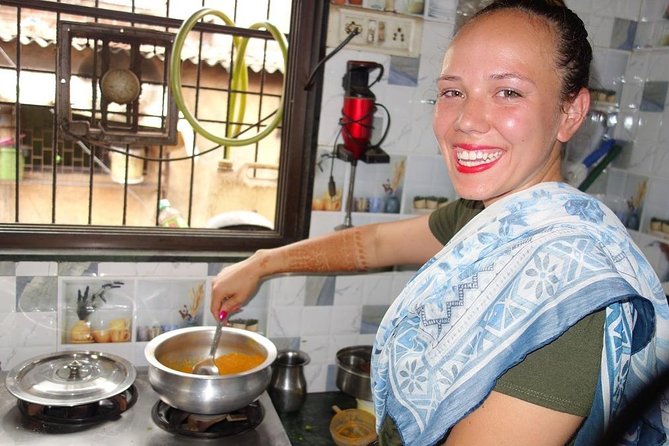
The appeal here is personal contact. You are not watching a recorded lesson or sitting in a large online class with a chat window full of unanswered questions. Kajal teaches live from her own home in Mumbai, and Shailesh holds the camera so you can follow along.
That setting matters. You get food instruction, but you also get a glimpse of the family behind the recipes. The class comes from a small home in Mumbai’s largest slum, and the experience includes conversation about the family, home, culture, and food. I would choose this class for that human scale, not for studio lighting or restaurant-style presentation.
Kajal began food tours in 2017 and comes from a traditional Indian family. She learned her cooking from her mother and older sister, which gives the lesson a clear family connection. Her favorite dish is matar paneer, a cottage cheese and pea gravy that is also one of India’s most popular vegetarian dishes.
You should expect the food to be the center of the session, but not the only subject. Stories around the dish are part of the experience. If you want a tightly edited cooking video with every angle carefully framed, this will feel basic. If you prefer to meet a local cook and ask questions as the dish takes shape, the home setting is a real advantage.
More Vegan Cooking Classes in India
- Private Vegetarian Indian Cooking Class in Mumbai
★ 5.0 · 17 reviews - Private Market Tour and Vegetarian Cooking Class in Mumbai
★ 4.5 · 15 reviews - Private Market Tour and Vegan Indian Cooking Demo in Andheri West Mumbai
★ 5.0 · 5 reviews
What the 90-minute class feels like
The full session runs about one hour and 30 minutes. That is enough time for a hands-on lesson without turning the activity into an all-day commitment, though your own preparation will affect how relaxed the class feels.
Before the start, you receive an ingredient list and online recipes. One useful detail is that you can tell Kajal if you cannot find something in your local shops. She can then offer guidance about the missing ingredient. I would read the list carefully and shop before the class begins, since the session is designed for you to cook along rather than watch passively.
Once the Skype call starts, Kajal leads you through the food-making process. The wording for the experience promises hands-on participation at every step, so you should have your ingredients, equipment, and cooking space ready before connecting. The live format lets you stop and ask about a step as it happens.
The small group limit helps here. With a maximum of six people, you have a better chance of getting direct attention than in a large online demonstration. The class is still shared, so you should not expect a private chef consultation, but the group size is modest enough to support questions and corrections.
The class focuses on vegetarian Indian cooking, with matar paneer as the named example. Matar means peas, paneer is Indian cottage cheese, and the dish is prepared as a gravy. The available information does not promise a fixed number of dishes, so I would book this expecting a focused lesson around popular vegetarian food rather than a broad menu.
The value of cooking with Kajal
The strongest part of the experience is Kajal’s personal route into the food. She did not learn these recipes in a formal culinary program. Her mother and older sister taught her, and that family chain gives the class a useful sense of how home cooking is passed along.
I like this approach because traditional dishes often depend on small habits and judgments that are hard to pick up from a printed recipe. A live cook can explain what you are doing while you do it. You can ask about an ingredient, clarify a step, or check whether your result looks right.
The online recipes still matter. They give you something to follow during the call and something to keep after it ends. The ingredient list also makes the class easier to plan, especially if Indian pantry items are not familiar to you.
You should tell the chef about allergies before cooking. This is particularly important in a class where you are buying and preparing the ingredients yourself. The supplied information does not promise substitutions for every allergy, so raise the issue early and ask what changes are suitable.
Why the family setting adds value
A cooking class can teach a recipe without telling you much about the people who eat it. This one makes family and culture part of the meeting. You connect with Kajal and Shailesh from their home in Mumbai, hear about their food, and get a sense of the setting in which the recipes are cooked.
That does not make the class a substitute for visiting Mumbai. It is a window into one family’s home rather than a full tour of the city. Still, it gives the meal a stronger local connection than a generic online lesson presented from an anonymous studio.
The home environment also comes with limits. The hosts are clear that the video quality will not be professional. Shailesh handles the camera, and the picture may be practical rather than polished. You might not get multiple camera angles, close-up shots of every texture, or the smooth editing of a commercial cooking course.
For me, that tradeoff is easy to understand. Better production would make the demonstration easier to watch, but it could also remove some of the direct connection. You are joining a small home kitchen in Mumbai, not buying a television program.
More Indian Cooking Classes in Mumbai:
- Mumbai: Indian Cooking Class & Cultural Delights
★ 5.0 · 38 reviews - Indian Curry 5-Hour Cooking Classes In Mumbai
★ 5.0 · 22 reviews - Authentic Indian Cooking Class in Mumbai in a Local Home
★ 5.0 · 7 reviews - Indian Cooking Class in an Authentic Local Home – Learn 6 Dishes
★ 5.0 · 195 reviews
Ingredient planning before you connect
Preparation is the key to enjoying this class. The ingredient information arrives after booking, and you can contact the chef if something is unavailable where you live. Use that opportunity rather than waiting until the call begins.
I would set aside time to shop, measure what you can, and place the ingredients where you can reach them. Since the class is live, a missing item could interrupt your cooking and make it harder to follow the next step. The provided recipes should help you organize, but the quality of your preparation will still shape the experience.
You should also check your internet connection before the session. A virtual class depends on a stable link, and the operator’s camera must send you a clear enough picture to follow along. If your connection is unreliable, the live format loses much of its value.
The activity uses Skype. Make sure you can access the platform and are ready at the scheduled time. Available times are given in Indian Standard Time, so check the time difference carefully before booking. This is a small detail, but it is the sort of detail that can turn a good plan into a missed class.
Price and the value of personal attention
At $20 per person, the class is priced as an accessible online cultural activity. You are paying for about 90 minutes of live instruction, recipe and ingredient support, and direct contact with a Mumbai home chef. You are not paying for restaurant food, a physical kitchen, or transport around the city.
The value improves if you actually cook along. If you only watch, you receive a cultural conversation and demonstration, but you miss the practical benefit of learning the method with your own ingredients. I would treat the class as a low-cost cooking workshop and a chance to meet a local family, not as a digital meal delivery service.
The maximum of six participants is another reason the price makes sense. A cheaper, larger session might offer less opportunity to ask questions. Here, the group remains small enough for Kajal to give attention during the cooking process, though it is not advertised as a private class.
A physical pickup option is shown among the features, but this is a virtual experience. I would confirm exactly what that feature means before relying on it, since you are joining from home rather than being collected in Mumbai.
Who will enjoy this class most
I would recommend this to home cooks who want to make vegetarian Indian food and prefer learning by doing. It also suits people interested in Mumbai culture who cannot visit in person, families cooking together at home, and anyone who enjoys meeting a local host through food.
It is a good choice if you like asking questions. The live Skype format gives you a chance to speak with Kajal as you work, and the small group size supports that personal exchange.
It may suit you less if you want advanced culinary technique, a formal certificate, or a highly polished production. This is not presented as a professional cooking class. It is a chance to cook with a local home chef, hear the stories around the food, and learn recipes connected to her family.
You should also think about your schedule. The class takes place at a set time in IST, not whenever you happen to open a video. The roughly 90-minute length is manageable, but you need to reserve that block and be ready with your ingredients.
How to get the most from the live format
I would join a few minutes early, keep the ingredient list open, and place the recipe where you can read it without leaving the cooking area. The more prepared you are, the more time you can spend asking useful questions rather than searching for supplies.
Do not wait until the end to mention a problem. If you cannot find an ingredient, have an allergy, or do not understand a step, tell Kajal during the session. The value of a live class is the chance to solve those issues while the dish is still being made.
Keep your expectations realistic about the camera. You may need to look closely at your own pan and listen carefully to the instructions. The home-produced video is a stated part of the experience, so patience helps.
I would also leave a little time after the session to write down any personal notes. The online recipe gives you a useful base, but your own comments about texture, timing, or substitutions may help when you make the dish again.
Booking and cancellation details
The experience is commonly booked about seven days ahead, so planning early is sensible, especially if you need to coordinate a time across time zones. Confirmation is sent when you book.
Free cancellation is available if you cancel at least 24 hours before the start time. A cancellation made within 24 hours is not refunded, and changes inside that window are not accepted. The cut-off follows the local time of the experience, which is Indian Standard Time.
Should you book this Mumbai cooking class?
Book it if you want a personal, affordable introduction to vegetarian Indian food and like the idea of learning from a Mumbai family rather than a studio instructor. Kajal’s family-based cooking background, Shailesh’s camera work, the small group size, and the chance to ask questions while cooking give the class a clear purpose.
Skip it if you need professional video, formal culinary training, or a guaranteed multi-dish menu. The best reason to book is the combination of food and human connection: you prepare a popular dish such as matar paneer while meeting a local home chef and hearing the story around it.
FAQ
Where does the virtual cooking class take place?
The class is broadcast from Kajal and Shailesh’s home in Mumbai, India.
How long does the class last?
The session lasts approximately one hour and 30 minutes.
How does the online class work?
You join a live session on Skype and cook along with the instructor. The real-time format lets you ask questions as you prepare the food.
Who teaches the class?
Kajal is the chef and teaches recipes she learned from her mother and older sister. Shailesh holds the camera during the session.
What dish will I learn to make?
Matar paneer is specifically highlighted. It is a vegetarian dish made with cottage cheese, peas, and gravy. The available information does not guarantee a fixed number of additional dishes.
Will I receive recipes and an ingredient list?
Yes. Online recipes and an ingredient list are provided before the class so you can prepare at home.
What if I cannot find one of the ingredients?
Tell the chef if an ingredient is unavailable where you live. The pre-class guidance allows you to raise that issue and receive further help.
What time zone are the classes scheduled in?
Available times are listed in Indian Standard Time, or IST. Check the time difference before selecting a session.
How many people can join?
The class has a maximum of six participants.
What is the cancellation policy?
You can receive a full refund if you cancel at least 24 hours before the scheduled start time. Cancellations and changes made within 24 hours are not accepted for a refund.
More Hands-On Workshops in Mumbai
- Private Cooking Class in Mumbai
★ 5.0 · 15 reviews - Small Group Authentic Mumbai Virtual Cooking Class with Dessert
★ 5.0 · 15 reviews - Mumbai Market Tour & Maharashtrian Cooking Class with Chef Reshma
★ 4.5 · 10 reviews - Private Half-Day Mumbai Cooking Class
★ 5.0 · 7 reviews
More Vegan Cooking Classes in Mumbai
- Oaxacan Vegetarian Cooking Class
★ 5.0 · 235 reviews - Marrakech: Moroccan Cooking Class for vegetarians and vegan
★ 4.9 · 156 reviews - Hoi An: Vegetarian Cooking Class w Local Family and transfer
★ 4.9 · 145 reviews - Oaxaca: Vegetarian Cooking Class
★ 4.8 · 139 reviews
Just added around Mumbai
- Private Half-Day Mumbai Cooking Class★ 5.0 · 7 reviews
- Private Market Tour and Vegetarian Cooking Class in Mumbai★ 4.5 · 15 reviews
- Private Maharashtrian Cooking Class in Mumbai with a Local Family★ 5.0 · 3 reviews
- Private Market Tour and Vegan Indian Cooking Demo in Andheri West Mumbai★ 5.0 · 5 reviews
- LIVE cooking experience from India★ 5.0 · 11 reviews
- Mumbai Market Tour & Maharashtrian Cooking Class with Chef Reshma★ 4.5 · 10 reviews
- Authentic Indian Cooking Class in Mumbai in a Local Home★ 5.0 · 7 reviews
- Private Cooking Class in Mumbai★ 5.0 · 15 reviews
Indian Cooking Classes, compared.
Indian Cooking Class in an Authentic Local Home – Learn 6 Dishes
Read our review →
Authentic Indian Cooking Classes at Palolem Beach Road Goa
Read our review →
Indian Traditional Hands On Cooking Classes with local Family
Read our review →
Traditional Indian Cooking Class in Goa, Anjuna [vegetarian]
Read our review →
Mumbai: Indian Cooking Class & Cultural Delights
Read our review →
Indian Cooking Class with Local Family in Jaipur
Read our review →Browse the lists this tour appears in