
Review · SRI LANKA
Cooking Classes in Sri Lanka
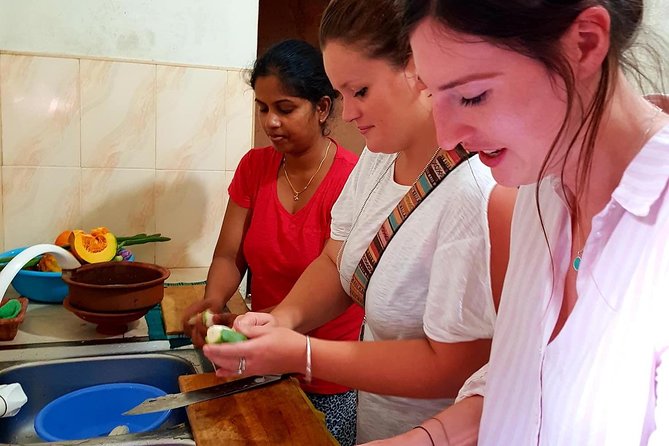
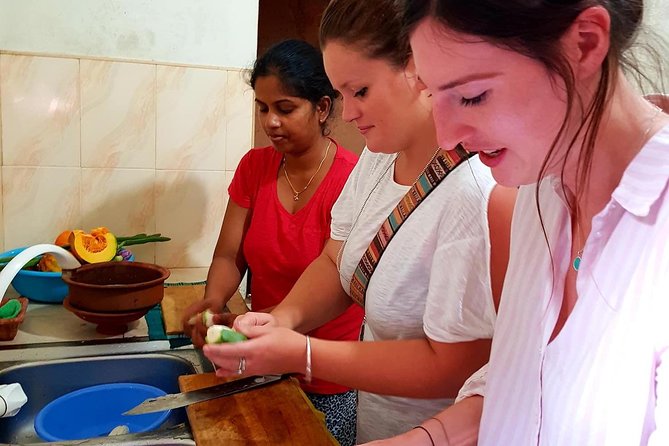
The most appealing part of this Negombo class is its setting: you cook in a local family home, not a restaurant kitchen built for tourists. You learn by watching, chopping, tasting, and asking questions, then sit down to eat what you made. That makes the meal feel useful, not just entertaining.
I like the hands-on format, especially making fresh coconut milk and learning how spices and herbs shape Sri Lankan food. I also like the private setup, which gives your group room to choose vegetables and work at its own pace. The main consideration is that the class is held in Andiambalama, Katunayake, rather than central Negombo, so check the meeting point carefully before booking.
Key points to know
- Cook in a family home: The class takes place in an authentic household setting in Andiambalama, Katunayake.
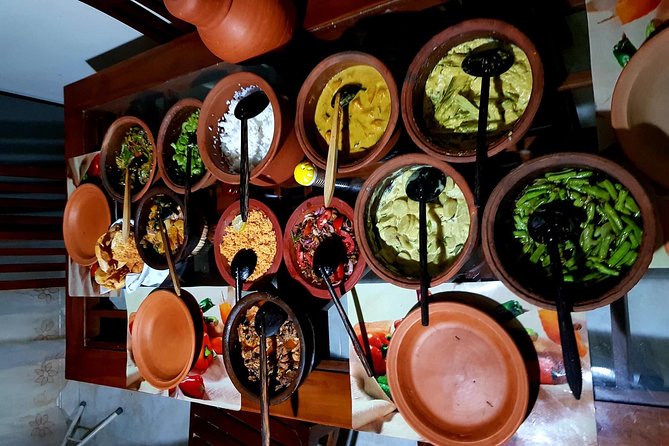
- Make more than one curry: You prepare coconut milk, rice, vegetable curry, and other Sri Lankan dishes.
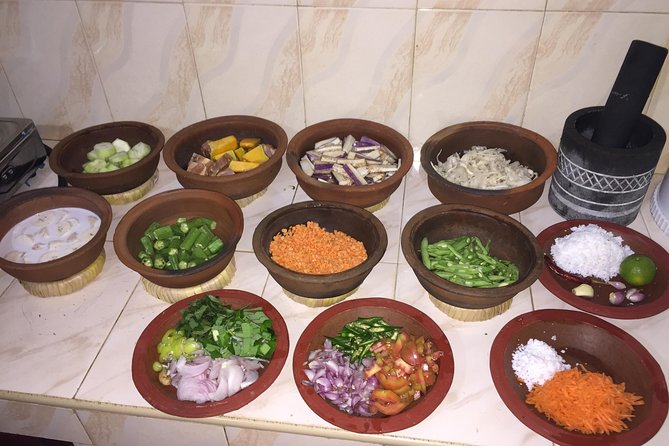
- Handle the ingredients yourself: You choose vegetables, cut and chop them, and learn how the cooking works.
- Start with tea or coffee: The welcome drink gives the class a relaxed beginning.
- Finish with dinner and dessert: You eat the food prepared during the lesson around the host’s table.
- Add a market visit: An optional upgrade lets you choose produce and learn about local spices and herbs before cooking.
What makes this Negombo cooking class different
Sri Lankan food can look simple on a plate, but its character comes from small decisions: how coconut is processed, when spices are added, how vegetables are cut, and how long each curry cooks. This class focuses on those practical steps rather than handing you a printed recipe and sending you home.
That matters because recipes rarely explain what the cook is looking for. You need to see the texture of coconut milk, the size of a vegetable piece, or the point at which a curry is ready. Here, you can watch the process and ask questions while the food is being made.
The class is private, so only your group participates. That is a real advantage for a cooking lesson. You can ask for clarification, take your time with chopping, and focus on the foods you actually want to eat. The class is suited to people who eat meat and to vegetarians, with the listed cooking centered on vegetables, coconut, rice, and curry.
The setting also gives the meal a personal quality. You are not simply watching a chef perform. You are welcomed into a home, introduced to everyday cooking methods, and invited to eat at the family table.
More Hands-On Workshops in Sri Lanka:
- Ella: Traditional Sri Lankan Cooking Class
★ 4.9 · 788 reviews - Organic cooking class sigiriya (kumara & family)
★ 5.0 · 650 reviews - Sri Lanka Cooking Class with Granny
★ 5.0 · 587 reviews
Arriving in Andiambalama, Katunayake
The meeting point is listed as Negombo Cooking Class, Andiambalama Katunayake, Negombo 11450. The activity finishes back at this same meeting point.
This location is worth checking before you set off. Negombo is a spread-out area, and Andiambalama and Katunayake are specific places rather than a vague city-center meeting spot. Your booking confirmation should provide the details you need, and the activity is near public transportation, but allow yourself enough time to reach the address.
The class lasts about three hours. That is long enough for a proper cooking session and a sit-down meal, but short enough to fit into a day around Negombo. I would avoid scheduling it too close to a flight, train, or other fixed appointment. Cooking times can be relaxed, and you will want a little breathing room at the end.
This is a mobile-ticket activity, so you do not need to arrange a paper voucher. Confirmation is provided when you book. The class is also commonly booked well ahead, with an average booking time of 36 days in advance. That does not mean last-minute bookings are impossible, but it is sensible to reserve early if your dates are fixed.
Tea, coffee, and a gentle start
The class begins with tea or coffee as a welcome drink. This sounds like a small detail, but it sets the tone. You have a chance to settle in, meet your host, and get comfortable before handling ingredients.
A welcome drink is also a natural introduction to the household. The class is not designed as a rushed sequence of cooking stations. It begins with hospitality, then moves into the kitchen. That gradual start suits people who want conversation and context along with the food.
The tone is especially useful if you have never cooked Sri Lankan food before. You are not expected to know the difference between the spices or understand how coconut is used. The lesson begins at a straightforward level, then builds as you work.
Learning how Sri Lanka uses coconut
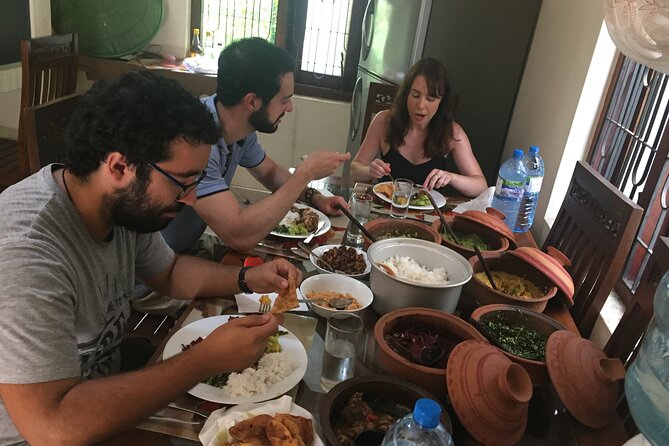
One of the most useful parts of the class is the lesson on making coconut milk. Coconut is not just a garnish in Sri Lankan cooking. It can add body, softness, and a mild sweetness to a curry, while fresh coconut also appears in dishes such as sambal.
Learning to make coconut milk gives you a better sense of the food than simply pouring it from a carton. You see how a basic ingredient becomes part of the curry itself. That is the sort of skill you can remember at home, even if you do not recreate every dish exactly.
The class also includes fresh coconut sambal, according to the supplied description of a recent session. Sambal adds a different texture and sharper flavor to the meal, and preparing it alongside dhal gives you a useful contrast between side dishes and curry.
The exact dishes can depend on the vegetables selected and the cooking plan for your group. That flexibility is a strength if you like choosing your meal, though it means you should not expect a fixed menu with every class.
A few more cooking classes around Sri Lanka worth a look
- Kandy Village Cooking Class
★ 5.0 · 536 reviews - Sea waves sri lankan cooking class
★ 5.0 · 467 reviews - Ella: Sri Lankan Cooking Class with Neranji at Homestay
★ 5.0 · 276 reviews - Ella : Cooking class with amazing Spice Garden Tour
★ 5.0 · 239 reviews
Choosing vegetables and preparing the meal
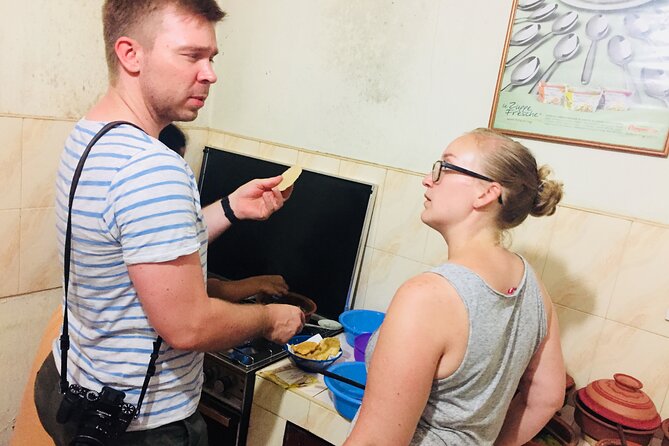
After the coconut lesson, you choose which vegetables you want to make as curry. You then cut and chop the ingredients yourself. This is a simple but important distinction. You are not standing behind a counter while someone else does the work.
Cutting vegetables also shows how home cooking works in practice. The pieces need to be prepared for the cooking method, and the timing depends on how quickly each ingredient softens. You get a better feel for the dish when you have handled the ingredients from the beginning.
The private format helps here. If you are a confident cook, you can ask about technique and seasoning. If you are less experienced, you can take more guidance without feeling rushed. The class is likely to suit couples, families, and small groups who want a shared activity rather than a formal demonstration.
There is one trade-off. Because the class is built around your group and your vegetable choices, the pace may not be as tightly programmed as a large commercial cooking school. I see that as a fair exchange for a more personal lesson, but anyone looking for a fast, highly structured class should keep it in mind.
Spices, herbs, and the logic of Sri Lankan curry
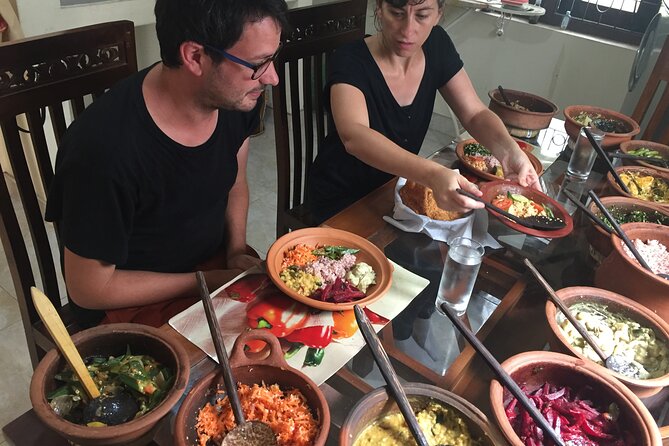
You also receive an introduction to Sri Lankan spices and herbs, followed by an explanation of how to cook with them. This is where the lesson moves beyond basic chopping.
Sri Lankan cooking is not simply about adding as many spices as possible. The order and balance matter. Learning which herbs and spices are used, and how they fit into the cooking process, gives you a practical framework for understanding the finished curry.
You might already know some common curry flavors, but a home-based lesson can help connect those flavors to actual ingredients. Smelling and handling the spices makes them easier to remember than reading a list on a menu.
The optional market upgrade adds another useful layer. You can visit a market, choose vegetables, and hear about local spices and herbs before returning to the kitchen. That is a good choice if you want more context around the ingredients. It is less necessary if your main goal is simply to cook and eat within three hours.
The market visit is optional, and no separate price is provided in the available details. Check the total cost when booking if you are considering it.
Eating the curry, rice, and dessert
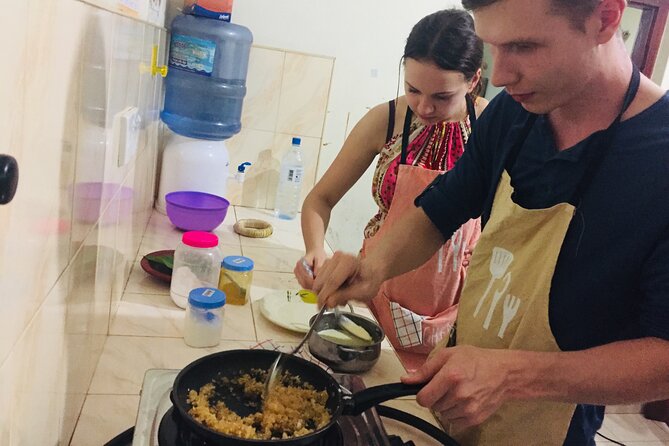
The best part of the schedule is that dinner comes from the work you have just done. You prepare curry, rice, coconut milk, and other dishes, then sit down to eat them around the host’s table.
That meal gives the class a clear purpose. You are not cooking a token sample before heading elsewhere for dinner. You get to see how the separate parts work together: rice with curry, coconut-based preparations with spiced vegetables, and side dishes such as sambal and dhal.
A traditional dessert is included as well. The available information does not name the dessert, so do not book expecting a particular sweet. Still, finishing with a dessert gives the meal a fuller shape and adds another small look at home cooking beyond the main curry.
The food should appeal to vegetarians because vegetables, coconut, rice, and dhal are central to the described lesson. It is also advertised as suitable for non-vegetarians. If you have a specific allergy or dietary restriction, ask about it before booking, since no detailed allergy policy is provided.
What the price includes at $45
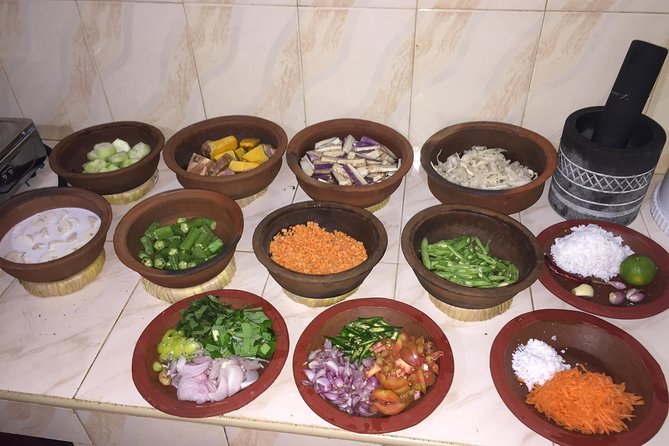
At $45 per person, the value rests on more than the amount of food. You are paying for a private lesson, the use of a family kitchen, instruction on ingredients and methods, and a dinner that includes what you prepare.
Compared with a standard restaurant meal in Negombo, the class costs more. That is expected. You are also getting an activity, a local introduction, and a meal. Compared with a formal cooking school, the private home setting may offer more personal attention and a less polished but more genuine feel.
I would consider the price reasonable for people who want to understand Sri Lankan food rather than simply sample it. It is especially good value if you cook at home and plan to use the techniques later. If you only want a quick dinner, the class may feel like more time and money than necessary.
The rating is 5 out of 5 from 110 reviews, with a 99 percent recommendation rate. One especially useful sign is that a booking made with less than 24 hours notice still resulted in a warm welcome into the family home. That suggests the host can be flexible, although I would still book in advance because the typical booking lead time is more than a month.
Who should book this class
I would recommend this class to you if you want a personal introduction to Sri Lankan food and enjoy doing rather than watching. It is a good fit for couples, families, and small private groups who want a meal with a story behind it.
It also suits people who are curious about vegetarian cooking. You can choose vegetables, learn about coconut milk, and make dishes that rely on spices, herbs, rice, and dhal rather than meat.
The class may not suit you if you dislike hands-on cooking, need a fixed menu, or have only a short gap before another appointment. The three-hour duration is approximate, and the relaxed home setting is part of the appeal.
The market upgrade is best for curious cooks who want to connect ingredients with the finished meal. If you are mainly interested in sitting down to dinner, the basic class should be enough.
Booking and cancellation details
Free cancellation is available if you cancel at least 24 hours before the local start time. Changes or cancellations made less than 24 hours before the start time are not refunded or accepted.
Weather can affect the class. If poor weather causes a cancellation, you will be offered another date or a full refund. The activity also requires a minimum number of participants. If that minimum is not met, you will be offered another date or experience, or a full refund.
Should you book the Negombo cooking class?
Book it if you want to learn how Sri Lankan home cooking actually comes together, especially the use of coconut milk, curry vegetables, spices, herbs, rice, and sambal. The private family setting, hands-on preparation, dinner, and traditional dessert make the $45 price easier to justify than a simple restaurant meal.
Before booking, check the Andiambalama meeting point, allow a full three hours, and decide if the optional market visit is worth adding. If you want an informal lesson with personal attention and food you can eat at the end, this is a strong choice in Negombo. If you want a quick, polished demonstration with a guaranteed menu, choose a more formal cooking school instead.
FAQ
Where does the cooking class take place?
The class takes place at Negombo Cooking Class, Andiambalama Katunayake, Negombo 11450, Sri Lanka.
How long does the cooking class last?
The activity lasts approximately three hours.
How much does the class cost?
The listed price is $45 per person.
Is the class private?
Yes. Only your group participates in the activity.
What happens at the start of the class?
You receive tea or coffee as a welcome drink before learning how to make coconut milk.
What food will I prepare?
You can choose vegetables for a curry, cut and chop them, learn about Sri Lankan spices and herbs, and prepare dishes including curry, rice, coconut milk, and other treats. A traditional dessert is also included.
Is the class suitable for vegetarians?
Yes. The class is described as suitable for both vegetarians and non-vegetarians.
Can I add a market visit?
Yes. An optional upgrade is available that includes a market visit, where you can choose vegetables and learn about local spices and herbs.
What is the cancellation policy?
You can cancel at least 24 hours before the local start time for a full refund. Cancellations or changes made less than 24 hours before the start time are not accepted for a refund.
Just added around Sri Lanka
- Oleena cooking class★ 5.0 · 3 reviews
- Half-Day Negombo City Tour with Ayurvedic Massage & Local Lunch★ 5.0 · 87 reviews
- Cooking Class and Market Visit in Negombo★ 5.0 · 4 reviews
- Sri Lankan cooking class with Nilu Kandy( FREE PICKUP & Drop)★ 5.0 · 45 reviews
- Srilankan Cooking class by FFL kandy★ 5.0 · 50 reviews
- Kandyan Hut Cooking Class★ 5.0 · 4 reviews
- Private Market Visit and Cooking Class with Private Transfers from Kandy Hotels★ 5.0 · 3 reviews
- Kandy Budget Cooking Class★ 5.0 · 7 reviews
Cooking Classes, compared.
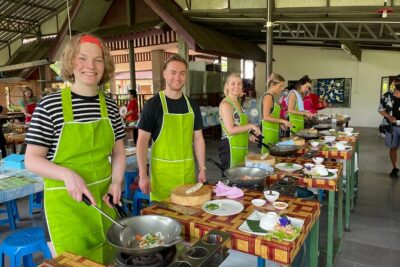
Half-Day Thai Cooking Class at Organic Farm in Chiang Mai
Read our review →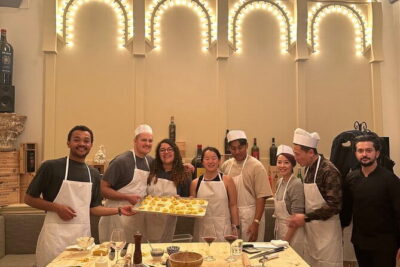
Florence: Pasta Cooking Class with Unlimited Wine
Read our review →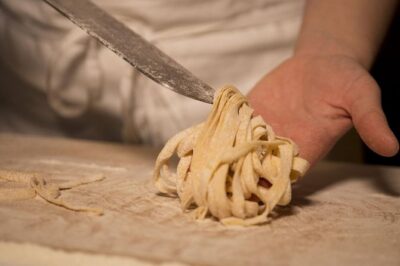
3 in 1 Cooking Class near Navona: Fettuccine, Ravioli & Tiramisu
Read our review →
Hanoi Cooking Class: Culture, Local Market & Meaning CSR Impact
Read our review →
5 Traditional Dishes Hanoi Cooking Class with Market Trip
Read our review →
Cooking Class and Lunch at a Tuscan Farmhouse with Local Market Tour from Florence
Read our review →
Chiang Mai: Cooking Class, Market & Thai Herbs Garden Tour
Read our review →Browse the lists this tour appears in