
Review · PRAGUE
Taste, Cook and Dine Traditional Czech
The best part of this Prague experience is that Czech food arrives as a story, not just a plate. At a small table in Karlín, you taste local cheeses, sausages, jams, pickles, bread, and seasonal produce while learning how everyday ingredients became dishes such as goulash, svíčková, roasted duck, and fruit dumplings.
I like the small maximum of eight people, which gives you a real chance to flip a potato pancake, shape dumplings, and ask questions. I also like the generous food-and-drink plan: three Czech wines, fruit brandy, cold starters, a prepared main course, and dessert are all part of the evening.
The main consideration is the price, $167.75 per person. That is far more than a casual Czech dinner, so this makes sense if you want a social cooking class and cultural lesson, not simply a meal. The menu also changes with the season, so you cannot pick one exact set of dishes in advance.
Key points to know
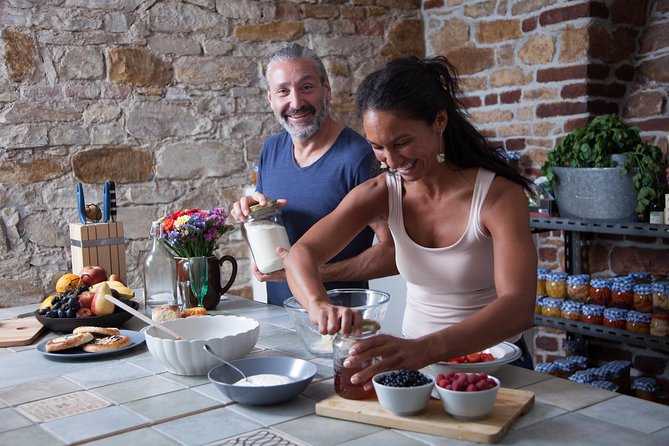
- A small Karlín cooking table: The group is limited to eight, with the experience beginning and ending at Křižíkova 70/67.
- Bret leads the class: He may host with his sister Svetlana, and the class is offered in English.
- Czech food in several forms: Expect tasting plates, a hands-on starter, bread dumplings, a host-prepared main dish, and dessert.
- Wine is part of the lesson: You taste three Czech wines, including Moravian selections mentioned by participants, plus a sample of Czech fruit brandy.
- The menu follows the season: Dishes may include potato-sauerkraut pancakes, goulash, svíčková, roasted duck, rabbit, fruit dumplings, or kremrole.
- Plan ahead: The experience is often booked about 50 days in advance, and free cancellation is available until 24 hours before the start.
Why this Czech food class feels different
Prague has no shortage of restaurants serving Czech food. A cooking class adds something a restaurant cannot: you see how the meal comes together, hear why certain foods matter, and share the kitchen with people you might not otherwise meet.
This class focuses on the food of Czech households. That means potatoes, cabbage, bread, root vegetables, dairy, preserved foods, meat, and fruit. These are not fancy ingredients. That is the point. You learn how farming, seasons, local habits, and household cooking shaped the national table.
Bret leads the experience, and Svetlana may join him. The tone is social rather than formal. You should expect conversation, laughter, and plenty of tasting between the cooking steps. Several people describe the evening as feeling more like being welcomed into a family kitchen than attending a strict culinary lesson.
That distinction matters. If you want exact knife skills, restaurant techniques, or a certificate, this may not be your best choice. If you want to understand what Czech people eat and why, the format makes good sense.
Other cooking classes people book around the world:
- Half-Day Thai Cooking Class at Organic Farm in Chiang Mai
★ 5.0 · 19,087 reviews - Florence: Pasta Cooking Class with Unlimited Wine
★ 4.9 · 10,285 reviews - 3 in 1 Cooking Class near Navona: Fettuccine, Ravioli & Tiramisu
★ 5.0 · 7,376 reviews
Arriving in Karlín for the 3.5-hour evening
The meeting point is Křižíkova 70/67 in Prague 8-Karlín, and the activity ends at the same place. It is near public transportation, so you do not need to arrange a separate ride between a meeting point and a restaurant.
The total time is about three hours and 30 minutes. That is long enough for the evening to feel like a full event rather than a rushed demonstration. You begin with tasting and conversation, move into preparation, and finish with a sit-down meal.
The small group size is one of the practical strengths here. With no more than eight people, you are less likely to spend the night watching someone else cook. You might grate cheese, flip a potato pancake, help with dumplings, or take part in another preparation step chosen for the seasonal menu.
The setting has been described as a cozy, historical basement space. That gives the meal a more personal feel than a bright commercial cooking studio, though anyone who prefers a polished school kitchen should keep the informal setting in mind.
Starting with Czech snacks and household flavors
The first part of the evening introduces the building blocks of Czech food. You may taste sausages, cheeses, homemade jams, pickles, bread, seasonal vegetables, and fruit.
This is a useful opening because Czech food can seem heavy if you only encounter it as a plate of meat, sauce, and dumplings. The tasting shows the wider picture. Preserving food mattered. Dairy products mattered. Bread was central. Seasonal produce filled the gaps between harvests.
You also get a chance to compare flavors before sitting down to the main course. Pickles and jams show how sweet and sour notes balance richer foods. Sausages and cheese give you a taste of the region’s old-fashioned pantry. Bread provides a familiar base for spreads and other small bites.
The snack course is not just filler before dinner. It gives context for the dishes you help prepare later. You start to recognize the ingredients and understand how a Czech meal builds from simple, practical foods.
Preparing a seasonal Czech starter
Depending on the season, the hands-on starter may be potato-sauerkraut pancakes, a quark cheese spread, or a carrot and kohlrabi salad. These choices show three different sides of Czech cooking.
Potato-sauerkraut pancakes are the most active option. You may help mix the ingredients and flip the pancakes in the pan. The combination of potato and sauerkraut brings together two familiar Czech flavors, with the cabbage adding a sharp note to the mild potato.
The quark spread offers a lesson in the importance of fresh dairy. Quark is a soft cheese used across Central Europe, and a simple spread shows how a few basic ingredients can become a useful part of a meal.
A carrot and kohlrabi salad brings a lighter, crisp element to the table. Since the menu follows the season, you might not know which starter you will prepare until the class. That variety is a benefit if you enjoy local cooking as it is actually practiced, but a drawback if you have your heart set on one specific recipe.
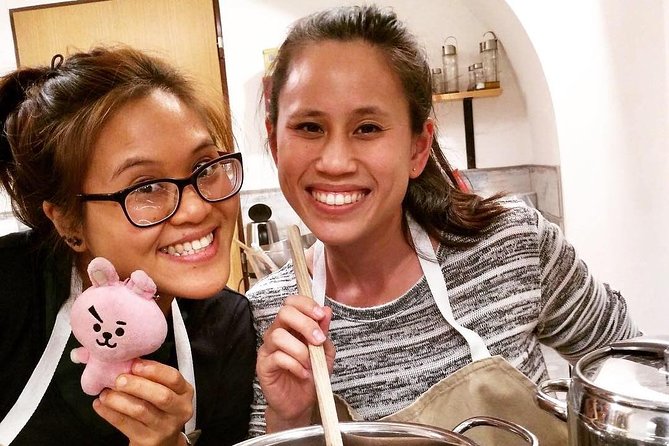
The teaching style is hands-on without being intimidating. You are there to take part, not to perform. One participant specifically recalled flipping potato pancakes and working with cheese graters, which gives you a fair sense of the practical level.
Same place, a different menu:
- Florence: Pasta & Tiramisu Cooking Class with Unlimited Wine
★ 4.9 · 6,708 reviews - Florence: Pasta Cooking Class with Unlimited Wine
★ 5.0 · 6,413 reviews - Hanoi Cooking Class: Culture, Local Market & Meaning CSR Impact
★ 5.0 · 5,147 reviews - 5 Traditional Dishes Hanoi Cooking Class with Market Trip
★ 5.0 · 4,890 reviews
Learning the place of bread dumplings
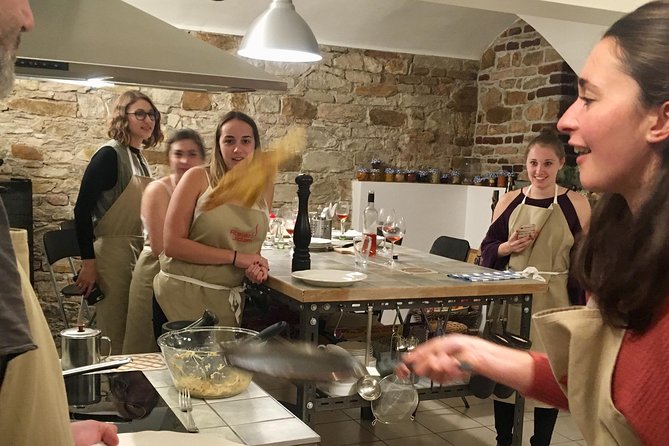
Bread dumplings are one of the most recognizable Czech side dishes, and you prepare them together during the class. They are designed to accompany sauces and meat, so they make more sense once you understand their job on the plate.
This is a useful dish to learn because dumplings can seem mysterious when they arrive sliced beside a meal in a restaurant. Here, you see how bread becomes a soft, filling side that absorbs sauce and rounds out a rich main course.
The dumplings also connect the class to household cooking. They are not a decorative extra. They are the kind of practical food that makes a meal satisfying and stretches the main ingredients.
If you are hoping to cook every item from start to finish, note that the main course is prepared by the host in advance. You do participate in the dumplings and one seasonal starter, while the prepared main lets the group stay focused on the conversation and meal rather than spending the whole evening waiting for meat to cook.
Sitting down to a traditional Czech main course
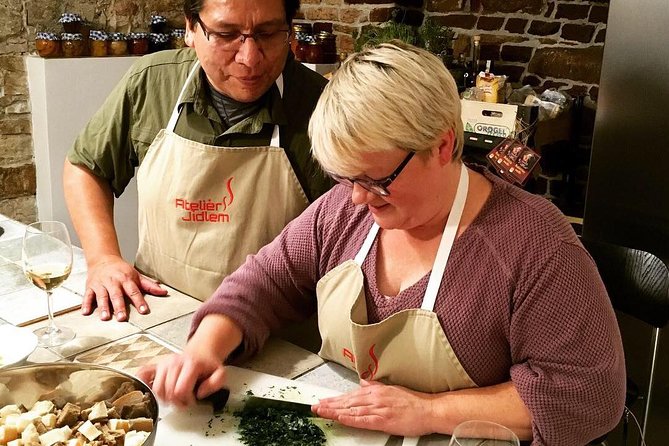
The main dish changes, but possible choices include svíčková, beef goulash, Spanish bird, roasted duck, rabbit with vegetables, or beef with mushrooms.
Svíčková is beef served with a smooth vegetable cream sauce, usually paired with bread dumplings. It is a good example of how Czech cooking combines meat with a carefully built sauce and a filling side.
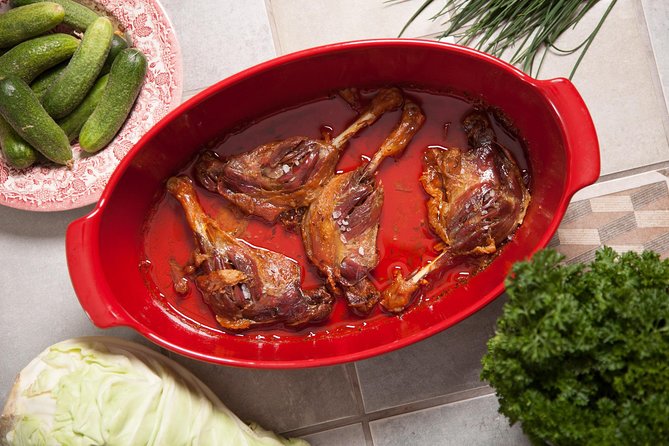
Beef goulash offers a more rustic route, with a deep, savory style that works naturally with dumplings or bread. Roasted duck gives you a richer festive dish, while rabbit with vegetables points to older countryside cooking.
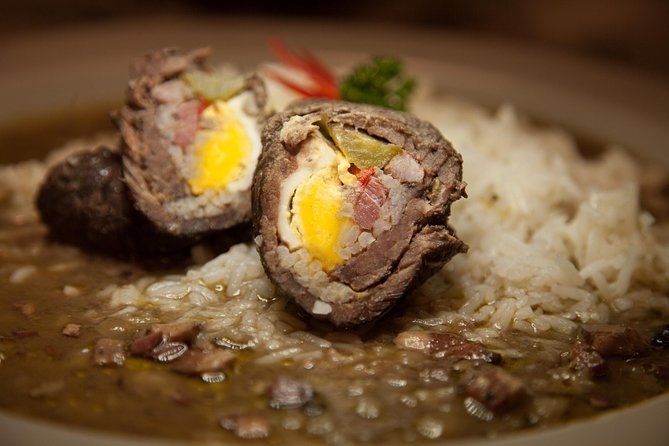
Spanish bird is not a bird at all. It is a stuffed beef roll, a reminder that dish names do not always explain what you are about to eat. The exact selection depends on the host and season, so this is a tasting of Czech food traditions rather than a fixed restaurant menu.
The prepared main course is a sensible choice for the evening. You get a proper dinner without turning a three-and-a-half-hour class into an all-day kitchen project. It also gives Bret time to explain the dish, its ingredients, and its place in Czech cooking.
Ending with fruit dumplings or kremrole
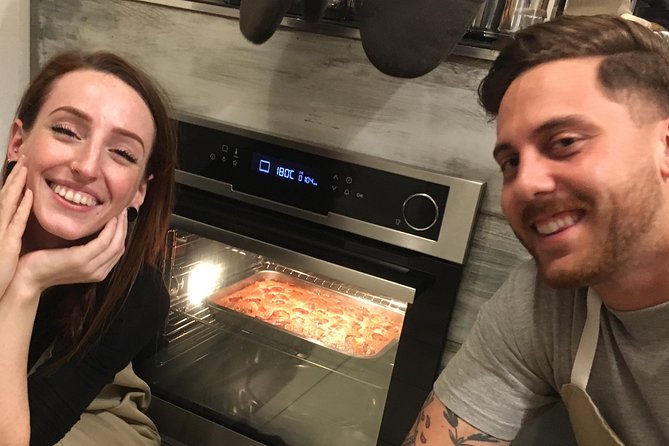
Dessert stays firmly in the Czech tradition. You may have fruit dumplings filled with fresh seasonal fruit, served with poppy seeds and or quark, or kremrole, a delicate pastry filled with sweet meringue.
Fruit dumplings are especially interesting because they sit somewhere between a dessert and a substantial home-cooked treat. The fruit changes with the season, while poppy seeds and quark add familiar Czech touches.
Kremrole takes the evening in a lighter, sweeter direction. The fragile pastry and meringue filling make it feel more like a special finish than an everyday snack.
Again, the menu is seasonal. You should see that as part of the experience rather than a lack of certainty. Czech cooking has always depended on what was available, and the changing dessert keeps the class tied to that idea.
Czech wine, fruit brandy, and the social side
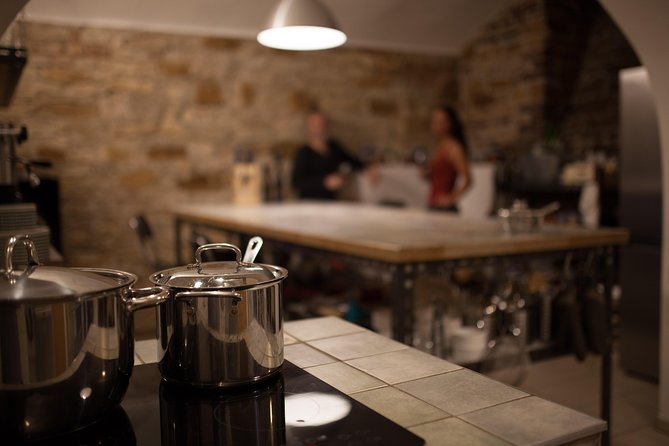
Three Czech wines are included, along with a sample of Czech fruit brandy. Moravian wine is specifically part of the tasting tradition presented here, and it gives the meal a useful regional link beyond Prague.
The wine is not simply poured as an afterthought. You taste it while cooking and eating, which helps the evening feel like a shared table rather than a lesson followed by a separate dinner.
The fruit brandy is a small sample, not the focus of the experience. Still, it adds another local flavor and gives you something to compare with the wine. If you do not drink alcohol, the supplied information does not specify substitute drinks, so you should ask the provider before booking if that matters to you.
The social side may be the strongest reason to choose this class. Solo participants can meet a couple or a small group, while families and friends get a relaxed evening built around a shared task. One grandmother attended with her granddaughter, and another participant joined alone with just one other couple in the class. The small format can work well for both situations.
Is $167.75 a fair price?
At $167.75 per person, this is a premium Prague food activity. You are paying more than the cost of a standard Czech lunch or dinner, and you should not book it if your main aim is simply to eat inexpensively.
The value comes from the full package: about three and a half hours, a hands-on class, a broad tasting of cold foods, several prepared dishes, dessert, three wines, fruit brandy, and direct time with the hosts. You also get the chance to ask about Czech food, history, ingredients, and customs as the meal develops.
The price makes more sense for you if you normally book food experiences when you travel. It also works well for a special evening, a birthday, a family outing, or a solo night when you want more contact than a restaurant table provides.
I would compare it with the cost of booking a separate meal, wine tasting, and cultural activity in Prague. Once you break the evening into those parts, the price is easier to understand. Still, the activity is not a bargain, and budget-conscious visitors should know that upfront.
Who should book this experience?
I would choose this class if you like learning by doing. You do not need to be an experienced cook, since the emphasis is on participation, tasting, and conversation rather than technical training.
It is a good fit for:
- Food-focused visitors who want more than restaurant recommendations
- Solo visitors who would enjoy a small social group
- Couples and families looking for a shared evening
- People curious about Czech history through food
- Anyone interested in wine from the Czech Republic and Moravia
- Visitors who prefer local homespun cooking to a formal tasting menu
You may want to skip it if you need a very strict schedule, dislike group activities, or want to choose every dish in advance. The menu changes with the season, and the experience depends on a warm, conversational atmosphere.
The class is offered in English, and a mobile ticket is provided. Confirmation comes at booking. Free cancellation is available up to 24 hours before the start time. If the minimum number is not reached and the activity is canceled, you are offered another date or experience, or a full refund.
Should you book Good Mood Food?
Yes, if you want a meal that teaches you something and brings you into contact with local hosts. The strongest reasons are the eight-person limit, the practical cooking tasks, the seasonal menu, and the chance to hear Czech food explained by Bret and possibly Svetlana while you eat.
I would book well ahead, since the experience is often reserved about 50 days in advance. Go expecting a generous, social evening rather than a formal culinary school. At $167.75, it is a splurge, but it can be a worthwhile one if the highlight of your Prague visit is learning how a place tastes at home.
FAQ
Where does the Czech cooking experience begin?
It begins at Křižíkova 70/67, 186 00 Praha 8-Karlín, Czechia.
Where does the activity end?
The activity ends back at the meeting point in Karlín.
How long does the experience last?
It lasts approximately three hours and 30 minutes.
How much does it cost?
The listed price is $167.75 per person.
How many people can join?
The experience has a maximum of eight participants.
Is the class offered in English?
Yes. The experience is offered in English.
Who leads the cooking class?
The experience is led by Bret, or by Bret and his sister Svetlana.
What food will be prepared?
Depending on the season, you may prepare potato-sauerkraut pancakes, a quark cheese spread, a carrot and kohlrabi salad, bread dumplings, fruit dumplings, or kremrole.
What main dishes may be served?
Possible main dishes include svíčková with beef, beef goulash, Spanish bird, roasted duck, rabbit with vegetables, or beef with mushrooms.
Are drinks included?
Yes. The experience includes three Czech wines and a sample of Czech fruit brandy.
Can I cancel for a full refund?
Yes. You can cancel at least 24 hours before the start time for a full refund. Changes or cancellations made less than 24 hours before the start are not accepted for a refund.
Just added around the world
- A Coruña: Local Market Shopping and Cooking Workshop★ 5.0 · 16 reviews
- Vegan/Vegetarian Ramen and Gyoza by Bentoya cooking★ 5.0 · 59 reviews
- Traditional Zanzibar Cooking Class including Spice Tour★ 4.5 · 14 reviews
- Verona: Pasta and Tiramisu Cooking Class with Fine Wine★ 4.8 · 633 reviews
- Hoi An Vegan Cooking School with Local Chef and Basket Boat★ 4.8 · 31 reviews
- Tbilisi: Cooking Class with a Local Family★ 5.0 · 104 reviews
- Thessaloniki: Cooking & Dining Experience with Greek Family★ 4.9 · 85 reviews
- NGO Lifted Strong – Traditional Tanzanian Cooking Class★ 5.0 · 39 reviews