
Review · ROME
Focaccia and Pesto Cooking Class in the Roman Countryside
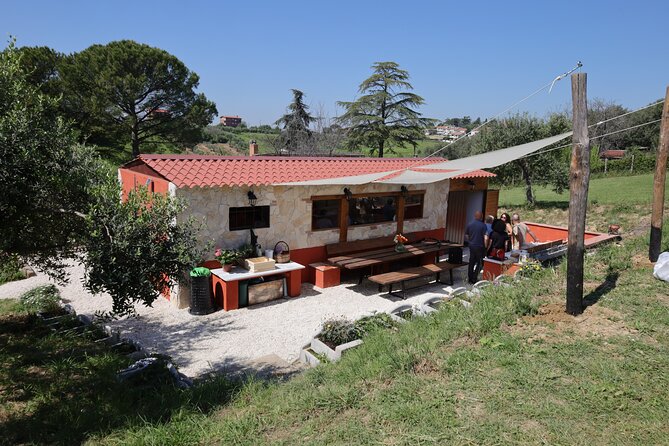
The best part of this class is the setting: you cook in the Roman countryside, surrounded by olive trees and looking out over a vineyard. This is not a quick pasta demonstration in a city restaurant. You spend several hours making food with your hands, then sit down to enjoy it with wine.
I like the warm opening with Prosecco and small bites, and I like that the class uses fresh basil from the garden and seasonal ingredients from local farmers. The price is fair for a four-hour food experience with a full meal, though you should pay close attention to the meeting arrangements because one customer reported waiting more than an hour for a driver who never arrived.
Key points at a glance
- A vineyard kitchen outside Rome: The class takes place in Fonte Nuova, in the countryside northeast of central Rome.
- Four Italian staples in one session: You make focaccia, pesto, pasta, and traditional tiramisu.
- A social start: Prosecco and nibbles come before the aprons go on.
- A meal at the end: You eat the food you prepare, along with seasonal starters and selected local wine.
- Small enough to participate: The maximum group size is 16 people.
- Flexible cancellation: Cancel at least 24 hours before the start for a full refund, subject to the stated weather and minimum-group conditions.
Cooking beside a vineyard instead of in central Rome
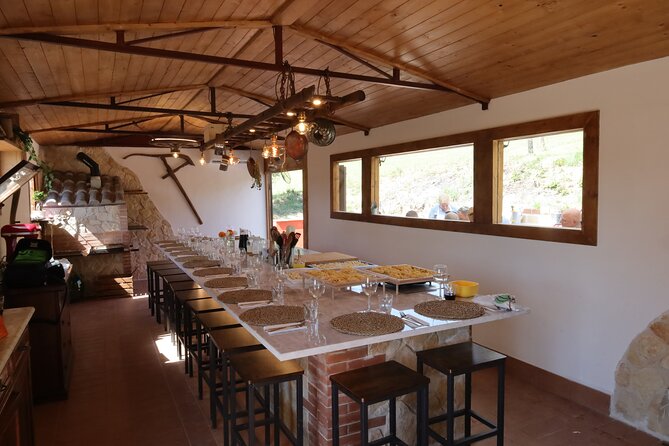
This class gives you a useful change of pace from Rome’s churches, ruins, and crowded streets. The meeting point is at Via di Santa Lucia, 274, in 00013 Fonte Nuova, about a countryside setting rather than a central Roman neighborhood. You begin at 10:30 am and return to the same meeting point when the activity ends.
The location matters. A cooking class in Rome can be enjoyable, but the countryside adds breathing room and a sense of place. You are not just being shown how to make a dish. You are working in a kitchen that looks toward a vineyard, with olive trees nearby, and using ingredients tied to the surrounding area.
I would treat the meeting point as an important part of your planning. The supplied details identify the start and end point, but they do not clearly promise a hotel transfer. One serious complaint describes a driver failing to collect a participant at the meeting point, followed by more than an hour of waiting and difficulty reaching the operator. That appears to be an isolated poor experience against an overall rating of 4.7 from 14 ratings, but it is still worth confirming exactly how you are expected to reach Via di Santa Lucia before the day.
More Farm Cooking Classes in Italy
- Cooking Class in Rome’s Countryside
★ 5.0 · 271 reviews - From Rome: Pasta Fresca Cooking Class in a Farmhouse with a Local
★ 5.0 · 62 reviews - Exclusive cooking class in Roman countryside with local chef
★ 4.2 · 23 reviews
Prosecco, nibbles, and a relaxed welcome
The class begins with a drink, small bites, and a warm welcome. This opening is more than a pleasant extra. It gives you time to arrive, meet the host and other people in the group, and settle into a slower rhythm before handling dough and ingredients.
The group can reach 16 people. That is not an intimate private lesson, but it is still a manageable size for a group cooking activity. Your exact amount of personal instruction may depend on how many people attend and how the kitchen is arranged. If you want a one-on-one lesson with constant attention, this may not be the right format. If you enjoy cooking alongside other people, the group size should help create a sociable meal.
The class is offered in English, which removes one obvious barrier for many visitors. No guide names are provided, so you should expect the experience to be led by the host rather than by a named celebrity chef or formal culinary school instructor. The appeal here is the setting, the food, and the personal welcome.
Making focaccia from the beginning
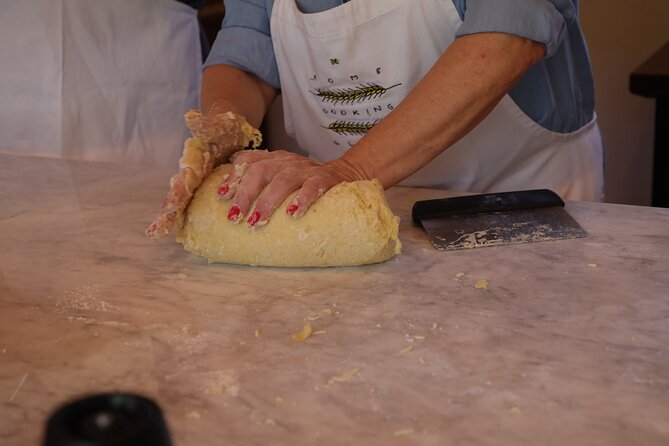
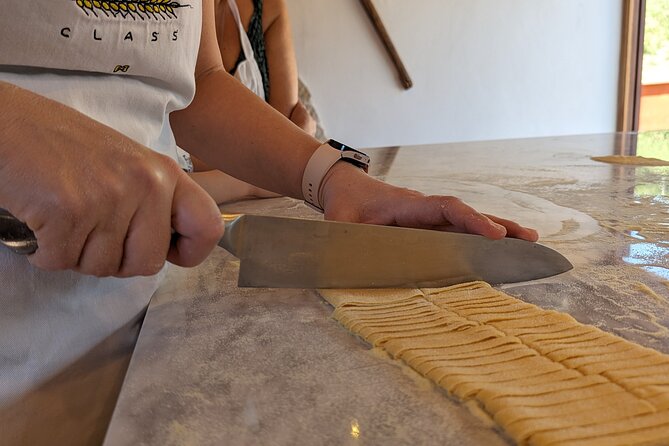
Focaccia is the first major project and the clearest hands-on element of the menu. You put on an apron, work with the dough, and learn how a simple combination of flour, water, yeast, salt, and oil becomes a soft, fragrant bread.
The supplied details do not specify the exact recipe, rising time, toppings, or baking method. That means you should not book this expecting a formal technical lesson covering every variation of focaccia. You can expect to make fresh homemade focaccia as part of the class, then eat it later with the rest of the meal.
That practical approach is useful for home cooks. Bread looks simple, but texture depends on handling, moisture, and patience. Even a short lesson can help you understand why homemade focaccia feels different from packaged bread. You also get to connect the dish with the Italian habit of sharing bread at the table rather than treating it as a minor side item.
The menu lists focaccia as the main course, though the meal also includes pasta. The wording is a little loose, so do not read the menu as a restaurant-style sequence with large separate portions for every item. Think of it as a cooking session built around several dishes that come together into one shared meal.
Basil pesto with ingredients from the garden
Next comes pesto, made with fresh basil from the garden. This detail gives the lesson a stronger local feel than a class that simply opens jars or uses ingredients bought for convenience.
Pesto is a good dish for a short class because its ingredients are familiar, but the result depends on balance. Basil, oil, cheese, nuts, and seasoning must work together without one flavor taking over. The class lets you see how the sauce is prepared and how it fits with pasta and bread.
The menu lists pesto as a starter and pasta as another main item. In practice, pesto may function as both a tasting course and a sauce for the pasta you prepare. The exact arrangement is not stated, so I would expect the food to be served in a relaxed, shared style rather than as a rigid restaurant tasting menu.
For you, the garden basil is one of the more memorable details. It ties the food to the property and gives the class a reason to take place outside the city. You are not simply learning an abstract recipe. You are using an ingredient grown close to the kitchen, then eating it in the same countryside setting.
More Pizza Making Classes in Rome
- Cooking Class in the Heart of Rome: Pizza and Tiramisu Making
★ 5.0 · 1,330 reviews - Rome: Traditional Pizza Cooking Class near Piazza Navona
★ 4.7 · 1,241 reviews - Rome: Combo Pizza and Pasta Cooking Class with Wine
★ 4.6 · 1,180 reviews - Pizza Cooking Class in Rome – Near Piazza Navona
★ 5.0 · 1,001 reviews
Pasta and tiramisu complete the meal
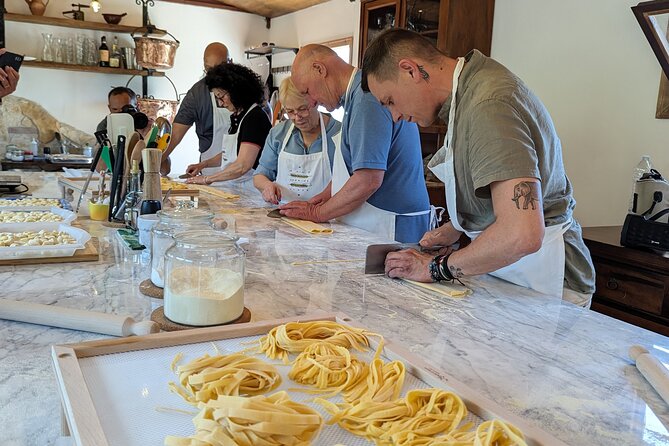
Pasta is included in the menu, although the description does not identify its shape, filling, sauce, or preparation method. That is worth noting because pasta classes vary widely. Some focus on rolling and cutting fresh dough, while others concentrate on sauces and assembly.
Here, the confirmed point is that you will prepare pasta as part of the cooking experience. You should not assume a particular pasta type or a lesson on every regional variation. Still, pasta gives the class a substantial centerpiece and pairs naturally with the pesto.
Dessert is traditional tiramisu. This is another familiar Italian dish that rewards attention to small details. The class description does not list the exact ingredients or method, so the value lies in preparing and tasting the dessert rather than in receiving a guaranteed specialist pastry lesson.
I like the balance of the menu. Focaccia gives you bread, pesto brings in fresh herbs, pasta provides the main meal, and tiramisu finishes the session with a classic dessert. You are not spending four hours on one narrow recipe. You get a broad introduction to several foods that you are likely to encounter throughout Italy.
Seasonal starters and local wine at the table
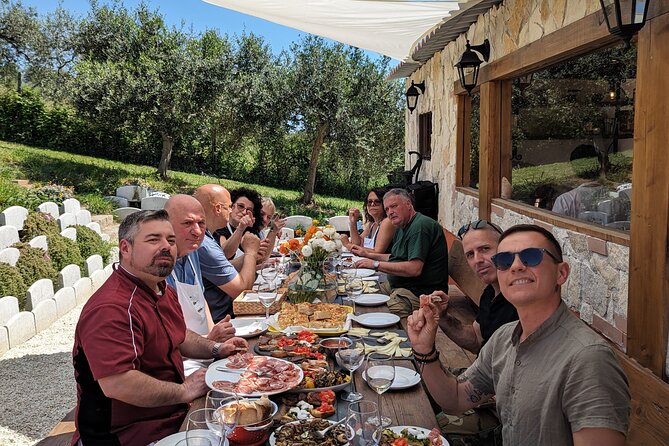
The cooking lesson ends by eating what you made. Seasonal starters from local farmers are included, along with carefully selected local wine. This turns the class into a complete midday food experience rather than a lesson followed by a small sample.
The seasonal approach is appealing because it leaves room for the food to reflect what is available locally. The specific starters are not listed, so the menu may vary. That is a benefit if you enjoy fresh, changing ingredients, but it means you should not book with a fixed expectation about the starter dishes.
Wine is included in the meal, adding to the sense of place and helping the food feel like lunch in the countryside. If you do not drink alcohol, the details do not specify nonalcoholic alternatives, so that is something to clarify before booking. Prosecco is also part of the welcome, making the alcohol component begin before the cooking starts.
The social side matters as much as the recipes. You are encouraged to eat, talk, and laugh with people from different countries. A cooking class can be a good choice if you want contact with other people during a Rome trip, especially after several days of sightseeing at your own pace.
What four hours really means
Four hours is a useful length for this activity. It gives enough room for a welcome drink, several recipes, preparation, cooking, and the final meal without reducing everything to a rushed demonstration.
The start time is 10:30 am, so the experience occupies much of the late morning and early afternoon. That timing suits a leisurely lunch and leaves the evening open. It is less suitable if you want to visit major Roman sights immediately afterward, especially since the countryside meeting point may require additional travel time beyond the scheduled end.
The activity ends back at the meeting point. No transport details, hotel pickup guarantee, or travel duration from central Rome are provided. You should plan the route to Fonte Nuova separately and allow extra time for reaching the start point. Arriving early is sensible, but remember the specific complaint about a missed driver and poor communication. Confirm the arrangements rather than relying on assumptions.
Is $108.26 a fair price?
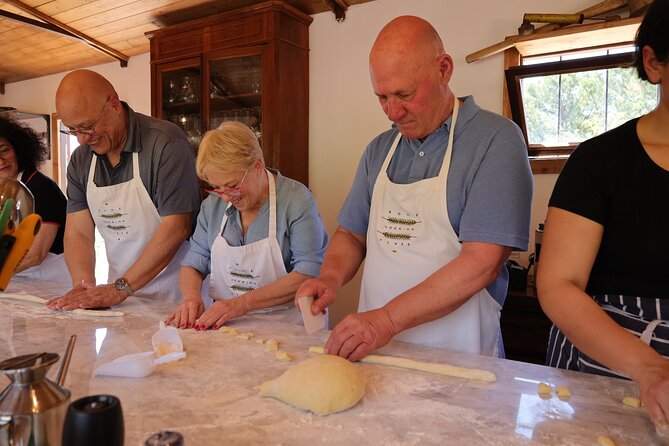
At $108.26 per person, this is not a cheap lunch. It is also more than the cost of buying the ingredients and making the same dishes alone. The comparison is not quite fair, though, because the price covers a four-hour hosted activity, instruction, the countryside setting, Prosecco and nibbles, seasonal starters, your prepared food, and local wine.
I consider the value reasonable if you want a full food experience rather than a short recipe demonstration. The vineyard view and olive trees add something you cannot get from a basic cooking school in a city shopping district. The group limit of 16 also keeps the format from becoming a large lecture.
The value is weaker for someone who mainly wants a technical cooking course. The details do not promise printed recipes, a professional chef, a market visit, private instruction, or a particular pasta style. You are paying for a relaxed, social day in the countryside as much as for culinary training.
The advance booking pattern also deserves attention. This experience is booked, on average, 56 days ahead. That does not guarantee it will sell out on your date, but it suggests that planning early is wise, especially if your Rome schedule is fixed.
Who will enjoy this class most?
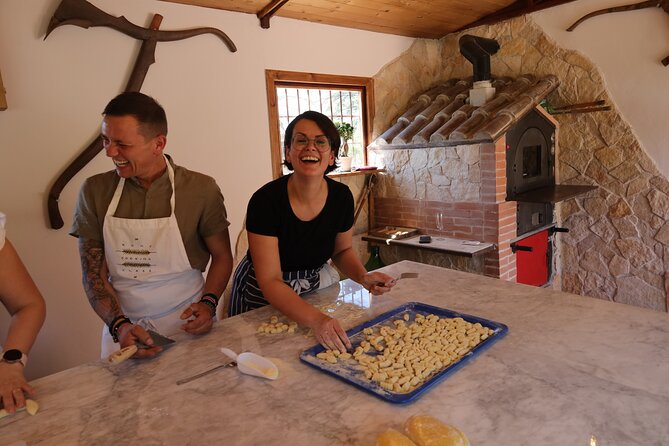
I would recommend this experience to you if you enjoy food, countryside settings, and meeting people while traveling. It works especially well for couples, friends, and solo visitors who want a slower day away from central Rome. The English-language format makes it practical for many international visitors.
Families may also like the hands-on structure, though no age guidance is provided. If young children are part of your group, confirm suitability directly rather than assuming that every part of the class will work for them.
This class is less suitable if you need a strict menu, private instruction, guaranteed transportation, or a quick activity close to Rome’s main sights. It is also not the best match for someone who does not drink wine unless alternatives are confirmed in advance.
Booking, weather, and cancellation details
You receive confirmation within 48 hours of booking, subject to availability. The class requires a minimum number of participants, and it also requires good weather. If poor weather causes cancellation, you are offered another date or a full refund. The same applies if the minimum group is not reached, with the option of another date or experience.
You can cancel for a full refund up to 24 hours before the start time. Cancellations or changes made inside that 24-hour window are not refunded or accepted. The cutoff uses local time, so check the clock carefully if you are booking from another country.
Because the meeting point is outside central Rome and one customer had a serious pickup problem, I would save the operator’s contact details and confirm the arrival plan before the day. The cancellation terms are generous, but they do not solve a communication problem on the morning of the class.
Should you book the Roman countryside cooking class?
Book it if you want to spend a half-day making familiar Italian foods in a vineyard setting, then eating them with wine and seasonal starters. The strongest reasons are the countryside location, the garden basil, the broad menu of focaccia, pesto, pasta, and tiramisu, and the relaxed social format.
Think twice if you need dependable transport arranged for you, a formal culinary qualification, or a very detailed lesson in one specific dish. The missed-pickup complaint is a real practical warning, even though the overall score is high at 4.7 and 93 percent of customers recommend the experience.
For the right visitor, this is a pleasant counterpoint to Rome’s monuments. Confirm how you will reach Via di Santa Lucia, arrive ready to cook, and treat the day as a shared countryside meal with instruction rather than a precision chef’s course.
FAQ
Where does the cooking class begin?
It begins at Via di Santa Lucia, 274, 00013 Fonte Nuova RM, Italy.
What time does the class start?
The class starts at 10:30 am.
How long does the experience last?
The activity lasts approximately four hours.
What foods will I prepare?
You will prepare focaccia, pesto, pasta, and traditional tiramisu.
Is food and wine included?
Yes. You enjoy the food you prepare, plus seasonal starters and selected local wine. The welcome also includes Prosecco and nibbles.
What language is the class offered in?
The experience is offered in English.
How many people can join the class?
The maximum group size is 16 participants.
More Hands-On Workshops in Rome
- 3 in 1 Cooking Class near Navona: Fettuccine, Ravioli & Tiramisu
★ 5.0 · 7,376 reviews - Rome: Pasta Making Class with Wine, Limoncello, and Dessert
★ 4.9 · 3,177 reviews - Rome Cooking Class: Make Pasta and 3 Spritz Cocktails
★ 5.0 · 2,937 reviews - Rome: 3-in-1 Fettuccine, Ravioli, and Tiramisu Cooking Class
★ 4.9 · 2,704 reviews
More Farm Cooking Classes in Rome
- Mazzano Romano: Cooking Lesson and Lunch in the Countryside
★ 5.0 · 15 reviews - Half-Day Thai Cooking Class at Organic Farm in Chiang Mai
★ 5.0 · 19,087 reviews - Cooking Class and Lunch at a Tuscan Farmhouse with Local Market Tour from Florence
★ 5.0 · 4,831 reviews - Chiang Mai: Authentic Cooking Class with Market & Farm Visit
★ 4.9 · 4,546 reviews
Just added around Rome
- Gluten-Free Roman Feast Cooking Class with Chef Christian★ 5.0 · 36 reviews
- Authentic Pasta and Tiramisu Cooking Course in Spanish Steps★ 5.0 · 28 reviews
- Gelato and Fettuccine Pasta Cooking Class in Rome Piazza Navona★ 5.0 · 143 reviews
- Gnocchi Cooking Class in Rome – Piazza Navona★ 5.0 · 83 reviews
- Trionfale Market Tour and Gnocchi Cooking Class with a Masterchef★ 5.0 · 5 reviews
- Gelato & Pizza Cooking Class in Rome★ 4.5 · 29 reviews
- From Rome: Pasta Fresca Cooking Class in a Farmhouse with a Local★ 5.0 · 62 reviews
- 4 Hour Traditional Italian cooking Experience★ 5.0 · 14 reviews
Pizza Making Classes, compared.
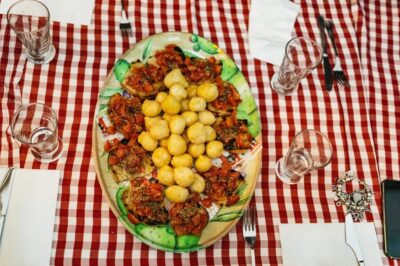
Naples: Pizza-Making Workshop with Drink and Appetizer
Read our review →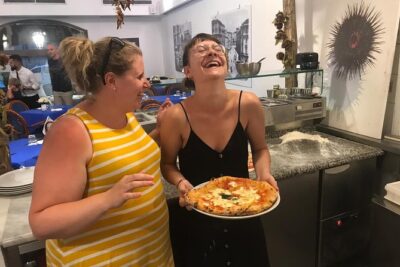
Authentic Pizza Making Class in Naples with Appetizers and Drink
Read our review →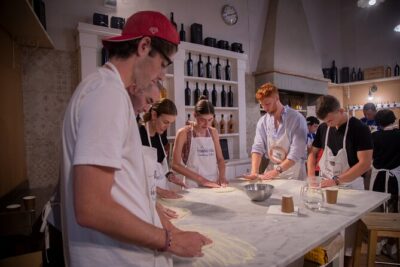
Florence Cooking Class The Art of Making Gelato & Authentic Pizza
Read our review →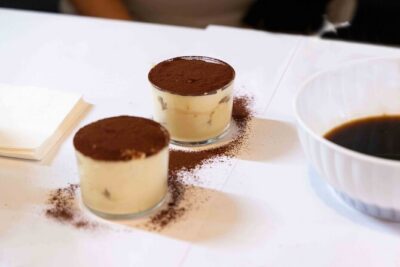
Cooking Class in the Heart of Rome: Pizza and Tiramisu Making
Read our review →
Rome: Traditional Pizza Cooking Class near Piazza Navona
Read our review →
Rome: Combo Pizza and Pasta Cooking Class with Wine
Read our review →
Pizza Cooking Class in Rome – Near Piazza Navona
Read our review →
Rome: Pizza & Tiramisu Class with Free Flowing Fine Wine
Read our review →Browse the lists this tour appears in