
Review · ROME
Cesarine: Market Tour & Cooking Class at Local’s Home in Rome
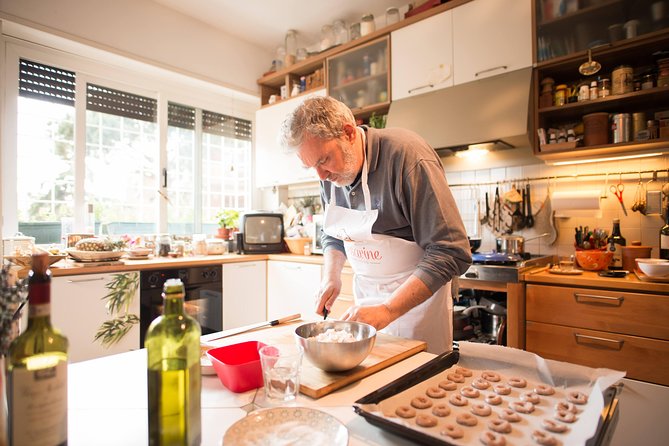
The best part of this Rome experience happens around a family table, not in a restaurant. You begin at a local market and food shops, then carry your ingredients to a Cesarina’s private home to make fresh pasta and a Roman dessert. It is a useful way to see how everyday Roman food comes together.
I like two things right away: the market gives the class a real sense of place, and the meal afterward lets you eat what you made. I also like the small, private format, where hosts such as Maria, Giorgio, Laura, Valeria, and Ofelia can teach and chat without a large group getting in the way.
The main consideration is the price, $225.18 per person. That is a lot for a half-day activity, and the meeting details are broad, since the starting point is listed only as the Province of Rome. You should be comfortable confirming the exact meeting location before you go.
Key points to know before you book
- The 10:00 am start begins with a market visit, not straight at the stove.
- Your class takes place in a local home, with only your group participating.
- Fresh pasta is the centerpiece, with dishes such as rigatoni, bucatini, gnocchi, or another Roman preparation.
- Dessert is part of the lesson, with possibilities including tiramisu, ricotta and cherry tart, or chocolate shortbread.
- The meal includes three courses, local wine, and coffee, so you are eating a full lunch rather than sampling a few bites.
- The host can vary, with past classes led by Maria and Giorgio, Laura, Valeria, and Ofelia.
Starting at the market at 10:00 am
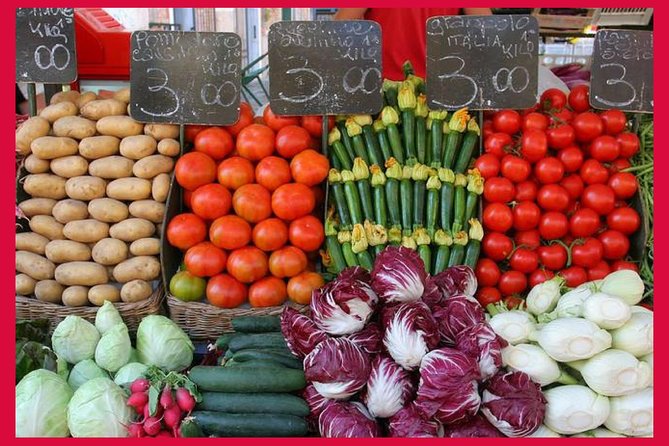
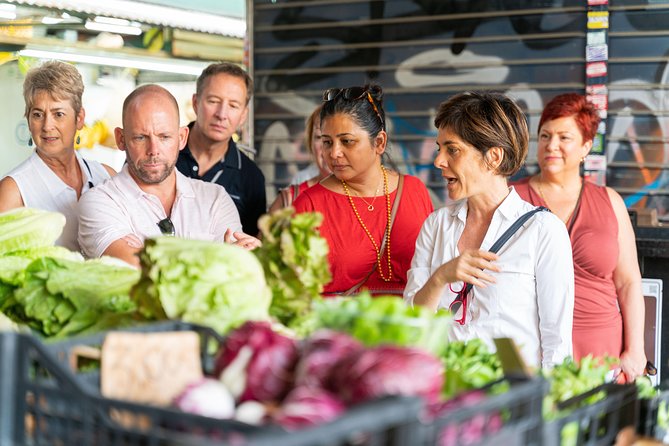
Your morning begins at 10:00 am in the Rome area, with your Cesarina guiding you through a local market and traditional food shops. This first part matters because Roman cooking is tied closely to the ingredients in front of you: pasta, cheese, cured pork, seasonal produce, and sweets all make more sense when you see them being selected.
You may taste a local product along the way. One class included a taste of pork, while another group visited a farmers market to choose fresh ingredients for lunch. These small moments are useful because they turn the market from a quick shopping stop into part of the lesson.
The exact market and shops are not specified, so you should not expect a fixed landmark route or a famous central market tour. The focus is local food and the host’s choices, not a sightseeing circuit. If you are hoping to visit the Colosseum or Vatican during this activity, adjust your plans. The cooking class is the attraction.
A market visit also sets a more relaxed pace than a standard cooking demonstration. You can ask about ingredients, learn what the host buys for a Roman meal, and see the connection between shopping and home cooking. For me, that is more useful than watching someone prepare a dish in a restaurant kitchen where you cannot take part.
More Home Cooking Classes in Italy
- Home Cooking in Testaccio: Cacio e Pepe, Amatriciana, Carbonara
★ 5.0 · 91 reviews - Testaccio: Home Cooking Cacio e Pepe, Amatriciana, Carbonara
★ 4.9 · 57 reviews - Rome : Cooking Class in a Real Roman Home in Trastevere
★ 5.0 · 47 reviews
Entering a Roman home for the cooking lesson
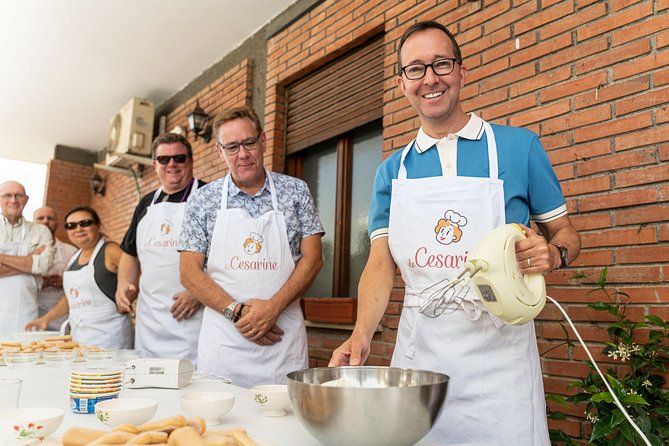
After the market, you go to the Cesarina’s home for a private cooking class. The experience is not a public workshop with a large room full of strangers. Only your group participates, which should make it easier to ask questions, work at the counter, and get direct help with the techniques.
The welcome seems to be an important part of the experience. Maria and Giorgio greeted one group with freshly baked pastries before heading to the market. Ofelia prepared aprons and individual work stations for a birthday couple. These details are not guaranteed with every host, but they show the personal character of the format.
The homes themselves can differ. One class took place in Ofelia’s beautiful apartment, while other hosts welcomed participants into their own family spaces. You are visiting someone’s home, so this is more personal than a cooking school. It is also less standardized. Your setting, host, and kitchen routine may not be identical to another class.
That variation is part of the appeal, but it is worth keeping in mind if you prefer a polished, predictable cooking studio. Here, the reward is a closer look at how a Roman household cooks and eats. The atmosphere may feel more like being welcomed by a local family than attending a formal lesson.
Making fresh pasta with hands-on help
Fresh pasta is the main practical lesson. The sample menu allows for rigatoni, bucatini, gnocchi, or a similar pasta dish, but your host decides the exact preparation. The classes have also included guitar pasta, carbonara, and fresh pasta with homemade sauces.
The phrase guitar pasta refers to a hand-cut pasta style made with a tool that gives the strands their shape. It is a memorable technique because you are not simply stirring a sauce or watching dough pass through a machine. You are learning how the pasta is formed and handled.
Carbonara appeared in one class, and it is a particularly fitting Roman dish. It uses a short list of ingredients, so technique matters. The order of preparation, the heat, and the texture of the sauce can make a large difference. A good instructor can show you details that are hard to understand from a recipe alone.
You may also prepare gnocchi, rigatoni, or bucatini. Since the exact pasta is not fixed, book this class for the chance to learn a Roman preparation rather than for one guaranteed recipe. If carbonara is your priority, ask whether it is planned when you confirm the class.
The teaching style appears to be patient and conversational. Laura set up aprons and work stations, then walked a couple through carbonara and tiramisu. Valeria taught pasta and sauces while talking with the group. For you, that means the class is likely to be practical, but it is also social. You are expected to participate, not just take notes.
Preparing a Roman dessert
Dessert is not an afterthought. The sample menu includes a Roman dessert, with options such as ricotta and cherry tart, Roman tiramisu, chocolate shortbread, tiramisu, or another typical sweet.
Tiramisu featured in several classes, including one paired with guitar pasta and another paired with carbonara. It is a smart dish for a home lesson because the method is easy to follow but still has plenty of room for instruction. You can learn how the host handles the cream, coffee, layering, and chilling process.
The ricotta and cherry tart offers a different lesson, with a baked dessert that shows another side of Roman home cooking. Chocolate shortbread may also appear. The menu wording makes clear that the dessert can change, so do not count on a particular sweet unless your host confirms it.
I like having a dessert lesson because it gives the morning a better balance. You are not spending four and a half hours on pasta alone. You get a savory dish, a sweet dish, and then enough time to sit down and enjoy both.
More Market Tour Cooking Classes in Italy
- Authentic Roman Cooking Class & Market Experience
★ 5.0 · 363 reviews - Rome: Pasta Cooking Class with Market Visit and Wine
★ 4.9 · 277 reviews - Kitchen of Mamma: Pasta Cooking Class with market visit in Rome
★ 5.0 · 140 reviews - Farmers’ Market Shopping with Cooking Class and Pasta Making
★ 5.0 · 91 reviews
Sitting down to three courses with wine and coffee
Once the cooking is finished, you sit down for a three-course meal. The planned structure is a seasonal starter, fresh pasta for the main course, and a Roman dessert. Local wine and coffee are included.
The starter is seasonal rather than fixed. That is good news if you like food that reflects what is available, but it means the menu is not fully known in advance. Expect the host to shape the meal around the market ingredients and the day’s plan.
The homemade pasta is the center of the meal. You have handled the ingredients yourself, so the plate carries more meaning than a dish ordered from a menu. It also gives you a chance to compare the finished texture with what you normally eat at home.
The meal is where the social side becomes strongest. Maria and Giorgio served antipasti while the class continued, and one couple described gathering around the dinner table for a full feast. Another class ended with a quiet, romantic meal after the cooking was complete. Your own mood will depend on the host and group, but the format leaves room for conversation, celebration, and a slower lunch.
Wine is included, but the information does not specify the number or type of bottles. Coffee is also part of the meal. If you do not drink alcohol, ask about alternatives before booking, since the stated offering includes a selection of local wine.
What the private format is worth at $225.18
At $225.18 per person, this is not a bargain cooking lesson. You are paying for more than ingredients and instruction, though. The price covers about four and a half hours, the market visit, a private home setting, hands-on cooking, a three-course meal, wine, and coffee.
The private format is the key value. A large class can cost less, but it may give you less time with the instructor and less room to ask questions. Here, your group has the host’s attention, and the home setting adds an experience that a commercial kitchen cannot quite copy.
The market visit adds value too. You get a look at the shopping side of Roman food, then use those ingredients in the kitchen. That makes the activity feel like a complete food experience rather than two separate products joined together.
Still, the price may be hard to justify if your main goal is learning one inexpensive recipe. It is a better fit if you value personal contact, a meal in a local home, and a special occasion. A birthday, anniversary, or small family outing makes more sense here than a quick activity squeezed between major sights.
The price also includes an experience that is difficult to measure: the chance to talk with a host about daily food habits and home cooking. Maria and Giorgio, Laura, Valeria, and Ofelia each brought a different personality and setting to the class. That human element is central to what you are buying.
How the different host styles may shape your day
The host is not just an instructor. The host determines the menu, the kitchen rhythm, the conversation, and much of the welcome.
Maria and Giorgio hosted together, with help from their friend Isabella during a market visit. Their version included pastries on arrival, market shopping, antipasti, guitar pasta, tiramisu, and a shared meal. A couple found the class memorable enough to rank it above Rome’s major sights and a soccer match.
Laura’s class had a more prepared workshop feel, with aprons and separate work stations. She taught carbonara and tiramisu and made room for jokes and conversation before serving a quieter meal. That could suit you if you want a class with a clear setup and a personal atmosphere.
Valeria focused on pasta and sauces, with her friend Daniella joining the conversation. Her class combined instruction with time at the table. Ofelia’s class worked well for a birthday, with market shopping, several local recipes, wine, music, and a home that made the occasion feel special.
These examples show the range of the format, but they do not guarantee the exact host or menu assigned to you. If you have a preference for carbonara, tiramisu, a birthday setting, or a particular host, ask before you commit.
Timing, meeting details, and practical planning
The activity lasts about four hours and thirty minutes and ends back at the meeting point. The stated starting area is the Province of Rome, and the experience is near public transportation, but the information does not give a precise street address.
That is the one logistical point I would handle early. After booking, check the exact meeting instructions and allow enough time to reach the market. Do not build a tight connection or schedule a major timed attraction immediately after the class. A market stop, cooking lesson, and full meal can easily use the full four and a half hours.
The activity is offered in English, and a mobile ticket is accepted. Confirmation is provided at booking. Free cancellation is available up to 24 hours before the local start time. Changes or cancellations made inside that window are not accepted for a refund.
Because this takes place in a private home, you should be ready for a personal, social experience rather than a formal restaurant service. The available information does not specify accessibility arrangements, dietary accommodations, or substitutions. If those details matter to you, ask the provider before booking.
Who will enjoy this experience most
I would choose this for someone who wants food to be the main window into Rome. It suits couples, families, and small groups who like to cook, eat slowly, and talk with a local host.
It is also a strong choice for a celebration. Ofelia’s class worked for a birthday, while other hosts created a warm setting for couples. The private format keeps the occasion more personal than a public group class.
You do not need to be an experienced cook. The point is to learn under direction, and the teaching is hands-on. If you dislike cooking, though, four and a half hours may feel long. In that case, a market tasting or short food walk would be a better match.
You should also choose another activity if your top priority is sightseeing. This tour does not promise entry to Rome’s main monuments or a route past the Colosseum and Vatican. It gives you a look at Roman home life instead.
Should you book the Cesarine market and cooking class?
Book it if you want a private, food-centered morning with real participation. The market visit, home kitchen, fresh pasta, dessert lesson, and shared three-course meal form a complete experience, and the warm welcome is a major part of its appeal.
Think twice if $225.18 feels high for a cooking class, if you need a fixed menu, or if the broad meeting-area description makes planning difficult. Confirm the address, host, menu, and any dietary needs before paying.
For the right person, this is less about mastering a single recipe and more about spending part of a Roman day at the market and table. You leave with cooking practice, a full meal, and a closer sense of how food brings people together at home.
FAQ
Where does the experience start?
It starts in the Province of Rome, in the Province of Rome area of Lazio. The exact meeting point should be confirmed after booking.
What time does the activity begin?
The activity starts at 10:00 am.
How long does the experience last?
It lasts approximately four hours and thirty minutes and ends back at the meeting point.
Is this a private activity?
Yes. Only your group participates in the activity.
What food will I prepare?
The menu includes a seasonal starter, fresh pasta, and a Roman dessert. Pasta may include rigatoni, bucatini, gnocchi, or a similar dish. Dessert may include ricotta and cherry tart, Roman tiramisu, chocolate shortbread, tiramisu, or another typical dessert.
Are wine and coffee included?
Yes. The three-course meal is served with a selection of local wine and coffee.
Can I cancel for a full refund?
Yes, if you cancel at least 24 hours before the experience start time. Cancellations or changes made less than 24 hours before the start are not refunded or accepted.
More Home Cooking Classes in Rome
- Cesarine: Home Cooking Class & Meal with a Local in Rome
★ 5.0 · 29 reviews - Typical Dining & Cooking Demo at Local’s Home in Rome
★ 4.5 · 13 reviews - Cooking & eating with Locals in their home kitchen in Rome
★ 5.0 · 10 reviews - Private Home Cooking Class with Andrea and Arianna in Rome
★ 5.0 · 5 reviews
More Market Tour Cooking Classes in Rome
- Farmer’s Market and Pasta Making with Italian Wine
★ 5.0 · 15 reviews - Trionfale Market Tour and Gnocchi Cooking Class with a Masterchef
★ 5.0 · 5 reviews - Rome: Private Cooking Class with Market Shopping Tour
★ 5.0 · 3 reviews - Market Tour and Italian Cooking Class with Mamma
★ 5.0 · 3 reviews
Just added around Rome
- Rome Trastevere: Tiramisù & Gelato Class with Savoiardo Baking★ 5.0 · 14 reviews
- Authentic Pasta and Tiramisù cooking class at spanish steps★ 4.5 · 14 reviews
- Rome: Pasta Cooking Class, Dinner & Wine in Authentic Restaurant★ 5.0 · 38 reviews
- Rome For Kids: Small Group Pizza Making Class★ 4.5 · 49 reviews
- Rome Cooking Class★ 5.0 · 4 reviews
- Rome: Private Cooking Class with Market Shopping Tour★ 5.0 · 3 reviews
- Devour Rome Wine & Pizza Making Class in Trastevere Neighborhood★ 5.0 · 75 reviews
- Roma Foodie Experience: Cooking Class★ 5.0 · 16 reviews
Cooking Classes with a Market Tour, compared.
Hanoi Cooking Class: Culture, Local Market & Meaning CSR Impact
Read our review →
5 Traditional Dishes Hanoi Cooking Class with Market Trip
Read our review →
Cooking Class and Lunch at a Tuscan Farmhouse with Local Market Tour from Florence
Read our review →
Chiang Mai: Cooking Class, Market & Thai Herbs Garden Tour
Read our review →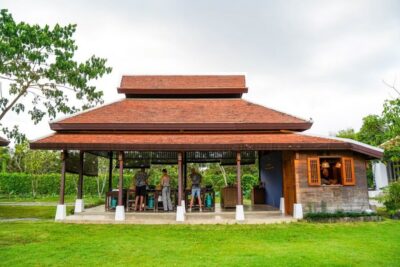
Chiang Mai: Authentic Cooking Class with Market & Farm Visit
Read our review →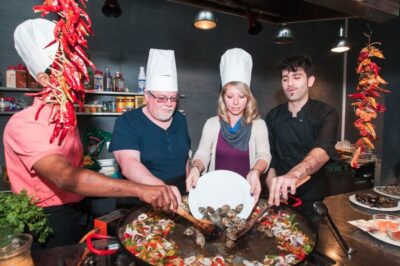
Barcelona: Paella Cooking Experience & Boqueria Market Tour
Read our review →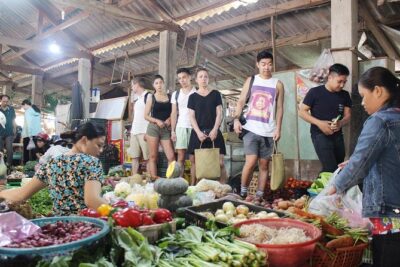
Cooking Class Hoi An:Local Market, Basket Boat, Fishing & Cooking
Read our review →
Hoi An Cooking Class(Market,BasketBoat Crabfishing&Cooking Class)
Read our review →Browse the lists this tour appears in