
Review · ROME
Rome : Cooking Class in a Real Roman Home in Trastevere
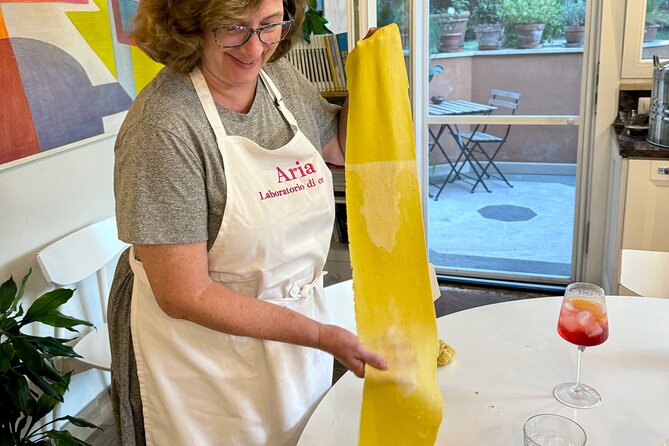
The best part of this Rome cooking class is not simply learning to roll pasta. It is being welcomed into Ilaria Sparla’s family home, where cooking, conversation, and dinner happen around the same table. In about three hours, you make three kinds of pasta, three Roman-style sauces, and tiramisu, then eat what you prepared with wine and appetizers.
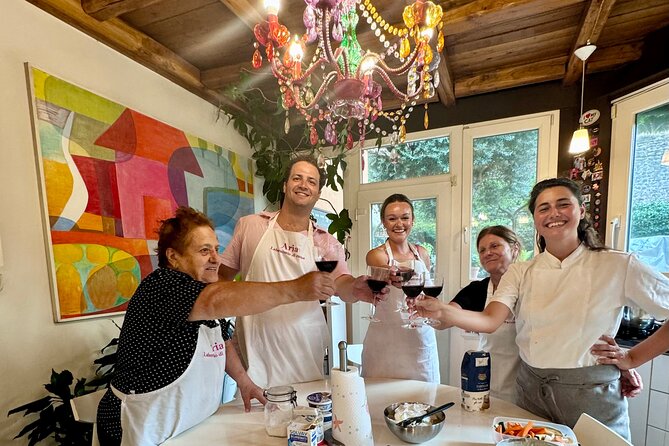
I like the small maximum of eight people, which gives you time to ask questions and work with the dough instead of watching a chef perform from across a room. I also like the family setting, including the chance to meet Ilaria’s husband, children, and other family members. It feels more personal than a standard cooking school.
The main consideration is the price: $154.99 per person is a serious splurge for a meal in Rome. You are paying for instruction, food, drinks, a private-home setting, and a personal cultural exchange, so it makes the most sense if you value the experience as much as the dinner.
Key points to know before booking
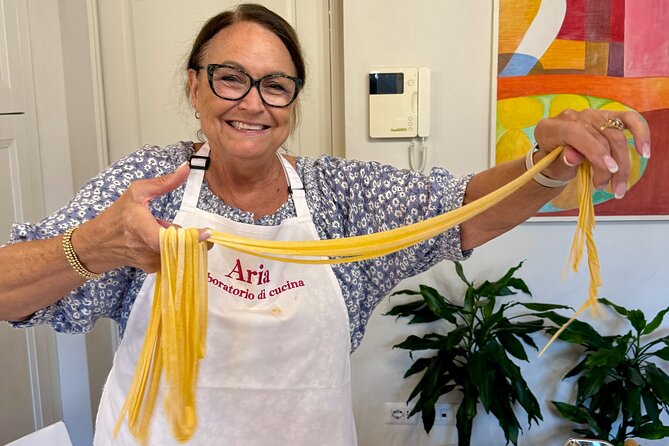
- Three pastas in one class: Make fettuccine, ricotta and spinach ravioli, and orecchiette from scratch.
- Three sauces with Roman character: Prepare cacio e pepe, fresh tomato and basil sauce, and Norma sauce.
- A real family kitchen: Ilaria and her family welcome you into their home near Trastevere.
- A full meal, not a quick demonstration: Appetizers, fried seasonal vegetables, wine, water, soft drinks, pasta, and tiramisu are included.
- Good for families: Children and teenagers have taken part, with ages ranging from young children to older teens.
- Small and English-speaking: The class is offered in English and is limited to eight people.
Why this feels different from a standard pasta class
Rome has plenty of cooking schools, and many teach the same basic lesson: mix flour and eggs, shape pasta, eat lunch, and leave. This experience takes a different route. You enter a private Roman home and learn how food fits into family life.
That setting matters. You are not only hearing instructions about ingredients and technique. You are sitting in the place where those recipes are cooked and shared. The tone is relaxed and social, with plenty of time to talk, ask questions, and hear stories about Roman food.
Ilaria is the main teacher, and the class also includes her family presence. Her husband Samuel has helped create a warm, funny atmosphere, while her children have sometimes stopped in to say hello. That may appeal to you if you want something personal and informal. It may not suit you if you prefer a quiet, highly structured culinary workshop with professional equipment and restaurant-style presentation.
The class is conducted in English, which makes it easy to follow the explanations and ask about ingredients. You should still expect a home kitchen rather than a formal school. That is the point, but it also means the experience is built around participation and conversation instead of polished production.
More Home Cooking Classes in Italy
- Home Cooking in Testaccio: Cacio e Pepe, Amatriciana, Carbonara
★ 5.0 · 91 reviews - Testaccio: Home Cooking Cacio e Pepe, Amatriciana, Carbonara
★ 4.9 · 57 reviews - Cesarine: Home Cooking Class & Meal with a Local in Rome
★ 5.0 · 29 reviews
Arriving at the Trastevere meeting point
The class begins at Via Garibaldi, 39, 00165 Roma RM, Italy, and ends back at the same meeting point. The address is near Trastevere, one of Rome’s most enjoyable areas for an evening walk.
Allow time to find the meeting point without rushing. The class itself has an easy pace, but arriving late would mean missing the welcome, the first appetizers, or the setup for the pasta. Since the activity is booked well ahead by many people, I would reserve early if this is important to your Rome plans.
Trastevere adds value before and after the class. Its lanes, restaurants, churches, and evening atmosphere make it a good part of town for a relaxed night out. A useful plan is to arrive early, get oriented, and leave time afterward for a walk rather than scheduling another major sight across the city.
There is public transportation nearby. A mobile ticket is provided, and confirmation arrives at booking. Service animals are allowed. The practical details are simple, but you should remember that this is a home-based activity, not a large commercial venue with a lobby and staff desk.
Appetizers set the tone
The evening begins with local appetizers. The spread can include bruschetta, fresh burrata, scamorza, tomatoes, and other seasonal items. You also prepare seasonal vegetables fried in pastella, a light batter that gives you an early hands-on task before the pasta begins.
This opening is more than something to nibble while you wait. It gives you a taste of the ingredients and creates a natural reason to sit, talk, and get comfortable. Wine, water, and soft drinks are included, so you are not paying extra every time you want a drink with the meal.
The menu is generous. Several people have specifically advised arriving hungry, and that is sound advice. The class includes appetizers, three pasta dishes, dessert, and drinks. If you eat a large meal shortly beforehand, you may have less room for the final courses.
Making three kinds of pasta by hand
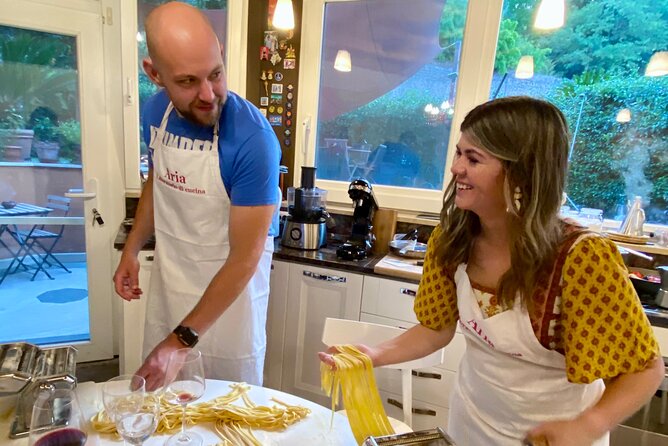
The main lesson is fresh pasta from scratch. You work with the dough and shape three classic forms: fettuccine, ravioli, and orecchiette.
Fettuccine is the most familiar of the three. You learn how to roll and cut the dough into ribbons, then pair it with cacio e pepe, Rome’s famous cheese and pepper sauce. It is a simple dish with little room to hide mistakes. The lesson is useful because it shows how pasta water, cheese, pepper, and timing need to work together.
Ravioli brings a different skill. You fill the pasta with ricotta and spinach, seal it, and serve it with fresh tomato sauce. This is the part that rewards patience. Too much filling can make ravioli difficult to close, while an uneven edge may let the filling escape. I like that the class gives you more than one pasta shape because you leave with techniques you can use for both simple weeknight dishes and more involved meals.
Orecchiette provides the third texture and shape. These small ear-shaped pieces are served with Norma sauce, generally associated with eggplant, tomato, and cheese. Shaping them by hand is tactile and a little fiddly, especially at first. That is good news for a class. You are not just copying a recipe; you are learning how pasta changes according to shape, thickness, and sauce.
The range of dishes is one of the strongest reasons to book. A basic pasta class often stops after one dough and one sauce. Here, you practice several methods and taste how different sauces work with different shapes.
More Home Cooking Classes in Rome:
- Typical Dining & Cooking Demo at Local’s Home in Rome
★ 4.5 · 13 reviews - Cooking & eating with Locals in their home kitchen in Rome
★ 5.0 · 10 reviews - Private Home Cooking Class with Andrea and Arianna in Rome
★ 5.0 · 5 reviews - Cesarine: Market Tour & Cooking Class at Local’s Home in Rome
★ 5.0 · 5 reviews
Roman sauces and practical kitchen lessons
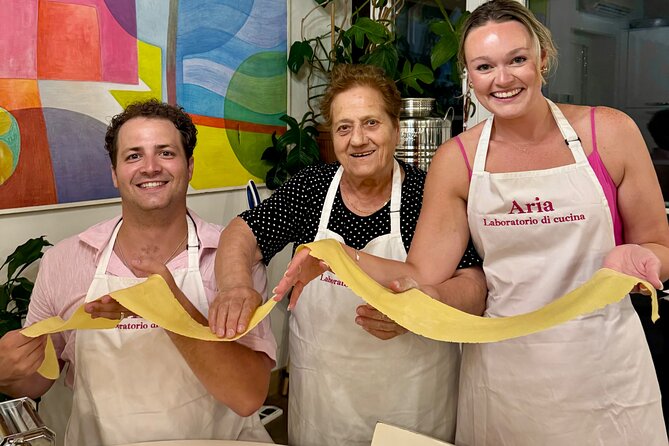
The sauces include cacio e pepe, fresh tomato with basil, and Norma sauce. Each one teaches a different idea about Italian cooking.
Cacio e pepe depends on restraint and technique. The ingredients are few, so the balance matters. Fresh tomato and basil shows how a short ingredient list can produce a bright, familiar sauce when the ingredients are treated simply. Norma sauce adds another direction, with a fuller vegetable character that suits the orecchiette.
I appreciate this kind of teaching because it can change the way you cook at home. You are not merely collecting recipes. You are seeing how sauce and pasta shape affect one another, how fresh ingredients are used, and how a meal can be built from a few well-handled components.
The class is designed for complete beginners as well as confident home cooks. Ilaria’s teaching style is patient and encouraging, according to the supplied experience details. You can ask questions as you work, and the small group means you are less likely to get lost in the crowd.
Still, do not expect to master every pasta technique perfectly in one evening. Three shapes, three sauces, appetizers, and dessert make for a full program. The value is in learning the foundations and gaining the confidence to practice at home.
Sitting down to eat what you made
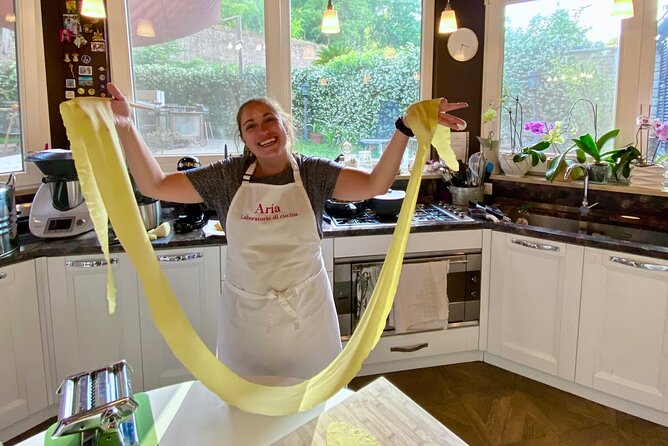
The meal is served once the pasta is ready. You eat the fettuccine with cacio e pepe, the ravioli with tomato and basil sauce, and the orecchiette with Norma sauce.
This shared meal is where the class shifts from lesson to dinner. You have handled the ingredients, made mistakes, shaped the pasta, and watched the sauces come together. Eating the result with Ilaria, her family, and the other people at the table gives the evening a natural sense of occasion.
The family atmosphere is the feature most strongly emphasized by the experience. People have described feeling like old friends rather than customers in a classroom. That does not mean you should expect a private dinner with no interaction. The group can include up to eight people, and part of the fun is talking with people you have just met.
I would choose this class for a couple looking for a memorable night, a solo visitor who enjoys social activities, or a family wanting something beyond monuments. It also works well near the end of a Rome trip, when you can use the recipes later and remember the city through food.
Tiramisu made from a family recipe
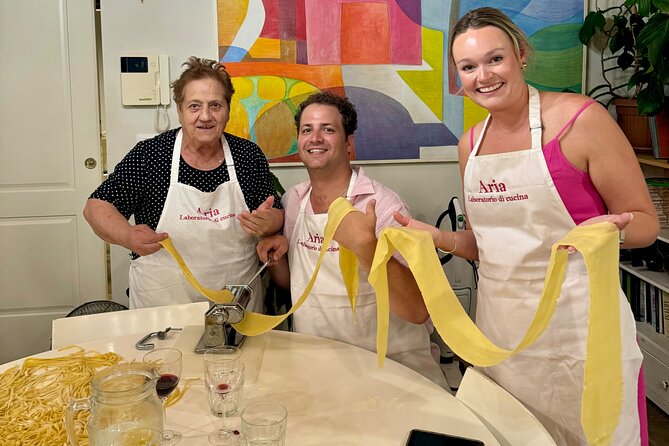
The final cooking task is tiramisu, prepared according to Ilaria’s family recipe. It is a fitting finish because dessert requires a different kind of attention from pasta. You work with the cream and assemble the layers, then let the finished dish complete the meal.
The family recipe is one of the personal touches that separates this from a generic menu. You are not simply following a restaurant formula. You are learning a dessert that has a place in Ilaria’s own kitchen and that can be recreated at home.
Tiramisu is also a practical takeaway. The ingredients are familiar, the method is manageable, and the dish is easy to share. The recipes provided after the class are an important part of the value. Several people have continued making the pasta and tiramisu at home, which is a better souvenir than another small object in your luggage.
What the $154.99 price includes
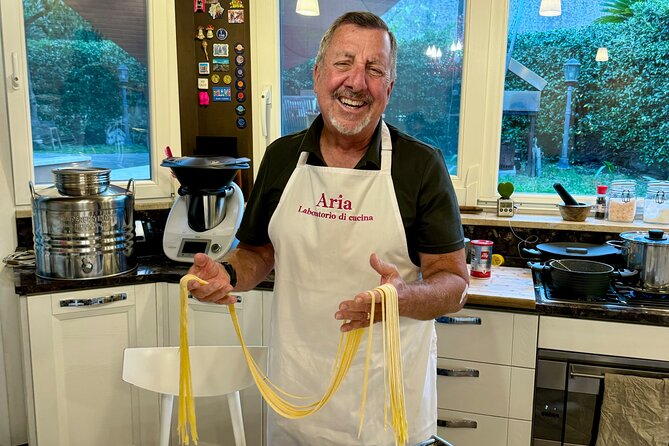
At $154.99 per person, this is not a budget meal. You can eat well in Rome for less, and you can find group cooking classes at lower prices. The question is what you want the money to buy.
Here, the fee covers about three hours of instruction, a group of no more than eight, several hands-on recipes, appetizers, three pasta courses, tiramisu, wine, water, and soft drinks. It also pays for access to a family home and for the time spent hosting and teaching you.
I see the value most clearly if you would otherwise book both a cooking class and a good dinner. This combines the two, though the main purpose is connection and learning rather than fine dining. You should not book it simply because it is the cheapest way to eat pasta.
The experience is a better fit for you if you care about local food traditions, want recipes you can use later, and enjoy a friendly table. It is less compelling if you dislike group meals, prefer a formal restaurant setting, or want advanced chef training.
Who should book this Roman kitchen experience
Families have a particularly good reason to consider it. Children and teenagers have taken part successfully, and the hands-on work gives younger cooks something real to do. The meal is also a break from museums and long walks, though parents should be comfortable with a three-hour food-focused activity.
Couples can treat it as a date night with a purpose. You make the meal together, share wine, and finish with dessert. Solo visitors may find the small group helpful, since conversation comes naturally around the worktable.
Vegetarians and people with specific dietary preferences may also find the menu adaptable, since the food is prepared in a private kitchen and the experience details indicate that vegetarian and halal needs have been accommodated. You should communicate any requirements when booking rather than assume every variation can be handled at the last minute.
This is not the right choice for someone seeking a fast demonstration. You will be handling dough, shaping pasta, preparing food, and sitting through a full meal. That takes time, but the unhurried pace is one of the pleasures.
Planning the evening in Trastevere
The class is offered in English and lasts approximately three hours. Wear something comfortable for working around food, and avoid arriving after a large lunch. Since the menu is substantial, plan your other meals lightly.
The activity begins and ends at Via Garibaldi, 39. It is near public transportation, but the supplied information does not specify a hotel pickup or drop-off service. Plan to make your own way to the meeting point.
Free cancellation is available if you cancel at least 24 hours before the start time. Inside that 24-hour window, the payment is not refunded, and changes are not accepted. The cut-off follows local Rome time, so check your booking details carefully if your plans are still changing.
Should you book it?
I would book this if you want your Rome itinerary to include a personal meal, not just another scheduled attraction. The small group, family setting, hands-on pasta work, generous menu, and recipes to take home give the experience real substance.
The price is high, but the class replaces both a cooking lesson and a full dinner while adding the chance to meet Ilaria and her family. It is especially strong for couples, families, and solo visitors who enjoy talking over food.
Skip it if you want a low-cost meal, dislike cooking, or prefer a polished culinary school. For everyone else, this is a thoughtful way to spend an evening in Trastevere, with skills and a full stomach to show for it.
FAQ
Where does the cooking class begin?
It begins at Via Garibaldi, 39, 00165 Roma RM, Italy.
Where does the activity end?
The activity ends back at the meeting point on Via Garibaldi.
How long does the experience last?
The cooking class lasts approximately three hours.
How many people can join?
The class has a maximum of eight people.
Is the class offered in English?
Yes. The experience is offered in English.
What types of pasta will I make?
You will make fettuccine, ravioli filled with ricotta and spinach, and orecchiette.
What sauces are included?
You will prepare cacio e pepe, fresh tomato sauce with basil, and Norma sauce.
Are drinks included?
Yes. Wine, water, and soft drinks are included.
Can I cancel for a full refund?
Yes, if you cancel at least 24 hours before the experience start time. Cancellations made less than 24 hours before the start time are not refunded.
More Hands-On Workshops in Rome
- 3 in 1 Cooking Class near Navona: Fettuccine, Ravioli & Tiramisu
★ 5.0 · 7,376 reviews - Rome: Pasta Making Class with Wine, Limoncello, and Dessert
★ 4.9 · 3,177 reviews - Rome Cooking Class: Make Pasta and 3 Spritz Cocktails
★ 5.0 · 2,937 reviews - Rome: 3-in-1 Fettuccine, Ravioli, and Tiramisu Cooking Class
★ 4.9 · 2,704 reviews
Just added around Rome
- Rome Trastevere: Tiramisù & Gelato Class with Savoiardo Baking★ 5.0 · 14 reviews
- Authentic Pasta and Tiramisù cooking class at spanish steps★ 4.5 · 14 reviews
- Rome: Pasta Cooking Class, Dinner & Wine in Authentic Restaurant★ 5.0 · 38 reviews
- Rome For Kids: Small Group Pizza Making Class★ 4.5 · 49 reviews
- Rome Cooking Class★ 5.0 · 4 reviews
- Rome: Private Cooking Class with Market Shopping Tour★ 5.0 · 3 reviews
- Devour Rome Wine & Pizza Making Class in Trastevere Neighborhood★ 5.0 · 75 reviews
- Roma Foodie Experience: Cooking Class★ 5.0 · 16 reviews
Home Cooking Classes, compared.
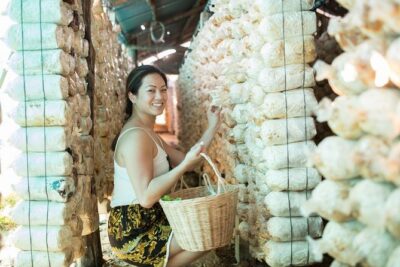
Khmer Cooking Class at a Local’s Home in Krong Siem Reap
Read our review →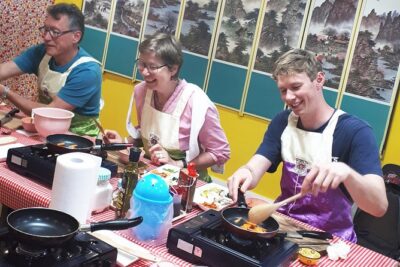
Local Home Korean Cooking Class & Market Adventure in Seoul
Read our review →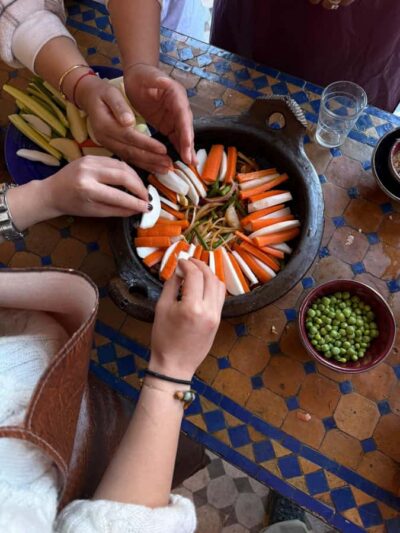
Marrakech: Moroccan Cooking Class with a Local Family
Read our review →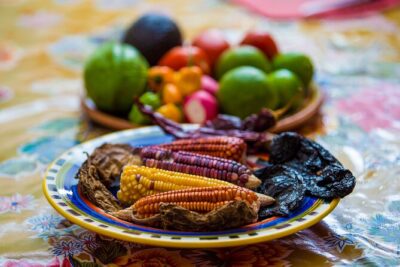
Mexican Cooking from Scratch in a Local Home in Tulum
Read our review →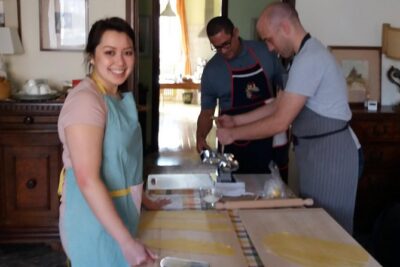
Pastamama, Home Cooking Classes at Grace’s Home
Read our review →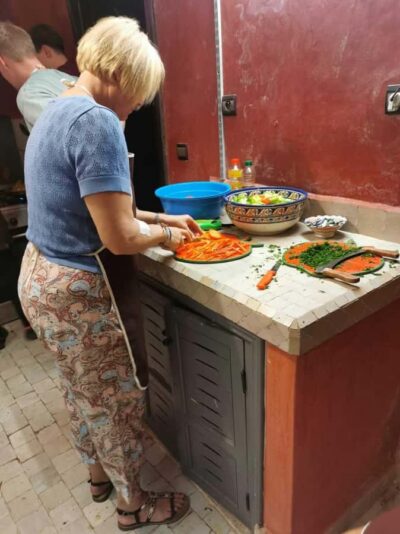
Marrakech: Moroccan Cuisine Cooking Class in Local Home
Read our review →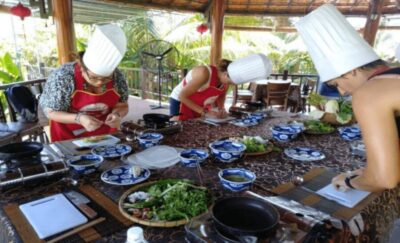
Hoi An: Traditional Cooking Class & meal with Local Family
Read our review →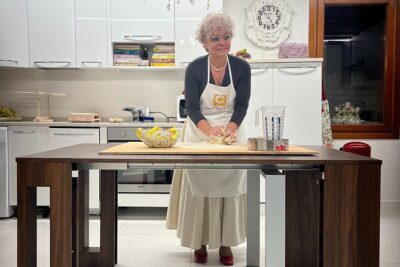
Browse the lists this tour appears in