
Review · SRI LANKA
Ella: Sri Lankan Cooking Class with Neranji at Homestay
Sri Lankan cooking makes the most sense when you see the whole process, from cleaning rice and making coconut milk to balancing several curries on one plate. In Ella, Neranji welcomes you into her home kitchen for a hands-on class that ends with a proper meal made by the group.
I like the use of fresh, seasonal produce and the chance to learn old cooking methods alongside practical modern ones. I also like that you receive the recipes and some spices, so the lesson does not end when you leave. The main consideration is that the class may not suit anyone with food allergies, and the meeting point or transport arrangements need checking before you go.
Key points at a glance
- Cook in Neranji’s home kitchen: This is a family-run experience rather than a polished cooking school.
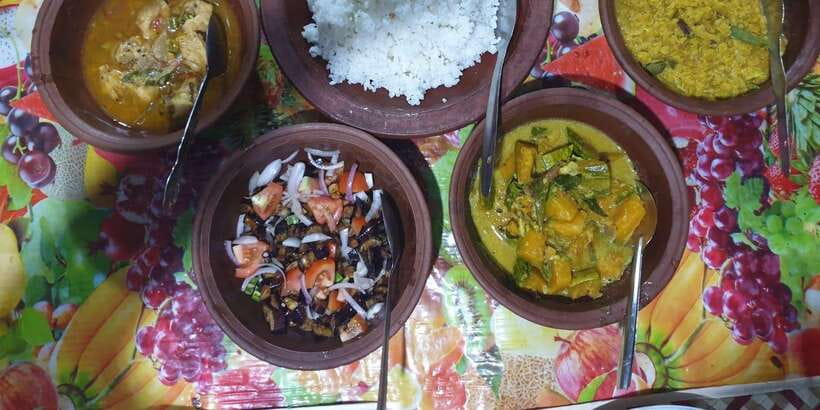
- Learn several dishes at once: A session may include dhal, pumpkin curry, aubergine salad, sambols, roti, or other traditional dishes.
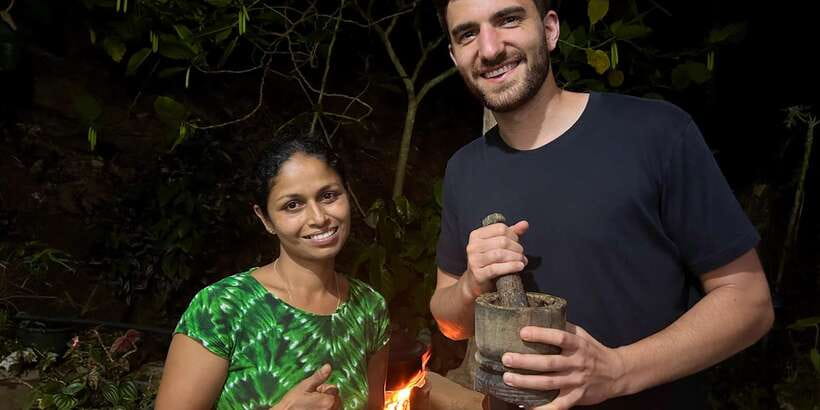
- See traditional methods: Neranji can demonstrate cleaning rice, making coconut milk, and working with local tools.
- Ask for special dishes early: Banana flower, jackfruit, mango, sweet onion, and coconut roti require ingredients arranged at least 24 hours ahead.
- Eat what you prepare: The class finishes around a shared table with the curries, salads, rice, and roti made during the lesson.
- Good value at $19: You receive instruction, food, recipes, and spices during a 2 to 3 hour cultural experience.
Why this Ella cooking class feels different
Many cooking classes give you a recipe, a chopping board, and a quick meal. This one gives you a look at how Sri Lankan food is actually built. You work through the small steps that make the final plate taste right: preparing spices, handling coconut, cutting vegetables, and adjusting the heat and seasoning.
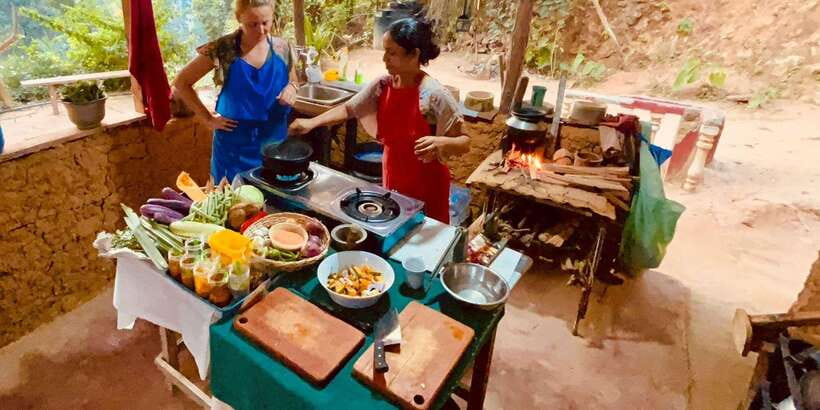
Neranji is the central part of the experience. Her teaching style is simple and patient, with clear explanations of ingredients and cooking methods. She involves the group rather than asking you to sit back and watch, so you should expect to chop, stir, prepare, and ask questions.
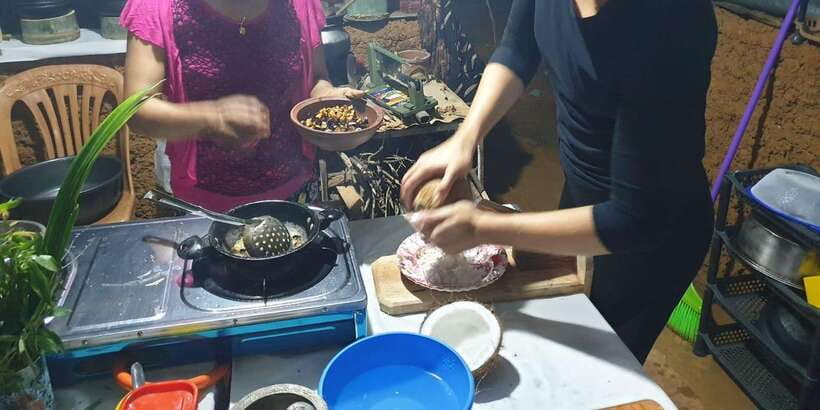
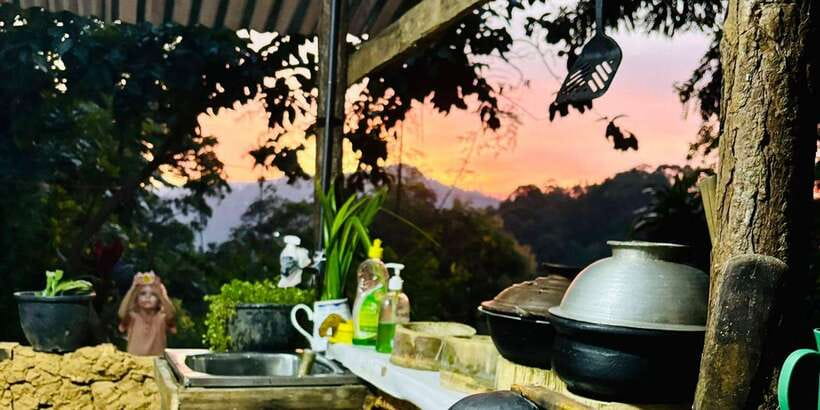
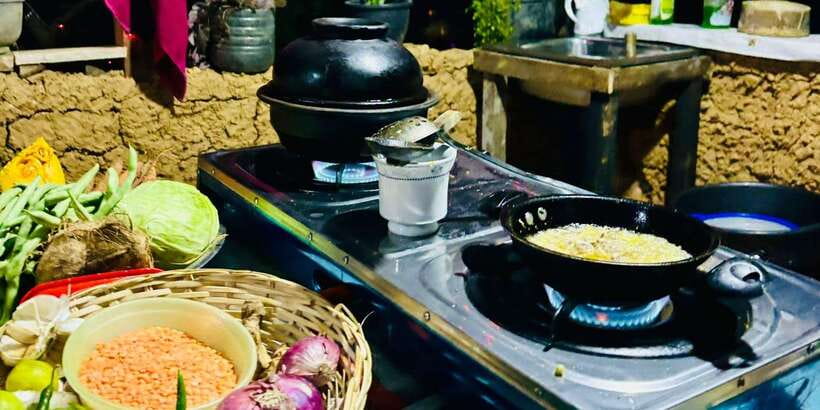
The setting matters, too. You are welcomed into a local home in Ella, often using an outdoor kitchen. That gives the class a personal feel, although it also means this is not a formal restaurant kitchen with a fixed classroom layout. If you want a highly polished demonstration with individual workstations, this may feel basic. If you want direct contact with a local family and everyday cooking methods, the setting is a major advantage.
More Hands-On Workshops in Sri Lanka:
- Ella: Traditional Sri Lankan Cooking Class
★ 4.9 · 788 reviews - Organic cooking class sigiriya (kumara & family)
★ 5.0 · 650 reviews - Sri Lanka Cooking Class with Granny
★ 5.0 · 587 reviews
Arriving at the homestay kitchen
The activity lasts about two to three hours, and the meeting point can vary depending on the option you book. Transportation is not included, so check the exact location and plan your way there before the day of the class.
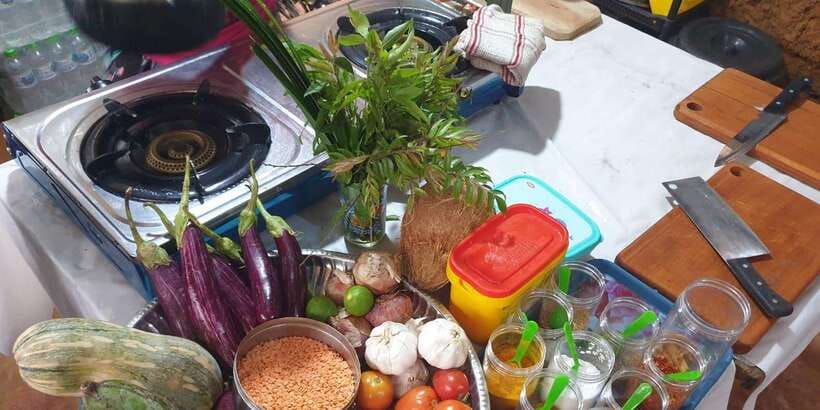
Once you arrive, expect an introduction to the ingredients and the menu. The exact dishes can change with the season and the group’s choices. Common options include potato, dhal, pumpkin, bean, fish, or chicken curry, along with eggplant salad, papadom, carrot sambol, and coconut sambol.
This flexible menu is useful because it lets you focus on foods you actually want to learn. Vegetarian and vegan participants have been accommodated in the class, and the range of vegetable dishes is broad. If you want meat or fish, you can choose those dishes when arranging your booking.
A small group is advertised, with space for up to 10 participants. That is a sensible size for a home kitchen, though one session was described as having 12 people. Group numbers can affect how much individual chopping or stirring you get to do, so it is worth confirming the expected size if personal instruction is important to you.
Starting with spices, coconut, and seasonal produce
The class is not just a list of recipes. Neranji explains how Sri Lankan cooks use spices and local ingredients to build flavor. You learn what goes into the dishes and why the order of preparation matters.
Several parts of the process are especially useful if you plan to cook Sri Lankan food at home:
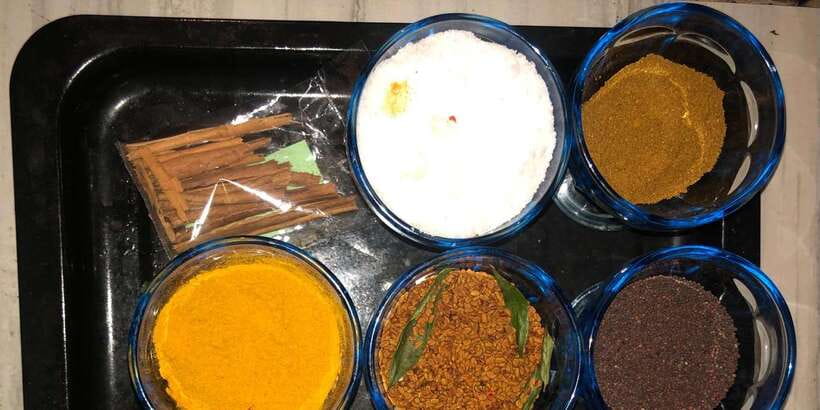
- How traditional spices are combined
- How fresh ingredients change the taste of a curry
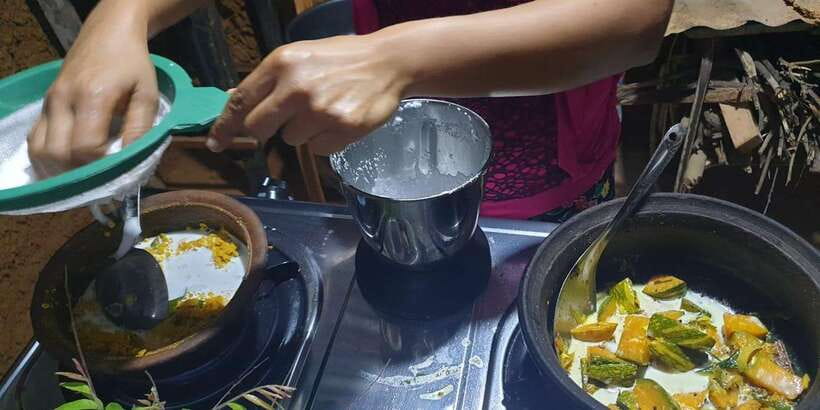
- How to make coconut milk from scratch
- How to balance heat and seasoning
- Which local ingredients can be replaced with items from Western supermarkets
- How older cooking methods compare with modern kitchen equipment
The coconut milk demonstration is a highlight because it shows a basic ingredient rather than treating it as something that simply comes from a can. You may also see traditional kitchen tools and methods that are not often covered in a short restaurant-based class.
The use of seasonal produce is another plus. The menu is not presented as a rigid set of dishes that must be identical every day. Ingredients are chosen for freshness, so your class may reflect what is available locally. That is good for flavor, but it means you should not assume every listed dish will be prepared in every session.
Preparing a full Sri Lankan meal
The cooking is collaborative. You work with Neranji and the other people in the group to prepare several dishes, rather than making one recipe from start to finish on your own.
A typical combination might include three curries and a salad. One especially popular set is lentil dhal, pumpkin curry, and aubergine salad. Other sessions include rice and curry, coconut roti, sambols, and papadom.
This format shows you how Sri Lankan meals work as a group. A curry can be excellent on its own, but the meal becomes more interesting when you combine creamy dhal, sweet pumpkin, sharp sambol, crisp papadom, and rice. You learn how different textures and flavors share the same plate.
The pace is relaxed, with time for questions and conversation. You should not expect a timed professional kitchen challenge. That is good news if you want to understand the steps or take photographs, but less ideal if you are looking for an intensive chef-training session.
Neranji also explains the small tricks that make a difference. These may include how vegetables are prepared, how spices are handled, and how traditional techniques can be adapted to a home kitchen. The instruction is practical rather than overly technical, which suits people who want to recreate the food after returning home.
A few more cooking classes around Sri Lanka worth a look
- Kandy Village Cooking Class
★ 5.0 · 536 reviews - Sea waves sri lankan cooking class
★ 5.0 · 467 reviews - Ella : Cooking class with amazing Spice Garden Tour
★ 5.0 · 239 reviews - Sajee’s Place Cooking Class
★ 5.0 · 237 reviews
Choosing the special-dish menu
The standard choices cover familiar Sri Lankan dishes, but Neranji also offers less common specialties. These include banana flower curry, jackfruit curry, sweet onion curry, mango curry, and coconut roti.
You need to request one of these dishes at least 24 hours ahead so the ingredients can be organized. This is one of the most useful booking tips. Do not arrive expecting banana flower or jackfruit curry unless you have asked for it in advance.
These special dishes are a good choice if you have already eaten several standard curries during your time in Sri Lanka and want something less familiar. They may also appeal to vegetarians and anyone interested in how Sri Lankan cooks use fruit, flowers, and vegetables in savory food.
If you are new to the cuisine, the familiar menu may be better. Dhal, pumpkin, potato, and coconut sambol give you a solid introduction to the basic flavors and techniques. You can then use the recipes at home without needing hard-to-find ingredients.
Sitting down to eat what you made
The reward comes at the end, when the group sits down to eat. This is not a small tasting. You prepare a full spread and share it with the people who cooked alongside you.
The meal is also part of the lesson. You can taste how the dishes work together and compare the finished flavors with what you expected. If you are unsure about spice levels, tell Neranji during the class. She has adjusted recipes to suit different preferences.
The shared meal adds a social side to the experience. You may meet people from several countries and chat over the food rather than leaving as soon as the cooking ends. For solo visitors, that can be a welcome part of an Ella evening.
The practical downside is that the class may finish later than expected if the group is large or the cooking takes time. Since transport is not included, avoid making a tight onward booking. Some people have received a lift home from Neranji’s husband, but that is not listed as a standard inclusion, so you should not rely on it.
What you take home for $19
At $19 per person, this is strong value. The price covers a two to three hour cooking class, the food you prepare and eat, recipes for the dishes, and special spices and ingredients to take home.
The recipes are particularly useful because the class includes dishes that can be repeated with supermarket ingredients. Neranji can explain which local products have practical substitutes, helping you avoid the common problem of returning home with a recipe that cannot be made outside Sri Lanka.
You may also be able to receive the recipes digitally. Some people connected with Neranji through WhatsApp after the class, making it easier to keep the instructions. The formal inclusion is recipes for the dishes prepared, so ask how they will be sent before leaving.
The spices are a nice extra, but check what is included and how much you receive. Think of them as a starter kit, not a complete pantry. The real value is the understanding of how to use them.
Compared with paying for a meal alone, the class gives you food plus a skill. Compared with a private lesson, the small-group format keeps the cost low but may mean less one-to-one time.
The setting, teaching, and group size
Neranji’s home is part of the cultural exchange. You are supporting a female-run local business and a family that enjoys sharing Sri Lankan food and customs.
The home setting also brings a few practical limits. Kitchen space may feel close if the group reaches its maximum, and the class will not have the uniform equipment of a commercial cooking studio. You should come ready to participate, stand, and work in a lived-in kitchen rather than expect a staged food demonstration.
English and Sinhala are used. The English instruction has been clear enough for international participants to follow the recipes and ask questions. If you are interested in traditional techniques, ask directly about the old methods, local tools, and ingredient substitutions. Neranji is happy to explain these details, and they are among the most useful parts of the class.
The experience suits families, couples, solo visitors, and small groups. Children may enjoy the hands-on work, but the provided information does not specify a minimum age, so confirm this before booking with young children.
Timing your class in Ella
The class is offered at different starting times, subject to availability. Morning sessions can finish in time for lunch, while later sessions work well as an evening activity followed by dinner.
A morning class may suit you if you want the rest of the day free for Ella sightseeing. An evening class gives the experience more of a social dinner feel, but remember to arrange your return transport.
The lesson usually lasts a little over two hours, though the stated duration is two to three hours. Allow extra time for eating and conversation. This is not an activity to squeeze between two fixed appointments.
You can cancel up to 24 hours in advance for a full refund, and you can reserve now and pay later. Those policies are useful if your route through the hill country is still changing.
Who should book this experience
I would choose this class if you want to understand Sri Lankan food rather than simply order another curry. It is especially good for:
- People who enjoy cooking and want practical recipes
- Visitors curious about spices and coconut-based dishes
- Vegetarians and vegans seeking a broad choice of local food
- Solo visitors who like meeting people over a shared meal
- Families who want a hands-on cultural activity
- Anyone who wants to support a small local, female-run business
I would think twice if you have a food allergy. The activity specifically says it is not suitable for people with food allergies, and a shared home kitchen may not provide the controls you need.
You may also prefer another option if you want a private class, a professional kitchen, or a fixed menu. The group format and seasonal ingredients are part of the charm, but they also mean the experience is less standardized.
My verdict on cooking with Neranji
Book it if you have two to three hours in Ella and want a meal with real context. The best parts are the warm home setting, the hands-on preparation, the explanation of traditional methods, and the chance to eat a full spread you helped make.
The class is not perfect for people with allergies, strict schedules, or a need for private instruction. You also need to sort out transport and request special dishes at least a day ahead.
For most food lovers, though, $19 is a fair price for a cooking lesson, dinner, recipes, and spices. I would choose a familiar menu for a first taste of Sri Lankan cooking, or request banana flower, jackfruit, mango, or coconut roti if you already know the basics.
FAQ
Where does the cooking class take place?
The class takes place in Neranji’s home kitchen at her homestay in Ella. The exact meeting point may vary depending on the option booked.
How long does the class last?
The cooking class lasts about two to three hours. Some sessions run a little over two hours, followed by time to eat the prepared dishes.
How much does the experience cost?
The listed price is $19 per person.
What food can I learn to cook?
Possible dishes include potato, dhal, pumpkin, bean, fish, or chicken curry, along with eggplant salad, papadom, carrot sambol, coconut sambol, rice and curry, and coconut roti.
Can I request a special Sri Lankan dish?
Yes. You can request banana flower curry, jackfruit curry, sweet onion curry, mango curry, or coconut roti. Ask at least 24 hours in advance so the ingredients can be arranged.
Do I eat the food prepared during the class?
Yes. After cooking, you sit down and eat the dishes prepared during the session.
Are recipes included?
Yes. You receive recipes for the dishes prepared during the class. Recipes may also be shared digitally if arranged with Neranji.
Do I receive any spices or ingredients?
Yes. Special spices and ingredients are included for participants to take home.
Is transportation included?
No. Transportation to and from the cooking class is not included. Check the meeting point and arrange your own transport.
Is the class suitable for people with food allergies?
No. The activity is specifically listed as unsuitable for people with food allergies.
What languages are spoken?
The class is offered in English and Sinhala.
How many people can join?
It is described as a small-group class limited to 10 participants. Because group sizes can vary, confirm the expected number if that matters to you.
Can I cancel my booking?
Yes. You can cancel up to 24 hours in advance for a full refund.
Can I reserve without paying immediately?
Yes. The reserve-now, pay-later option lets you book your place without paying at the time of reservation.
Just added around Sri Lanka
- Galle: Cooking Class at a Local Home and Market Tour★ 5.0 · 47 reviews
- Vegan Cooking Class Colombo with Market Tour★ 5.0 · 9 reviews
- Private Traditional Sri Lankan Cooking Class in Kandy with Hotel Transfers★ 5.0 · 115 reviews
- Sri Lanka Cooking Class with Granny★ 5.0 · 587 reviews
- Cooking With Village Family★ 5.0 · 104 reviews
- Organic Cooking Class sigiriya home Kitchen(Kumara & family)★ 5.0 · 116 reviews
- Colombo Cooking Experiance with Explore Market★ 4.7 · 33 reviews
- Colombo Cooking Class★ 5.0 · 151 reviews
Cooking Classes, compared.
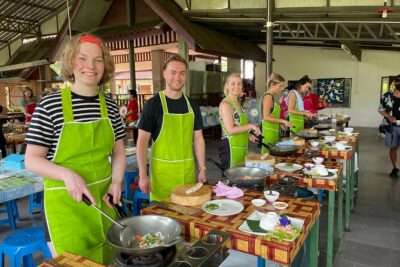
Half-Day Thai Cooking Class at Organic Farm in Chiang Mai
Read our review →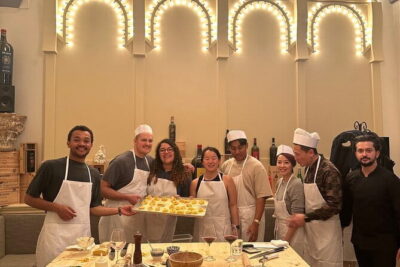
Florence: Pasta Cooking Class with Unlimited Wine
Read our review →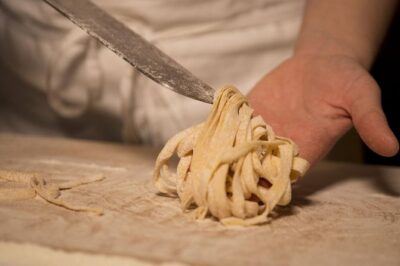
3 in 1 Cooking Class near Navona: Fettuccine, Ravioli & Tiramisu
Read our review →
Hanoi Cooking Class: Culture, Local Market & Meaning CSR Impact
Read our review →
5 Traditional Dishes Hanoi Cooking Class with Market Trip
Read our review →
Cooking Class and Lunch at a Tuscan Farmhouse with Local Market Tour from Florence
Read our review →
Chiang Mai: Cooking Class, Market & Thai Herbs Garden Tour
Read our review →Browse the lists this tour appears in