
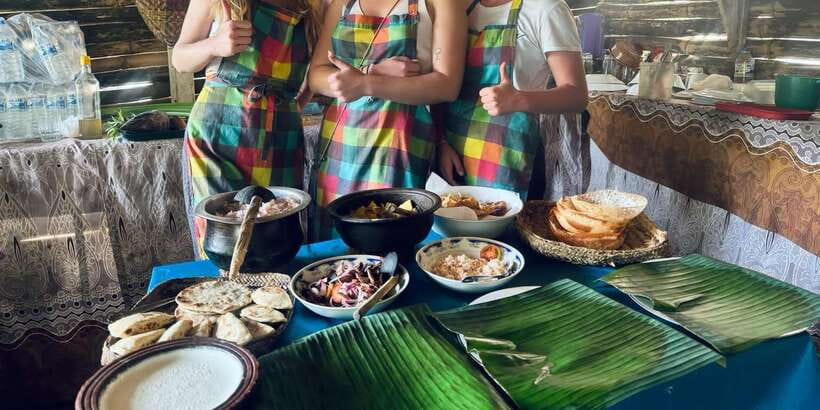
Review · SRI LANKA
Ella: Traditional Sri Lankan Cooking Class
Ella’s most memorable food lesson may be the one that feels least like a formal cooking school. You work together in an open-air traditional kitchen, learning old-fashioned methods such as grating coconut, making coconut milk, preparing sambol, and cooking dhal. Then you sit down to a generous Sri Lankan meal on a banana leaf.
I like the warm, practical teaching from Ranjani, along with the way she explains the uses and health benefits of spices as she cooks. I also like the value: $19 includes the instructor, ingredients, water, the full meal, and digital recipes. The main thing to consider is the shared setup. You are not given an individual workstation or a private menu, and a full group can feel crowded.
Key points to know before booking
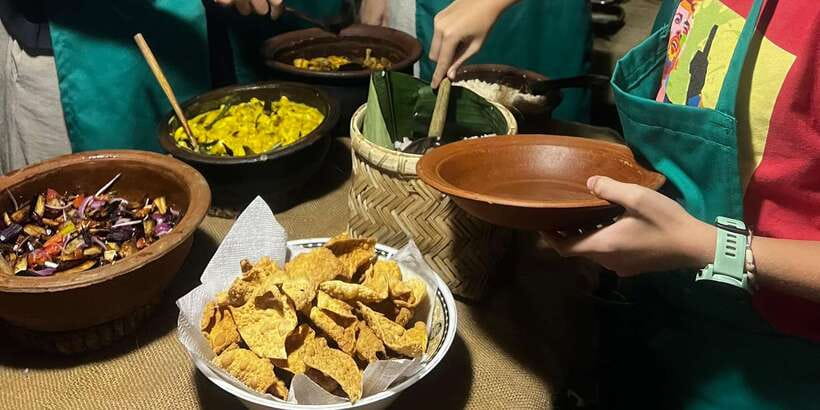
- Traditional cooking methods: Learn how coconut is grated, milk is extracted, and Sri Lankan dishes are built from fresh ingredients.
- Ranjani leads the class: Her teaching focuses on clear steps, spice uses, cooking methods, and practical recipes you can repeat at home.
- A shared kitchen, not a private workstation: Everyone helps with different tasks, so your hands-on time depends partly on group size.
- A full meal at the end: Expect several dishes, often including dhal, curry, sambol, vegetables, papadam, or rice.
- Two regular start times: Classes generally run at 11:00 AM and 5:00 PM, with some flexibility if you arrange another time in advance.
- Good value at $19: Fresh ingredients, instruction, water, the meal, and recipes are included, while transport to the meeting point is not.
Cooking in Ella’s open-air kitchen
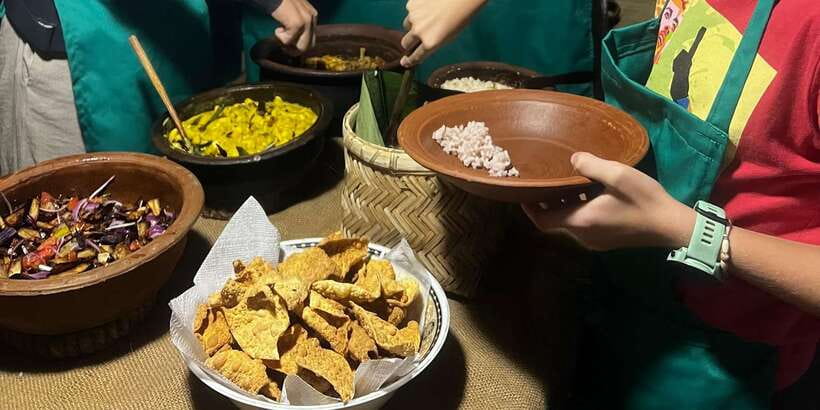
You check in with the staff at Chamathka Cooking Class, then enter an open-air kitchen surrounded by greenery. This setting matters. You get ventilation while cooking, a look at a more traditional home-style setup, and a lesson that feels connected to daily life rather than staged for tourists.
The class begins with an introduction to the ingredients. Sri Lankan cooking depends on the balance of spices, coconut, vegetables, rice, and lentils, so this opening part gives you the tools to understand the food instead of simply following a recipe. Ranjani explains what each ingredient does, how it is used, and, in many cases, its traditional health benefits.
You may see equipment and methods that are very different from your kitchen at home. The class can include coconut grating, making coconut milk, preparing sambol, and cooking rice and dhal in a traditional way. These steps take longer than reaching for a tin of coconut milk or a food processor, but they show you how the flavor is built.
I especially like this part for people who want more than a quick demonstration. You learn the why behind the food: how ingredients work together, how spices are added, and how simple produce can become a complete meal.
More Hands-On Workshops in Sri Lanka:
- Organic cooking class sigiriya (kumara & family)
★ 5.0 · 650 reviews - Sri Lanka Cooking Class with Granny
★ 5.0 · 587 reviews - Kandy Village Cooking Class
★ 5.0 · 536 reviews
What you actually cook during the two hours
The exact menu is not fixed in the information provided, so you should not book expecting to choose every dish. The class may cover several Sri Lankan staples, including hoppers, rice and curry, string hoppers, honey roti, dhal, chicken curry, aubergine salad, coconut sambol, and papadam.
That variety is one of the class’s strengths. You are not learning one dish and leaving. You get a look at several parts of the Sri Lankan table, from a creamy lentil curry to a sharp coconut sambol and different forms of rice-based bread or noodles.
Hoppers are bowl-shaped pancakes, usually made so the edges turn thin and crisp while the center stays softer. String hoppers are delicate pressed rice noodles. Honey roti gives the lesson a sweet finish, while rice and curry show how a Sri Lankan meal is assembled rather than served as one heavy dish.
The class also makes good use of fresh produce. Expect vegetables and herbs to bring color and freshness to the meal, rather than relying only on rich sauces. The food can be filling, and the portions are generous enough that you may have leftovers or extra servings at the end.
Vegetarian and vegan needs receive useful attention. The menu can include both vegetarian and non-vegetarian dishes, and the host has accommodated vegan participants, although one dish may not be suitable. Tell the provider about dietary needs before you arrive so the cooking plan is clear.
How hands-on is the class?
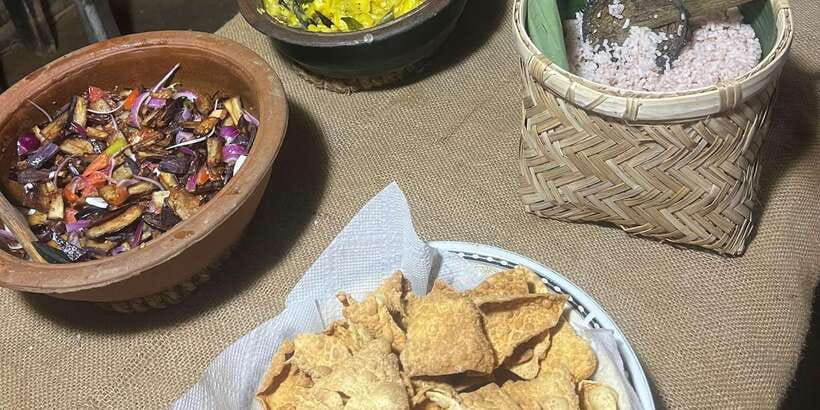
This is a group cooking lesson, not a row of individual cooking stations. Ranjani demonstrates the more complicated techniques, then invites participants to take turns chopping, mixing, seasoning, preparing ingredients, and helping with the cooking.
That format has two sides. It lets you watch a complete meal come together and makes the class social. You can talk with people from other countries while working toward one shared dinner. It also means you may not personally cook every dish from start to finish.
If you want to master each recipe by making your own separate portion, this is not the best match. You will have hands-on tasks, but you share the kitchen and the food. In a smaller group, you will likely get more turns. Some sessions have felt crowded when attendance was high, and one report described a group of 13 despite the advertised small-group format of up to eight participants.
The activity information lists a maximum of eight participants, so the limited group size is worth confirming when you book. At its best, the shared method feels like being welcomed into a family kitchen. At its busiest, you may need to wait for your turn.
Why the spice and health lessons add value
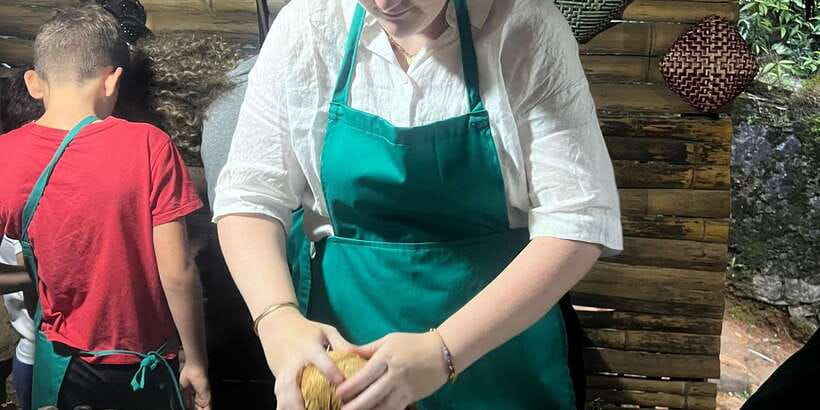
Ranjani does more than list ingredients. She explains how spices and herbs are used in cooking and discusses their traditional health benefits. This gives the lesson a useful local context, especially if your knowledge of Sri Lankan food begins and ends with the word curry.
You might learn how different spices affect taste, why certain ingredients are combined, and how cooking methods change the final dish. The lesson also helps you distinguish between a curry, sambol, side dish, and staple such as rice or string hoppers.
Keep the health discussion in perspective. It is part of the food tradition and the instructor’s teaching, not a medical consultation. Still, it adds a personal and cultural layer to the class, and it can help you remember the recipes once you are back home.
The practical benefit is clear: you leave with more than a list of ingredients. You have seen the order of preparation, the texture to look for, and the traditional tools used to create the dishes.
A few more cooking classes around Sri Lanka worth a look
- Sea waves sri lankan cooking class
★ 5.0 · 467 reviews - Ella: Sri Lankan Cooking Class with Neranji at Homestay
★ 5.0 · 276 reviews - Ella : Cooking class with amazing Spice Garden Tour
★ 5.0 · 239 reviews - Sajee’s Place Cooking Class
★ 5.0 · 237 reviews
Sitting down to eat on a banana leaf
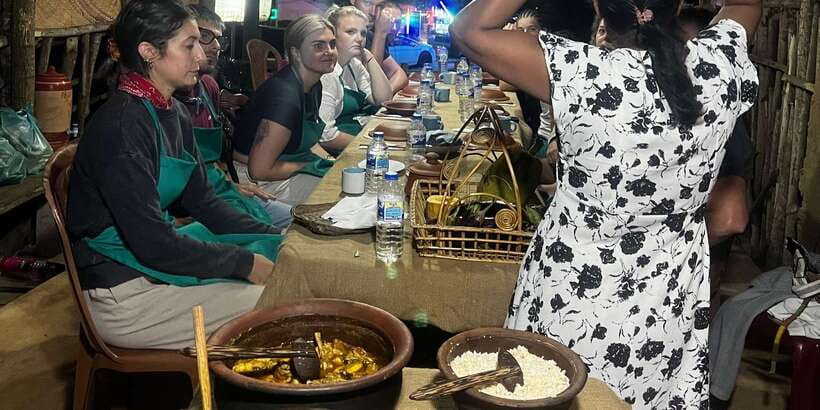
Once the cooking is finished, you sit down and eat the meal together. The food is served on banana leaves, a simple local touch that cuts down on washing and disposable dishes.
This final meal is not an afterthought. It gives you a chance to taste how all the parts work together. Rice, dhal, curry, sambol, vegetables, and papadam can be eaten in different combinations, with each side changing the flavor and texture of the next bite.
The class often produces more food than people expect. You may have enough for second portions, and sometimes there are leftovers. Bottled water is included, and some sessions also begin with tea and biscuits, though you should treat that as a possible extra rather than a guaranteed part of the advertised inclusions.
The shared table is also where the social side of the activity pays off. If you are traveling alone, this is an easy way to meet people without committing to a full-day group tour. If you are traveling as a couple or family, the meal gives you a natural moment to compare what you learned.
Can you recreate the food at home?

Recipes are sent digitally through WhatsApp after the class. This is one of the most useful inclusions because Sri Lankan cooking can be difficult to reproduce from memory alone, especially when the process includes coconut milk, spice timing, or unfamiliar techniques.
Some dishes are more practical for home cooks abroad than others. Recipes based on rice, lentils, vegetables, coconut, and common spices should be approachable, while traditional equipment may need to be replaced with modern kitchen tools. The class helps by showing you the original method first, then giving you a guide to follow later.
You may also be able to request a cookbook PDF. That is not listed as a standard inclusion, so ask if you want one. The digital recipes are sent after class, and you should make sure the provider has the correct WhatsApp contact.
The recipes are especially valuable for anyone who has enjoyed Sri Lankan food but found it hard to identify the spices or proportions. You can return home with a practical reminder of what you saw rather than a vague promise to try cooking curry someday.
Timing, meeting point, and value
The class lasts about two hours, with regular start times around 11:00 AM and 5:00 PM. The evening session makes sense after a day of sightseeing in Ella, while the midday class can work well as a break from walks and train trips.
Allow some flexibility. The cooking and meal may run beyond the stated two hours, particularly if the group is large or the food takes longer to finish. One session took closer to two and a half hours, so do not schedule a tight transfer immediately afterward.
You arrange your own transport to Chamathka Cooking Class. No pickup is included, and the meeting point is listed as the class itself. Contact the provider in advance if you need a different start time, since the schedule can sometimes be adjusted.
At $19 per person, the value is strong. You are paying for food, teaching, water, a cultural experience, and recipes, not simply a demonstration. The cost is also modest compared with paying for a restaurant meal, though the class requires more of your time and does not give you complete control over the menu.
Free cancellation is available up to 24 hours before the activity for a full refund, and you can reserve now and pay later. Those terms are useful if your Ella plans depend on weather or train schedules.
Who will enjoy this Ella cooking class?
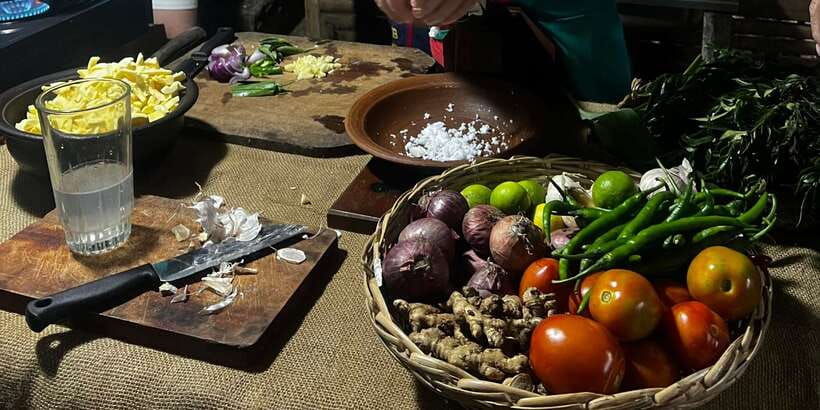
I would choose this class if you want to understand Sri Lankan food from the inside. It suits curious eaters, home cooks, couples, solo visitors, and anyone looking for a social evening that does not revolve around sightseeing.
It is also a good rainy-day activity. Ella’s weather can interrupt outdoor plans, while cooking gives you a warm indoor or partly open-air alternative. The setting lets you stay connected to the greenery without standing in the rain on a viewpoint.
The class works particularly well for:
- People who want traditional techniques rather than a polished restaurant demonstration
- Visitors interested in spices, herbs, and local food customs
- Vegetarians and many vegan participants who share their needs in advance
- Home cooks who want recipes to use after returning home
- Solo visitors looking for a friendly small-group activity
- Anyone who considers a generous meal part of the value
You may want another experience if you need a private lesson, a personal workstation, a fixed menu, or a guaranteed chance to cook every dish yourself. The communal approach is central to the class, so it is best to know that before booking.
Should you book it?
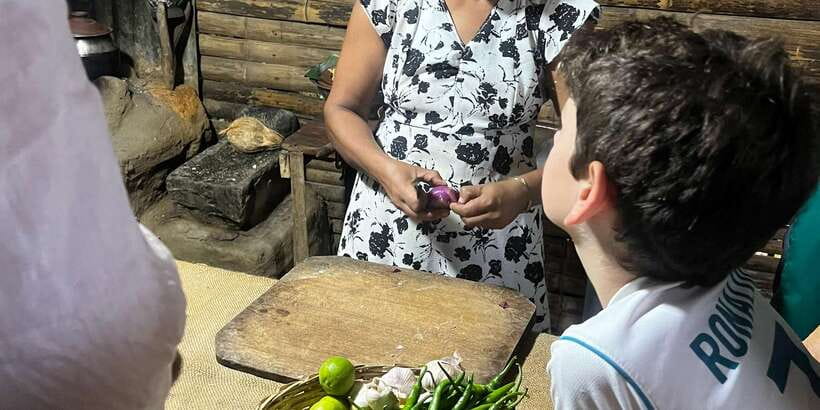
Yes, if you want a practical introduction to Sri Lankan food and do not mind sharing the work. The combination of traditional methods, fresh ingredients, spice explanations, a banana-leaf meal, and recipes sent through WhatsApp gives this two-hour activity more substance than a simple cooking demonstration.
Book the 5:00 PM session if you want an evening meal and a relaxed social setting. Choose the midday option if you prefer to finish early. Confirm the group size and share dietary requirements ahead of time, especially if you need a vegan menu or want more hands-on cooking time.
At $19, this is an easy activity to recommend for most visitors to Ella. Just bring the right expectation: you are joining Ranjani in a shared kitchen to help create a feast, not renting a private cooking station.
FAQ
Where does the cooking class take place?
You check in with the staff at Chamathka Cooking Class in Ella, Sri Lanka. The lesson takes place in an open-air kitchen with surrounding greenery.
How long does the class last?
The advertised duration is two hours. Plan for extra time because the cooking and shared meal can sometimes take longer, particularly with a larger group.
What time does the class begin?
The usual starting times are 11:00 AM and 5:00 PM. The provider may be flexible with timing if you contact them in advance.
Who teaches the class?
The experience provider is Ranjani. Instruction is available in English and Singhalese.
What food might I prepare?
Possible dishes include hoppers, rice and curry, string hoppers, honey roti, dhal, chicken curry, aubergine salad, coconut sambol, and papadam. The exact menu is not fixed, and both vegetarian and non-vegetarian dishes may be available.
Is the class suitable for vegans?
Vegan participants have been accommodated, although one dish may not be suitable. Tell the provider about your dietary needs before the class.
Do I receive the recipes afterward?
Yes. Recipes are sent digitally through WhatsApp after the class. A cookbook PDF may also be available if you request it.
Is transportation included?
No. You are responsible for getting to the meeting point at Chamathka Cooking Class. The instructor, ingredients, class, meal, and bottled water are included.
Just added around Sri Lanka
- Galle: Cooking Class at a Local Home and Market Tour★ 5.0 · 47 reviews
- Vegan Cooking Class Colombo with Market Tour★ 5.0 · 9 reviews
- Private Traditional Sri Lankan Cooking Class in Kandy with Hotel Transfers★ 5.0 · 115 reviews
- Sri Lanka Cooking Class with Granny★ 5.0 · 587 reviews
- Cooking With Village Family★ 5.0 · 104 reviews
- Organic Cooking Class sigiriya home Kitchen(Kumara & family)★ 5.0 · 116 reviews
- Colombo Cooking Experiance with Explore Market★ 4.7 · 33 reviews
- Colombo Cooking Class★ 5.0 · 151 reviews
Cooking Classes, compared.
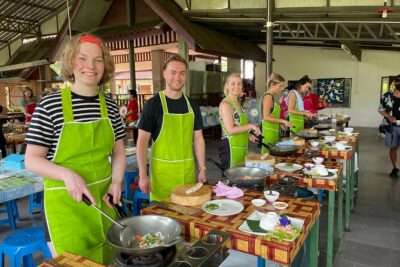
Half-Day Thai Cooking Class at Organic Farm in Chiang Mai
Read our review →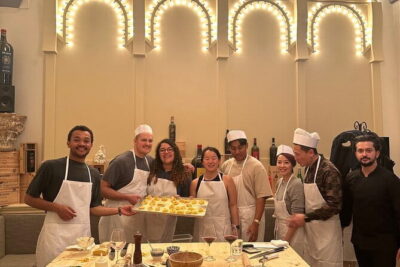
Florence: Pasta Cooking Class with Unlimited Wine
Read our review →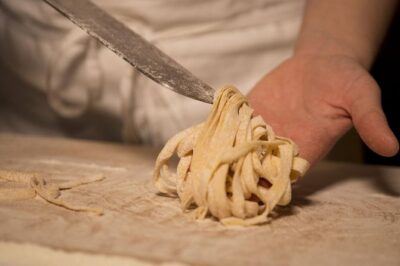
3 in 1 Cooking Class near Navona: Fettuccine, Ravioli & Tiramisu
Read our review →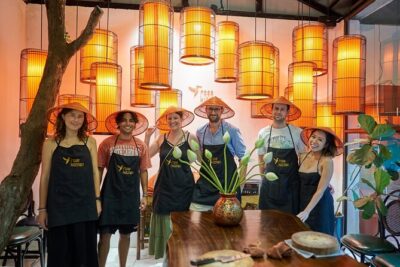
Hanoi Cooking Class: Culture, Local Market & Meaning CSR Impact
Read our review →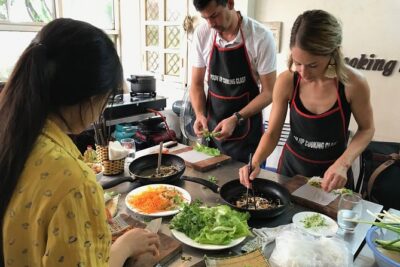
5 Traditional Dishes Hanoi Cooking Class with Market Trip
Read our review →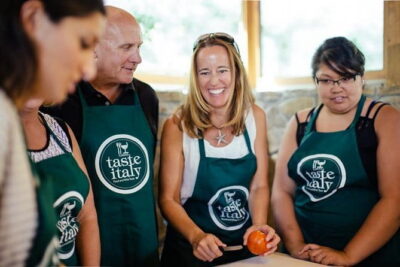
Cooking Class and Lunch at a Tuscan Farmhouse with Local Market Tour from Florence
Read our review →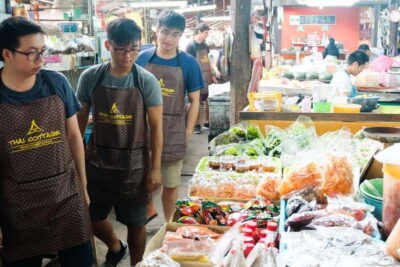
Chiang Mai: Cooking Class, Market & Thai Herbs Garden Tour
Read our review →Browse the lists this tour appears in