Review · FLORENCE
Florence: Tuscan cooking class with handmade pasta and wine
Fresh pasta is the star here, and you do more than watch a chef work. You mix, roll, shape, and cook the dough, then sit down to eat it with Tuscan wine in central Florence. I like the hands-on format and the easy location between Piazza della Signoria and Santa Croce.
I also like the patient teaching. Chefs such as Leon, Leo, Rudy, and Dino have helped beginners through mistakes without turning the class into a test. The main consideration is that the exact menu can vary: the advertised class covers three pasta shapes, while some sessions have included two pastas and tiramisu instead.
Key things to know
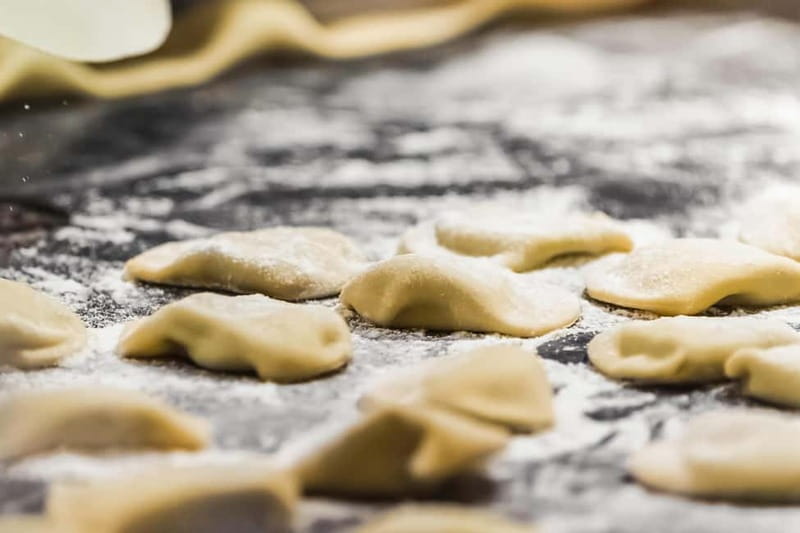
- Three pasta shapes are advertised: You learn ravioli, tortelli, and wide pappardelle, from dough to final dish.
- Tiramisu may be included: Several class formats have added tiramisu, but it is not listed in the core inclusions, so confirm the menu when booking.
- Central Florence setting: The school sits close to Piazza della Signoria and the Basilica di Santa Croce.
- Good for first-timers: The chef supplies equipment, ingredients, instructions, and hands-on help.
- Wine comes with the meal: Tuscan wine and non-alcoholic drinks are included.
- Allow three hours: This is a full activity, not a quick demonstration before dinner.
Making pasta in the heart of Florence
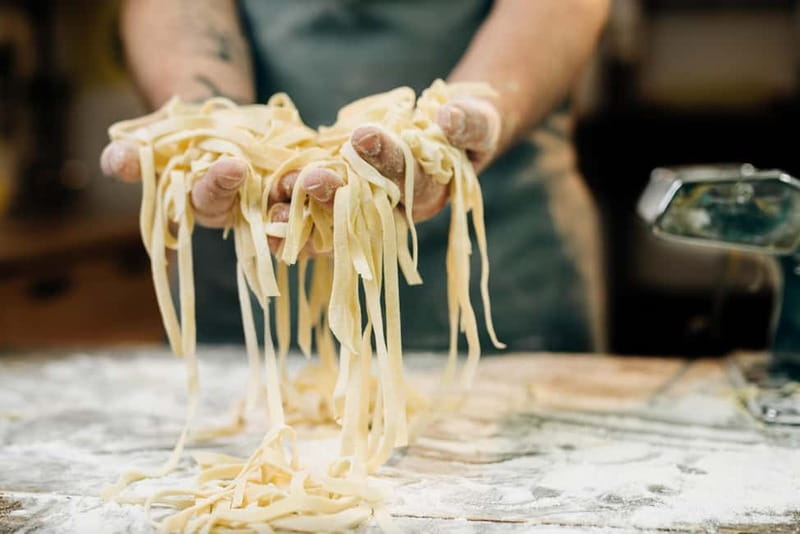
This class gives you a useful break from looking at art and churches. Florence can fill a day with grand sights, but three hours at a worktable lets you take part in a small piece of everyday Italian food culture.
You meet at the cooking school in the historic center, within an easy walk of Piazza della Signoria and Santa Croce. That location matters. You do not need a long taxi ride or a trip outside the city, and you can pair the class with a morning at the Uffizi, a walk through the center, or an evening near the Arno.
The setting is a fully equipped kitchen, not a formal lecture room. You receive the tools and ingredients on site, so you only need to arrive ready to work with flour, dough, and a little mess. The atmosphere is designed to be relaxed, and the chef teaches in English or Italian.
I would think of the experience as part cooking lesson, part social dinner. You work alongside other people, share a table, and eat the results together. Some sessions have been very small, with only three or four people, while others have accommodated larger groups. A small group can mean more individual help, but the class is meant to remain friendly and informal in either case.
More Cooking Classes with Wine Tasting in Florence
- Florence: Pasta Cooking Class with Unlimited Wine
★ 4.9 · 10,285 reviews - Florence: Pasta & Tiramisu Cooking Class with Unlimited Wine
★ 4.9 · 6,708 reviews - Florence: Pasta Cooking Class with Unlimited Wine
★ 5.0 · 6,413 reviews
From flour and eggs to workable dough
The first useful lesson is the dough itself. The chef guides you through the basic process, then shows how to bring it together and prepare it for shaping. You are not expected to arrive with professional kitchen skills.
That is important because fresh pasta looks simple until you try to make it. Dough can be too dry, too sticky, or unevenly rolled. A good instructor can correct those problems early, and the chefs here have been praised for staying patient while people learn.
Leon and Leo are names that come up often in connection with the class. Rudy and Dino have also led sessions. The teaching style is friendly and playful, with jokes and encouragement mixed into the instructions. That approach works well if you want an evening activity rather than a serious culinary examination.
You should still expect to pay attention. The class is relaxed, but you will be handling dough and following several steps. If you prefer to watch a demonstration while someone else cooks, this may not be the right choice. The point is to give you enough practice that you can repeat the process at home.
A particularly useful part of the lesson is learning the measurements and methods. Several class formats explain the ingredients clearly, which gives you a chance to recreate the food later. One small gap is that recipes may not always be sent home, so take notes if you want exact proportions.
Three shapes, three different pasta lessons
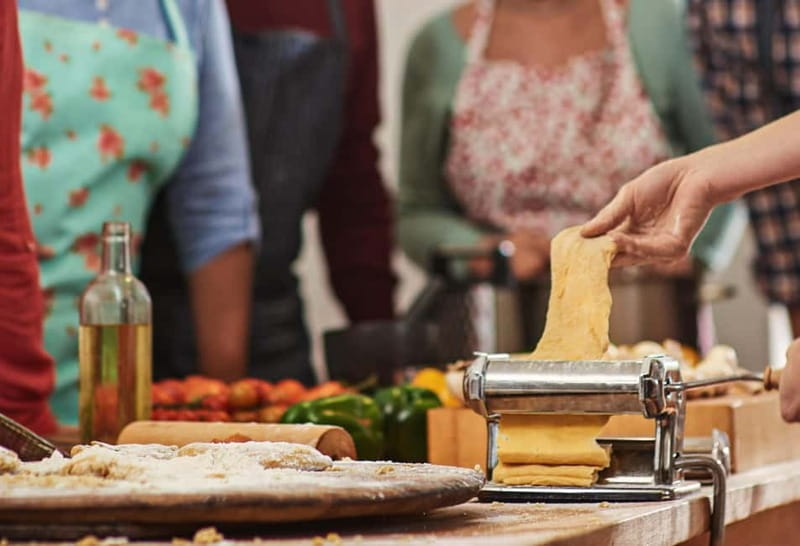
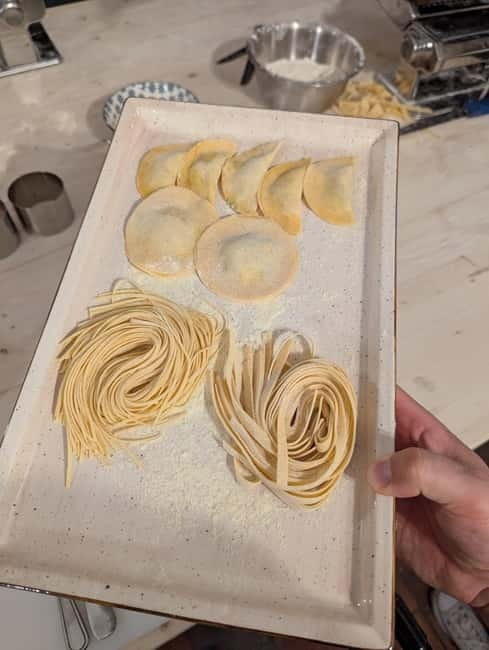
The stated program covers ravioli, tortelli, and pappardelle. Each one teaches a slightly different skill.
Ravioli introduces filled pasta. You learn to place filling on the sheet, seal the dough, and cut the pieces without trapping too much air. The shape looks elegant on the plate, but the work is practical. A weak seal can open during cooking, so the chef’s guidance is helpful.
Tortelli uses another filled shape and gives you more practice with folding and portioning. The difference between ravioli and tortelli may be small to a beginner, but the lesson shows how Italian pasta comes in many regional forms and shapes.
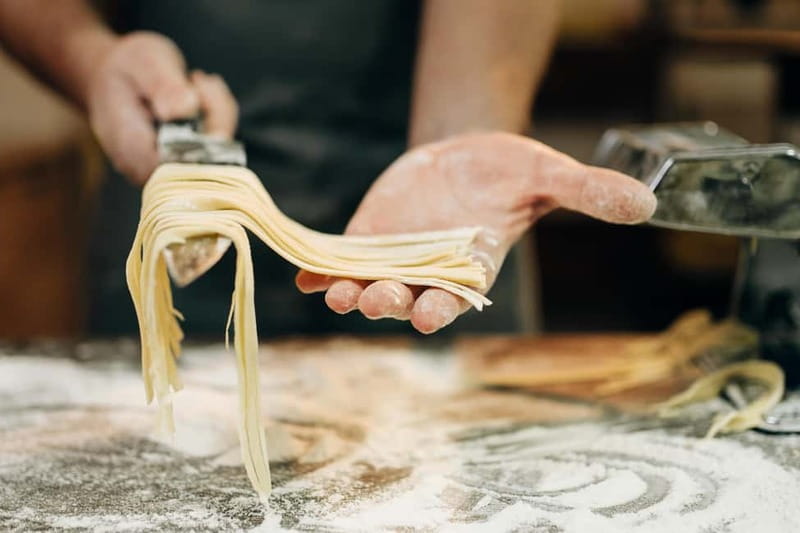
Pappardelle is wide and soft, making it a good contrast to filled pasta. Rolling and cutting the sheet gives you a better feel for thickness and texture. It is also a satisfying shape to make because the finished ribbons are easy to see and handle.
The class format can change. Many sessions have included two fresh pastas, often ravioli and pappardelle, alongside tiramisu. Other accounts describe ravioli, spaghetti, or tagliatelle. The core promise is fresh pasta, but you should not assume every class will produce all three listed shapes on every date.
That variation is not necessarily a problem. Two pasta shapes plus dessert can make a better-paced three-hour session than rushing through three forms. Still, if learning tortelli or pappardelle is your main reason for booking, check the planned menu before you pay.
Cooking and eating what you made
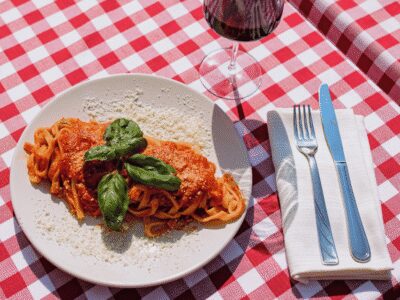
The best part comes after the worktable. The pasta is cooked and served with sauce, sometimes tomato or ragu, and you eat it as a proper meal. This is more satisfying than carrying a small sample to a standing counter.
You get to see the difference between raw handmade pasta and the finished dish. Filled pasta must be cooked carefully, while wide ribbons need a different timing. The kitchen team handles the cooking in some formats, allowing you to sit down and enjoy the result without worrying about a crowded pot.
Sauce is another reason the final meal matters. Pasta is not just about the dough. The sauce has to suit the shape, and the finished plate gives you a better sense of why the class teaches different forms.
Tuscan wine is included, with non-alcoholic drinks available. You may be offered white or red wine, depending on the session. The wine is not the main event, but it helps turn the lesson into a shared dinner. If you do not drink, the non-alcoholic option keeps the meal accessible.
Some sessions have also included tiramisu. In that format, you assemble the dessert early so it can chill while you make the pasta. That is a sensible use of time, and it adds another dish you can repeat at home. But tiramisu is not part of the basic list of included items, so treat it as a possible addition rather than a guaranteed part of the booking.
More Cooking Classes with Wine Tasting in Italy
- Florence: Cooking Class Pasta & Tiramisu Making Unlimited Wine
★ 5.0 · 2,234 reviews - Florence: Handmade Pasta & Dessert Class with Unlimited Wine
★ 4.8 · 788 reviews - Florence: Premium Pasta Cooking Class with Tiramisu & Wine
★ 4.9 · 456 reviews - Cooking Art Brunelleschi with Unlimited Wine
★ 5.0 · 448 reviews
Why the teaching makes a difference
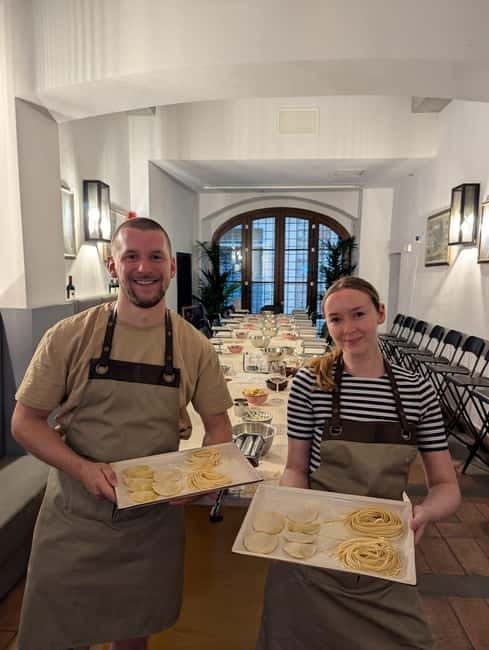
A cooking class succeeds or fails on the instructor. Ingredients and equipment are easy to provide. Clear hands-on help is harder.
The chefs here appear to put real effort into keeping people involved. Leon is repeatedly described as funny, patient, and attentive. Leo has helped families and first-time cooks, while Rudy has been praised for answering questions and giving people confidence. That matters if you are worried that your dough will go wrong.
The class can also work for people who need a slower pace. One account describes a chef carefully supporting a participant who had difficulty processing instructions. The important point is not that every session can meet every need, but that the teaching style can be warm and attentive rather than rushed.
Families with older children may find the activity enjoyable, and several accounts describe parents and children cooking together. The official age rule is stricter, however: the experience is not suitable for children under 18. Do not rely on informal family comments if your group includes minors. Check the age requirement before booking.
The class is also useful for solo visitors. You work with a group, so you have a natural way to meet people from different countries without arranging your own dinner companions. The social side is part of the value, especially if you are spending a few days in Florence on your own.
Value at $34 per person
At $34 per person, this is inexpensive for a three-hour central Florence activity that includes ingredients, equipment, instruction, food, and Tuscan wine. You are also getting a meal, though the real value is the skill and the shared experience rather than the price of the plate alone.
Compare it with a normal restaurant dinner and the value becomes clearer. A restaurant would give you pasta and wine, but not the chance to make the dough, shape it, ask questions, and eat it with the class. You may not receive the same level of polish as a high-end culinary school, but the price is much lower.
The low price may also explain why the format feels new and informal. Some sessions have been described as a newer operation with a lower cost than similar classes. That is good news for a budget-conscious visitor, but it also means you should keep expectations realistic. This is not a luxury cooking studio with a polished gift bag and a formal recipe manual.
The strongest value comes when you want several things at once: a meal, a local activity, a social evening, and a basic cooking skill. If you only want to eat handmade pasta, a restaurant may be simpler. If you want an advanced lesson on regional pasta traditions, you may want a more specialized school.
Timing, location, and practical details
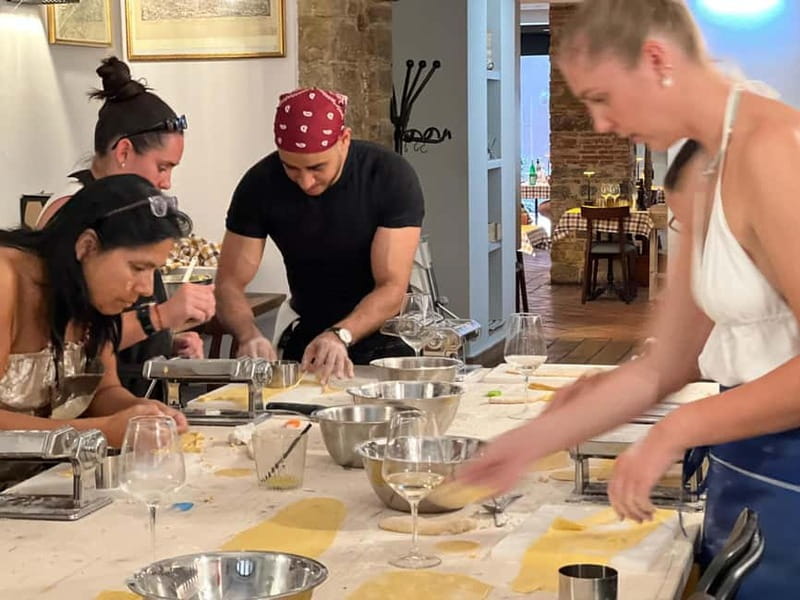
The class lasts three hours, with starting times shown according to availability. A midday session can fit between sightseeing stops. An evening session works well as dinner, since you finish by eating the food you made.
Give yourself enough time to find the venue. One person found the arrival point a little confusing because the restaurant name was not immediately clear. The activity is associated with the central cooking location and has also been connected with the restaurant Tre Pepi in the local accounts, so read the meeting instructions carefully and look for the exact venue name rather than assuming the activity will be obvious from the street.
The location is wheelchair accessible. Pets are not allowed, although assistance dogs are permitted. Smoking indoors, alcohol or drug use outside the provided meal, intoxication, bare feet, and similar conduct are not allowed. These rules are ordinary for a working kitchen, but they are worth knowing if you are planning a long day out.
The activity offers free cancellation up to 24 hours before the start time, and you can reserve while paying later. That gives you some flexibility if your Florence schedule is still changing.
Instruction is available in English and Italian. If your group includes people with different language needs, English instruction has been used successfully even when most of the group was Italian. Still, the booking information lists only English and Italian, so do not expect instruction in another language.
Who will enjoy this class most
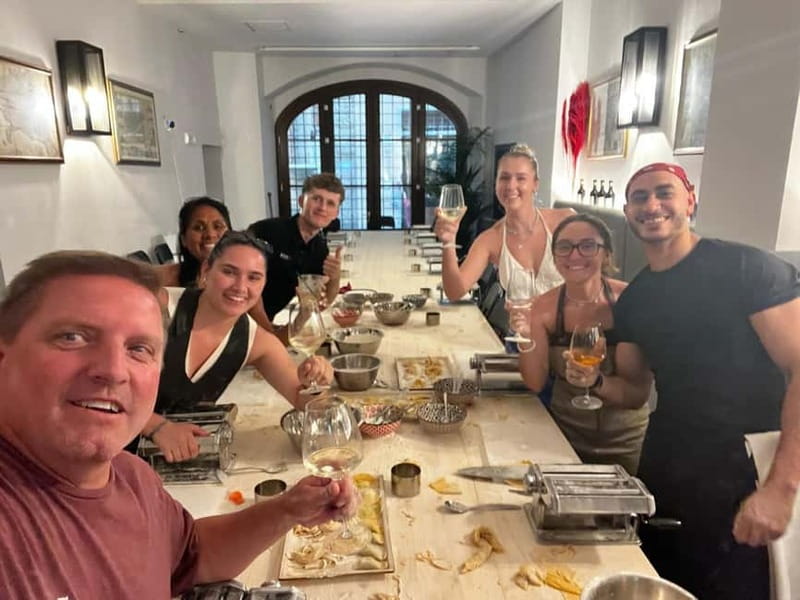
I would recommend it most strongly to adults who want to do something active in Florence. You do not need a cooking background. In fact, beginners may get the most from the clear sequence: make the dough, shape the pasta, cook it, then eat it.
It suits couples looking for a low-key evening, solo visitors who want company, and friends who would rather share a task than sit through another meal. The relaxed style also works well for people who like a little humor with their instruction.
This may not suit you if you need a guaranteed, fixed menu. The descriptions of the pasta and dessert have varied by session, so ask ahead if you have your heart set on tortelli, pappardelle, or tiramisu.
It may also disappoint anyone seeking a highly technical course. You learn useful basics, but the three-hour format is built for fun, food, and confidence. You should leave able to try fresh pasta at home, not ready to run a professional kitchen.
My verdict on the Florence pasta class
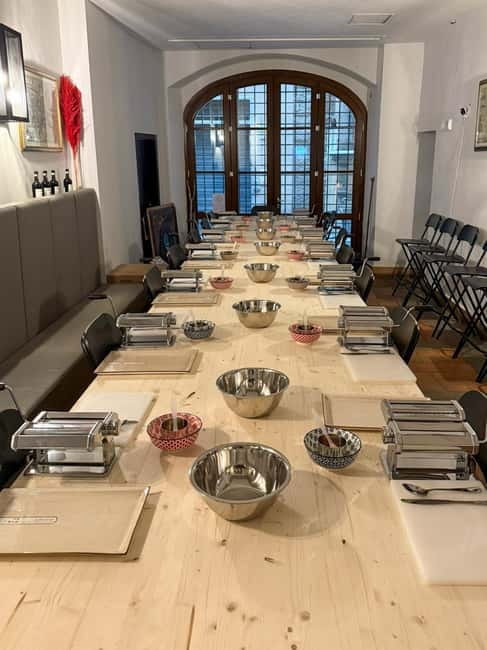
I would book this if you want a practical taste of Italian food culture without spending half a day outside Florence. The price is fair, the location is excellent, and the combination of making pasta and eating it with wine gives the activity a clear purpose.
The strongest reason to choose it is the teaching. Leon, Leo, Rudy, Dino, and the other chefs have been described as patient, funny, and willing to help people through mistakes. That makes a big difference when your first ravioli looks less than perfect.
Before booking, confirm the exact menu and meeting point. The advertised program features ravioli, tortelli, and pappardelle, but some sessions have focused on two pastas and tiramisu. If that small uncertainty does not bother you, this is a good-value Florence activity that gives you more than another restaurant meal.
FAQ
How long does the Florence pasta class last?
The class lasts three hours. Starting times depend on availability.
What types of pasta will I learn to make?
The advertised program includes ravioli, tortelli, and pappardelle. Some sessions have instead included two pasta types, such as ravioli and pappardelle, or other fresh pasta shapes.
Is tiramisu included?
Tiramisu has been included in some class formats, but it is not listed among the core inclusions. Confirm the menu for your chosen session if dessert matters to you.
Is wine included in the price?
Yes. Tuscan wine is included, and non-alcoholic drinks are available.
Do I need to bring cooking equipment or ingredients?
No. The ingredients and equipment are provided at the cooking school.
Is the class taught in English?
Yes. The available instruction languages are English and Italian.
Can children attend the class?
The activity is not suitable for children under 18. Check the age requirement before booking for a family group.
More Italian Cooking Classes in Florence
- Cooking Class and Lunch at a Tuscan Farmhouse with Local Market Tour from Florence
★ 5.0 · 4,831 reviews - Tuscan Cooking Class and Dinner in Florence
★ 4.5 · 732 reviews - Florence: Cooking Class at a Tuscan Farm & Local Market Tour
★ 4.9 · 354 reviews - Naples: Neapolitan Pizza and Tiramisù Making Class
★ 4.8 · 839 reviews
More Pasta Making Classes in Florence
- Pastamania – Florence Pasta Making Class
★ 5.0 · 3,050 reviews - Florence: Premium Pasta and Gelato Cooking Class
★ 4.9 · 877 reviews - Pasta Cooking Class: Mastering Nonna’s Recipes
★ 5.0 · 554 reviews - Pasta and Tiramisu Cooking Class with optional Local Market Tour
★ 5.0 · 515 reviews
Just added around Florence
- 2 Hour Florence Pizza and Gelato Small Group Guided Cooking Class★ 5.0 · 54 reviews
- Pizza & Gelato Making Cooking Class in Florence★ 4.5 · 78 reviews
- Florence: Pasta-Making Class with Dinner, Wine and… Sing!★ 4.9 · 210 reviews
- Hands-On Pasta Cooking Class in Florence with optional Pizza★ 4.5 · 276 reviews
- Florence: Cooking Class at a Tuscan Farm & Local Market Tour★ 4.9 · 354 reviews
- Cooking Art Brunelleschi★ 5.0 · 356 reviews
- Florence: Cooking Class with Local Food Market Tour★ 4.9 · 407 reviews
- Florence: Premium Pasta Cooking Class with Tiramisu & Wine★ 4.9 · 456 reviews
Pasta Making Classes, compared.
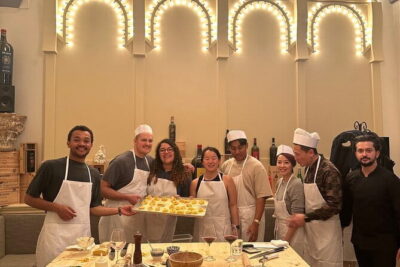
Florence: Pasta Cooking Class with Unlimited Wine
Read our review →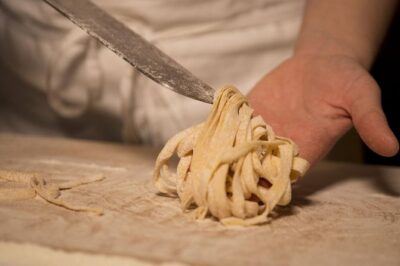
3 in 1 Cooking Class near Navona: Fettuccine, Ravioli & Tiramisu
Read our review →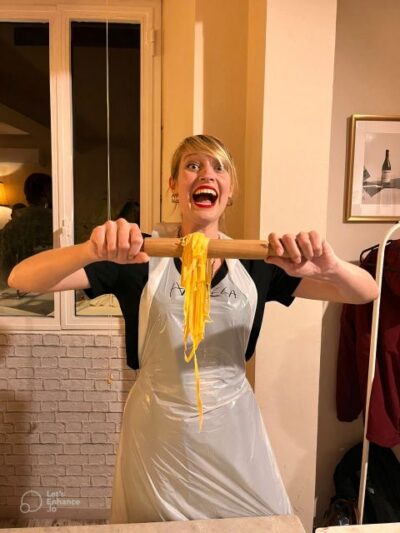
Rome: Pasta Making Class with Wine, Limoncello, and Dessert
Read our review →
Rome Cooking Class: Make Pasta and 3 Spritz Cocktails
Read our review →
Rome: 3-in-1 Fettuccine, Ravioli, and Tiramisu Cooking Class
Read our review →