
Review · BALINESE & INDONESIAN
From Garden to Table: Indonesian Cooking Class in Yogyakarta
The most rewarding part of this Yogyakarta cooking class happens before the stove is lit. You walk into Endah’s garden, pick herbs and flowers, and handle the rhizomes, spices, and vegetables that give Javanese food its character. I like that the lesson begins at the source, not with a neat row of supermarket ingredients.
I also like the private family setting and the choice of dishes. Endah adjusts the menu and spice level, sends recipes afterward, and serves the meal you prepare. The main thing to consider is that the kitchen is not air-conditioned, and one person found the cooking sequence a little hard to follow because parts of several dishes were prepared at once.
Key points at a glance
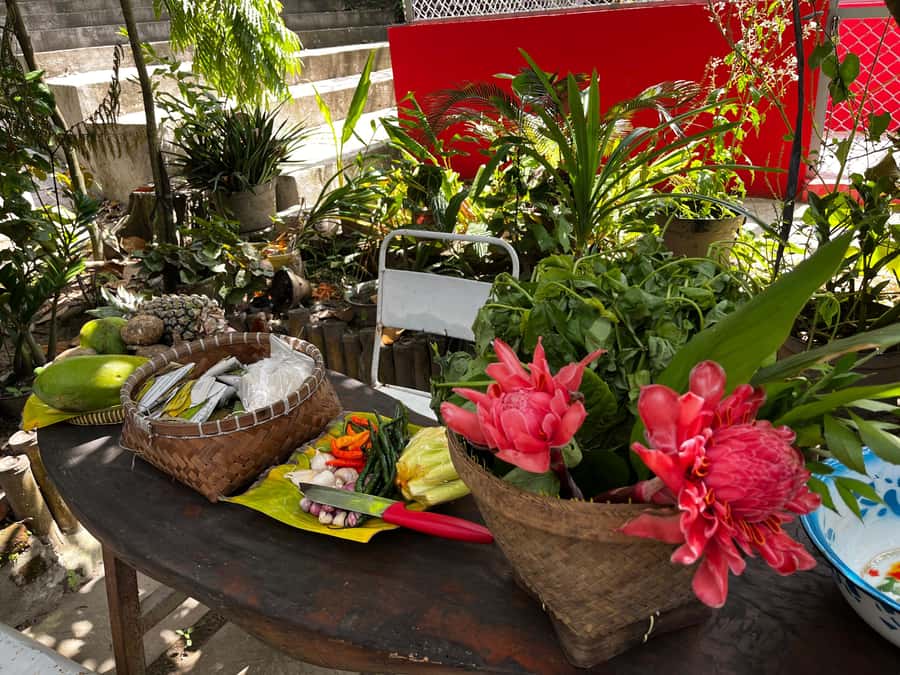
- Pick ingredients in Endah’s garden: Learn what local herbs and edible plants look, smell, and feel like before cooking.
- Prepare six Indonesian dishes: Expect items such as vegetable rujak, fried chicken with curry leaves, tofu, tempeh, sambal, and fruit rujak.
- Choose your menu in advance: A range of menu options lets you focus on dishes you most want to try.
- Eat what you make: Lunch, drinks, and a welcome beverage are included, with enough food to make this a substantial meal.
- Meet a local family: Endah and her family create an informal setting that feels more like cooking at home than a formal demonstration.
- Plan for five hours without air-conditioning: Bring something to help you stay cool, especially during Yogyakarta’s warmer parts of the day.
A garden-first introduction to Javanese cooking
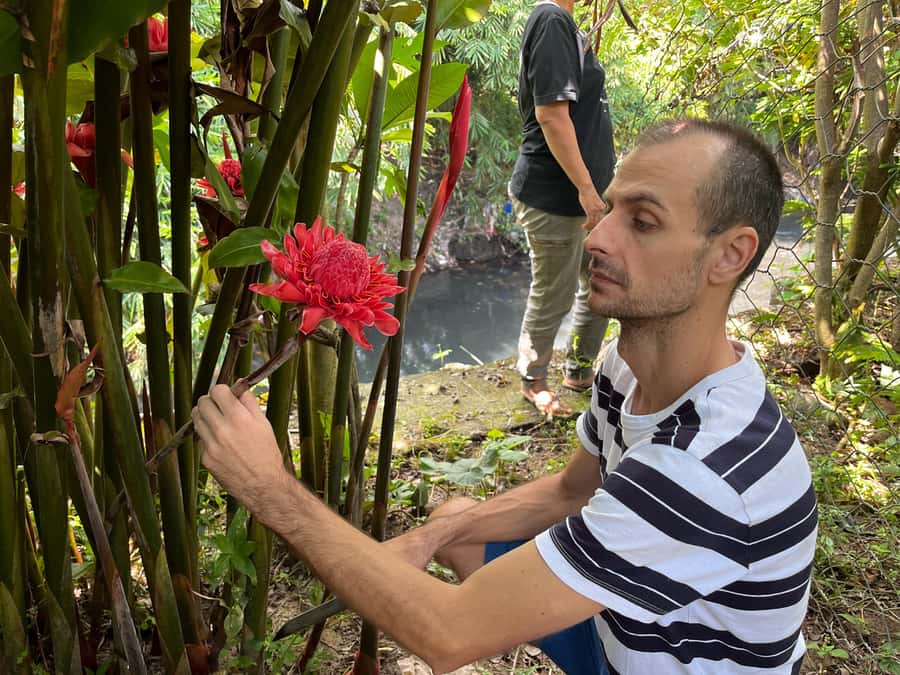
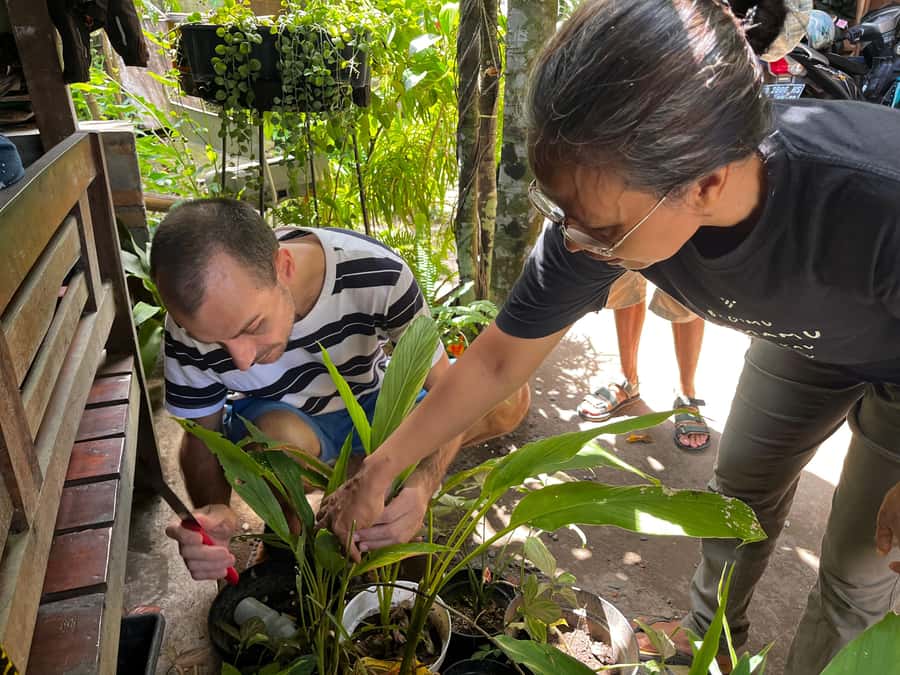
This is not a class where you sit and watch someone else do the hard work. Endah begins by showing you around the garden, where you collect fresh herbs, vegetables, and flowers for the meal. Some ingredients may be farmed, while others grow wild, giving you a useful look at the everyday plants behind Indonesian cooking.
That first walk matters. Indonesian recipes can call for a long list of ingredients, and many are unfamiliar to cooks from Europe, North America, or Australia. You get to touch and smell the ingredients before they are chopped or ground, which makes the finished food easier to understand.
Expect to examine rhizomes and spices as well as fresh produce. Endah explains how they are used, and you learn that the flavor of a dish often comes from a careful blend rather than one dominant seasoning. This is a good fit if you want cultural context along with a recipe.
The garden also gives the class a pleasant sense of place. Cats wander around, and the setting feels calm and domestic rather than staged for a large audience. If you enjoy seeing how food connects with family life, plants, and daily routines, this part may be the strongest reason to book.
More Balinese Cooking Classes in Indonesia:
- Ubud: Balinese Cooking Class at an Organic Farm
★ 5.0 · 1,786 reviews - Ubud Cooking Class Bali with Balinese Chef
★ 5.0 · 1,609 reviews - PRIVATE Authentic Balinese Cooking Class in Ubud at Putu’s Home
★ 5.0 · 644 reviews
Six dishes, several menu choices, and plenty of hands-on work
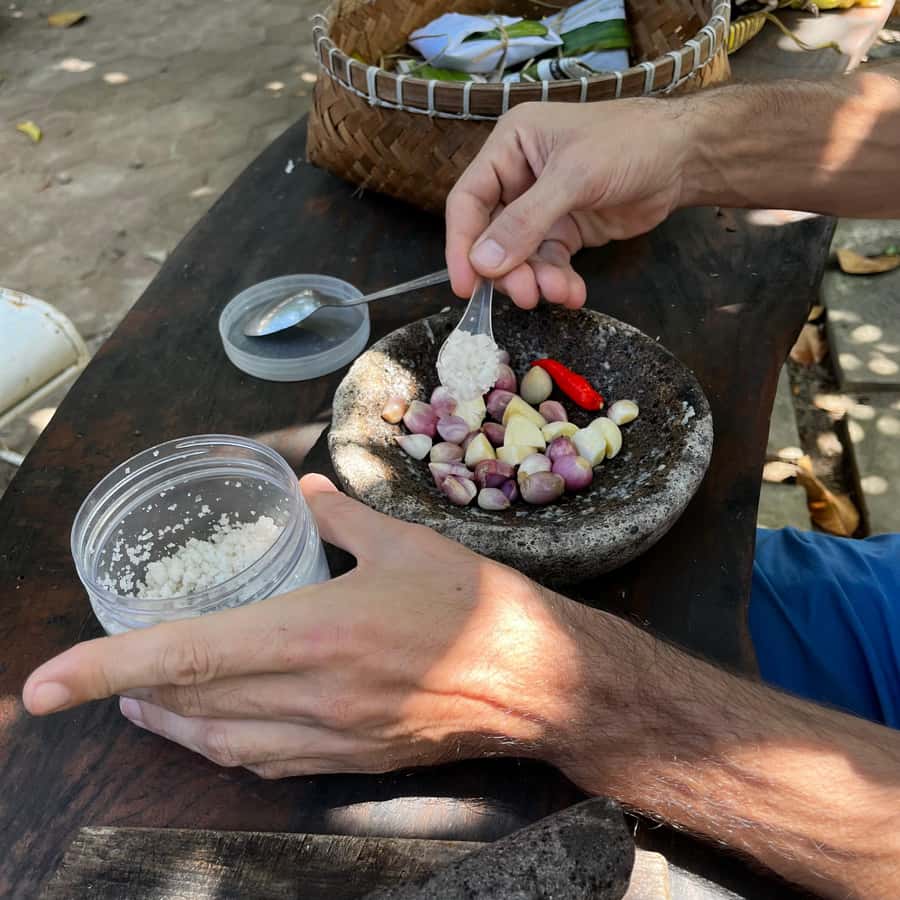
The standard meal includes six local dishes. The listed selection includes vegetable rujak with peanut sauce, fried chicken with curry leaves, fried or boiled tofu, tempeh, Balinese lemongrass chili sauce, and local fruit rujak.
The exact dishes are not necessarily fixed. After booking, you receive the available menu choices and can select what interests you. One couple had its options adjusted because the class was private, while another group specifically recommended the sambal and lotes from one menu.
That flexibility is useful. Indonesian food covers a broad range of tastes, and you may prefer vegetables, tofu, tempeh, chicken, fresh fruit, or a stronger chili component. Endah is also careful with spice levels, so tell her what you can comfortably eat.
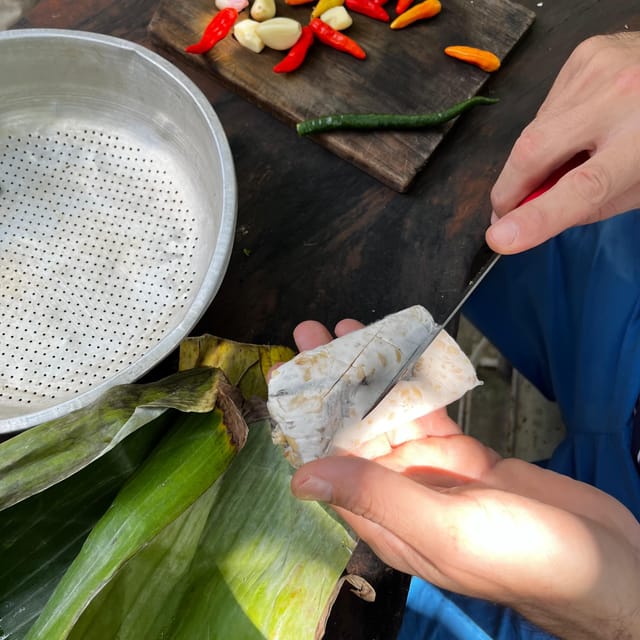
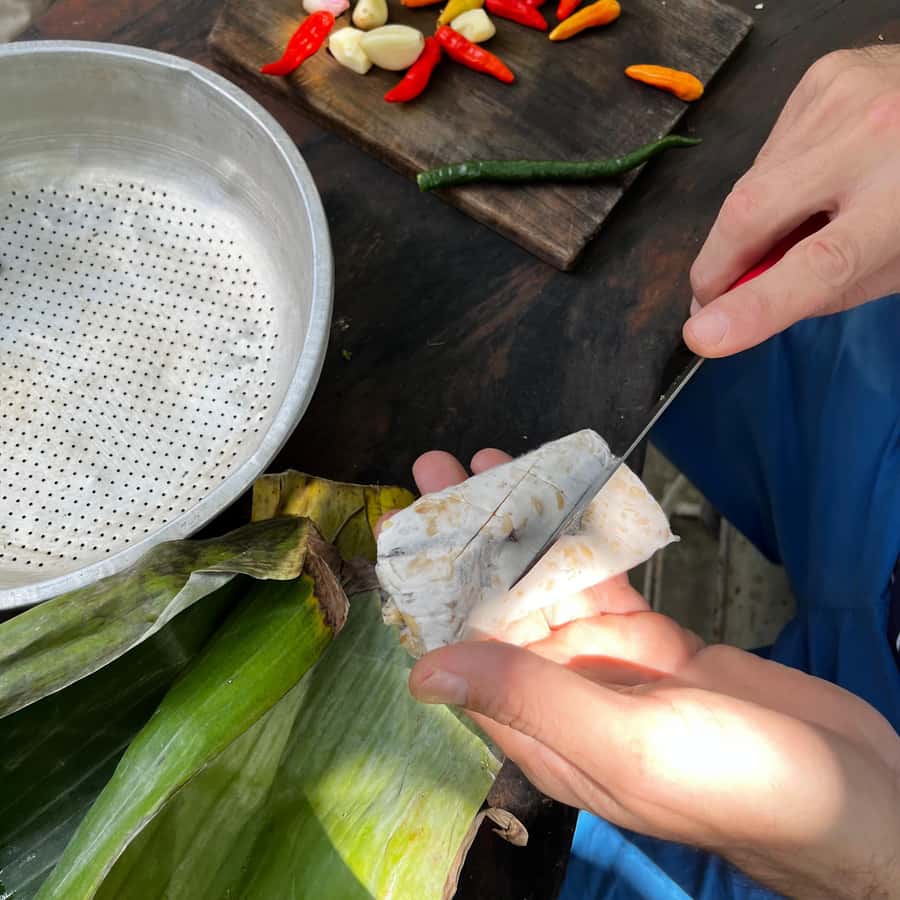
You will help with real preparation rather than simply watching a demonstration. This can include cleaning and cutting ingredients, preparing sambal, cooking tofu and tempeh, and working with the ingredients gathered from the garden. You eat the food at the end, so the class has a clear practical reward.
There is one small wrinkle in the format. Several dishes may be prepared at the same time, with ingredients for different recipes handled together. If you prefer a strict recipe-by-recipe lesson, you may need to ask Endah to pause and explain which ingredients belong to which dish.
Welcome drinks set the tone
The class starts with a welcome drink. You can choose from tamarind turmeric, tamarind sugar, or lemongrass tea. These are not just refreshments, they introduce the sweet, sour, herbal, and earthy flavors that appear throughout Indonesian cooking.
The welcome also includes a snack. Past menus have included lemper, a rice-based snack with filling, and you may receive other small tastes depending on the class. Additional drinks can include fresh juice, home-brewed coffee, or fruit from the garden.
This is one of those details that helps the class feel personal. Endah’s family welcomes you into their home setting, and the meal develops through conversation as much as through instructions. Discussions touch on Indonesian culture, food customs, and the way ingredients are used in everyday life.
The private format is especially useful here. You can ask why a spice is used, how a sambal is adjusted, or what makes a Javanese preparation different from one elsewhere in Indonesia. The class is conducted in English, and the tone is relaxed rather than formal.
What the cooking process feels like
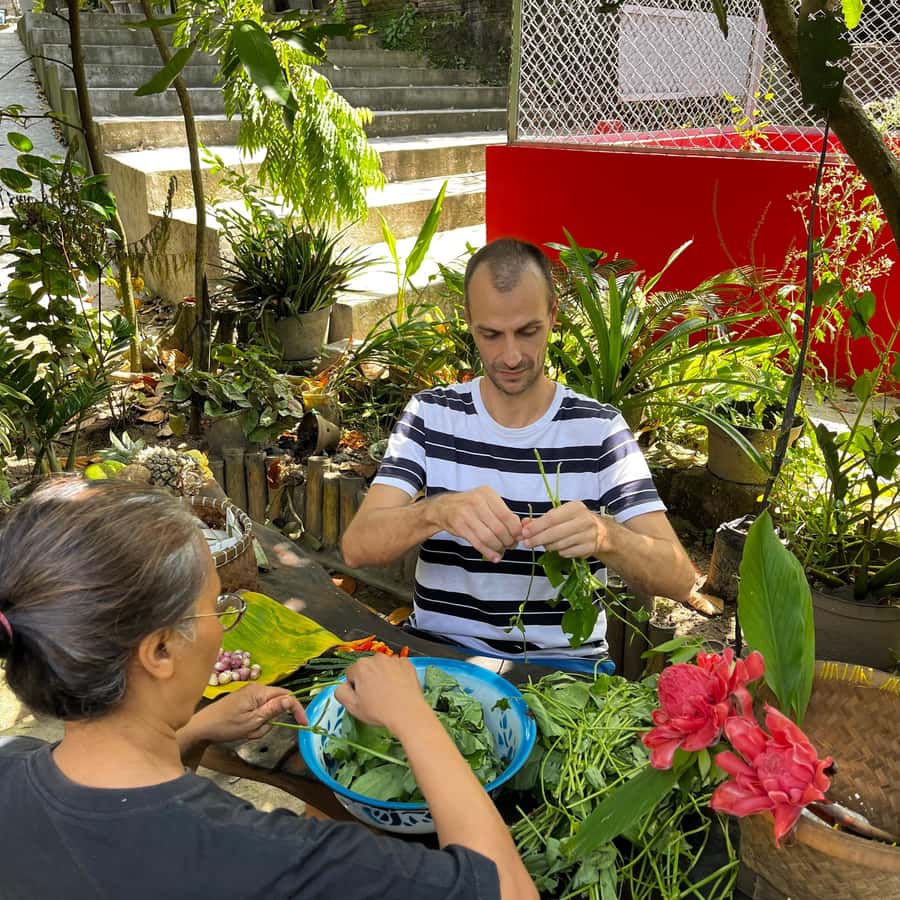
The best way to approach this class is to expect participation from the start. You may be asked to help process ingredients, prepare sauces, and cook parts of the meal. The experience is less like a polished cooking show and more like joining a family kitchen for a large lunch.
That is also why the class can feel different from a professional culinary school. Tasks may shift from one dish to another, and the whole meal is built in stages. Some people will enjoy that relaxed rhythm because it feels natural. Others may want more structure and clearer separation between recipes.
I suggest keeping a few questions ready. Ask Endah to identify each herb as you pick it, explain the purpose of a spice mixture, or show you how to judge when a sauce is ready. A private class gives you room to shape the lesson around your interests.
The recipes are sent to you after the class. That adds real value because Indonesian cooking often involves ingredients and methods that are difficult to remember after one busy afternoon. You can recreate the dishes at home instead of leaving with only a full stomach and a few photographs.
More Hands-On Workshops in Indonesia:
- From Ubud: Authentic Cooking Class in a Local Village
★ 4.9 · 1,325 reviews - Ubud: Cooking Class with Transfers and Optional Market Visit
★ 4.9 · 824 reviews - Ubud: Balinese Cooking Class and Market Tour
★ 4.8 · 531 reviews - Seminyak: Balinese Cooking Class & Market Tour
★ 4.9 · 458 reviews
Lunch is the main event
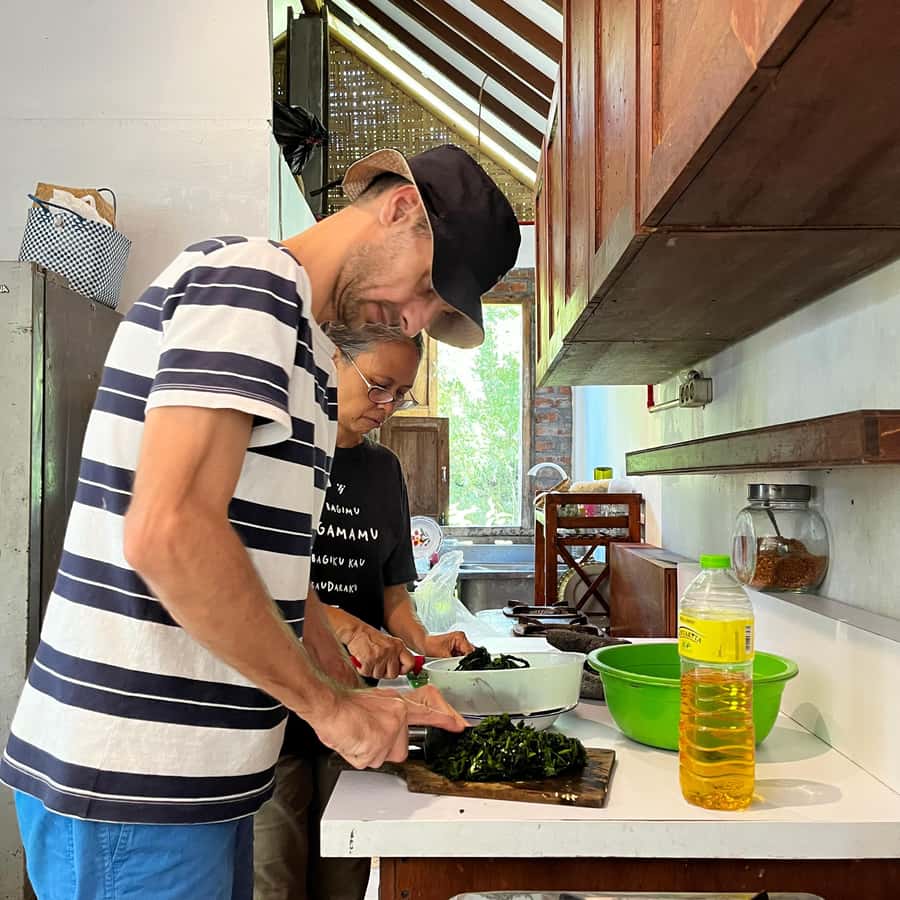
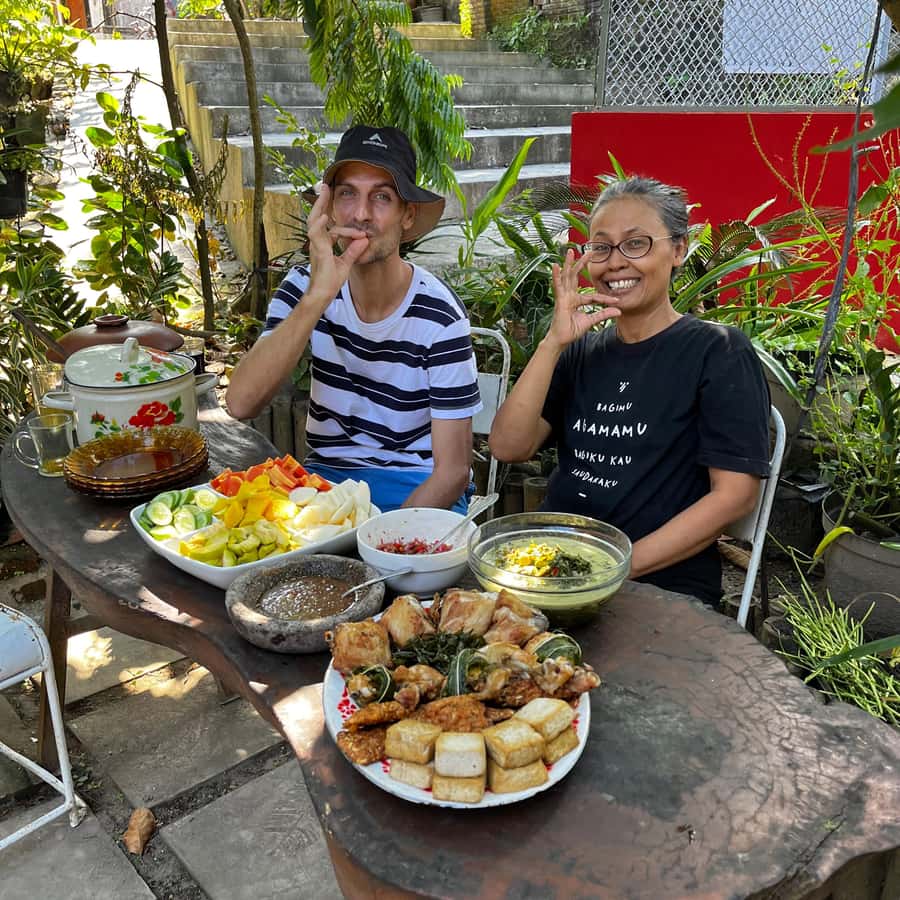
At the end, you sit down and eat the dishes you prepared. Lunch and drinks are included in the $46 price, so you are not paying for a lesson and then facing another restaurant bill immediately afterward.
Portions appear generous. You should arrive hungry, but do not plan a large meal just before the class. The food may include fried items, sauces, rice-based preparations, vegetables, tofu, tempeh, chicken, and fresh fruit, depending on the menu you choose.
The meal also lets you compare the ingredients in their finished form. A herb that seemed sharp or unfamiliar in the garden may become mild after cooking. A peanut sauce or chili mixture may show how a small adjustment in sweetness or heat changes the whole dish.
If you are sensitive to spice, discuss it at the start. Endah is mindful of spice levels, but the class is built around Indonesian food, and chili is part of the experience. You will have a better time if your preferred heat level is clear before cooking begins.
The family atmosphere is part of the value
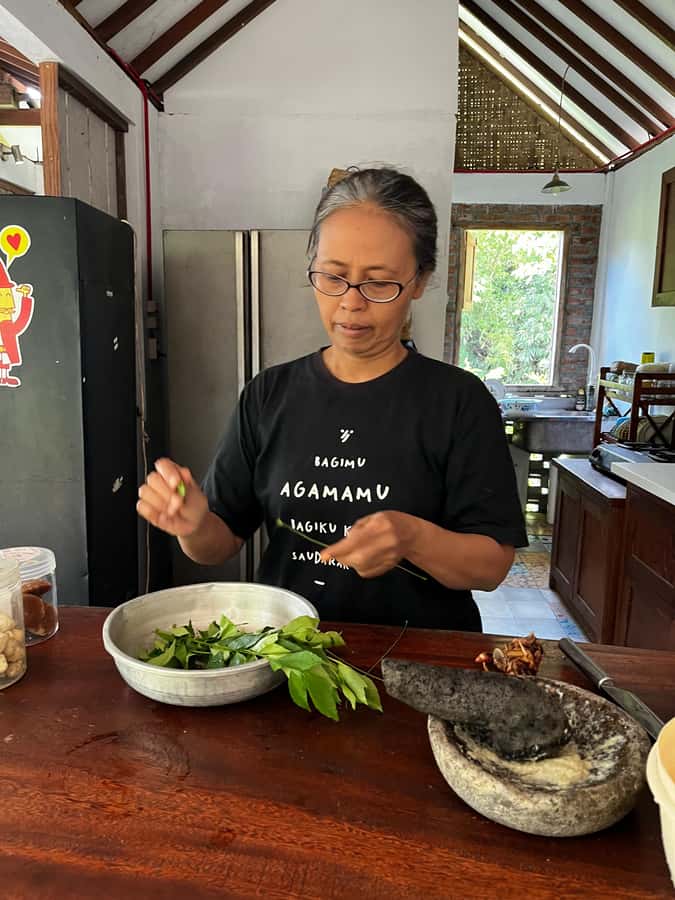
A cooking class can teach recipes without giving you much sense of local life. This one puts family hospitality at the center. You may meet Endah’s family, share conversation, and feel as if you have been invited to help prepare a meal at home.
That atmosphere was repeatedly praised, and it is easy to see why it matters. The garden, cats, welcome snack, and shared lunch create a slower, more human experience than a class designed for a large group.
The class also brings together people from different cultures and backgrounds. Conversation around food gives you a natural way to compare cooking habits, family meals, and attitudes toward spice. It is a pleasant cultural exchange without needing a formal lecture.
Do not expect a silent, highly controlled kitchen. Family life is part of the setting, and music or casual conversation may be present. One class even included an Air Supply sing-along, which tells you something about the easygoing mood.
How the five-hour schedule affects your day
Five hours is a substantial block of time. It allows room for the garden visit, ingredient explanations, cooking, conversation, and lunch without turning every task into a rush.
You should plan the class as a main activity for the day rather than a quick stop between temples. The start time varies, so check availability and leave enough space around it for getting to and from the cooking location.
There is no hotel shuttle included. You need to arrange your own way there and back, and personal expenses and tips are separate. One group received help arranging a taxi home, but that should not be treated as a guaranteed transfer service.
The class is private, which changes the value of the price. At $46 per person, you are paying not only for ingredients and lunch, but also for five hours of personal instruction, garden access, drinks, and a family-hosted meal. For someone who would otherwise book a shorter group class and eat separately, this is a fair package.
It is less compelling if you only want to learn one simple recipe quickly. The experience takes time because it is built around a full meal and conversation, not a single cooking demonstration.
Comfort, access, and who should book
The class is wheelchair accessible, an important practical point for visitors who need step-free access. Still, the information provided does not explain every surface or bathroom arrangement, so contact the provider if you need specific access details.
The kitchen is not air-conditioned. Bring a personal fan if you have one, dress for warm weather, and choose a comfortable pace. Five hours in a warm cooking area can feel long, even when the setting is pleasant.
Children under five are not suitable for this activity, and it is not suitable for people over 70. Those limits may reflect the length, heat, and hands-on nature of the class. Families with older children should confirm suitability before booking.
I would recommend it most strongly to:
- Cooks who want to understand Indonesian ingredients, not just copy a recipe
- Couples or small private groups who value personal attention
- Visitors who enjoy meeting local families and eating in a home setting
- Vegetarians who want tofu, tempeh, vegetable, and fruit options
- Anyone who wants recipes to recreate after returning home
You may want a different class if you need air-conditioning, a tightly timed professional kitchen, or a short lesson with little food preparation. The relaxed format is a strength for some people and a mild frustration for others.
Should you book this Yogyakarta cooking class?
I would book this experience if you want a generous meal, garden-sourced ingredients, and a warm connection with a local family. Endah’s personal approach, flexible menus, careful attention to spice, and follow-up recipes give the $46 price solid value.
Go in expecting a home kitchen, not a culinary studio. Be ready to work, ask questions, manage the heat, and accept that several dishes may come together at once. If that sounds appealing, this is a memorable way to understand Yogyakarta through its food.
FAQ
How long does the Indonesian cooking class last?
The class lasts five hours. The time includes the garden harvest, ingredient explanations, cooking, cultural conversation, and the meal you prepare.
What dishes will I cook?
The listed dishes include vegetable rujak with peanut sauce, fried chicken with curry leaves, fried or boiled tofu, tempeh, Balinese lemongrass chili sauce, and local fruit rujak. The full menu range is sent after booking so you can choose your dishes.
Is lunch included?
Yes. You eat the dishes prepared during the class, and lunch and drinks are included.
What welcome drinks are available?
You can choose tamarind turmeric, tamarind sugar, or lemongrass tea as your welcome drink.
Is the class private and in English?
Yes. It is a private-group activity conducted in English.
Is hotel transportation included?
No. Hotel shuttle service is not included. You need to arrange your own transportation, and tips and other personal expenses are also separate.
Just added around Indonesia
- Experience the Art of Cooking Authentic Balinese Cuisine★ 5.0 · 6 reviews
- Cooking Class in Lombok★ 4.8 · 7 reviews
- Cooking Class 3 Courses Balinese Dishes★ 4.9 · 10 reviews
- Balinese cooking class/Go shopping at the market, cook, eat★ 5.0 · 12 reviews
- Ubud: Balinese Cooking Class with Hotel Transfers★ 4.8 · 17 reviews
- Bali: Private Balinese Cooking Class in a Family Home★ 4.8 · 87 reviews
- Ubud: Authentic Traditional Balinese Village Cooking Class★ 5.0 · 17 reviews
- Nia Balinese Cooking Class★ 5.0 · 202 reviews
Balinese & Indonesian Cooking Classes, compared.
Ubud: Balinese Cooking Class at an Organic Farm
Read our review →
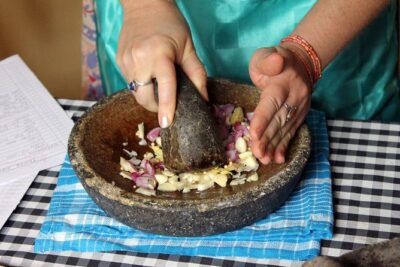
PRIVATE Authentic Balinese Cooking Class in Ubud at Putu’s Home
Read our review →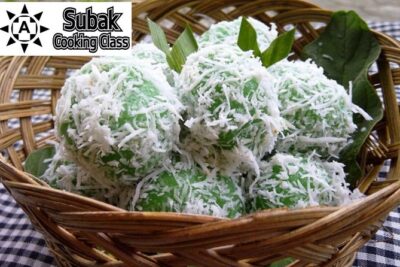
Balinese Ubud cooking school (9 Dish Cooking and Market Tour)
Read our review →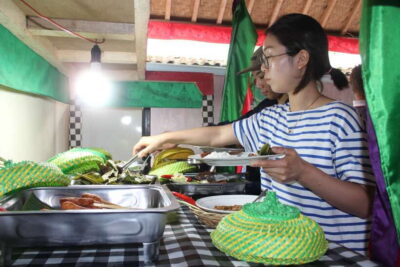
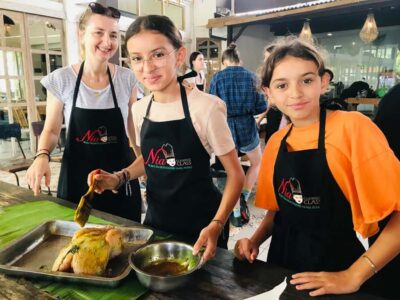
Learn to cook Indonesian food at Gili Cooking Classes Trawangan
Read our review →Browse the lists this tour appears in