
Review · SRI LANKA
Galle: Cooking Class at a Local Home and Market Tour
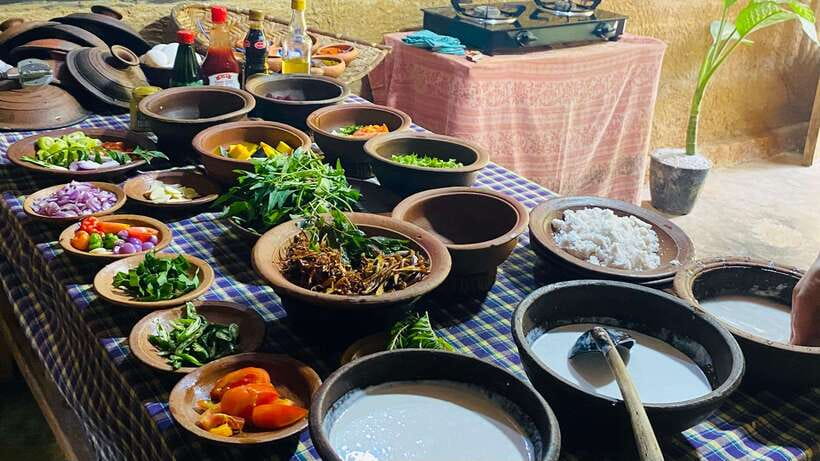
Sri Lankan cooking makes more sense once you see the ingredients before they reach the pot. This three-hour class with Madhu begins at a local market in Kotapola, where you help choose vegetables, fish, or other ingredients before cooking them in her family home.
I like the market visit because it turns an ordinary shopping stop into a lesson in local food. I also like the hands-on format: everyone helps with several dishes, so you taste far more than if each person cooked one meal alone. The main consideration is pace. Three hours passes quickly, especially when the group is cooking many dishes, and this is a shared class rather than a private lesson for each person.
Key points
- Market-first format: Choose fresh ingredients with Madhu and learn what they are used for before cooking.
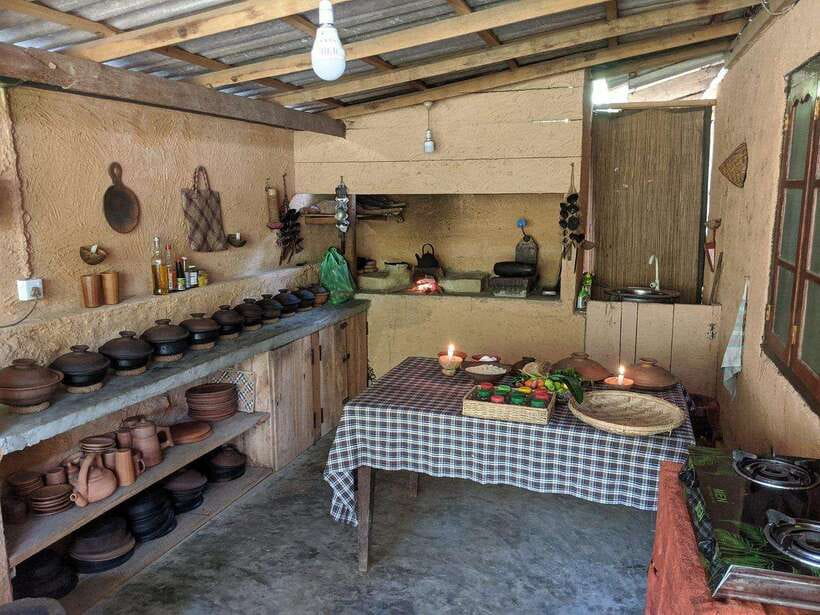
- Home kitchen setting: The class takes place in a traditional Sri Lankan family kitchen, not a polished restaurant studio.
- Several dishes in one session: Expect a spread that can include vegetable curries, fish or chicken curry, coconut sambol, rice, side dishes, and dessert.
- Small group size: The class accepts up to 10 people, making it easier to take part and ask questions.
- Good for mixed diets: Vegetarian cooking can be arranged, and a milder fish preparation was made for one participant who preferred less spice.
- Useful take-home value: You receive recipes, along with photos and video from the session.
Starting at the Kotapola market
The class begins with a hotel pickup and a ride to the local market area. The exact starting time varies, so you need to check availability when booking. The full activity lasts about three hours, including the market visit, cooking, and meal.
At the market, Madhu helps you select the ingredients for the day. This is more useful than simply watching a chef unpack premeasured bowls. You can see the vegetables in their everyday setting, ask what they are called, and learn how they fit into Sri Lankan cooking.
The market also gives you a better sense of the food culture around Galle than a restaurant meal alone. You may sample local street food at one of the market stops, and some sessions include a visit to a spice shop. That extra stop is especially handy if you want to take home cinnamon, curry spices, or other local ingredients, though the included activity is the cooking class rather than a required shopping trip.
I would pay attention to the ingredient explanations here. Sri Lankan meals often place several different curries and side dishes on one plate, so each vegetable, spice, coconut preparation, or protein has a separate role. The market visit helps you understand why the finished meal has so many small parts.
More Market Tour Cooking Classes in Sri Lanka
- Market Tour and Hands-On Cooking Class Colombo
★ 5.0 · 140 reviews - Colombo Cooking Experiance with Explore Market
★ 4.7 · 33 reviews - Vegan Cooking Class Colombo with Market Tour
★ 5.0 · 9 reviews
Choosing vegetables, fish, or chicken
The menu is not described as one fixed recipe card for every date. The food can include seven vegetable curries, fish curry or chicken curry, coconut sambol, rice dishes, other side dishes, and dessert. The ingredients selected at the market help shape what you cook that day.
That flexibility is a strength. You may come across vegetables you have never tried, then learn how they are handled in a curry rather than seeing them only on a restaurant menu. One group chose several unfamiliar vegetables and found that the shopping itself became part of the lesson.
The class also works well for people with different food preferences. Vegetarian participants can receive careful attention, and the cooking can be adjusted when someone prefers less spice. Still, you should explain dietary needs before the class, since the information provided confirms vegetarian consideration but does not list every possible allergy or restriction.
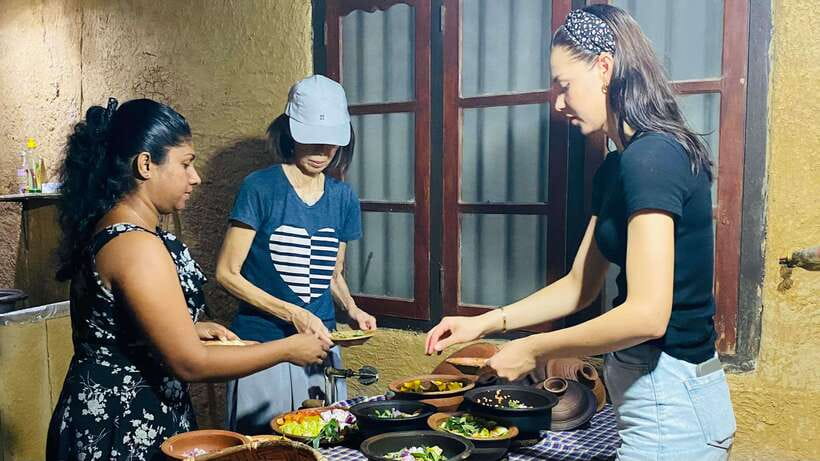
Do not expect a single large curry pot and a quick demonstration. The format involves helping with many dishes, with each person contributing to more than one preparation. That shared work means you get a broader introduction to Sri Lankan food, though it also means you may not personally prepare every step of every dish.
Cooking in Madhu’s family home
After the market, you go to Madhu’s home for the cooking session. The setting is part of the appeal. You are working in a traditional Sri Lankan kitchen with Madhu and her family rather than attending a class designed to look like a commercial cooking school.
Madhu explains the ingredients, techniques, and cultural role of the food in English. You can also learn a few Sri Lankan phrases during the visit, a small touch that helps the class feel connected to daily life rather than just a recipe demonstration.
The family setting is warm and informal. Children are welcomed, and the activity can suit a family group as well as friends or couples. You should be comfortable with a social class where people work together and share the final meal. If you want a quiet, highly structured lesson with one instructor focused only on you, this will feel less tailored.
The cooking itself covers the basics that make Sri Lankan food distinctive: fragrant rice dishes, several curries, coconut sambol, and side dishes. You learn how ingredients are combined and how the finished plate is built. The useful part is not only copying a recipe. You also see how a home cook balances different flavors across a full meal.
The class provides the equipment and ingredients, so you do not need to bring cooking tools. A welcome drink and water are included. Recipes are provided afterward, giving you something practical to use at home instead of relying on memory.
The meal at the end
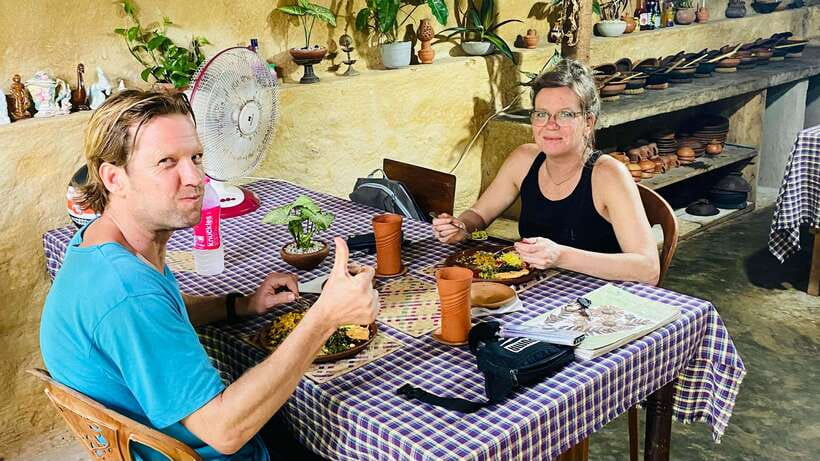
The meal is the payoff, but it also functions as the final lesson. Once the cooking is complete, you sit down to eat the dishes prepared by the group, along with side dishes and dessert.
The menu can be quite large. One class prepared 11 traditional dishes, while the main description promises a selection of vegetable curries, fish or chicken curry, coconut sambol, and dessert. The number and mix may vary, so it is best to think of the class as a broad tasting of Sri Lankan home cooking rather than a guarantee of 11 exact recipes.
This arrangement is one of the activity’s strongest features. If everyone made only one individual dish, you would learn that dish well but miss much of the meal. Here, each person helps with several preparations and then gets to taste the full spread.
Fish curry receives particular praise in the supplied information, and a milder version was prepared for someone who could not manage much spice. That suggests Madhu pays attention at the table, but spice levels can differ from person to person. Tell her your preference early, especially if you want a gentler meal.
The meal is also where the home setting matters most. You are not simply served a plate in a restaurant. You have helped select the ingredients, worked with the group, and then eaten the result in the same family setting. That creates a more direct connection between the market, the kitchen, and the food on your plate.
Same place, a different menu:
- Ella: Traditional Sri Lankan Cooking Class
★ 4.9 · 788 reviews - Organic cooking class sigiriya (kumara & family)
★ 5.0 · 650 reviews - Sri Lanka Cooking Class with Granny
★ 5.0 · 587 reviews - Kandy Village Cooking Class
★ 5.0 · 536 reviews
What the $40 price includes
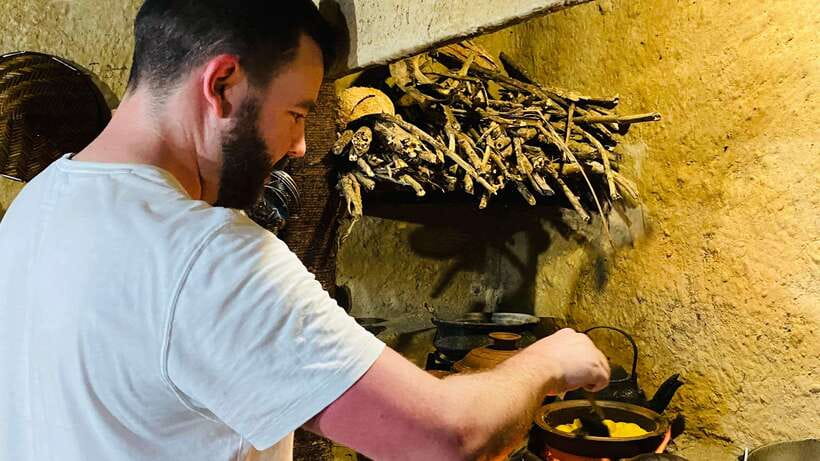
At $40 per person, the price covers a lot for a three-hour activity. You get hotel pickup and drop-off, the market tour, a professional cooking class, a welcome drink, ingredients, equipment, water, the meal, side dishes, dessert, recipes, and photo and video service.
The strongest value comes from the combination of transport, instruction, food, and cultural contact. A normal meal would give you only the eating portion. A standard cooking lesson might not include the market, local shopping, or a family-home setting. Here, those pieces are joined together.
The value is better for people who will actually take part. If you prefer to watch and let someone else cook, you may not get as much from the price. The class is designed around shared preparation, questions, and tasting.
For a group of friends, the cost also buys a social activity that lasts longer than a restaurant dinner. For a family, the market and hands-on work give children something concrete to do, although very young children may need help around cooking equipment. The supplied information confirms that children were warmly welcomed, but it does not specify an age minimum.
Group size, access, and timing
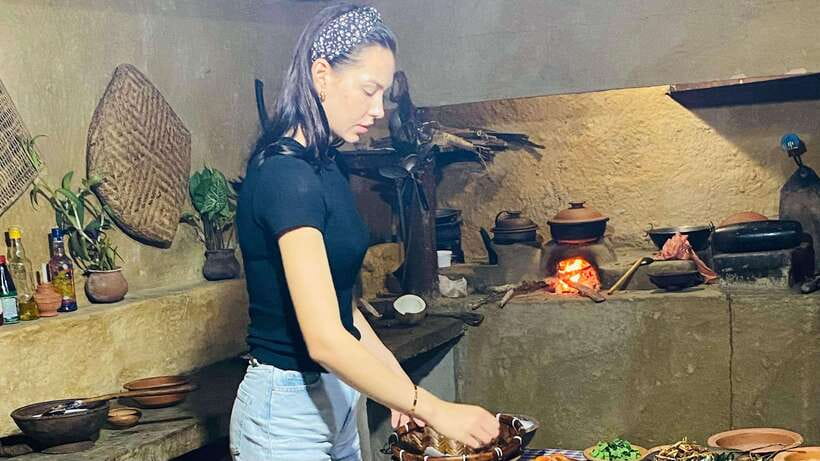
The class is limited to 10 people. That is small enough for a personal feel without making it a private tour. You should have reasonable opportunities to ask questions and take part, though the amount of hands-on time depends on how many people attend and how the group divides the tasks.
English is the listed teaching language. Madhu’s explanations cover the ingredients, the purpose of the dishes, and the cooking methods. If you have questions about spice, meat, fish, or dietary needs, ask clearly before the cooking begins.
The activity is listed as wheelchair accessible. Since the class includes transport, a market visit, and a home kitchen, it is sensible to confirm the details of your particular pickup and route before arrival if you use a wheelchair or have mobility needs.
You can cancel up to 24 hours before the activity for a full refund. The reserve-now, pay-later option lets you hold a place without paying at the time of booking, which is useful when your Sri Lanka plans are still changing.
Who will enjoy this class most
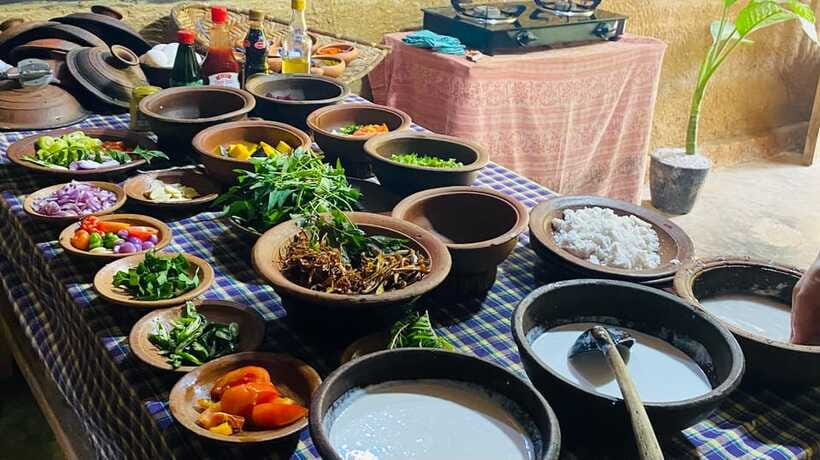
I would choose this activity if you want food to be your way into local culture. It is especially suitable for:
- Couples who want a shared activity beyond sightseeing.
- Families looking for a welcoming, hands-on class.
- Friends who enjoy cooking and eating together.
- Vegetarians who want a meal built around local vegetables.
- Anyone curious about ingredients that are unfamiliar at home.
- Visitors who want recipes they can use after returning home.
The class is less suitable if you need a private lesson, a fixed menu, or a precise schedule with no changes. The market and home setting bring authenticity, but they also mean the experience is less polished and standardized than a hotel cooking school.
You should also allow for the fact that the class centers on a full Sri Lankan meal. It is not a short demonstration followed by a small tasting. You will be involved in several preparations and then sit down to a substantial spread.
Practical tips before you book
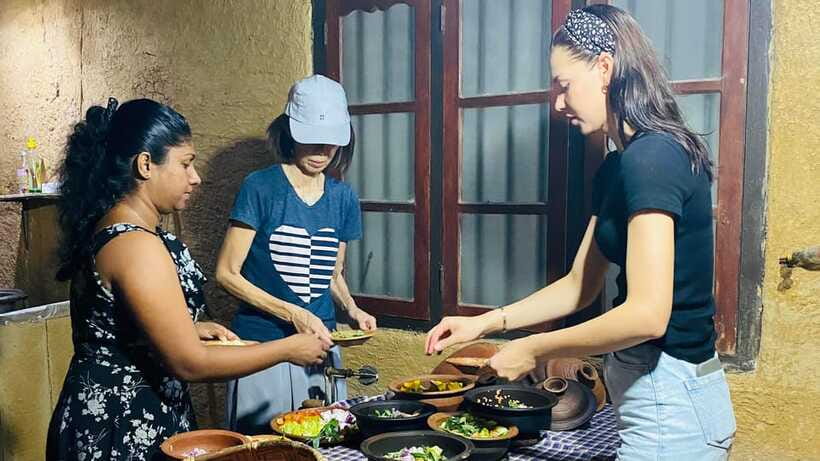
Tell Madhu about vegetarian needs and spice preferences before the day begins. The class has accommodated both, but early notice gives the kitchen more room to plan.
Wear comfortable clothes that you do not mind wearing in a kitchen. The supplied information does not list a dress code, but you will be handling ingredients and cooking for part of the three-hour session.
Bring questions. The most useful learning happens when you ask what an ingredient does, why a curry is prepared in a certain way, or how to recreate the dish at home. The recipes help afterward, but your notes and photos can fill in details that a recipe alone may not explain.
Keep some flexibility around the final menu. The class description lists key dishes, while the market selection and group preferences can shape the meal. That is part of the charm, but anyone needing a very specific menu should confirm it before booking.
Should you book the Galle cooking class?
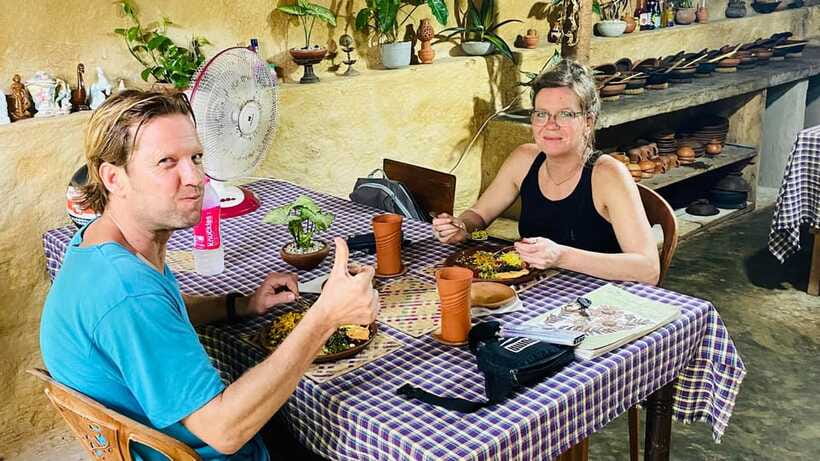
Book it if you want a personal introduction to Sri Lankan home food, not just another restaurant meal. The market visit, family kitchen, shared preparation, and large final feast give the three hours a clear sense of place.
The $40 price is fair because it includes transport, food, instruction, ingredients, recipes, and the market portion. I would be most inclined to book for a small group, a family, or a vegetarian who wants careful attention. Skip it if you dislike group cooking or prefer a formal culinary school with a fixed menu.
For most food-minded visitors staying around Galle, this is a practical and enjoyable choice. You leave with a meal in your memory, recipes in hand, and a better idea of how Sri Lankan families turn a market basket into a table full of curries.
FAQ
Where does the cooking class take place?
The activity is based in Kotapola, Sri Lanka, in the Galle area. The market visit is followed by cooking in Madhu’s family home.
How long does the activity last?
The cooking class and market visit take about three hours. Starting times vary, so you need to check availability for your date.
What does the class cost?
The listed price is $40 per person.
Is hotel pickup included?
Yes. Hotel pickup and drop-off are included.
What food will I cook?
The meal can include seven vegetable curries, fish or chicken curry, coconut sambol, rice dishes, side dishes, and dessert. The exact selection can vary with the ingredients chosen at the market.
Can vegetarians join?
Yes. Vegetarian participants can be accommodated, and careful attention has been given to vegetarian meals.
Can the spice level be adjusted?
The class has prepared a milder fish dish for someone who preferred less spice. Tell Madhu about your spice preference before cooking begins.
What language is the class taught in?
The listed teaching language is English.
Is the activity wheelchair accessible?
Yes. The activity is listed as wheelchair accessible. Since it includes transport, a market visit, and a home kitchen, confirm any specific access needs before booking.
More Shopping Trips in Sri Lanka
- Hanoi Cooking Class: Culture, Local Market & Meaning CSR Impact
★ 5.0 · 5,147 reviews - 5 Traditional Dishes Hanoi Cooking Class with Market Trip
★ 5.0 · 4,890 reviews - Cooking Class and Lunch at a Tuscan Farmhouse with Local Market Tour from Florence
★ 5.0 · 4,831 reviews - Chiang Mai: Cooking Class, Market & Thai Herbs Garden Tour
★ 4.9 · 4,824 reviews
More Home Cooking Classes in Sri Lanka
- Organic Cooking Class sigiriya home Kitchen(Kumara & family)
★ 5.0 · 116 reviews - Khmer Cooking Class at a Local’s Home in Krong Siem Reap
★ 5.0 · 2,731 reviews - Local Home Korean Cooking Class & Market Adventure in Seoul
★ 5.0 · 1,024 reviews - Marrakech: Moroccan Cooking Class with a Local Family
★ 4.9 · 668 reviews
Just added around Sri Lanka
- Vegan Cooking Class Colombo with Market Tour★ 5.0 · 9 reviews
- Private Traditional Sri Lankan Cooking Class in Kandy with Hotel Transfers★ 5.0 · 115 reviews
- Sri Lanka Cooking Class with Granny★ 5.0 · 587 reviews
- Cooking With Village Family★ 5.0 · 104 reviews
- Organic Cooking Class sigiriya home Kitchen(Kumara & family)★ 5.0 · 116 reviews
- Colombo Cooking Experiance with Explore Market★ 4.7 · 33 reviews
- Colombo Cooking Class★ 5.0 · 151 reviews
- Cooking Class Sri Lanka with Locals★ 5.0 · 101 reviews
Cooking Classes with a Market Tour, compared.
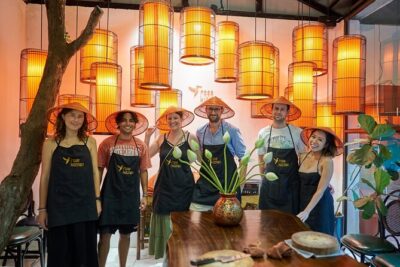
Hanoi Cooking Class: Culture, Local Market & Meaning CSR Impact
Read our review →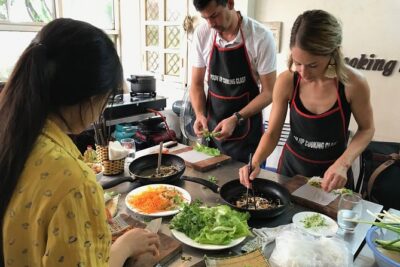
5 Traditional Dishes Hanoi Cooking Class with Market Trip
Read our review →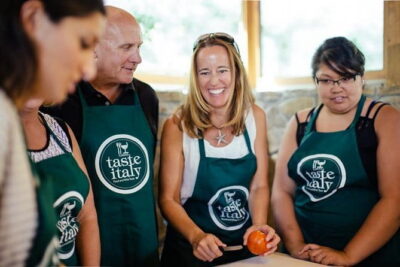
Cooking Class and Lunch at a Tuscan Farmhouse with Local Market Tour from Florence
Read our review →
Chiang Mai: Cooking Class, Market & Thai Herbs Garden Tour
Read our review →
Chiang Mai: Authentic Cooking Class with Market & Farm Visit
Read our review →
Barcelona: Paella Cooking Experience & Boqueria Market Tour
Read our review →
Cooking Class Hoi An:Local Market, Basket Boat, Fishing & Cooking
Read our review →
Hoi An Cooking Class(Market,BasketBoat Crabfishing&Cooking Class)
Read our review →Browse the lists this tour appears in