Review · COOKING CLASSES
Addis abeba Full Cooking class.
The best part of this Addis Ababa experience is the home kitchen setting. You do not simply watch a chef prepare Ethiopian food. Selam lets you take part in making injera and shiro wot, then you sit down and eat the meal you helped prepare. Abraham handles guiding and translation, making the visit easy for English or French speakers.
I like the combination of food and city sightseeing. The stop at Shola Market gives you a look at daily Addis life, while the National Museum and Lucy add a major cultural stop before lunch. The main drawback is price: at $90 per person, this costs more than a cooking lesson alone, though airport or hotel transport and entrance fees are included.
Key points to know before booking
- Injera is the main hands-on lesson: Learn how Ethiopia’s familiar sour, spongy flatbread is cooked in white, brown, and red varieties.
- Shiro wot makes a practical second dish: Prepare a spicy chickpea stew alongside the injera.
- The class takes place in a local home: You cook in a shared neighborhood kitchen and eat in the family living room.
- The outing works well during a long layover: Pickup, sightseeing, cooking, lunch, and drop-off fit into four hours.
- Coffee is part of the meal and the lesson: Roast fresh beans and prepare Ethiopian coffee with your host.
- The group is limited to seven people: That is a useful size for a hands-on class, though the home kitchen may feel close and informal.
Why this Addis cooking class feels different
Many food tours keep you at a restaurant table. This one takes you into an Ethiopian home, where the cooking space is small, shared with neighbors, and part of ordinary local life. That setting gives the class its character. You see where the work happens, not just the finished plate.
Abraham guides the outing, and Selam leads much of the home cooking. English and French are offered. One participant with a short Addis layover found Abraham helpful with translation and appreciated the chance to speak with Selam about everyday life. That personal contact is a big part of the appeal.
You should come ready for a relaxed, informal visit rather than a polished culinary studio. The class is about participation, conversation, and eating together. If you want exact measurements, a printed recipe booklet, or a restaurant-style demonstration, this may feel less structured than you expect.
The four-hour format packs in quite a lot. You get transport, a market visit, the National Museum, the cooking class, coffee, lunch, and return transport. The pace will depend on traffic and how long the city stops take, so do not treat the schedule as a minute-by-minute plan.
More Hands-On Workshops in the world:
- Half-Day Thai Cooking Class at Organic Farm in Chiang Mai
★ 5.0 · 19,087 reviews - Florence: Pasta Cooking Class with Unlimited Wine
★ 4.9 · 10,285 reviews - 3 in 1 Cooking Class near Navona: Fettuccine, Ravioli & Tiramisu
★ 5.0 · 7,376 reviews
Starting with pickup in Addis Ababa
Pickup is included from the airport or your hotel. At the airport, the team waits with a banner showing your name, which is especially useful after a long flight or during a short layover. You then meet your guide and driver and begin the city outing.
This arrangement is one reason the class can work for a brief visit to Addis Ababa. You do not need to arrange a taxi to an unfamiliar neighborhood or find the cooking location yourself. Hotel pickup also makes the experience simple if you are already staying in the city.
The tour is limited to seven participants. That is small enough for the guide to help with cooking, though the activity takes place in a real home kitchen rather than a large teaching room. Expect a close, local setting, not lots of open space.
Wear comfortable shoes. Warm clothing is also suggested, and a camera is useful for the market, museum, and food preparation. Alcohol and drugs are not permitted.
Shola Market before the cooking begins
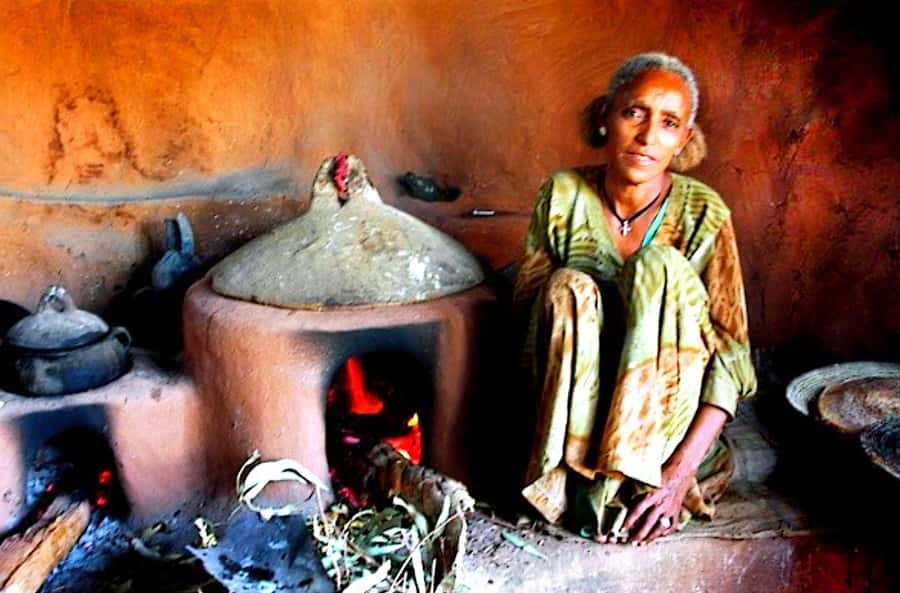
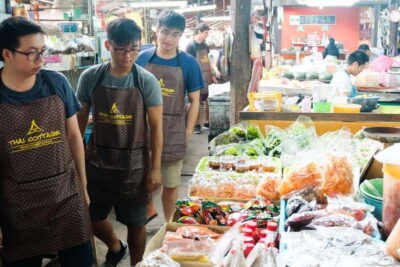
The first city stop is Shola Market, where thousands of people sell their products each day. The market is presented as a place where you can find a broad range of local goods, making it a useful first look at Addis Ababa before settling into the slower rhythm of the home visit.
I like this part because it gives the food lesson some context. You see the city’s trade and daily movement before learning how staple dishes are prepared. The market also helps you understand that Ethiopian cooking is tied to shopping, ingredients, family routines, and neighborhood life.
Keep your expectations practical. The market visit is part of a larger four-hour outing, not a separate market tour with a long shopping period. You will have limited time compared with a full morning spent browsing stalls, but the stop adds variety and helps break up the drive to the cooking location.
Your guide can help you take in the scene and move on to the next stop. If markets are your main interest, you may wish you had more time there. If you want a taste of the city before lunch, the visit fits the day well.
Meeting Lucy at the National Museum
Before arriving at the home, you visit the Ethiopia National Museum. The main draw is Lucy, the famous hominid fossil. This is a strong addition to a food-focused tour because it places the cooking class within a wider visit to Ethiopia rather than treating lunch as the only event.
For a first visit to Addis Ababa, the museum stop gives you a clear cultural marker. Lucy is one of the country’s best-known scientific treasures, and seeing the fossil connects your short city visit to Ethiopia’s importance in human origins research.
The museum entrance fee is included. You should still keep the timing in mind. The class lasts four hours in total, so this is not a long museum study session. You will see the key attraction, then continue to the home kitchen.
I find this combination especially useful for people on a layover. A food class alone can feel narrow if you have only a few hours in town. Adding the market and museum gives you three different views of Addis Ababa: commerce, science, and home cooking.
A few more cooking classes around the world worth a look
- Florence: Pasta & Tiramisu Cooking Class with Unlimited Wine
★ 4.9 · 6,708 reviews - Florence: Pasta Cooking Class with Unlimited Wine
★ 5.0 · 6,413 reviews - Hanoi Cooking Class: Culture, Local Market & Meaning CSR Impact
★ 5.0 · 5,147 reviews - 5 Traditional Dishes Hanoi Cooking Class with Market Trip
★ 5.0 · 4,890 reviews
Making injera in a shared home kitchen
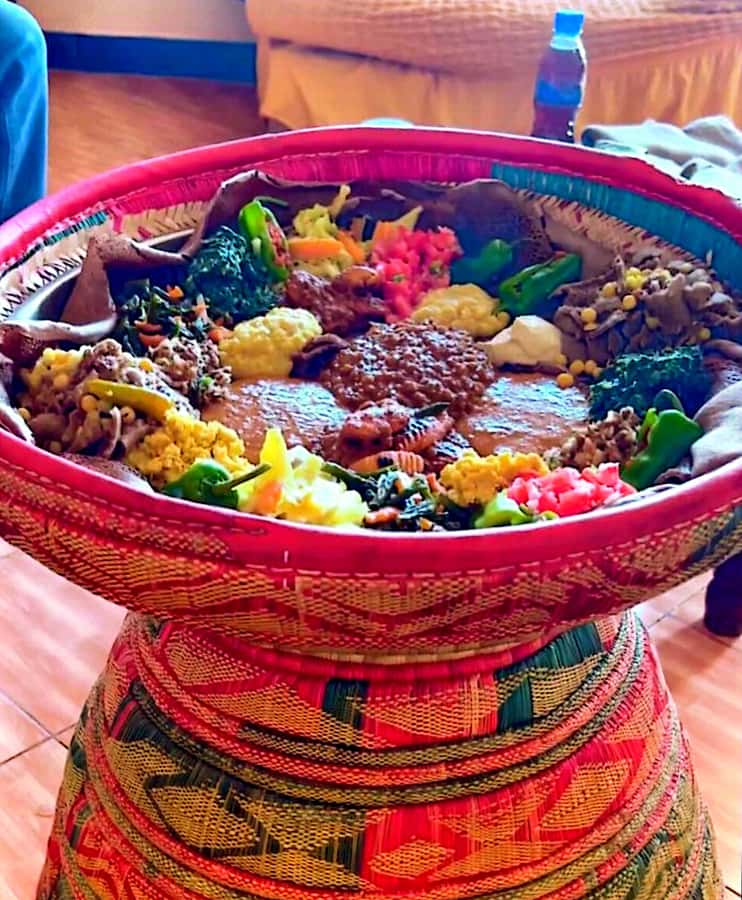
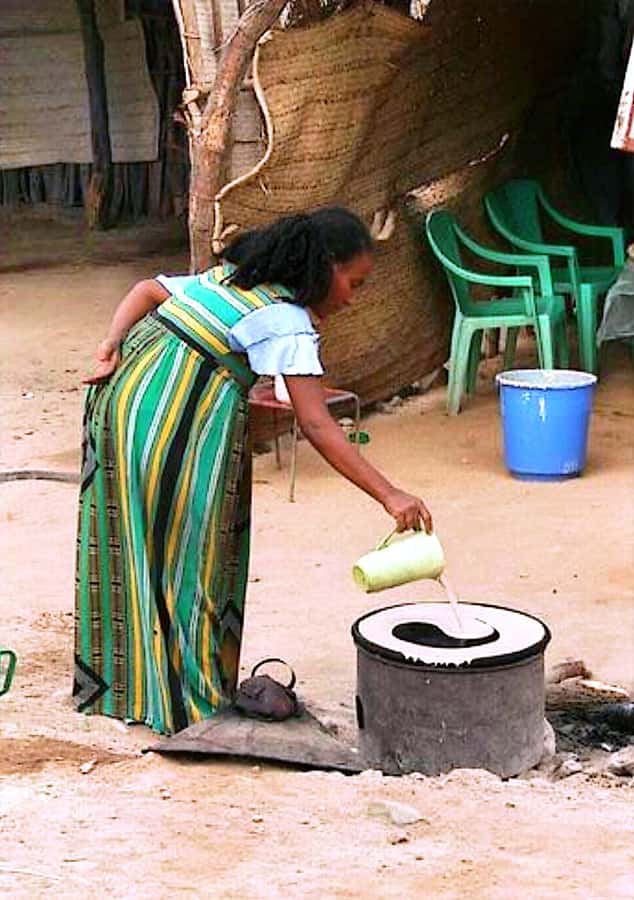
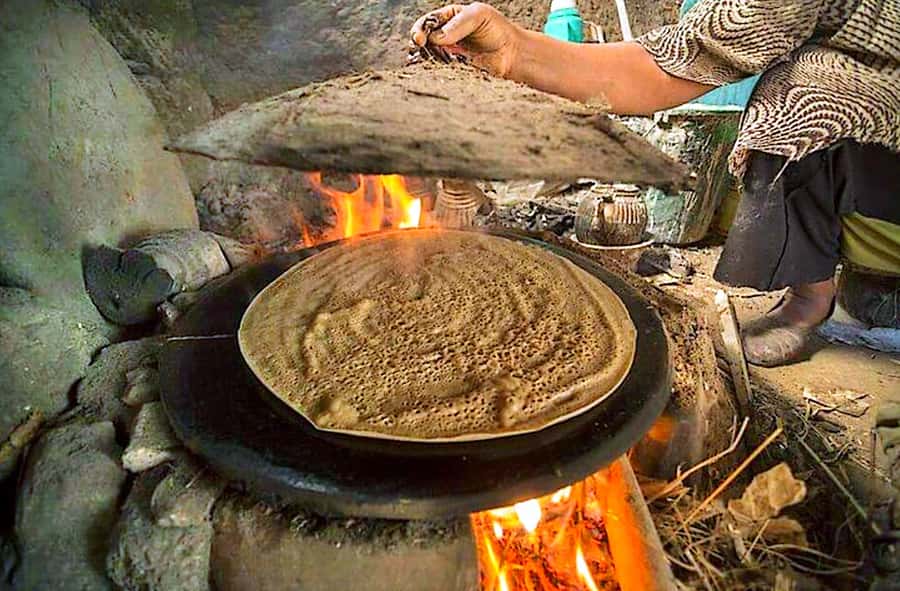
The central lesson is injera, Ethiopia’s staple food. It is a thin pancake with a soft, foam-like texture and a mildly sour taste. The dough ferments for three days before cooking, which explains why injera has a flavor and texture unlike ordinary pancakes.
You will learn that injera comes in three color varieties: white, brown, and red. The class teaches you how to bake it, and you get to take part rather than simply watch Selam work. The hands-on nature is important. Cooking injera can look easy when an experienced person pours and spreads the batter, but the process requires a feel for the mixture and the hot cooking surface.
Because the dough needs three days to ferment, you will not be starting with grain and finishing the fermentation during the class. The lesson focuses on baking prepared batter and understanding the process. That is worth knowing if you expect to learn every stage from raw ingredients.
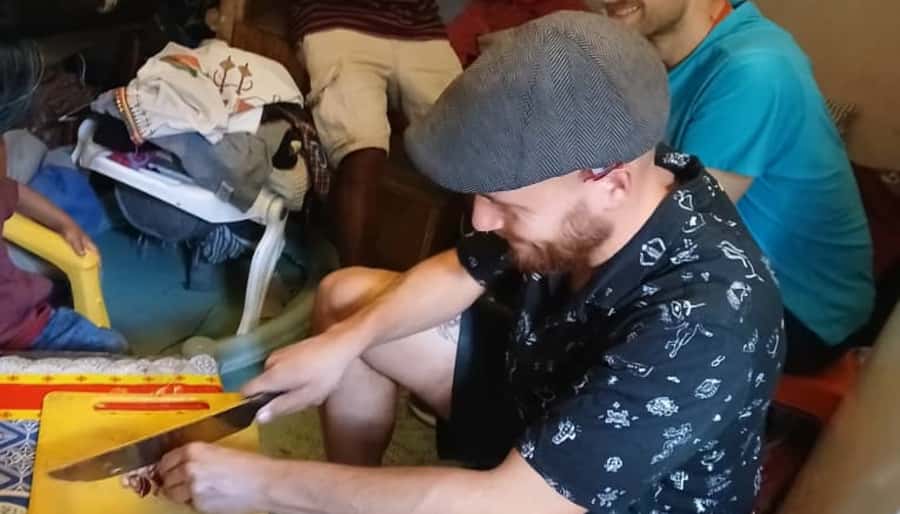
The cooking happens in a small neighborhood home kitchen shared with neighbors. One participant described doing most of the cooking with Selam’s instruction, then dining in her living room. That detail tells you what kind of visit to expect: personal, close, and down to earth.
You may find the kitchen less comfortable than a commercial classroom. Space is limited, and the surroundings are part of a real home rather than a purpose-built venue. For me, that is also what gives the class its value. You see the everyday setting behind the food.
Preparing spicy shiro wot
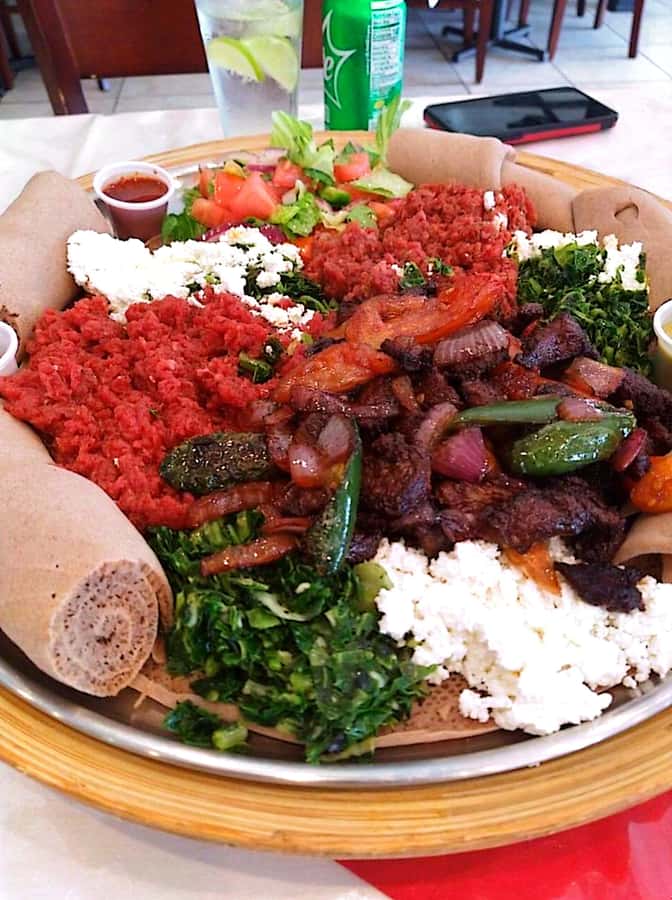
Alongside injera, you prepare shiro wot, a popular Ethiopian stew made from puréed chickpeas and spices. The dish is often written as shiro wat or shiro wate, but the basic idea is the same: a smooth, savory stew served with injera.
This pairing makes sense in practical terms. Injera is not just bread on the side. It is used to scoop up stews and other foods, so learning both dishes shows you how the meal works as a whole.
The class lets you cook the stew and then taste your own work at lunch. That is more useful than sampling a restaurant version without seeing how it comes together. You can pay attention to the texture of the purée, the spice level, and how the stew sits on the injera.
The information provided does not specify how spicy your portion will be or whether dietary substitutions are available. If you have food allergies, strict dietary requirements, or a strong concern about heat, ask before booking. Do not assume that changes can be made in a small home kitchen.
Roasting beans for Ethiopian coffee
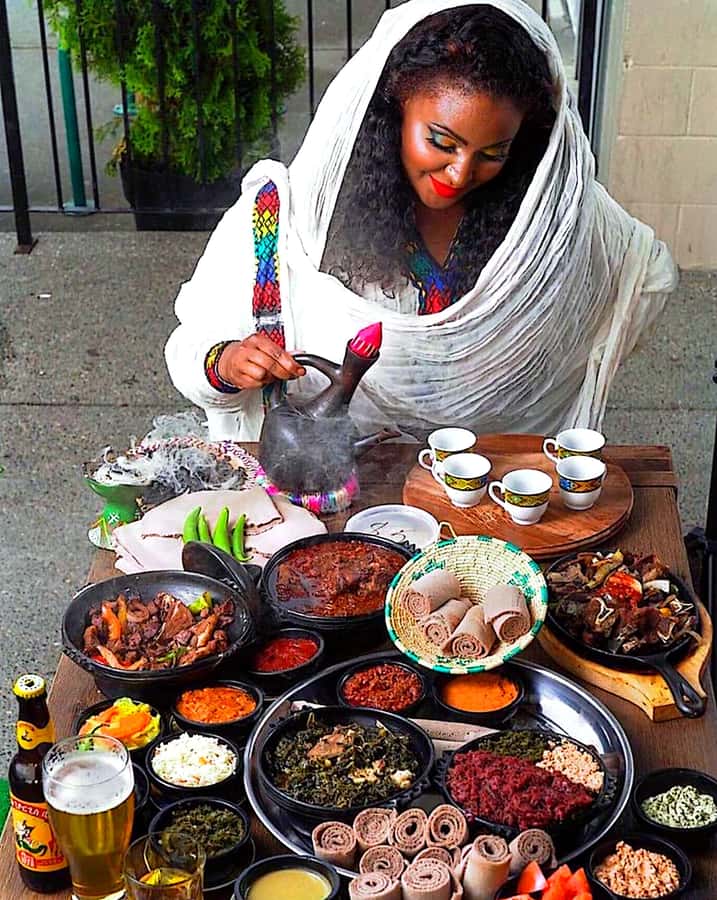
Coffee is not an afterthought here. You get a full coffee lesson with freshly roasted beans and help from your host. The process gives the class a second food ritual after the main cooking.
Fresh roasting also adds a sensory part to the visit. You see the beans before they become the drink, then prepare coffee with Selam’s guidance. The activity is included in the class and does not require a separate payment.
The supplied details do not promise a formal, extended ceremony with every traditional step, so you should think of this as learning to make Ethiopian coffee rather than booking a dedicated coffee ceremony tour. It still gives you a useful introduction to an important part of Ethiopian hospitality.
Coffee follows the food preparation, and you can share it with the people who hosted you. That shared pause is one of the reasons the home setting matters. The meal is not only a cooking exercise. It is time spent around a family living space, with conversation and food prepared together.
Eating lunch that you helped prepare
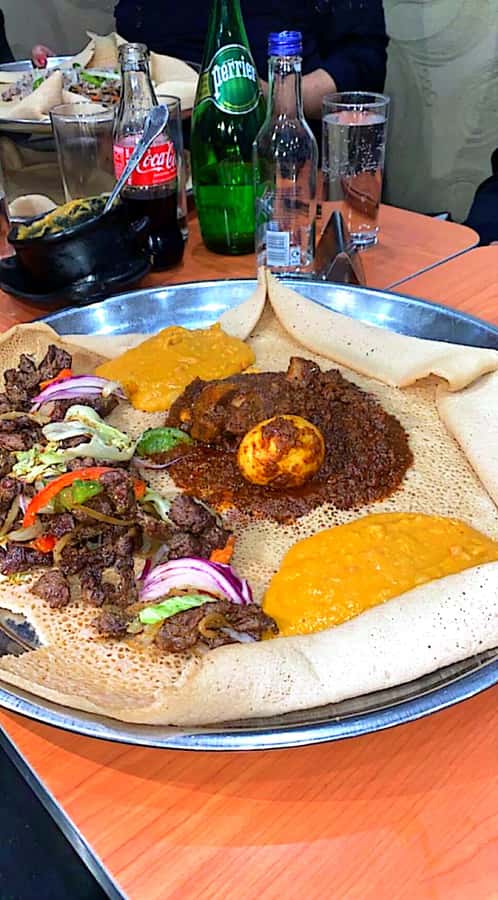
Lunch is included, and it consists of the dishes prepared during the class. You taste the injera, shiro wot, and coffee after taking part in the work.
I like this finish because it gives the lesson a clear result. You are not leaving with a demonstration and a handshake. You sit down and eat what you made. It also gives you a chance to ask questions and talk with Abraham, Selam, and the family.
The meal takes place in the home, not a restaurant. One participant described dining in Selam’s living room, which gives you a good sense of the informal arrangement. You should be comfortable sharing food and conversation in a private household.
Breakfast and dinner are not included. Lunch is the only meal listed, so plan your other meals separately. Gratitude, meaning a tip, is also not included in the $90 price.
Is $90 per person good value?

At $90 per person, this is not the cheapest way to learn one Ethiopian dish. The price makes more sense when you count what is included: airport or hotel pickup, transport, drop-off, Shola Market, the National Museum, entrance fees, a four-hour guided outing, the cooking class, coffee, and lunch.
You are paying for access to a local home as much as for the recipes. That is the part you cannot easily reproduce by walking into a restaurant or booking a standard city transfer. For a short stay, the transport and sightseeing save time and reduce planning.
Still, the value depends on your priorities. If you are already staying in Addis Ababa, prefer to explore independently, and mainly want a low-cost cooking lesson, the price may feel high. One participant made that exact point while still finding the experience worthwhile for a short visit.
For an eleven-hour layover, the calculation is different. Pickup and return transport, a museum visit, a market stop, lunch, and a local home experience in four hours can make the price reasonable. Confirm the timing carefully if you have a flight to catch, since airport traffic and check-in requirements matter even though the tour itself is four hours.
Who should book this experience?
I would recommend it most strongly to people who want direct contact with local life and are willing to accept a simple setting. It suits solo visitors, couples, small groups, and people making a short stop in Addis Ababa.
You should book if you enjoy cooking with guidance, want to try injera beyond a restaurant table, and like combining food with city sights. It also suits anyone who values airport pickup and a small group, especially on a first visit.
Families should check the age details before booking. The activity is listed as unsuitable for people over 95 years old, but no other age limits are provided. Children’s arrangements are not specified, so ask before reserving for a young child.
This may not suit you if you want a polished cooking school, a large kitchen, a long market visit, or a detailed recipe course. The charm comes from the home setting, and that means less space and less formal structure.
Booking details worth keeping in mind
The tour is offered in English and French. Abraham’s English has been described as good and useful for translation during the home visit. Another booking refers to a guide named Reta, while the experience information identifies Abraham and Selam as the hosts, so confirm the guide names when you reserve.
Free cancellation is available up to 24 hours before the activity for a full refund. You can also reserve now and pay later, which helps if your Addis Ababa plans are not fixed.
Starting times depend on availability. Pickup is included from the airport or hotel, and drop-off is included after the class. Bring comfortable shoes, warm clothing, and a camera. Alcohol and drugs are not allowed.
Should you book the Addis Ababa cooking class?
Book it if you want a hands-on home visit, not simply a meal. The best reasons are the chance to help make injera, cook shiro wot, roast coffee, and talk with Selam and Abraham in a real neighborhood setting.
The $90 price is easier to justify when you use the airport pickup, museum visit, market stop, lunch, and return transport. It is less compelling if you only want a basic cooking lesson or are comfortable arranging your own city transport.
For a short Addis Ababa stay, this is a smart way to combine food, local conversation, Lucy, and a first look at the city. Go with realistic expectations about the small kitchen and informal format, and you will get the kind of experience that is hard to find in a restaurant.
FAQ
How long does the Addis Ababa cooking class last?
The activity lasts four hours, including pickup, city sightseeing, the cooking class, lunch, and drop-off.
What dishes will I learn to make?
You will learn to bake injera and cook shiro wot, a spicy puréed chickpea stew.
Will I eat the food I prepare?
Yes. Lunch is included, and you will taste the injera and shiro wot you helped prepare.
Is Ethiopian coffee included?
Yes. The class includes instruction on making Ethiopian coffee with freshly roasted beans.
Where does the cooking class take place?
The class takes place in a local Ethiopian home kitchen. The kitchen is shared with neighbors, and the meal is served in the family living room.
Is hotel pickup included?
Yes. Pickup and drop-off are included from your hotel.
Is airport pickup available?
Yes. Airport pickup is included. The team waits with a banner showing your name so you can meet the guide and driver.
Is the National Museum entrance included?
Yes. The entrance fee is included, and the visit includes the famous Lucy fossil.
What languages are available?
The activity is offered in English and French.
How many people are in the group?
The group is limited to seven participants.
Can I cancel for a full refund?
Yes. You can cancel up to 24 hours in advance for a full refund.
What should I bring?
Bring comfortable shoes, warm clothing, and a camera.
Are breakfast and dinner included?
No. Lunch is included, but breakfast and dinner are not.
Is a tip included in the price?
No. Gratitude, or tipping, is not included.
Who may not find the activity suitable?
The activity is listed as unsuitable for people over 95 years old.
Just added around the world
- Private Cape Malay Cooking Class in Cape Town with a Local Family★ 5.0 · 24 reviews
- Private Moroccan Cooking Class in Casablanca with a Local Expert★ 5.0 · 12 reviews
- Cooking Class and Wine Pairing in Capri★ 5.0 · 57 reviews
- South African Cooking in Cape Town with Local Chef Richard★ 4.5 · 10 reviews
- Langa Township and Bokaap Cooking Class Half Day Tour★ 5.0 · 4 reviews
- Private Authentic Mexican Cooking Class in Cancun with Alberto★ 5.0 · 3 reviews
- Private Authentic Cape Malay Cooking Class in Manenberg with Locals★ 5.0 · 5 reviews
- Cape Town Shore Excursion| South African Cooking & Port Transfers★ 5.0 · 3 reviews
Cooking Classes, compared.
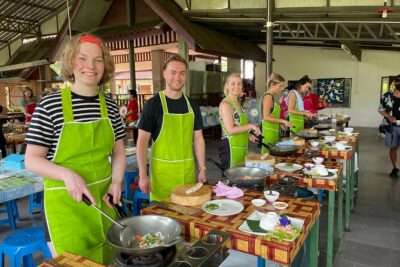
Half-Day Thai Cooking Class at Organic Farm in Chiang Mai
Read our review →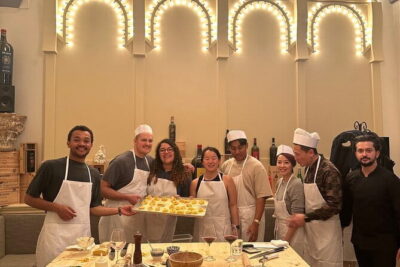
Florence: Pasta Cooking Class with Unlimited Wine
Read our review →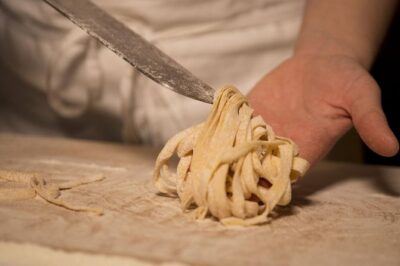
3 in 1 Cooking Class near Navona: Fettuccine, Ravioli & Tiramisu
Read our review →
Hanoi Cooking Class: Culture, Local Market & Meaning CSR Impact
Read our review →
5 Traditional Dishes Hanoi Cooking Class with Market Trip
Read our review →
Cooking Class and Lunch at a Tuscan Farmhouse with Local Market Tour from Florence
Read our review →