
Review · COOKING CLASSES
Adult Foraging Walk & Bushcraft Cookery Course for Beginners
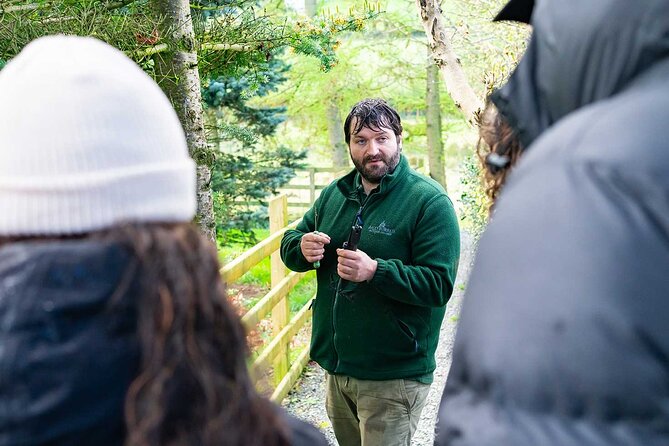
The best part of this Northern Ireland experience is that you do not simply walk past plants while someone names them. You learn how to identify edible species, gather them with care, and use them in a meal cooked over an open fire. Guide David also brings bushcraft into the session, with activities such as making whistles, spoons, and mallets.
I like the small maximum group of eight, which gives you a better chance to ask questions and get hands-on help. I also like the mix of woodland, ponds, flower-lined paths, and alpaca fields at BallyBurren. The main consideration is the short 3.5-hour schedule. There is a lot to fit in, so this is an introduction rather than a full wilderness skills course.
Key points at a glance
- Foraging with a meal at the end: Learn plant identification, then use gathered ingredients in food cooked over a campfire.
- David leads the session: Expect clear instruction, patience, and plenty of practical help throughout the activities.
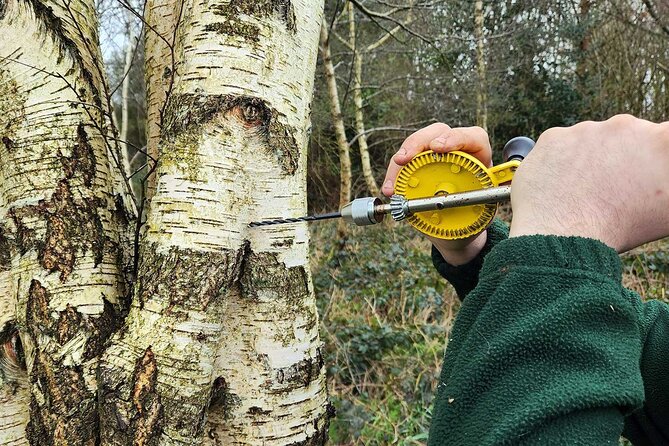
- Bushcraft is part of the day: You may make a wooden spoon, mallet, or survival whistle rather than only walking and tasting.
- A small group setting: The experience is limited to eight people, useful when you are learning skills that need close guidance.
- A varied BallyBurren setting: The route includes woodland, ponds, flower-lined paths, and views across alpaca fields.
- Useful for beginners: The course covers safe identification, seasonal availability, ethical harvesting, and basic cooking rather than assuming prior experience.
A woodland lesson you can eat
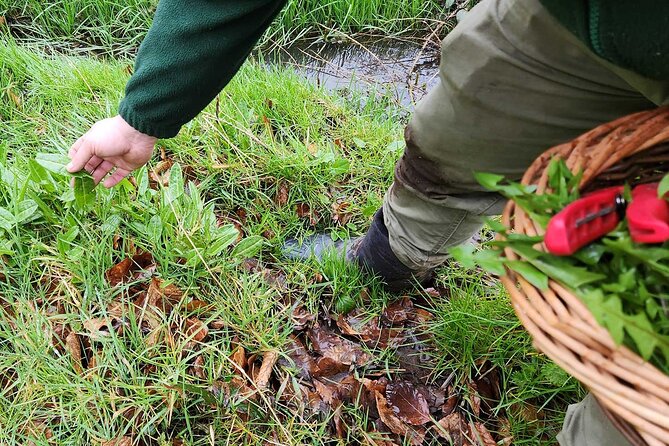
Foraging becomes much more useful when it moves beyond plant names. At BallyBurren Outdoor Escapes, you learn what to look for, when a plant is available, how it may be used in the kitchen, and why careless gathering can harm the area around you.
That practical approach suits a first course. You are not expected to arrive with a field guide memorised or a pocket full of bushcraft skills. The session starts with basic plant identification and builds toward food preparation, fire cooking, and simple woodwork.
I especially like the way the course joins two subjects that are often separated. The foraging walk teaches you about wild ingredients, while the bushcraft work shows how food, fire, tools, and the outdoor setting can fit together. You get a stronger sense of where a meal begins.
The setting also helps. BallyBurren includes wooded areas, ponds, flower-lined paths, and alpaca fields, so the outing is not just a straight walk from one plant to the next. You can expect a changing backdrop as you move toward the forest school site and later return to the car park.
More Walking Tours in the world:
- Walking Tour and Cooking Class on Naxos with Local Market Visit
★ 5.0 · 126 reviews - Tokyo: Tsukiji Market Walking Tour & Sushi Cooking Class
★ 4.6 · 122 reviews - New Orleans Cooking Class and Cocktail Walking Tour
★ 4.5 · 109 reviews
Meeting at BallyBurren Outdoor Escapes
The experience begins at BallyBurren Outdoor Escapes, 143 Dromore Road, Ballynahinch, BT24 8HZ, United Kingdom. You meet at the car park, then walk to the forest school site.
That short transfer matters because the car park is only the start point. You should allow yourself enough time to arrive, park, and get ready before the stated start time. The activity finishes back at the same meeting point, so you do not need to arrange a second pickup location.
The mobile ticket is handy for a day when you are already moving around Northern Ireland. Confirmation is provided when you book, and the activity is offered in English.
The group limit is eight people. I see that as a real advantage for this type of course. Plant identification often depends on small details, and fire or knife work can require personal guidance. A compact group also makes it easier to hear David and take part rather than simply watch from the edge.
Starting with safe plant identification
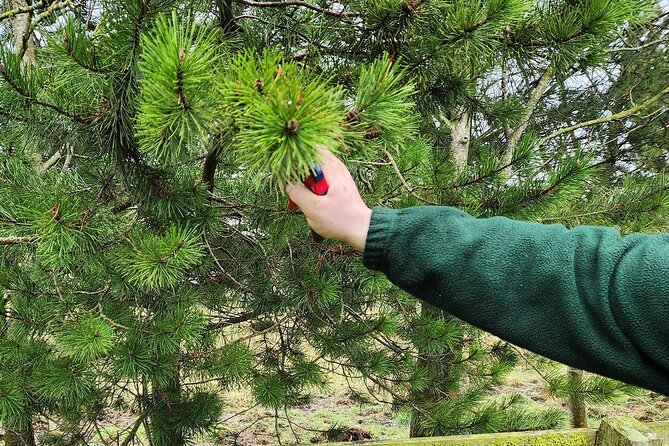
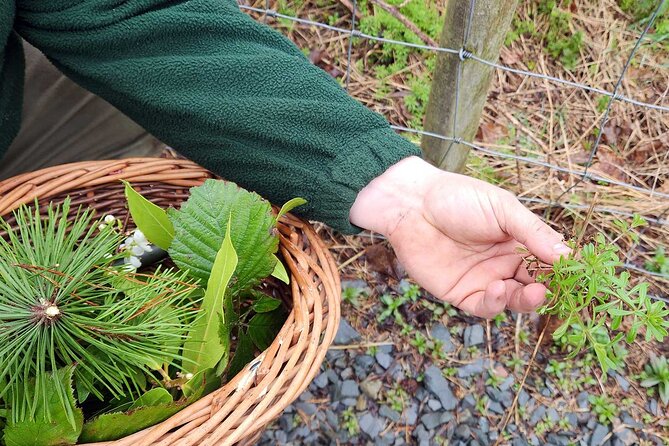
The first teaching section introduces the basic ideas behind foraging. That includes recognising commonly gathered plants, learning their main features, understanding when they are available, and considering how they can be used in cooking.
For a beginner, the safety side is more important than learning a long list of species. You need to know what makes a plant identifiable and why a casual guess is not good enough. The course puts responsible gathering at the centre, with attention to ethical practice and reducing harm to the environment.
This is also where the value of a guide becomes clear. A written list can tell you a plant’s name, but a guide can point out the details that separate one plant from another in the field. David’s role is not only to identify plants but to explain how they fit into a sustainable food experience.
You will likely taste some items during the walk. That can be a useful bridge between identification and cooking, since you begin to notice the different flavours and textures of wild foods while standing near where they grow.
Do not expect a full catalogue of every edible plant in Northern Ireland. The time is limited, and the course is designed as an introduction. The payoff is a set of basic habits you can build on later: check carefully, gather lightly, respect the site, and think about how an ingredient will be used before you pick it.
Walking through woodland and open grounds
The walk takes you toward the forest school site through a setting that includes more than trees. You might pass ponds, flower-lined paths, wooded areas, and alpaca fields. This variety gives the activity a pleasant rhythm and makes it suitable for people who enjoy being outside even when they are not focused on food every minute.
I would treat the walk as a lesson rather than a strenuous hike. The supplied details describe a foraging walk, not a long-distance trek, and the full activity lasts about three and a half hours. Still, you are outdoors and moving between locations, so practical outdoor clothing makes sense.
The scenery is one of the more family-friendly parts of the experience. A parent and daughter can take part together, and the session has also worked well for a father and daughter looking for something different to do. The range of activities means people with different interests can find a role, from tasting plants to shaping wood or helping with the fire.
The route’s setting may also appeal to you if you want an outdoor activity without giving up comfort entirely. You return to the same car park, and the day is organised around a fixed forest school site rather than a remote wilderness camp.
A few more cooking classes around the world worth a look
- Half-Day Thai Cooking Class at Organic Farm in Chiang Mai
★ 5.0 · 19,087 reviews - Florence: Pasta Cooking Class with Unlimited Wine
★ 4.9 · 10,285 reviews - 3 in 1 Cooking Class near Navona: Fettuccine, Ravioli & Tiramisu
★ 5.0 · 7,376 reviews - Florence: Pasta & Tiramisu Cooking Class with Unlimited Wine
★ 4.9 · 6,708 reviews
From wild plants to campfire food
After the walk, the group prepares food. This is where the course earns its cookery title. The ingredients gathered during the session can be used alongside other produce, and the food is cooked over an open fire.
Food featured in the activity has included nettle soup, pizzas, and chocolate bananas. That is a clever mix for beginners. Nettle soup connects directly to the foraging lesson, while pizza and a chocolate banana dessert make the fire cooking approachable and satisfying.
The food is not presented as a chef’s demonstration where you stand back and watch. You get to help prepare and cook it yourself. That hands-on part gives the plant lesson a clear purpose. You see how a wild ingredient can move from the ground to a bowl, rather than treating it as a novelty taste.
There is also a useful lesson in seasonality. The session includes tasting produce that is out of season, which lets David explain how availability changes through the year and how wild foods can be used alongside ingredients gathered or preserved at other times.
I would keep your expectations sensible. This is bushcraft cookery, not a restaurant meal or a formal culinary class. The appeal comes from making food outdoors, using simple methods, and sharing the result around the fire. If you want polished presentation or advanced recipes, this will feel basic. If you want a meal with a clear connection to the place and the work you have just done, it makes good sense.
Simple bushcraft projects with a purpose
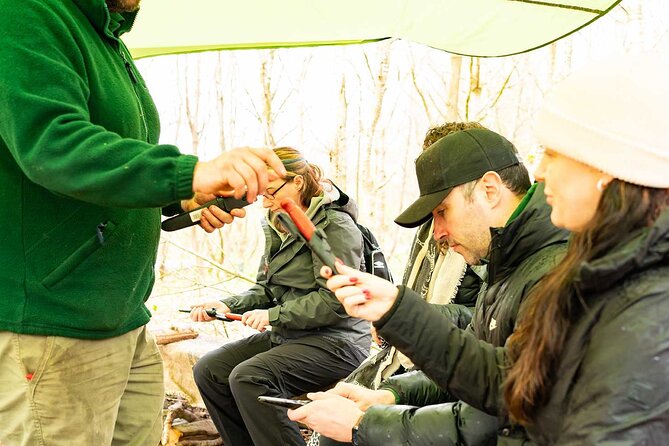
The course can include several small woodworking activities. You may make a wooden spoon, a mallet, or a survival whistle, depending on the session and the time available. These projects give you something tangible to take away, but their bigger value is the introduction to working with natural materials.
Making a spoon or mallet also breaks up the walking and tasting. You are using your hands, paying attention to the shape of a piece of wood, and learning how a basic object can be made rather than bought. The whistle offers a quick, memorable project that can suit children and adults alike.
Because the day is only about three and a half hours, you should not expect a full course in carving or tool use. The projects are introductory. David’s patient approach is especially useful here, since beginners may need help with technique and with understanding how much work fits into the available time.
The variety is a strong point. One person may care most about wild plants, another about the fire, and another about making a spoon. The course gives each interest a place without turning the day into separate, unrelated activities.
Fire, food, and learning by doing
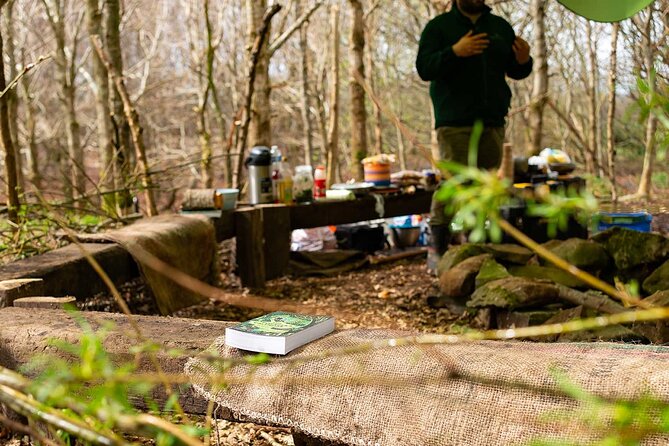
The open fire is the centre of the second half of the experience. You learn how food is cooked outdoors and how the ingredients gathered earlier can be part of that meal. Fire skills add a basic survival element, though I would not confuse this with an advanced survival course.
This kind of learning sticks because it uses several senses at once. You handle wood, watch the fire, smell the cooking food, and taste the plants. The result is more memorable than a talk delivered indoors.
The setting also makes the meal feel earned. You have walked through the grounds, learned what can be eaten, and taken part in preparing the food. Even simple dishes such as soup or pizza gain a little more interest when you cook them over a fire you helped use.
The fire section may be the most engaging part for children, but adults are not left out. The experience has been used for family days and special time between parents and children. David has also taken care to include a child with autism, which suggests a thoughtful approach to individual needs, though the supplied details do not promise a specific accessibility programme.
Service animals are allowed. If you need other accommodations, it is sensible to ask BallyBurren Outdoor Escapes before booking, since only service animal access is specifically confirmed.
Is $88.24 a fair price?
At $88.24 per person, this is not the cheapest short outdoor walk in Northern Ireland. The price makes more sense when you count the different parts included: a guided foraging walk, plant identification, tasting, bushcraft projects, fire skills, food preparation, and a cooked meal.
You are paying for instruction and participation, not simply access to the grounds. A basic walk may show you attractive scenery, but it is unlikely to give you the same chance to make a wooden tool, work with a fire, and cook food connected to the walk.
The small group improves the value. With a maximum of eight people, the instruction should feel more personal than a large group activity, especially when you are asking about plants or using tools. The course is also suitable for mixed ages, which can make the price easier to justify for a family day that replaces several separate activities.
I would book it if you want a structured outdoor experience with food at the end. I would hesitate if your main goal is a long hike, a serious survival qualification, or advanced plant study. The price is fair for a lively introduction, but it is not meant to replace a longer specialist course.
Who will enjoy this most?
I think the experience works best for first-time foragers, families, couples, and anyone who likes practical outdoor activities. You do not need to be a serious camper to enjoy it, since the session combines gentle learning with food and simple projects.
It is also a good choice for a parent and child who want something more memorable than a standard day out. The activities create natural chances to work together, and the meal provides a shared finish.
You may enjoy it less if you dislike getting involved. This is not a scenic walk where you can remain a passive observer. You are encouraged to taste, prepare, shape, and cook. The course also asks you to pay attention, since safe foraging depends on careful identification.
The three-and-a-half-hour length is a useful compromise. It is long enough to feel like a proper activity but short enough to fit into a wider day in Northern Ireland. At the same time, the schedule means you should accept that some subjects will be covered only at beginner level.
Booking, cancellation, and practical details
The activity is available in English and uses a mobile ticket. You meet and finish at BallyBurren Outdoor Escapes, 143 Dromore Road, Ballynahinch. Confirmation arrives at the time of booking.
Free cancellation is available if you cancel at least 24 hours before the start time. Cancellations made less than 24 hours before the activity are not refunded, and changes within that period are not accepted. The cut-off follows local time.
I would wear outdoor clothing and shoes suited to a woodland setting, though the supplied details do not list a required dress code. Arrive ready to walk, handle natural materials, work around a fire, and take part in food preparation.
Should you book the BallyBurren course?
I would book this if you want to learn a few useful outdoor skills in a friendly, compact setting. David’s patient teaching, the eight-person limit, and the combination of foraging with bushcraft give the experience more substance than a simple nature walk.
The strongest reason to choose it is the complete flow: identify a plant, gather responsibly, prepare food, and cook it over a fire. Add a wooden spoon, mallet, or whistle, and you have a half-day activity with something practical to remember.
Skip it if you are seeking a demanding hike or a full professional course in wild food. For everyone else, especially families and beginners, $88.24 is a reasonable price for a hands-on day that mixes nature, food, and useful skills.
FAQ
Where does the foraging and bushcraft course begin?
It begins at the car park at BallyBurren Outdoor Escapes, 143 Dromore Road, Ballynahinch, BT24 8HZ, United Kingdom.
Where does the activity finish?
The activity ends back at the meeting point, at the BallyBurren Outdoor Escapes car park.
How long does the experience last?
The course lasts approximately 3 hours and 30 minutes.
How many people can join the activity?
The maximum group size is eight people.
Is the activity offered in English?
Yes. The course is offered in English.
What food might I prepare during the course?
Food included in the experience has featured nettle soup, pizzas, and chocolate bananas cooked over an open fire. The group may also use ingredients gathered during the walk.
Are service animals allowed?
Yes, service animals are allowed.
Can I cancel for a full refund?
Yes, if you cancel at least 24 hours before the experience start time. Cancellations made less than 24 hours before the start time are not refunded.
Just added around the world
- Que rico es oaxaca, Cooking Classes.★ 5.0 · 14 reviews
- Ohrid cooking classes★ 5.0 · 32 reviews
- Cooking class with a traditional Oaxacan cook★ 5.0 · 28 reviews
- Oaxacan cooking class★ 5.0 · 4 reviews
- 4 Moles Oaxacan Cooking Class with Traditional Cook★ 5.0 · 7 reviews
- Traditional Oaxaca Cooking Class with Local Chef★ 5.0 · 46 reviews
- Flavors and landscapes Boil water Mezcal Textiles and Cooking★ 5.0 · 10 reviews
- Cooking classes from the Isthmus with a Tehuana★ 5.0 · 51 reviews
Cooking Classes, compared.
Half-Day Thai Cooking Class at Organic Farm in Chiang Mai
Read our review →
Florence: Pasta Cooking Class with Unlimited Wine
Read our review →
3 in 1 Cooking Class near Navona: Fettuccine, Ravioli & Tiramisu
Read our review →
Hanoi Cooking Class: Culture, Local Market & Meaning CSR Impact
Read our review →
5 Traditional Dishes Hanoi Cooking Class with Market Trip
Read our review →
Cooking Class and Lunch at a Tuscan Farmhouse with Local Market Tour from Florence
Read our review →
Chiang Mai: Cooking Class, Market & Thai Herbs Garden Tour
Read our review →Browse the lists this tour appears in