
Review · NEW ORLEANS
New Orleans Cooking Class and Cocktail Walking Tour
The best thing about this four-hour outing is the way it links New Orleans food and drink in one easy afternoon. You watch a chef prepare gumbo, jambalaya, and pralines, then walk into the French Quarter’s cocktail lore with stops tied to Peychaud’s bitters, the Sazerac, and absinthe.
I like the generous food samples, which can serve as a late lunch, and the practical souvenirs: a recipe booklet, custom spice packet, store discount, and drink coupon. Guides such as Chef Eric, Dianne, Robert, Tim, and Sandi have also been praised for turning local history into good stories rather than a dry lecture.
The main catch is that this is a demonstration, not a hands-on class. The cooking room can feel crowded, and the cocktail walk may run long if you have dinner plans. The advertised drink package includes three cocktails, though one account described receiving two, so it is worth confirming the details when you arrive.
Key points to know before booking
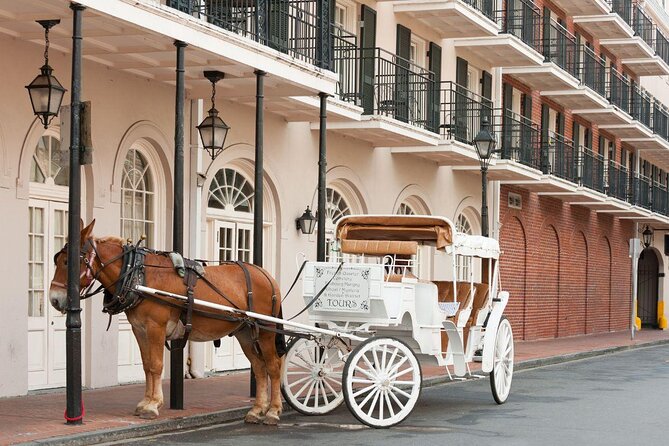
- Watch a chef prepare a full New Orleans meal: Gumbo, jambalaya, crawfish étouffée, pralines, and other local dishes are explained as they are made.
- Expect food, not cooking practice: You receive generous samples, but you do not chop, stir, or cook during the demonstration.
- The cooking school is the strongest part for many people: Chef Eric, Dianne, Michael, Lynn, Vivian, and other instructors have been praised for humor, clear explanations, and personal stories.
- Three classic cocktails are included: The program centers on New Orleans drinks such as the Sazerac, with taxes and service gratuities included.
- The French Quarter walk adds context: Stops may include the Court of Two Sisters, Peychaud’s, the St. Louis Cathedral area, and Fritzel’s European Jazz Bar.
- Plan for a four-hour afternoon: Start at 2:00 p.m., walk between several French Quarter locations, and finish in the early evening.
Starting with gumbo at the New Orleans School of Cooking
Your afternoon begins at 2:00 p.m. at the New Orleans School of Cooking, at 524 St. Louis Street in the French Quarter. If you are staying downtown, walking to the school is sensible and helps avoid adding a car to the narrow historic streets.
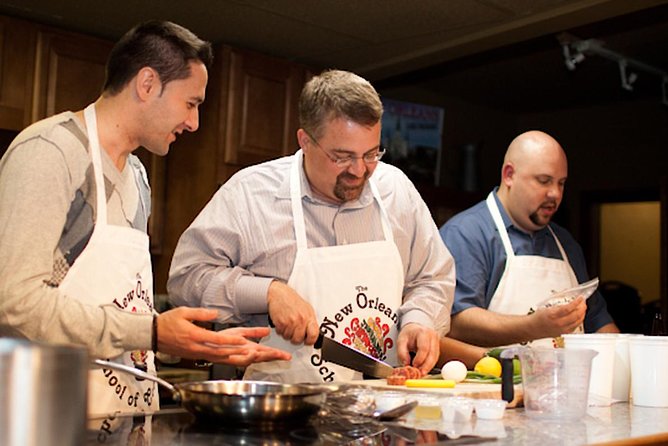
The cooking session lasts about two hours. You take a seat with the rest of the group while a professional chef prepares classic New Orleans dishes in front of you. The exact menu can vary, but the program centers on favorites such as gumbo, jambalaya, crawfish étouffée, and pralines.
This is part cooking lesson, part local history talk. You learn how Cajun and Creole food reflects French, Spanish, Native American, and African traditions. The chef also explains the spices and methods that give New Orleans food its particular character.
The format works best if you enjoy watching an experienced cook work while listening to stories. The chefs have been a major strength of the experience. Chef Eric is often praised for his humor and storytelling, while Dianne has been singled out for explaining both the dishes and their background. Other well-received instructors include Michael, Lynn, Vivian, Tom, and Rene.
You should arrive expecting a show rather than a workshop. The chef handles the preparation, and you do not practice the recipes at your table. One person expecting a hands-on class may feel disappointed, but the demonstration still gives you useful ideas to take home.
More Hands-On Workshops in the USA:
- New Orleans Demonstration Cooking Class with Meal
★ 5.0 · 3,000 reviews - New Orleans Hands-On Cooking Class with Meal
★ 5.0 · 1,183 reviews - Undiscovered Charleston: Half Day Food, Wine & History Tour with Cooking Class
★ 5.0 · 948 reviews
The food serves as a late lunch
The samples are not token tastes. You receive hearty portions of the dishes prepared during the session, along with coffee, iced tea, and beer. Several accounts describe the food as plentiful enough to function as a late lunch or substantial afternoon snack.
That matters when planning your day. I would not schedule a large lunch immediately beforehand. You will want room for gumbo, jambalaya, pralines, and any other dishes on the day’s menu.
The food itself receives some of the strongest praise attached to this experience. Gumbo and jambalaya are recurring favorites, while the pralines often leave the biggest impression on people with a sweet tooth. One account highlights crab bisque, although the listed menu can vary, so do not book with the expectation that one particular dish is guaranteed.
The atmosphere has a practical weakness. The room can become packed, especially on busy weekends and during popular travel periods. A full session may mean tight tables or a pillar blocking your view. If seeing every step matters to you, arrive in good time and ask about seating rather than assuming every chair has the same sightline.
The food school portion is also the more reliable choice for anyone interested in cooking. You leave with a recipe booklet and a custom spice packet, plus a discount at the school’s general store. Those extras give the class value beyond the meal itself. You can try to recreate the dishes at home instead of letting the experience end when you leave the French Quarter.
From cooking lesson to French Quarter cocktail walk
Before 4:15 p.m., your cocktail guide meets you outside the cooking school. The group then heads into the French Quarter on foot. The tour has a maximum of 18 people, although some departures can be smaller. One account describes a group of six, which allowed plenty of conversation and questions.
The walking portion lasts about two hours. It is not simply a bar-to-bar drinking session. Your guide uses cocktails, buildings, and old businesses to explain how the French Quarter developed as New Orleans’ cultural center.
Guides have varied, but several names receive particularly warm attention. Robert and Robi are praised for their humor and strong command of local stories. Tim is described as energetic enough to keep the group interested even in cold weather. Sandi is noted for her friendly local perspective, and Roni is praised for making the drink history easy to follow.
The guides also make a difference in the pace. Some visitors enjoy a long stream of stories and questions. Others may find the walk too slow, especially if a dinner reservation is waiting. Allow the full four hours and avoid booking an early evening meal that leaves no margin.
The Court of Two Sisters and the old carriageway
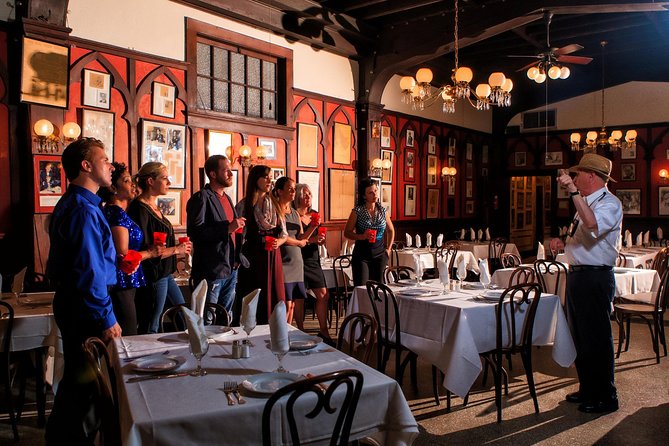
One stop is the Court of Two Sisters’ Carriageway Bar, entered through gates made in Spain and blessed by Queen Isabella. The site is now associated with its restaurant, jazz brunch, and courtyard beneath a 130-year-old wisteria vine.
The value here is not just the drink. You get a sense of how an old French Quarter property can continue serving modern visitors while retaining traces of its earlier life. The guide connects the building to the neighborhood’s long-running food and nightlife culture.
The stop is included in the walking route, but additional drinks beyond the three provided are your responsibility. Pace yourself carefully. New Orleans cocktails can be stronger than their sweet flavors suggest.
More Walking Tours in the USA:
- New Orleans Small-Group Food Walking Tour and Cooking Class
★ 5.0 · 47 reviews - New Orleans: Cooking Class & Cocktail Walking Tour
★ 4.7 · 16 reviews - New Orleans: Food Walking Tour & Cooking Class Experience
★ 5.0 · 8 reviews - Walking Tour and Cooking Class on Naxos with Local Market Visit
★ 5.0 · 126 reviews
Peychaud’s bitters and the Sazerac
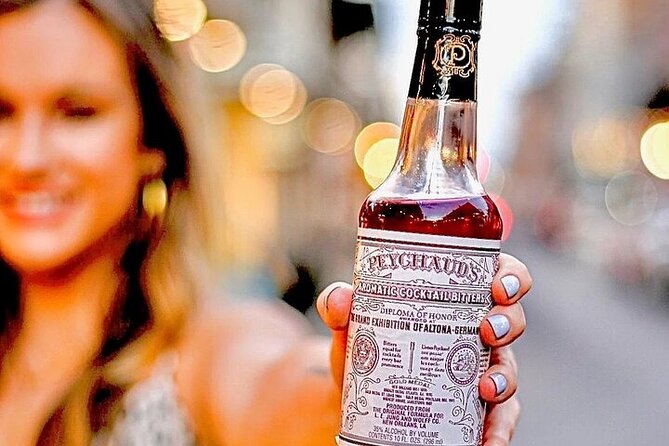
The Peychaud’s stop explains one of the central stories in New Orleans cocktail culture. Antoine Peychaud was a Creole apothecary who lived and worked at the property. His herbal Peychaud’s Bitters later became a key part of the Sazerac.
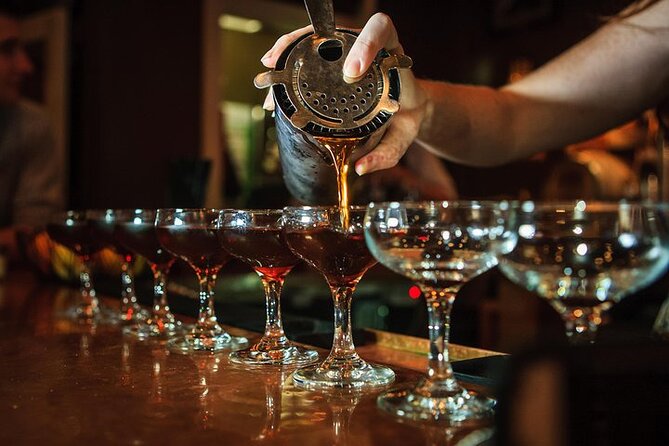
The Sazerac is presented as America’s first cocktail and New Orleans’ official cocktail, with origins reaching back to the mid-19th century. The tour makes the drink more interesting by showing how an apothecary product became part of a lasting bar tradition.
This is where the walking tour earns its keep for anyone who likes the story behind a drink. You are not simply handed a glass. You learn why certain ingredients matter and how New Orleans helped shape cocktail culture.
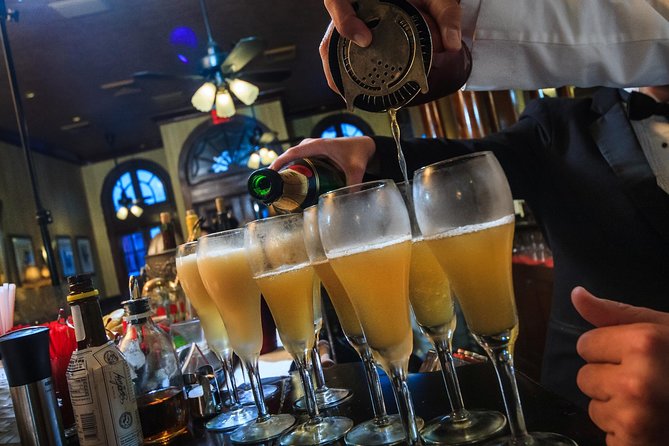
The included package is described as three classic cocktails, including a Sazerac, with taxes and service gratuities covered. One account refers to two included cocktails instead, so the exact pour count may depend on the departure or venue arrangements. If three tastings are important to your decision, confirm the current serving plan before booking.
St. Louis Cathedral and the green fairy
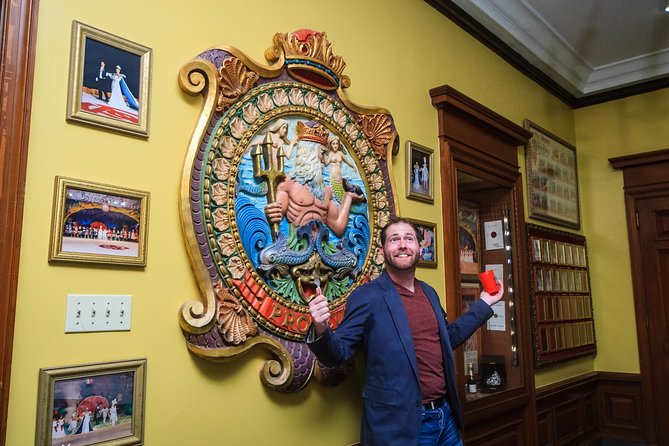
Near St. Louis Cathedral, the route reaches the meeting point of two cobblestone alleys associated with a legendary pirate hangout. The stop introduces absinthe, nicknamed the green fairy, and its place in the creative mythology surrounding writers, artists, poets, and musicians.
This part of the walk gives you a change of mood from the Sazerac discussion. Instead of focusing on one famous local ingredient, the guide explores the stories and legends connected to an old neighborhood corner.
The cathedral area also helps you notice the French and Spanish influence in the Quarter’s architecture. Look up as you walk. The tour is more rewarding if you pay attention to the colonial details between stops, not only to the next bar.
Fritzel’s European Jazz Bar finishes the route
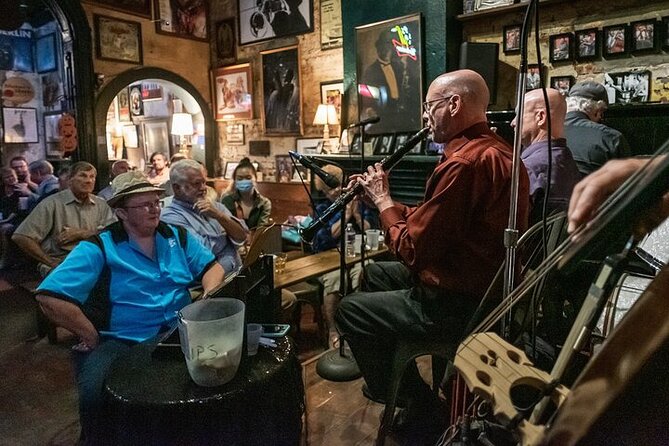
The walk ends at Fritzel’s European Jazz Bar, a jazz pub with a long-standing connection to New Orleans music. You are welcome to stay for the show after the official tour ends.
This is a useful finishing point because you can continue the evening without starting over somewhere unfamiliar. The French Quarter has many restaurants nearby, so you can move on to dinner after the music or remain for a set if your schedule allows.
The ending also shows the difference between this experience and a basic cocktail crawl. The route includes food, drinks, architecture, music, and local stories. You receive a guided introduction to several parts of New Orleans culture, not just a list of bars.
Is $105.50 a fair price?
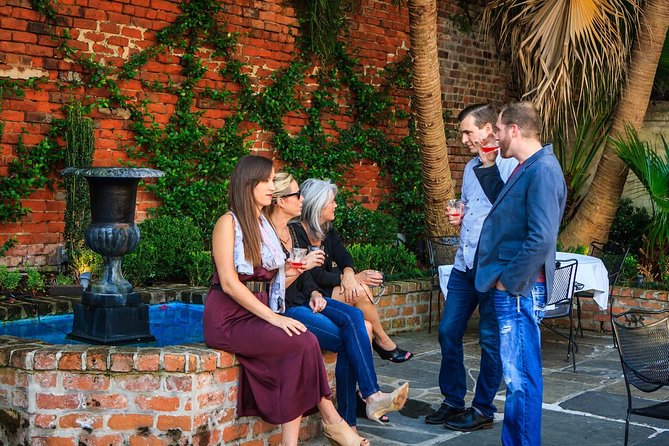
At $105.50 per person, the price is not low, but it covers a substantial afternoon. You receive a two-hour cooking demonstration, generous food samples, coffee, iced tea, beer, recipes, a spice packet, a store discount, a drink coupon, and three classic cocktails with taxes and service gratuities included.
The value is strongest if you would otherwise pay separately for a cooking lesson, a filling lunch, and a guided cocktail walk. The food samples can replace a meal, and the included drinks reduce the number of extra bar purchases needed during the afternoon.
The value is weaker if you want hands-on cooking practice or prefer to choose your own bars. You are paying for a set route and a hosted presentation. Additional alcoholic drinks cost extra, and you should not expect the freedom of an independent evening in the Quarter.
The experience is often booked well ahead, with an average booking point of about 39 days in advance. If your New Orleans dates are fixed, booking early makes sense. Free cancellation is available up to 24 hours before the 2:00 p.m. start time. Changes or cancellations inside that window are not refundable.
Who will enjoy this afternoon most?
I would recommend this tour to first-time New Orleans visitors who want a clear introduction to local food and cocktails without spending days researching restaurants and bars. It also suits couples and friends who like a social afternoon with plenty of conversation.
Food lovers should appreciate the chance to taste several staples in one sitting. Cocktail fans will get the most from the stories about the Sazerac, Peychaud’s bitters, Southern Comfort, and absinthe. History fans can focus on the buildings and people tied to each drink.
It is less suitable for anyone seeking a private or quiet experience. The cooking school can be crowded, and a full group may make it harder to see the demonstration. It is also not ideal for people under 21, since the minimum age is 21.
Wear shoes you can walk in and leave room in your schedule. The route stays in the French Quarter, but you will spend about two hours on foot. If you have a dinner reservation, schedule it well after the stated end time.
Should you book the New Orleans Cooking Class and Cocktail Walking Tour?
Book it if you want one organized afternoon covering food, cocktails, and local stories. The generous samples, take-home recipes, and skilled chefs give the first half real substance, while the French Quarter walk adds context you would miss by simply ordering drinks on your own.
Skip it if hands-on cooking is essential or if you prefer a short tasting with small pours. Also think twice if crowded rooms or long guide talks wear you down.
For most first-time visitors, the package offers a useful introduction to New Orleans culture at a reasonable combined price. Just arrive hungry, wear comfortable shoes, allow extra time after the official finish, and remember that you are watching the cooking rather than doing it.
FAQ
Where does the experience begin?
It begins at the New Orleans School of Cooking, located at 524 St. Louis Street in New Orleans, Louisiana.
What time does the tour start?
The scheduled start time is 2:00 p.m.
How long does the experience last?
The full experience lasts approximately four hours. The cooking demonstration takes about two hours, followed by about two hours of cocktail walking.
Is this a hands-on cooking class?
No. It is a cooking demonstration. A professional chef prepares the dishes while you watch and learn.
What food is included?
The demonstration may include New Orleans classics such as gumbo, jambalaya, crawfish étouffée, pralines, and other local dishes. Generous samples are included, along with coffee, iced tea, and beer.
How many cocktails are included?
The experience description includes three classic New Orleans cocktails, including a Sazerac. Additional alcoholic drinks are available for purchase.
What places are visited during the cocktail walk?
The route can include the Court of Two Sisters, Peychaud’s, the St. Louis Cathedral area, and Fritzel’s European Jazz Bar, along with other historic French Quarter locations.
Is there a minimum age?
Yes. The minimum age is 21.
What is the cancellation policy?
You can cancel up to 24 hours before the local start time for a full refund. Cancellations or changes made less than 24 hours before the experience are not accepted for a refund.
Just added around the USA
- Private NYC Cooking Class: Learn to Cook Indian and Soul Food in East Harlem★ 5.0 · 5 reviews
- New Orleans Small-Group Food Walking Tour and Cooking Class★ 5.0 · 47 reviews
- Viator Exclusive: Pasta Cooking Class & Dinner -Greenwich Village★ 5.0 · 10 reviews
- NYC: Midtown Hands-On Bagel Baking Class★ 5.0 · 12 reviews
- Private New Orleans Cajun Cooking Class with a Local Courtland★ 5.0 · 14 reviews
- Hands-on Cajun Traditions Cooking Class★ 5.0 · 132 reviews
- Traditional Greek Cooking Class in Naples Florida★ 5.0 · 6 reviews
- Thai Cooking Class in Monterey★ 5.0 · 55 reviews
Cooking Classes, compared.
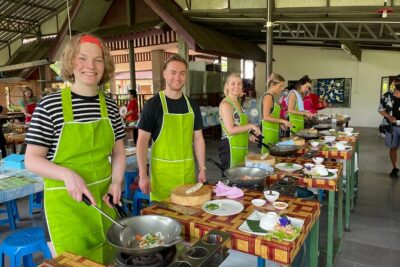
Half-Day Thai Cooking Class at Organic Farm in Chiang Mai
Read our review →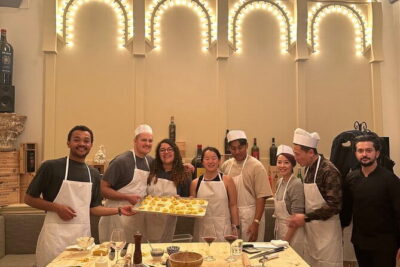
Florence: Pasta Cooking Class with Unlimited Wine
Read our review →
3 in 1 Cooking Class near Navona: Fettuccine, Ravioli & Tiramisu
Read our review →
Hanoi Cooking Class: Culture, Local Market & Meaning CSR Impact
Read our review →
5 Traditional Dishes Hanoi Cooking Class with Market Trip
Read our review →
Cooking Class and Lunch at a Tuscan Farmhouse with Local Market Tour from Florence
Read our review →
Chiang Mai: Cooking Class, Market & Thai Herbs Garden Tour
Read our review →Browse the lists this tour appears in