
Review · NEW ORLEANS
Hands-on Cajun Traditions Cooking Class
New Orleans food is best understood with a spoon in your hand, and this class gets you cooking right away. You prepare barbecue shrimp, chicken and andouille jambalaya, and chocolate bread pudding, while a chef explains the seasoning, methods, and Louisiana stories behind each dish.
I like the small maximum of 10 people, which gives you a real chance to ask questions, and I like that the class teaches useful skills rather than simply staging a cooking demonstration. The main thing to consider is the price, $163.85 per person. That is a serious meal budget, though it includes roughly three hours of instruction, three courses, and a social experience.
Key points to know before booking
- Three dishes, all made during class: You prepare New Orleans style barbecue shrimp, chicken and andouille sausage jambalaya, and chocolate bread pudding with brandy mocha sauce.
- A true hands-on format: You wear an apron, help prepare the food, learn knife skills and timing, and eat what the group makes.
- Small class size: The maximum is 10 people, a useful limit for questions and personal help.
- Several recurring chef favorites: Mark, Raymond, Preston, Erika, Jason, and David have all led sessions, with teaching style and storytelling earning especially strong praise.
- French Quarter setting: The class begins and ends at 519 Wilkinson Street, near public transportation.
- Plan ahead: The experience is booked about 29 days in advance on average, and you can cancel up to 24 hours before it starts for a full refund.
Three New Orleans dishes, one busy kitchen
The menu gives you a good spread of Louisiana cooking. The barbecue shrimp arrives first, followed by chicken and andouille sausage jambalaya, with chocolate bread pudding and brandy mocha sauce for dessert.
That order works well for a class. You begin with a dish built around seasoning and sauce, move to a substantial rice-based main course, then finish with a baked dessert. You are not just making three versions of the same thing. Each course brings a different set of skills and a different idea of what makes New Orleans cooking work.
The class begins at The Mardi Gras School of Cooking at 519 Wilkinson Street. You settle in, meet the others, and get acquainted with the chef and assistants before the cooking starts. That first period matters more than it might sound. A class with strangers can feel stiff at the start, but the small room and shared meal give people a reason to talk.
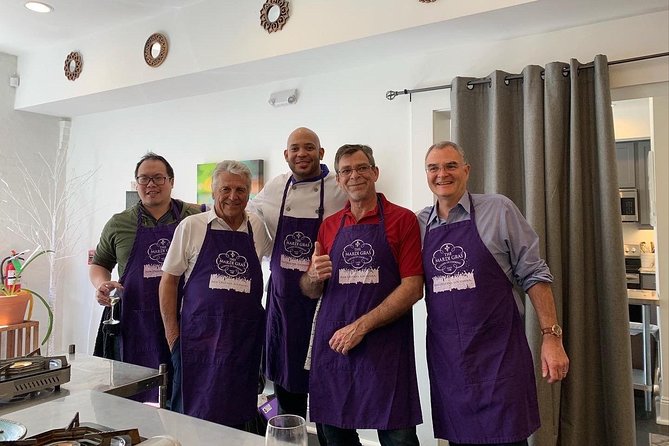
You will be given an apron and guided through the recipes step by step. The pace is designed to be useful for beginners, with instructors adjusting to the group rather than racing through a fixed performance. Past classes have included friends, couples, families, locals, and people visiting New Orleans for the first time.
More Hands-On Workshops in the USA:
- New Orleans Demonstration Cooking Class with Meal
★ 5.0 · 3,000 reviews - New Orleans Hands-On Cooking Class with Meal
★ 5.0 · 1,183 reviews - Undiscovered Charleston: Half Day Food, Wine & History Tour with Cooking Class
★ 5.0 · 948 reviews
Barbecue shrimp starts with seasoning
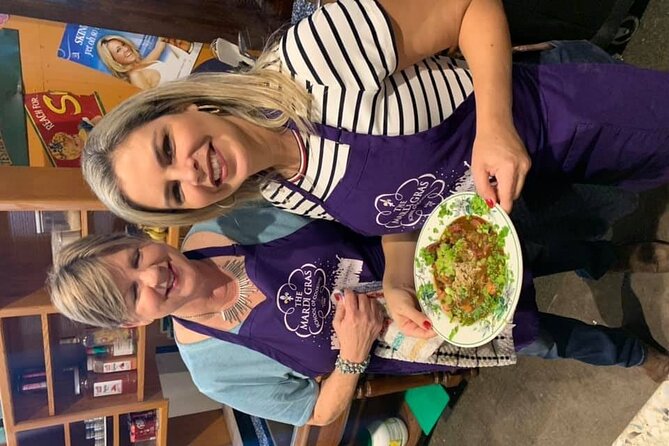
The first course is New Orleans style barbecue shrimp. Despite the name, the dish is not described as a backyard grilling session. The focus is on preparing the dish and its sauce, with seasoning and technique taking center stage.
This is a smart opening course because it gets you working with strong Louisiana flavors before the more substantial jambalaya. One especially useful detail from the class is the attention to seasoning secrets and the way the ingredients are prepared, not just dumped into a pan.
You should expect to take part rather than sit at a counter and watch a chef do everything. The hands-on format is one of the experience’s main strengths. You can ask why a step matters, check your timing, and pick up small habits that are useful beyond this meal.
One class member specifically praised the shrimp sauce, while another found the lessons helpful for normal home cooking. That is a good sign for anyone who wants to recreate the meal later. The recipes are approachable enough to use at home, though the class is still a social activity rather than a formal professional cooking course.
Jambalaya makes the class feel like a meal
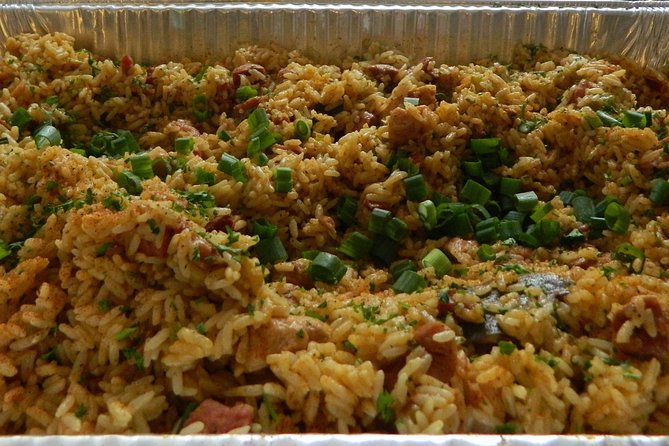
The main course is chicken and andouille sausage jambalaya. This is the dish that gives the class its biggest sense of teamwork. Several people can work on different parts of the preparation, then watch the ingredients come together into a shared pot.
The chef explains the steps, timing, and seasoning as you go. The food history is part of the lesson too, so you learn not only what to do but also how Louisiana’s famous dishes developed. The class is described as Cajun, but it also presents the menu as New Orleans traditions, giving you a broader introduction to the area’s cooking culture.
The jambalaya is hearty and practical. It is also the dish most likely to show why timing matters. You may know the ingredient list, but getting the texture and seasoning right takes attention. Instructors such as Raymond, Preston, Erika, and Mark have been praised for explaining the process clearly and keeping the pace comfortable.
If you are already an experienced home cook, do not expect a demanding culinary-school workshop. The dishes are deliberately accessible. That is part of their appeal, but it also means the class may feel basic to someone looking for advanced pastry work, complex knife training, or restaurant-level technique.
Chocolate bread pudding is more than an afterthought
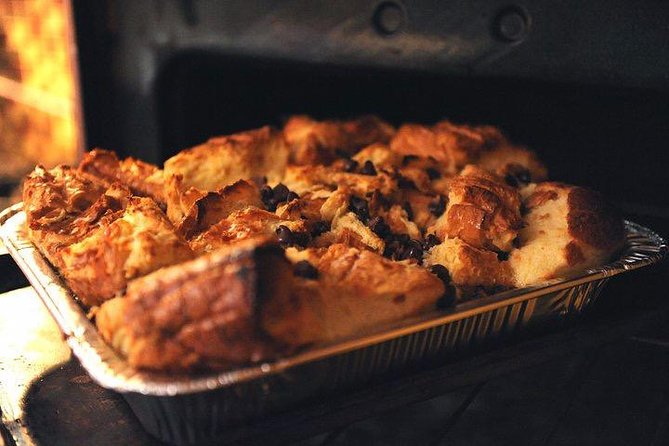
Dessert is chocolate bread pudding with a brandy mocha sauce. It is not a token final bite. The dessert gets its own preparation and has become one of the most memorable parts of the class for many people.
One useful lesson from a past session came from a simple suggestion: adding the remaining chocolate chips on top of the loaf before baking. The chef accepted the idea and planned to use it again. That small moment says something good about the format. You are encouraged to participate and think, not just obey instructions.
Several people singled out the bread pudding as their favorite dish. Another family took home leftovers so everyone could try them, and a participant who wanted to recreate the meal at home found the dessert especially successful. You should ask about leftovers if your group has extra food, but do not assume take-home containers are always supplied. One class member specifically wished the school offered them.
The brandy mocha sauce adds a more finished touch to the dessert. It also makes the final course feel like a proper restaurant-style ending to the meal, even though you have prepared it as part of a group.
A few more cooking classes around the USA worth a look
- New Orleans: Cajun and Creole Cooking Class
★ 4.9 · 730 reviews - Hands-on Cajun Roux Cooking Class in New Orleans
★ 5.0 · 356 reviews - New Orleans Cooking Class and Cocktail Walking Tour
★ 4.5 · 109 reviews - Hands-On Hawaiian Imu Cooking and Cultural Dining Experience
★ 5.0 · 95 reviews
Chefs who teach with stories and practical tips
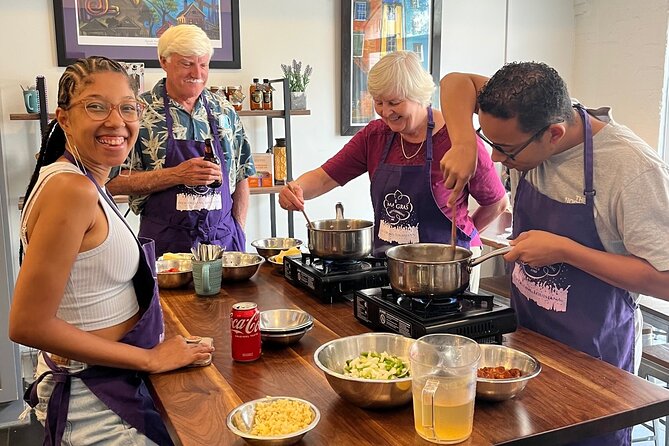
The chef changes by session. Names connected with the class include Mark, Raymond, Preston, Erika, Jason, David, and Ray. The exact personality of the class may depend on who leads it, but the teaching pattern is consistent: recipe instruction, Louisiana food history, practical cooking advice, and plenty of conversation.
Chef Mark has been praised for sharing family stories and making the food feel personal. Chef Raymond is described as funny, personable, and good at keeping everyone involved. Preston has focused on cooking tips and how traditional dishes came about. Erika has combined food history with hands-on help, while Jason has been praised for clear, step-by-step instruction.
That variety is worth keeping in mind. You are not booking a silent recipe lesson. The chef is also your host for the session, and the quality of the social atmosphere matters. If you like meeting new people over food, this is a strong fit. If you want to work alone and keep conversation to a minimum, a private kitchen lesson might suit you better.
You may also get extra advice beyond the listed menu. Instructors have shared local suggestions for what to do after class, cooking shortcuts, knife skills, timing tips, and ways to adapt the dishes at home. These small details are often where the price begins to make more sense.
A small group changes the experience
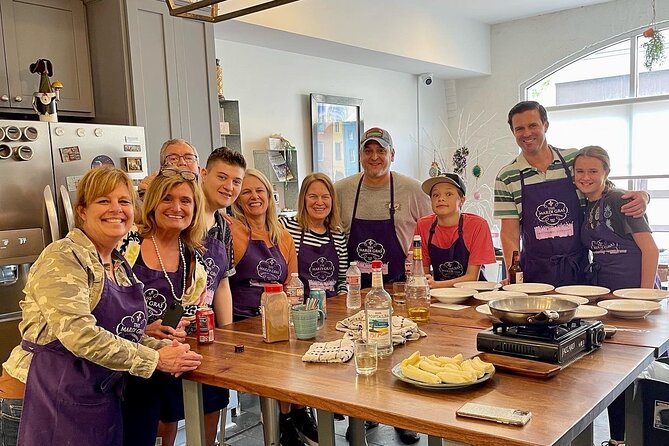
The maximum group size is 10 people. That is small enough for the chef to watch what you are doing and answer questions without turning the session into a crowded demonstration.
Group size also affects the meal itself. You cook alongside the other participants, then eat together. A class of six, for example, can feel like a dinner party with a lesson attached. Larger groups may still be manageable, but the 10-person cap keeps the room from becoming unwieldy.
This format works especially well for families and friends. An 11-year-old who likes to cook has taken part, and family groups have enjoyed being able to prepare and eat the same meal together. Couples can treat it as an unusual afternoon or evening activity, while solo participants can expect a natural way to meet people.
The class is offered in English. If you have food restrictions, tell the provider in advance. One session accommodated minor restrictions, but the information provided does not promise that every dietary need can be met or that substitutions are always possible.
What the $163.85 price really covers
At $163.85 per person, this is not a bargain meal. You can find cheaper ways to eat jambalaya, shrimp, and bread pudding in New Orleans. The value comes from combining the food with instruction, a small-group setting, cultural context, and the chance to repeat the recipes at home.
You are paying for about three hours, not just a plate of food. The menu includes three courses, and the chef teaches professional techniques, seasoning, preparation, and the background of Louisiana cuisine. You also avoid the usual restaurant question of what to order. The group creates the meal from start to finish.
I would judge the price more favorably if you enjoy cooking or want an activity that breaks up sightseeing. It is less compelling if you only want lunch or dinner. A restaurant gives you a faster and cheaper meal, while this class asks you to spend time working for it.
Group discounts may be available, which could improve the value for friends or families. The experience is also mobile-ticketed, making it easy to keep the confirmation on your phone.
Timing, meeting point, and planning advice
The class lasts about three hours and returns to the same meeting point at 519 Wilkinson Street. It is near public transportation, which helps if you are moving around New Orleans without a car.
Give yourself enough time to reach the address. The class starts with introductions and preparation, so arriving late could mean missing the opening instructions or forcing the group to pause. Since the experience is booked about 29 days ahead on average, I would not leave it until the final day of a short New Orleans visit.
You can cancel up to 24 hours in advance for a full refund. That gives you some flexibility if your plans change, but it does not protect you from a same-day change.
Wear something comfortable for a kitchen session. The provider supplies aprons, but the available information does not specify a dress code or shoe policy. If you have allergies or food restrictions, contact the provider before booking rather than waiting until the class begins.
Who will get the most from this class
I would choose this for someone who wants to connect food with place. You learn about Cajun and New Orleans cooking while preparing a complete meal, so the lesson feels tied to the city rather than copied from a generic cooking studio.
It is a particularly good pick for:
- Couples who want an activity with conversation built in
- Families with children or teenagers who enjoy cooking
- Friends looking for something more memorable than another restaurant meal
- Returning New Orleans visitors who want a different way to spend an afternoon
- Home cooks who want recipes and methods they can use later
- Solo participants who like small-group activities
The class may be less suitable if you need strict dietary control, dislike group activities, or want advanced culinary training. The dishes are designed to be achievable, and the atmosphere is friendly and relaxed rather than intense.
Should you book the Hands-on Cajun Traditions Cooking Class?
Book it if you want a meal you help create, not just a meal served to you. The small group, three-course menu, local food stories, and practical tips give the experience more lasting value than a standard dinner.
I especially like the balance of savory and sweet dishes, the chance to learn from chefs such as Mark, Raymond, Preston, Erika, and Jason, and the fact that the class has worked well for both families and returning visitors. The only real hesitation is the cost. At $163.85, you should be ready to value the lesson and social time as much as the food.
For a first visit to New Orleans, this is a smart choice if your schedule allows three unhurried hours. For a repeat visit, it offers a fresh way to understand the city through its kitchen.
FAQ
Where does the cooking class begin?
It begins at The Mardi Gras School of Cooking, 519 Wilkinson St, New Orleans, LA 70130, USA.
Where does the activity end?
The class ends back at the meeting point.
How long does the class last?
The experience lasts approximately three hours.
How much does it cost?
The listed price is $163.85 per person.
What dishes will I prepare?
You will prepare New Orleans style barbecue shrimp, chicken and andouille sausage jambalaya, and chocolate bread pudding with a brandy mocha sauce.
Is the class hands-on?
Yes. You wear an apron, help prepare the recipes, and learn cooking techniques, seasoning, and preparation methods with the chef.
How many people can join the class?
The activity has a maximum of 10 participants.
What language is the class offered in?
The class is offered in English.
Is the meeting point near public transportation?
Yes. The meeting point is near public transportation.
Can I cancel for a refund?
You can cancel up to 24 hours before the experience for a full refund.
Just added around the USA
- Private NYC Cooking Class: Learn to Cook Indian and Soul Food in East Harlem★ 5.0 · 5 reviews
- New Orleans Small-Group Food Walking Tour and Cooking Class★ 5.0 · 47 reviews
- Viator Exclusive: Pasta Cooking Class & Dinner -Greenwich Village★ 5.0 · 10 reviews
- NYC: Midtown Hands-On Bagel Baking Class★ 5.0 · 12 reviews
- Private New Orleans Cajun Cooking Class with a Local Courtland★ 5.0 · 14 reviews
- New Orleans Cooking Class and Cocktail Walking Tour★ 4.5 · 109 reviews
- Traditional Greek Cooking Class in Naples Florida★ 5.0 · 6 reviews
- Thai Cooking Class in Monterey★ 5.0 · 55 reviews
Cooking Classes, compared.
Half-Day Thai Cooking Class at Organic Farm in Chiang Mai
Read our review →
Florence: Pasta Cooking Class with Unlimited Wine
Read our review →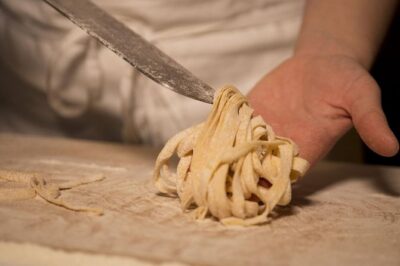
3 in 1 Cooking Class near Navona: Fettuccine, Ravioli & Tiramisu
Read our review →
Hanoi Cooking Class: Culture, Local Market & Meaning CSR Impact
Read our review →
5 Traditional Dishes Hanoi Cooking Class with Market Trip
Read our review →
Cooking Class and Lunch at a Tuscan Farmhouse with Local Market Tour from Florence
Read our review →
Chiang Mai: Cooking Class, Market & Thai Herbs Garden Tour
Read our review →Browse the lists this tour appears in