
Review · NEW ORLEANS
Private New Orleans Cajun Cooking Class with a Local Courtland
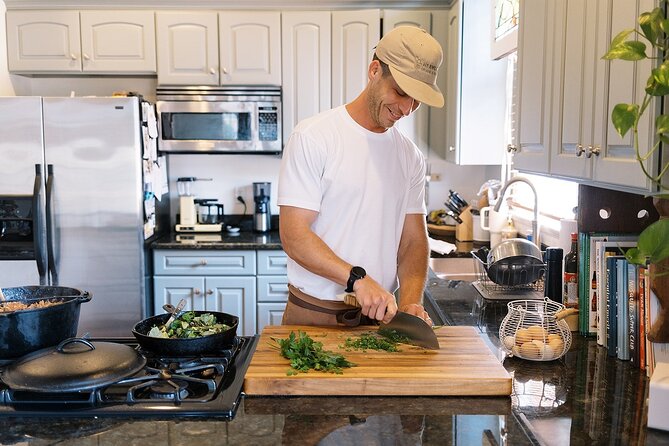
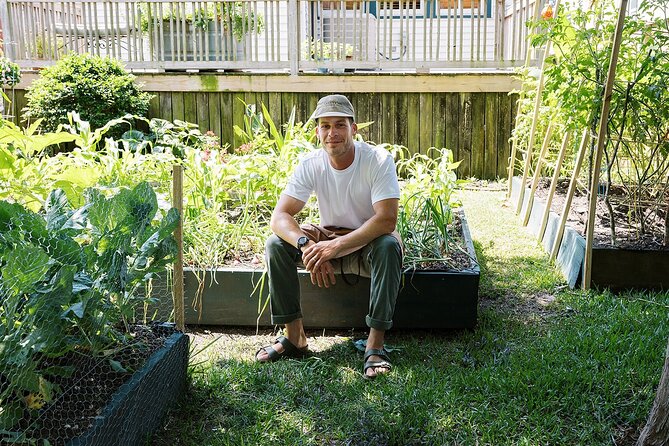
The most memorable part of this New Orleans experience is the setting: you cook in Courtland’s home, not a polished culinary school. He welcomes you into a residential neighborhood, pours a drink, shows you his garden, and teaches Cajun food through family recipes, old cookware, and plenty of tasting.
I like the private format, which keeps the class relaxed and lets Courtland adjust the pace and menu to your group. I also like the garden-to-table touch, with produce and herbs used when available. The tradeoff is that this is a home visit, not a commercial cooking studio, so the setup may feel informal and the menu changes with the season.
Key points to know before booking
- Courtland teaches from family tradition: He learned from his grandmother and father, who still hosts large Cajun gatherings.
- You cook three Cajun dishes: The lesson covers a starter, main course, vegetable side, and dessert.
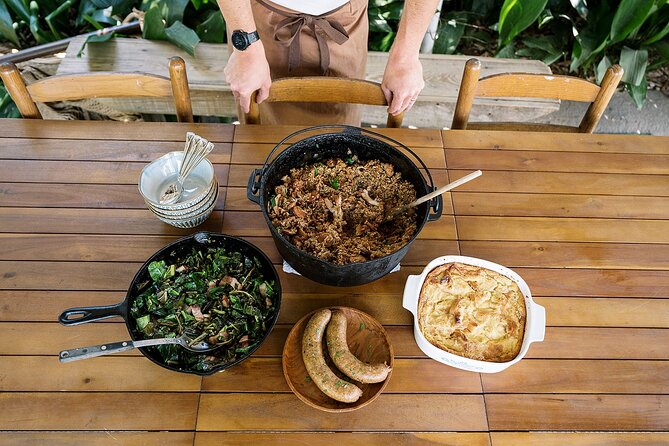
- The menu changes: Possible main dishes include jambalaya, gumbo, étouffée, or blackened fish.
- You eat what you make: The class ends around a shared table with beer or wine.
- The experience is fully private: Only you and your own party take part.
- You visit a real home: Expect a warm, personal setting with a garden, family cookware, Courtland’s wife, and a cat.
Why this cooking class feels different
New Orleans has no shortage of food tours and cooking demonstrations. This one takes a quieter route. You leave the tourist-heavy parts of the city and head to 305 Homedale Street, in a residential part of New Orleans where people live their everyday lives.
That change of setting matters. Instead of standing behind a counter in a large class, you enter Courtland and his wife’s home. You get a drink, settle into the pace of the house, and hear about Courtland’s life in New Orleans before cooking begins. It feels less like a scheduled show and more like being welcomed into a family kitchen.
I especially like the connection to Courtland’s Cajun French background. He did not learn these dishes from a recipe card alone. His grandmother and father taught him, and his father still hosts well-known Cajun parties. That family link gives the lesson a useful sense of place.
You should know what this experience is not. It is not a professional restaurant kitchen with matching stations, printed uniforms, or a polished production line. It is a visit to a private home with a local who loves to cook. If you want a formal culinary course, this may feel too casual. If you want food, stories, and conversation in a real home, the informality is the point.
More Hands-On Workshops in the USA:
- New Orleans Demonstration Cooking Class with Meal
★ 5.0 · 3,000 reviews - New Orleans Hands-On Cooking Class with Meal
★ 5.0 · 1,183 reviews - Undiscovered Charleston: Half Day Food, Wine & History Tour with Cooking Class
★ 5.0 · 948 reviews
Arriving at Courtland’s New Orleans home
You meet Courtland at 305 Homedale Street. The activity begins and ends at this address, so you should plan your own way there and back. No transportation is provided as part of the experience.
Courtland welcomes you at his home and garden, then starts with a refreshing drink and conversation. This opening is useful because it gives you time to get comfortable before handling ingredients. It also sets the tone for the rest of the afternoon or evening: personal, social, and paced around the people at the table.
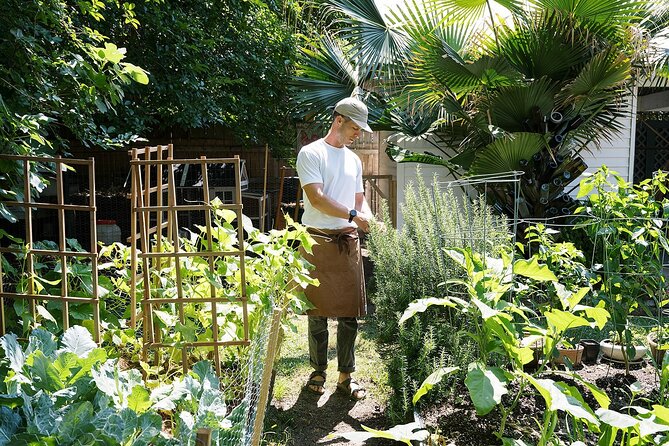
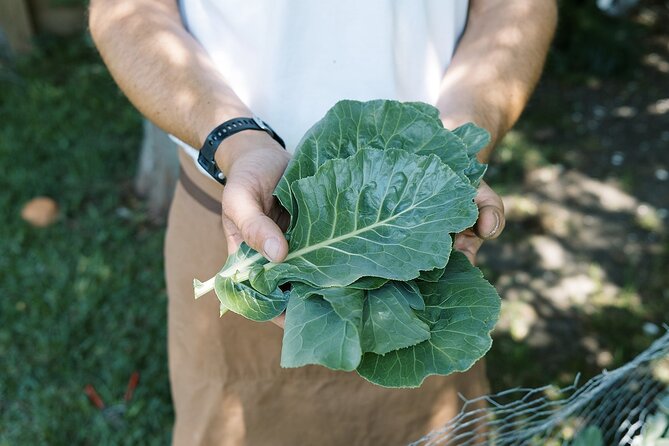
The garden is one of the more distinctive details. When the season allows, Courtland uses vegetables and herbs grown there. He also shops at local markets, so the menu reflects what is available rather than following one fixed script all year.
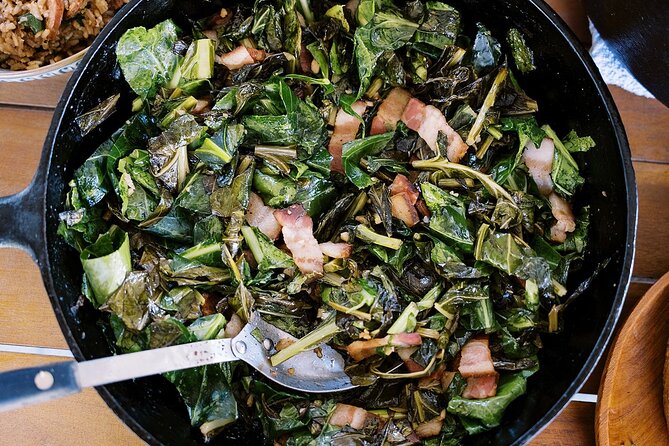
That seasonal approach means you should not book expecting one guaranteed dish. It also means the food can change with the time of year. The main course might be jambalaya, gumbo, étouffée, or blackened fish, with a vegetable side. The appetizer can be a traditional Cajun choice such as boudin balls.
Learning Cajun cooking for about 90 minutes
The cooking lesson lasts about an hour and a half within the full three-hour experience. Courtland combines demonstration with hands-on work, so you are not simply watching him prepare dinner.
You learn the techniques behind three authentic Cajun dishes. The menu includes a starter, a main course, a vegetable side, and dessert, though the exact recipes can vary. Courtland explains the culinary background of each dish and also points out how Cajun cooking differs from Creole cooking.
That distinction is valuable in New Orleans, where the two food traditions often appear side by side. You get more than a list of ingredients. You learn why a dish belongs to one tradition, how the cooking methods differ, and how local food reflects family and regional identity.
Courtland encourages you to cook with your senses. Taste, look, and smell the food rather than waiting for rigid instructions at every step. This approach is practical because Cajun cooking often depends on judgment. A sauce may need more seasoning. A pot may need more time. The best way to learn is to notice what is happening and respond.
I also like that family cookware forms part of the lesson. Courtland uses heirloom pieces from his family, which gives the cooking a personal link you will not get from equipment bought for a class. One especially strong detail is the way the home, garden, recipes, and cookware all connect. The meal becomes a story about how food is passed from one generation to the next.
The meal you help prepare
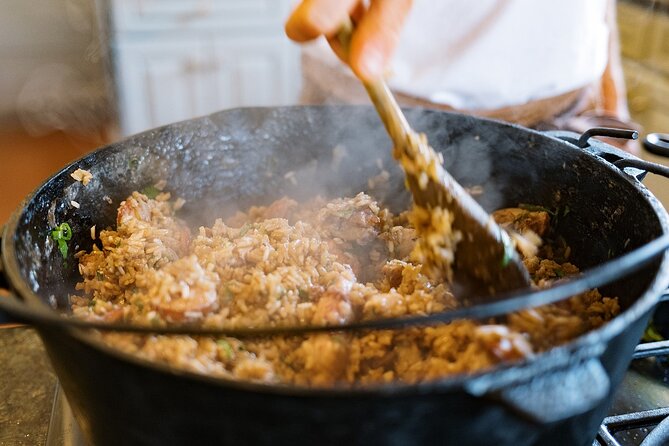
After the cooking is finished, you sit down with Courtland and share the food. This is not a quick tasting at the end. The meal is the payoff for the work you have done together.
A typical structure includes a Cajun appetizer, a main dish, a vegetable side, and dessert. Boudin balls may begin the meal, while the main course could be jambalaya, gumbo, étouffée, or blackened fish. Beer or wine is included.
Because the menu changes, I would treat the meal as a seasonal surprise rather than build your plans around one specific recipe. If you have your heart set on gumbo, for example, ask about the current menu before booking. The available information confirms that dietary requests can be accommodated, including vegetarian, gluten-free, and lactose-free diets, but you should make those requests in advance.
The shared table is where the private format earns its keep. In a large class, conversation often breaks into small pockets while the instructor moves from station to station. Here, the meal is designed for your group and Courtland to sit together. Food becomes the common subject, but the conversation can also turn to New Orleans life, family traditions, and the details of the neighborhood.
The full experience lasts about three hours, with roughly half that time devoted to cooking. The rest includes arrival, conversation, and the meal. I would not book this if you want a short demonstration before rushing to your next attraction. It works best when you have an open half-day or evening.
A few more cooking classes around the USA worth a look
- Private Chef, Catering and Cooking Classes
★ 5.0 · 7 reviews - Private NYC Cooking Class: Learn to Cook Indian and Soul Food in East Harlem
★ 5.0 · 5 reviews - Private Indian-Mexican Fusion Cooking Class with a Modern Cook in Chicago
★ 5.0 · 5 reviews - Private Chicago-style deep dish pizza or pasta making class
★ 5.0 · 4 reviews
Cajun and Creole food in context
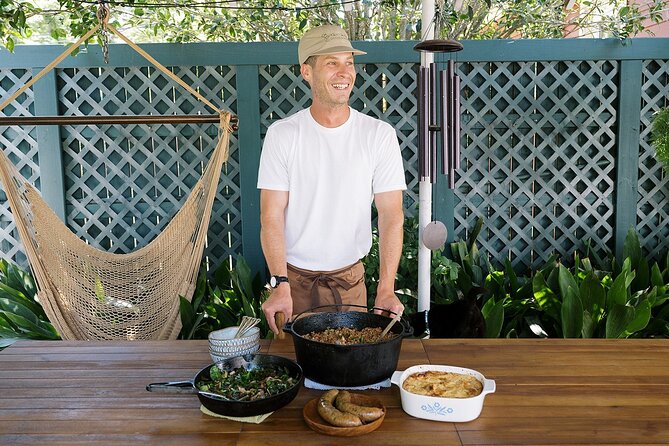
New Orleans food can be confusing if you are not familiar with the terms. Cajun and Creole cooking overlap, but they are not identical. Courtland uses the class to explain those differences while showing you how the food is made.
The value here is not simply learning how to make one bowl of gumbo or one pan of jambalaya. You get a better framework for ordering and understanding food elsewhere in the city. Afterward, words such as étouffée, boudin, and blackened fish have more meaning because you have worked with the methods yourself.
Courtland’s family background also helps put the food in context. His cooking comes from a Cajun French household, and his lessons draw on recipes taught by older family members. That gives the class a direct connection to living food traditions rather than a generic Southern menu.
The lesson also encourages flexibility. Instead of treating a recipe as fixed, Courtland asks you to pay attention to flavor, appearance, and aroma. That is a good skill to take home, especially if you plan to recreate the dishes without access to the exact ingredients used in New Orleans.
What the private format is worth at $64
The price is $64 per person. That includes the cooking class, the meal you help prepare, and beer or wine. For a three-hour private experience in a local home, I see reasonable value, especially if you are traveling with a small group that wants one shared activity.
The price is harder to justify if you view the class only as a way to get dinner. New Orleans offers less expensive meals, and a restaurant will not ask you to spend an hour and a half cooking. You are paying for the setting, instruction, conversation, private access, and connection to Courtland’s family food traditions.
The private setup is important. You are not placed with strangers, and only your party participates. That makes the cost more attractive for families, couples, or friends who want a flexible pace. It also gives you more room to ask questions and request adjustments.
This experience is booked, on average, about 76 days ahead. That is a useful sign that you should not leave it until the last minute if it fits your plans. Confirmation arrives within 48 hours, subject to availability, so allow time for that before locking in other arrangements.
Who should book this experience
I would recommend this class to anyone who enjoys food as a way to understand a place. It suits people who want to meet a local, learn practical cooking skills, and share a long meal instead of ticking off another attraction.
It is particularly well suited to:
- Couples looking for a relaxed evening activity
- Families who can take part in hands-on cooking
- Small groups interested in Cajun food and local customs
- Home cooks who want techniques they can use later
- Visitors who have already seen the main tourist areas and want a residential setting
Dietary restrictions should not automatically rule it out. Courtland can accommodate vegetarian, gluten-free, and lactose-free diets on request. Still, you should share those needs before the class so the menu can be planned properly.
Service animals are allowed. Courtland shares the home with his wife and their cat, so anyone with cat allergies should take that household detail seriously before booking.
This may not suit you if you dislike entering a private home, prefer a highly structured class, or need a fixed menu. The experience depends on conversation, shared cooking, and a changing selection of dishes. You should be comfortable with a personal setting and some flexibility.
Timing, cancellation, and practical planning
You can choose a lunchtime or dinner class. Lunch is a sensible pick if you want a cooking activity before an afternoon in New Orleans. Dinner works well when you want the class to become the main event of the evening rather than one stop among several.
Wear something comfortable for kitchen work, though the provided information does not set a dress code. Since the activity takes place in a home, you should expect a smaller and more informal kitchen setup than you would find at a cooking school.
The activity ends back at 305 Homedale Street. Plan your transportation around that address, and leave enough time for the full three-hour visit.
You may cancel for a full refund up to two full days before the local start time. Changes or cancellations made inside that period are not accepted for a refund. Confirmation is sent within 48 hours of booking, depending on availability.
My verdict on the Cajun cooking class
I would book this if you want a personal food experience rather than a standard restaurant meal or large group lesson. The strongest reasons are the private setting, Courtland’s family connection to Cajun cooking, the garden produce, and the chance to sit down and eat what you prepared.
The main caution is simple: this is a home visit. The menu can change, the teaching style is informal, and the experience includes conversation as much as technique. If that sounds like your kind of New Orleans afternoon or evening, $64 buys a memorable three-hour look at local food and family tradition. If you want a guaranteed recipe, a commercial kitchen, or a fast activity, choose something more structured.
FAQ
Where does the Cajun cooking class take place?
The class takes place at Courtland’s home at 305 Homedale Street, New Orleans, Louisiana 70124. The activity also ends at that address.
How long does the experience last?
The full experience lasts about three hours. The hands-on cooking lesson takes about one and a half hours, with the remaining time used for conversation and the shared meal.
Is the cooking class private?
Yes. Only your group participates in the activity.
Can I choose lunch or dinner?
Yes. The experience offers a choice of a lunchtime or dinner cooking class.
What dishes will I learn to make?
You will prepare three Cajun dishes, including a starter, a main course, a vegetable side, and dessert. Possible dishes include boudin balls, jambalaya, gumbo, étouffée, and blackened fish. The menu may change by season.
Are drinks included?
Yes. The meal includes beer or wine, along with the food you help prepare.
Can dietary requests be accommodated?
Yes. Courtland can accommodate vegetarian, gluten-free, and lactose-free diets when requested in advance.
Is the home suitable for someone with cat allergies?
Courtland shares the home with his wife and their cat. You should consider that before booking if you have a cat allergy.
Are service animals allowed?
Yes. Service animals are allowed.
How far in advance can I cancel for a full refund?
You must cancel at least two full days before the local start time for a full refund. Cancellations or changes made less than two full days before the start are not refunded or accepted.
Just added around the USA
- Private NYC Cooking Class: Learn to Cook Indian and Soul Food in East Harlem★ 5.0 · 5 reviews
- New Orleans Small-Group Food Walking Tour and Cooking Class★ 5.0 · 47 reviews
- Viator Exclusive: Pasta Cooking Class & Dinner -Greenwich Village★ 5.0 · 10 reviews
- NYC: Midtown Hands-On Bagel Baking Class★ 5.0 · 12 reviews
- New Orleans Cooking Class and Cocktail Walking Tour★ 4.5 · 109 reviews
- Hands-on Cajun Traditions Cooking Class★ 5.0 · 132 reviews
- Traditional Greek Cooking Class in Naples Florida★ 5.0 · 6 reviews
- Thai Cooking Class in Monterey★ 5.0 · 55 reviews
Cooking Classes, compared.
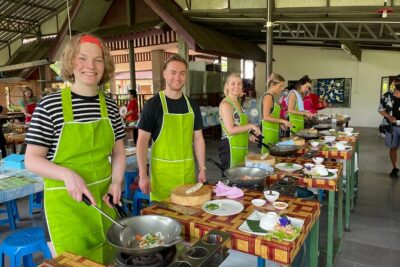
Half-Day Thai Cooking Class at Organic Farm in Chiang Mai
Read our review →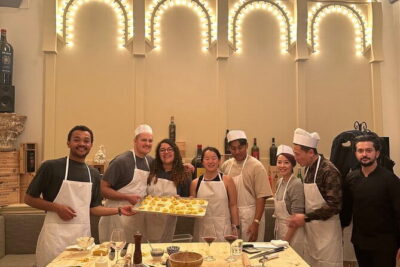
Florence: Pasta Cooking Class with Unlimited Wine
Read our review →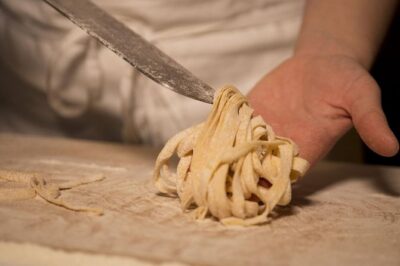
3 in 1 Cooking Class near Navona: Fettuccine, Ravioli & Tiramisu
Read our review →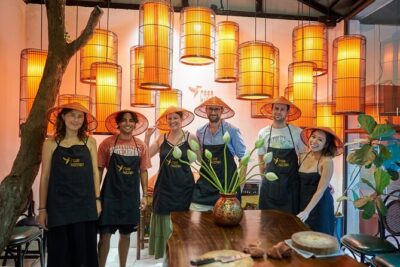
Hanoi Cooking Class: Culture, Local Market & Meaning CSR Impact
Read our review →
5 Traditional Dishes Hanoi Cooking Class with Market Trip
Read our review →
Cooking Class and Lunch at a Tuscan Farmhouse with Local Market Tour from Florence
Read our review →
Chiang Mai: Cooking Class, Market & Thai Herbs Garden Tour
Read our review →Browse the lists this tour appears in