Review · COOKING CLASSES
Authentic Kenyan Cooking Class & Market Tour in Nairobi
The best part of this Kenyan cooking class is that it begins where daily food begins: at a local market. With Tabitha, or Tabby, you shop for fresh ingredients, then take them to her home near Nairobi to prepare lunch and talk about Kenyan food and family life. I like the market visit and the chance to cook in a real home, not a staged restaurant kitchen.
I also like that transport from the meeting point to the market is included, and that the four-hour outing stays small enough for hands-on work, though kitchen space is limited. The main drawback is that this is not a good fit for anyone with food allergies, and the meeting point at K-MALL Komarocks may require an Uber or other transport at your own cost.
Key points at a glance
- Start at K-MALL Komarocks: Meet at the parking lot before heading to the market.
- Shop with Tabby: Help choose fresh ingredients while seeing an ordinary side of Nairobi life.
- Cook Kenyan staples: Work with dishes such as ugali, pilau, chapati, sukuma wiki, kachumbari, mukimo, githeri, and kuku kienyeji.
- Eat in a private home: Share the finished lunch with Tabby and her husband while hearing personal stories.
- Plan for four hours: The time covers transport to the market, shopping, cooking, eating, and conversation.
- Bring practical basics: Wear comfortable shoes and clothes, bring cash and a camera, and leave sharp objects at home.
From K-MALL Komarocks to a Nairobi food market
Your meeting point is the K-MALL Komarocks parking lot. From there, transport to the market is provided, which makes the start easier if you know the area, but you need to arrange and pay for your own ride to K-MALL. The activity takes place in the Nairobi area, with the cooking session at Tabby’s home on the outskirts of the city.
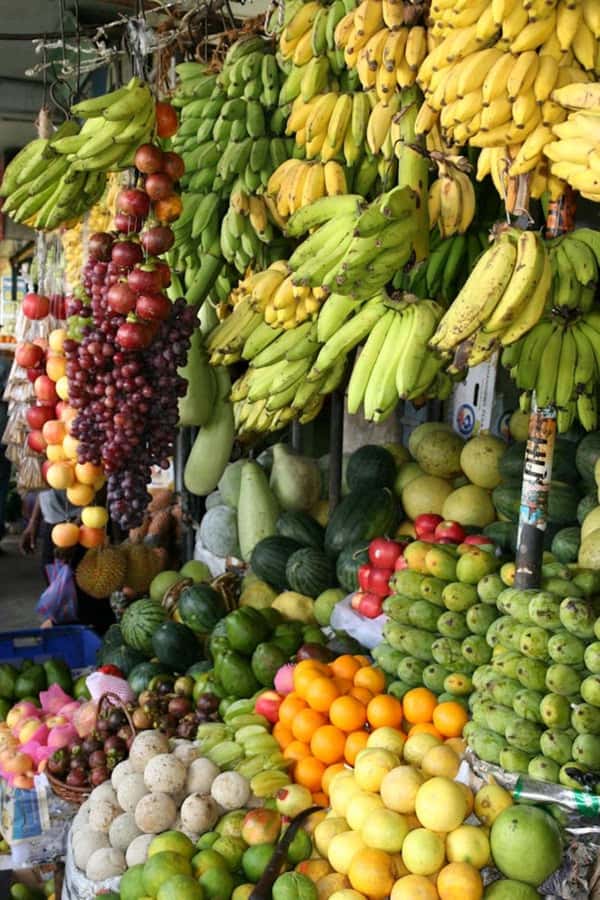
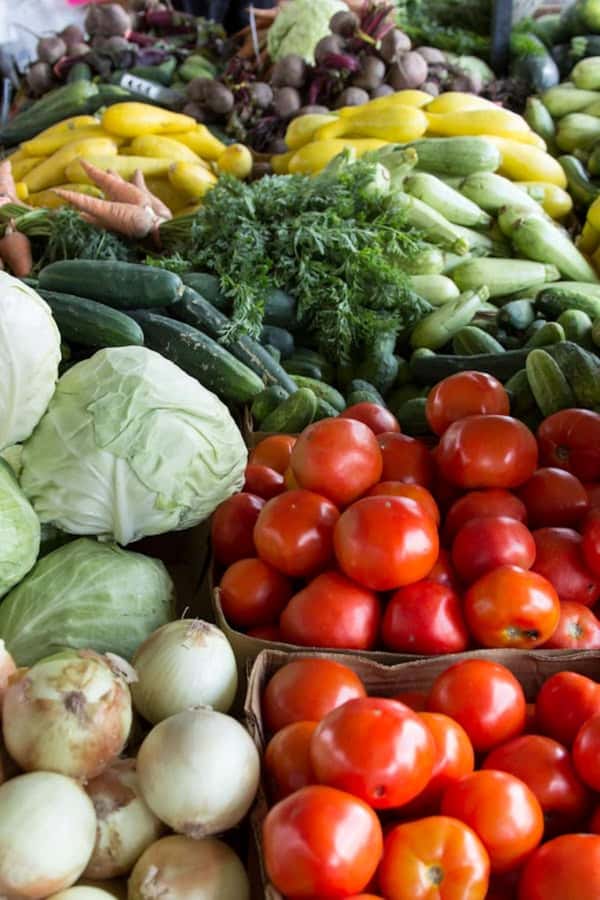
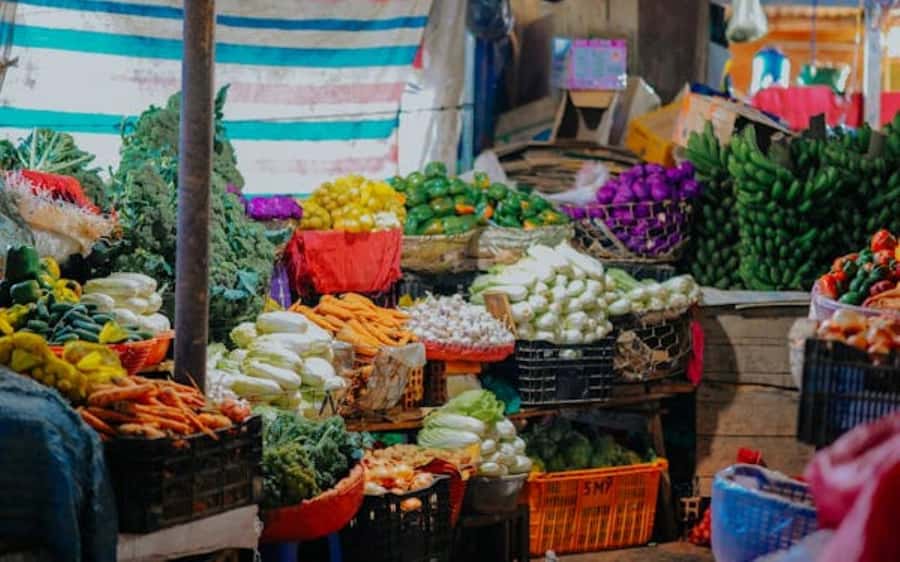
The market is more than a quick stop for supplies. It gives you a look at the buying side of Kenyan cooking. You can help select the ingredients that will become lunch, see the pace of local commerce, and interact with people along the way. That matters because food can feel abstract when it arrives on a restaurant plate. Here, you see the starting point.
The market is described as busy and colorful, so wear shoes that can handle walking and give yourself room to take in the surroundings. You may also attract friendly attention as an outsider. That can be part of the experience, but anyone hoping for a quiet, private shopping trip should know that this is a social outing.
I like this opening because it gives the meal a clear connection to place. You are not simply handed a recipe. You first see where ingredients are selected, then follow them into the kitchen.
More Market Tour Cooking Classes in the world:
- Hanoi Cooking Class: Culture, Local Market & Meaning CSR Impact
★ 5.0 · 5,147 reviews - 5 Traditional Dishes Hanoi Cooking Class with Market Trip
★ 5.0 · 4,890 reviews - Cooking Class and Lunch at a Tuscan Farmhouse with Local Market Tour from Florence
★ 5.0 · 4,831 reviews
Cooking ugali, pilau, chapati, and more
After the market, you continue to Tabby’s home for the cooking lesson. The kitchen is described as cozy, with limited space, so this is not a large professional class where every person has a full work station. Instead, expect to take turns, help where space allows, taste the food as it cooks, and ask questions as you go.
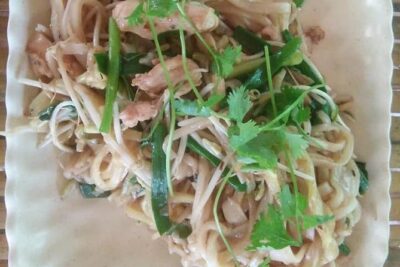
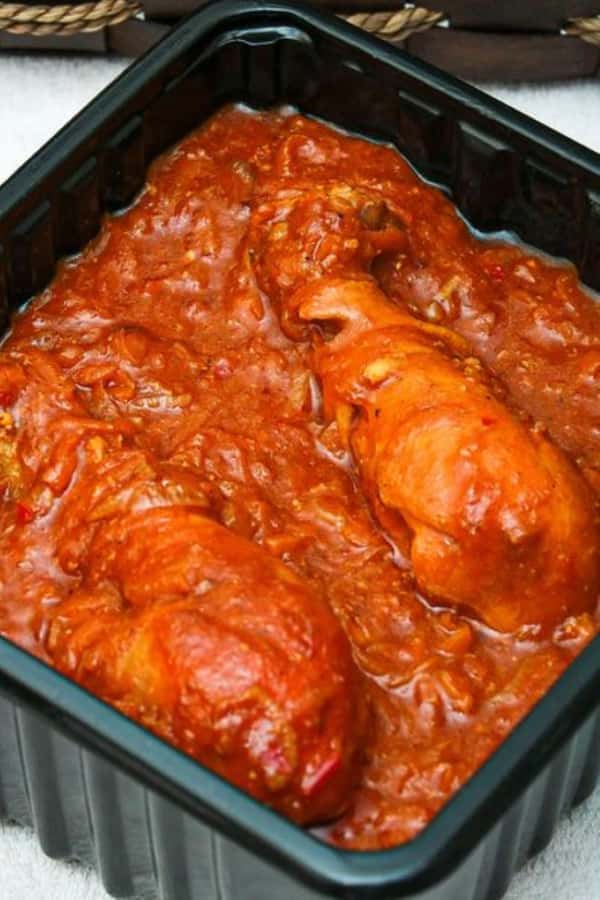
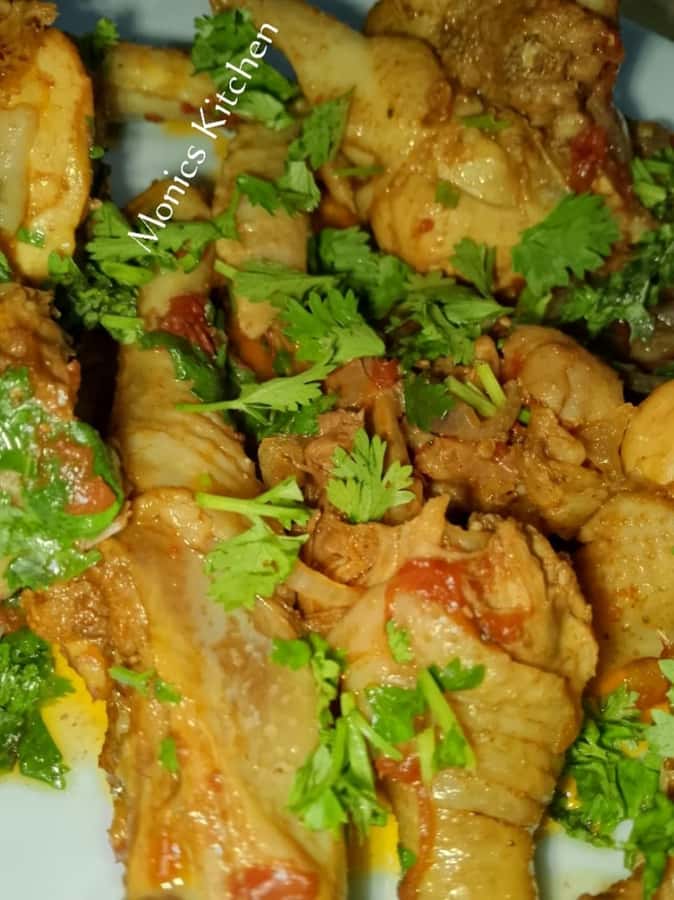
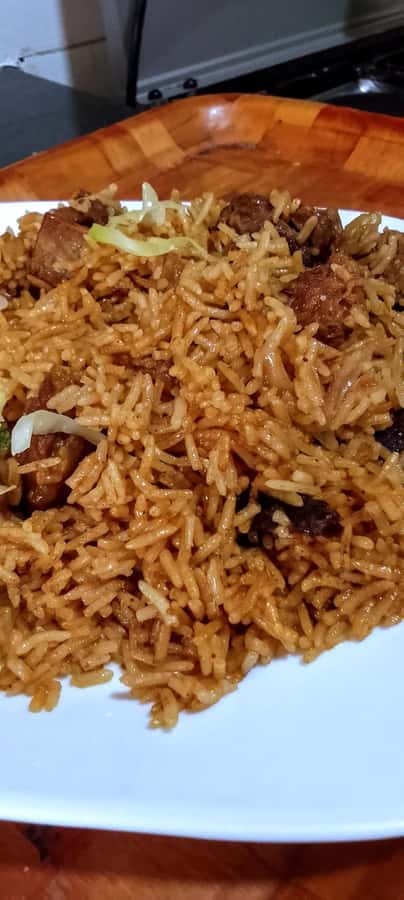
The exact selection of dishes can vary, but the experience focuses on familiar Kenyan foods. You may prepare ugali, the firm maize meal served with many Kenyan meals, along with pilau, chapati, sukuma wiki, kachumbari, mukimo, githeri, and kuku kienyeji. The description also highlights some kienyeji chicken, so you can expect a meal with both staple foods and a more substantial main dish.
Each item gives you a different view of Kenyan cooking. Ugali is simple in its ingredients but important in how it is cooked and served. Chapati calls for hands-on preparation. Pilau brings rice, seasoning, and aroma into the meal. Sukuma wiki adds greens, while kachumbari gives you a fresh salad element. Mukimo and githeri show other traditional combinations built around basic, filling ingredients.
The value is not just learning a list of dishes. Tabby explains ingredients and methods while you work, and the kitchen setting lets you see how food is handled in a home. You can taste as you go, which is useful if you want to recreate the dishes later rather than merely watch a demonstration.
Because the space is limited, this is best for people who enjoy sharing tasks. You might not spend the whole class chopping or stirring. If you need constant activity or a polished cooking studio, you may find the setting less comfortable. If you prefer conversation, teamwork, and a relaxed pace, the smaller home kitchen is a plus.
A meal that feels personal, not staged
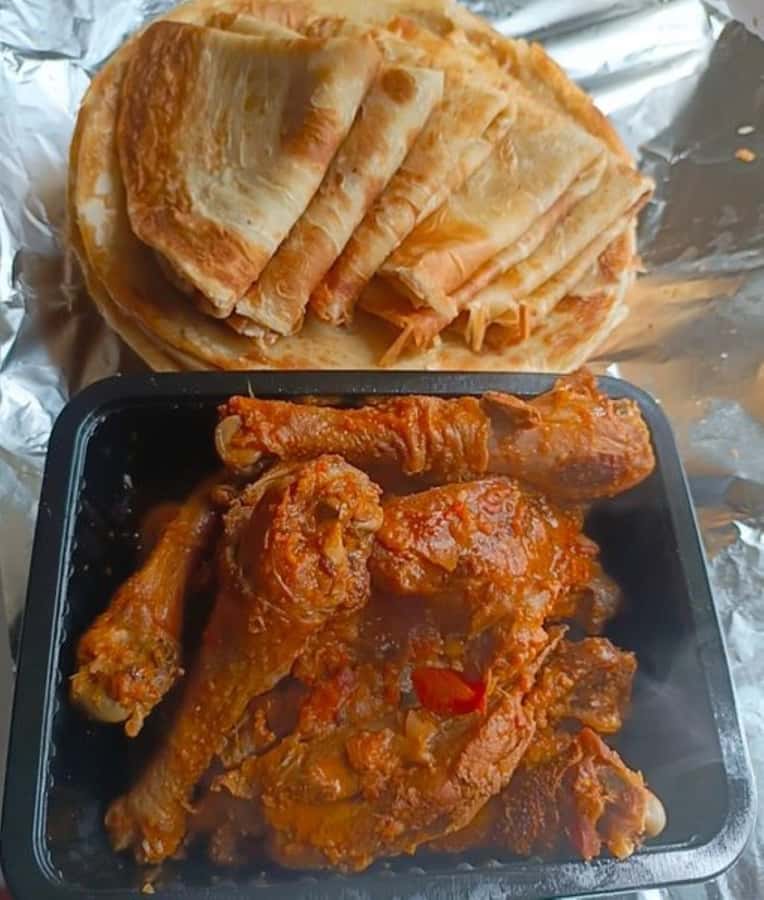
The meal is served at Tabby’s home after the cooking work is done. Lunch is included, along with water, soda, and tea. Alcohol is not included, so plan on a nonalcoholic meal unless you make other arrangements outside the activity.
The strongest feature here is the chance to sit down and eat with the person who hosted the class. Tabby and her husband welcome you into their home, and the conversation is part of the experience. Food becomes a way to discuss daily life, family, Kenyan traditions, challenges, and small pleasures.
That personal setting can be more memorable than a standard restaurant meal, but it also asks you to be a respectful visitor. You are entering someone’s home, not passing through a public attraction. Come ready to listen, follow household directions, and share the table in a friendly way.
I especially like the way this format connects cooking with conversation. You can learn why a dish matters, not only how to prepare it. The result is a better sense of Kenyan life than you usually get from a short city stop.
What makes Tabby’s hosting effective
Tabby is the central figure in the experience. She guides the market visit, leads the cooking, explains Kenyan dishes, and hosts lunch. English and Swahili are available, so you can communicate in either of those languages.
Her welcome is a major reason to choose this activity. She has been described as warm and open, and the tone is clearly personal rather than formal. You are not signing up for a lecture. You are joining someone for a shared meal and a look at the food culture she knows.
The experience also gives you room for storytelling. The strongest moments may happen between cooking steps, when you can talk with Tabby and her husband. One visitor described the conversation as a way to understand parts of Kenyan society that would be hard to grasp as a standard tourist. That is exactly the point of a home-based activity: you get human context alongside the food.
Still, expectations matter. This is a four-hour food and culture outing, not a full Nairobi sightseeing tour. The main focus is the market, the cooking, the meal, and the conversation. If you want museums, monuments, or a long list of city sights, choose a separate tour.
More Shopping Trips in the world:
- Chiang Mai: Cooking Class, Market & Thai Herbs Garden Tour
★ 4.9 · 4,824 reviews - Chiang Mai: Authentic Cooking Class with Market & Farm Visit
★ 4.9 · 4,546 reviews - Barcelona: Paella Cooking Experience & Boqueria Market Tour
★ 4.8 · 3,661 reviews - Cooking Class Hoi An:Local Market, Basket Boat, Fishing & Cooking
★ 5.0 · 3,660 reviews
The four-hour schedule and pace
The total duration is four hours. The time includes meeting at K-MALL Komarocks, transport to and from the market, shopping, the cooking session, lunch, and conversation. Starting times depend on availability, so check the schedule before booking.
The pace should feel full but manageable. The market portion gets you moving and introduces the ingredients. The home portion slows things down for preparation and eating. Since the kitchen has limited space, the class may work best when you accept a communal rhythm instead of expecting nonstop instruction.
I would allow extra time around the four-hour block for reaching K-MALL and continuing to your next Nairobi activity. Your transport to and from the market is included, but Uber or other transportation fees are not. That distinction matters when you calculate the real cost.
Children under 10 receive free entrance, which can make this a useful family activity if the children are comfortable with a market, a home kitchen, and a meal centered on Kenyan dishes. The activity is not suitable for people over 95, according to the stated conditions.
Is the $64 price good value?
At $64 per person, this costs more than buying lunch at a local restaurant, but it includes much more than lunch. You receive local host services, transport to and from the market, a cooking lesson, the meal, and beverages. You also get several hours of conversation and access to a home setting that you would not normally find on a standard food stop.
I see the value in the combination. A market visit on its own might be brief. A cooking lesson on its own might feel disconnected from daily shopping. A meal on its own would not teach you much about preparation. Put together, the three parts create a clear half-day experience.
The price is strongest for you if you want personal contact and active participation. It is less compelling if you only want to eat, or if you already have several cooking classes planned. Remember to add the cost of getting to K-MALL, since that is not covered.
The included drinks are water, soda, and tea. Alcohol costs extra and is not included. You should also bring some cash, though the supplied details do not specify what you will need it for.
What to bring and what to expect at home
Wear comfortable clothes and shoes. You will spend part of the outing at a market and part of it helping in a kitchen, so practical clothing is a better choice than anything delicate or formal.
Bring a camera if you want to record the market and food preparation, but be considerate when photographing people in the market or inside the home. Bring cash as advised, and do not bring weapons or sharp objects.
Food allergies are a serious concern. This activity is not suitable for people with food allergies, and the dishes may include several ingredients prepared in a shared kitchen. If you have a dietary restriction, the supplied information does not confirm that substitutions are available, so you should clarify before booking.
The neighborhood is described as secure, which is reassuring for a home-based activity. Even so, use normal city awareness, keep your belongings close, and follow Tabby’s directions during the market visit.
Who will enjoy this Kenyan cooking class?
I would recommend it most strongly to you if you want to see ordinary life in Nairobi beyond the usual city sights. It suits people who enjoy food, conversation, local markets, and a relaxed home setting.
It is also a good pick for couples, families with older children, and small groups who want to cook together. Children under 10 enter free, but the class still requires patience and comfort around hot food, market activity, and shared kitchen space.
You may want to skip it if you need a fully accessible, highly structured cooking studio, have food allergies, dislike market crowds, or prefer a private restaurant meal. The home setting is central to the appeal, so it is not the right choice for someone who wants a polished commercial experience.
I would also avoid booking it as your only Nairobi activity if your main goal is sightseeing. This is a food and people experience. Its success depends on your interest in the host, the cooking, and the setting.
Booking details worth knowing
The activity offers free cancellation up to 24 hours before the start time for a full refund. You can also reserve now and pay later, which helps if your Nairobi plans are still shifting.
The meeting point is specific: K-MALL Komarocks parking lot. Transport to and from the market is included, but you pay any Uber or other transport needed to reach the meeting point. Confirm the start time and allow a cushion for city traffic.
The advertised price is $64 per person, and the total duration is four hours. English and Swahili are the guide languages. The experience provider is Empowerment Era Essentials.
Should you book this experience?
Book it if you want a warm home visit tied to real Kenyan food, not just a cooking demonstration. Tabby’s market guidance, hands-on kitchen work, and shared lunch create a personal half-day that can show you more about Nairobi life than a quick restaurant meal.
Think twice if food allergies, limited kitchen space, or transport to K-MALL will cause trouble. For everyone else, the $64 price is fair because it covers the market, transport during the activity, instruction, lunch, drinks, and several hours of direct conversation. Come hungry, wear sensible shoes, and leave room in your Nairobi schedule for a meal that is also a meeting with a local family.
FAQ
Where does the activity begin?
Meet at the K-MALL Komarocks parking lot. From there, you proceed to the local market.
How long does the experience last?
The activity lasts four hours.
What languages does the guide speak?
The activity is offered in English and Swahili.
Who leads the cooking class?
The host is Tabitha, also called Tabby. She guides the market visit, cooking, and meal at her home.
What dishes might I prepare?
The cooking focuses on Kenyan foods such as kachumbari, sukuma wiki, ugali, chapati, pilau, mukimo, githeri, and kuku kienyeji. Some kienyeji chicken is also included in the description.
Is lunch included?
Yes. Lunch is included, along with water, soda, and tea.
Is transportation included?
Transport to and from the market is included. Any Uber or other transportation fees are not included.
What should I bring?
Bring comfortable shoes, comfortable clothes, a camera, and cash.
Are children allowed?
Yes. Children below 10 years old receive free entrance.
Can I cancel for a refund?
Yes. You can cancel up to 24 hours in advance for a full refund. The activity also offers a reserve-now, pay-later option.
More Hands-On Workshops in the world
- Half-Day Thai Cooking Class at Organic Farm in Chiang Mai
★ 5.0 · 19,087 reviews - Florence: Pasta Cooking Class with Unlimited Wine
★ 4.9 · 10,285 reviews - 3 in 1 Cooking Class near Navona: Fettuccine, Ravioli & Tiramisu
★ 5.0 · 7,376 reviews - Florence: Pasta & Tiramisu Cooking Class with Unlimited Wine
★ 4.9 · 6,708 reviews
Just added around the world
- Private Cape Malay Cooking Class in Cape Town with a Local Family★ 5.0 · 24 reviews
- Private Moroccan Cooking Class in Casablanca with a Local Expert★ 5.0 · 12 reviews
- Cooking Class and Wine Pairing in Capri★ 5.0 · 57 reviews
- South African Cooking in Cape Town with Local Chef Richard★ 4.5 · 10 reviews
- Langa Township and Bokaap Cooking Class Half Day Tour★ 5.0 · 4 reviews
- Private Authentic Mexican Cooking Class in Cancun with Alberto★ 5.0 · 3 reviews
- Private Authentic Cape Malay Cooking Class in Manenberg with Locals★ 5.0 · 5 reviews
- Cape Town Shore Excursion| South African Cooking & Port Transfers★ 5.0 · 3 reviews
Cooking Classes with a Market Tour, compared.
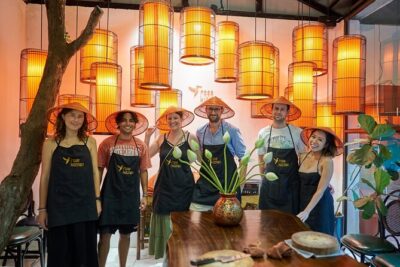
Hanoi Cooking Class: Culture, Local Market & Meaning CSR Impact
Read our review →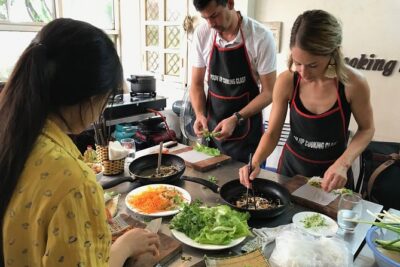
5 Traditional Dishes Hanoi Cooking Class with Market Trip
Read our review →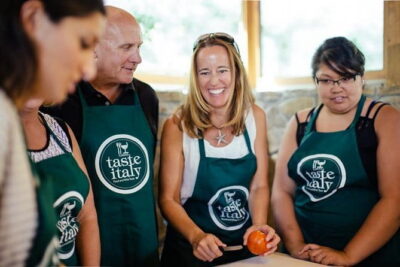
Cooking Class and Lunch at a Tuscan Farmhouse with Local Market Tour from Florence
Read our review →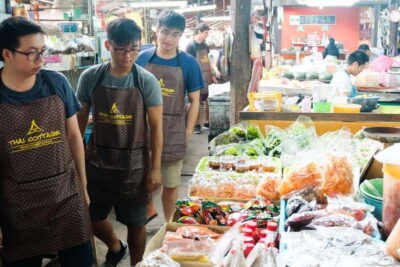
Chiang Mai: Cooking Class, Market & Thai Herbs Garden Tour
Read our review →
Chiang Mai: Authentic Cooking Class with Market & Farm Visit
Read our review →
Barcelona: Paella Cooking Experience & Boqueria Market Tour
Read our review →
Cooking Class Hoi An:Local Market, Basket Boat, Fishing & Cooking
Read our review →