
Review · CASABLANCA
Cook Moroccan Food & Try on Traditional Clothes like a local
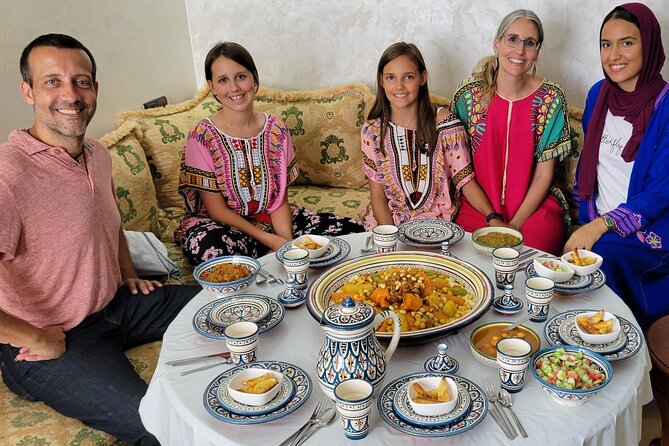
Casablanca’s best food lesson may happen away from a restaurant kitchen. Wissal and her mother welcome you into their home for four hours of cooking, family stories, mint tea, and a shared meal. You arrive as a visitor and leave with the feeling that you have been included at the family table.
I especially like the five-spice Moroccan coffee, a family recipe served with snacks at the start, and the chance to cook food you will actually eat together. I also like the traditional caftan and takchita fitting, since the clothes add a genuine cultural touch rather than just another cooking demonstration.
The main consideration is the home setting. This is not a polished studio with a fixed restaurant menu or a formal meeting point. You receive the exact address after booking, and the host asks you to arrange transport in advance if needed. That small extra step is worth planning for in Casablanca.
Key points to know before booking
- Wissal and her mother host you at home: The warm, personal setting is the heart of the experience.
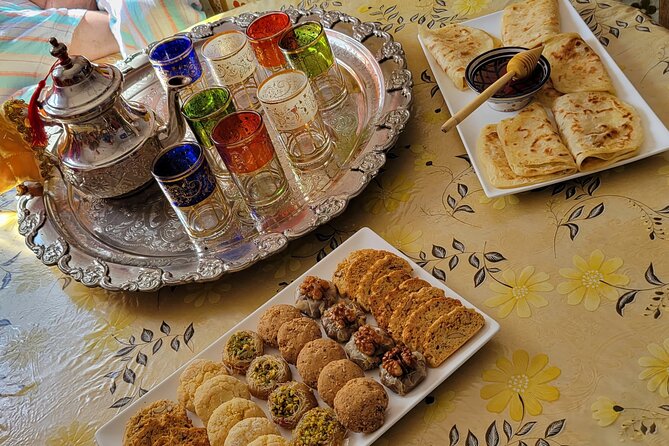
- Moroccan coffee starts the visit: The coffee uses five spices and is served with Moroccan snacks.
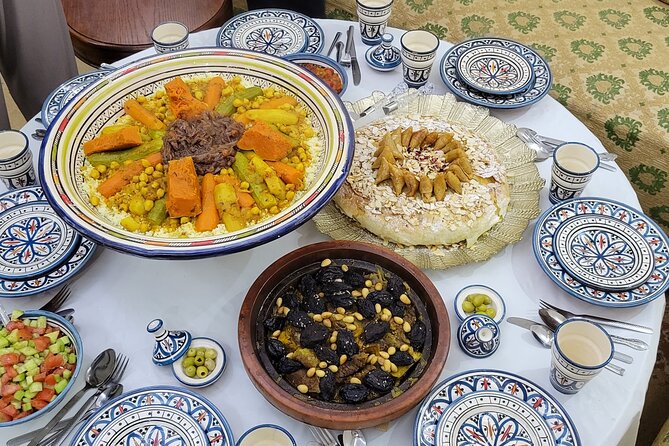
- You cook real family dishes: Choose from tagine, couscous, or pastilla, with recipes and spice guidance.
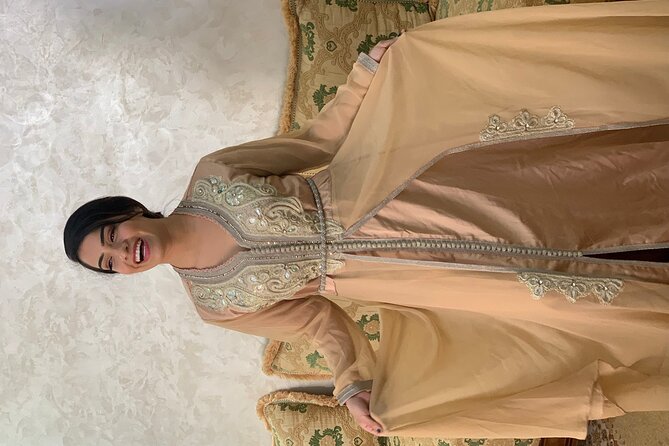
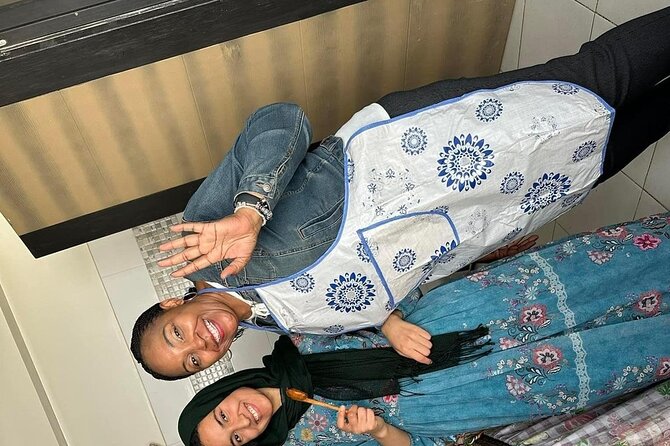
- The clothing session is part of the fun: Try caftans and takchitas and take memorable photographs.
- The group is limited to 10 people: That keeps the class smaller than many commercial cooking schools.
- The $60 price covers more than cooking: You receive food, drinks, cultural conversation, clothing access, a shared meal, and a recipe ebook.
A family welcome in a Casablanca home
The experience begins with Wissal and her mother welcoming you into their traditional home. Instead of meeting in a hotel kitchen or classroom, you enter a family space where the cooking has a social purpose. You are there to prepare food, but also to talk, laugh, and understand how Moroccan meals fit into daily life.
Wissal leads the class in English, French, or Arabic. Her mother helps with the preparation and brings her own cooking knowledge, including a special spice mixture used in the family recipes. That mother-daughter teamwork gives the session a natural rhythm.
The opening drink is one of the most distinctive touches. You are served Moroccan coffee made with five spices, along with snacks. It is not the usual plain coffee served at a café, and the family recipe gives the welcome a personal stamp.
You also receive virgin mojitos or other mocktails. The drinks are prepared without alcohol, so this works well for families, guests who do not drink, and anyone wanting a refreshing start before the main meal.
More Moroccan Cooking Classes in Morocco:
- Marrakech: Moroccan Cooking Class with Pickup
★ 4.6 · 1,862 reviews - Marrakech: Traditional Moroccan Cooking Class & Market Visit
★ 4.8 · 1,861 reviews - Marrakesh: Moroccan Dishes Cooking Class with a Local Chef
★ 5.0 · 1,615 reviews
Cooking tagine, couscous, or pastilla
After the welcome, you move into the hands-on part of the class. The exact dish depends on your choice, with tagine, couscous, and pastilla among the main options. If you have a strong preference, mention it when Wissal asks what you would like to cook.
The class is suitable for experienced cooks and beginners. You learn how Moroccan spices are used, how ingredients are prepared, and how the parts of the dish come together. The emphasis is not on rushing through a recipe. You have time to ask questions and understand why each seasoning matters.
Tagine is a natural choice if you want to learn one of Morocco’s best-known dishes. The cooking method is central to Moroccan home food, and the meal gives you a useful recipe to repeat after your trip. One participant later bought a tagine pot after enjoying the dish so much, though you do not need to purchase one to benefit from the class.
Couscous offers a different lesson, with attention to its texture and the way it is served. Pastilla is the more delicate option, useful if you want to learn a festive Moroccan dish. Since the available choice may depend on the session, confirm the menu ahead of time if one particular dish is essential to you.
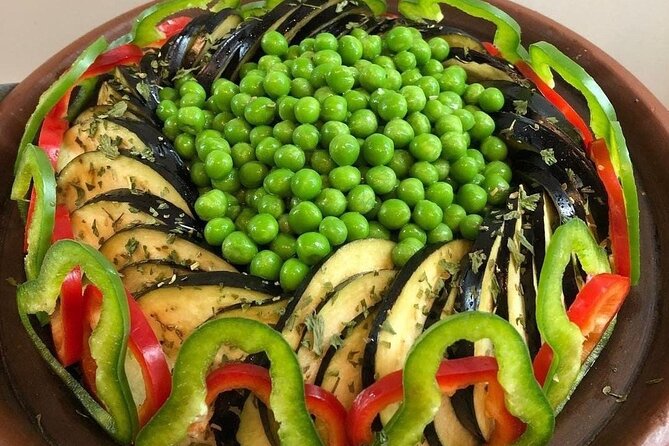
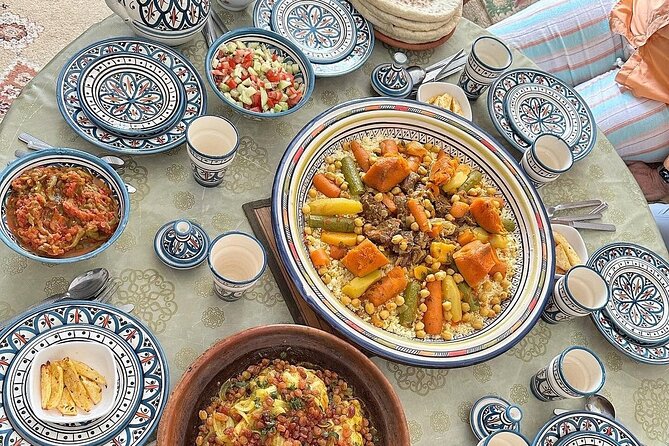
The cooking can include more than one item. Past sessions have included chicken or beef tagine, a warm salad with tomato, eggplant, and peppers, a fresh cucumber and tomato salad, and homemade drinks. These details suggest that you may eat a full meal rather than a single sample, but you should ask Wissal what your specific session will include.
Moroccan spice lessons with practical value
A good cooking class should help you cook again at home, not just enjoy lunch for one afternoon. This one focuses on the way spices are combined and used, including the family’s own mixture. You learn through handling ingredients and tasting the results, which makes the lesson more useful than a simple demonstration.
I like that the food is prepared with the help of both hosts. Wissal explains the process and shares stories about Moroccan life, while her mother contributes the family cooking traditions. The result feels like a lesson in household food rather than a restaurant performance.
You also receive an ebook containing the recipes prepared during the experience. That is a useful extra because Moroccan cooking often depends on proportions, timing, and spice balance. You can refer back to the recipes at home instead of trying to remember every step from a four-hour visit.
Vegetarian and vegan participants are welcome. Still, you should tell Wissal about your dietary needs before the session so she can plan the ingredients and menu. The provided information confirms that these diets are accommodated, but it does not specify every substitute or dish.
Eating together over mint tea
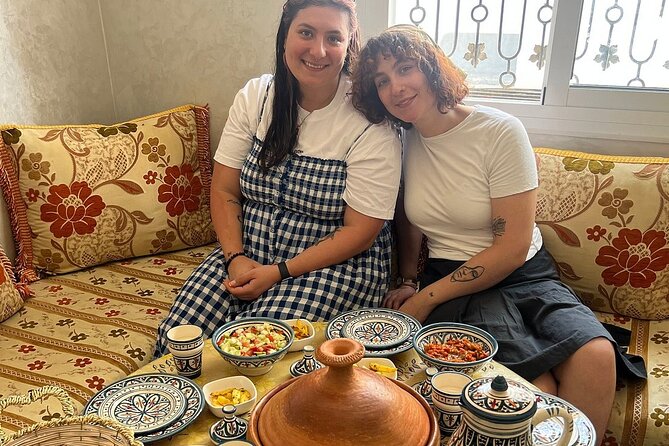
The meal is the payoff, but it is also where the social side of the class becomes clearest. You sit down with the hosts and eat the food you helped prepare. This changes the mood from instruction to conversation, and it gives you time to ask about Moroccan customs, family life, and the meaning of the dishes.
Fresh mint tea is served with the meal. In Morocco, tea is part of hospitality, not merely a drink added at the end. Sharing it in a family home helps you understand the pace of the gathering and why meals are often built around conversation.
The food is likely to be the strongest part of the experience for anyone who enjoys eating as much as cooking. Past dishes have included highly seasoned tagine and several salads, with the hosts explaining the ingredients and methods along the way.
If you are not comfortable cooking, do not assume you will feel out of place. The class is also designed for beginners, and you can learn at a relaxed pace. The main requirement is a willingness to take part, taste, and ask questions.
More Food and Drink Tours in Morocco:
- Cook Moroccan Food & Try on Traditional Clothes like a local
★ 5.0 · 213 reviews - Moroccan Food Cooking Class with a Local Chef in Marrakech
★ 4.7 · 90 reviews - Tangier Food Cooking Class and Private City Tour
★ 5.0 · 73 reviews - Moroccan Food Cooking Class with a Local Chef in Marrakech
★ 4.7 · 6 reviews
Caftans and takchitas for photographs
The traditional clothing session adds color and ceremony to the afternoon or evening. You can try on Moroccan caftans and takchitas, then take photographs in the outfits. These garments are more formal and detailed than everyday clothing, so this part gives you a memorable look at Moroccan dress.
The clothing is not just a photo prop. It connects the meal to a wider set of Moroccan traditions, where dress, food, family gatherings, and hospitality often meet. You do not need special preparation beyond wearing comfortable clothes for the cooking portion.
The timing can be before or after the meal. If you care most about taking photographs while your hair and clothing are still neat, ask to try the outfits before cooking. If you prefer to finish the class first, you can save the clothing session for the end.
This is also a useful feature for families and groups of friends. The photographs give you a shared souvenir, while solo participants can still enjoy the experience without needing to arrange a separate cultural photo session.
What four hours feels like
Four hours is long enough for the class to feel unhurried, but it is not a full-day commitment. The time includes the welcome, coffee and snacks, cooking, conversation, outfit fitting, the meal, and mint tea. The order can vary, especially depending on whether you try on the clothes before or after eating.
I would plan this as one of the main activities of your day in Casablanca. It is too involved to squeeze between several tightly scheduled sights. A lunch session can anchor your midday plans, while a dinner session may work well after sightseeing.
The group limit is 10 people. That is still large enough for a social atmosphere, but smaller than a crowded food tour. A smaller group also gives you more chances to ask questions and take part in the preparation.
The class is wheelchair accessible. You should still discuss any specific mobility needs with the host in advance, since the exact home layout is not described.
Getting to the home in Casablanca
The meeting point is not published as a standard public location. After you reserve, Wissal sends the accurate directions and the home address. Read those instructions carefully and allow time for Casablanca traffic.
If you need transport, contact Wissal in advance so she can arrange a taxi driver. One group coming from the cruise port reported a drive of roughly 20 to 25 minutes, depending on traffic. That gives you a useful guide, but your journey will depend on your starting point and the time of day.
Do not leave transport until the last minute. The class takes place in a real home, so arriving at the correct address matters more than simply entering a neighborhood and searching on foot. WhatsApp communication has been used successfully for arranging details.
Wear comfortable clothing. You will be cooking, handling ingredients, eating, and changing into traditional garments. A relaxed outfit is more practical than anything formal, even if you plan to dress up for photographs later.
Is the $60 price good value?
At $60 per person, this is priced above a basic restaurant meal but below many private cultural experiences. The value comes from the number of elements packed into four hours: a cooking lesson, Moroccan coffee, snacks, mocktails, a full shared meal, mint tea, traditional clothing, family conversation, and a recipe ebook.
The price looks especially fair if you enjoy personal contact. You are not paying only for food or instruction. You are paying for access to a family home and for time with two hosts who explain their own cooking traditions.
The value is less clear for someone who wants a fast food tasting or a tightly scripted professional demonstration. You may prefer a restaurant meal if you do not want to cook or spend several hours in a home setting. The outfit session may also matter less if photographs are not part of your travel plans.
For most people who want food and culture together, the combination makes sense. The included ebook adds lasting value, since you can repeat the recipes and share them with friends or family after returning home.
Who should book this experience?
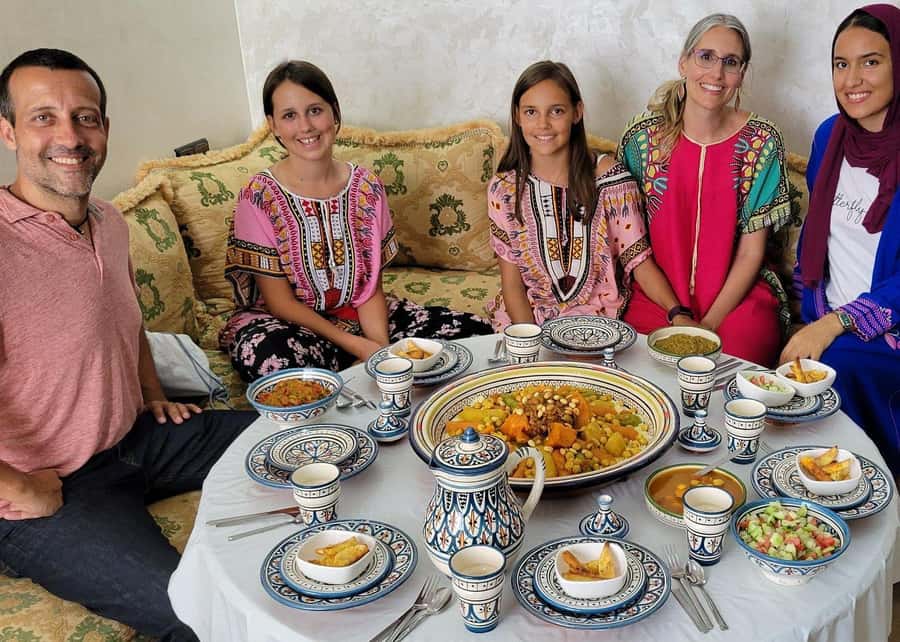
I would recommend it most strongly for first-time visitors to Casablanca who want a personal introduction to Moroccan food. It also suits couples, families, small groups, solo guests who enjoy meeting local people, and anyone looking for an activity beyond sightseeing.
Food lovers will get the most from the spice lesson and hands-on preparation. Beginners should feel comfortable because the class is designed to explain the process step by step. Vegetarians and vegans are welcome, provided they share their needs ahead of time.
This may not suit you if you need a fixed public meeting point, a strict schedule, or a large professional kitchen. The charm comes from the home environment, so you should be comfortable with a more personal and flexible setting.
The five-star rating from 13 bookings supports the strong impression created by the experience, especially around hospitality, food quality, and the warmth of Wissal and her mother. The praise is consistent on those points, but you should still choose the menu and transport plan carefully before booking.
Practical booking details
The experience lasts four hours and costs $60 per person. It is offered as a lunch or dinner session, with starting times shown when you check availability.
You can cancel up to 24 hours in advance for a full refund, and the reserve-now, pay-later option lets you keep your plans flexible. The class is offered in English, French, and Arabic, with a maximum group size of 10 participants.
Contact Wissal before the day of the class if you need transport, have dietary requirements, or want to confirm the dish choices. Those quick questions can make the home visit more comfortable and help you arrive prepared.
Should you book it?
Book this experience if you want to understand Moroccan food through a family, not just a menu. Wissal and her mother offer the rare combination of cooking instruction, home hospitality, traditional dress, and a meal prepared together.
I would make it a priority in Casablanca, especially if your schedule allows a relaxed four-hour block. The main tradeoff is the informal home setting and the need to arrange directions and transport in advance. For $60, that is a reasonable price for a personal cultural experience you can continue at home with the recipe ebook.
FAQ
How long does the Moroccan cooking experience last?
The experience lasts four hours. This includes the welcome, snacks and drinks, hands-on cooking, traditional clothing, the shared meal, and mint tea.
What dishes can I cook?
You can choose from Moroccan tagine, couscous, or pastilla. The exact dishes available may depend on the session, so confirm your preference with Wissal before you attend.
Are vegetarian and vegan guests welcome?
Yes. Vegetarian and vegan guests are warmly welcomed. Tell the host about your dietary needs in advance so the food can be planned appropriately.
Can I try on Moroccan traditional clothing?
Yes. You can try on traditional caftans and takchitas and take photographs during the experience.
Where does the activity meet?
The class takes place in the hosts’ home in Casablanca. Wissal provides the exact address and directions after you reserve.
Is transport available?
Transport is not listed as included, but Wissal can arrange a taxi driver if you contact her in advance. One route from the cruise port has taken about 20 to 25 minutes, depending on traffic.
More Food Experiences in Morocco
- Marrakech: Moroccan Cooking Class for vegetarians and vegan
★ 4.9 · 156 reviews - Small Group Cooking Class & Market Food Tour in Florence
★ 5.0 · 1,574 reviews - Athens: Food Market Visit and Cooking Class with Wine
★ 4.9 · 1,087 reviews - Undiscovered Charleston: Half Day Food, Wine & History Tour with Cooking Class
★ 5.0 · 948 reviews
Just added around Morocco
- cooking with rabab Tagahzout★ 5.0 · 11 reviews
- Moroccan Cooking Class and Eco-Farm Visit – Full day★ 5.0 · 13 reviews
- Cooking the Moroccan Way, Tamraght★ 5.0 · 37 reviews
- Agadir Cooking Class with Locals★ 4.5 · 6 reviews
- Agadir Cooking class (tajin+msemen+thé)with 1h camel ride★ 5.0 · 8 reviews
- Cooking Class and 2 hours Camel Ride★ 5.0 · 7 reviews
- Taghazout: Authentic Moroccan Botanical Garden Cooking Class★ 4.1 · 5 reviews
- Rabat: Authentic Moroccan Cooking Class with Expert Chefs★ 5.0 · 17 reviews
Moroccan Cooking Classes, compared.
Marrakech: Moroccan Cooking Class with Pickup
Read our review →
Marrakech: Traditional Moroccan Cooking Class & Market Visit
Read our review →
Marrakesh: Moroccan Dishes Cooking Class with a Local Chef
Read our review →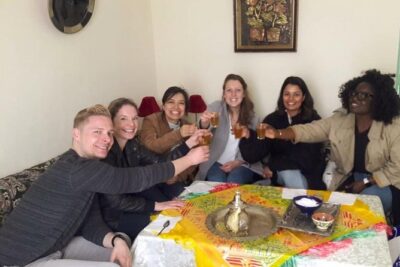
Moroccan Cooking Class & Marrakech Market Visit with Chef Khmisa
Read our review →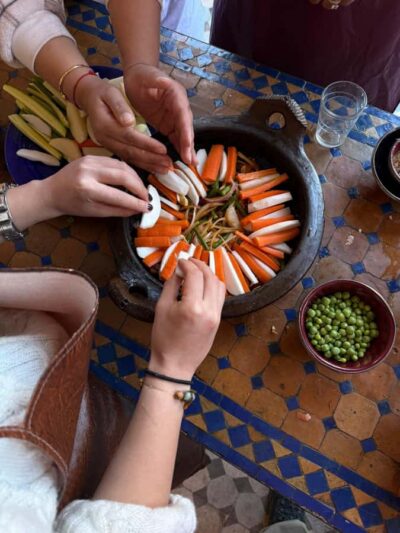
Marrakech: Moroccan Cooking Class with a Local Family
Read our review →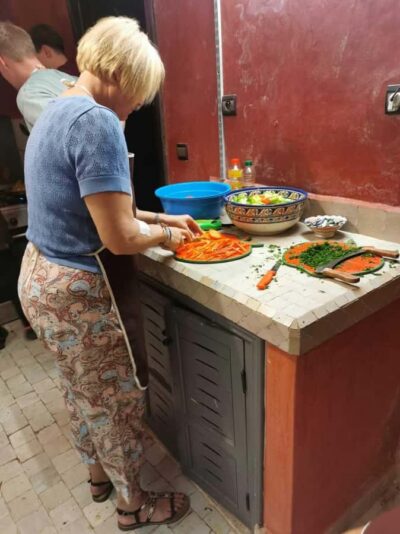
Marrakech: Moroccan Cuisine Cooking Class in Local Home
Read our review →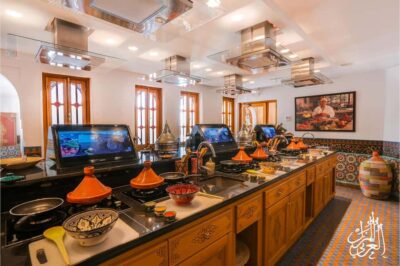
Marrakech: Moroccan Cooking Workshop at La Maison Arabe
Read our review →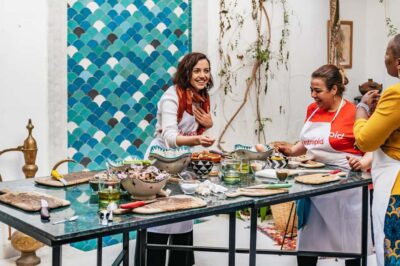
Marrakech: Tajine Cooking Class in a Traditional Riad
Read our review →Browse the lists this tour appears in