
Review · CROATIA
Croatian Traditional Cuisine: Peka Cooking Lesson
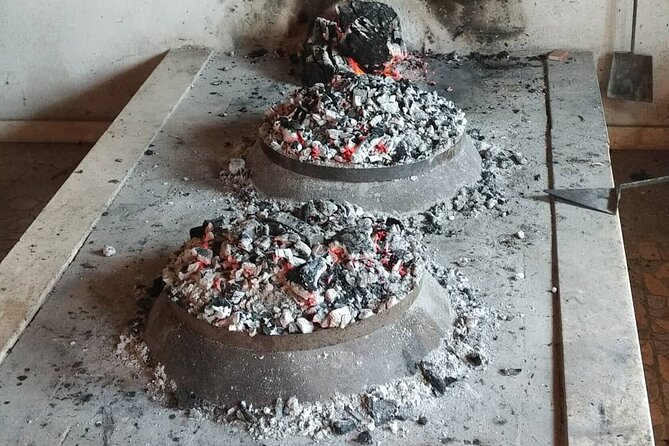
Peka is not a stovetop recipe you can rush through. In Mokošica, Florio shows you how meat and vegetables cook beneath a bell-shaped iron dome, heated by oak fire and hot coals. The result is a slow, hearty meal served with homemade wine and the kind of family hospitality that makes this feel like a visit, not a restaurant booking.
I like the small private format, with two to eight people sharing the experience, and the generous look at Croatian food beyond the main dish. Homemade bread, cheese, olive oil, prosciutto, grappa, and wine add real character. My main caution is the transport wording: pickup is described in the highlights, but the practical details say private transport is not included and give a Mokošica meeting point. Confirm this before paying.
Key points at a glance
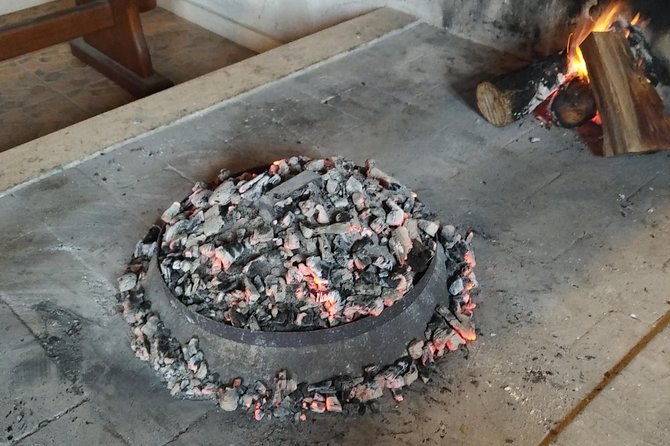
- Peka under an iron bell: Watch meat, potatoes, and vegetables cook beneath hot coals in the traditional Croatian style.
- Florio’s family setting: The meal takes place at OPG Vukojević in Mokošica, with the host’s family helping with the food and welcome.
- More than one dish: Homemade bread, cheese, olive oil, prosciutto, grappa, and local red wine may all be part of the table.
- A private four-hour visit: Your group is limited to a maximum of eight people, with at least two required to book.
- Dubrovnik countryside access: Mokošica gives you a quieter setting outside the old city, with scenic views and a local village feel.
- Plan the details carefully: The experience is for adults age 18 and over, vegetarian meals require advance notice, and the cancellation policy is strict.
Why peka is worth your time in Dubrovnik
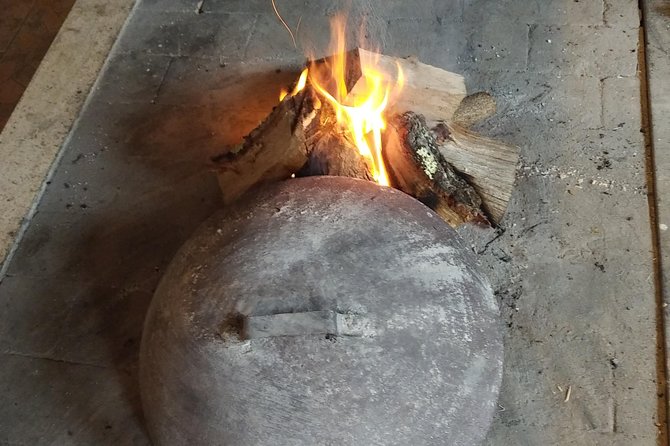
Peka is one of those Croatian dishes that looks simple until you see how it is made. Usually, veal, lamb, or yearling beef is placed with potatoes and other vegetables in a fireproof pot. A heavy, dome-shaped lid is set over the food, then covered with hot coals.
The dome is the key. Its cupola shape holds heat around the dish, while the coals cook from above. Depending on the setup, food may cook in a pot beneath the coals or directly on a stone slab. Metal and cast iron are common, while earthenware is prized by traditional cooks.
That slow cooking gives the meat time to soften and lets the vegetables absorb the juices. You are not simply watching someone put lunch in an oven. You are seeing a Croatian cooking method that depends on heat, timing, and experience.
The lesson is best understood as a demonstration with participation and explanation, not a formal cooking school with work stations and a printed recipe. You can expect Florio to show you the process, explain the ingredients, and talk about how food is grown and prepared in Croatia.
More Hands-On Workshops in the world:
- Half-Day Thai Cooking Class at Organic Farm in Chiang Mai
★ 5.0 · 19,087 reviews - Florence: Pasta Cooking Class with Unlimited Wine
★ 4.9 · 10,285 reviews - 3 in 1 Cooking Class near Navona: Fettuccine, Ravioli & Tiramisu
★ 5.0 · 7,376 reviews
Arriving in Mokošica from Dubrovnik
The experience takes place at OPG Vukojević, at Ul. za Belendinovo 3 in Mokošica. The stated meeting time is 9:00 am, and the visit lasts about four hours.
Mokošica is outside Dubrovnik’s old city, so this is not a quick activity between a morning walk on the Stradun and an afternoon swim. Allow time to reach the meeting point. The information describes hotel or private-apartment pickup in one place, but also says private transport and the transfer there and back are not included. That is a meaningful difference.
I would contact the operator after booking and ask one direct question: Is pickup from my Dubrovnik hotel included, or must I reach the Mokošica address myself? If you are driving, one useful detail comes from the experience itself: the roads can be narrow enough to make some visitors uneasy. Florio has driven a visitor’s car through the tight sections, but do not assume that service is guaranteed.
The ride or drive is part of the change in mood. You leave Dubrovnik’s crowded visitor center and reach a more residential village setting. Along the way, you might see old wartime bunkers, and the driver may share stories connected with them. The setting helps explain why this meal feels separate from the city’s polished waterfront restaurants.
The outdoor fire and the peka dome
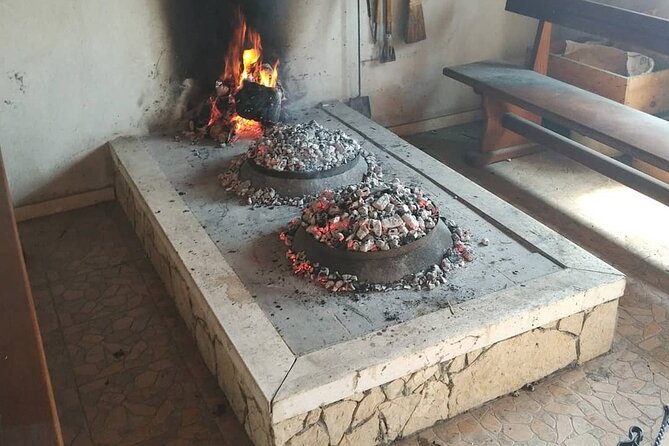
The cooking takes place around an outdoor fireplace. Oak wood provides the fire, while hot bricks or coals supply the steady heat needed for the covered pot.
You will see the peka dome placed over the food, then covered with hot coals. This is the moment that makes the experience memorable. The cooking vessel is not just equipment. It is the method, the timing tool, and the centerpiece of the meal.
The information does not promise that you will prepare every ingredient yourself. Instead, plan on learning by watching, asking questions, and following Florio’s explanation. That suits this dish. A large iron lid and a live fire are not ideal for a rushed, hands-on classroom.
As the peka cooks, the meal develops slowly. This creates a natural pause in the program, and the food served during that wait is part of the visit. You may be offered homemade bread, cheese, olive oil, and prosciutto while the main dish finishes.
That extra food matters because it turns the cooking period into a proper social meal rather than dead time. It also gives you a wider taste of the household’s cooking. One especially personal detail is the homemade prosciutto, along with wine and olive oil made by the family.
A family table, not a standard restaurant
The meal takes place in a home setting, with Florio’s wife assisting. I would choose this experience for the atmosphere as much as for the peka.
The host, named Florio in the supplied information, is described as making many of his own products. The table may include homemade wine, olive oil, grappa, bread, cheese, and prosciutto. Some visitors have also taken bottles of wine or olive oil home, so ask about purchases if something catches your interest.
This is a useful distinction for your expectations. You are not signing up for a polished restaurant service or a large cooking studio. You are entering a family setting where conversation, food, and local customs matter as much as the recipe.
The host also talks about Croatian life and the foods people grow and produce. That broad conversation gives the four hours more depth. You get context for the ingredients instead of seeing the peka as an isolated dish.
The personal setting can be a strong point for couples and small groups. It can also feel less structured than a classic class. If you want a timed lesson with each participant chopping, measuring, and cooking a separate dish, this may not be the right format.
A few more cooking classes around the world worth a look
- Florence: Pasta & Tiramisu Cooking Class with Unlimited Wine
★ 4.9 · 6,708 reviews - Florence: Pasta Cooking Class with Unlimited Wine
★ 5.0 · 6,413 reviews - Hanoi Cooking Class: Culture, Local Market & Meaning CSR Impact
★ 5.0 · 5,147 reviews - 5 Traditional Dishes Hanoi Cooking Class with Market Trip
★ 5.0 · 4,890 reviews
What you are likely to eat and drink
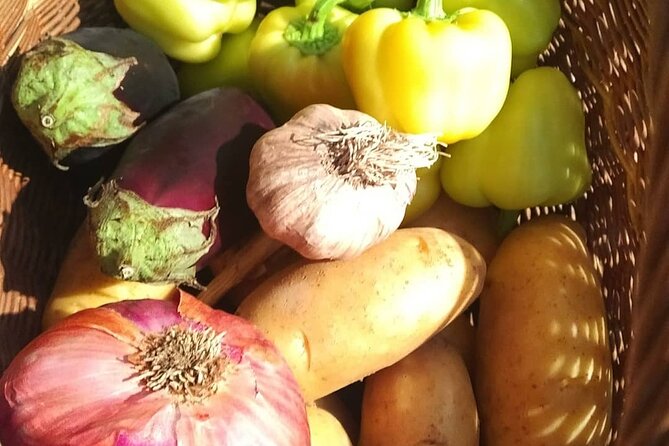
The central meal is a hearty combination of meat and vegetables, commonly veal, lamb, or yearling beef with potatoes and other vegetables. The exact meat is not specified, so ask before booking if you have strong preferences.
Homemade wine is included. The food is particularly well matched with a local red such as miljas, which is mentioned as a traditional companion to peka. Grappa may also be served, and the food spread can include homemade bread, cheese, olive oil, and prosciutto.
There is a vegetarian option, but you must request it at booking. Do not assume that a vegetarian meal will appear automatically at the table. The provided details confirm the option but do not specify the exact vegetables, preparation, or whether the vegetarian dish is cooked under the same peka dome.
The minimum age is 18. That matters because wine and grappa are built into the social side of the meal, and the activity is not designed as a family outing for children.
If you enjoy food markets, local products, and slow meals, you will likely get more from this than someone interested only in a quick cooking demonstration. The pleasure is in seeing how the ingredients, fire, host, and setting fit together.
The four-hour pace and what it means
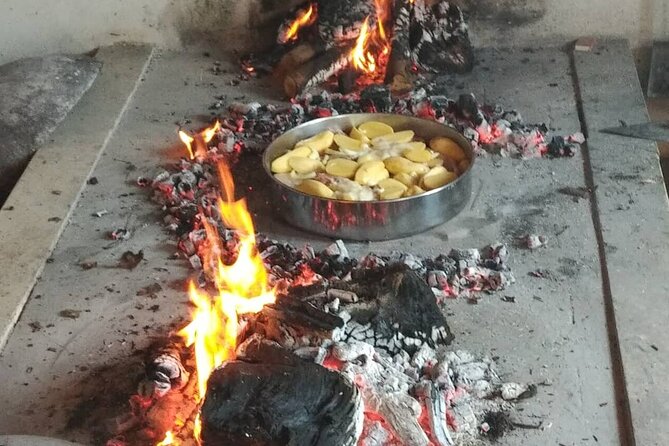
A four-hour visit gives the peka enough time to cook properly and leaves room for conversation. It is a generous amount of time for one dish, but that is part of the point. Peka is slow food in the literal sense.
The morning schedule needs a little care. The general start time is listed as 9:00 am, while the seasonal note says the cooking class at lunch time can start at 9:30 am from April 1 through October 30, 2026. Ask the operator to confirm the exact start time for your date.
The long format works well if you want a relaxed break from sightseeing. It works less well if you have a cruise departure, a fixed museum booking, or a packed day of Dubrovnik tours. Since the program ends back at the meeting point, build in time for your return journey.
The activity is private, so your group controls the social mix. The maximum is eight people, and at least two people must book. A couple can enjoy a quieter meal, while a larger group can make the table livelier without the feel of a bus tour.
The experience is offered in English. Confirmation is sent within 48 hours of booking, subject to availability, so do not leave it until the last moment if your schedule is tight.
Is $162.47 a fair price?
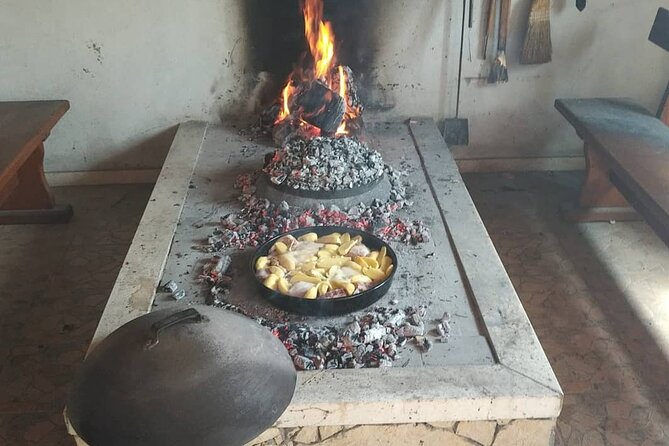
At $162.47 per person, this is not a bargain lunch. You are paying for a four-hour private visit, a cooking demonstration, a substantial meal, homemade wine, and access to a family setting outside Dubrovnik.
The value depends on what you want. If you compare it with a simple restaurant meal, the price is high. If you compare it with a private food experience that includes a local host, live-fire cooking, several homemade products, and a small group, the cost is easier to defend.
I would especially consider it good value for a couple or small group that wants one meaningful food activity during a Dubrovnik stay. You are not just buying a plate of meat and potatoes. You are buying time with a host, a look at a traditional technique, and a meal that would be difficult to recreate by simply ordering peka at a city restaurant.
Still, the price makes the transport question important. If you must arrange and pay for your own ride to Mokošica, include that in your budget. Clarify the pickup and drop-off details before the booking becomes final.
The strict cancellation rule also affects the value. This experience is non-refundable and cannot be changed for any reason, so book only when your Dubrovnik plans are firm.
Who should book this peka experience?
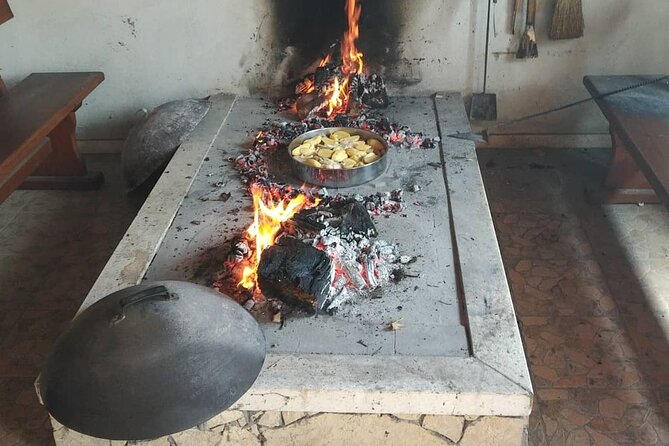
I would recommend it to food-focused visitors who want a local meal in a personal setting. It suits couples, small groups of friends, and adults who prefer a long lunch with conversation over a quick restaurant stop.
It is also a good choice if you have already seen Dubrovnik’s main sights and want to spend part of a day outside the old city. Mokošica gives you a different setting, and the trip may include views and wartime sites that you would not encounter in the center.
This is less suitable for children because the minimum age is 18. It is also not ideal for anyone who needs a tightly timed, hands-on cooking class. The format centers on demonstration, hospitality, eating, and conversation.
Vegetarians can book, but they must state the requirement in advance. Meat eaters who want to know whether the dish will be veal, lamb, or beef should also ask before arrival.
Should you book it?
Book this if you want a personal Croatian food visit, not simply a cooking lesson. The peka itself is appealing, but the homemade products, Florio’s hospitality, family involvement, and village setting are what give the day its character.
Skip it if you are watching every euro, dislike long meals, or need guaranteed hotel transport without making a confirmation call. For everyone else, this is a strong choice for a food-centered day near Dubrovnik, provided you confirm the meeting arrangements and timing first.
FAQ
Where does the peka cooking experience take place?
It takes place at OPG Vukojević in Mokošica, at Ul. za Belendinovo 3, 20236 Mokošica, Croatia.
How long does the experience last?
The activity lasts approximately four hours.
What time does the activity start?
The stated start time is 9:00 am. For the cooking class during the April 1 through October 30, 2026 season, the information also lists 9:30 am for lunch-time cooking, so confirm the exact time for your date.
Is transportation from Dubrovnik included?
The highlights describe hotel or private-apartment pickup and drop-off, but the practical details say private transportation and transfers are not included. Confirm the arrangement with the operator before booking.
What is included in the price?
Lunch and homemade wine are included for the stated seasonal period.
Is a vegetarian meal available?
Yes. A vegetarian option is available, but you must request it when booking.
What kind of food is cooked under the peka?
Peka commonly includes veal, lamb, or yearling beef with potatoes and other vegetables. The exact menu is not specified.
How many people can join?
The activity is private and allows a maximum of eight people per booking. At least two people are required to book.
Is there a minimum age?
Yes. Participants must be at least 18 years old.
Is the experience available in English?
Yes. The experience is offered in English.
Can I cancel or change the booking?
No. The experience is non-refundable and cannot be changed for any reason.
Just added around the world
- Irish Craic & Cuisine: Cooking Class & Dinner in Central Dublin★ 5.0 · 80 reviews
- Learn to Cook with a Local Chef in her Beautiful Dublin Home★ 5.0 · 3 reviews
- Authentic Garden to Table Cooking Class in Dubrovnik Countryside★ 5.0 · 17 reviews
- Private Market Tour and Irish Cooking Class in a Modern Skerries Home★ 5.0 · 7 reviews
- Private Cooking Class in a Modern Home with Sea Views in Skerries, Dublin★ 5.0 · 12 reviews
- Caribbean Cooking Class with Daria★ 5.0 · 55 reviews
- Cooking With a Twist: Sancocho Borracho★ 5.0 · 31 reviews
- 3-hour Traditional Vietnamese Home-Cooking Class in Da Nang★ 5.0 · 10 reviews
Cooking Classes, compared.
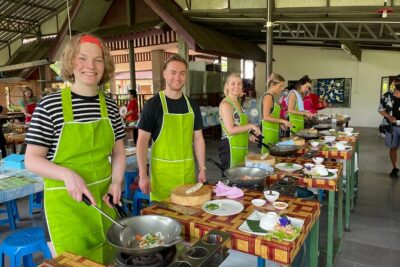
Half-Day Thai Cooking Class at Organic Farm in Chiang Mai
Read our review →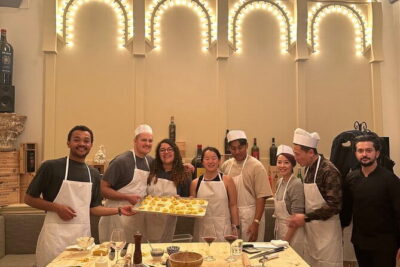
Florence: Pasta Cooking Class with Unlimited Wine
Read our review →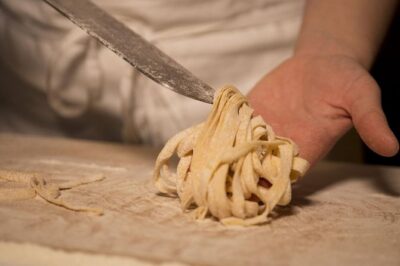
3 in 1 Cooking Class near Navona: Fettuccine, Ravioli & Tiramisu
Read our review →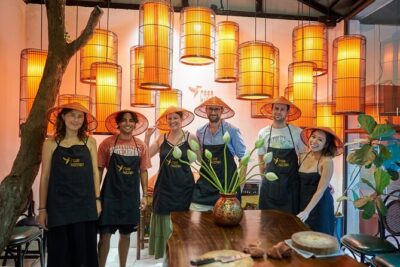
Hanoi Cooking Class: Culture, Local Market & Meaning CSR Impact
Read our review →
5 Traditional Dishes Hanoi Cooking Class with Market Trip
Read our review →
Cooking Class and Lunch at a Tuscan Farmhouse with Local Market Tour from Florence
Read our review →
Chiang Mai: Cooking Class, Market & Thai Herbs Garden Tour
Read our review →Browse the lists this tour appears in