
Review · PORTUGAL
Douro Valley: Traditional Cooking Class, Farm Tour and Lunch
The best part of this four-hour experience is that you do not simply watch someone cook. At Quinta de Louredo, Fabio brings you into the work of a Portuguese family farm, from picking fruit and gathering eggs to preparing lunch in the family kitchen. The meal is tied to the story of his father, Alfredo, and to the family’s effort to rebuild after a destructive wildfire.
I like the farm-to-table detail, especially when ingredients come from the land you have just walked through. I also like the easy, social format: you share a table with a small group, help prepare the food, and spend time talking with Fabio and his family. The main consideration is that this is a rustic home-and-farm experience, not a polished culinary school. You may not receive printed recipes, and the hilltop approach is steep and rough.
Key points to know before booking
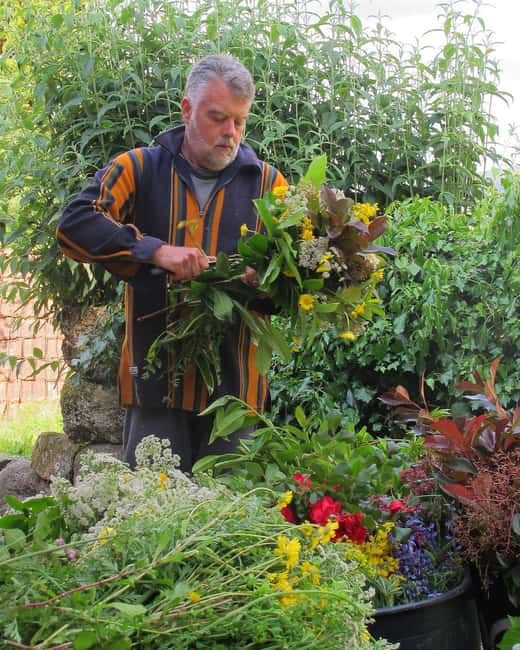
- Fabio leads a personal family experience: He explains the farm, Portuguese food, and his father Alfredo’s influence while guiding the cooking.
- The welcome meal is generous: Expect cheeses, bread, jams, olives, sausages, honey, fruit, coffee, tea, fresh juice, and farm wine, depending on the day.
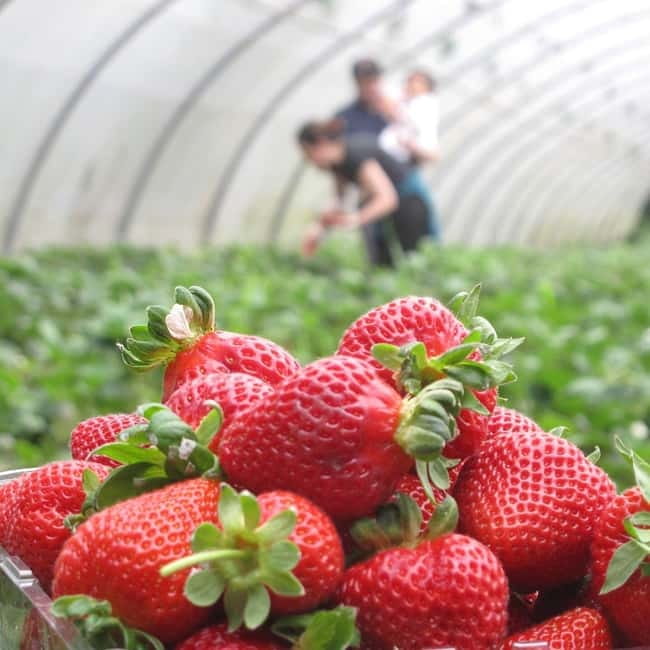
- You help gather ingredients: The farm tour can include eggs, lemons, strawberries, persimmons, herbs, and other seasonal produce.
- The cooking is hands-on but relaxed: You may prepare soup, cod, potatoes, and traditional egg-based desserts rather than follow a fixed printed recipe.
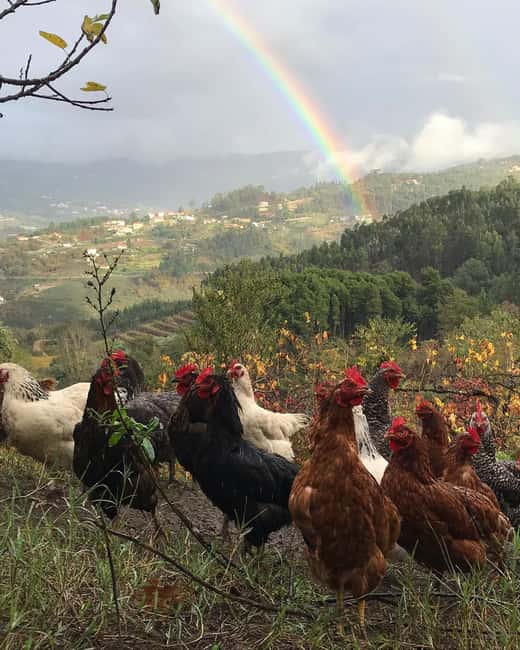
- Families fit the setting well: Children can meet the cow, pigs, hens, roosters, sheep, geese, and other farm animals.
- The price reflects time and hospitality: At $175 per person, you are paying for four hours of food, instruction, a farm visit, wine, and a small-group meal, not just a cooking lesson.
Arriving at Quinta de Louredo near Marco de Canaveses
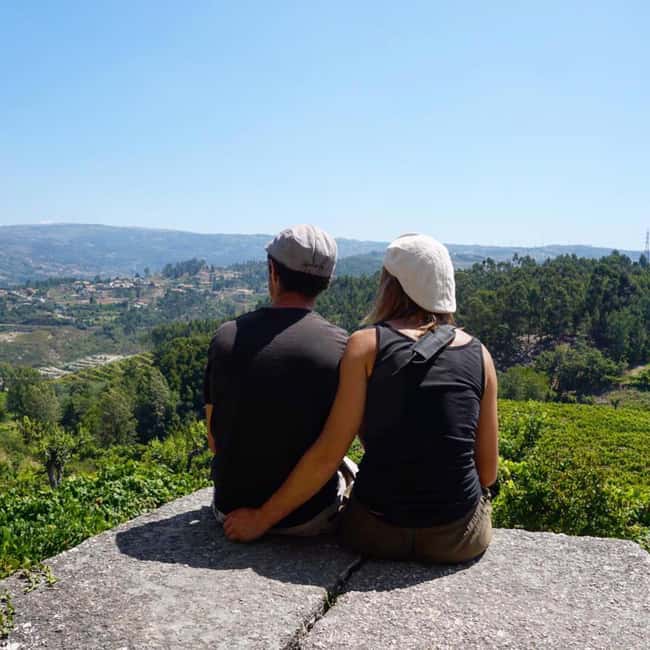
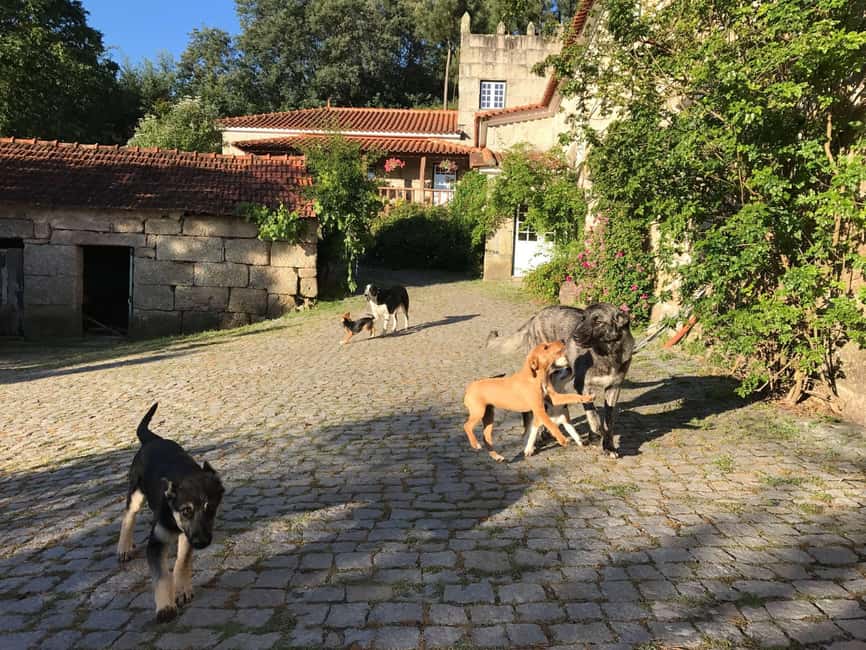
Quinta de Louredo is in Portugal’s Norte Region, within reach of the Douro Valley area. By car, you can park in front of the farmhouse at the bottom of the hill, where the family will come out to meet you.
The approach matters. The farm sits at the end of a long, steep road, and parts of the route can be rough. Wear sneakers or other shoes that you do not mind using on uneven ground. Sunscreen is useful, especially when the day includes time in the orchard, vineyard, and animal areas.
You can also reach the area by train. The ride to Marco de Canaveses takes about an hour and is described as scenic, followed by a short taxi ride. The family can arrange that taxi at your cost. If you use the train, contact the hosts in advance so a driver is ready at the station. A taxi may cost about €5 and take less than 10 minutes, but local drivers may not speak English, and arranging the ride ahead can prevent confusion.
The small-group limit is 10 people. That is a useful size for this kind of visit. You can ask questions, work at the counter, and sit around the table without feeling lost in a crowd.
More Farm Cooking Classes in Portugal:
- Half-Day Thai Cooking Class at Organic Farm in Chiang Mai
★ 5.0 · 19,087 reviews - Cooking Class and Lunch at a Tuscan Farmhouse with Local Market Tour from Florence
★ 5.0 · 4,831 reviews - Chiang Mai: Authentic Cooking Class with Market & Farm Visit
★ 4.9 · 4,546 reviews
A farm welcome built around local food
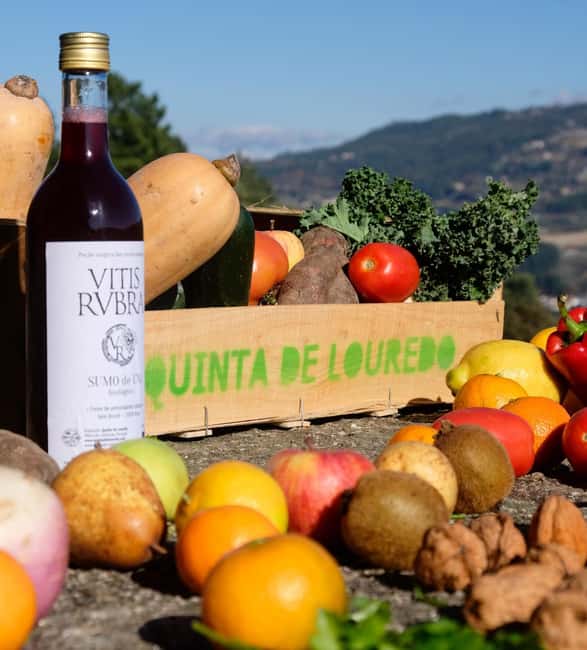
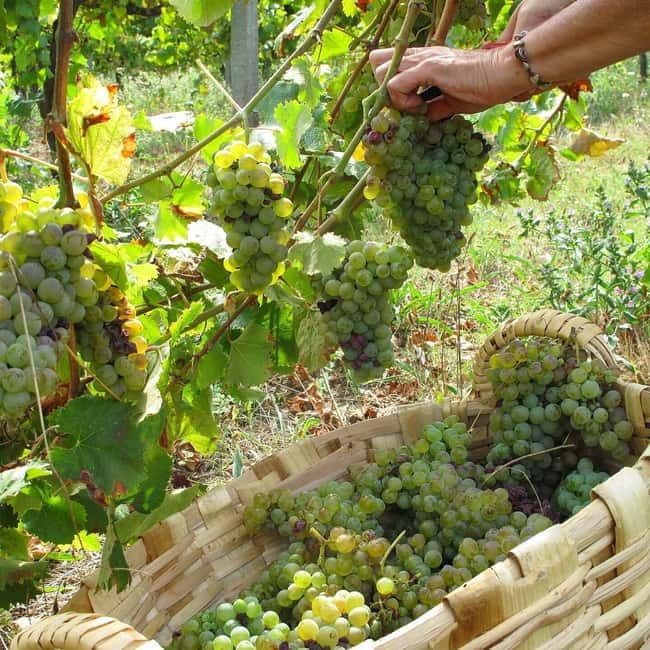
The visit begins with a spread that can feel more like a family brunch than a formal tasting. You might find local cheeses, breads, homemade jams, olives, honey, sausages, fresh fruit, coffee, tea, juice, and artisanal products made on the farm. The organic green wine, or vinho verde, is included, and the family’s own Mica vinho verde has received particular praise for its flavor.
This opening meal is not a minor snack. Plan to arrive hungry, but not so hungry that you rush through it. It gives Fabio time to welcome the group and explain how the farm works. It also gives you a first taste of the difference between a restaurant meal and food served in someone’s home.
Some of the food depends on the season and what is available on the property. You may taste strawberries straight from the plant, persimmons from a tree, fresh verbena tea, or jams made with farm produce. The point is not to present a fixed tasting menu. It is to show you what the family grows, preserves, and serves.
This part is especially useful if you want context for Portuguese cooking. Bread, olives, cheese, wine, fruit, eggs, and preserves are not just items on a menu here. They are connected to the work of a small farm and to the family table.
Walking among animals, orchards, and vineyards
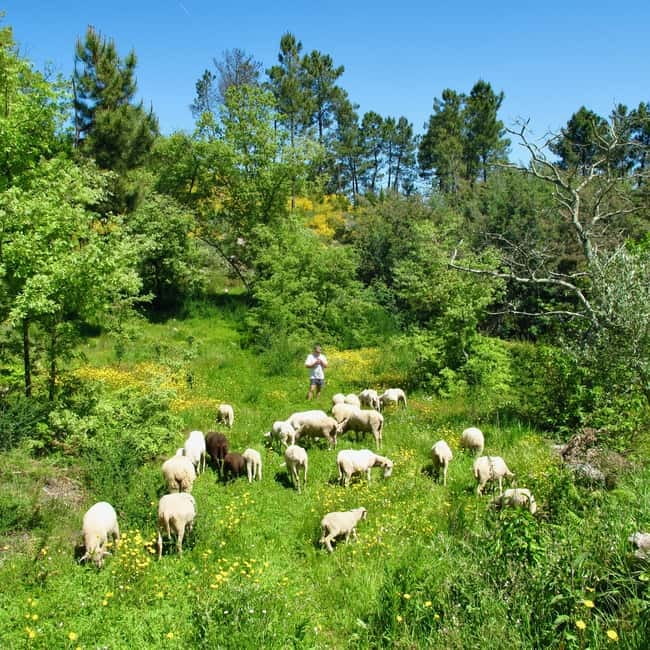
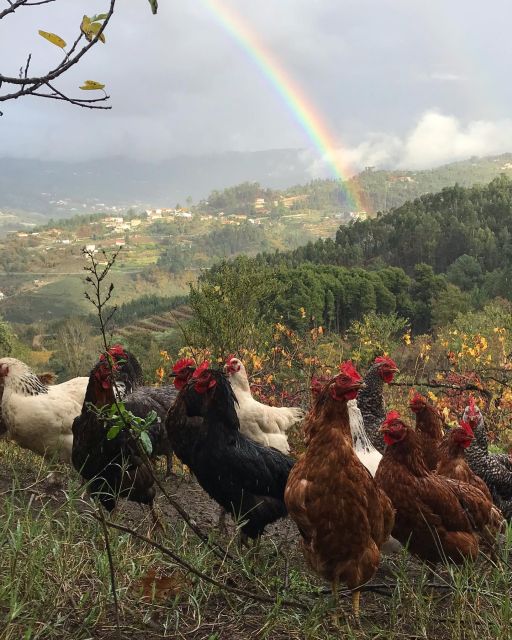
After the welcome spread, Fabio takes you around the property. You can meet the resident animals, including a cow, pigs, hens, roosters, sheep, and geese. Children often find this part as memorable as the cooking, since they can move around, see farm life up close, and help with simple tasks.
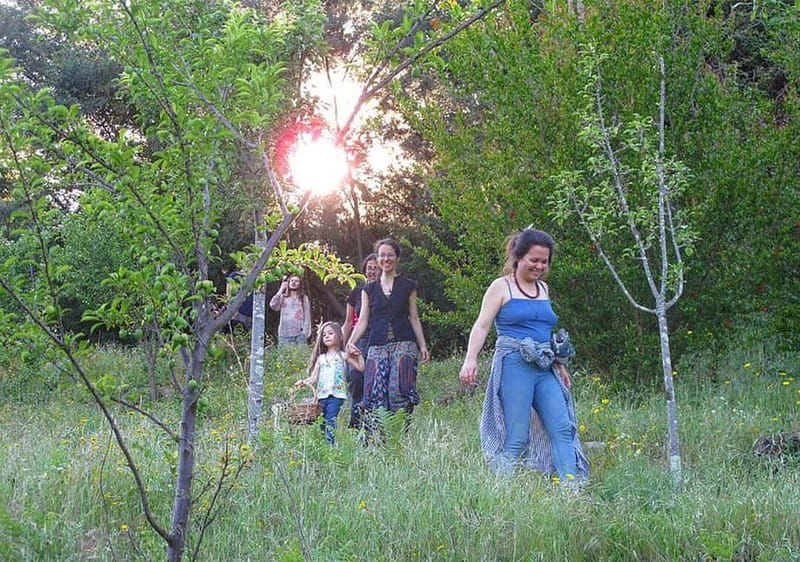
The walk may include collecting eggs from the chicken coop, picking lemons for dessert, harvesting strawberries, and sampling fruit from the trees. One visit included persimmons as a snack along the way. These details make the tour practical rather than decorative. You see where ingredients come from before using them at lunch.
The farm also includes organic plants, fruit trees, vineyards, and areas affected by wildfire. Fabio explains what happened and what the family has managed to rebuild. The fire is not treated as a dramatic backdrop. It is part of the family’s current life, and the visit gives you a clear look at how long recovery can take.
That story adds weight to the $175 price. Part of your payment supports a family rebuilding its farm after severe loss. You should still book because you want the experience, not simply as a donation, but the connection gives the visit a clear purpose beyond eating and sightseeing.
Cooking a traditional three-course Portuguese meal
The cooking class is hands-on, though the exact dishes can change. Examples include a traditional tomato and onion soup with a poached egg, a codfish main course with potatoes or fries, and traditional desserts made with eggs and lemon.
You may chop vegetables, separate eggs, gather ingredients, and work alongside Fabio rather than watch a chef perform. The pace is relaxed. Fabio explains what you are doing while keeping the conversation moving, which makes this a good choice if you enjoy learning through participation instead of measuring every ingredient in a formal lesson.
Portuguese food often gets its character from a short list of well-used ingredients. A simple soup can depend on good tomatoes, onions, olive oil, and an egg. A cod dish can be filling without relying on elaborate presentation. The desserts may use eggs, sugar, lemon, or sweet noodles in ways that feel quite different from the pastries served in city cafés.
One important point: there may be no printed recipe. Alfredo was described as cooking from experience rather than from written instructions, and the same informal approach shapes the visit. If you want a recipe to recreate at home, take notes as you go and ask questions while each dish is being made.
That lack of paperwork is a drawback for some people, but it also keeps the lesson connected to family cooking. You learn by watching, tasting, and asking rather than by following a fixed classroom sheet.
More Lunch Experiences in Portugal:
- Lisbon Market and Food Tour with Cooking Class and Lunch
★ 5.0 · 117 reviews - Market Tour, Cooking Class And Lunch At Mercado de Arroios
★ 5.0 · 23 reviews - Paris Cooking Class and Lunch with Wine plus Market Visit Option
★ 5.0 · 1,024 reviews - Austrian Apple Strudel Cooking Class including Lunch in Salzburg
★ 5.0 · 929 reviews
Sitting down to a generous farm lunch
Once the cooking is finished, everyone sits together to eat. The shared meal is the heart of the experience. You taste what you helped prepare, drink the farm wine, and talk with the host and other people in the group.
The portions are described as generous, and the day can include both the opening brunch and the cooked lunch. Keep that in mind when planning the rest of your day. This is not a quick activity to squeeze between two large meals.
The table also gives Fabio room to talk about Portugal, farming, the family property, and his father Alfredo. The personal story is central. Alfredo started the farm and remains an important part of the family’s identity, while Fabio is carrying the work forward after his father’s death and the wildfire.
The result is more intimate than a standard food tour. You are not simply collecting facts about regional dishes. You are eating in a place where those dishes connect to family habits, farm work, and recovery.
What the experience is like for children and mixed groups
Families with children can make good use of the four-hour schedule. The animals, fruit picking, and open farm setting offer variety between cooking tasks. A toddler and baby were included successfully in one visit, and a six-year-old particularly remembered the children, cow, chickens, and geese.
You should still think about your child’s interest in food preparation and farm walking. The activity includes a steep approach, uneven ground, animals, and time at a work surface. The information provided does not promise a separate children’s program, so adults remain responsible for keeping young children safe and involved.
The format also suits couples, friends, and solo visitors who enjoy meeting people from different countries. With no more than 10 participants, conversation is a major part of the day. If you prefer a quiet, private meal or a highly technical cooking class, this may feel too social and informal.
Dietary needs, language, and the level of instruction
The host team speaks Portuguese, English, French, and Spanish. That range helps make the class workable for an international group, though the teaching remains conversational rather than formal.
Gluten-free adjustments have been handled without taking away from the dishes people came to cook and eat. If you have an allergy or strict dietary need, contact the hosts before booking so they can confirm what can be changed for your visit.
The lesson is best for people who want to understand how a dish comes together in a home setting. It is less suited to someone seeking professional knife skills, restaurant techniques, or a printed collection of recipes.
Is $175 a fair price?
At $175 per person, this is not a budget lunch. The value depends on how you measure the day.
You receive four hours with a small group, a farm tour, a welcome spread, a cooking lesson, a three-course meal, and wine. You also get direct time with Fabio and his family, access to a private working farm, and the chance to support rebuilding after wildfire. Transportation is not included, so add the cost of a taxi if you arrive by train.
Compared with a standard restaurant meal, the price is high. Compared with a private food experience that combines instruction, a farm visit, multiple tastings, and lunch, it is easier to justify. I would consider it good value if you care about personal contact and local life. I would skip it if your main goal is a low-cost meal or a formal culinary certificate.
Practical details to plan around
The activity lasts four hours, but leave extra time around it if you are taking the train or arranging a taxi. Check the available start times before booking, since the schedule can vary.
Free cancellation is available up to 24 hours in advance for a full refund. You can also reserve and pay later, which helps if you are still arranging your Portugal itinerary.
Bring:
- Comfortable sneakers for the farm and steep approach
- Sunscreen for time outdoors
- An appetite for both the welcome food and lunch
- A notebook or phone if you want to record recipes
- Cash if you need to pay a local taxi
The experience is held at the family home and farm, so expect a lived-in rural setting rather than a purpose-built visitor center. That is part of the appeal, but it also means you should come prepared for an informal day.
Should you book this cooking class?
I would book Quinta de Louredo if you want food, family stories, animals, and a real working farm in the same half-day. Fabio’s warm hosting, the generous food, the chance to pick ingredients, and the family’s recovery story give the experience substance.
Families, couples, and curious eaters are likely to get the most from it. The activity is also a strong choice if you are staying in Porto and want an outing beyond the city, since Marco de Canaveses is reachable by train in about an hour.
I would think twice if you need a fully scripted lesson, written recipes, luxury facilities, or included transportation. For everyone else, the combination of cooking, conversation, and farm life makes the price easier to defend. Come ready to work a little, eat a lot, and accept that the best parts of the day may not fit neatly into a printed itinerary.
FAQ
How long does the Quinta de Louredo experience last?
The experience lasts four hours.
What is included in the price?
The price includes an instructor, farm tour, cooking lesson, three-course meal, and wine.
Is transportation included?
No. Transportation is not included. By car, you can park in front of the farmhouse. By train, take the train to Marco de Canaveses and arrange a short taxi ride at your own cost.
Can I arrive by train from Porto?
Yes. The train to Marco de Canaveses takes about one hour, followed by a short taxi ride. You can ask the family to arrange the taxi in advance.
What languages are spoken?
The instructors speak Portuguese, English, French, and Spanish.
Is the activity suitable for children?
Yes. Children can meet the farm animals, pick fruit, and take part in the farm setting. The experience does not provide a separate children’s program, so adults should supervise young children.
Can dietary requirements be accommodated?
Gluten-free adjustments have been made without removing the main cooking and dining experience. Contact the hosts before booking to discuss your specific dietary needs.
More Hands-On Workshops in Portugal
- Lisbon: Pastel de Nata Baking Class
★ 4.9 · 2,106 reviews - Porto: Pastel de Nata Cooking Class with Grandma’s Recipe
★ 5.0 · 1,565 reviews - Porto: Pastel de Nata Pastry-Making Workshop
★ 4.9 · 1,542 reviews - Porto: Pastel de Nata Cooking Class with Port Wine – Sé
★ 4.8 · 888 reviews
Just added around Portugal
- Cooking Class★ 5.0 · 17 reviews
- From Market to Table with Paula (Loulé) – Private Cookery Class★ 5.0 · 21 reviews
- Terceira Island: Azores Cooking Class Experience★ 5.0 · 14 reviews
- Porto: Cooking Class with Local Market Visit★ 5.0 · 15 reviews
- Porto: Local Market Tour & Cooking Class/Showcooking★ 4.9 · 32 reviews
- Lagos: Market Tour and Cataplana Cooking Class★ 5.0 · 9 reviews
- Lisbon: Traditional Portuguese Cooking Class★ 5.0 · 41 reviews
- Lisbon: Portuguese street food cooking class with Drinks★ 4.9 · 37 reviews
Farm & Countryside Cooking Classes, compared.
Half-Day Thai Cooking Class at Organic Farm in Chiang Mai
Read our review →
Cooking Class and Lunch at a Tuscan Farmhouse with Local Market Tour from Florence
Read our review →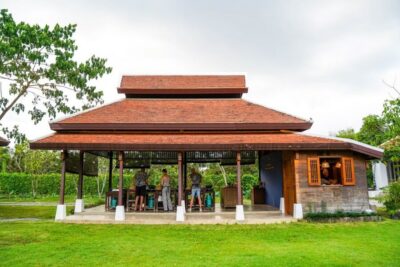
Chiang Mai: Authentic Cooking Class with Market & Farm Visit
Read our review →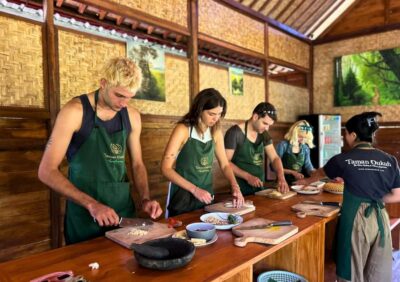
Ubud: Balinese Cooking Class at an Organic Farm
Read our review →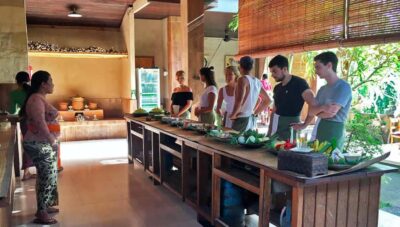
Ubud: Authentic Cooking Class in a Local Village
Read our review →
Chiang Mai: Cooking Class with Organic Farm at Mama Noi
Read our review →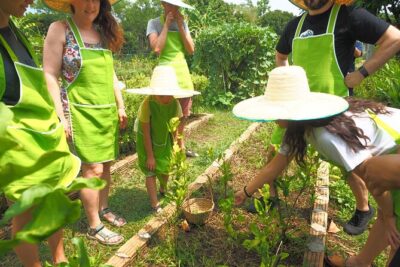

Hands-On Cooking Class & Farmhouse Tour on the Amalfi Coast
Read our review →Browse the lists this tour appears in