
Review · SRI LANKA
Galle: Sri Lankan Cuisine Cooking Experience
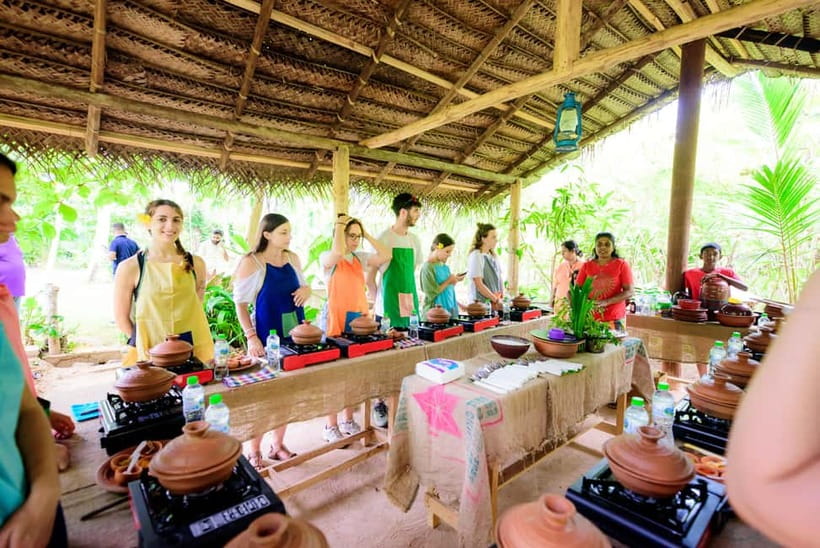
Sri Lankan cooking makes the kitchen part of the meal, and this three-hour experience puts you right in the middle of it. You join a family in Kotapola, light a traditional oil lamp, grind fresh coconut for sambol, and roll roti by hand before sitting down to eat what you made. I especially like the family kitchen setting and the chance to share stories with hosts Malika and Sanuth, rather than simply watching a chef work.
I also like that the class ends with a banana-leaf meal eaten by hand, a small detail that gives the experience a real sense of place. The main consideration is transport: getting to Galle House is not included, and the experience is in Kotapola, so you should confirm the exact meeting point and allow time to reach it.
Key points at a glance
- Oil-lamp welcome: Begin with a traditional lighting ceremony and receive a flower bouquet.
- Hands-on cooking: Grind fresh coconut for sambol and roll roti by hand with your host.
- Family kitchen setting: Cook alongside a local family instead of attending a formal restaurant class.
- Three-hour format: The timing gives you room to cook, ask questions, and eat without rushing.
- Private group: You get a more personal session, with English instruction.
- $40 value: The fee includes ingredients, the class, and a meal with the host family, but not transportation.
Cooking with a family in Kotapola
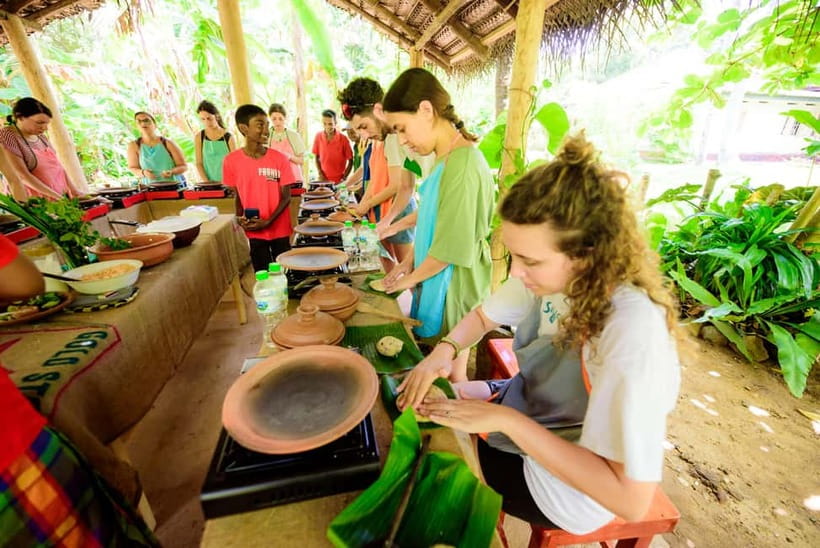
The most important thing to understand is that this is not a demonstration where you sit at a table and watch someone else prepare lunch. You take part in the work. The setting is a family kitchen at Galle House in Kotapola, in the Galle area, and the hosts guide you through the food step by step.
That setting matters. Sri Lankan cooking depends on small choices: how coconut is ground, how a dough is rolled, and how spices are handled before they reach the plate. A recipe card can list ingredients, but it cannot show you the feel of the mixture or the pace of the preparation. Here, you learn by doing and by asking questions as you go.
The activity is led in English. Malika and Sanuth are the hosts named in the experience details, and they welcome you into the family setting rather than keeping you at arm’s length. If you enjoy food classes that feel personal and informal, this format should suit you well.
The class is also a private group experience. That is useful for couples, families, or small groups who prefer to ask plenty of questions and move at their own pace. A private class does not automatically mean a luxurious setting. The attraction here is the direct contact with the family and the chance to work in a real home kitchen.
A few more cooking classes around Sri Lanka worth a look
- Ella: Traditional Sri Lankan Cooking Class
★ 4.9 · 788 reviews - Organic cooking class sigiriya (kumara & family)
★ 5.0 · 650 reviews - Sri Lanka Cooking Class with Granny
★ 5.0 · 587 reviews
The oil lamp and flower welcome
Your visit begins with a traditional oil-lamp lighting ceremony. You also receive a flower bouquet, which gives the welcome a clear cultural touch before the practical cooking begins.
This opening is not the main reason to book the class, but it sets the tone. You are being received as a visitor to the home, not processed into a large group activity. The ceremony also gives you a gentle start while you meet the hosts and settle into the setting.
I appreciate small customs like this when they are presented simply. You do not need specialist knowledge to take part. You can observe, follow the host’s lead, and enjoy the moment without feeling as if you are expected to perform.
The welcome may be especially nice for families. One recent booking included a four-year-old child, and the hosts were described as accommodating. Still, remember that this is a cooking lesson, not a children’s play program. Young children will need an adult close by in the kitchen.
Fresh coconut, sambol, and the work behind the food
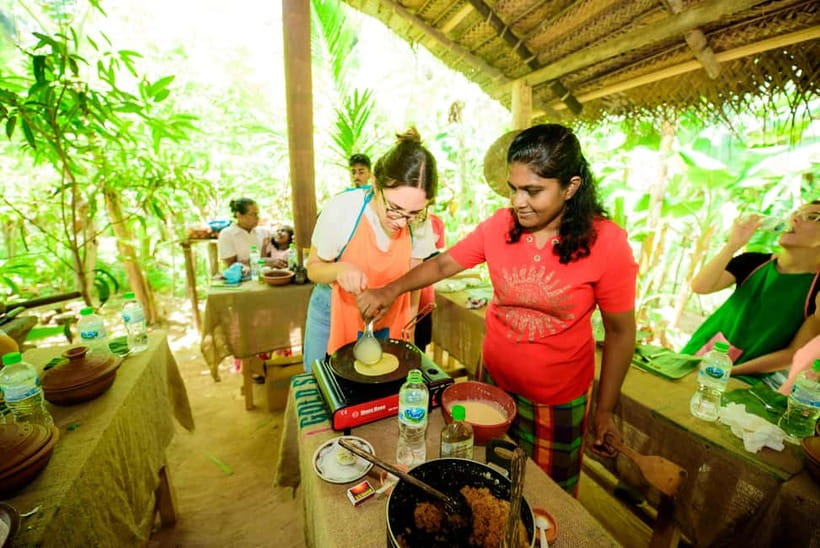
The cooking starts with ingredients and preparation. One of the clearest hands-on tasks is grinding fresh coconut to make sambol with your host.
Sambol is a familiar part of Sri Lankan meals, but the value here is seeing how a basic side dish comes together from fresh ingredients. Grinding the coconut gives you a feel for the physical work behind the food. It is not a staged garnish added at the end. It is part of the cooking itself.
This is also where you can ask about ingredients and preparation. The class is designed to explain the steps, and the hosts are praised for explaining traditional dishes clearly. If you are curious about Sri Lankan food, ask about the role of each ingredient as you work. The supplied information does not list the exact menu, so you should not book expecting named dishes or a fixed set of recipes.
That lack of a published menu is one small point to consider. If you have allergies, strong dislikes, or dietary needs, send a message before your booked date and confirm what can be prepared. The experience includes all cooking ingredients, but the specific dishes are not stated.
Rolling roti by hand
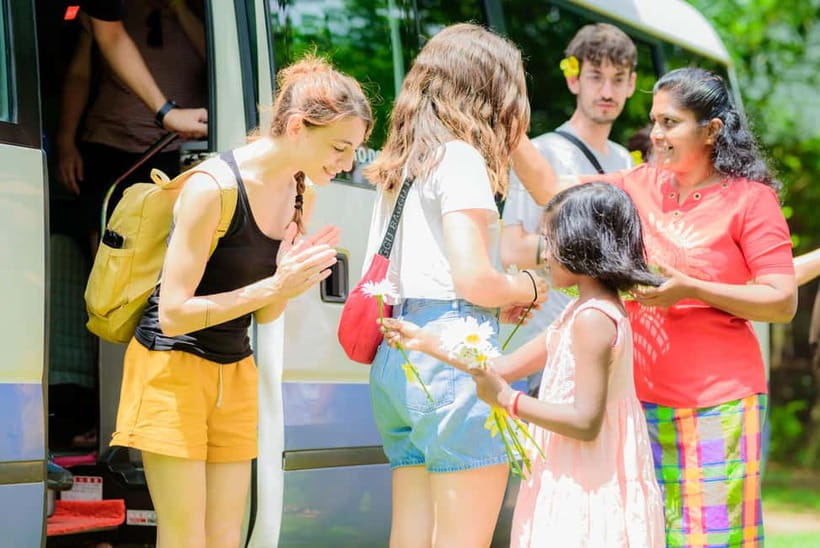
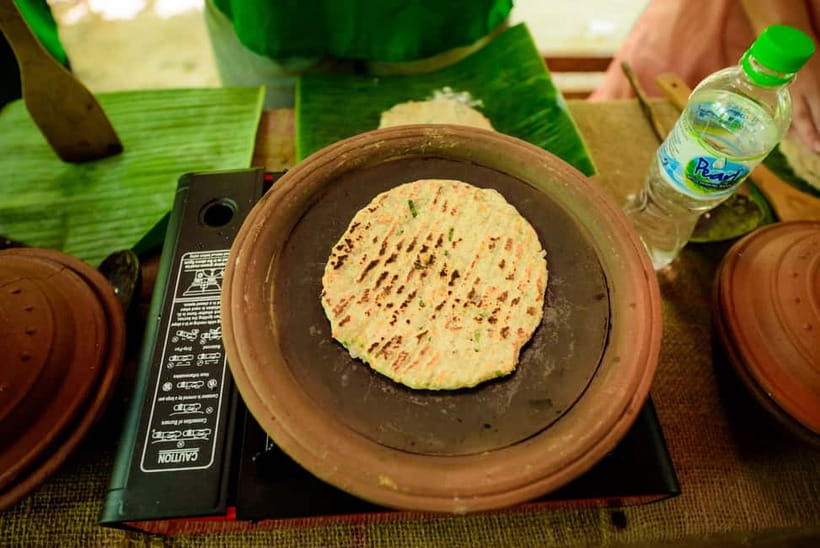
You also roll roti by hand with the host. This is the sort of task that looks easy until you try it, which is exactly why it works well in a cooking class.
The benefit is practical. You are not just hearing that Sri Lankan food uses flatbreads. You are handling the dough and learning the basic motion under guidance. Even if your first roti is less than perfectly shaped, the process gives you something concrete to remember and repeat later.
I like this part because it encourages conversation. Hands are busy, but the task is not so complicated that you must stare at a recipe. You can listen, ask questions, and work alongside the host. The experience is built around shared activity, not a lecture.
Wear comfortable clothes suitable for cooking. An apron is provided when the lesson starts, but you are still entering a working kitchen, so practical clothing is the sensible choice.
Same place, a different menu:
- Kandy Village Cooking Class
★ 5.0 · 536 reviews - Sea waves sri lankan cooking class
★ 5.0 · 467 reviews - Ella: Sri Lankan Cooking Class with Neranji at Homestay
★ 5.0 · 276 reviews - Cook with Wasantha
★ 5.0 · 248 reviews
Eating on a banana leaf with the host family
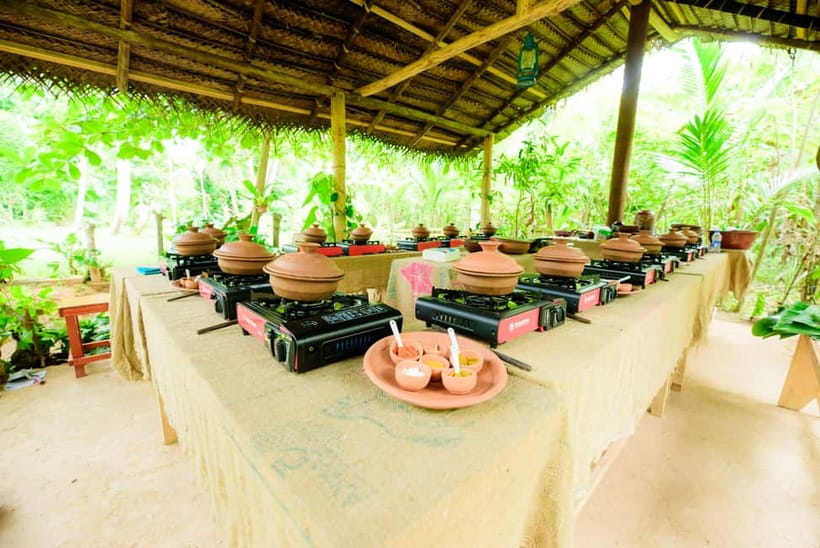
Once the dishes are ready, you sit down to eat the food you helped prepare. The meal is served in the traditional way, on a banana leaf and eaten with your hands.
For many visitors, this is the moment when the class feels complete. You have seen the ingredients, handled the preparation, and now taste the result in the same setting. Eating with your hands is part of the experience, not an optional extra, though utensils can be provided if you request them.
If you have never eaten this way, your host can guide you. You do not need to arrive with perfect technique. The point is to take part comfortably and enjoy the meal. Keep in mind that eating with your hands may not suit everyone, especially if you have mobility concerns or simply prefer cutlery. Ask for utensils when you arrive.
The meal is shared with the host family, and conversation is part of the afternoon. Stories and laughter are specifically built into the experience. This is where the private format matters most. You have time to talk with Malika and Sanuth and to learn about the food in a relaxed setting.
What the three-hour schedule gives you
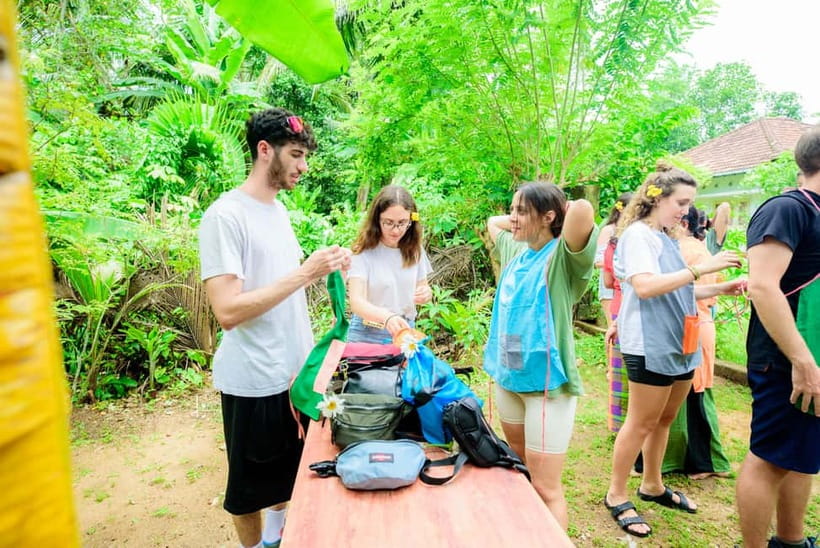
Three hours is a sensible length for this activity. It is long enough to include the welcome ceremony, cooking, questions, and the final meal, while still fitting neatly into a day in the Galle area.
The experience does not provide a detailed minute-by-minute schedule, so the exact pace may depend on the dishes and the group. That flexibility is useful in a home kitchen. You are less likely to feel pushed through each task simply to keep a large class on schedule.
At the same time, do not treat the three hours as a quick stop between unrelated sightseeing plans unless your transport is firmly arranged. You need to reach Galle House, take part in the cooking, and leave enough time afterward to continue your day. Transportation to and from the house is not included.
You must contact the host at least one day before the booked date and confirm the date. This is important. The instructions use the word message, so send a written message rather than assuming your reservation alone covers every detail.
Is $40 per person good value?
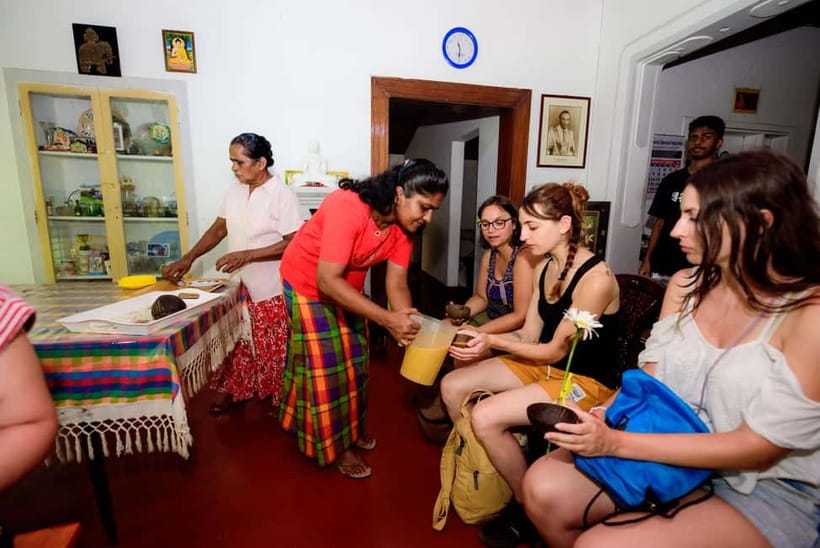
At $40 per person, the price includes the traditional cooking class, ingredients, the welcome ceremony, the flower bouquet, and the meal shared with the family. For a three-hour private activity, that is a fair package, particularly if you value personal contact over a large commercial class.
The strongest part of the value is not the amount of food. It is the access to a family kitchen and the chance to learn through direct participation. You are paying for time with the hosts, hands-on preparation, and a shared meal in a local setting.
There are limits. Transportation is extra, personal expenses are extra, and the exact menu is not listed. If you are comparing this with a cheaper group cooking demonstration, the lower-priced option may suit you if you only want to watch and taste. If you want to cook, ask questions, and spend time with a family, the private format makes the added cost easier to justify.
The activity also offers free cancellation up to 24 hours in advance and a reserve-now, pay-later option. Those terms help if your Sri Lanka plans are still shifting, but you should still confirm the date with the host before the booking day.
Who will enjoy this cooking experience?
I would recommend this class to you if food is one of the main ways you connect with a place. It works especially well for:
- Couples wanting a relaxed, personal activity
- Families looking for a shared experience, including those with older children
- First-time visitors who want an introduction to Sri Lankan home cooking
- Home cooks who enjoy learning techniques by hand
- Anyone who prefers a private group instead of a large class
It is less suitable if you want a fixed menu, a polished restaurant kitchen, or a class focused on advanced culinary technique. The appeal is the family setting, simple traditional tasks, and conversation over the meal.
The experience also suits people who are happy to adapt. You may need to follow the host’s method rather than a formal recipe, and the dishes are not specified in advance. That is part of the home-kitchen character, but it can matter if you have a strict food plan.
Practical advice before you go
First, confirm the location. The experience is described as taking place at Galle House in Kotapola, and transport is not included. Make sure you know how you will get there and back before booking.
Second, message at least one day before the date you selected. Confirm the time, meeting details, and any food concerns. This is especially useful because starting times depend on availability.
Third, dress for the kitchen. You receive an apron, but comfortable clothing is still the right choice. Avoid anything you would worry about around food or cooking equipment.
Fourth, tell the host if you want utensils. Eating with your hands is part of the traditional meal, but cutlery can be provided on request. There is no reason to feel awkward about asking.
Finally, arrive ready to take part. The best moments come from handling the coconut, rolling the roti, and sitting down with the family afterward. If you stand back and wait to be served, you will miss the main point.
Should you book the Galle cooking class?
Book it if you want a small, hands-on food experience with a local family and you like the idea of eating what you helped prepare. The oil-lamp welcome, fresh coconut sambol, handmade roti, and banana-leaf meal give the three hours a clear sense of place.
At $40 per person, the value is strongest for couples, families, and private groups who care about conversation and participation. Confirm the Kotapola location, arrange your own transport, message the host in advance, and check the menu if you have dietary needs.
Skip it if you want a short demonstration, a guaranteed list of dishes, or an activity close to your hotel with transport included. For everyone else, this is a thoughtful way to spend part of a Galle-area day, with food serving as the bridge between you and your hosts.
FAQ
Where does the Sri Lankan cooking experience take place?
The class takes place at Galle House in Kotapola, Sri Lanka, in the Galle area.
How long does the cooking class last?
The experience lasts three hours. Starting times depend on availability.
What is included in the $40 price?
The price includes the Sri Lankan cooking class, hands-on instruction with a local host, all cooking ingredients, the meal shared with the host family, the oil-lamp welcome ceremony, and a flower bouquet.
Is transportation to Galle House included?
No. Transportation to and from Galle House is not included.
Can I use utensils instead of eating with my hands?
Yes. Eating with your hands is part of the experience, but utensils can be provided if you request them.
What language is the class conducted in?
The instructor language is English.
Just added around Sri Lanka
- cooking lesson★ 5.0 · 7 reviews
- Sri Lankan Cookery with Nilu★ 5.0 · 34 reviews
- Sri Lanka: Cooking Class★ 4.4 · 6 reviews
- Private Traditional Sri Lankan Cooking Class in Kandy★ 5.0 · 7 reviews
- Private cooking class – Personalized classic menu★ 5.0 · 5 reviews
- Nilaveli: Sri Lankan Cooking Class with a Local Family★ 5.0 · 16 reviews
- Mirissa: Cooking Class with Beer and Meal★ 3.3 · 4 reviews
- Kandy: Village Cooking Class 12 Dishes with Market Tour★ 5.0 · 6 reviews
Cooking Classes, compared.
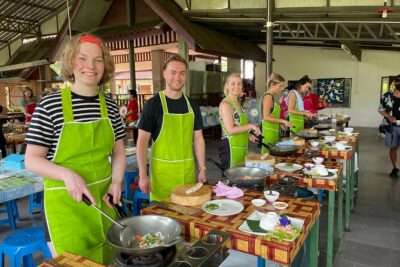
Half-Day Thai Cooking Class at Organic Farm in Chiang Mai
Read our review →
Florence: Pasta Cooking Class with Unlimited Wine
Read our review →
3 in 1 Cooking Class near Navona: Fettuccine, Ravioli & Tiramisu
Read our review →
Hanoi Cooking Class: Culture, Local Market & Meaning CSR Impact
Read our review →
5 Traditional Dishes Hanoi Cooking Class with Market Trip
Read our review →
Cooking Class and Lunch at a Tuscan Farmhouse with Local Market Tour from Florence
Read our review →
Chiang Mai: Cooking Class, Market & Thai Herbs Garden Tour
Read our review →Browse the lists this tour appears in