
Review · ZANZIBAR
Half-Day Kuza Cave Swimming Adventure and Cooking Class
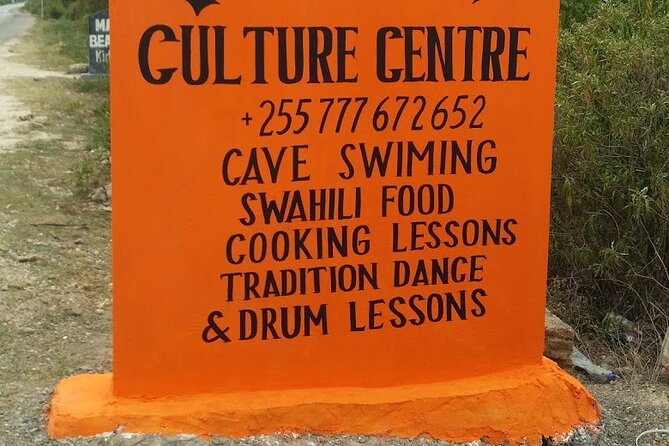
Kuza Cave is more than a swimming hole. This ancient limestone cave near Jambiani pairs a clear, quiet swim with a look at Zanzibar’s past, then moves into a hands-on Swahili cooking class with lunch. It is a good way to trade a few beach hours for something rooted in local life.
I like the community purpose: money from the site supports local education projects, artists, and musicians. I also like the simple, useful cooking lesson, where you blend Zanzibar spices and make fresh coconut milk for rice or mchuzi sauce. The main drawback is transport, which you must arrange yourself, and a group of up to 30 can make the guiding feel stretched.
Key points to know before you go

- Swim in an ancient sacred cave: The clear water is the main attraction, with a peaceful jungle setting around it.
- Cook a Swahili lunch: You help blend spices and prepare coconut milk before sitting down to eat local food.
- See Zanzibar beyond the beach: A cave timeline and archaeological objects connect the site to Swahili culture and early human origins in East Africa.
- Support local education: Kuza Cave Culture Centre operates as a social enterprise, with income helping local schools and community projects.
- Expect music, but not a guaranteed lesson: Local musicians and artists may perform, while drum and dance lessons require a separate booking.
- Bring booking proof: Keep a screenshot or printed confirmation, since the site may not be able to search for your reservation.
Why Kuza Cave adds more than another beach morning
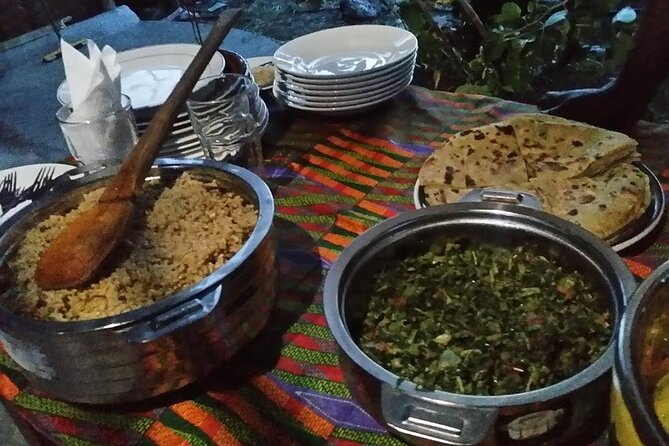
Zanzibar makes it easy to spend every day beside the Indian Ocean. That is precisely why this half-day outing is useful. It gives you a change of scene without taking up a full day, and it combines nature, food, music, and local history in one visit.
The cave is the star. Its water is described as crystal clear, and the setting is peaceful rather than built around a large entertainment program. You swim inside an old sacred cave, then have the chance to slow down and look at archaeological objects and a timeline tracing Swahili history back to the beginnings of human life in East Africa.
That combination gives the swim more meaning. You are not simply stopping at a pretty pool for a quick photograph. The site connects the water, the cave, and the wider story of Zanzibar. You should still set your expectations correctly: this is a community cultural center with a cave, not a polished theme park or a major archaeological museum.
The experience has a strong local purpose, too. Kuza Cave Culture Centre supports education projects, local artists, and musicians. At $13 per person, including lunch, entrance fees, and taxes, the price is unusually low for a four-hour activity. The value is strongest if you care about spending money in a place that supports community work while giving you several different activities in one visit.
More Hands-On Workshops in the world:
- Half-Day Thai Cooking Class at Organic Farm in Chiang Mai
★ 5.0 · 19,087 reviews - Florence: Pasta Cooking Class with Unlimited Wine
★ 4.9 · 10,285 reviews - 3 in 1 Cooking Class near Navona: Fettuccine, Ravioli & Tiramisu
★ 5.0 · 7,376 reviews
Arriving at Kuza Cave at 10:00 am
You make your own way to Kuza Cave in Kibigija, near Jambiani, Tanzania. The meeting point is also the end point, so you do not need to work out a separate return location. Public transportation is available nearby, but private transportation is not included.
That transport detail matters more than it might first appear. If you are staying near Jambiani, planning the meeting point should be straightforward. If you are based elsewhere on Zanzibar, you need to arrange your own ride and allow enough time to arrive by 10:00 am. The tour itself lasts about four hours, but your total outing will be longer once transport is added.
Keep your confirmation ready on your phone, and take a screenshot before leaving. One visitor had paid and received a ticket but still had to show proof because the venue could not find the booking in its system. This is a small precaution, but it can save an awkward start.
The maximum group size is 30 people. That is not a tiny private visit, so the level of personal attention may vary. A past visit with several groups on site found the guide busy with different parties, and some of the extra attractions had to be requested rather than offered automatically. You will get more from the visit if you ask questions and make clear that you want to see the cave displays and hear about the site.
Swimming in the cave’s clear water
The swim is the part most likely to stay with you. The water is clear, and the cave provides a cool, quiet setting away from the open beach. The surrounding jungle adds to the sense that you are somewhere separate from Zanzibar’s usual coastal routine.
The cave is considered sacred, and the water has a reputation for healing qualities. The tour presents this as part of the cultural meaning of the site, not as a medical claim. You can enjoy the calm atmosphere and local beliefs without treating the water as a substitute for medical care.
The cave itself has been widely praised for its beauty, and swimming there is the central reason to choose this activity. If you want a long, active water session, ask about the swimming conditions when you arrive. The information provided confirms that you can swim, but it does not specify the water depth, changing facilities, or how long the swim lasts.
After swimming, allow time for the archaeological displays. The cave includes objects connected with its past and a timeline covering Swahili history and human origins in East Africa. These details help turn a scenic stop into a cultural visit, though the amount of explanation may depend on how busy the guides are.
A tea garden is also associated with the wider site. I would treat it as an extra rather than a reason to book. The cave and the cooking class are the stronger parts of the day, and the tea garden may feel underwhelming if you expect a major attraction.
Making coconut milk and Swahili lunch at 11:30 am
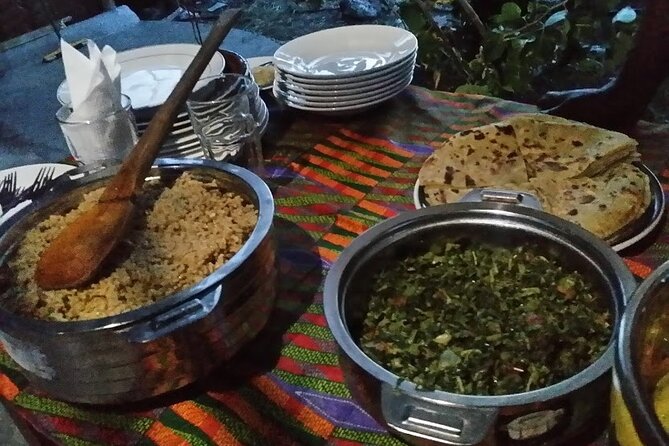
At about 11:30 am, the group moves to the open-plan kitchen. This is not a cooking demonstration where you simply watch someone else work. You join in, learn how to blend Zanzibar spices gently, and make fresh coconut milk.
The coconut milk can be used with rice or in mchuzi, a sauce common in Swahili cooking. That is a useful lesson because it focuses on basic ingredients and methods rather than presenting an elaborate restaurant recipe that is hard to repeat at home. You get a glimpse of how flavor is built in everyday local food.
Lunch is included, and the food is described as local Swahili cooking. The cooking part adds real value to the $13 price because it gives you an activity as well as a meal. It also creates a more natural way to talk with the cook and assistants than a standard sit-down lunch would.
The kitchen session may be especially appealing if you enjoy food as a route into culture. Spices and coconut are not just ingredients here. They reflect Zanzibar’s place in the Indian Ocean world and its long connection with trade, migration, and Swahili cooking traditions. The lesson remains simple, but that simplicity is part of its charm.
You should also note the practical limit. The tour information does not promise a choice of menu or adaptations for dietary needs. If you have an allergy or a strict diet, contact the provider before booking rather than assuming the included lunch can be changed.
One visitor skipped the cooking session because of illness, so the schedule does allow the day to be about more than food. Still, lunch is one of the included elements, and skipping it means losing a sizeable part of the experience.
More Half-Day Experiences in the world:
- Bangkok: Tingly Thai Cooking School Half-Day Cooking Class
★ 4.9 · 1,191 reviews - Half-Day Cooking Class with Local Chef Laila in Marrakech
★ 5.0 · 952 reviews - Naxos: Half-Day Cooking Class at Basiliko Family Tavern
★ 5.0 · 887 reviews - Chiang Mai: HALF-DAY COOKING COURSE at a Thai Cooking Farm
★ 4.9 · 705 reviews
Traditional drumming, dancing, and local artists

Kuza Cave Culture Centre works with local musicians and artists who may stop by for an afternoon of traditional African drumming and dancing. This gives the visit an informal quality. You may hear music as part of the community atmosphere rather than sitting through a fixed stage show.
That distinction matters. The music is an appealing possibility, but the schedule does not guarantee a full performance at a precise time. If musicians are present, you may be invited to listen or join a jam session. The supplied details also note that a drum or dance lesson requires a separate booking, so do not assume the standard admission includes a formal class.
A past visit included drum and dance activities, and another described the music as a particularly strong part of the day. If you want to learn rather than watch, arrange the extra lesson in advance. The regular four-hour program already includes the swim, cultural displays, cooking, and lunch, so a separate lesson may require additional time and payment.
The music also fits the centre’s social purpose. Your money does not only pay for access to a cave. It helps provide a place for local artists and musicians to work, perform, and connect with visitors. That does not guarantee a perfect performance every time, but it gives the cultural program a real connection to the community.
What the $13 price really covers
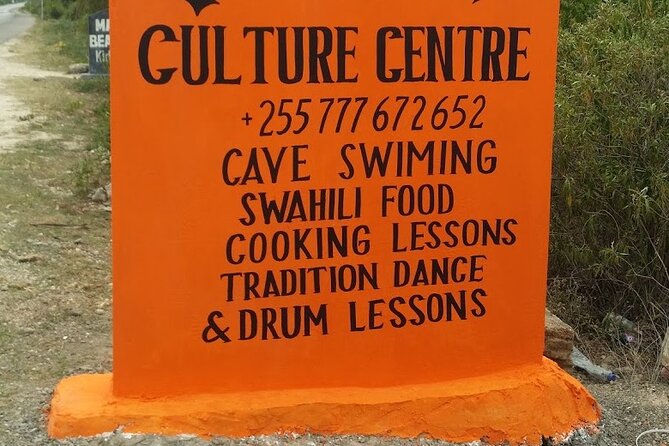
The cost is $13 per person. Entrance fees, taxes, and lunch are included. Private transportation is not.
That is strong value if you are already near Jambiani or can reach Kibigija cheaply. You receive a cave swim, cultural information, a cooking activity, and lunch for less than many single attractions cost. The social enterprise model adds another reason to choose it, especially if supporting local education matters to you.
The value is less straightforward if you must arrange a costly private transfer from another part of Zanzibar. Since transport is excluded, compare the total price of the day rather than looking only at the admission fee. The activity is inexpensive, but getting there may be the larger expense.
The four-hour schedule is another positive. You still have time for the beach, a relaxed lunch elsewhere, or another activity later in the day. The 10:00 am start and 2:00 pm finish make the outing easy to fit around a wider Zanzibar itinerary.
The 91 percent recommendation rate and 4.4 rating from 44 recorded ratings suggest that the experience usually delivers what it promises. The praise centers on the cave, swimming, cooking, music, and community benefit. The main reservations concern busy guiding, the less impressive tea garden, and the need to carry booking proof.
Who will enjoy this half-day outing
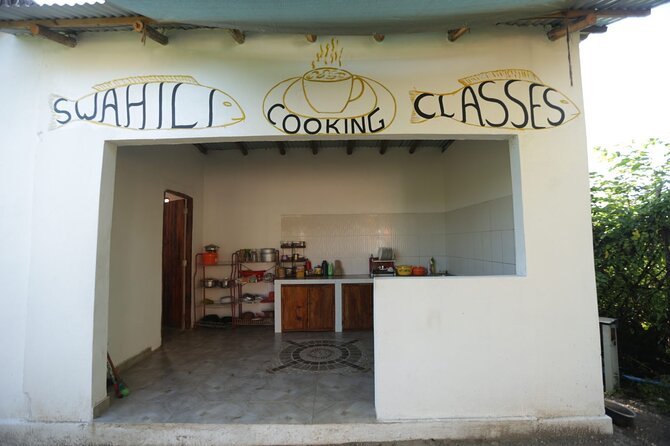
I would choose Kuza Cave for someone who wants more from Zanzibar than a beach view but does not want a long, formal cultural tour. It suits couples, families, and curious solo visitors who enjoy moving between several short activities.
It is also a good match for people who value community-based tourism. The education projects and support for artists give the visit a purpose beyond sightseeing. You can spend a small amount, eat local food, and help keep money connected to the people running the site.
Food lovers should find the cooking class worthwhile, especially if you want to understand how spices and coconut shape Swahili meals. Music fans may enjoy the informal drumming and dancing, though you should book a separate lesson if active instruction is important to you.
I would hesitate if you want a private, tightly managed tour with constant guide attention. A group of up to 30 is possible, and the guide may be handling several groups. I would also hesitate if you want a full-day adventure built around swimming, since the water portion is only one part of a broader cultural visit.
The activity may not suit someone who cannot swim, has limited mobility, or needs detailed facility information, because the supplied details do not explain those points. Ask Kuza Cave Culture Centre directly before booking if they affect your plans.
Booking, timing, and cancellation advice

You receive confirmation at the time of booking, and the activity uses a mobile ticket. Even so, save the ticket as a screenshot or print a copy. The lack of an on-site system for finding one paid booking makes this a sensible precaution.
Free cancellation is available if you cancel at least 24 hours before the local start time. Cancellations made less than 24 hours before the experience are not refunded, and changes inside that period are not accepted.
The activity is booked, on average, 43 days ahead. That does not mean you must reserve that early, but it does suggest that planning ahead is wise during busy periods. If you want a separate drumming or dance lesson, arrange that at the same time rather than expecting to add it on arrival.
Should you book Kuza Cave?
Book it if you want a low-cost half-day with a beautiful cave swim, a practical food lesson, and a clear connection to local community projects. The cave is the strongest draw, while the cooking and music make the visit feel broader than a simple nature stop.
Skip it if you need transport included, dislike group activities, or want a polished, highly structured performance. For most people staying near Jambiani, though, the combination is hard to beat at $13. Bring your booking proof, ask to see the cultural displays, and think of the music and tea garden as possible extras rather than guaranteed highlights.
FAQ
How long does the Kuza Cave experience last?
The activity lasts approximately four hours, from about 10:00 am until 2:00 pm.
Where does the activity start?
It starts at Kuza Cave in Kibigija, Jambiani, Tanzania.
Where does the activity finish?
The activity ends back at the Kuza Cave meeting point.
Is transportation included?
No. Private transportation is not included, though the meeting point is near public transportation.
What is included in the price?
The price includes all fees and taxes, along with lunch.
Can I swim at Kuza Cave?
Yes. The activity includes swimming in the cave’s clear water.
Is the cooking class included?
Yes. You join the open-plan kitchen, learn to blend Zanzibar spices, make fresh coconut milk, and eat local Swahili food.
Are drum and dance lessons included?
No. Local musicians and artists may provide traditional drumming and dancing, but a separate booking is required for a drum or dance lesson.
What is the cancellation policy?
You can receive a full refund if you cancel at least 24 hours before the local start time. Cancellations and changes made within 24 hours are not accepted for a refund.
Just added around the world
- Cooking, Farming and Waterfall In Vietnam Countryside★ 3.0 · 6 reviews
- Busan Tailored Korean cooking class (Vegan OK)with market tour★ 5.0 · 66 reviews
- Korean cooking class in Haeundae, Busan★ 5.0 · 92 reviews
- Private Argentine Cooking Class and Tango Lesson in Buenos Aires★ 5.0 · 37 reviews
- Hungarian Home Cooking Class with Chef Marti★ 5.0 · 30 reviews
- Cooking Class with dinner/lunch in Ulcinj Montenegro★ 5.0 · 8 reviews
- BA: Empanadas and Alfajores Cooking Experience in Palermo★ 5.0 · 112 reviews
- Budapest Market Tour & Home Cooking Class with local Chef & Guide★ 5.0 · 23 reviews
Cooking Classes, compared.
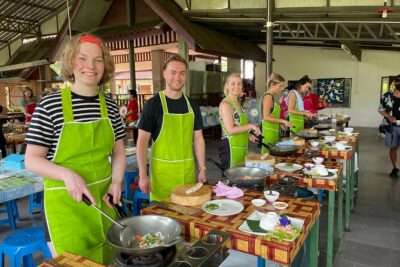
Half-Day Thai Cooking Class at Organic Farm in Chiang Mai
Read our review →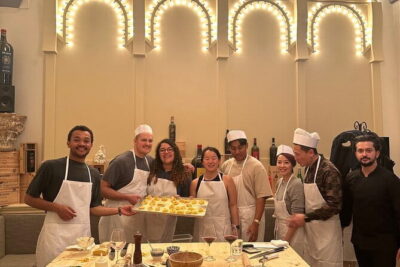
Florence: Pasta Cooking Class with Unlimited Wine
Read our review →
3 in 1 Cooking Class near Navona: Fettuccine, Ravioli & Tiramisu
Read our review →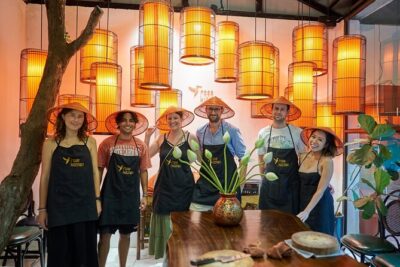
Hanoi Cooking Class: Culture, Local Market & Meaning CSR Impact
Read our review →
5 Traditional Dishes Hanoi Cooking Class with Market Trip
Read our review →
Cooking Class and Lunch at a Tuscan Farmhouse with Local Market Tour from Florence
Read our review →
Chiang Mai: Cooking Class, Market & Thai Herbs Garden Tour
Read our review →Browse the lists this tour appears in