
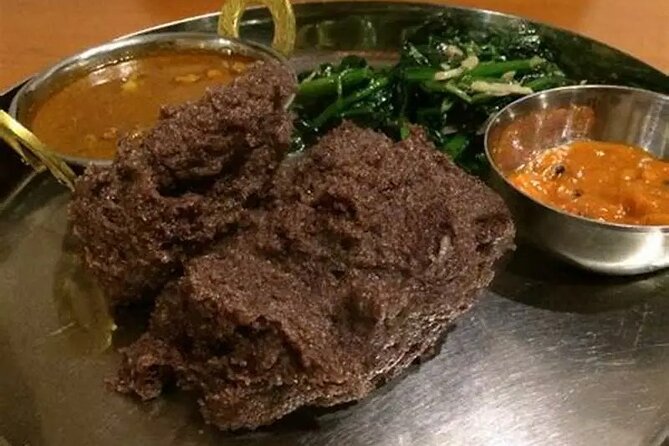
Review · NEPAL
Pokhara: Organic Farm Tour and Cooking Class at Durku
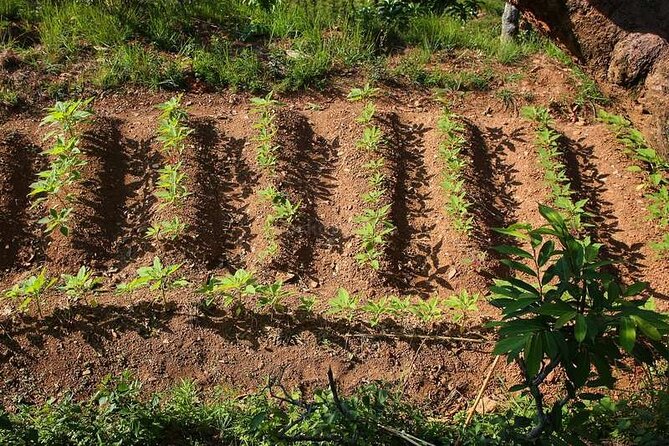
The best part of this Pokhara outing is that your lunch begins in the soil. You visit a working organic farm near Mattikhan, learn how its produce is grown, then use those ingredients in a hands-on Nepali cooking class before sitting down to eat. It is a pleasant change from simply ordering dal bhat at a restaurant.
I like two things here. First, the farm visit gives your meal a clear sense of place, with an expert explaining the fruits and vegetables rather than treating the cooking class as a stand-alone kitchen lesson. Second, the tour is private, so your group can work at its own pace and ask questions without sharing the class with strangers. The main consideration is the $115 per-person price, which is easier to justify for a small group than for one person.
Key points
- Farm-to-table from start to finish: You help gather ingredients, prepare them, and eat the finished meal.
- A short ride from Lakeside: Hotel pickup is followed by a roughly 25 to 30 minute drive, depending on your location.
- Traditional lunch included: The meal features dhido, gundruk, organic vegetables, and salads.
- Cooking instruction lasts about 90 minutes: A local chef teaches recipes and techniques using farm produce.
- Private format: Only your own group participates, making this a good fit for families and friends.
- Small children can join free: Children up to age five do not pay when you bring valid identification.
A farm visit with lunch growing in the garden
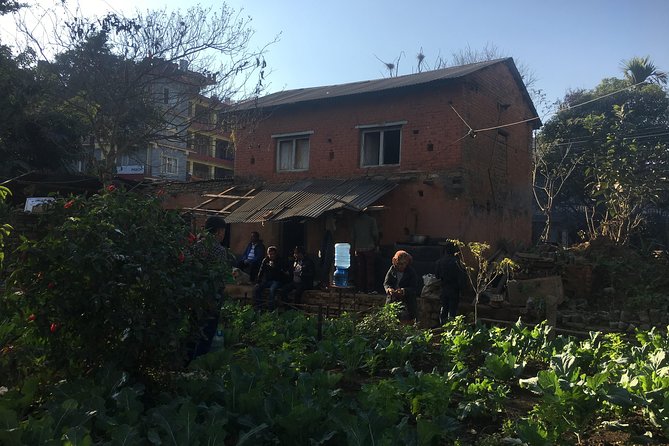
This experience works because it connects three simple parts: farming, cooking, and eating. You do not merely watch a chef prepare Nepali food. You first see where some of the ingredients come from, learn about organic cultivation, and take part in preparing the meal.
That connection matters in Nepal, where local food is closely tied to altitude, weather, farming methods, and household tradition. The farm expert explains the produce and the way it is grown in an environmentally friendly manner. You gain a better sense of what local ingredients means beyond a menu label.
The setting is Mattikhan, reached from the Lakeside area by private vehicle. The ride takes about 25 to 30 minutes, though the exact time depends on where your hotel is located. Pickup begins at 10:00 a.m., giving you a useful half-day plan without taking over your whole day in Pokhara.
On arrival, you are welcomed with organic herbal tea. That first drink sets a relaxed tone, and it gives you a few minutes to settle in before the cooking begins. The farm is also described as a place to enjoy the surrounding farm setting, so this is not only a kitchen class with a brief photo stop outside.
More Farm Cooking Classes in Nepal:
- Half-Day Thai Cooking Class at Organic Farm in Chiang Mai
★ 5.0 · 19,087 reviews - Cooking Class and Lunch at a Tuscan Farmhouse with Local Market Tour from Florence
★ 5.0 · 4,831 reviews - Chiang Mai: Authentic Cooking Class with Market & Farm Visit
★ 4.9 · 4,546 reviews
The 25 to 30 minute ride to Mattikhan
Hotel pickup and drop-off are included, which makes the outing easier to manage than arranging a separate taxi to a rural farm. Your private vehicle takes you from the Lakeside area toward Mattikhan, with the driving time generally around half an hour.
The tour does not list a fixed pickup time for hotels outside the Lakeside area, and the stated drive estimate depends on your location. If you are staying elsewhere in Pokhara, confirm the pickup details when booking.
A private transfer also makes sense for this activity because the farm is part of the experience. You are not trying to find your way through unfamiliar roads after a cooking class, and you can return directly to your hotel when lunch is finished. Bottled water is included as well.
The drive itself is transport rather than a formal sightseeing stop. I would choose this outing for the farm and food, not because the transfer is presented as a scenic tour. That distinction helps set the right expectations.
Tea, produce, and an explanation of organic farming
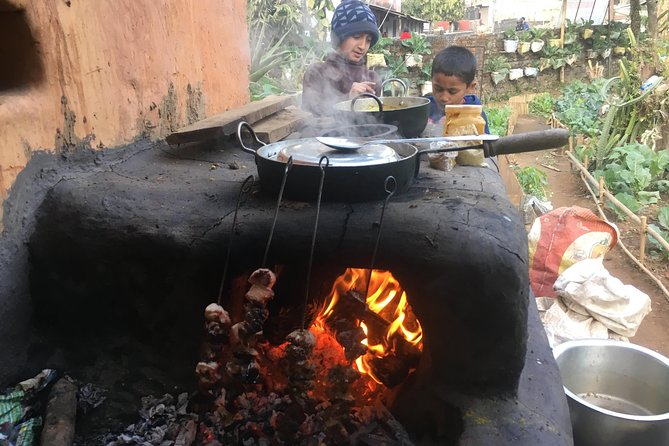
The arrival ritual is straightforward: a welcome from the organic farm expert followed by herbal organic tea. Then you learn about the crops and the farm’s approach to growing food.
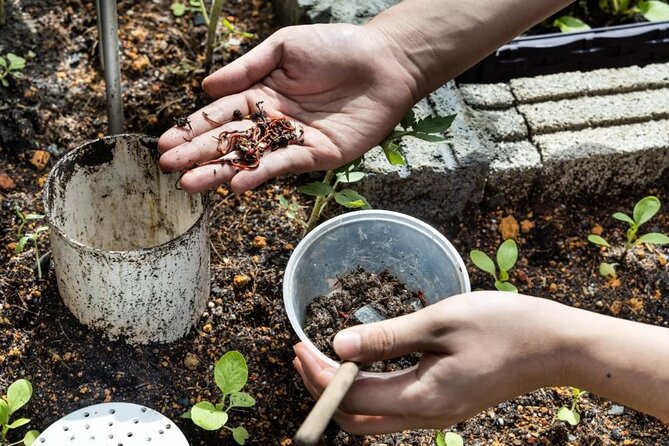
The useful part is the chance to ask about the produce you will later cook. You can see the ingredients in their growing environment, hear how organic cultivation is handled, and connect those explanations with the food served at lunch. The farm visit gives context that a cooking class held only in a city kitchen would miss.
You may also have the chance to harvest fresh ingredients yourself. The farm-to-table part is central to the outing, with participants gathering produce, helping prepare it, and then eating the result. The exact crops available can vary, so you should not expect a fixed list of fruits or vegetables every time.
The experience includes the opportunity to buy organic vegetables, fruits, and natural herbs separately. These purchases are not included in the price, but they give you a way to take a small piece of the farm back to your accommodation, if available on the day.
Ninety minutes of Nepali cooking
The cooking portion lasts about one hour and 30 minutes. A local chef guides you through traditional recipes and cooking methods, using organic ingredients from the farm.
This is meant to be an active class. You take part in the preparation rather than simply watching a demonstration. The format is especially useful if you want to remember how Nepali food is made, since you can follow the sequence of preparing ingredients, combining them, and producing the finished dishes.
The exact recipe list is not fixed in the information provided. What is clear is that the meal centers on typical Nepali food, with the class teaching several local dishes and traditional techniques. You should expect the ingredients and dishes to reflect what is available at the farm and what the local cook prepares that day.
The class has received its strongest praise for both the instruction and the taste of the finished food. That is worth noting because some cooking classes are better at eating than teaching. Here, the appeal is the combination of organized preparation, local recipes, and a meal you have helped make.
If you want to take detailed notes, ask the chef to repeat measurements or steps as you go. The tour information does not promise printed recipes, so you may want to keep notes on your phone or in a small notebook. This is practical advice, not a guaranteed feature of the class.
More Hands-On Workshops in Nepal:
- Half day cooking class in Thamel kathmandu
★ 5.0 · 607 reviews - Kathmandu: Local Women-Led Nepali Cooking & Momo Class
★ 4.9 · 360 reviews - Kathmandu: Local Lead Nepali Cooking & Momo-Making Class
★ 5.0 · 212 reviews - Local Women Lead Nepali Cooking Class
★ 5.0 · 125 reviews
Dhido, gundruk, vegetables, and salad for lunch
After cooking, you sit down to eat the dishes prepared during the session. The included lunch features dhido and gundruk, along with organic vegetables and salads.
Dhido is a traditional Nepali staple made from cooked flour, often eaten by hand with vegetables, pickles, or other accompaniments. Gundruk is fermented leafy green vegetable, a familiar part of Nepali home cooking. If these foods are new to you, this meal provides a direct introduction rather than a watered-down restaurant version.
The lunch is the payoff for the work in the kitchen, but it also gives you a chance to understand how Nepali food is served and enjoyed. The meal is not presented as a luxury spread. Its value is in its local character, fresh ingredients, and the fact that you helped prepare it.
Dietary details are not specified, so you should raise any food restrictions when booking. The included meal is clearly described as a typical Nepali dish with organic vegetables and salad, but the available substitutions are not stated.
Why the private format changes the experience
This is a private tour, meaning only your group participates. That is a useful advantage for a cooking class, where the pace can feel cramped if too many people share a work area.
With your own group, you can ask the farm expert about particular crops, spend more time on a cooking step, or move along when you are ready. Families may appreciate not having to match the schedule of strangers, and friends can treat the outing as a shared activity rather than a formal demonstration.
The private format also helps explain the price. At $115 per person, this is not the cheapest way to eat lunch in Pokhara. You are paying for the farm visit, expert explanation, local chef, private vehicle, hotel transfers, cooking instruction, bottled water, and a prepared meal.
For a couple or a small group, that package can make reasonable sense, especially if you value a private outing and do not want to arrange transport. For a solo participant, the cost deserves a closer look. The price is still the same kind of full-service experience, but you have fewer people with whom to share the private transfer and guide time.
Group discounts are available, though the amount is not specified. Ask about the discount before booking if you are traveling with several people. That could make the private format better value.
Who will get the most from this outing
I would choose this experience if you want more than a standard Pokhara meal and prefer activities that connect food with local life. It suits people who enjoy cooking, families with older children, and small groups looking for a relaxed half-day outside the usual sightseeing route.
It is also a good match if you are curious about organic farming. The farm expert’s explanation adds substance to the visit, while harvesting and cooking keep the activity practical rather than purely observational.
Children can participate when accompanied by an adult. Those up to age five are free with valid identification. The information says most people can take part, but it does not give details about the physical demands of the farm or kitchen. If someone in your group has mobility concerns, ask the operator for current access details before reserving.
You may want a different activity if you are looking for a long cooking course, a large selection of recipes, or a full-day farm visit. This is a compact 4 to 5 hour outing, and the cooking session itself is about 90 minutes.
What the available feedback tells me
The strongest pattern in the available feedback is consistent praise for three things: learning about the crops, preparing local dishes, and enjoying the final taste.
One account highlights the chance to identify the fruits and vegetables grown on the farm. That is an important detail because it suggests the farm visit is not just scenery before lunch. You should expect an educational explanation of what is being cultivated and how organic food production works.
Another emphasizes learning several dishes connected with Nepali culture and traditional food. That points to a class with cultural value, not just a generic lesson in South Asian cooking.
The final account praises the organized cooking process and the quality of the food. I would take that as a sign that the class is structured enough to follow, even if you are not an experienced cook. The information does not name the chef or farm expert, so you should not expect a celebrity instructor or a guide with a published profile. The teaching comes from local staff connected with the farm and tour.
The overall rating is five out of five from three submitted ratings. That is encouraging, but the sample is small. I would treat it as a positive signal rather than proof that every group will have the same experience.
Practical details before you reserve
The tour starts at 10:00 a.m. and lasts roughly four to five hours. Hotel pickup and return are included, along with a private vehicle and bottled water.
Confirmation is provided at booking. Children must be accompanied by an adult, and children up to age five can join without charge when you provide valid identification.
You can cancel for a full refund if you do so at least 24 hours before the local start time. Cancellations made less than 24 hours in advance are not refunded, and late changes are not accepted.
Wear clothing that is comfortable for cooking and a farm visit. The tour does not list a required dress code, special equipment, or a fixed set of crops, so keep your clothing practical and avoid bringing anything you would not want exposed to food preparation or outdoor work.
Should you book the Durku farm and cooking class?
Book it if you want a private, food-focused half-day that shows you where ingredients come from before teaching you how to use them. The strongest reasons are the farm explanation, the chance to harvest produce, the traditional cooking lesson, and the included meal of dhido, gundruk, organic vegetables, and salad.
Think twice if your main goal is the lowest-cost meal or a long, advanced cooking course. At $115 per person, the outing earns its price through private transport, a local guide, farm access, instruction, and lunch. It is most attractive for couples, families, and small groups that value convenience and a personal setting.
For the right group, this is a thoughtful way to spend a morning in Pokhara. You leave with a better sense of Nepali ingredients, a meal you helped prepare, and perhaps a bag of organic produce or herbs if you choose to buy them.
FAQ
Where does the organic farm tour take place?
The farm visit takes place in Mattikhan, near Pokhara.
What time does the tour begin?
The tour starts at 10:00 a.m.
How long does the experience last?
The full experience lasts approximately four to five hours.
Is hotel pickup included?
Yes. Hotel pickup and drop-off are included, with pickup available from hotels in the Lakeside area of Pokhara.
How long is the drive to the farm?
The drive from the Lakeside area takes about 25 to 30 minutes, depending on your hotel location.
Is this a private tour?
Yes. Only your own group participates in the activity.
What food is included for lunch?
Lunch includes typical Nepali food, including dhido and gundruk, along with organic vegetables and salads.
Can children join the experience?
Yes. Children must be accompanied by an adult. Children up to five years old can join free of charge when you provide valid identification.
Can I cancel for a full refund?
Yes. You can receive a full refund if you cancel at least 24 hours before the local start time. Cancellations or changes made less than 24 hours in advance are not accepted for a refund.
Just added around Nepal
- Nepalese Momos or Dal Bhat Cooking Class (Cook with Delight)★ 5.0 · 99 reviews
- Women Empowerment Project(Nepali cooking class & jewelry workshop★ 5.0 · 15 reviews
- Best Nepali Cooking Class in Thamel with Local Market Trip★ 5.0 · 26 reviews
- Nepali Cooking training & Cultural Homestay Experience★ 5.0 · 3 reviews
- Momo, Dhalbhat & Thukpa Cooking Class, Nepal★ 5.0 · 12 reviews
- Kathmandu: Local Women Lead Nepali Cooking & Momo-Making Class★ 5.0 · 17 reviews
- The best Private Nepali Cooking Class in Kathmandu★ 5.0 · 83 reviews
- Cook and Eat: Cooking Class in Kathmandu near Thamel★ 5.0 · 3 reviews
Farm & Countryside Cooking Classes, compared.
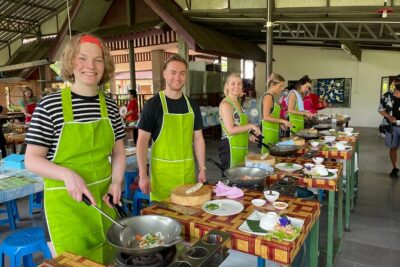
Half-Day Thai Cooking Class at Organic Farm in Chiang Mai
Read our review →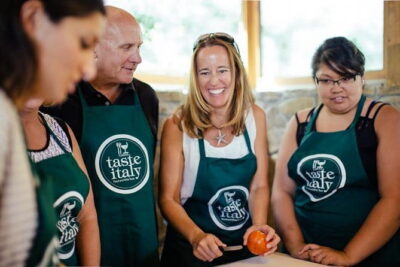
Cooking Class and Lunch at a Tuscan Farmhouse with Local Market Tour from Florence
Read our review →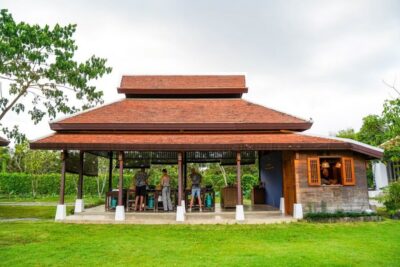
Chiang Mai: Authentic Cooking Class with Market & Farm Visit
Read our review →
Ubud: Balinese Cooking Class at an Organic Farm
Read our review →
Ubud: Authentic Cooking Class in a Local Village
Read our review →
Chiang Mai: Cooking Class with Organic Farm at Mama Noi
Read our review →

Hands-On Cooking Class & Farmhouse Tour on the Amalfi Coast
Read our review →Browse the lists this tour appears in