Review · COOKING CLASSES
Private Filipino cooking class in a local Manila Home
The best part of this private Manila cooking class begins before you touch a knife. Isi takes you into her small garden to pick calamansi and lemongrass, then brings those fresh ingredients into her kitchen for a meal built around Filipino family recipes. You get food, conversation, and a look at daily cooking in a local home.
I like the one-on-one format and the choice between hands-on cooking and watching a demonstration. I also like the personal story behind the food: Isi learned from her grandmother, has worked with restaurants and food companies, and runs Chili Asylum, a business built around Filipino chilies.
The main consideration is simple: this is not a formal culinary school. If you want professional equipment, a printed lesson plan, or restaurant-style technique drills, this may feel informal. If you want a private cultural visit with a very good meal, the relaxed setting is the point.
Key points to know
- Garden-to-table start: Pick calamansi and lemongrass before cooking in Isi’s Manila home.
- Private attention: Only your group takes part, with no larger class competing for the host’s time.
- Flexible participation: Choose a hands-on lesson or watch Isi prepare the dishes.
- Filipino flavors: Expect garlic, coconut milk, chilies, fish sauce, and the sharp citrus note of calamansi.
- A full meal is included: Sit down afterward for lunch or dinner, with beer and dessert.
- Plan ahead: The experience is often reserved about 41 days in advance, and it begins at 10:00 a.m. in Taguig.
A Manila cooking class that starts in the garden
This experience gives you more than a recipe lesson. It brings you into the food world of Isi, a home cook and food professional who has spent more than a decade creating recipes, styling food, photographing dishes, and selling spices online.
Her small vegetable garden sets the tone. You may pick lemongrass and calamansi, a distinctive Filipino citrus fruit used to sharpen sauces, marinades, and desserts. That short garden visit matters because it connects the cooking to ingredients you can see and handle, rather than presenting Filipino food as a list of unfamiliar names.
I like this kind of beginning because it gives you a useful frame for the meal. Calamansi is not simply a garnish, and lemongrass is not just a decorative herb. You see how local ingredients move from garden to kitchen, then taste what they do in the finished dishes.
The setting is in Taguig, Metro Manila. You meet at the host’s home at 10:00 a.m., and the activity lasts about three hours. Hotel pickup and drop-off are not included, so you need to arrange your own way to the meeting point.
More Hands-On Workshops in the world:
- Half-Day Thai Cooking Class at Organic Farm in Chiang Mai
★ 5.0 · 19,087 reviews - Florence: Pasta Cooking Class with Unlimited Wine
★ 4.9 · 10,285 reviews - 3 in 1 Cooking Class near Navona: Fettuccine, Ravioli & Tiramisu
★ 5.0 · 7,376 reviews
Meeting Isi and learning Filipino food through family recipes
Isi says her cooking began with her grandmother, or Nanay, whom she watched prepare fresh lunches and dinners while growing up. That family connection gives the class a personal center. You are not just following a commercial recipe. You are hearing how a Filipino cook learned to make the food she serves today.
Her cooking draws on flavors that define many Filipino dishes: calamansi, garlic, chilies, coconut milk, and fish sauce. The balance can move from bright and sour to savory, spicy, creamy, and sweet. If Filipino food is new to you, Isi’s commentary should help explain why those ingredients are used and how they work together.
Her work with Chili Asylum adds another useful layer. Isi markets fresh chilies and chili products sourced from Filipino farmers, and her interest in peppers is part of her wider food work. You may also find chili sauces available to buy locally, which gives you a practical souvenir instead of another generic Manila trinket.
The class is private, so your group receives her undivided attention. That matters if you want to ask questions about regional cooking styles, Filipino food traditions, or substitutions. It also lets you set the pace. You can take an active role in the preparation or focus on watching and listening.
Two ways to take part in the three-hour session
You can choose a hands-on lesson or a cooking demonstration. Tell Isi your preference when booking, especially if you already know that you want to prepare the dishes yourself.
The hands-on option suits you if you enjoy chopping, mixing, seasoning, and working through each step. It gives you a better chance to remember how the recipes come together at home. One particularly positive account of the class describes preparing three different dishes with real hands-on practice.
The demonstration option works better if you want the cultural conversation to take center stage, or if you would rather watch an experienced cook manage the meal. You still learn about the ingredients and recipes, but without the pressure of keeping up at the counter.
Neither choice makes this a professional chef-training session. The experience is clearly designed as a visit into a local home, not a technical course. You should expect a warm, personal lesson rather than formal instruction on knife skills, food safety, or restaurant production.
That distinction is important when judging the $90 price. You are paying for a private host, a home meal, the ingredients, drinks, taxes, gratuities, and three hours of personal contact. The value is strongest if you care about conversation, Filipino food culture, and a meal made for your own small group.
What you might cook in Isi’s kitchen
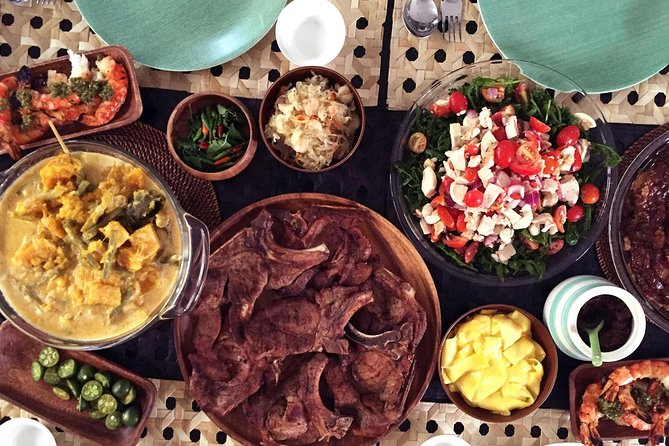
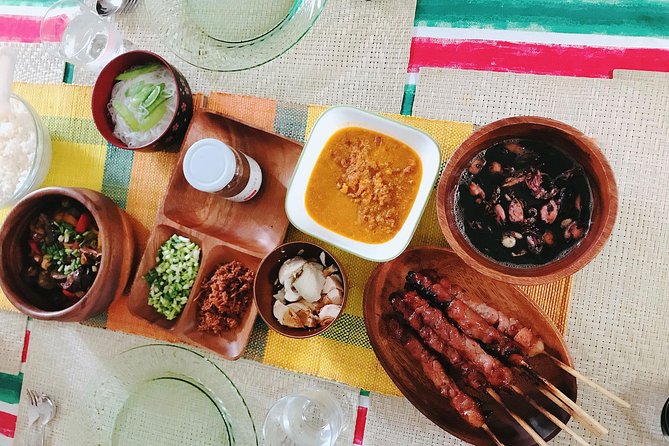
The exact menu can vary, but the possible dishes show the range of the food. You might begin with ensaladang pako, a local fern salad dressed with calamansi and raw honey. It is a good example of how Filipino cooking can use a fresh, slightly sour dressing to make a simple vegetable dish lively.
Grilled shrimp with cilantro chimichurri is one of Isi’s own creations. This dish reflects her interest in combining Filipino ingredients with ideas from elsewhere, rather than treating tradition as fixed or narrow.
Ginataang kalabasa at sitaw brings squash and green beans together in a coconut milk stew. This is the sort of dish that shows the softer, creamy side of Filipino cooking, with coconut milk carrying the vegetables and seasoning.
For a meat course, the menu might include mechado, beef marinated in soy and cooked in an onion and tomato sauce. You could also prepare inihaw na baboy, grilled pork chops. These dishes offer a useful contrast between a saucy braise and smoky grilled meat.
Dessert may be homemade calamansi pie, prepared by Isi’s friend Earnest. The citrus gives the meal a sharp finish after the savory dishes and highlights calamansi in a completely different way from the salad or marinade.
Because this is a home cooking experience, you should not assume that every dish will appear on every date. The menu is presented as a sample, not a fixed restaurant order. That flexibility is part of the home setting, but it also means you should ask about the planned dishes if a particular recipe matters to you.
A few more cooking classes around the world worth a look
- PRIVATE Authentic Balinese Cooking Class in Ubud at Putu’s Home
★ 5.0 · 644 reviews - Private Market Tour & Cooking Class in Puerto Vallarta with Manu
★ 5.0 · 241 reviews - Private Cooking Class with 5 dishes of your choice
★ 5.0 · 227 reviews - Veg and Non veg : Private Cooking Class in Delhi home (7 meal)
★ 5.0 · 226 reviews
Why the private setting is worth considering
A private home changes the pace of a food experience. You are not moving through a crowded market stall or sitting at a table with a large group. You can ask questions as they come up, stop to look closely at an ingredient, or spend more time talking about a technique.
I like the chance to hear about Filipino cooking from someone whose background crosses home cooking, restaurants, food styling, recipe development, and spices. That mix should give you more than a basic list of ingredients. You can ask about the difference between a family recipe and a dish created for a restaurant, or about the role of chilies in Filipino food.
The home also makes the meal feel personal. After the cooking, you sit down and eat the recipes you helped prepare. Beer is included, and the meal can be lunch or dinner, depending on the arrangement. Gratuities and handling charges are included as well, so the $90 price covers more than the lesson alone.
Still, the private format is not ideal for everyone. If you prefer a polished cooking studio with several workstations, printed recipes, and a clearly timed series of exercises, you may find the home kitchen less structured. The description makes that limitation clear, and it is best to book for the atmosphere rather than for professional training.
Who will get the most from this experience
This class fits couples, families, and small groups who want to spend part of a Manila day doing something social and food-focused. It is also a good match if you have already seen the major sights and want a quieter way to connect with local culture.
Food lovers will get the most from it, especially if you enjoy learning why a dish tastes the way it does. The menu includes vegetables, seafood, beef, pork, coconut milk, chilies, and citrus, so you get a broad sample of Filipino flavors in one sitting.
It also suits you if you are unsure about joining a group lesson. Only your group participates, which means the conversation can stay focused on your interests. A private arrangement is especially useful for asking about vegetarian dishes or dietary needs.
Vegetarian food is available, but you need to request it at booking. You should also advise Isi of any specific dietary requirements in advance. The experience allows service animals, and the suggested dress code is smart casual.
The value of $90 per person in Manila
At $90 per person, this is not a budget meal. The price makes more sense when you count the full package: a private three-hour visit, a cooking lesson or demonstration, ingredients, lunch or dinner, beer, taxes, fees, and gratuities.
You are also paying for access to a local expert cook in her own home. That is different from paying for a standard restaurant meal, where the kitchen remains out of sight and the staff has limited time to talk. Here, the food and the conversation are the main event.
The price is easiest to justify for a private group that values personal attention. A group discount is available, which can improve the cost for more than one person. If you are booking alone, compare the price with other food activities in Manila and ask yourself how much you value privacy and direct instruction.
The high satisfaction level attached to this experience points to its strongest qualities: Isi’s hospitality, her willingness to let you do as much preparation as you want, and her ability to explain Filipino history and cuisine while cooking. One particularly strong impression is that you could listen to her discuss Filipino and regional cooking for much longer than the scheduled session.
That is useful information for setting expectations. The class works because Isi is both a host and a food professional. If you want a silent, step-by-step workshop, this may not be the best fit. If you want a generous host who talks, teaches, cooks, and shares a meal, the price is more defensible.
Timing, booking, and practical details
The activity starts at 10:00 a.m. and ends back at the meeting point after roughly three hours. Since you arrange your own transport, allow enough time to reach Taguig without rushing. Hotel pickup and drop-off are not included.
It is commonly booked about 41 days ahead, so I would not leave it until the last day of a short Manila stay. Confirmation arrives within 48 hours of booking, subject to availability. A private activity can be harder to fit in at the last minute because the host needs to be available for your group.
Free cancellation is available if you cancel at least 24 hours before the local start time. Cancellations or changes made less than 24 hours before the start are not refunded or accepted.
The class is mobile-ticket friendly. Bring your appetite, wear smart casual clothes, and tell the host about vegetarian needs or other dietary requirements before the date.
Should you book Isi’s Manila home cooking class?
I would book this if you want Filipino food explained by a local cook in a personal setting, and if you like the idea of picking ingredients in a garden before preparing a shared meal. The private format, flexible participation, and menu of family-style dishes make it more personal than a standard food tour.
I would skip it if you want a formal culinary qualification, advanced restaurant technique, or guaranteed control over every dish on the menu. This is a cultural visit with cooking at its heart, not a professional kitchen course.
For most food-focused visitors with three hours to spare in Manila, the strongest reason to book is the combination of Isi’s family cooking story and direct personal attention. You leave with recipes, a fuller sense of Filipino flavors, and the chance to take home a new appreciation for calamansi, coconut milk, garlic, fish sauce, and chilies.
FAQ
Where does the cooking class take place?
The experience takes place in Isi’s home in Taguig, Metro Manila, Philippines.
What time does the activity start?
The class starts at 10:00 a.m. and lasts approximately three hours.
Is hotel pickup included?
No. Hotel pickup and drop-off are not included. The activity begins and ends at the meeting point in Taguig.
Can I choose between cooking and watching?
Yes. You can choose a hands-on lesson or a cooking demonstration. You should tell Isi your preference.
Is a vegetarian option available?
Yes. A vegetarian option is available, but you need to advise the host when booking. You should also provide details about any other dietary requirements.
What does the $90 price include?
The price includes the private cooking experience with Isi, beer, lunch or dinner, all taxes, fees and handling charges, and gratuities.
Just added around the world
- Private Cooking Demonstration of Indian Fusion Cuisine in San Diego★ 5.0 · 3 reviews
- Private Samarkand Cooking Class with Market Tour & Transfers★ 5.0 · 14 reviews
- Plov Cooking Class at Local Uzbek House★ 5.0 · 5 reviews
- Cooking class in Samarkand with local life experience★ 5.0 · 19 reviews
- Sound of Music Tour with Edelweiss Cooking Class in Salzburg★ 5.0 · 15 reviews
- Cooking Class in the Village with Local Family in Samarkand★ 5.0 · 11 reviews
- Apple Strudel & Prezel Cooking Class incl. Dinner & Music★ 5.0 · 113 reviews
- Dinner Cooking Class – Prezels, Dumplings, Apple Strudel & Music★ 5.0 · 99 reviews
Cooking Classes, compared.
Half-Day Thai Cooking Class at Organic Farm in Chiang Mai
Read our review →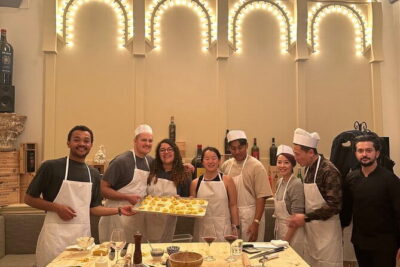
Florence: Pasta Cooking Class with Unlimited Wine
Read our review →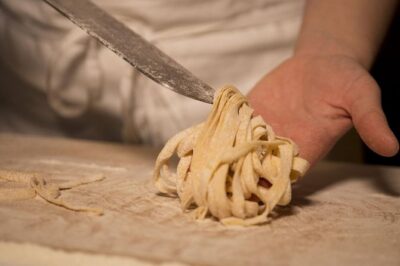
3 in 1 Cooking Class near Navona: Fettuccine, Ravioli & Tiramisu
Read our review →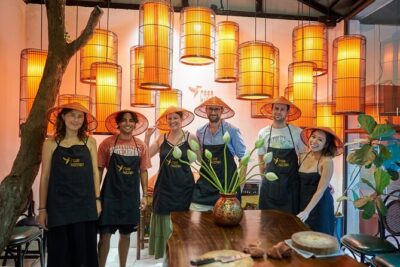
Hanoi Cooking Class: Culture, Local Market & Meaning CSR Impact
Read our review →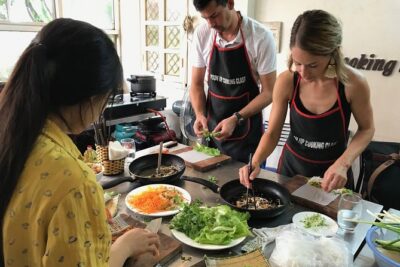
5 Traditional Dishes Hanoi Cooking Class with Market Trip
Read our review →
Cooking Class and Lunch at a Tuscan Farmhouse with Local Market Tour from Florence
Read our review →