Review · COOKING CLASSES
Private Market Tour and Filipino Cooking Class in Manila with Isi
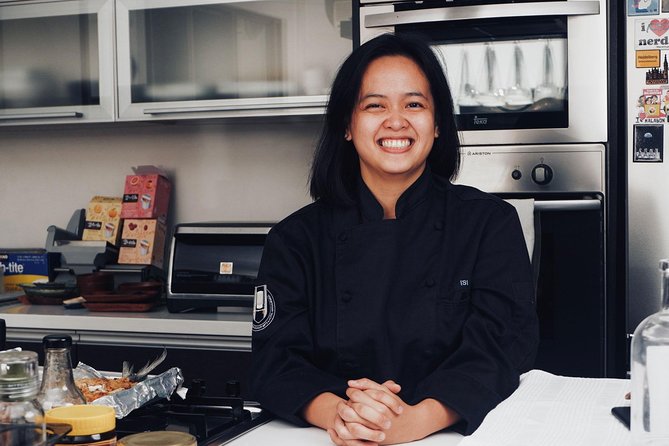
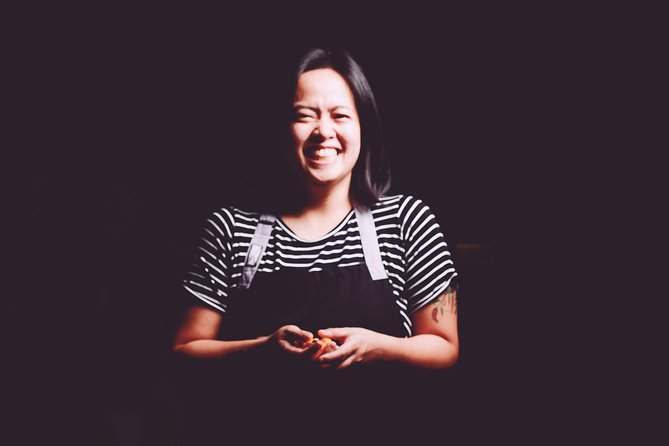
Manila’s best food lessons often begin before the stove is lit. With Isi, you visit a local market in Taguig, learn how Filipino cooks use garlic, chilies, coconut milk, fish sauce, and calamansi, then ride to her home to prepare family recipes. I like the private format and the small vegetable garden, where lemongrass and calamansi give the meal a personal touch. I also like that you can cook or simply watch. The main drawback is the price: $120 per person is a serious splurge for four and a half hours, especially since hotel transport is not included.
The meal is the reward: homemade Filipino dishes, drinks including beer, and a dessert such as calamansi pie. I would book this for anyone who wants food tied to family life and local habits, not just a polished restaurant meal. You should also remember that this is a home-based cultural experience, not a formal cooking school with professional equipment or a fixed classroom setup.
Key points to know before booking
- Isi’s home kitchen is the heart of the experience: You cook or watch her prepare recipes passed through her family.
- The market visit comes first: You see the produce and core ingredients before learning how they are used.
- Calamansi adds a local flavor lesson: Isi grows this Filipino citrus in her garden and uses it in cooking and dessert.
- You choose your level of participation: Ask for a hands-on lesson or a cooking demonstration.
- The meal is private and social: Your group eats together at Isi’s dining table with drinks, including beer.
- Dietary needs must be reported in advance: Vegetarian and gluten-free options are available on request.
Why the market visit matters in Taguig
The experience begins at 9:30 a.m. in Taguig, Metro Manila. That start gives you a useful first lesson: Filipino cooking is built around ingredients you see and smell before they reach the pan.
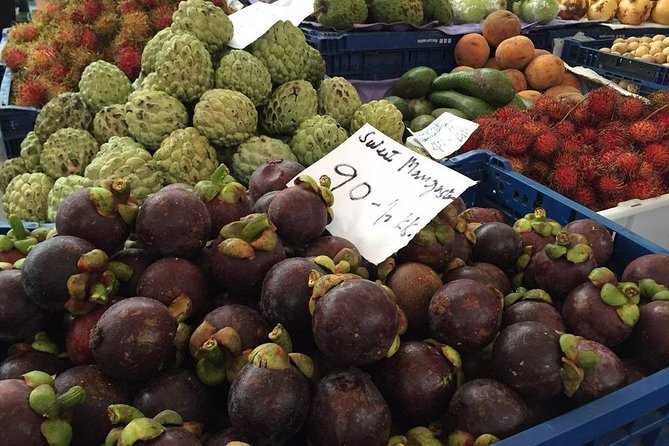
Isi leads you through a local market and points out seasonal produce and the basic building blocks of Filipino food. The value here is not simply seeing stalls. You begin to understand how a dish takes shape from sour calamansi, fragrant lemongrass, sharp garlic, chilies, coconut milk, and fish sauce.
I like this order. If you started in the kitchen, some ingredients might seem like a list to memorize. At the market, they have context. You can connect the food on your plate with the produce used in daily cooking.
The market also gives you a better sense of Filipino taste. Sour, salty, spicy, rich, and aromatic flavors often work together rather than appearing one at a time. Calamansi brings a distinctive citrus note, while fish sauce adds salt and depth. Coconut milk softens and rounds out a dish, and garlic gives many recipes their familiar base.
The market stop is not presented as a grand sightseeing attraction. It is a working food stop, and its appeal comes from the chance to shop with a local cook. If you prefer museums, monuments, or a tour with many landmarks, this activity will feel focused. If food is your way into a culture, it gets to the point quickly.
More Market Tour Cooking Classes in the world:
- Hanoi Cooking Class: Culture, Local Market & Meaning CSR Impact
★ 5.0 · 5,147 reviews - 5 Traditional Dishes Hanoi Cooking Class with Market Trip
★ 5.0 · 4,890 reviews - Cooking Class and Lunch at a Tuscan Farmhouse with Local Market Tour from Florence
★ 5.0 · 4,831 reviews
Riding with Isi to her home kitchen
After the market, you ride in Isi’s car to her home. Hotel pickup and drop-off are not included, so you need to reach the Taguig meeting point on your own and return there when the activity ends.
That transport detail matters in Manila. You are not being moved between a series of tourist venues. The car ride connects the market to the place where the food has real meaning: Isi’s home. It also keeps the group private, with only your party taking part.
At home, Isi first shows you her small vegetable garden. She grows lemongrass and calamansi there, two ingredients that help explain the character of the meal before you enter the kitchen.
I find this home garden especially appealing because it gives the class a direct link between growing and cooking. You are not just told that calamansi matters. You see the fruit growing near the kitchen, then encounter its flavor in the food.
The garden is small, so you should not expect a full farm visit or a gardening workshop. Its importance is personal rather than scenic. It shows how a host keeps a few useful ingredients close at hand and brings them into family cooking.
Learning Filipino family recipes with Isi
In the kitchen, Isi teaches recipes passed down through generations. The experience is designed as an insider look at Filipino food and culture, not as a professional cooking class.
You can choose between two formats. In a hands-on lesson, you take part in preparing the dishes. In a demonstration, you watch Isi cook and explain the process. Tell her your preference, particularly if you want to spend more time asking questions or would rather get your hands busy.
The hands-on choice suits curious cooks who want practical ideas to take home. You can pay attention to how ingredients are combined, how strong flavors are balanced, and which parts of the process matter most. The demonstration option may be better if you want a relaxed morning or do not enjoy cooking while on holiday.
The food centers on flavors such as calamansi, garlic, chilies, coconut milk, and fish sauce. These ingredients offer useful lessons beyond the specific recipes. You learn how sourness can brighten a rich sauce, how garlic builds a savory base, and how coconut milk can change the texture and weight of a dish.
I would not expect a precise restaurant-style lesson with measured techniques for every step. The appeal is Isi’s family cooking and her way of explaining it. You gain tips and ideas that can help you recreate the dishes at home, but the class is also about seeing how a local cook thinks about food.
That distinction helps set expectations. If you want a certificate, formal knife training, or a commercial kitchen, choose a dedicated cooking school. If you want to sit at a local person’s table and learn how family recipes are prepared, this format makes more sense.
The meal at Isi’s dining table
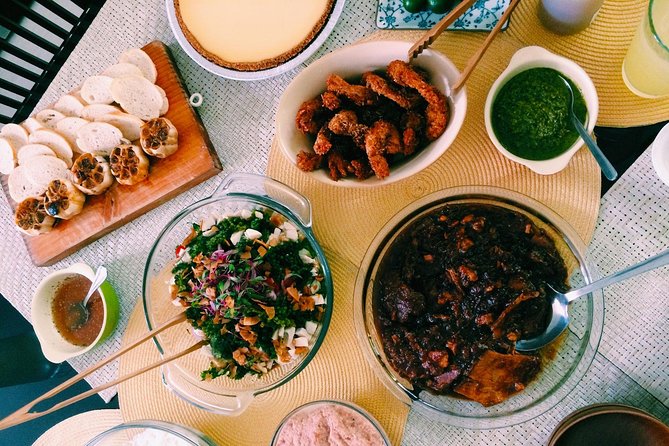
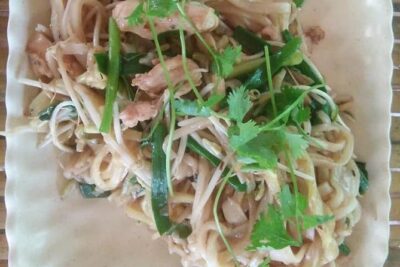
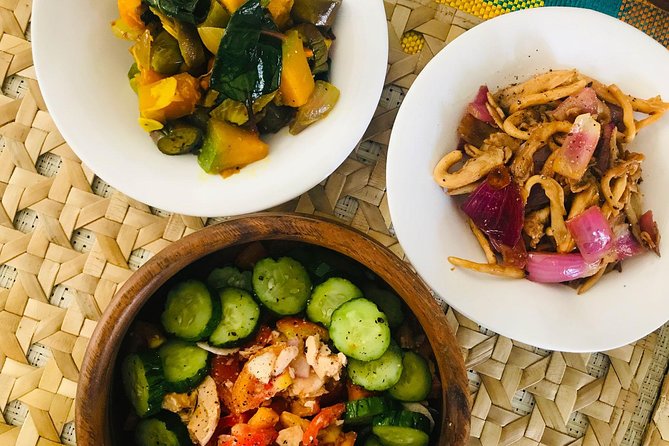
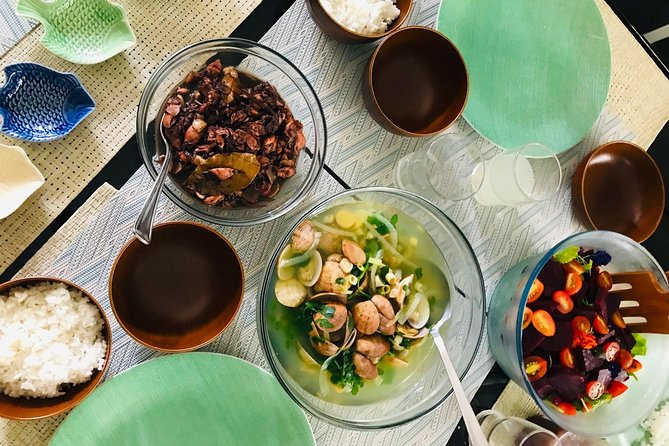
After the cooking, you eat the food you helped prepare at Isi’s dining table. The menu includes a selection of homemade Filipino dishes and ends with a dessert such as calamansi pie.
This shared meal is the strongest part of the experience. The market gives you ingredients, the garden gives them a personal connection, and the kitchen gives you a process. The table brings those parts together.
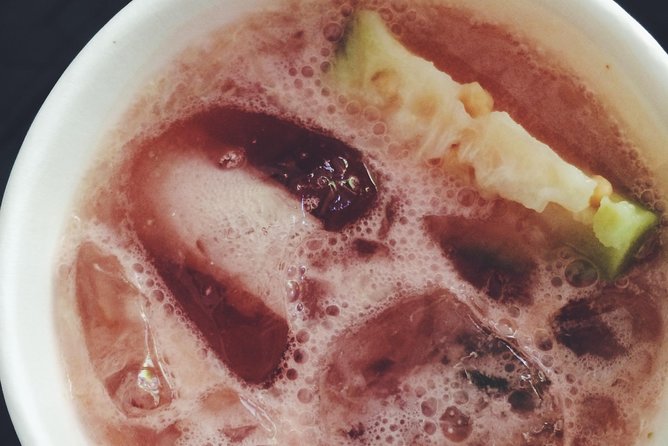
Beer is included, along with alcoholic beverages. One particularly useful detail for planning is that Isi can accommodate a request for wine during cooking and eating. If you prefer wine to beer, ask in advance rather than assuming it will be available.
The meal is also where a private booking earns its keep. You can focus on conversation, ask about the recipes, and set the pace for your own group. A larger class would likely be cheaper, but it would not offer the same access to a host’s home and dining table.
Calamansi pie makes a fitting finish. It shows another use for the fruit you saw in the garden and adds a sweet, citrusy close to a meal built around strong savory flavors. Since the exact menu can vary, do not book this expecting one rigid list of dishes. The experience is shaped around the host’s cooking and the available ingredients.
More Shopping Trips in the world:
- Chiang Mai: Cooking Class, Market & Thai Herbs Garden Tour
★ 4.9 · 4,824 reviews - Chiang Mai: Authentic Cooking Class with Market & Farm Visit
★ 4.9 · 4,546 reviews - Barcelona: Paella Cooking Experience & Boqueria Market Tour
★ 4.8 · 3,661 reviews - Cooking Class Hoi An:Local Market, Basket Boat, Fishing & Cooking
★ 5.0 · 3,660 reviews
What $120 per person really buys you
At $120 per person, this is not a budget meal or a quick market walk. The price covers about four and a half hours, a private market tour, transport from the market to Isi’s home, the cooking session, the meal, beer, and fees and taxes.
The value depends on what you want from Manila. If you only want to taste Filipino food, you can spend less at a restaurant. If you want a short market tour, you can also find less expensive options. Here, you are paying for time with a host, private participation, and access to a home setting.
I see the price as easier to justify for couples, families, or small groups who care about food and personal contact. It is less compelling for a solo visitor on a tight budget, particularly because the cost is per person and hotel pickup is not included.
You should also consider the amount of food knowledge you take home. The class gives you practical flavor ideas, not just a meal. If you later cook with calamansi, garlic, chilies, coconut milk, or fish sauce, the market and kitchen context can help you use them with more confidence.
The experience is booked, on average, 61 days ahead. That suggests you should plan early if it fits a fixed Manila schedule. Confirmation is sent within 48 hours of booking, subject to availability.
Who will enjoy this private Manila experience
I would recommend this to food-focused visitors, home cooks, couples, families, and anyone who prefers a personal meeting over a standard group tour. It also suits repeat visitors who have already seen Manila’s main sights and want a slower, more local activity.
It works well for people who like conversation and are comfortable entering a private home. The setting is intimate, so you should value the host relationship as much as the food itself.
Vegetarian and gluten-free options are available on request. Give those details when booking, along with any other dietary requirements. Do not wait until the cooking begins, since the market purchases and menu need to reflect your needs.
Service animals are allowed. The activity is private, but the supplied information does not give detailed mobility notes about the market, car, or home. If you have access concerns, ask the provider before booking.
Children are not specifically discussed, so families should confirm suitability directly. The same applies if your group needs a very particular meal plan or wants to spend the full time cooking rather than watching.
Practical timing and cancellation advice
Plan for roughly four hours and 30 minutes from the 9:30 a.m. start. The activity ends back at the meeting point in Taguig, and you arrange your own way there and back.
The mobile ticket is convenient, but it does not replace the need to check your confirmation. Since the booking is subject to availability and confirmation may take up to 48 hours, avoid building a tight same-day plan around it until your reservation is confirmed.
Free cancellation is available if you cancel at least 24 hours before the local start time. Cancellations or changes made less than 24 hours ahead are not accepted for a refund, so keep your Manila schedule flexible enough to protect the booking.
The experience is offered through Traveling Spoon. Its format is private, with only your group participating, which is useful if you want to ask many questions or need a menu adjusted for dietary reasons.
Should you book the market and cooking class?
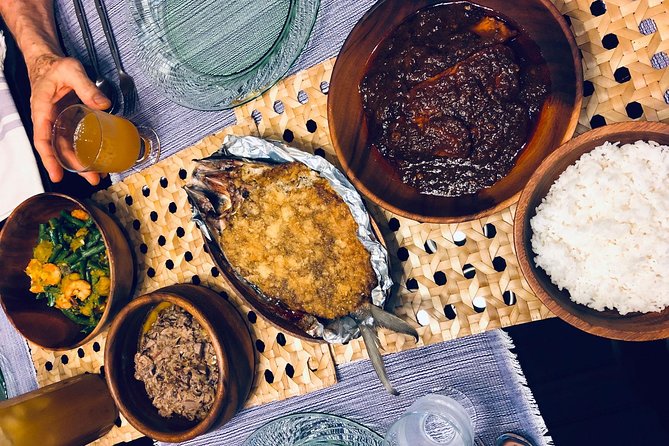
Book it if you want Filipino food explained through ingredients, family recipes, and a real home setting. The combination of a Taguig market, Isi’s garden, a private kitchen lesson, and a shared meal gives the experience a clear story from shopping to dessert.
Think twice if you want a cheap food tour, hotel transport, or a formal professional class. At $120 per person, the price asks you to value private access and conversation.
For most food-minded visitors who can afford the splurge, this is a well-focused way to spend a Manila morning. The market ingredients, Isi’s warm hosting, and the meal at her table are the parts most likely to stay with you after the recipes are gone.
FAQ
Where does the experience begin?
It begins at the meeting point in Taguig, Metro Manila, Philippines.
What time does the tour start?
The start time is 9:30 a.m.
How long does the activity last?
The experience lasts approximately four hours and 30 minutes.
Is hotel pickup included?
No. Hotel pickup and drop-off are not included, and you must make your own way to the Taguig meeting point.
Can I choose to watch instead of cooking?
Yes. You can choose a hands-on lesson or a cooking demonstration. Tell Isi your preference.
Are vegetarian and gluten-free options available?
Yes. Vegetarian and gluten-free options are available upon request. Provide your dietary requirements when booking.
What is included with the meal?
The experience includes the private market tour and cooking class, the meal, alcoholic beverages including beer, and all fees and taxes.
More Hands-On Workshops in the world
- Half-Day Thai Cooking Class at Organic Farm in Chiang Mai
★ 5.0 · 19,087 reviews - Florence: Pasta Cooking Class with Unlimited Wine
★ 4.9 · 10,285 reviews - 3 in 1 Cooking Class near Navona: Fettuccine, Ravioli & Tiramisu
★ 5.0 · 7,376 reviews - Florence: Pasta & Tiramisu Cooking Class with Unlimited Wine
★ 4.9 · 6,708 reviews
Just added around the world
- Authentic Pasta and Tiramisù cooking class at spanish steps★ 4.5 · 14 reviews
- Rome: Pasta Cooking Class, Dinner & Wine in Authentic Restaurant★ 5.0 · 38 reviews
- Rome Cooking Class★ 5.0 · 4 reviews
- Rome: Private Cooking Class with Market Shopping Tour★ 5.0 · 3 reviews
- Roma Foodie Experience: Cooking Class★ 5.0 · 16 reviews
- Pizza, Gelato & Suppli Cooking Class by Colosseum★ 5.0 · 79 reviews
- Rome: Lasagna, Fettuccine Pasta and Tiramisu Cooking Class★ 5.0 · 100 reviews
- Rome: Pizza Cooking Class combined with Guided Sightseeing★ 4.5 · 6 reviews
Cooking Classes with a Market Tour, compared.
Hanoi Cooking Class: Culture, Local Market & Meaning CSR Impact
Read our review →
5 Traditional Dishes Hanoi Cooking Class with Market Trip
Read our review →
Cooking Class and Lunch at a Tuscan Farmhouse with Local Market Tour from Florence
Read our review →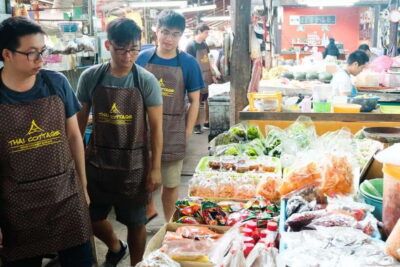
Chiang Mai: Cooking Class, Market & Thai Herbs Garden Tour
Read our review →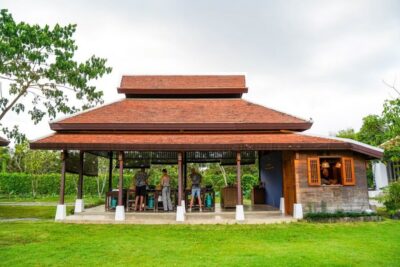
Chiang Mai: Authentic Cooking Class with Market & Farm Visit
Read our review →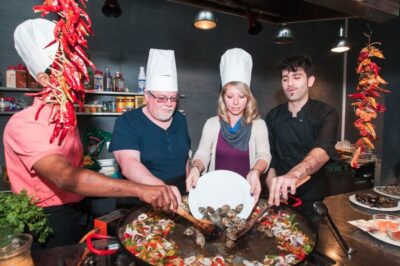
Barcelona: Paella Cooking Experience & Boqueria Market Tour
Read our review →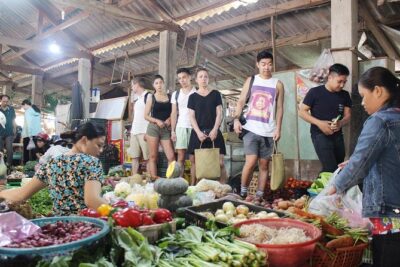
Cooking Class Hoi An:Local Market, Basket Boat, Fishing & Cooking
Read our review →