Review · COOKING CLASSES
Traditional Kenyan Cooking Class & Local Market Tour
Nairobi’s best food lesson may begin far from a kitchen. With local guide Nimoh, you shop for fresh produce in a farmers market, ride a matatu, and then cook a Kenyan meal at her home. I like the market stop because it shows you the ingredients and daily rhythm behind the food. I also like that the matatu ride is part of the experience, not just a way to get from one stop to the next.
The main consideration is that this is a real local outing, not a polished cooking studio. The market can feel busy, public transport is lively, and you will be asked to take part. You can skip the market or simply watch the cooking, but the more you join in, the more useful and memorable the afternoon becomes.
Key points to know before booking
- Three experiences in one: A farmers market visit, a matatu ride, and a Kenyan cooking class are all included.
- Nimoh leads the outing: She explains local produce, food customs, Nairobi life, and practical cooking tips.
- The market shopping matters: You help choose the ingredients used in the meal, rather than walking into a kitchen with everything prepared.
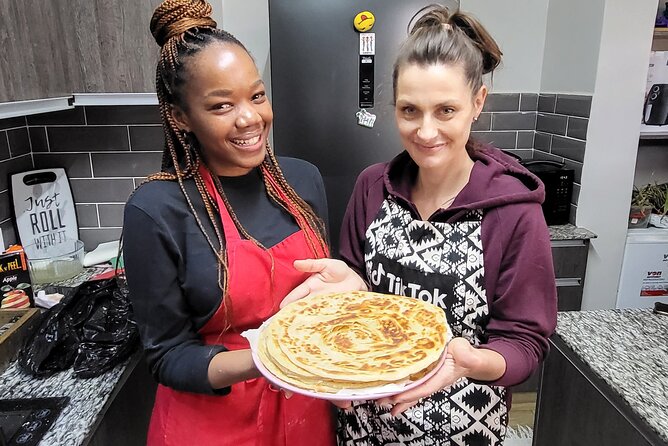
- The meal is made from scratch: Expect a main dish, a side dish, and vegetables, with possible dishes such as chapati and stewed goat.
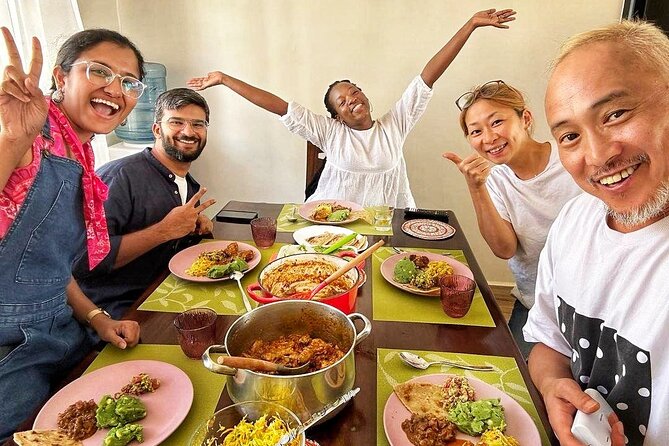
- The setting is personal: Cooking takes place at Nimoh’s home, followed by a shared meal and conversation.
- The cost is $50 per person: That includes the grocery shopping and a roughly three-and-a-half-hour experience.
Why this Nairobi food tour feels different

Many cooking classes keep you in one room. This one gives you a short lesson in how food moves through Nairobi, from market stall to matatu to home kitchen. That wider view is the real reason to consider it.
You begin at Westlands Square, Ring Road Parklands, then visit a local farmers market. The precise market details and full route are shared after booking, so you should not expect to plan each stop in advance. What you can count on is a close look at fresh produce and the chance to buy the ingredients for the meal.
I especially like this approach for a first visit to Nairobi. Food becomes a practical way to understand daily life. You see what people buy, learn how to judge produce, and hear about the place of different dishes in Kenyan homes. It is more useful than simply eating a plate of food without knowing how it was chosen or prepared.
The activity is rated 4.9 from 129 ratings, with 98 percent recommending it. Those numbers point to a consistently strong experience, especially for people who want local contact rather than a formal sightseeing circuit. Still, the format suits curious, flexible people best. If you prefer a quiet restaurant meal and a fixed schedule, this may feel too active.
More Market Tour Cooking Classes in the world:
- Hanoi Cooking Class: Culture, Local Market & Meaning CSR Impact
★ 5.0 · 5,147 reviews - 5 Traditional Dishes Hanoi Cooking Class with Market Trip
★ 5.0 · 4,890 reviews - Cooking Class and Lunch at a Tuscan Farmhouse with Local Market Tour from Florence
★ 5.0 · 4,831 reviews
Starting at the farmers market
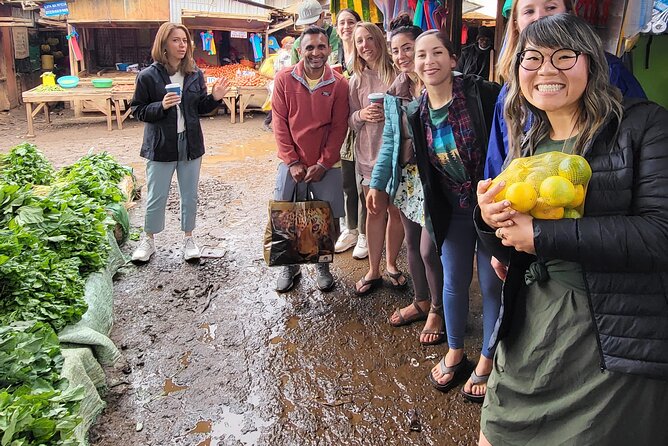
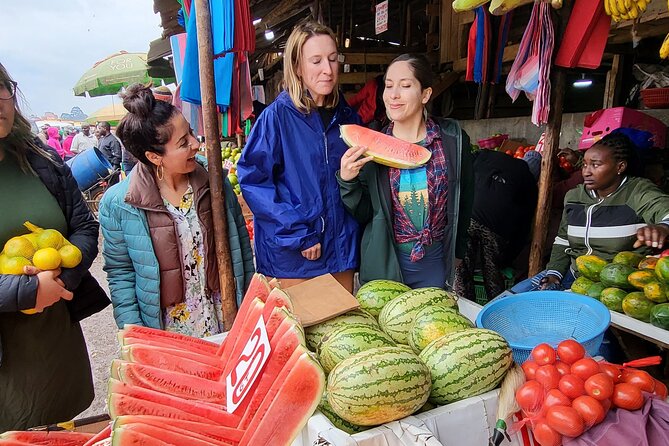
The market visit is the first major part of the outing. You meet Nimoh at the stated meeting point and go shopping together for the meal. The grocery cost is included in the $50 price, so you are not paying extra for the ingredients selected during the class.
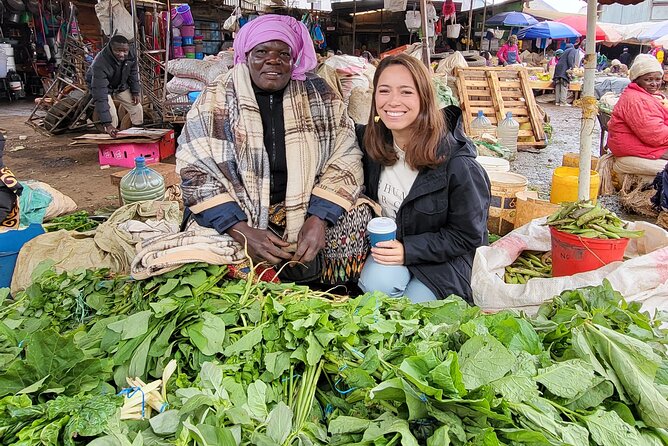
The value here is not just the shopping. Nimoh explains the produce, helps identify good ingredients, and discusses the foods and spices used in Kenyan cooking. You get a better sense of how a meal begins, including the choices that happen before anyone turns on a stove.
Markets also give you a more grounded view of Nairobi. You will see the colors, smells, food displays, and conversations of ordinary buying and selling. This is a place to pay attention, ask questions, and let Nimoh handle local language or customs when needed.
You can skip the market if you are tired, short on time, or simply want to focus on cooking. That flexibility is helpful, though I would keep the market if possible. It is the part that connects the finished dish to real life.
A market is not the same as a supermarket. Expect a more local setting, with public activity and less control over the pace. Wear comfortable shoes and keep your belongings secure as you would in any busy city market. The experience is described as taking you to safe places, but normal Nairobi awareness still makes sense.
Riding a Nairobi matatu
After shopping, you may ride a matatu to Nimoh’s home. A matatu is a form of public transport, often known for painted designs, music, and a lively atmosphere. Here, the ride is treated as a cultural experience in its own right.
For many visitors, this is the most unusual part of the afternoon. You are not watching Nairobi from behind a tour vehicle window. You are using the same kind of transport that forms part of everyday city life. Nimoh stays with you and helps make the ride easier to understand.
The matatu is also the clearest reason this experience is not simply a cooking class. It adds movement, noise, and a little uncertainty. That can be fun, but it may not suit everyone. If you dislike public transport or need a very controlled environment, you can ask about the route and expectations before booking.
The available information does not promise a private vehicle or a substitute ride. Treat the matatu portion as an important part of the outing, not a minor transfer. The public transport experience has been praised repeatedly, including by people who had not previously tried a matatu in Nairobi.
Cooking Kenyan food from scratch
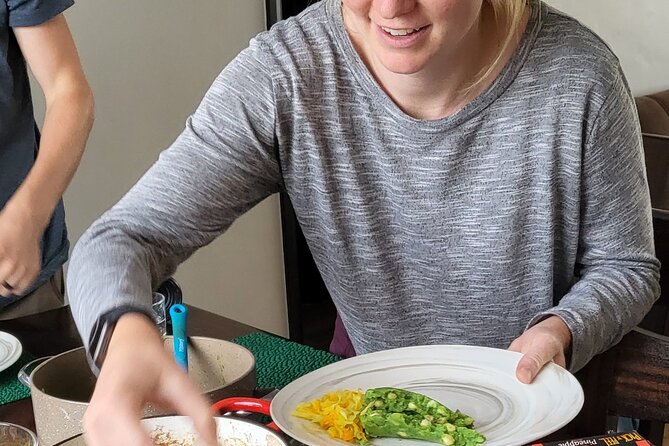
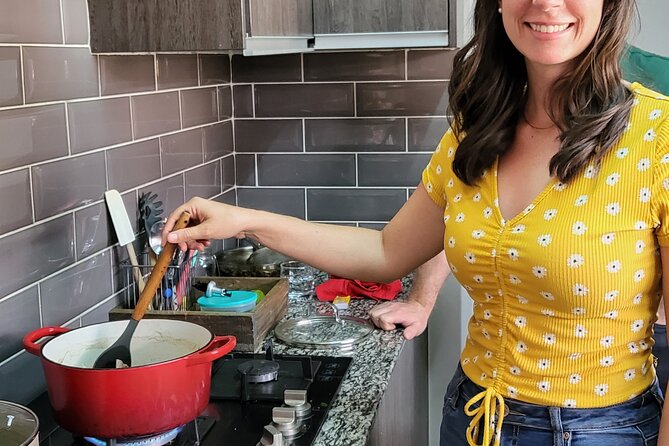
At Nimoh’s home, you prepare a complete Kenyan meal. The class includes a main dish, a side dish, and vegetables. The menu can vary, and the host can offer vegetarian, pescatarian, and gluten-free choices if you provide notice when booking.
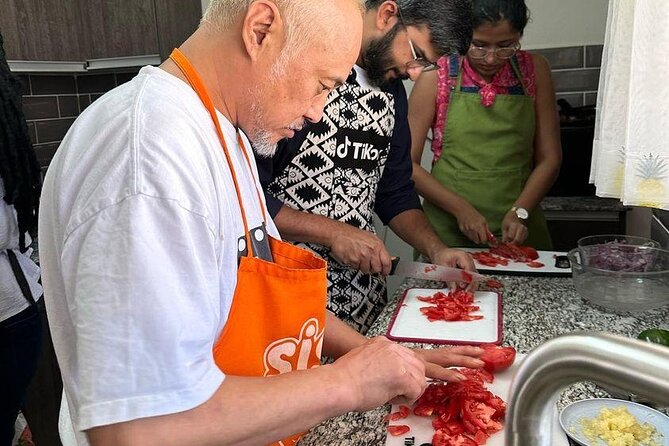
The cooking is hands-on. You can chop, mix, shape, season, and cook, or you can watch if that is more comfortable. The instructions describe the class as an opportunity to get your hands dirty, which is a fair warning in the best sense. This is practical home cooking, not a demonstration where you sit at a distance.
Specific meals described in the experience include chapati, stewed goat, and side dishes. Do not assume those exact items are guaranteed on your date. The menu depends on the shopping and any dietary request, but the format remains a full Kenyan meal rather than a single snack or tasting plate.
Chapati is a particularly useful thing to learn because it rewards technique. You can pick up tips about dough, heat, and preparation that may help when you try the dish at home. The class also gives you a chance to ask why certain spices, vegetables, or cooking methods are used.
Nimoh’s home provides a more personal setting than a commercial kitchen. You sit down to eat what you helped prepare, with time for conversation about Kenyan customs, family life, food, and Nairobi. Several parts of the experience are praised for feeling like a relaxed meal with a friend, though you should remember that the host is also guiding and teaching you.
More Shopping Trips in the world:
- Chiang Mai: Cooking Class, Market & Thai Herbs Garden Tour
★ 4.9 · 4,824 reviews - Chiang Mai: Authentic Cooking Class with Market & Farm Visit
★ 4.9 · 4,546 reviews - Barcelona: Paella Cooking Experience & Boqueria Market Tour
★ 4.8 · 3,661 reviews - Cooking Class Hoi An:Local Market, Basket Boat, Fishing & Cooking
★ 5.0 · 3,660 reviews
Eating the meal and carrying food afterward
The meal is served after cooking, and the session lasts about three to three and a half hours in total. The shared table is where the different parts of the outing come together. You have seen the ingredients at the market, carried them by public transport, and turned them into food in a home kitchen.
You may also carry the food prepared after the class. That is useful if you want to save some for later, though the information does not specify the type or amount of container provided. If you want to take food back to your accommodation, ask Nimoh about the practical details during the class.
The meal is more than a final reward. It gives you time to compare flavors, ask follow-up questions, and hear more about Kenyan food traditions. The conversation is a major part of the experience, so do not book this expecting a quick class followed by an immediate departure.
What the $50 price delivers
At $50 per person, the price covers more than a standard cooking lesson. You receive the market visit, grocery shopping, matatu experience, instruction at Nimoh’s home, the meal, and the ingredients used to prepare it.
That makes the outing good value if you want several kinds of local contact in one half day. A separate market tour, public transport experience, and cooking class could easily take more time and planning. Here, Nimoh connects them into one story.
The price is less attractive if you plan to skip both the market and the matatu. You can still enjoy the home meal and cooking, but part of the appeal is lost. I would book it for the full combination rather than treat it as a restaurant alternative.
The maximum group size is 15 people. That is small enough to feel more personal than a large city tour, though the exact amount of hands-on cooking time may depend on the group. If you want individual attention at every step, ask about the expected group size for your date.
Accessibility, timing, and practical planning
The cooking location has lifts and is wheelchair accessible. The activity is near public transportation, and service animals are allowed. The market and matatu portions may involve a different level of ease than the home itself, so anyone with mobility concerns should ask for the complete route before booking.
Confirmation is provided at booking, and the full itinerary is shared afterward. The activity ends back at the meeting point. Allow the full three and a half hours, and avoid scheduling an airport transfer or fixed appointment immediately afterward.
The experience requires good weather. If poor weather causes cancellation, you can receive a different date or a full refund. It also requires a minimum number of participants, so a cancellation for that reason comes with the choice of another date or experience, or a full refund.
Free cancellation applies up to 24 hours before the start time. Inside that 24-hour window, you cannot receive a refund or make changes. Nairobi traffic and personal schedules can shift, so I would book this early but keep the day around it fairly open.
The activity is commonly booked about 30 days ahead. That does not guarantee that every date sells out, but it is a useful sign to avoid leaving it until the last minute, especially if you need a dietary adaptation or a particular day.
Who will enjoy this most
I would choose this for a first-time Nairobi visitor who wants context with a meal. It is also a good fit for food writers, home cooks, curious couples, and anyone who likes learning by doing. The market and matatu portions add enough variety that the afternoon does not feel like a single workshop.
It works well for people who want to meet a local host in a personal setting. Nimoh also offers useful Nairobi suggestions during conversation, which can help you plan the rest of your stay. Booking early in your trip may give you ideas for other places to eat and areas to explore.
Families and mixed-age groups should think about the matatu and market before booking. The activity is not described as a children’s program, and the public transport portion may feel lively for younger participants. Ask about the age suitability if that affects your decision.
People with food restrictions can request vegetarian, pescatarian, or gluten-free options in advance. Do not wait until the day of the class. The market shopping and menu need planning, so dietary details belong in the booking conversation.
Should you book the market and cooking experience?
Book it if you want a personal, active introduction to Nairobi food and daily life. The strongest reason is the combination: you shop for ingredients, ride a matatu, cook at home, and eat the finished meal with Nimoh. That sequence gives the afternoon a sense of place that a studio class alone cannot provide.
Skip it if you want a polished culinary school, a private car, or a tightly controlled schedule. The market and public transport are part of the point, and the experience works best when you are ready to participate.
For $50, I see solid value in the full outing. Keep the market, give yourself the full three and a half hours, mention dietary needs early, and bring a willingness to chop, stir, ask questions, and ride like a local.
FAQ
Where does the experience start?
It starts at Westlands Square, Ring Road Parklands, Nairobi, Kenya.
Where does the activity end?
The activity ends back at the meeting point.
How long does the experience last?
The experience lasts approximately three to three and a half hours.
What is included in the price?
The $50 price includes the market grocery shopping, the matatu experience, the cooking class, and the meal prepared during the session.
Is the market visit required?
No. You can skip the market if you prefer to focus on the cooking and home meal.
Do I have to cook?
No. You can take part in the preparation or watch the cooking.
What type of food will I prepare?
You will prepare a complete Kenyan meal with a main dish, a side dish, and vegetables. The exact menu can vary.
Are dietary options available?
Yes. Vegetarian, pescatarian, and gluten-free options are available when requested in advance.
Is the cooking location wheelchair accessible?
Yes. The building has lifts, and the cooking location is described as wheelchair accessible.
Can I cancel for a full refund?
Yes, if you cancel at least 24 hours before the experience start time. Cancellations or changes made within 24 hours are not refunded or accepted.
More Hands-On Workshops in the world
- Half-Day Thai Cooking Class at Organic Farm in Chiang Mai
★ 5.0 · 19,087 reviews - Florence: Pasta Cooking Class with Unlimited Wine
★ 4.9 · 10,285 reviews - 3 in 1 Cooking Class near Navona: Fettuccine, Ravioli & Tiramisu
★ 5.0 · 7,376 reviews - Florence: Pasta & Tiramisu Cooking Class with Unlimited Wine
★ 4.9 · 6,708 reviews
Just added around the world
- Authentic Pasta and Tiramisù cooking class at spanish steps★ 4.5 · 14 reviews
- Rome: Pasta Cooking Class, Dinner & Wine in Authentic Restaurant★ 5.0 · 38 reviews
- Rome: Private Cooking Class with Market Shopping Tour★ 5.0 · 3 reviews
- Rome Cooking Class★ 5.0 · 4 reviews
- Roma Foodie Experience: Cooking Class★ 5.0 · 16 reviews
- Pizza, Gelato & Suppli Cooking Class by Colosseum★ 5.0 · 79 reviews
- Rome – Tagliatelle Cooking Class with sit down Meal & Prosecco★ 4.5 · 3 reviews
- Rome: Lasagna, Fettuccine Pasta and Tiramisu Cooking Class★ 5.0 · 100 reviews
Cooking Classes with a Market Tour, compared.
Hanoi Cooking Class: Culture, Local Market & Meaning CSR Impact
Read our review →
5 Traditional Dishes Hanoi Cooking Class with Market Trip
Read our review →
Cooking Class and Lunch at a Tuscan Farmhouse with Local Market Tour from Florence
Read our review →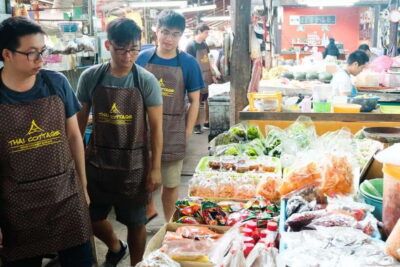
Chiang Mai: Cooking Class, Market & Thai Herbs Garden Tour
Read our review →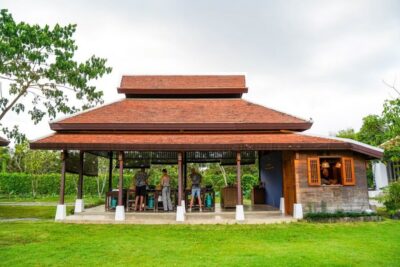
Chiang Mai: Authentic Cooking Class with Market & Farm Visit
Read our review →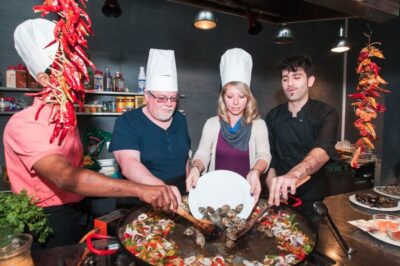
Barcelona: Paella Cooking Experience & Boqueria Market Tour
Read our review →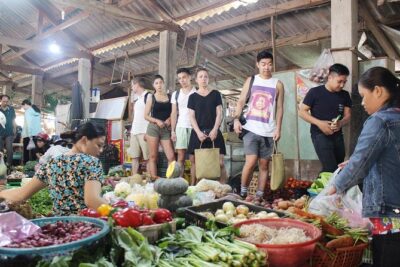
Cooking Class Hoi An:Local Market, Basket Boat, Fishing & Cooking
Read our review →