
Review · CHENNAI
Traditional Vegetarian Cooking Class in Chennai with Gayathri
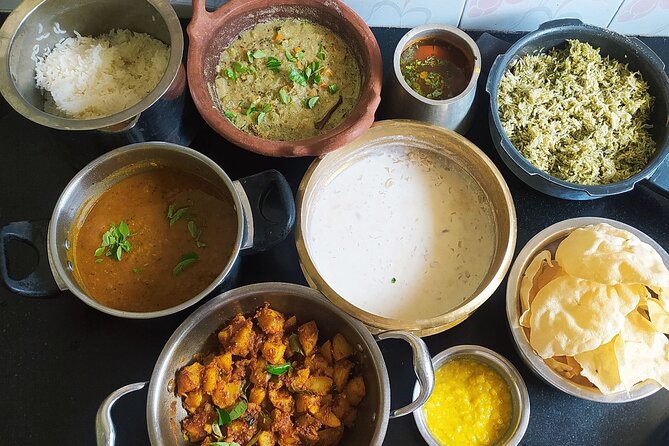
The most memorable part of this Chennai experience is not simply learning a recipe. It is entering Gayathri’s family kitchen tradition, passed down by her grandmother from Thanjavur, and cooking with tools such as a stone grinder and soapstone vessel. I like the private format, which lets Gayathri adjust the lesson to your questions, and I like the meal served on banana leaves, eaten with your hands in a traditional South Indian style. The main consideration is that this is a vegetarian experience only, and hotel pickup is not included.
You will spend about three hours at Gayathri’s home in Ramapuram. Roughly 1.5 hours are hands-on cooking, followed by the meal you helped prepare. The menu changes with the season, and you can request either a traditional vegetarian meal or a South Indian breakfast of dosa, sambar, medu vada, coconut chutney, and filter coffee when booking.
Key points at a glance
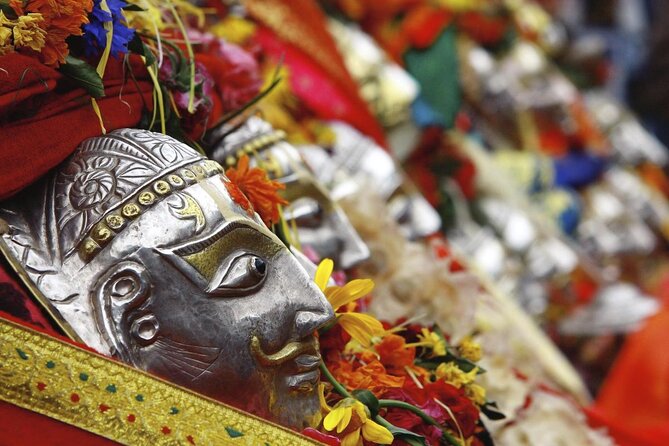
- Cook in a private Chennai home: Only your group participates, so the class can feel personal and unhurried.
- Learn family recipes from Gayathri: Her cooking comes from her grandmother, who was from Thanjavur.
- Use traditional kitchen vessels: Depending on the dish, you may cook with kal chatti, eeya chombu, or mann chatti.
- Try a stone grinder: Tomato-onion chutney is prepared with a traditional grinding stone.
- Eat a Tamil vegetarian meal by hand: Food is served on banana leaves, with floor seating as part of the home-style setting.
- Choose a breakfast menu if preferred: Dosa, sambar, medu vada, coconut chutney, and filter coffee are available by request.
Entering Gayathri’s Tamil kitchen
This is a home visit with a practical purpose. You are not watching a chef work from across a counter. You are chopping, stirring, frying, and handling local ingredients under Gayathri’s direction.
Gayathri learned to cook from her grandmother, who came from Thanjavur. That detail matters because Thanjavur has its own food traditions, and the class carries a family connection rather than presenting a generic version of Indian food. You get a look at how recipes are taught at home, where small habits and kitchen shortcuts often matter as much as the ingredient list.
The class is held in Ramapuram, Chennai. The meeting point is also the ending point, and the activity is near public transportation. You will need to arrange your own way there because hotel pickup and drop-off are not included.
The experience is fully private. That is useful if you want to ask basic questions without feeling rushed, or if your group has specific food preferences. It also makes this a better choice for families, couples, and small groups who want a quiet home visit rather than a larger demonstration.
More Vegan Cooking Classes in India
- Jaipur Market Tour & Vegetarian Rajasthani Home Cooking Class
★ 5.0 · 113 reviews - Private Vegetarian Indian Cooking Class in Mumbai
★ 5.0 · 17 reviews - South Indian Vegetarian Cooking Class in Chennai with Meena
★ 5.0 · 17 reviews
The 1.5-hour cooking lesson
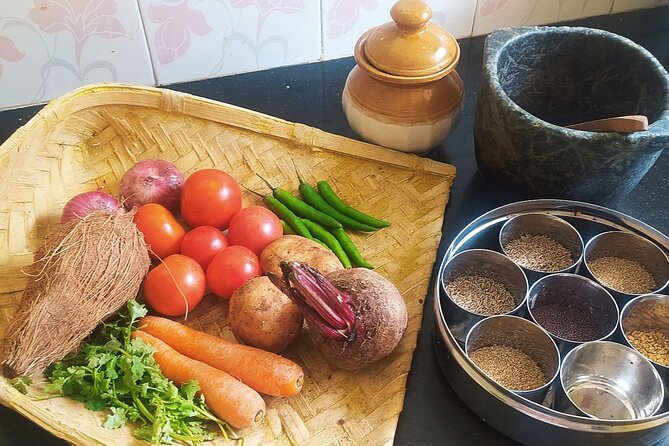
The cooking portion lasts about 1.5 hours. Gayathri introduces the ingredients, explains the steps, and has you take part in the preparation. The exact menu depends on the season, so you should not book expecting one fixed dish every time.
The description specifies one main dish and one side dish. The available feedback points to dishes such as kootu, sambar, and poriyal, with step-by-step help through the preparation. These are useful dishes to learn because they show different parts of South Indian home cooking: lentils, vegetables, spices, tempering, and the careful building of flavor from simple ingredients.
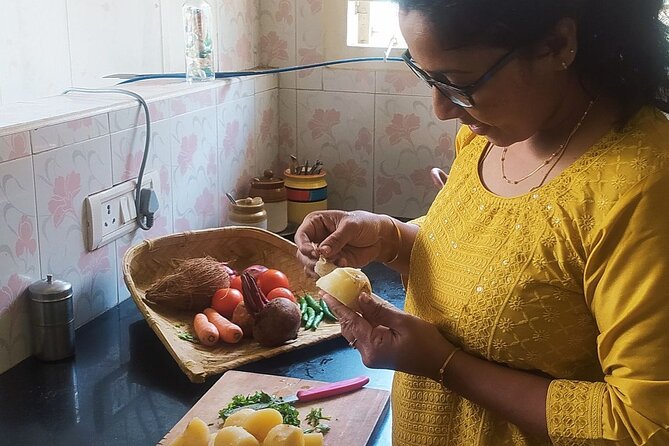
You may chop vegetables, stir a pot, fry spices, and learn small techniques that are easy to miss in a restaurant kitchen. Gayathri also explains local ingredients and offers practical tips as you work. The lesson is not aimed at professional cooks. You can expect guidance suited to a home cook who wants to understand what is happening in the pot.
A key benefit of the private format is flexibility. If you want to know why a spice is added at a certain stage, how a dish changes with the season, or how the recipe fits into a Tamil household meal, you have room to ask. In a larger class, those questions can get lost.
Traditional vessels and the stone grinder
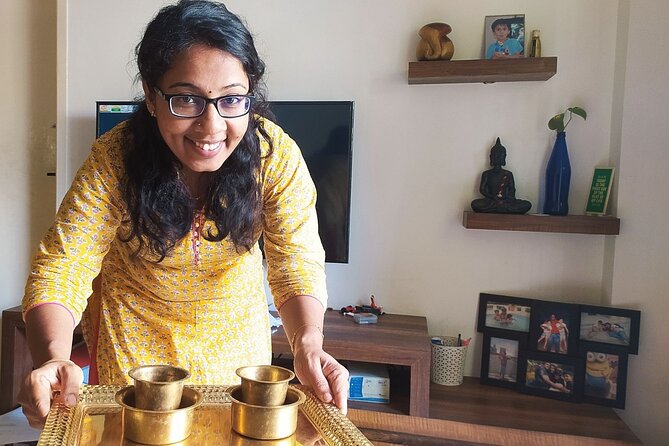
The equipment is one of the more distinctive parts of the class. Depending on the recipe, you may use a kal chatti, a soapstone vessel; an eeya chombu, made from a tin alloy; or a mann chatti, a terracotta vessel.
These are not just decorative props. They show you how older Tamil cooking methods work and why the vessel can affect the process. You may notice that cooking in a traditional pot requires a different pace and a little more attention than using a modern saucepan. Gayathri can explain how the vessel fits the dish being prepared.
For tomato-onion chutney, the class uses a traditional stone grinder. This gives you a direct connection to the texture of freshly ground chutney, rather than simply blending ingredients in an electric machine. It is a small task, but it helps explain why chutney can taste and feel different when made by hand.
You should also expect an introduction to medicinal herbs used in a traditional Tamil Brahmin kitchen. The focus is culinary and cultural, not a medical consultation. Still, it adds useful context to the way herbs and spices are treated in South Indian homes, where ingredients may be valued for both flavor and customary household uses.
Eating from a banana leaf
After cooking, you sit down to eat the food you helped make. The meal is served on banana leaves, and the traditional setting includes eating with your hands while seated on the floor.
This may be a new way to approach a meal, but the arrangement is part of the experience rather than a novelty added for tourists. A banana leaf is a familiar serving surface in South Indian food culture, and eating by hand gives you a closer sense of the food’s texture and how the meal is traditionally enjoyed.
If floor seating is a concern, keep that in mind before booking. The information provided describes the meal as being eaten while seated on the floor, so this may not suit everyone. The activity also offers a private home setting, not a restaurant dining room, which means the atmosphere is informal and tied to the host’s family customs.
The meal is vegetarian. Gayathri’s family is Tamil Brahmin, and vegetarian food is what they cook at home. If you are looking for meat or seafood dishes, this is not the right experience.
Same place, a different menu:
- Pink City Cooking Class
★ 5.0 · 452 reviews - Five Course Cooking Class & Meal
★ 5.0 · 250 reviews - AI Tour – Cook, Talk, Dine & more with locals at their Delhi Home
★ 5.0 · 238 reviews - Veg and Non veg : Private Cooking Class in Delhi home (7 meal)
★ 5.0 · 226 reviews
The breakfast alternative
You can request a South Indian breakfast menu instead of the traditional meal. The breakfast includes dosa, sambar, medu vada, coconut chutney, and filter coffee.
Dosa is a thin pancake made from fermented rice and black gram batter. Medu vada is a fritter made from black lentils. Together with sambar and coconut chutney, they make a classic South Indian combination, while filter coffee provides the familiar finish.
This option may suit you if you are more interested in breakfast staples than a broader home meal. It is also worth considering if dosa is a dish you already enjoy and want to understand in a home setting. You need to tell Gayathri your preference when booking, rather than assuming the breakfast menu will be served automatically.
The regular meal and the breakfast option both keep the focus on vegetarian South Indian cooking. The difference is mainly the type of food you will prepare and eat.
What the private format adds
At $48 per person, this is not priced like a quick restaurant meal. You are paying for time in a private home, personal instruction, ingredients, a cooked meal, and cultural explanation. The value is strongest if you want to participate rather than simply eat.
The private arrangement also means the cost can make more sense for a small group. You are not sharing the kitchen with a large class, and Gayathri can speak directly to your group. If you are already taking several cooking classes on your trip, you may find the price less compelling. If this is your main food activity in Chennai, the home setting and traditional equipment add something a restaurant meal cannot provide.
The class also teaches dishes that are practical for home cooking. Kootu, sambar, and poriyal are not just special-occasion restaurant items. They are the sort of food that can help you understand the structure of a South Indian meal and perhaps recreate part of it later.
The experience is about three hours in total, which gives you enough time for instruction and a meal without taking up a full day. That makes it easier to fit around other Chennai plans. Since the activity begins and ends in Ramapuram, allow extra time for reaching the meeting point and returning to your next stop.
Who will enjoy this experience most
You will likely get the most from this class if you enjoy food, local customs, and hands-on activities. It suits people who want to ask questions and take part in the work, not just sit through a cooking show.
It is a good match for:
- Couples looking for a private food experience
- Families who want an activity based around cooking
- Vegetarians seeking a focused South Indian meal
- Home cooks interested in spices, herbs, and traditional equipment
- Visitors who want a local home setting rather than a restaurant
- Small groups that prefer a personalized class
It may be less suitable if you want a meat-based menu, a large professional kitchen, or hotel transportation. It also may not be ideal if you dislike eating with your hands or sitting on the floor.
The class can accommodate dietary restrictions and cooking preferences when you provide them at booking. The menu may vary by season, so you should share allergies, restrictions, and food preferences early.
Practical details before you book
The experience costs $48 per person and lasts approximately three hours. About 1.5 hours are devoted to the cooking class, with the home-cooked meal afterward. The activity is private, and only your group participates.
You receive confirmation at the time of booking, and the ticket is mobile. Service animals are allowed, and the meeting point is near public transportation. Since there is no hotel pickup or drop-off, transportation planning is your responsibility.
You can cancel for a full refund if you do so at least 24 hours before the local start time. Changes or cancellations made inside that 24-hour window are not accepted for a refund.
A small but important tip: decide between the regular vegetarian meal and the breakfast menu before you arrive. Tell Gayathri your choice when booking so she can plan the cooking session accordingly.
Is this Chennai cooking class worth booking?
Book it if you want a personal introduction to South Indian home cooking, especially if traditional tools, vegetarian food, and family cooking customs appeal to you. The private class, stone grinder, seasonal menu, banana-leaf meal, and connection to Gayathri’s Thanjavur family background give the experience real substance.
Skip it if you need hotel pickup, want meat or seafood, or prefer a modern cooking studio with a fixed menu. Also think carefully about the floor seating and hand-eating tradition.
For the right visitor, $48 buys more than lunch. It gives you time in a Chennai home, practical cooking instruction, and a better sense of how Tamil vegetarian food is prepared and enjoyed.
FAQ
Where does the cooking class take place?
The experience takes place at Gayathri’s home in Ramapuram, Chennai, Tamil Nadu, India.
How long does the experience last?
The full activity lasts approximately three hours. The hands-on cooking class itself lasts about 1.5 hours, followed by the meal.
Is the cooking class private?
Yes. This is a private activity, and only your group participates.
Is the food vegetarian?
Yes. Gayathri offers a vegetarian meal only, reflecting the Tamil Brahmin food traditions of her household.
What dishes will I cook?
You will learn to prepare one main dish and one side dish. The menu changes with the season, and dishes may include kootu, sambar, and poriyal.
Can I choose a South Indian breakfast instead?
Yes. By request, Gayathri can offer dosa, sambar, medu vada, coconut chutney, and filter coffee instead of the traditional meal.
Will I eat with my hands?
The traditional meal is eaten with your hands from banana leaves. The meal is served while seated on the floor.
Is transportation included?
No. Hotel pickup and drop-off are not included. The meeting point is near public transportation, and the activity ends back at that point.
Can I share allergies or dietary restrictions?
Yes. You should advise Gayathri of allergies, dietary restrictions, and cooking preferences at the time of booking.
More Hands-On Workshops in India
- Indian Cooking Class in an Authentic Local Home – Learn 6 Dishes
★ 5.0 · 195 reviews - Authentic Indian Cooking Classes at Palolem Beach Road Goa
★ 5.0 · 132 reviews - Cooking Class in Jaipur – Family Experience with Meal & Transport
★ 5.0 · 101 reviews - Interactive Cooking Class with a Local Family in Jaipur
★ 5.0 · 90 reviews
Just added around India
- Discover Bangalore’s Cuisine: Private Half-Day Cooking Experience★ 5.0 · 3 reviews
- Traditional Gowda Cooking Class and Meal in a Bangalore Home★ 5.0 · 31 reviews
- Private South Indian Cooking Class in Bangalore with a Local★ 5.0 · 11 reviews
- Private Cooking and Dining Experience in Bengaluru★ 5.0 · 35 reviews
- Cooking experience in Bangalore, a half day tour★ 5.0 · 5 reviews
- Bangalore: Traditional Cooking Classes & Dinner with Chef Family★ 3.5 · 4 reviews
- Agra Cooking Classes (Pick up and Drop available)★ 5.0 · 34 reviews
- Talk & Enjoy with Delhi locals at their home while Cooking★ 5.0 · 19 reviews
Vegan & Vegetarian Cooking Classes, compared.
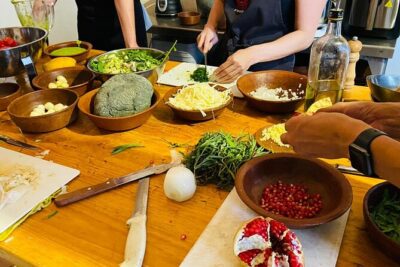
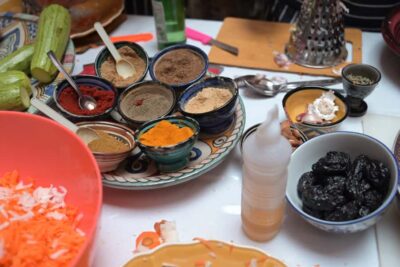
Marrakech: Moroccan Cooking Class for vegetarians and vegan
Read our review →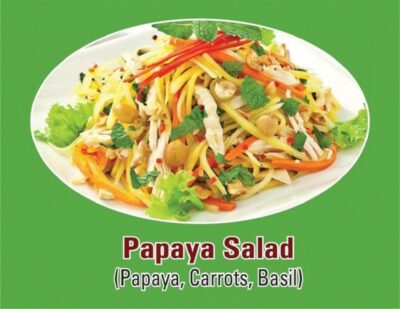
Hoi An: Vegetarian Cooking Class w Local Family and transfer
Read our review →
Jaipur Market Tour & Vegetarian Rajasthani Home Cooking Class
Read our review →
Ramen & Dumpling Cooking in Tokyo with Chef/Vegan possible
Read our review →
Hoi An/Da Nang: Vegetarian Cooking Class & Basket Boat Ride
Read our review →
Busan Tailored Korean cooking class (Vegan OK)with market tour
Read our review →Browse the lists this tour appears in