
Review · ZANZIBAR
Traditional Zanzibar Cooking Class including Spice Tour
Zanzibar’s spices make the best introduction to its food. This half-day outing takes you from Stone Town to Kizimbani, where you can smell, taste, and harvest ingredients before using them in a local cooking class. The most praised guides include Lukem and Hassan, who make the farm visit active rather than a quick walk past labeled plants.
I like the clear two-part design: spice farm first, cooking class second, so you see where ingredients come from before putting them in a meal. I also like the private format, air-conditioned vehicle, and meal shared with your hosts. At $68 per person, it is good value if you want both transport and hands-on food time in one morning.
The main thing to check is the cooking setting. One account found people coming and going during the class and preferred a private home to a boarding-house style space. The class itself received strong praise, but the atmosphere may not feel equally private at every departure.
Key points at a glance
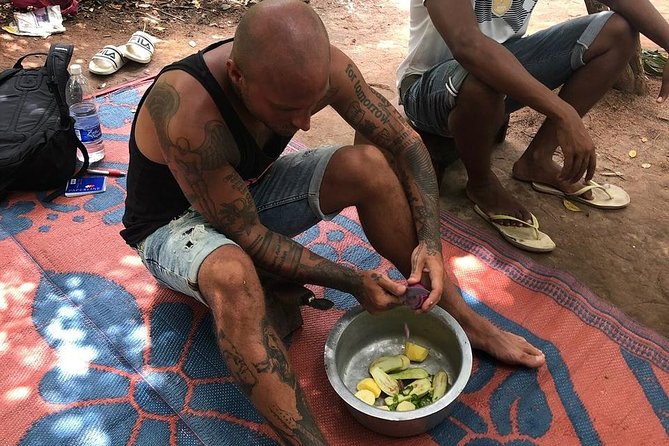
- Fresh ingredients guide the class: You harvest important spices and produce at the farm, then use them in traditional dishes.
- Kizimbani is close to Stone Town: The selected farms are about 15 kilometers northeast of town, keeping the outing manageable in a four-and-a-half-hour schedule.
- Lukem and Hassan may lead the farm visit: These names appear in the detailed accounts, though guide assignments can vary.
- You eat what you cook: The meal is prepared with your hosts and shared after the lesson.
- Private transport keeps the morning easy: Pickup is offered, and the vehicle is air-conditioned.
- The experience suits food-focused visitors: It combines local agriculture, practical cooking, and personal contact in one short trip.
Why this spice tour works so well
I like experiences that connect a meal to the place where its ingredients grow. This one does that in a simple order. You leave Stone Town in the morning, reach a farm in Kizimbani, learn about spices and fruits, collect some of what you need, and then take those ingredients into the kitchen.
That link matters. A spice tour by itself can become a list of plants and smells. A cooking class by itself can feel detached from local farming. Here, the two pieces support each other. You see the raw ingredients, hear how they are used, and then taste the result at lunch.
The experience has a rating of 4.6 out of 5, with 93 percent recommending it. The strongest praise focuses on friendly staff, useful explanations, good food, and the pleasure of cooking as a group. Those are the parts I would put most weight on when deciding.
More Hands-On Workshops in the world:
- Half-Day Thai Cooking Class at Organic Farm in Chiang Mai
★ 5.0 · 19,087 reviews - Florence: Pasta Cooking Class with Unlimited Wine
★ 4.9 · 10,285 reviews - 3 in 1 Cooking Class near Navona: Fettuccine, Ravioli & Tiramisu
★ 5.0 · 7,376 reviews
Leaving Stone Town at 9:30
The morning begins at 9:30, with pickup offered from the Kajificheni Street meeting point in Zanzibar. The farm is about 15 kilometers northeast of Stone Town, so the drive is short enough that the outing does not consume your whole day.
The air-conditioned vehicle is a real practical benefit in Zanzibar. You will spend time outside at the farm, and the cool ride gives you a break before the cooking session. The tour is scheduled to return to Stone Town or your hotel at about 2 p.m., giving you the afternoon for more sightseeing.
This timing works well if you want to visit Stone Town later, take a rest, or fit in another activity. It is less suitable if you need a very early start for a flight or another fixed appointment. Allow some flexibility around the return, since the published duration is approximate.
The meeting point is listed as Kajificheni Street, Kajificheni St, Zanzibar, and the activity ends back at the meeting point. Pickup is offered, so confirm the exact collection details when booking.
Walking through Kizimbani’s spice farm
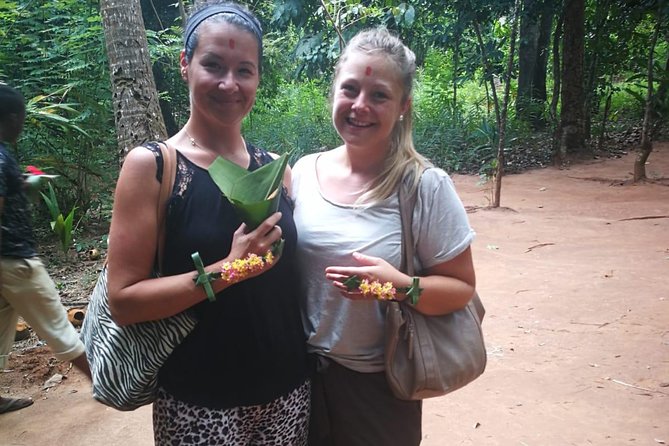
The farm visit is the heart of the morning. You are guided among spices and fruits, with time to smell and taste what is growing. The point is not only to identify plants, but to understand how they become part of Zanzibari cooking.
You also harvest the main ingredients needed for the class. That small task changes the mood of the visit. Instead of simply watching a guide point things out, you take part in gathering the food that will soon appear in your meal.
The detailed accounts identify Mtausa Spice Farm and Malanga Spice Farm, including a local co-op farm. Since the supplied farm names differ, confirm the exact farm at the time of booking. The wider area is clear: Kizimbani, around 15 kilometers northeast of Stone Town.
Guides such as Lukem and Hassan have been singled out for clear explanations and an interactive approach. You may learn more by asking questions as you go, especially about how a spice is used in food rather than only what it is called.
Expect strong scents and plenty of tasting. If you enjoy food, plants, and small details, this section gives you more than a standard sightseeing stop. If you prefer a polished museum-style presentation, the working farm setting may feel more informal.
From harvested spices to a local meal
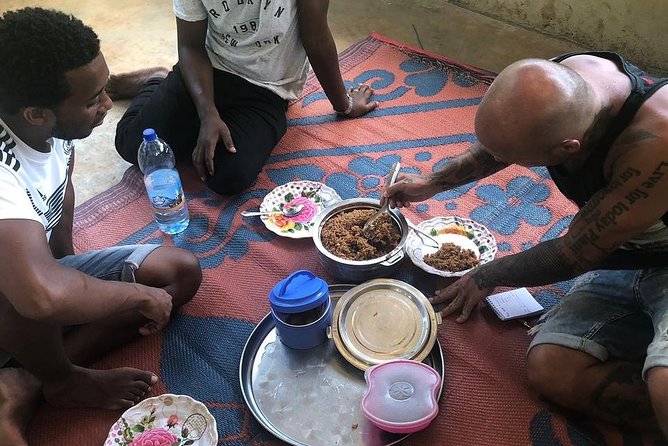
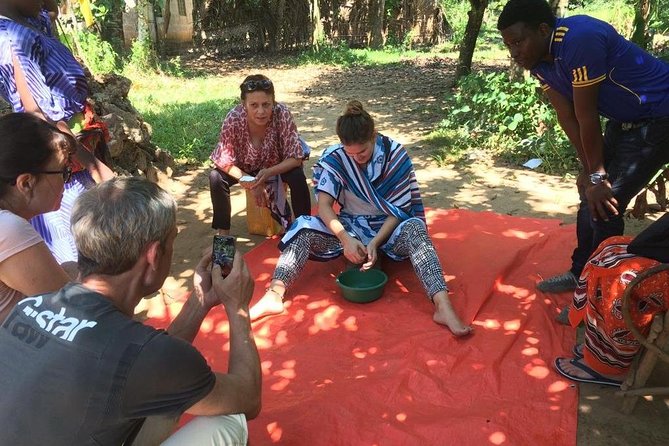
After the farm visit, a local woman teaches you how to prepare and cook traditional food. The class is practical, with the ingredients gathered earlier forming part of the meal.
The best part is the clear payoff. You do not simply watch someone cook and then receive a plate. You help prepare the food and eat the meal together with your hosts. Several dishes may be made, though the exact menu is not specified, so do not book this expecting a fixed list of recipes.
The class has been praised for excellent food, patient instruction, and a warm welcome. That makes it a good choice for people who enjoy cooking with others, including families and small private groups. You do not need to treat it like a formal culinary school. The value comes from the setting, the shared work, and the connection between farm and table.
One important point is the setting. The description presents the lesson as a local cooking experience, and one account describes it as cooking in a home. Another account found that people came and left during the session and felt a private home would have been better than a boarding-house environment.
That is not a reason to reject the class, but it is worth knowing. The private booking applies to your tour group, yet the cooking space may not always feel fully secluded. If privacy matters greatly to you, ask how the class will be arranged on your date.
A few more cooking classes around the world worth a look
- Florence: Pasta & Tiramisu Cooking Class with Unlimited Wine
★ 4.9 · 6,708 reviews - Florence: Pasta Cooking Class with Unlimited Wine
★ 5.0 · 6,413 reviews - Hanoi Cooking Class: Culture, Local Market & Meaning CSR Impact
★ 5.0 · 5,147 reviews - 5 Traditional Dishes Hanoi Cooking Class with Market Trip
★ 5.0 · 4,890 reviews
What the private format really means
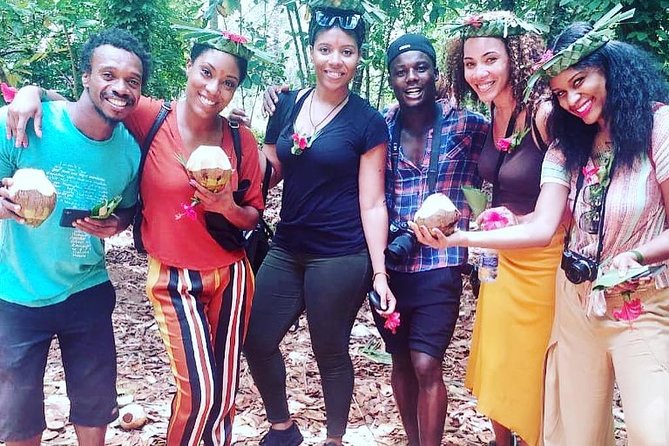
Only your group participates in the private tour, which should allow more personal attention from the guide. You can ask questions at your own pace, spend more time smelling or tasting a spice, and work through the cooking steps without a large public group.
The private setup also makes this useful for a family, couple, or group of friends with a shared interest in food. A group discount is available, although the amount is not stated. At $68 per person, the cost includes more than a single attraction ticket: transport, guiding, the farm visit, the cooking lesson, and the meal all fit into one morning.
I would call the price fair rather than cheap. It becomes stronger value if your accommodation is in or near Stone Town and you want a planned outing without arranging separate transport. It is also good value if you care about meeting local hosts and taking part in the meal, not just seeing a spice farm.
The price may feel high if your main goal is a short farm walk or if you are not interested in cooking. In that case, you could be paying for a full package when you only want one part of it.
The people who make the morning memorable
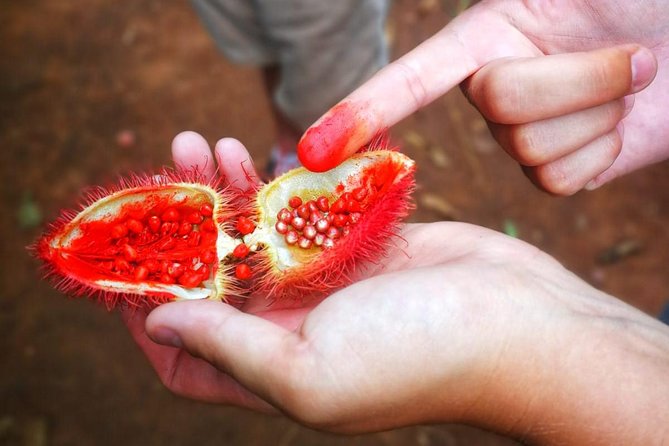
The farm guide matters here. The most useful accounts describe Lukem as the guide and Hassan as the person teaching at Malanga Spice Farm. Other guide assignments are possible, but these names give you a helpful reference when confirming your booking.
The praised qualities are simple and important: clear explanations, patience, kindness, and a willingness to involve you. That combination suits a food experience better than a rushed speech followed by a photo stop.
The class also offers a chance to meet local people in a setting connected to everyday food. The French-language accounts especially praise the hospitality, patience, and warm welcome. You do not need advanced cooking skill to get value from that exchange. The focus is participation, not technical perfection.
Your meal may not look like a restaurant dish, and that is part of the appeal. You have helped prepare it, using ingredients collected earlier, and you eat it with the people who taught you. For many visitors, that personal connection is worth as much as the recipes.
Practical details before you book

The full experience lasts about four hours and 30 minutes. The stated schedule runs from 9:30 in the morning until roughly 2 p.m. Pickup is offered, and the vehicle is air-conditioned.
The meeting point is Kajificheni Street in Zanzibar. The activity ends back at the meeting point, although the schedule also says the return can be to Stone Town or your hotel. Confirm where you will be collected and dropped off, especially if your accommodation is outside central Stone Town.
Confirmation is received at booking. The activity is near public transportation, but the private vehicle pickup is the easier choice for most people because it keeps the morning organized.
The experience is listed as operating Monday through Sunday from 9 a.m. to 6 p.m. The tour itself begins at 9:30, so the wider opening hours should not be read as a flexible all-day departure window.
Wear clothes suitable for a farm and kitchen. The supplied details do not specify footwear, ingredients, or dietary arrangements, so ask about any food restrictions before booking. Do not assume that the menu can be changed unless the provider confirms it.
Free cancellation is available up to 24 hours before the start time for a full refund. Cancellations or changes made less than 24 hours before departure are not accepted for a refund, and the cutoff follows local time.
Who should book this Zanzibar experience
I would choose this tour if you want more than a sightseeing drive. It fits you well if you enjoy food, plants, small groups, and informal contact with local people.
It is also a smart choice for a first day in Zanzibar. The farm gives you an introduction to local ingredients, while the cooking class helps you understand food you may see elsewhere on the island. The four-and-a-half-hour schedule leaves room for other plans.
Families and private groups should benefit from the personal format and shared preparation. Couples may enjoy it too, though the cooking space can be less private than expected. Solo visitors can still get value, but the social side of cooking works best if you like working alongside other people in your booking group.
I would hesitate if you dislike heat, outdoor farm settings, or informal kitchens. I would also ask more questions before booking if you need a strictly private home setting, a guaranteed recipe list, or confirmed dietary substitutions.
Should you book it?
Yes, if the idea of harvesting spices and then cooking with them sounds better than simply looking at a farm. The strongest parts are the farm-to-meal sequence, the friendly instruction, the air-conditioned transport, and the chance to eat what you prepare.
Book with a little care. Confirm the pickup point, exact farm, guide, cooking venue, and menu if any of those details matter to you. At $68, this is a sensible package for a half-day introduction to Zanzibari food, especially when you value participation over a polished tourist show.
FAQ
How long does the Traditional Zanzibar Cooking Class including Spice Tour last?
The experience lasts approximately four hours and 30 minutes. It begins at 9:30 in the morning and usually returns to Stone Town or your hotel at about 2 p.m.
Where does the tour begin?
The listed meeting point is Kajificheni Street, Kajificheni St, Zanzibar, Tanzania. Pickup is offered, so confirm the exact pickup arrangement when booking.
How far is the spice farm from Stone Town?
The selected spice farms are in Kizimbani, about 15 kilometers northeast of Stone Town.
Is this a private tour?
Yes. Only your group participates in the private tour and activity. One account did note that people came and went during the cooking session, so ask about the exact cooking setting if privacy is important.
What happens during the cooking class?
A local woman teaches you how to prepare and cook traditional local food. You use important ingredients gathered during the spice farm visit and eat the homemade meal together with your hosts.
Can I cancel for a full refund?
Yes. You can cancel at least 24 hours before the experience starts for a full refund. Cancellations or changes made less than 24 hours before the start time are not accepted for a refund.
Just added around the world
- Cooking, Farming and Waterfall In Vietnam Countryside★ 3.0 · 6 reviews
- Busan Tailored Korean cooking class (Vegan OK)with market tour★ 5.0 · 66 reviews
- Korean cooking class in Haeundae, Busan★ 5.0 · 92 reviews
- Private Argentine Cooking Class and Tango Lesson in Buenos Aires★ 5.0 · 37 reviews
- Hungarian Home Cooking Class with Chef Marti★ 5.0 · 30 reviews
- Cooking Class with dinner/lunch in Ulcinj Montenegro★ 5.0 · 8 reviews
- BA: Empanadas and Alfajores Cooking Experience in Palermo★ 5.0 · 112 reviews
- Budapest Market Tour & Home Cooking Class with local Chef & Guide★ 5.0 · 23 reviews
Cooking Classes, compared.
Half-Day Thai Cooking Class at Organic Farm in Chiang Mai
Read our review →
Florence: Pasta Cooking Class with Unlimited Wine
Read our review →
3 in 1 Cooking Class near Navona: Fettuccine, Ravioli & Tiramisu
Read our review →
Hanoi Cooking Class: Culture, Local Market & Meaning CSR Impact
Read our review →
5 Traditional Dishes Hanoi Cooking Class with Market Trip
Read our review →
Cooking Class and Lunch at a Tuscan Farmhouse with Local Market Tour from Florence
Read our review →
Chiang Mai: Cooking Class, Market & Thai Herbs Garden Tour
Read our review →Browse the lists this tour appears in