
Review · BALINESE & INDONESIAN
Ubud: Authentic Traditional Balinese Village Cooking Class
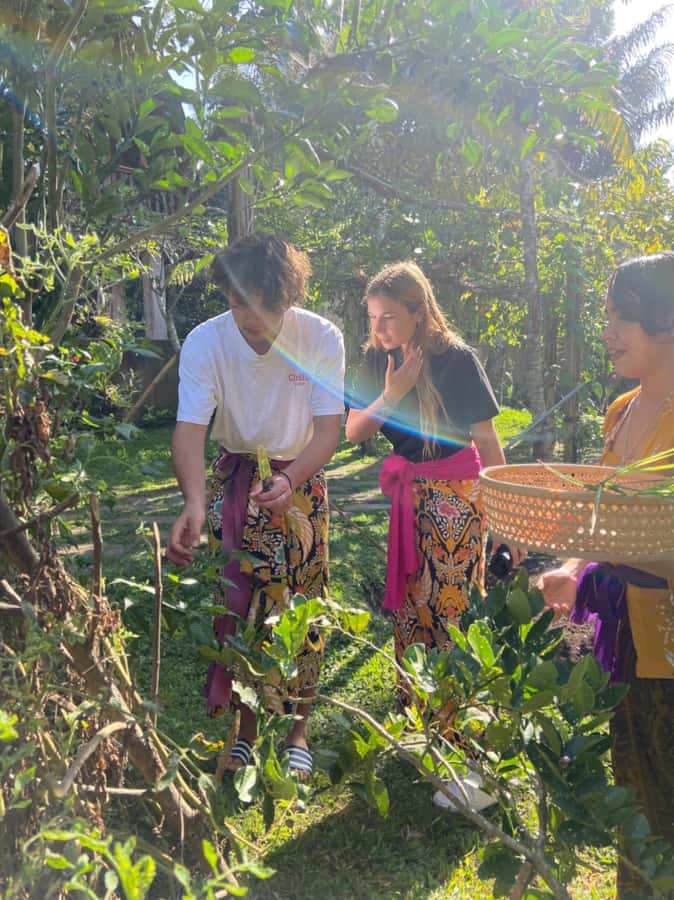
The best part of this cooking class happens before the chopping begins. In tiny Delodsema Village, you walk through the family garden, learn which leaves, roots, spices, and herbs go into Balinese food, then carry fresh ingredients to an open-air kitchen. This feels closer to a family visit than a polished cooking show.
I like the small village setting and the fact that the food comes from the hosts’ own garden. I also like the chance to take part in a Balinese offering ritual and learn how lunch is placed and eaten in a local home. The main point to consider is timing: the class is advertised as two hours to 150 minutes, and the garden, temple, rice terrace, and cooking segments may feel brisk if you want a slow culinary lesson.
Key points at a glance
- Garden-to-table cooking: Pick up fresh herbs, spices, and other ingredients from the family garden before cooking.
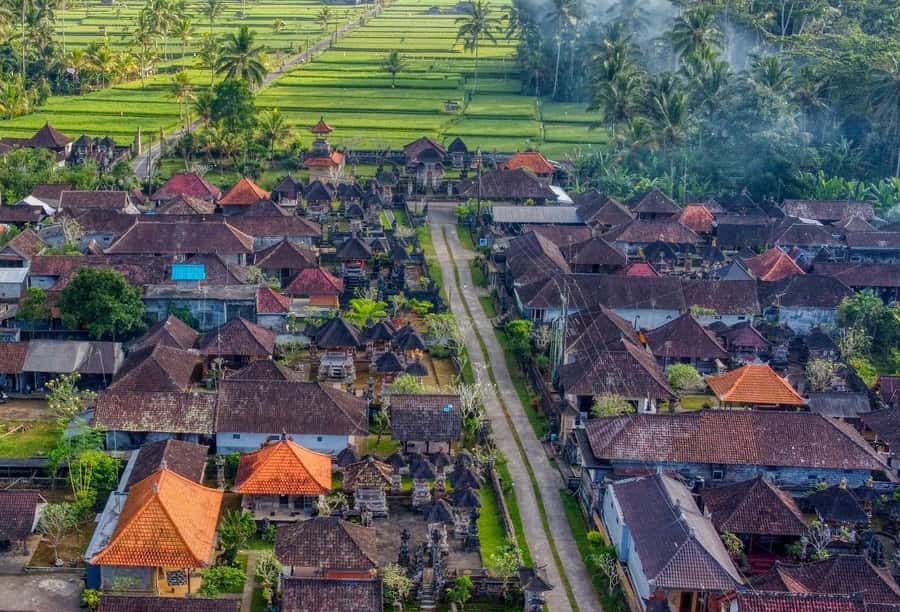
- Delodsema Village: Visit a small traditional village where only about 60 families live.
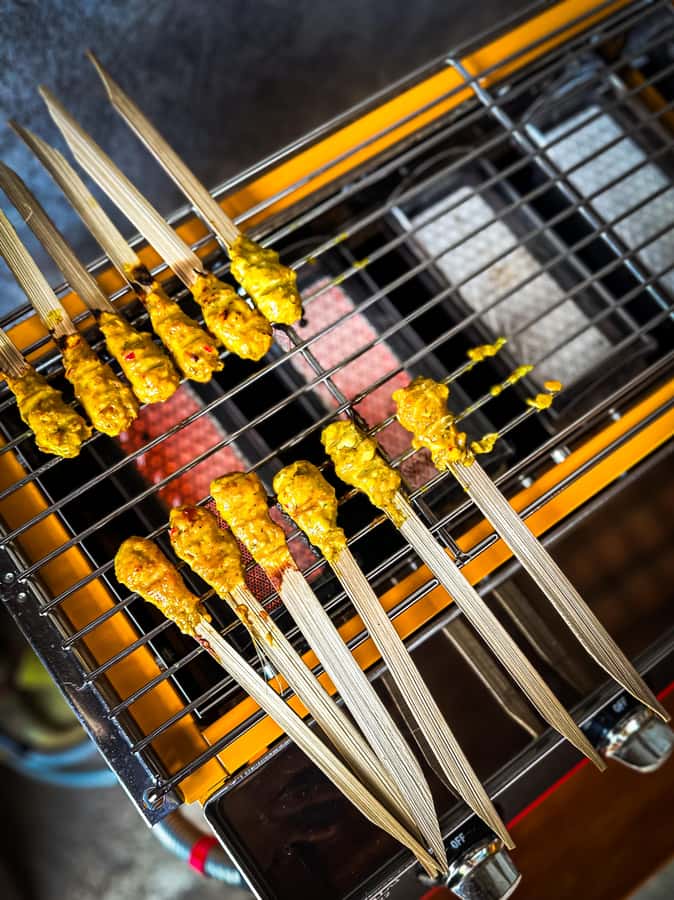
- Hands-on dishes: Prepare spice paste, chicken satay, curry-style food, and other Balinese dishes, with tofu available instead of chicken.
- Family setting: Cook in a covered outdoor kitchen with hosts who explain each step in English.
- More than a cooking class: See a temple, join an offering ritual, and learn about village life.
- Good value at $30: The fee includes ingredients, equipment, lunch, drinks, instruction, and PDF recipes.
A small village start in Delodsema
Delodsema Village gives this class its character. It is not a restaurant kitchen built for tourists. It is a traditional village with about 60 families, and the class takes place around a local family home.
On arrival, look for the Bali Coconut Oil sign. Your hosts welcome you with a Balinese drink, and coffee may be made from beans grown in the family garden. Fresh coconut water is also part of the welcome on some visits. These small touches matter because they connect the meal to the household and its daily work.
The class is private, so you are not squeezed into a large group with a dozen strangers. That makes it easier to ask questions, handle the ingredients, and work at a comfortable pace. It also gives the hosts room to adjust the food for vegetarians.
The setting is simple rather than luxurious. You should expect a family home and an outdoor cooking area, not an air-conditioned culinary studio. The kitchen is covered and has cooking equipment ready to use, but the appeal is the open-air village atmosphere.
More Farm Cooking Classes in Indonesia
- Ubud: Balinese Cooking Class at an Organic Farm
★ 5.0 · 1,786 reviews - From Ubud: Authentic Cooking Class in a Local Village
★ 4.9 · 1,325 reviews - Balinese Farm Cooking Class by Pemulan Bali
★ 5.0 · 410 reviews
From garden plants to the cooking board
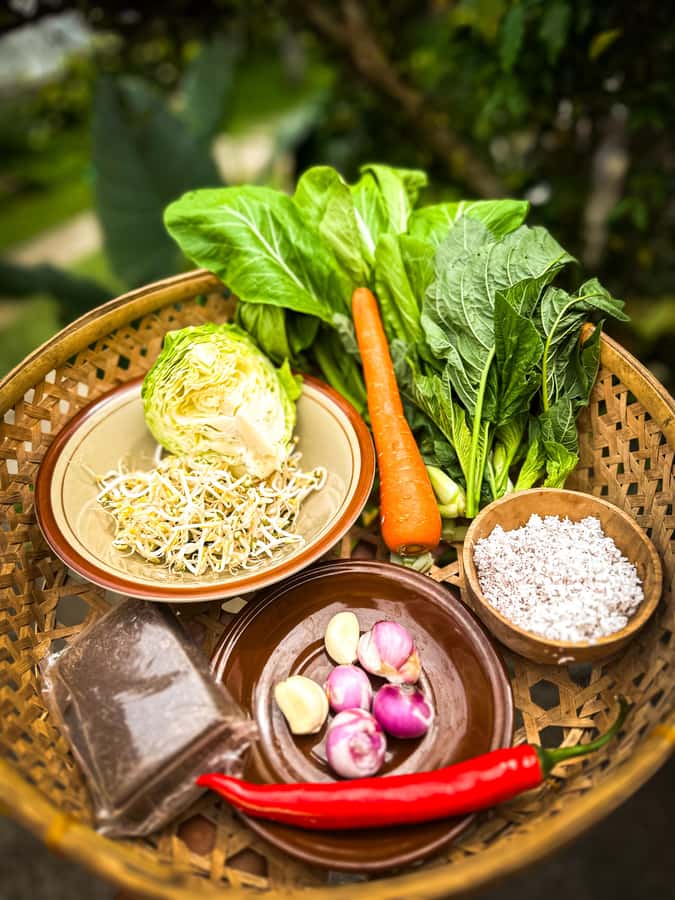
The garden visit is one of the most useful parts of the experience. Instead of seeing a recipe as a list of unfamiliar names, you get to see where some of the ingredients grow. Your guide explains traditional herbs, spices, and other plants, then shows how they are used in Balinese food.
This is especially helpful if you have eaten Balinese food but never understood its base flavors. The class gives you a better sense of how fresh ingredients become a spice paste, curry, satay marinade, or side dish.
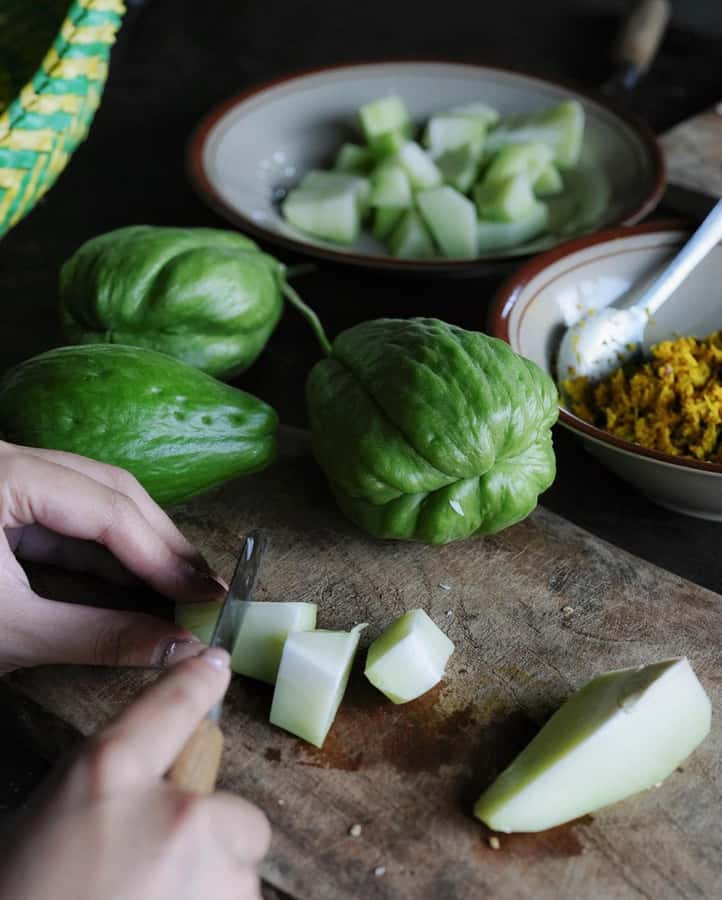
You will be given fresh ingredients to carry into the kitchen. Some preparation is done ahead of time, so do not expect to spend the entire session washing, peeling, and cutting. That is not a weakness. It allows the class to fit into two hours or so and leaves time for the parts you cannot easily learn from a recipe: pounding or mixing the spice paste, shaping food, cooking it, and understanding the order of the work.
The hosts explain each ingredient and work through the steps with you. English is the teaching language, and the hosts have been praised for explaining both the ingredients and the method clearly.
Cooking in an open-air family kitchen
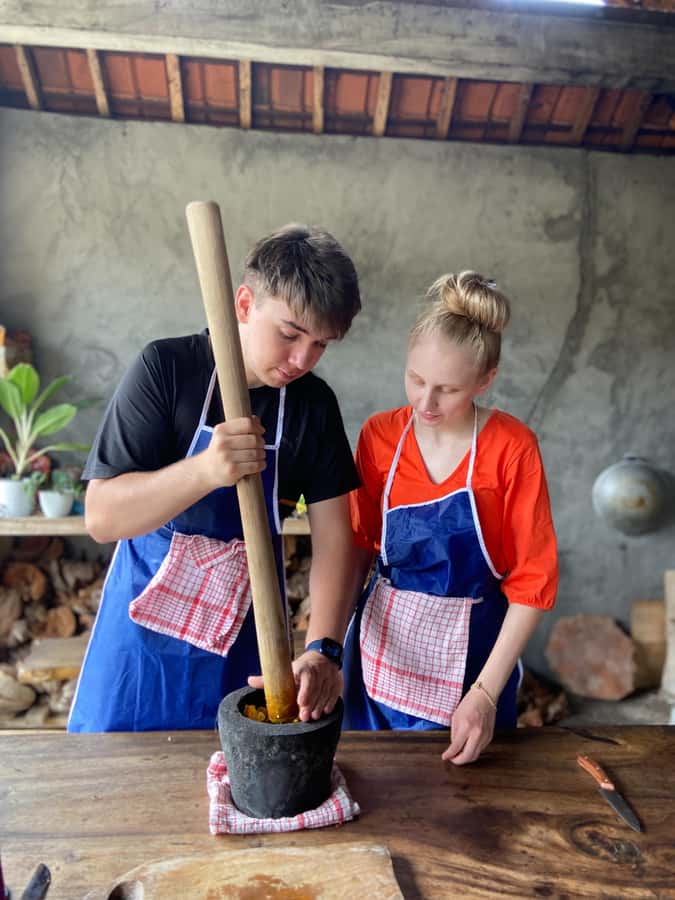
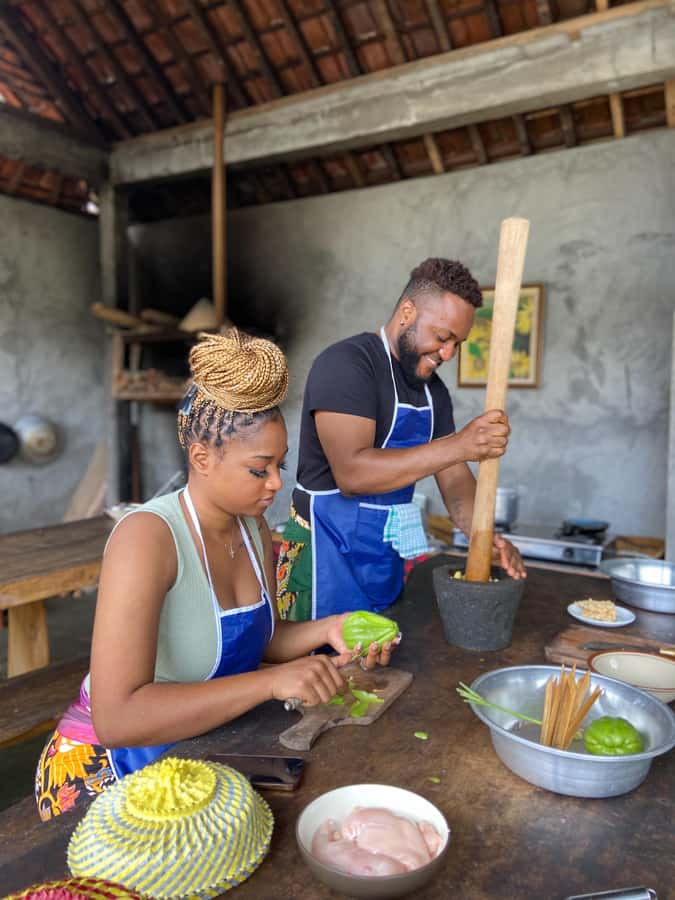
The main lesson takes place in a large, covered outdoor kitchen. You work alongside the family rather than watching from a distance, which keeps the class practical.
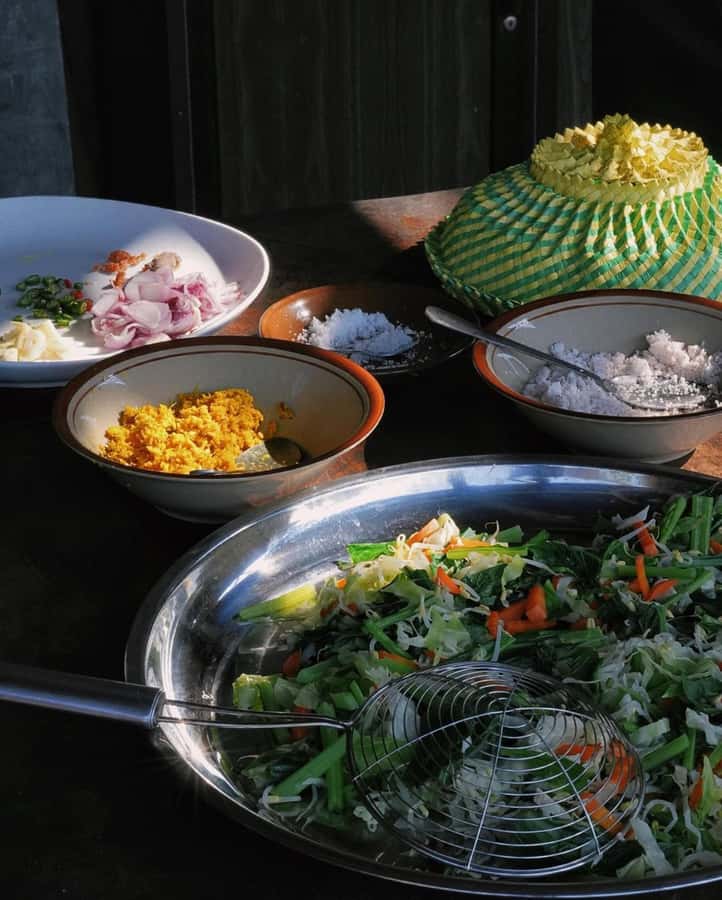
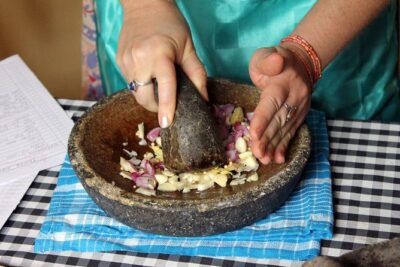
One part of the lesson involves preparing a spice paste for a curry-style dish. You also prepare chicken satay and cook it yourself. For a vegetarian meal, tofu wrapped in a banana leaf can replace the chicken satay. If you have dietary needs, it is sensible to state them when booking so the hosts can plan properly.
The dishes are not presented as a restaurant demonstration. You get involved, but you should keep your expectations realistic. Since some ingredients are prepared before you arrive, this is an introductory class rather than a full professional cooking course.
That arrangement works well for most visitors. You get enough work to understand the basic process without spending half the day on one meal. Families and first-time cooks will likely appreciate the relaxed pace. Serious food students may want more detail on measurements, knife skills, and regional differences than a short class can provide.
Cleanliness is another strong point. The cooking area is described as clean and well organized, with fresh ingredients prepared for the lesson. In a warm open-air kitchen, that practical standard is important.
Eating like a local
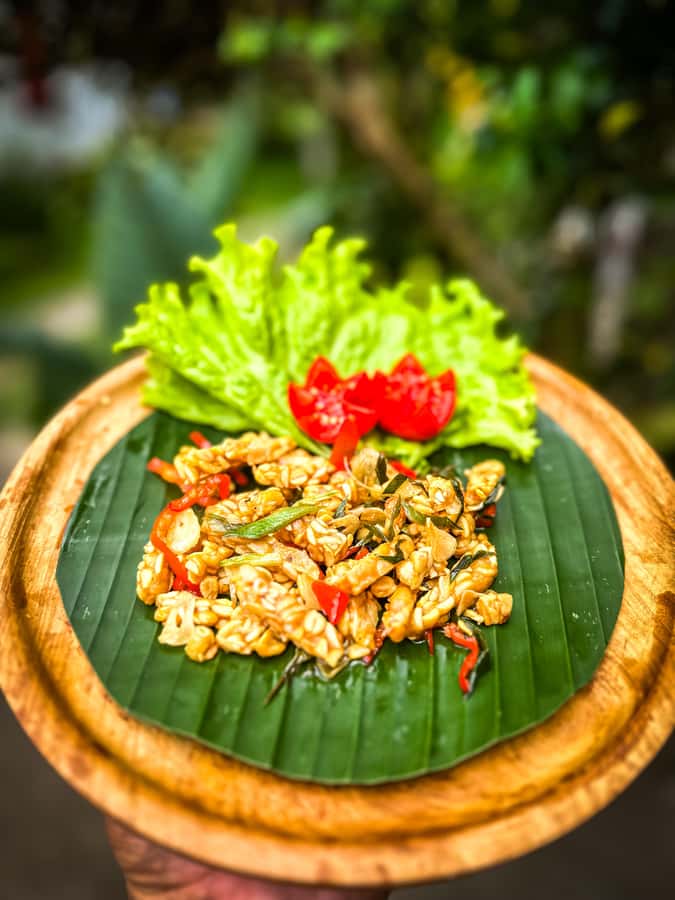
When the cooking is finished, you sample the dishes you helped prepare. Lunch is set out on the ground, following a local way of presenting and eating a meal. The hosts explain how to eat in this setting, so the meal becomes part of the cultural lesson rather than just the reward at the end.
You will have a variety of dishes to try, although the exact menu can vary. Chicken satay and a curry-style dish are specifically part of the cooking activity, while vegetarian visitors can receive tofu in place of chicken. Balinese tea and coffee are included, and the meal itself is included in the price.
I like this format because the food has a clear story. You have seen the garden, handled the ingredients, cooked the dishes, and then sat down with the family. The lunch is not simply a plate handed over at the end.
The offering ritual adds another layer. Before eating, you may help prepare or participate in a small offering. This gives you a respectful introduction to an important part of Balinese family life. You should follow the hosts’ instructions and treat the ritual as a cultural moment, not a photo opportunity.
Some hosts also take photos and short videos during the class and send them afterward. This is not listed as a formal inclusion, so I would treat it as a possible extra rather than something to book for.
More Balinese Cooking Classes in Indonesia:
- Ubud Cooking Class Bali with Balinese Chef
★ 5.0 · 1,609 reviews - PRIVATE Authentic Balinese Cooking Class in Ubud at Putu’s Home
★ 5.0 · 644 reviews - Balinese Ubud cooking school (9 Dish Cooking and Market Tour)
★ 5.0 · 540 reviews - Ubud: Balinese Cooking Class and Market Tour
★ 4.8 · 531 reviews
Temple, village paths, and Taro rice terraces
The cooking class is paired with a short look at the village itself. You visit a temple and see more of Delodsema’s traditional layout. The village setting is a major reason to choose this activity over a cooking class in central Ubud.
The itinerary can continue to Taro Village, where you see rice terraces and learn about the local irrigation system. Depending on the timing and local activity, you might join people planting rice or harvesting it. This part is less predictable than the cooking lesson, so think of it as a possible village encounter rather than a guaranteed farm task.
The rice terrace visit also helps explain how food and water shape daily life in Bali. The lesson is not only about recipes. It connects the meal to gardens, rice fields, irrigation, family work, and religious practice.
Because the total activity lasts about two to two and a half hours, the village and rice terrace portions may be fairly short. If you want a long rice-field walk, this is not the right product by itself. If you want a compact cultural outing that adds context to the cooking, it works well.
What the $30 price includes
At $30 per person, this class offers solid value. The price includes a private cooking class, equipment, all ingredients, instruction, lunch, Balinese tea and coffee, and recipes in PDF form.
The PDF recipes are useful because Balinese cooking often depends on a combination of fresh herbs and spices that can be hard to remember after one meal. You can use the recipe file as a starting point at home, though you may need to adapt it if some local ingredients are difficult to find.
The value improves if you take advantage of the family garden and village walk. You are paying not just for food, but also for local guidance, a home setting, and cultural activities that would be hard to arrange independently.
Transportation is the main extra to check. Pickup from the Ubud area may be available if you select that option, and the pickup option can include a traditional market visit. Transportation from central Ubud or the Tegallalang area is not automatically included in the basic price unless you choose the appropriate option.
If you arrange your own transport, make sure you have clear directions to Delodsema Village and the Bali Coconut Oil sign. The meeting point is not a central Ubud storefront.
Who will enjoy this class most
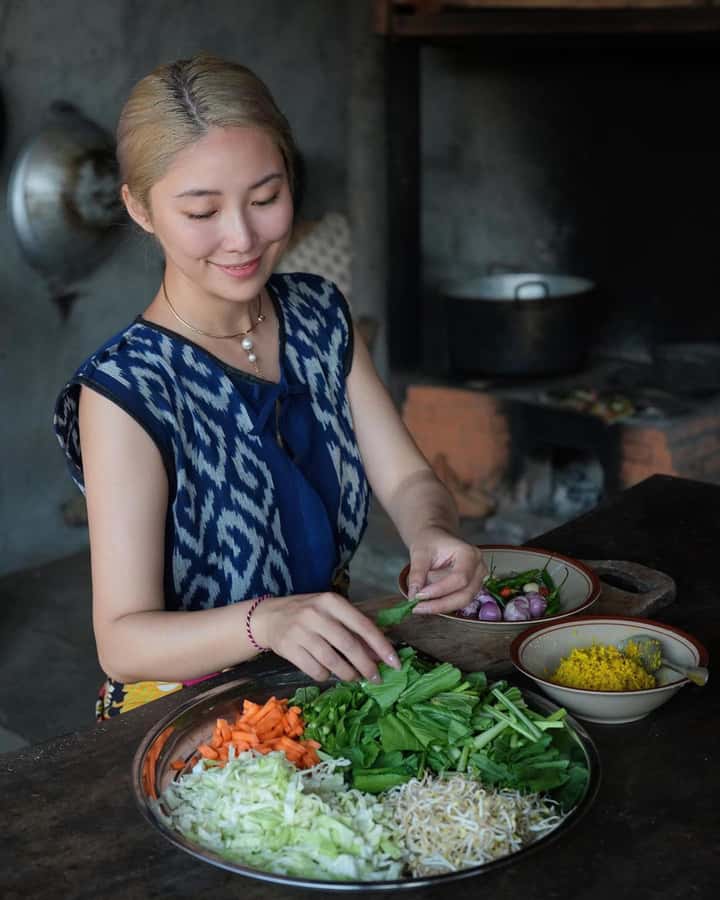
This is a strong choice for you if you want a personal, food-focused introduction to Bali without spending a full day in a formal culinary school. Couples, families, and small private groups should appreciate the relaxed setting and the ability to ask questions.
It is also a good fit for people who want to see village life without giving up the comfort of a planned activity. The hosts provide the equipment, ingredients, food, and instruction, so you do not need to organize the details yourself.
Vegetarians are accommodated with tofu in banana leaf instead of chicken satay. The class may also suit children who enjoy hands-on activities, though the supplied details do not specify an age policy, so check before booking if you are traveling with very young children.
You may want to choose another activity if you need a highly technical cooking course, a long market tour, or a full-day rice farming program. The focus here is a short, friendly introduction to Balinese food and family life.
Timing, transport, and practical advice
Plan on roughly two hours to 150 minutes. The exact start time depends on availability, so check the schedule before you book.
If you choose hotel pickup, confirm that your accommodation is within the stated Ubud area. Pickup from Ubud central or Tegallalang is an option only when selected, not a standard part of every booking. A traditional market visit may also be included with the pickup option.
The class is conducted in English. It is a private group experience, which makes it more flexible than a large scheduled class.
Cancellation is flexible, with a full refund available when you cancel at least 24 hours in advance. You can also reserve now and pay later, which helps if your Bali plans are still moving around.
Wear something comfortable for an outdoor kitchen and village walking. The provided information does not specify a dress code, but a respectful approach is wise when visiting the temple and taking part in an offering ritual. Let the hosts guide you on what is appropriate.
Should you book it?
Book this class if you want food, family life, and village context in one short outing. The garden, covered kitchen, offering ritual, temple visit, and Taro rice terrace stop give the experience more substance than a basic cook-and-eat lesson.
At $30, the combination of private instruction, lunch, drinks, ingredients, equipment, and recipes is a good deal. The main tradeoff is its compact schedule and partly prepared ingredients. You will cook with your hands, but you will not spend hours building every dish from the first cut.
I would choose it over a central Ubud cooking class if meeting a local family and seeing a quieter village matter more to you than polished facilities. Select pickup if you do not want to arrange the trip to Delodsema, and mention vegetarian needs in advance. For a relaxed and personal taste of Balinese food, this is an easy choice.
FAQ
Where does the cooking class take place?
The activity takes place in Delodsema Traditional Village in Bali. After arriving, look for the Bali Coconut Oil sign at the meeting point.
How long does the experience last?
The listed duration is about two hours to 150 minutes. Starting times depend on availability.
What is included in the $30 price?
The price includes a private cooking class, cooking equipment, ingredients, cooking instruction, lunch, Balinese tea and coffee, and recipes provided as a PDF.
Is transportation from Ubud included?
Pickup from the Ubud area, including Ubud central or the Tegallalang area, is available when you select the pickup option. It is not included automatically in every booking.
Is the cooking class private?
Yes. The activity is offered for a private group.
Is the class taught in English?
Yes. English is the listed language for the instructor and cooking lesson.
Can vegetarians join the class?
Yes. Vegetarian participants can receive tofu in banana leaf instead of the chicken satay.
Can I cancel and receive a refund?
You can cancel up to 24 hours in advance for a full refund. The activity also offers reserve now and pay later booking.
More Hands-On Workshops in Indonesia
- Ubud: Cooking Class with Transfers and Optional Market Visit
★ 4.9 · 824 reviews - Seminyak: Balinese Cooking Class & Market Tour
★ 4.9 · 458 reviews - Learn to cook Indonesian food at Gili Cooking Classes Trawangan
★ 5.0 · 352 reviews - Balinese Cooking Class in Seminyak
★ 5.0 · 281 reviews
Just added around Indonesia
- Spice Garden, Jamu & Cooking Class in Bali Village★ 5.0 · 5 reviews
- Pure Bali Village Experience, Cooking & Jamu Class+VIP Transfer★ 5.0 · 16 reviews
- The Authentic Balinese Cooking Experience★ 5.0 · 4 reviews
- Bali: Cooking Class with 5 Balinese Dishes★ 4.9 · 178 reviews
- Seminyak: Vegetarian Cooking Class★ 5.0 · 3 reviews
- Seminyak : cooking class traditional food bali★ 5.0 · 5 reviews
- Pure Bali Village Experience Cooking & Jamu Class, Transfer★ 4.8 · 5 reviews
- Quad ride, waterfalls & aunthentic cooking class in munduk★ 4.9 · 53 reviews
Balinese & Indonesian Cooking Classes, compared.
Ubud: Balinese Cooking Class at an Organic Farm
Read our review →
PRIVATE Authentic Balinese Cooking Class in Ubud at Putu’s Home
Read our review →
Balinese Ubud cooking school (9 Dish Cooking and Market Tour)
Read our review →
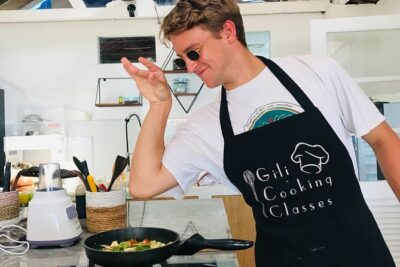
Learn to cook Indonesian food at Gili Cooking Classes Trawangan
Read our review →Browse the lists this tour appears in