
Review · ZANZIBAR
Zanzibar Cooking Class & Spice Tour
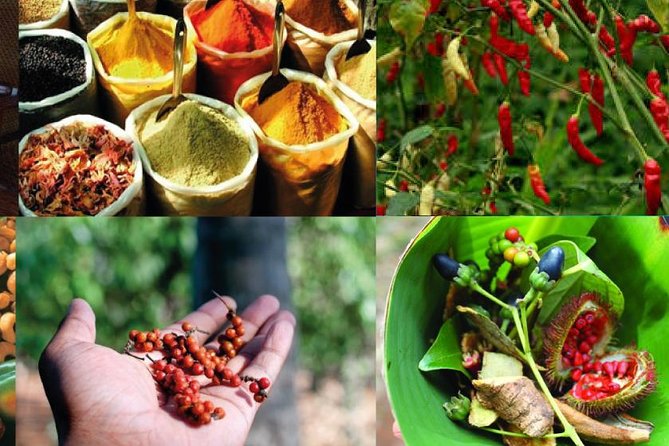
Zanzibar’s food makes more sense once you have seen where it begins. This five-hour market, spice farm, and cooking class takes you from Stone Town’s Darajani Market to a community spice farm, then into a local kitchen where the ingredients become lunch. You are not just handed a plate of pilau. You help choose what goes into it.
I like the market stop because you shop for the actual ingredients used later in the class. I also like the cooking lesson’s practical side, especially the tips on preparing rice pilau and bananas in a Zanzibari style. The main caution is timing: late pickup has caused serious trouble for some people, so do not book this close to a flight.
Key points at a glance
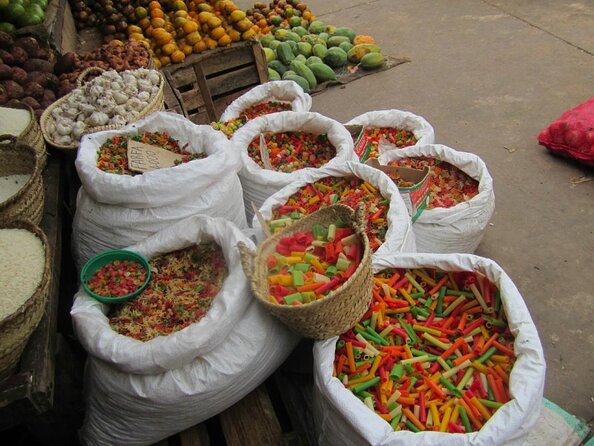
- Darajani Market shopping: Begin by seeing and buying local food in Stone Town’s main market.
- Community spice farm visit: Walk among spices and tropical fruits, with tastings along the way.
- Hands-on cooking: Prepare several classic Zanzibari dishes, then sit down to eat what you made.
- Small group size: The experience accepts no more than 10 people, though your group may be smaller.
- Flexible start times: Choose a morning pickup around 9:00 a.m. or an afternoon session around 3:00 p.m.
- Hotel transfers included: Pickup and drop-off are provided for Stone Town hotels, according to the stated arrangement.
Why this Zanzibar food tour is worth your time
Many Zanzibar visitors eat coconut curries, pilau, grilled seafood, and spiced tea without learning much about the ingredients. This experience gives you the missing context. You see the produce at market, encounter spices at the farm, and then use them in a meal.
That sequence is the real strength. Each stop has a job. The market shows how locals shop. The farm gives you a closer look at the plants and fruits. The kitchen turns that knowledge into something useful.
At $40, the price is reasonable if you value a full half-day with transport, food, tastings, and instruction. A short spice walk alone might cost less, while a private cooking lesson could cost more. Here, you get three connected activities rather than one isolated stop.
The tour is also a good choice if you want more contact with ordinary daily life. The setting is not a polished restaurant demonstration. You shop with a local host, work with ingredients, and eat the finished meal. That can feel less tidy than a staged class, but it is also closer to how food is actually prepared.
More Hands-On Workshops in the world:
- Half-Day Thai Cooking Class at Organic Farm in Chiang Mai
★ 5.0 · 19,087 reviews - Florence: Pasta Cooking Class with Unlimited Wine
★ 4.9 · 10,285 reviews - 3 in 1 Cooking Class near Navona: Fettuccine, Ravioli & Tiramisu
★ 5.0 · 7,376 reviews
Starting at Darajani Market in Stone Town
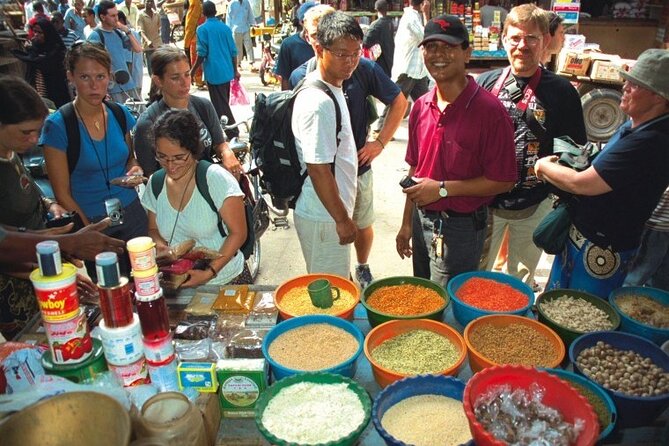
The morning session begins with pickup around 9:00 a.m. The afternoon session begins around 3:00 p.m. You then head to Darajani Market for a short guided visit and ingredient shopping.
Darajani is an important first stop because it gives you a sense of Zanzibar’s food supply before the cooking begins. You can expect a local food market rather than a tourist tasting hall. The point is to see the ingredients, discuss what you will cook, and help buy some of the supplies.
This part is especially useful if you are curious about unfamiliar produce. Your guide can explain what is being selected and how it will be used later. The shopping also gives you a small role in the meal. You are not simply watching someone else prepare a fixed menu.
Be prepared for the market to move at a local pace. A guide may spend time speaking Swahili with vendors while arranging purchases. That can be interesting, but it may feel slow if you have a tight schedule. If you need to catch a flight later in the day, I would choose another date or the morning session, not the afternoon.
The market visit is described as short, so do not expect a long historical tour of Stone Town or an extended food walk. It works best as a practical introduction to the ingredients rather than a major sightseeing stop.
Tasting spices and tropical fruit at the farm
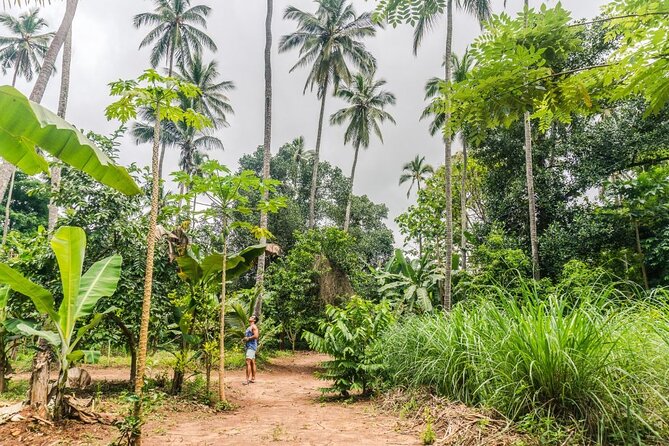
After the market, you travel to a spice farm. The exact farm may vary, and one recorded experience took place at Azusa Spice Farm. Another description refers to a community farm, where the guide showed a range of spices and tropical fruits.
The farm section is active rather than purely visual. You walk around, learn about the plants, and taste many of the spices and fruits. That tasting matters because spices can be hard to understand from scent alone. Seeing, smelling, and tasting them gives you a better sense of how they shape Zanzibari cooking.
You might encounter familiar items in fresh form, along with ingredients that are less common in European kitchens. The experience is built around explanation and tasting, not simply taking photographs among the plants.
The guide quality makes a big difference here. One especially warm account describes Lutfia as friendly and well prepared, while another praises the explanations and the effort to make the walk interactive. Hosts named Rashid and Lutfia are also associated with the market, cooking, and farm portions. Latfiya is mentioned in another highly positive account as the person who gave careful attention to a small group.
The farm can also include an opportunity to buy spices or other products. That is not necessarily a problem, but you should know that the mood may change if you do not want to purchase anything. Keep the farm visit focused on the learning and tasting, and treat shopping as optional rather than part of the value you are required to accept.
Learning to cook several Zanzibari dishes
The cooking class is the heart of the experience. After the farm visit, you join a local cook and prepare classic Zanzibar dishes before eating the finished meal.
The information provided describes a four-plate meal in at least one session. The menu can vary, so you should not book expecting a fixed list of dishes unless the operator confirms it. Rice pilau and bananas are specifically mentioned as areas where the class gives useful preparation tips.
Pilau is a particularly good dish for a cooking lesson because the result depends on more than adding spice. You can learn how the rice, seasoning, and other ingredients work together. The banana preparation also shows that Zanzibar cooking is not limited to the dishes most often served in hotels.
The class is hands-on. You help prepare the food rather than sitting through a demonstration while the cook does everything. That makes the experience more useful after you return home. You leave with techniques and combinations to try, not just a memory of lunch.
The atmosphere can vary with the size of your group. A small group may give you more time with the cook and more chances to ask questions. A group of up to 10 remains manageable, but it will not feel like a private lesson if every place is filled.
Several hosts receive strong praise for their warmth and care during the class. The most consistent strength is not fancy equipment or a formal teaching format. It is the personal attention, the chance to work beside a local cook, and the pleasure of eating food you helped prepare.
A few more cooking classes around the world worth a look
- Florence: Pasta & Tiramisu Cooking Class with Unlimited Wine
★ 4.9 · 6,708 reviews - Florence: Pasta Cooking Class with Unlimited Wine
★ 5.0 · 6,413 reviews - Hanoi Cooking Class: Culture, Local Market & Meaning CSR Impact
★ 5.0 · 5,147 reviews - 5 Traditional Dishes Hanoi Cooking Class with Market Trip
★ 5.0 · 4,890 reviews
Eating the meal you helped prepare
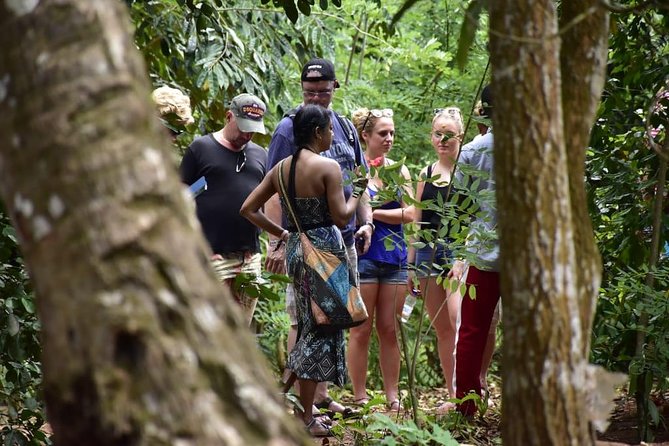
Lunch follows the cooking session. This is where the tour’s three parts come together. The ingredients you saw at Darajani Market and the flavors discussed at the farm now appear on your plate.
For many people, this will be the most satisfying part of the day. You can compare the finished dishes with the versions you know from restaurants. You also get a better sense of how spices are used as part of a dish rather than added as decoration.
The meal is described as delicious in several accounts, but keep your expectations sensible. This is a local cooking class, not a luxury dining experience. The reward is participation and flavor, not polished service or a restaurant-style menu.
If you have dietary restrictions, the supplied information does not confirm how they are handled. Contact the provider before booking rather than assuming the class can adapt the menu. The same applies to strong dislikes or allergies.
Timing, pickup, and group size
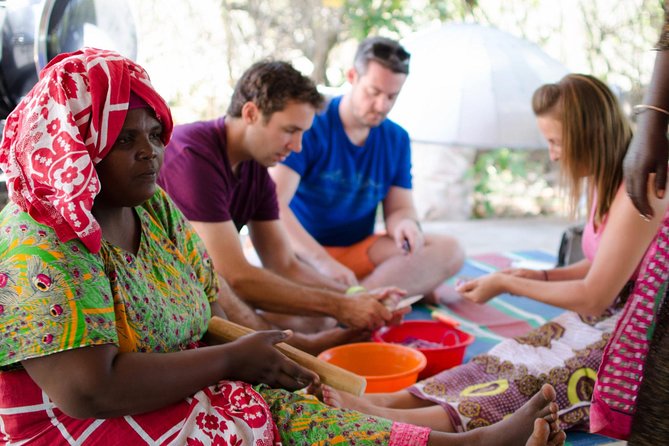
The stated duration is about five hours. Pickup is offered at approximately 9:00 a.m. for the morning session or 3:00 p.m. for the afternoon session. Hotel pickup and drop-off are included for Stone Town accommodations under the stated arrangement.
The tour ends back at the meeting point, and the listed start point is R5QQ+697, Zanzibar, Tanzania. Confirm the exact pickup details when you book, especially if your hotel is outside central Stone Town.
The schedule deserves careful attention. One person was left waiting when the operator did not arrive at the appointed time, and attempts to make contact were unsuccessful. Another person experienced a late pickup and felt rushed because of an evening flight. These are not minor concerns if you have a ferry, flight, or another fixed booking afterward.
My practical advice is simple: leave the rest of your day open. Use the morning session if you want the best buffer for transport, and do not schedule a flight immediately after the activity. A five-hour estimate does not include every possible delay between stops.
The maximum group size is 10 people. That limit should help keep the cooking portion workable. Still, the experience may operate with only a few participants, and a very small group can feel much more personal.
The guides and the human side of the class
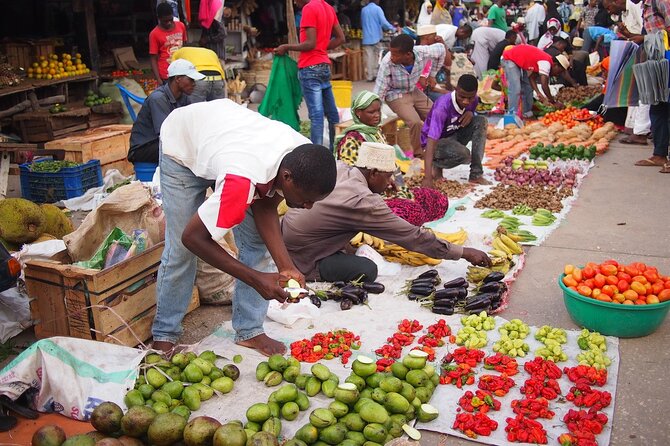
Names connected with the most praised sessions include Lutfia, Rashid, and Latfiya. The strongest descriptions focus on hosts who cook, shop, explain, and stay involved throughout the day.
That matters because a food tour succeeds through conversation. A spice plant is only interesting if someone explains what it is used for. A market is only useful if you understand what you are buying. A cooking class is only memorable if the cook lets you participate.
You should also allow for variation. One account describes a guide as more focused on companions than on the people who booked the activity. That points to a normal issue with small local tours: the quality can depend heavily on the individual host assigned that day.
The overall rating is 4.5 from 77 ratings, which suggests a generally positive experience but not a perfect one. The repeated strengths are the cooking class, friendly hosts, spice explanations, and smooth transport on good days. The repeated concerns are late pickup, weak communication in one case, and pressure to buy at the farm in another.
Is $40 good value?
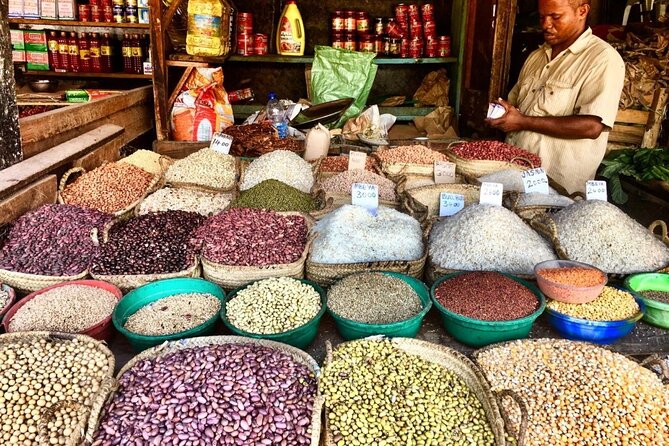
For $40, you receive a market visit, farm tour, spice and fruit tastings, a cooking lesson, lunch, and transport. That is a solid package if all parts run close to schedule.
The price is especially fair for people who want an activity that lasts most of a day. You are paying for access to local knowledge and participation, not only for food. The cooking class alone is likely to be the main value for many people.
The value is weaker if you mainly want a polished culinary show, a long market tour, or a guaranteed private guide. It is also weaker if you have to cancel, since the experience is non-refundable and cannot be changed for any reason.
Group discounts are available, which may help if you are booking with family or friends. A mobile ticket is also offered, making the booking side straightforward, though you should still confirm the pickup point and timing.
Who should book this experience?
I would recommend this for people who enjoy food, local markets, and practical activities. It suits couples, families with older children, and small groups of friends who want to do more than sit at a resort restaurant.
It is a good fit if you like asking questions and getting involved. You will get more from the class if you are willing to chop, mix, taste, and listen rather than treating it as a passive demonstration.
I would be more cautious if you have a strict schedule, a same-day flight, or little patience for delays. I would also think twice if you dislike market conditions, informal cooking spaces, or the possibility of being encouraged to buy products at the farm.
Should you book the Zanzibar Cooking Class and Spice Tour?
Book it if you want a friendly, hands-on look at Zanzibar’s food culture for $40. The market-to-farm-to-kitchen format makes sense, and the cooking class appears to be the strongest part, with useful lessons on dishes such as pilau and banana preparations.
Choose the morning departure when possible, keep your evening free, and confirm pickup before the day begins. If the host is as attentive as Lutfia, Rashid, or Latfiya are described, you can expect a warm and rewarding day. If punctuality is critical, build in a generous safety margin or select an activity with a firmer schedule.
FAQ
How long does the Zanzibar cooking class and spice tour last?
The experience lasts approximately five hours, including the market visit, spice farm tour, cooking class, meal, and transfers.
What time does the tour start?
The morning session starts around 9:00 a.m. An afternoon session is also offered at about 3:00 p.m.
Does the tour include hotel pickup and drop-off?
Hotel transfers in Stone Town are included in the stated experience. The activity ends back at the meeting point, so confirm the exact pickup details for your accommodation.
What places are visited during the experience?
You visit Darajani Market in Stone Town, a spice farm, and a location for the cooking class and meal.
How many people can join the tour?
The maximum group size is 10 people.
Is lunch included?
Yes. You prepare classic Zanzibari dishes during the class and then eat the meal afterward.
Can I cancel or change the booking?
No. The experience is non-refundable and cannot be changed for any reason.
Just added around the world
- Korean cooking class in Haeundae, Busan★ 5.0 · 92 reviews
- Cooking, Farming and Waterfall In Vietnam Countryside★ 3.0 · 6 reviews
- Busan Tailored Korean cooking class (Vegan OK)with market tour★ 5.0 · 66 reviews
- Private Argentine Cooking Class and Tango Lesson in Buenos Aires★ 5.0 · 37 reviews
- Hungarian Home Cooking Class with Chef Marti★ 5.0 · 30 reviews
- Cooking Class with dinner/lunch in Ulcinj Montenegro★ 5.0 · 8 reviews
- BA: Empanadas and Alfajores Cooking Experience in Palermo★ 5.0 · 112 reviews
- Budapest Market Tour & Home Cooking Class with local Chef & Guide★ 5.0 · 23 reviews
Cooking Classes, compared.
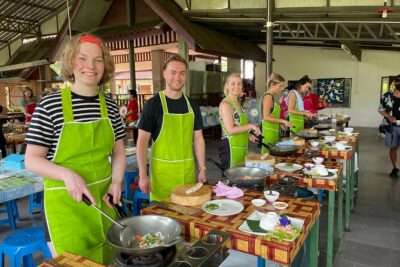
Half-Day Thai Cooking Class at Organic Farm in Chiang Mai
Read our review →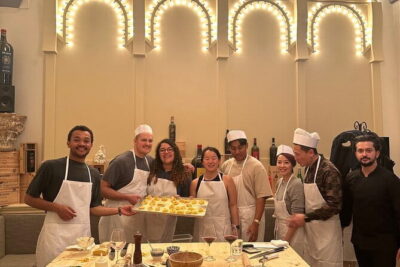
Florence: Pasta Cooking Class with Unlimited Wine
Read our review →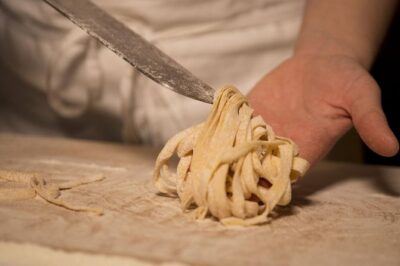
3 in 1 Cooking Class near Navona: Fettuccine, Ravioli & Tiramisu
Read our review →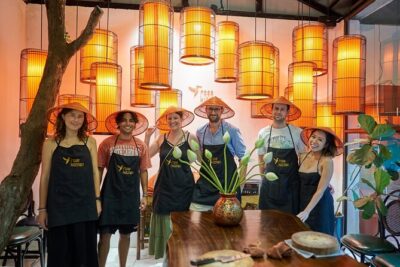
Hanoi Cooking Class: Culture, Local Market & Meaning CSR Impact
Read our review →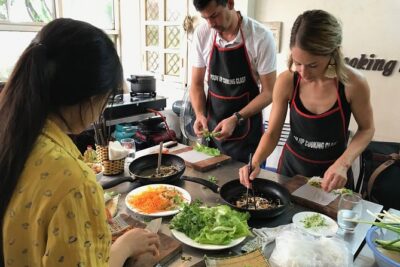
5 Traditional Dishes Hanoi Cooking Class with Market Trip
Read our review →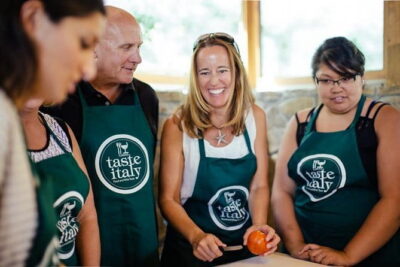
Cooking Class and Lunch at a Tuscan Farmhouse with Local Market Tour from Florence
Read our review →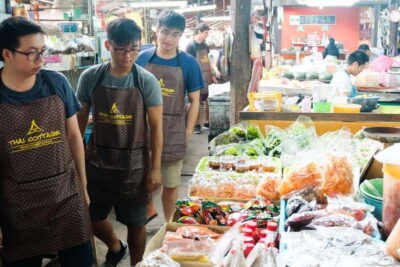
Chiang Mai: Cooking Class, Market & Thai Herbs Garden Tour
Read our review →Browse the lists this tour appears in