
Review · ZANZIBAR
Zanzibar: Spice Farm Tour with Traditional Cooking Lesson
Zanzibar’s spices make the most sense when you meet them as living plants. On this three-hour tour, you can rub a cinnamon leaf between your fingers, smell fresh vanilla, taste tropical fruit, and see how cloves, nutmeg, cardamom, and black pepper connect to the island’s food and trade.
I like the hands-on cooking lesson, where you may help harvest cassava leaves, make coconut milk, and prepare a Swahili meal. I also like the friendly local guides, including Chiquito, Abdullah, Ahmad, Khamis, and Juma, whose language skills, humor, and personal stories can add plenty to the visit.
The main thing to clarify is the word cooking. You get to participate, but the amount of hands-on work can vary. Some groups prepare several steps, while others mainly see ingredients and help with one side dish. The leaf crowns and similar extras can also feel touristy, and you should carry cash if you want to buy spices.
Key points at a glance
- Fresh spices on the plant: Touch and smell cinnamon, vanilla, cardamom, ginger, turmeric, nutmeg, cloves, black pepper, and lemongrass in their natural form.
- A meal you help prepare: Take part in cassava-leaf harvesting, coconut-milk making, and selected cooking tasks before eating lunch at the farm.
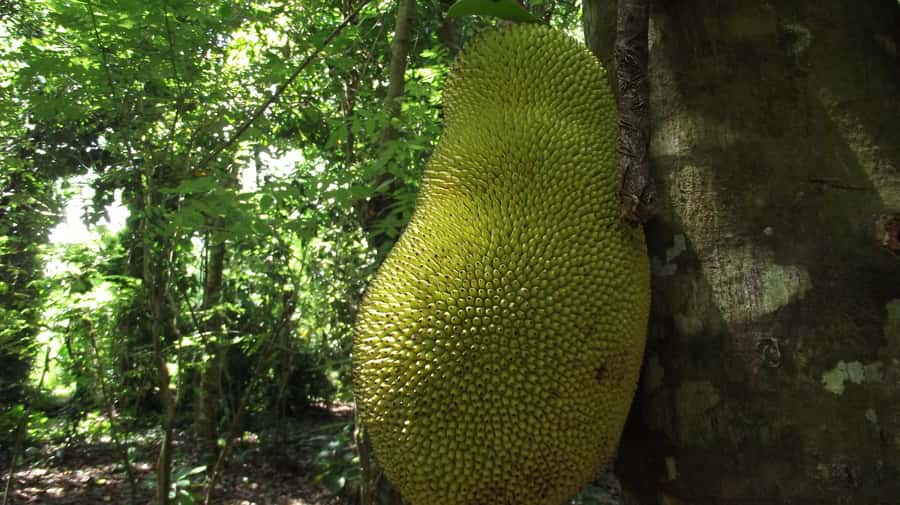
- Tropical fruit tasting: Try fresh jackfruit and young coconut, with fruit demonstrations along the route.
- Private three-hour outing: Travel with a private group, a local guide, and optional pickup from Stone Town or a beach hotel anywhere in Zanzibar.
- Strong value at $65: The price includes transport from an agreed pickup point, guiding, lunch, and a contribution to the local community.
- Bring cash and sun protection: Spice purchases require cash, and the farm visit calls for comfortable shoes, water, a hat, and sunscreen.
Why a spice farm belongs in your Zanzibar plans
Zanzibar is often called part of the Spice Islands, along with Tanzania’s Mafia Island. That nickname is not just a souvenir-shop slogan. Cloves, cinnamon, nutmeg, black pepper, cardamom, vanilla, and other plants have shaped local cooking, trade, household remedies, and the island’s place in East African history.
This tour gives you a useful correction to the way spices appear at home. In your kitchen, cinnamon arrives as a stick and vanilla comes in a bottle. At the farm, you can see the plants first, then touch, smell, or taste them before they are dried, ground, or used in a dish.
I especially like this kind of introduction early in a Zanzibar visit. It gives you something to notice later in market stalls, restaurant meals, and spice displays around Stone Town. You begin to recognize the smell of cloves and understand why coconut, ginger, turmeric, and cardamom turn up so often in local food.
The setting is an organic spice farm in the Unguja South Region. The tour is not designed as a formal botanical lecture. It is a guided walk with demonstrations, conversation, fruit tasting, cooking, lunch, and time to shop. That relaxed mix suits you if you want cultural context without spending an entire day at a museum.
More Farm Cooking Classes in the world:
- Half-Day Thai Cooking Class at Organic Farm in Chiang Mai
★ 5.0 · 19,087 reviews - Cooking Class and Lunch at a Tuscan Farmhouse with Local Market Tour from Florence
★ 5.0 · 4,831 reviews - Chiang Mai: Authentic Cooking Class with Market & Farm Visit
★ 4.9 · 4,546 reviews
The morning begins with pickup from Stone Town
The listed meeting point is in front of the Old Fort on Mizingani Road at 9:00 AM. If you are staying in Stone Town, this gives you a clear and central place to meet. Pickup is also available from beach hotels anywhere in Zanzibar, so the experience can work even if you are based outside the old city.
Transport matters here because the farm is outside Stone Town. The activity includes pickup from a Stone Town meeting point and optional pickup from a beach hotel, but you should confirm the exact pickup details when booking. The outing lasts three hours, so the drive is part of a compact morning rather than an all-day road trip.
The private-group format is useful for this type of visit. You can ask your guide to repeat a spice name, pause at a plant, or explain how an ingredient is used in food or traditional medicine. Guides speak English and Swahili, and the best part of the experience often comes through conversation.
Several guides have been singled out by name in past bookings. Chiquito is known for adding humor to the explanations, while Abdullah, Ahmad, Khamis, and Juma have each led or supported outings. You cannot necessarily request one of them, but it is worth asking the operator if a particular guide is available.
Smelling cinnamon, vanilla, cloves, and pepper in fresh form
The farm walk is the heart of the tour. Your guide explains how spice plants grow and how they are used for flavor and household remedies. You can expect to see and handle familiar ingredients such as vanilla, cardamom, nutmeg, cinnamon, black pepper, ginger, turmeric, cloves, and lemongrass.
The sensory part makes this more than a list of plants. Rub or smell a leaf, and you get a sharper idea of the ingredient than you would from a packet on a supermarket shelf. The guide may invite you to taste selected plants or herbs directly, but you should follow instructions before eating anything.
Cloves are especially important to Zanzibar’s identity. Their scent is strong and familiar, yet seeing the plant and learning about its place in the island’s economy gives the spice a clearer setting. Nutmeg, cardamom, and cinnamon also become easier to identify once you have smelled them fresh.
The explanations can also connect spices to everyday life. You may learn how ingredients flavor local dishes, how some are used as remedies, and how spice growing relates to Zanzibar’s past and economy. The amount of detail depends on the guide, but the experience is at its best when you ask questions rather than simply follow the path.
Fruit tasting, from jackfruit to young coconut
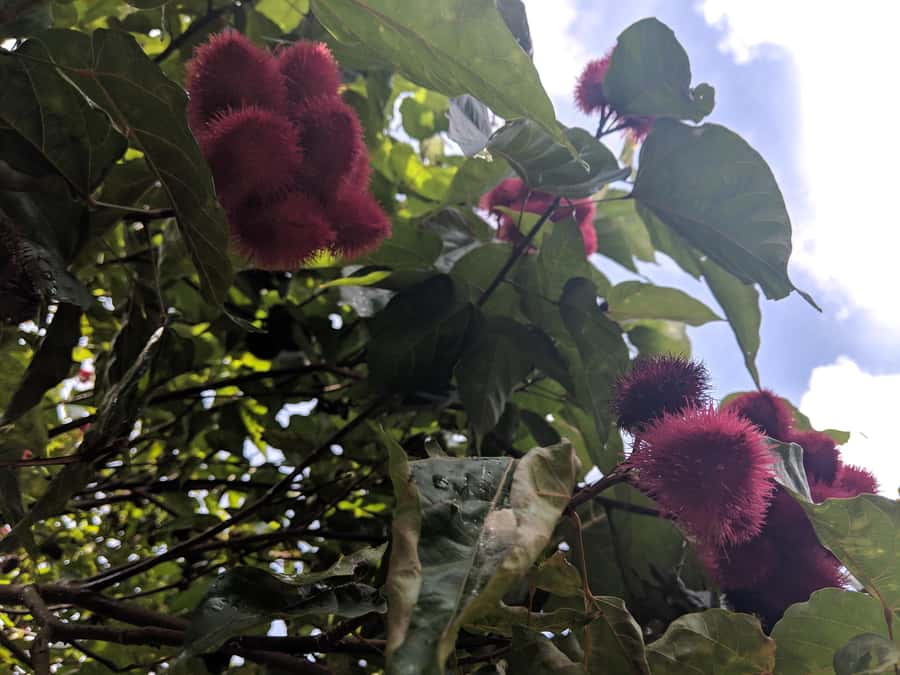
Spices are only part of the farm visit. Tropical fruit appears along the way, giving you a second reason to keep your senses open. The tour includes fresh jackfruit, described as the largest fruit in the world, and you may see or taste other fruit grown at the farm.
Jackfruit is worth trying even if you have seen it in a restaurant or health-food shop. Fresh jackfruit has a different character from packaged products, and tasting it at the farm makes the fruit part of the place rather than just another sample.
A coconut climber also picks young coconuts for you to try. This is one of the tour’s more visual demonstrations, and the fresh coconut adds a welcome pause in the warm climate. Bring water anyway. Coconut tasting is part of the experience, not a replacement for your own drinking supply.
The fruit stops also help break up the spice explanations. If you are traveling with someone who is less interested in agriculture or history, the tasting and climbing demonstrations provide variety. Families may enjoy the interactive format, though the activity is specifically listed as not suitable for pregnant women.
More Hands-On Workshops in the world:
- Florence: Pasta Cooking Class with Unlimited Wine
★ 4.9 · 10,285 reviews - 3 in 1 Cooking Class near Navona: Fettuccine, Ravioli & Tiramisu
★ 5.0 · 7,376 reviews - Florence: Pasta & Tiramisu Cooking Class with Unlimited Wine
★ 4.9 · 6,708 reviews - Florence: Pasta Cooking Class with Unlimited Wine
★ 5.0 · 6,413 reviews
Cassava leaves, coconut milk, and the cooking lesson
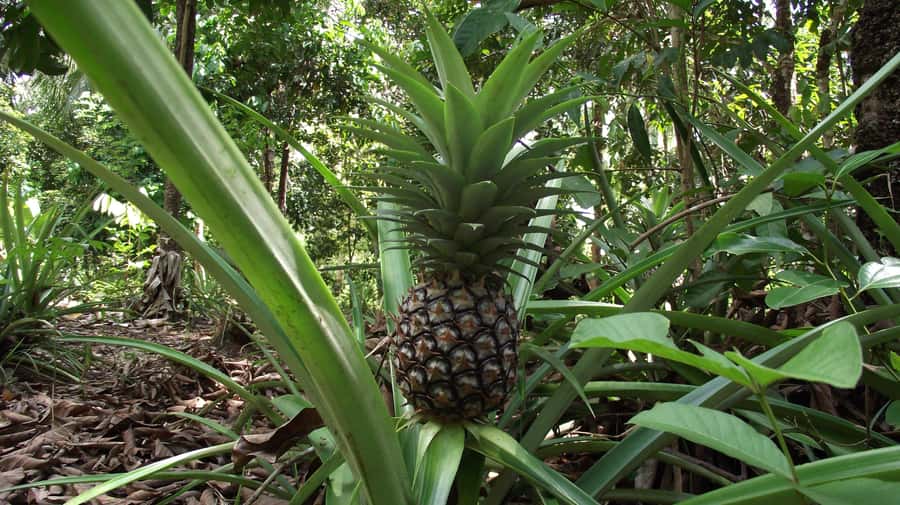
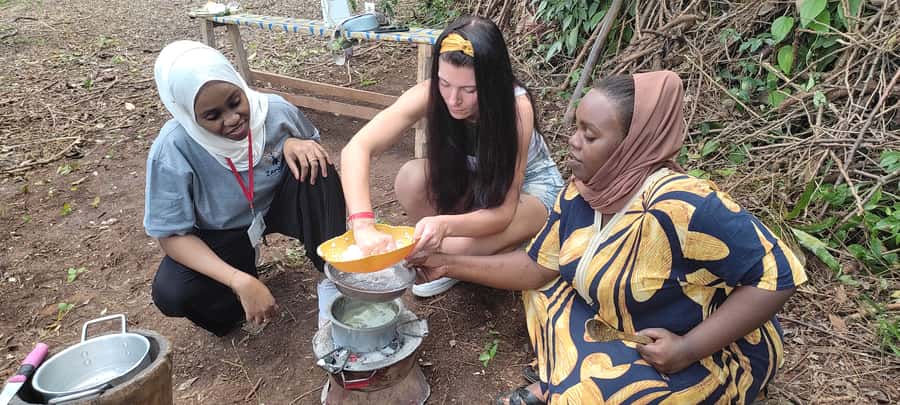
The cooking portion takes you closer to the food itself. You may join a cassava-leaf harvest, help make coconut milk, and take part in preparing local dishes. These tasks show how a few basic ingredients become part of a meal, rather than presenting lunch as something prepared out of sight.
Making coconut milk is particularly useful because coconut is central to many coastal East African dishes. You get a direct look at a process that is easy to overlook when coconut milk comes from a can. The cassava-leaf activity adds another local ingredient to the lesson.
Set your expectations carefully. The tour description presents a traditional cooking lesson, but participation can vary. Some outings involve meaningful preparation, while others offer a demonstration and limited help with one side dish. If cooking from scratch is your main reason for booking, ask in advance exactly which steps you will handle.
That variation does not ruin the meal, but it affects the value you place on the lesson. You are paying for a package that includes the farm walk, guide, transport, fruit, cooking activities, and lunch. You are not booking a long professional cooking class with a fixed recipe and several hours at the stove.
Lunch at the farm, with a Swahili flavor

The tour ends with lunch at the spice farm, using the ingredients and cooking ideas introduced earlier. The meal is a strong part of the experience because you have already smelled the spices, handled some produce, and watched or joined parts of the preparation.
Expect a local Swahili-style meal rather than a restaurant menu built for international visitors. The precise dishes are not specified, so do not book this expecting a particular recipe. The point is to taste food in the setting where the ingredients make sense.
I like the way the lunch ties the tour together. Cinnamon, coconut, ginger, turmeric, cardamom, or other spices are no longer abstract samples. You can connect their aromas with the finished food, and you leave with a better sense of how seasoning works in Zanzibar.
You may want to arrive hungry. Lunch is included, and the itinerary contains fruit and coconut tasting before the meal. One practical note from the experience: food is served after the activities, so avoid eating a heavy breakfast if you want to enjoy everything.
The spice shop and what to buy
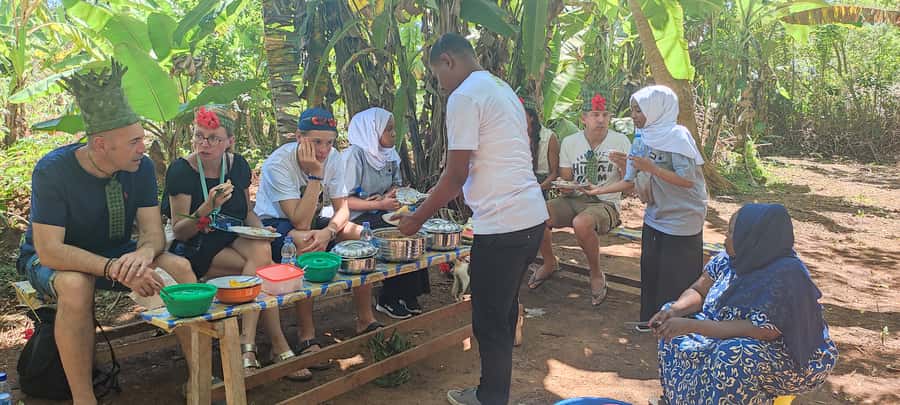
The farm shop gives you a chance to take the experience home. You can purchase fresh spices and teas, but purchases require cash. Bring enough local currency or confirm the accepted cash arrangements before leaving Stone Town.
This is a good place to buy ingredients you can actually use, such as cinnamon, cloves, cardamom, pepper, or blended spice packets. You may also find teas and other farm products. The value depends on the price and quantity offered, so compare casually rather than feeling obliged to buy a large bundle.
The shopping stop is also where the tour can feel more commercial. That is normal for a farm visit that supports a local community, but it is still wise to decide what you want before you arrive. Keep cash separate for transport or other plans, and do not assume card payment will be available.
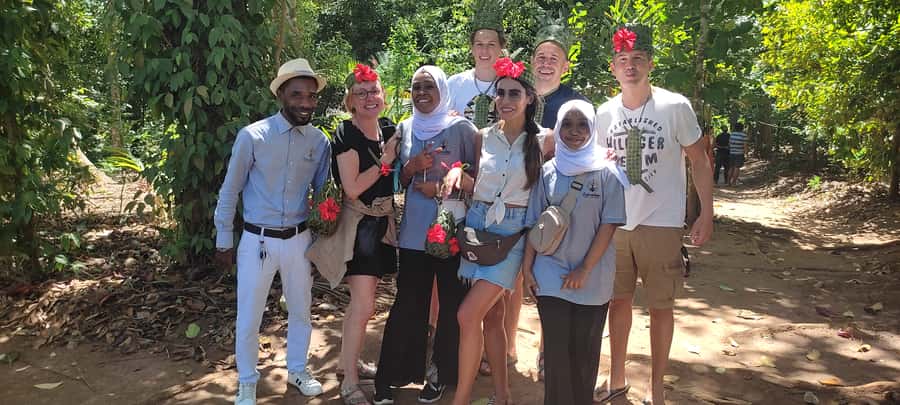
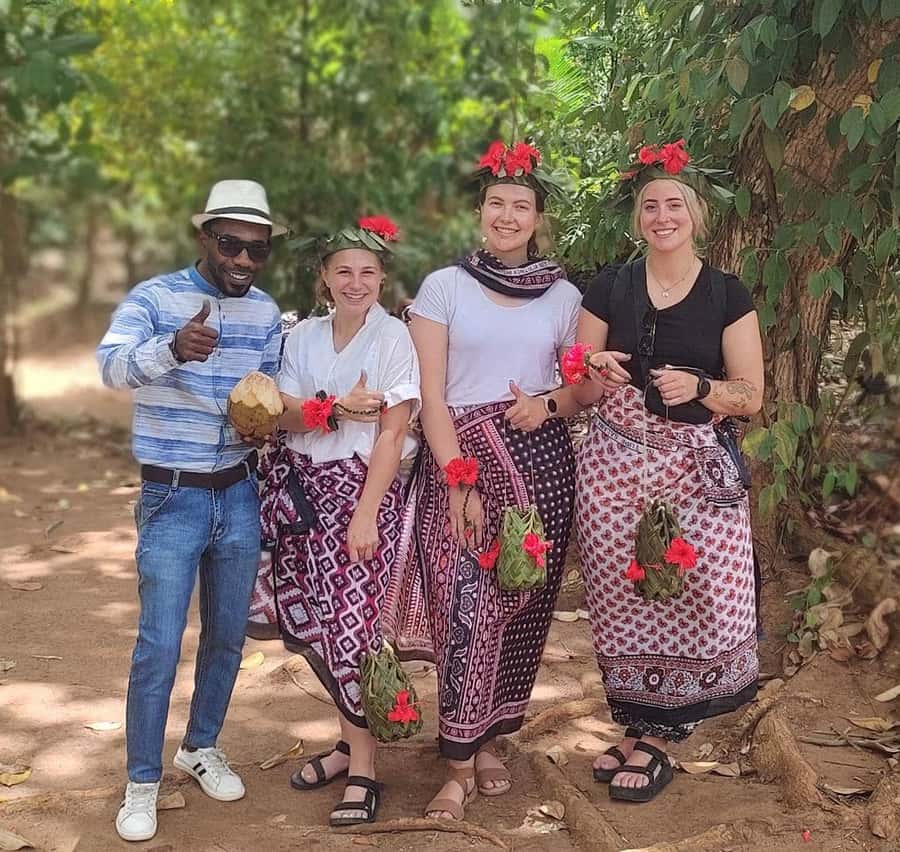
Some extra demonstrations involve handmade items such as leaf crowns, ties, or handbags. They can be amusing for photos, especially for children, but one past experience found this part too tourist-focused and associated with an unexpected tip request. You can enjoy the main tour without treating every extra as compulsory.
Is $65 a fair price?
At $65 per person, this is not the cheapest short activity you could book in Zanzibar. The price makes more sense when you count what is included: a three-hour private-group experience, local guiding, pickup from Stone Town or a beach hotel, lunch, fruit tasting, cooking activities, and a community contribution.
The private format improves the value if you want direct questions and flexible attention. It is also helpful for a small family or group that would rather not join a large coach excursion. If you are already paying for separate transport from a beach hotel, confirm that pickup is included for your location so you can judge the full cost.
The tour is less compelling if you only want to buy spices. A market visit will be faster, and you may prefer to spend $65 on a longer activity if you have limited time. The farm is worthwhile because it combines agriculture, food, history, tasting, and transport in one package.
I would call it good value for visitors who want an active cultural morning and lunch. I would be more cautious if you dislike guided demonstrations, shopping stops, or uncertain levels of cooking participation.
Practical advice for a comfortable visit

Wear comfortable shoes. The farm portion involves walking, and footwear that handles uneven ground is more useful than beach sandals. A sun hat, sunscreen, and water are also sensible in Zanzibar’s heat.
Carry cash for the spice shop and any optional extras. The tour specifically states that spices can only be purchased with cash. Keep your phone or camera ready if you want photographs, but stay attentive during demonstrations and follow instructions when handling tools or fresh produce.
The activity is listed as wheelchair accessible, though the available information does not describe every path or surface at the farm. If you use a wheelchair, confirm the practical details of transport and farm access before booking.
English and Swahili are available. The experience is private, so you can ask your guide to explain terms, history, or cooking steps in more detail. The quality of the morning depends greatly on that conversation, so bring questions about Zanzibar’s spices, food, farming, or daily life.
Free cancellation is available up to 24 hours before the activity for a full refund, and you can reserve now and pay later. Those terms are helpful if your beach-hotel plans or weather arrangements are still shifting.
Who should book this spice farm tour?
I would recommend this tour to first-time visitors who want a clear introduction to Zanzibar beyond Stone Town’s streets and beaches. It also suits food lovers, amateur cooks, families, and anyone curious about how familiar spices look before they reach a kitchen.
The experience works well as a welcome activity. The guides can teach you Swahili words, explain local customs, and connect food with island history. The combination of a private group and a three-hour schedule leaves room for another activity later in the day.
You may want to skip it if you have a strong dislike of farm visits, tasting activities, or sales stops. It is also not suitable for pregnant women, according to the activity information. And if your priority is a formal cooking class, confirm the hands-on portion before paying.
Should you book it?
Book this spice farm tour if you want to smell and taste Zanzibar rather than simply look at it. The best parts are the fresh plants, the coconut and fruit demonstrations, the local lunch, and the chance to connect spices with everyday food.
Go in with realistic expectations about the cooking lesson and the shop. You may help with several steps, or you may mainly watch and assist with selected ingredients. At $65, the tour earns its price through the combination of private transport, guiding, food, farm access, and cultural context, not through a long cooking course alone.
If that balance sounds right, it is a practical and enjoyable morning near Stone Town, with enough real local activity to make the spices you buy afterward mean something.
FAQ
How long is the Zanzibar spice farm tour?
The activity lasts three hours.
Where does the tour meet?
The listed meeting point is in front of the Old Fort on Mizingani Road in Stone Town at 9:00 AM.
Is hotel pickup available?
Yes. Pickup is available from Stone Town and from beach hotels anywhere in Zanzibar. Pickup is optional.
What languages does the guide speak?
The live guide speaks English or Swahili.
Is lunch included?
Yes. Lunch at the spice farm is included in the price.
What spices can I see on the farm?
You can see spices and herbs including vanilla, cardamom, nutmeg, cinnamon, black pepper, ginger, turmeric, cloves, and lemongrass.
Can I buy spices after the tour?
Yes. You can purchase spices from the farm shop, but spice purchases can only be paid for with cash.
Is the tour suitable for pregnant women?
No. The activity is listed as not suitable for pregnant women.
What should I bring?
Bring comfortable shoes, a sun hat, sunscreen, water, and cash.
Just added around the world
- Cooking, Farming and Waterfall In Vietnam Countryside★ 3.0 · 6 reviews
- Busan Tailored Korean cooking class (Vegan OK)with market tour★ 5.0 · 66 reviews
- Korean cooking class in Haeundae, Busan★ 5.0 · 92 reviews
- Private Argentine Cooking Class and Tango Lesson in Buenos Aires★ 5.0 · 37 reviews
- Hungarian Home Cooking Class with Chef Marti★ 5.0 · 30 reviews
- Cooking Class with dinner/lunch in Ulcinj Montenegro★ 5.0 · 8 reviews
- BA: Empanadas and Alfajores Cooking Experience in Palermo★ 5.0 · 112 reviews
- Budapest Market Tour & Home Cooking Class with local Chef & Guide★ 5.0 · 23 reviews
Farm & Countryside Cooking Classes, compared.
Half-Day Thai Cooking Class at Organic Farm in Chiang Mai
Read our review →
Cooking Class and Lunch at a Tuscan Farmhouse with Local Market Tour from Florence
Read our review →
Chiang Mai: Authentic Cooking Class with Market & Farm Visit
Read our review →
Ubud: Balinese Cooking Class at an Organic Farm
Read our review →
Ubud: Authentic Cooking Class in a Local Village
Read our review →
Chiang Mai: Cooking Class with Organic Farm at Mama Noi
Read our review →

Hands-On Cooking Class & Farmhouse Tour on the Amalfi Coast
Read our review →Browse the lists this tour appears in