
Review · LISBON
Lisbon: Portuguese street food cooking class with Drinks
Portugal’s best food lesson may be found in its everyday snacks, not its fanciest restaurant dishes. At Compadre Cooking School, you learn to make a juicy bifana, hearty caldo verde, and Peixinhos da horta, the battered bean dish linked to tempura. The class ends with a shared meal, wine, and Ginja.
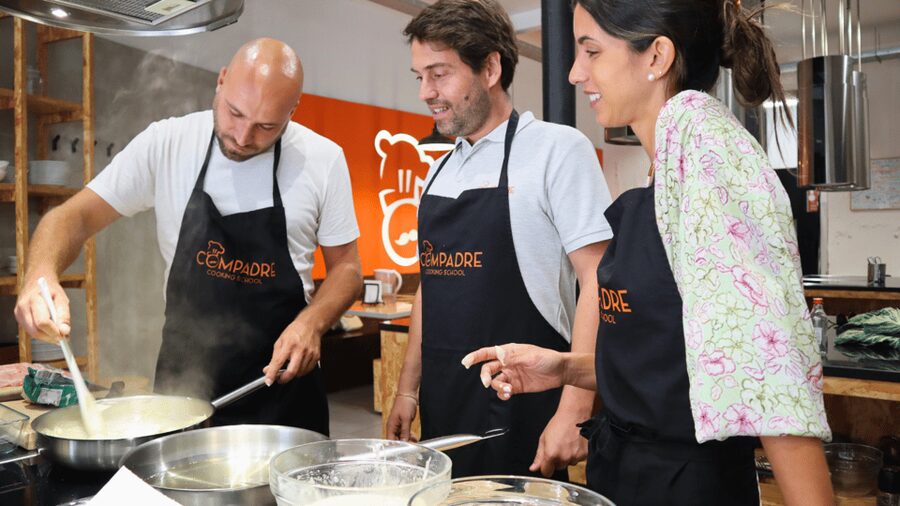
I like the way the class connects each recipe to Portuguese daily life, and I like that you spend much of the session actually preparing food rather than watching a demonstration. The spotless, modern kitchen and warm instructors, including Marta, Martha, Anna, and Roy on different sessions, add to the easygoing feel.
The main consideration is that the class is short, so the experience focuses on a small set of dishes rather than a full survey of Portuguese cooking. One participant also felt an instructor sometimes took over instead of letting students work independently. That may depend on the class and the task.
Key points to know before booking
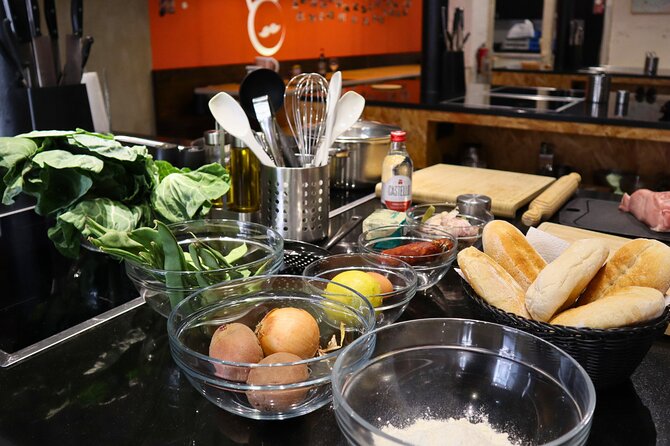
- Three useful Portuguese recipes: Prepare bifana, caldo verde, and Peixinhos da horta, all simple enough to try at home.
- A meal, not just a lesson: Eat the dishes you make together, with a glass of red or white wine and a tasting of Ginja.
- Food with a story: Learn how familiar snacks fit into Portuguese daily life, festivals, and wider culinary traditions.
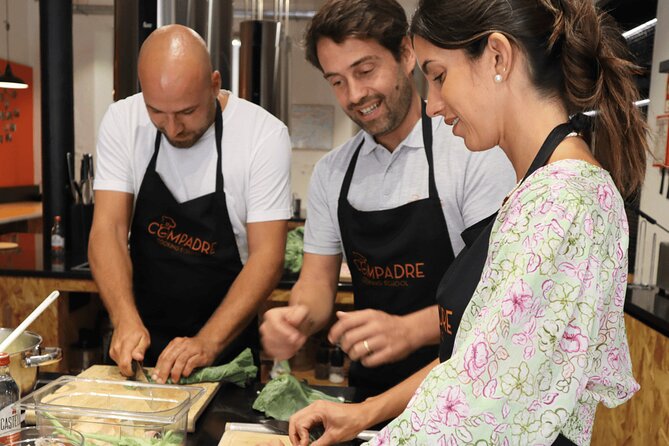
- Friendly hands-on format: Work at a cooking station with other participants under an English-speaking chef’s guidance.
- Good value at $55: Ingredients, instruction, a shared meal, wine, and cherry liqueur are included.
- Plan for comfort: Arrive five minutes early and wear comfortable clothes and shoes. The kitchen is not suitable for wheelchair users.
Why these Portuguese snacks make a better lesson than another pastel de nata
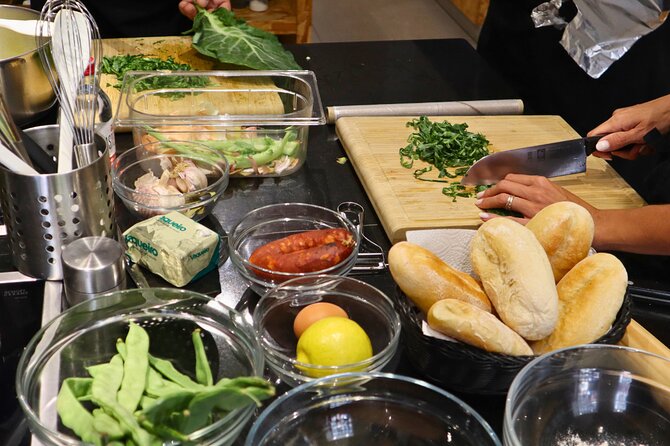
Lisbon offers plenty of chances to eat pastel de nata and codfish. Those foods deserve their fame, but this class takes a different route. It focuses on dishes you may encounter at simple snack bars, local gatherings, and festivals across Portugal.
That choice matters. You are not just copying a famous postcard food. You are learning the kind of cooking that explains how people eat between errands, meet friends, or put a quick meal on the table. The recipes are familiar, practical, and tied to ordinary life.
The three dishes also give you a useful spread of Portuguese flavors. The bifana brings seasoned pork and bread. Caldo verde offers a comforting soup built around potatoes and greens. Peixinhos da horta adds a crisp, fried vegetable dish with an unusual international connection.
At $55 per person, the class is priced like a paid activity rather than a cheap meal. Still, the fee covers the ingredients, chef instruction, the food you prepare, wine, Ginja, and two hours in a professional kitchen. If you would otherwise pay for lunch or dinner, the value improves. You are paying for both the meal and the skill of learning how to repeat it.
More Food and Drink Tours in Lisbon:
- Lisbon Market and Food Tour with Cooking Class and Lunch
★ 5.0 · 117 reviews - Lisbon: Portuguese Cooking Class with Wine Tasting
★ 5.0 · 4 reviews - Small Group Cooking Class & Market Food Tour in Florence
★ 5.0 · 1,574 reviews
Arriving at Compadre Cooking School
Your meeting point is the Compadre Cooking School kitchen in Lisbon District. Transportation to the kitchen is not included, so you need to make your own way there and allow enough time to arrive five minutes early.
That small buffer is useful. You can settle in, find your station, and put on suitable clothing before the introduction begins. The school has been described as modern, clean, spacious, and well organized, which makes a difference when several people are chopping, stirring, and assembling food at once.
Wear comfortable clothes and shoes suitable for cooking. The practical advice is simple, but it matters more than dressing up for a food activity. You will be standing and working around preparation areas, so comfort is worth more than style.
The class is conducted in English. No cooking experience is required, which makes this a good choice if you want participation without needing technical kitchen skills. You should come ready to ask questions and take part, not simply sit back and watch a chef work.
The opening story behind bifana, caldo verde, and Peixinhos da horta
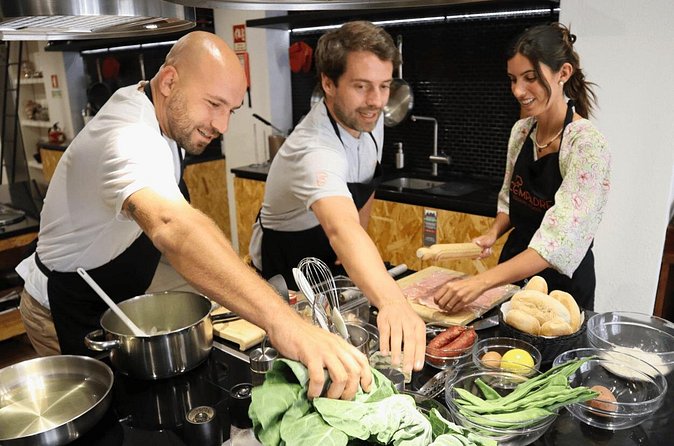
The session begins with an introduction to the history and culture of the dishes. This is more than filler before the cooking starts. It gives you a reason to care about what you are preparing.
Bifana is a Portuguese pork sandwich, the sort of straightforward food that works well as a quick snack or informal meal. Caldo verde is a traditional soup made with greens and is widely recognized as a comfort food. Peixinhos da horta, made in a tempura-like style, offers the most surprising story because it is linked to the dish that inspired world-famous tempura.
You also hear about the place these foods hold in Portuguese daily life. That context helps you see why the recipes are useful. They are not complicated restaurant constructions that require rare equipment. They are approachable dishes built for sharing and repeating.
I especially like this part for visitors who want more than a list of ingredients. A recipe becomes easier to remember when you know its setting and purpose. You leave with a clearer sense of how Portuguese food can be both humble and culturally important.
Cooking the bifana, Portugal’s famous pork sandwich
The bifana is likely to be one of the class’s most familiar names, but preparing it yourself gives you a better feel for its appeal. You work with the ingredients under the chef’s direction, then see how a few well-handled elements become a satisfying sandwich.
The class is designed so you take part throughout much of the process. One participant specifically appreciated having enough steps for everyone to remain involved for nearly the entire session. That is important in a shared kitchen, where some cooking classes give one person the main job and leave everyone else watching.
Expect the chef to guide the pace and show you how the dish comes together. You are not required to arrive with knife skills or previous experience. The aim is to make the method clear enough that you can repeat it in your own kitchen.
The bifana also gives the meal a filling center. After preparing soup and a vegetable dish, the sandwich makes the final table feel like a proper meal rather than a collection of samples.
More Food Experiences in Lisbon:
- Athens: Food Market Visit and Cooking Class with Wine
★ 4.9 · 1,087 reviews - Undiscovered Charleston: Half Day Food, Wine & History Tour with Cooking Class
★ 5.0 · 948 reviews - Vietnamese Food Cooking Class in Hanoi with Market Experience
★ 5.0 · 778 reviews - Milan: Italian Cooking Class with Food and Wine
★ 4.7 · 509 reviews
Caldo verde brings comfort to the table
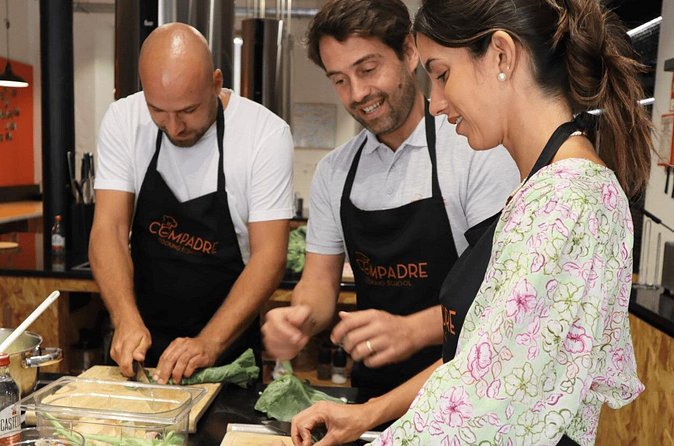
Caldo verde is the dish that received the strongest affection from several participants. That makes sense: a warm soup is easy to share, easy to understand, and deeply suited to a relaxed communal meal.
You learn how the soup is prepared while hearing about its place in Portuguese food culture. The class presents it as a traditional and popular dish, not as a complicated chef’s project. The method is approachable enough for home cooking, which is exactly what you want from a two-hour lesson.
I would pay close attention here and take notes if you plan to recreate the soup. The recipe is simple, but simple food leaves little room to hide mistakes. The balance of the ingredients and the final texture matter.
At the end, caldo verde gives you a chance to taste the difference between reading about a dish and preparing it with your own hands. It is also a useful recipe for a cool evening at home, long after your Lisbon visit.
Peixinhos da horta and the tempura connection
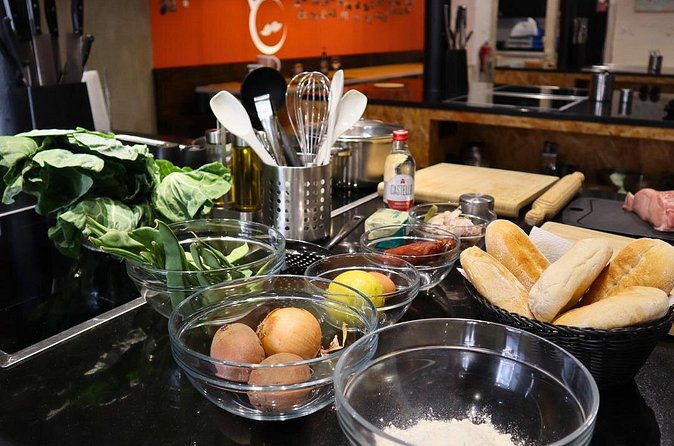
Peixinhos da horta may be the most memorable dish in the lineup because it is less familiar to many visitors. The name refers to a classic Portuguese preparation, and the recipe is connected to the origins of tempura.
The class presents the dish in a way that is easy to understand and repeat. You work with the ingredients, follow the chef’s instructions, and then taste the crisp result alongside the soup and bifana. It adds contrast to the meal, both in texture and in the story it carries.
This is a smart choice for a cooking lesson. You get a dish with a clear Portuguese identity and a wider culinary connection. It also gives you something new to talk about when you return home. Instead of saying you made the same foods found on every Lisbon menu, you can explain how a Portuguese preparation relates to one of the world’s best-known fried foods.
How the shared cooking format works
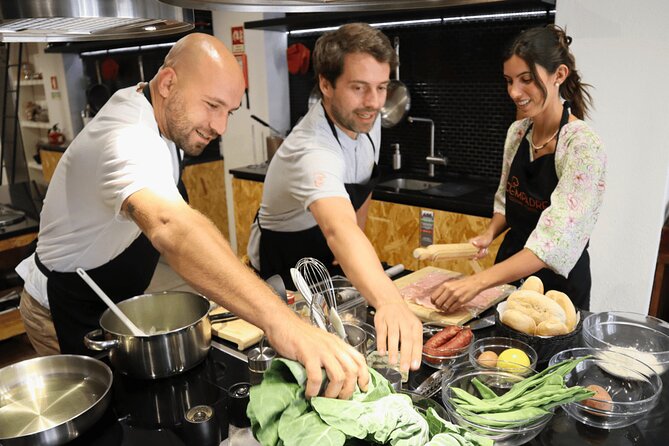
The class brings participants together at cooking stations and has everyone prepare the dishes as a group. You work side by side with other food lovers, with an English-speaking chef keeping the process moving.
That group setup is part of the appeal. You can compare techniques, share small tasks, and meet people who may have arrived with the same interest in food. The final meal gives the group a natural reason to sit together and talk.
The tone is friendly and informal. Instructors such as Marta and Anna have been praised for clear teaching, good energy, and helpful direction. Martha has also led sessions, while Roy has handled a drink-focused portion in at least one class. Because instructor assignments can vary, do not book on the assumption that one particular person will lead your session.
There is one fair caution. A participant felt Anna sometimes did too much hands-on work instead of teaching. That is worth keeping in mind if you want complete control of every step. In a short class, an instructor may sometimes move quickly or take over a task to keep the meal on schedule.
For most people, this will be a minor tradeoff. You get a guided class with a finished meal in two hours, not an open-ended workshop where every person works at an entirely separate pace.
The shared meal, wine, and Ginja finish
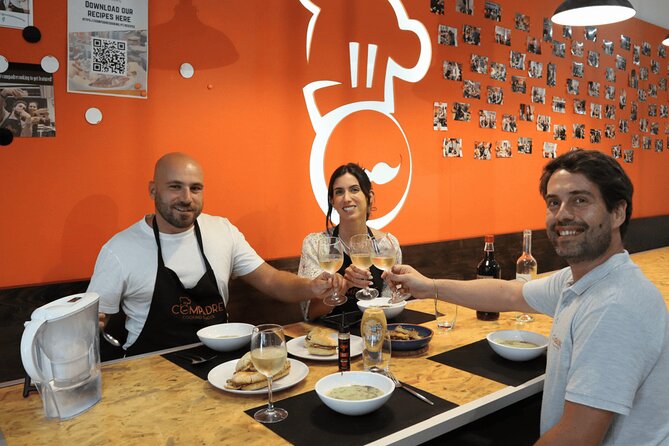
When the cooking is complete, everyone gathers to eat what they have prepared. This is one of the class’s strongest features because the food has a clear connection to the work you just did.
You are not handed a separate restaurant meal while your dishes remain in the kitchen. You taste the bifana, caldo verde, and Peixinhos da horta as a group, which gives the class a satisfying finish. The meal also lets you compare results and talk through the recipes while they are still fresh.
One glass of wine is included, either red or white. Additional drinks cost extra, so keep that in mind if you want more than the included serving. The experience ends with a tasting of Ginja, Portugal’s traditional cherry liqueur.
Ginja is a small but useful final touch. It gives you another taste of Portuguese food culture beyond the dishes themselves. If you do not drink, note that alcohol and drugs are not allowed as a general rule for the activity, and the included portion is specifically wine and Ginja.
What the $55 price really buys you
The $55 fee is reasonable if you value both instruction and food. A basic meal in Lisbon may cost less, but it will not teach you how to prepare three Portuguese dishes or give you a guided kitchen experience.
Included in the price are:
- Chef instruction in English
- All cooking ingredients
- The shared meal of prepared dishes
- One glass of red or white wine
- A tasting of Ginja
The most important value comes from the recipes. You can take the methods home and make them again, provided you can find suitable ingredients. The class is built around dishes that are simple enough for home cooks, so the lesson does not end when you leave the school.
The value is also stronger for solo visitors and couples who want a social activity. You share the table and the work with other participants instead of paying for a private kitchen experience. If you prefer quiet sightseeing or a formal meal, this may feel more active than you want.
Who should book this Lisbon cooking class?
I would recommend it most to food-focused visitors who want a short, social activity with a meal built in. It works well for couples, friends, solo visitors, and families with participants comfortable in a cooking setting, though the data does not specify a minimum age.
It is especially useful early in a Lisbon stay. You learn three dishes at the start, then have time to look for them in snack bars or try them at home later. It also suits people who want cultural context without committing to a long food tour.
You should think twice if you need wheelchair access, since the activity is not suitable for wheelchair users. You may also prefer a different experience if you want to study advanced culinary technique, cook alone, or sample a large range of foods. This class favors simple recipes, shared work, and a finished meal over technical depth.
The two-hour length is a strength for most schedules. You get a complete activity without losing half a day. The tradeoff is that the chef must keep things moving, so you should not expect a slow, detailed lesson on every ingredient or technique.
Should you book it?
Book this class if you want to eat Portuguese food and understand how it fits into daily life. The combination of bifana, caldo verde, and Peixinhos da horta gives you three distinct dishes, and the wine, Ginja, and shared meal make the $55 fee feel well balanced.
I would choose it over a more predictable pastry lesson if you want recipes with a stronger connection to ordinary Portuguese cooking. Go in wearing comfortable shoes, arrive five minutes early, and expect to work as part of a group. If you need wheelchair access or want a fully independent kitchen session, skip it. For everyone else, this is a practical and tasty way to spend two hours in Lisbon.
FAQ
How long does the Portuguese street food cooking class last?
The class lasts two hours. Check the available starting times when booking.
What dishes will I prepare?
You will prepare bifana, a Portuguese pork sandwich, caldo verde, a traditional collard greens soup, and Peixinhos da horta, a dish associated with the origins of tempura.
Is a meal included?
Yes. You share and eat the dishes prepared during the class. One glass of red or white wine and a tasting of Ginja are also included.
Is prior cooking experience required?
No. The class is designed for people without previous cooking experience.
What language is the class taught in?
The instruction is in English.
What should I bring, and is the class wheelchair accessible?
Wear comfortable clothing and shoes suitable for cooking, and arrive five minutes early. The activity is not suitable for wheelchair users.
More Hands-On Workshops in Lisbon
- Lisbon: Pastel de Nata Baking Class
★ 4.9 · 2,106 reviews - Lisbon: Traditional Portuguese Cooking Class
★ 4.9 · 592 reviews - Lisbon: 2-Hour Pastel de Nata Cooking Class
★ 4.8 · 461 reviews - Lisbon Portuguese Cooking Class with 3-Course Dinner
★ 5.0 · 445 reviews
Just added around Lisbon
- Lisbon: Traditional Portuguese Cooking Class★ 5.0 · 41 reviews
- Lisbon: Setúbal Market and Wine tour with Cooking class★ 5.0 · 4 reviews
- Lisbon: Pasteis de Nata Baking Class★ 5.0 · 134 reviews
- Lisbon: Portuguese Petiscos Cooking Class★ 4.7 · 6 reviews
- Lisbon: Portuguese Cooking Class with Wine Tasting★ 5.0 · 4 reviews
- Lisbon: Portuguese Cooking Class for Beginners★ 4.9 · 78 reviews
- Lisbon Cooking Class with Market Experience★ 5.0 · 13 reviews
- Market Tour, Cooking Class And Lunch At Mercado de Arroios★ 5.0 · 23 reviews
Cooking Classes, compared.
Half-Day Thai Cooking Class at Organic Farm in Chiang Mai
Read our review →
Florence: Pasta Cooking Class with Unlimited Wine
Read our review →
3 in 1 Cooking Class near Navona: Fettuccine, Ravioli & Tiramisu
Read our review →
Hanoi Cooking Class: Culture, Local Market & Meaning CSR Impact
Read our review →
5 Traditional Dishes Hanoi Cooking Class with Market Trip
Read our review →
Cooking Class and Lunch at a Tuscan Farmhouse with Local Market Tour from Florence
Read our review →
Chiang Mai: Cooking Class, Market & Thai Herbs Garden Tour
Read our review →Browse the lists this tour appears in